Serving Snellville, GA & nearby
(770) 230-5953
Snellville, GA

Garage Doors on Snellville's Older Housing Stock

Snellville's housing mostly dates 1951-2012, with the bulk from the 1960s-70s before insulation codes existed. Here's what that means for your garage door.

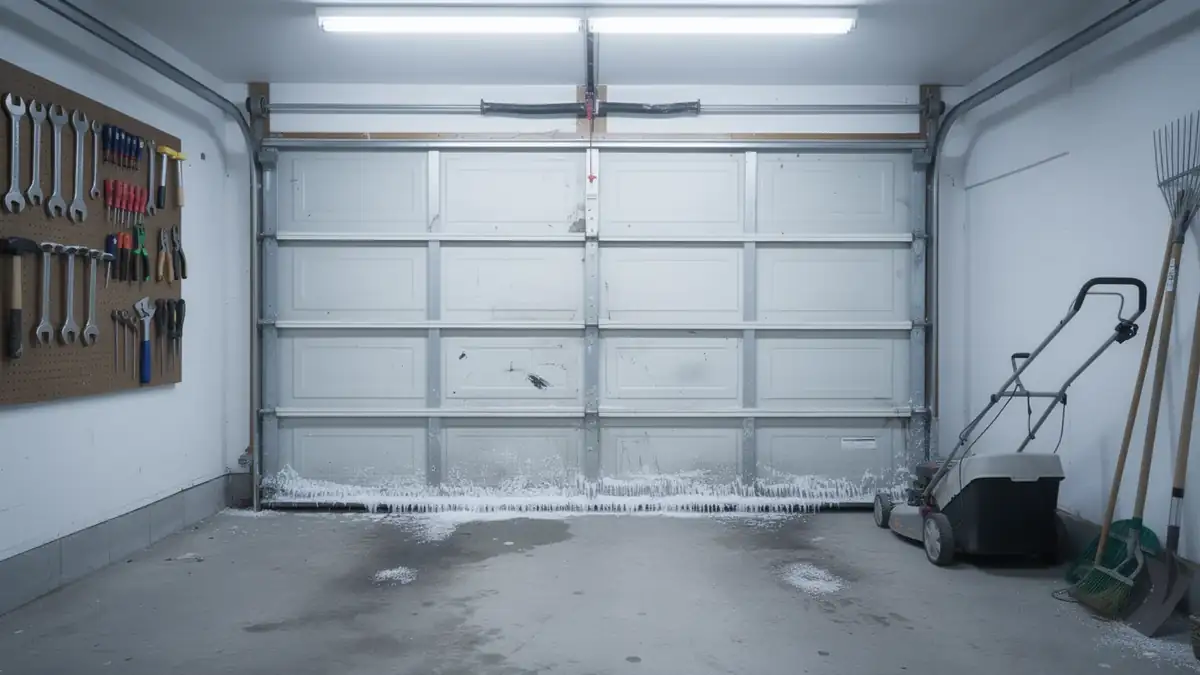
The white garage door has icicles and ice along its bottom edge.

When to Call Someone

If your garage door was installed when the house went up, and that house is one of the many in Snellville built in the 1960s or 70s, you're likely looking at a single steel skin door with no insulation layer at all. Call someone when the door is sagging between panels, when the opener strains and reverses on the way down, or when you feel cold air pour in along the bottom seal even with the weatherstrip intact. Those are structural or thermal problems, not cosmetic ones, and they don't fix themselves. If a panel is dented enough that the track binds, or if a torsion spring looks stretched or has a visible gap in the coil, that's also a call, not a weekend project. We don't push replacement on every old door - plenty of these original doors still run fine mechanically, they're just cold. The call is worth making when the problem is safety or function, not just comfort.

The Problem

Snellville's housing runs 1951 to 2012, with a median build year of 1978, and most of it sits in the 1960s-70s band across the area's named neighborhoods. That matters for garage doors because insulation requirements for residential garage doors weren't standard practice when these houses were framed. A door built to 1970s expectations is a flat steel or wood panel with an air gap behind it and nothing else - no foam core, no thermal break at the frame. Fifty-plus years later, that door is still doing the same job it always did: keeping rain and squirrels out. It was never built to keep heat in, and in a climate band that runs cold and moderate rather than mild, that gap shows up as a cold garage, condensation on tools, and in some cases a laundry room or bonus room above the garage that never quite holds temperature.

Checking It Yourself

Walk into the garage on a cold morning and put your hand flat against the inside of the door panel partway up, not just at the bottom seal. If it's noticeably colder than the wall next to it, you've got an uninsulated steel skin, which is normal and expected on a door from the original build era rather than a defect. Check the bottom seal for gaps you can see daylight through - on a house built decades before current door standards, the track and jamb may have settled slightly, and the rubber seal alone won't close that gap. Look at the panels themselves for rust-through at the bottom corners, common on older steel doors that have sat in a cold, damp garage for years. None of this tells you whether to replace the door. It tells you whether the cold you're feeling is the door, the seal, or the framing around it, which is the question worth answering before anyone quotes you a fix.

How Local Conditions Play In

Snellville sits in a cold-moderate climate band, which means winter cold snaps and seasonal swings are real but not extreme - nothing like a true northern climate, but enough that an uninsulated door built in 1968 or 1975 will sweat, feel drafty, and let the garage track outdoor temperature almost exactly. That's a different problem than wind or hail; it's a slow, constant heat loss that shows up on a utility bill more than in any single dramatic event. Across the 22 named areas that make up this part of the service territory, the housing pattern repeats: a build era that predates insulated garage doors, paired with a climate that's cold enough to make the lack of insulation noticeable but not severe enough to crack an old door apart outright. That combination is why so many of these doors are still standing - they were built for mild stress, just not for comfort - and why insulation upgrades, when they happen, tend to be a comfort decision rather than an emergency one.
How it works

From “it’s stuck” to “it’s fixed”

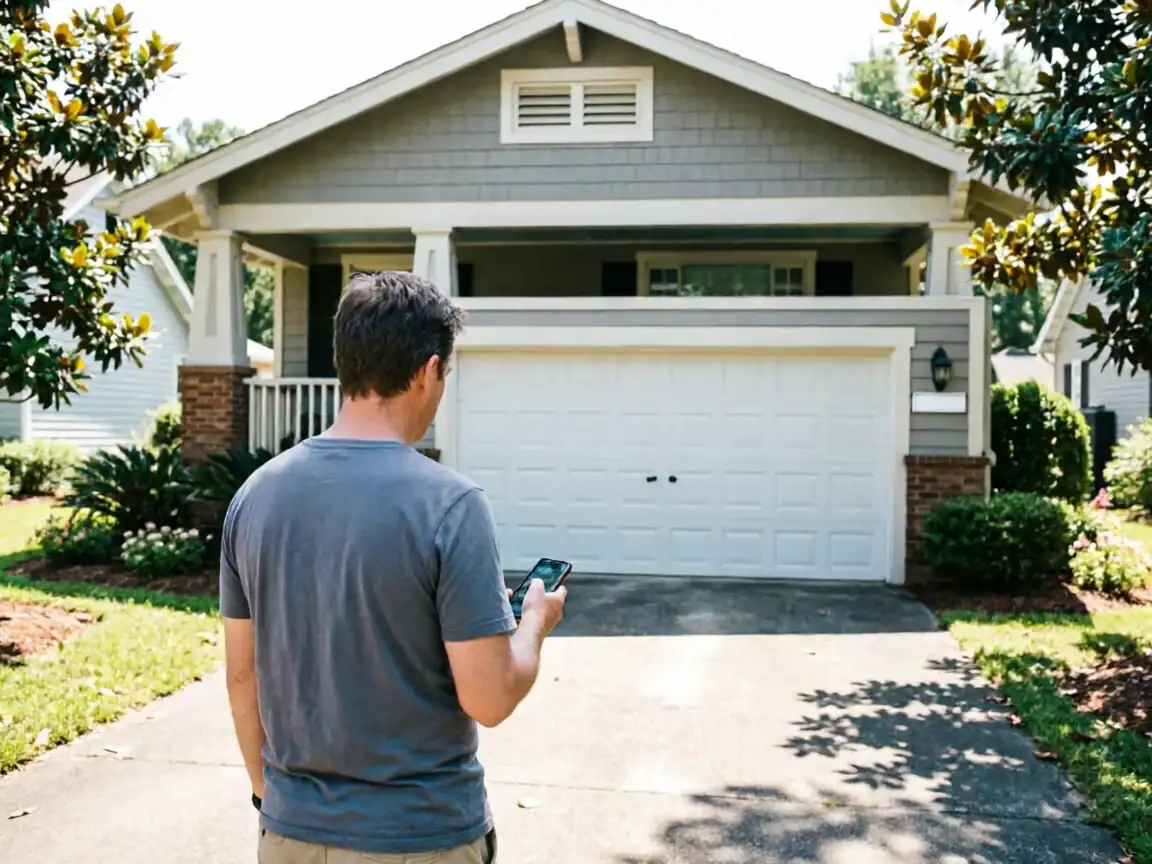
A man stands in a driveway holding a phone, facing a white garage door.

Tell us what’s wrong

Describe the symptom - won’t open, loud bang, opener runs but the door won’t move.

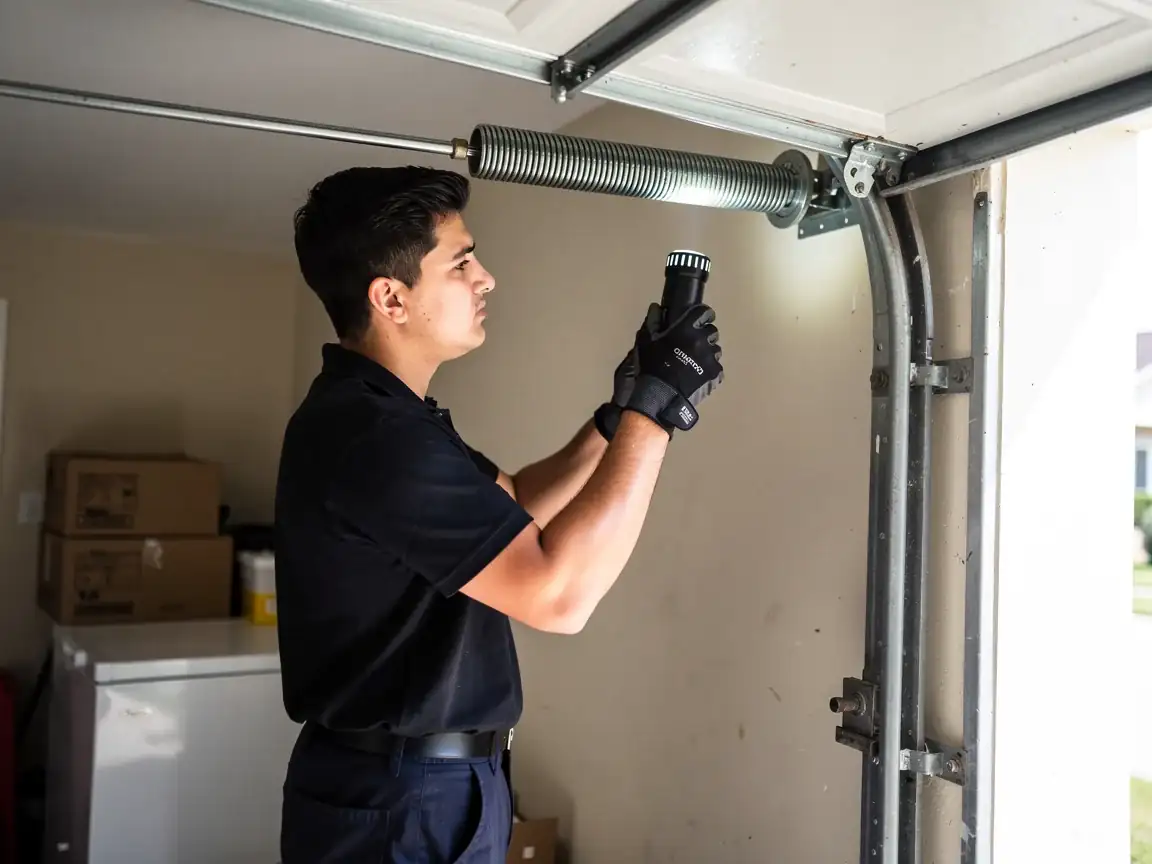
A technician shines a flashlight on a garage door torsion spring.

On-site diagnosis

A technician tests the door under power and by hand and finds what actually failed.

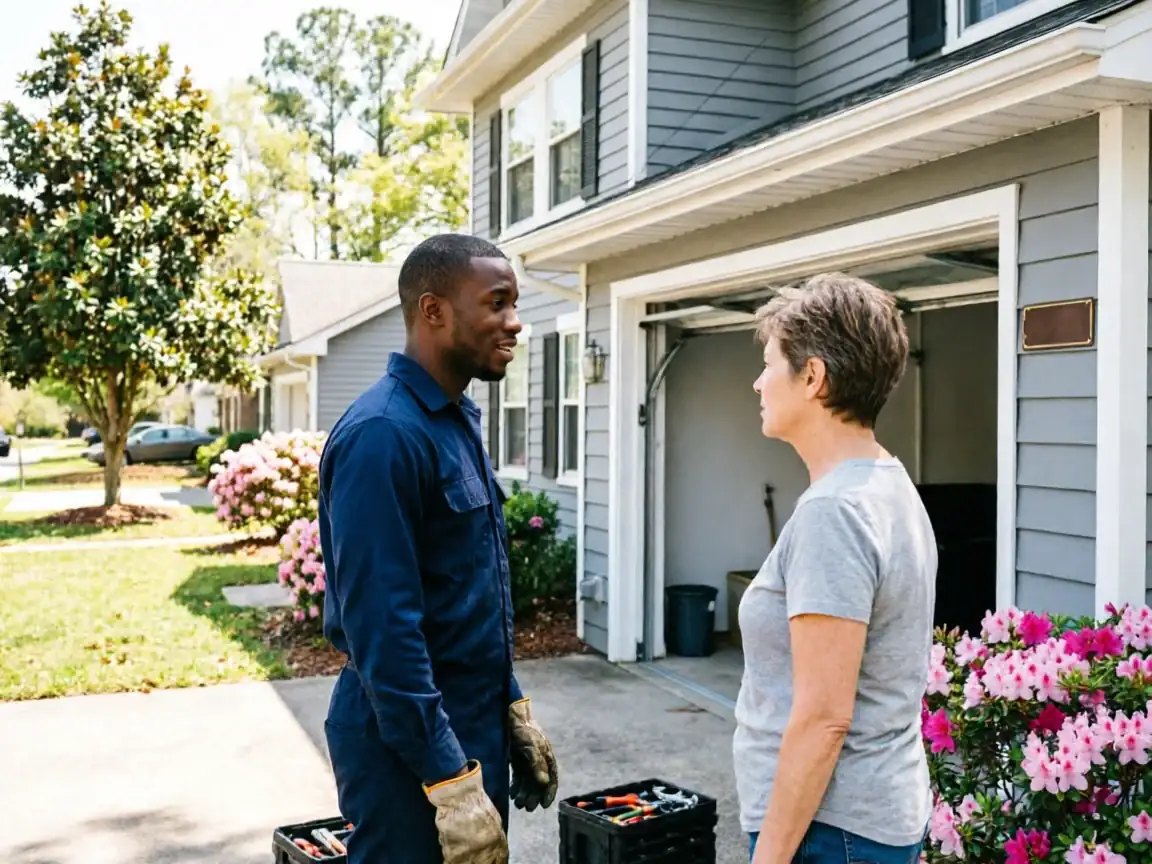
A technician in a blue uniform talks to a woman in front of a garage.

Clear, up-front plan

You get the fix that’s needed and what drives the cost - before any work starts.

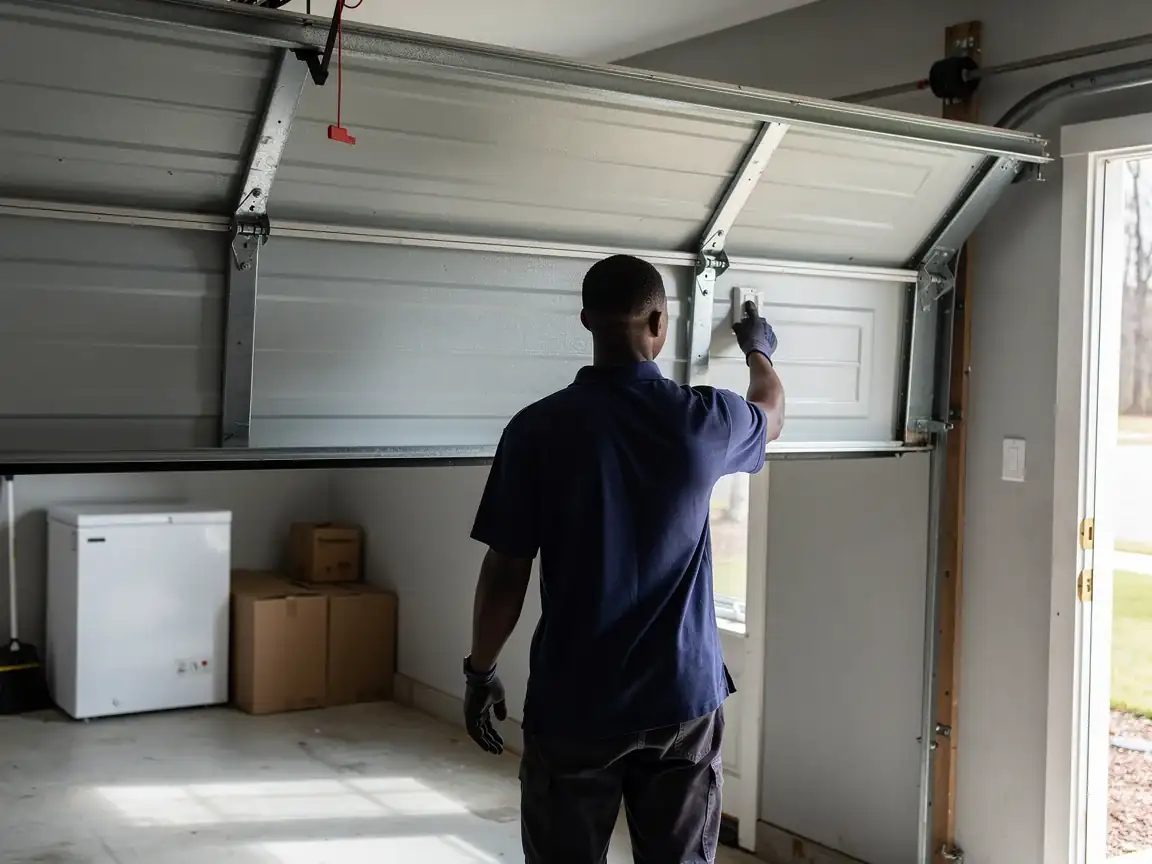
A technician in gloves is working on the inside of a garage door.

Repaired & tested

The repair is done, the door is set true and tested, and the work area left clean.

Not sure which repair your door needs in Snellville, GA? Describe what it’s doing - every job starts with a diagnosis.

How we work

What to expect

Diagnosis firstEvery visit starts by finding what actually failed - not a pre-written parts list.
The right part for the doorSprings and openers matched to the door’s weight and age, so the fix holds up.
Straight answersWhen a repair makes more sense than a replacement - or the reverse - you hear it plainly.
Clean, careful workTension released safely, hardware set true, the door tested under power before we leave.
What we do

Garage Door Services

Repair and installation work for Snellville homes and businesses.

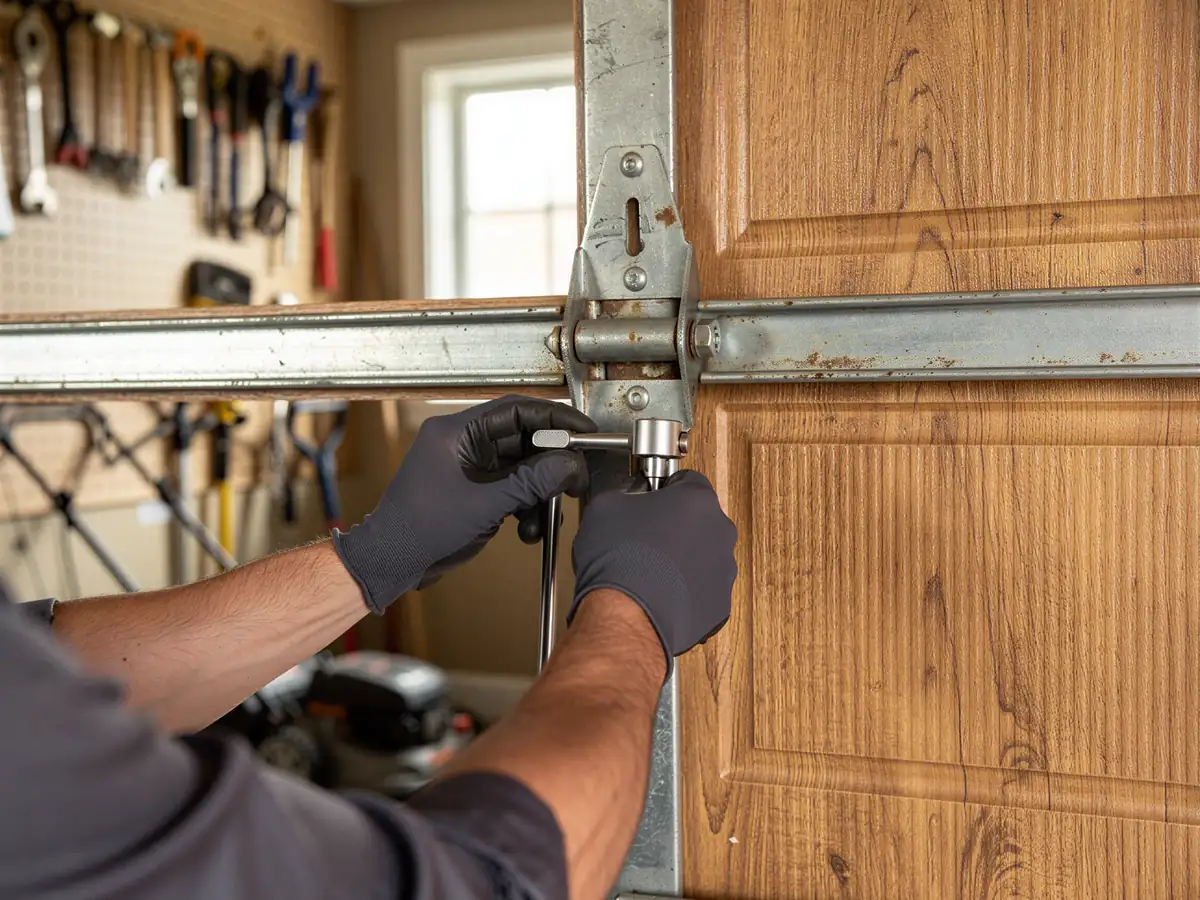
A technician in black gloves adjusts a garage door hinge with a wrench.

Garage Door Repair

Garage door repair in Snellville, GA for homes built from the 1960s to the 2000s, where cold snaps and aging torsion springs cause most of the calls we get.

Learn more
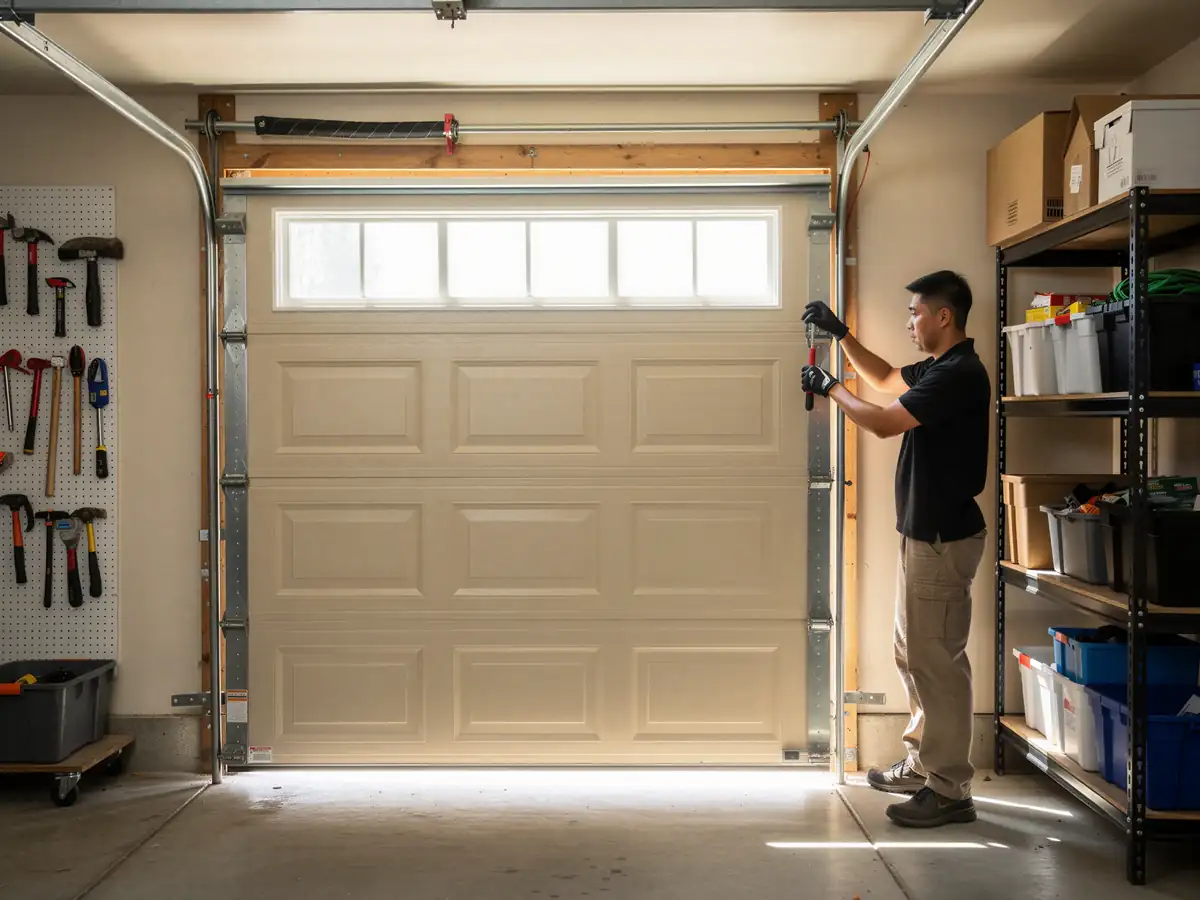
A technician in black gloves adjusts a beige garage door with windows.

Garage Door Installation

Garage door installation for Snellville homes built 1951-2012, matched to the track, header, and opener setups common in this area's housing stock.

Learn more
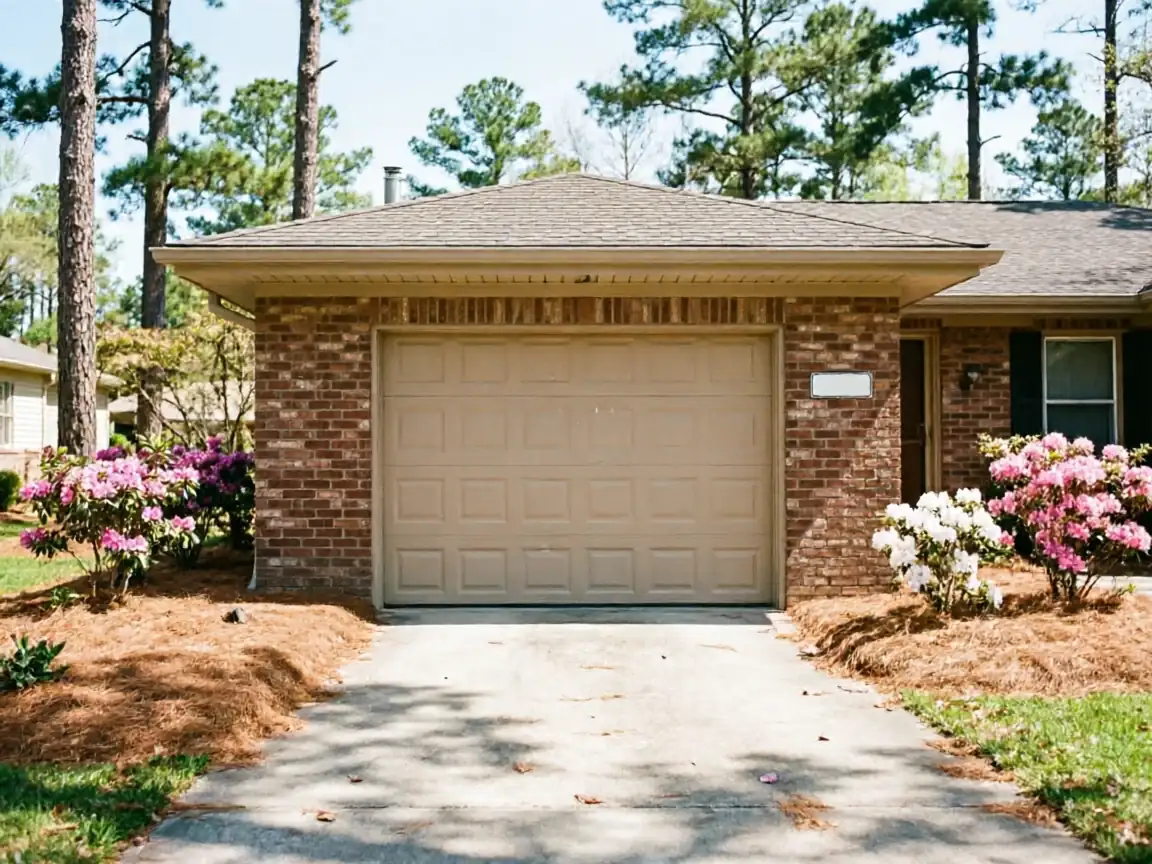
A tan garage door is on a brick house with a driveway and landscaping.

Garage Door Service

Snellville homeowners with 1960s-70s torsion spring doors: why DIY fixes on original hardware fail, and how a cold snap turns a loose spring into a dead door fast.

Learn more
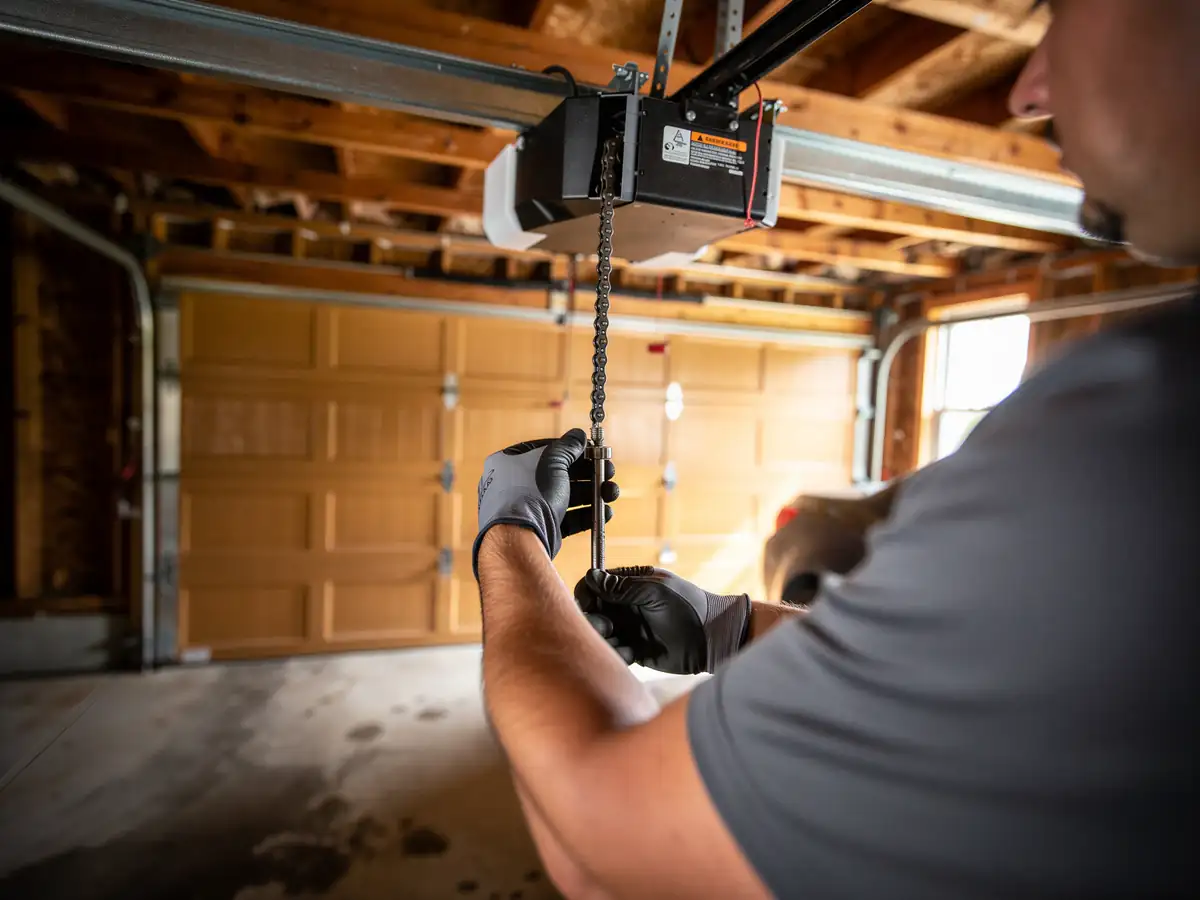
A technician in gloves adjusts the chain on a garage door opener.

Opener Repair

Opener grinding, reversing, or dead on a house built between 1951 and 2012? We fix chain, belt, and screw-drive openers across the Snellville service area.

Learn more
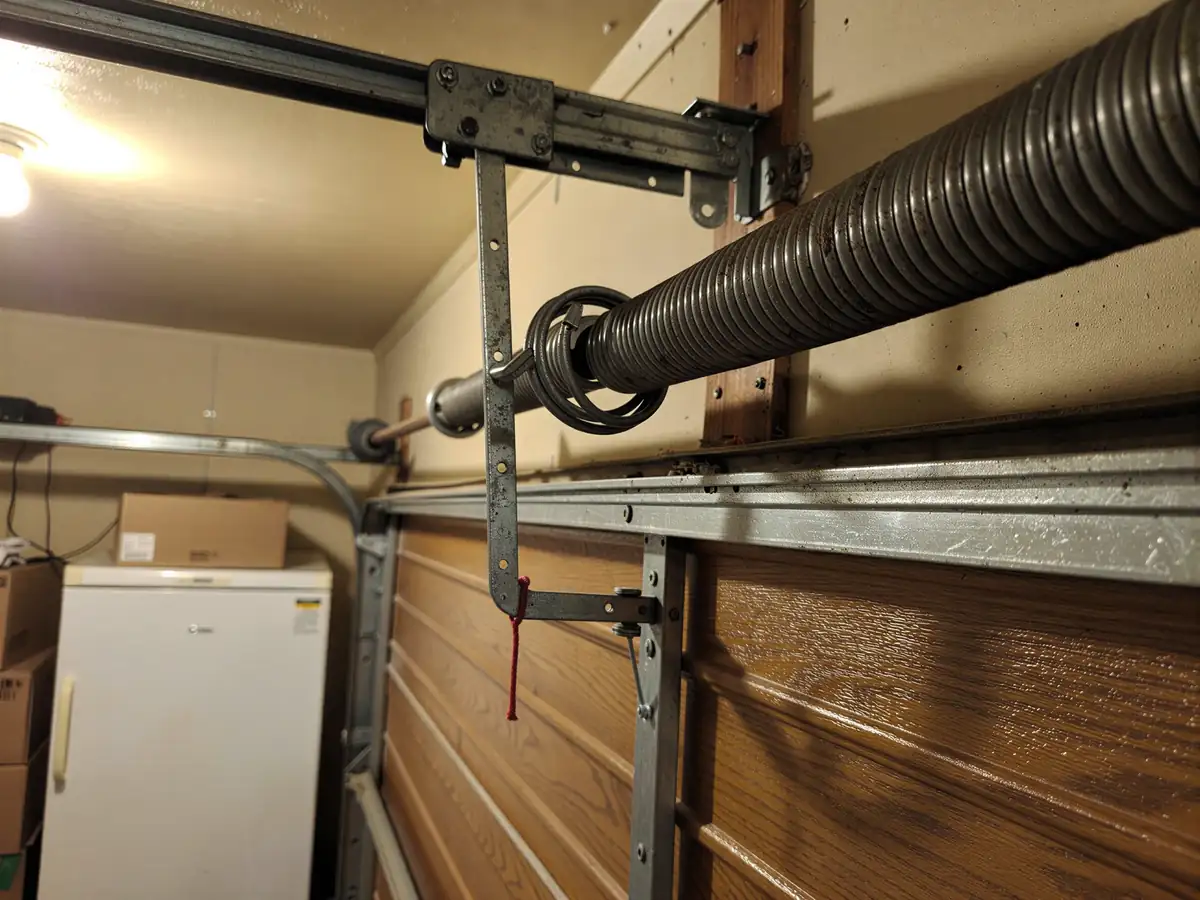
The torsion spring is mounted above a wooden garage door.

Spring Repair

Snellville's 1960s-70s housing stock runs original torsion springs most owners don't recognize as a two-part counterweight system. Here's why DIY spring repair fails here.

Learn more
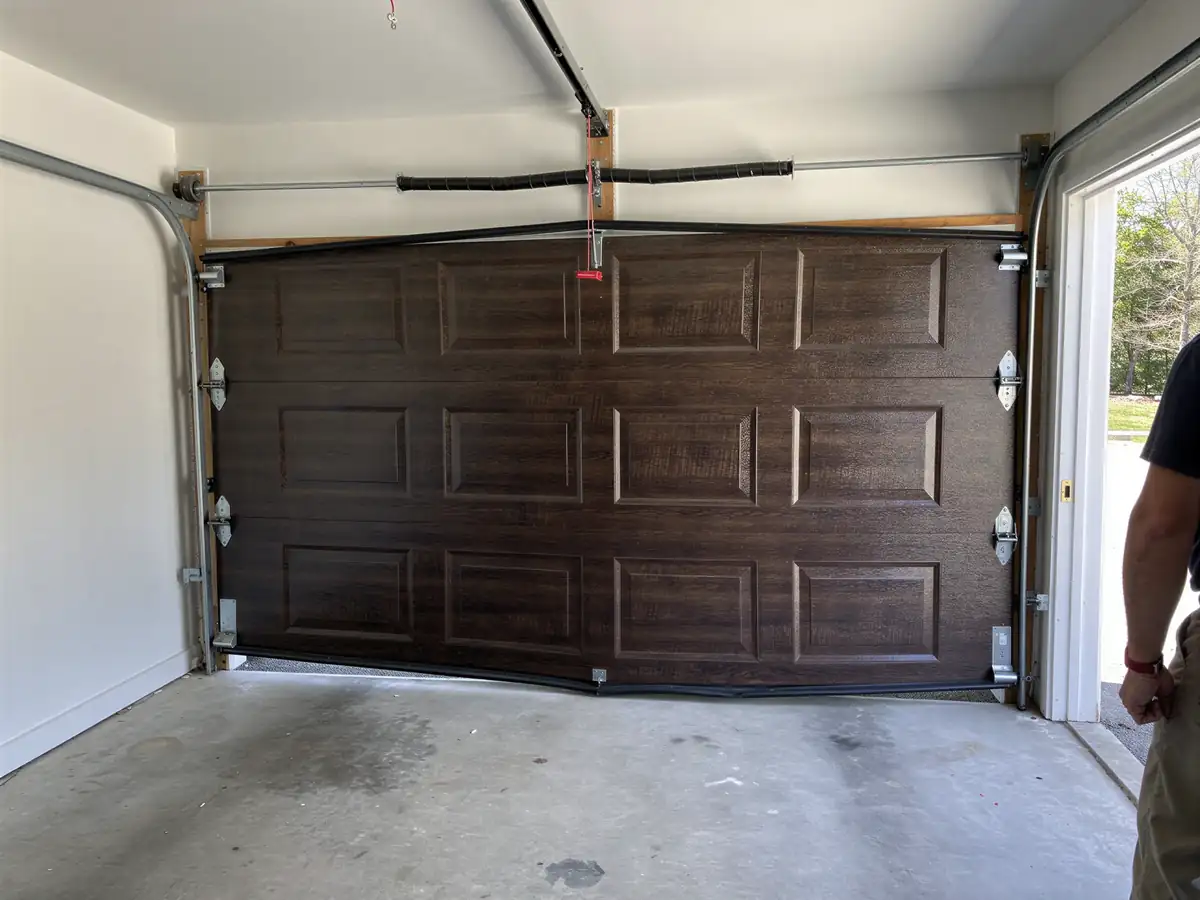
A dark brown garage door is off its tracks and partially open.

Off-Track Repair

Snellville homes built from the 1960s through the 1990s share the same track and roller setups that slip off alignment. Here's why, and what fixing it right actually takes.

Learn more
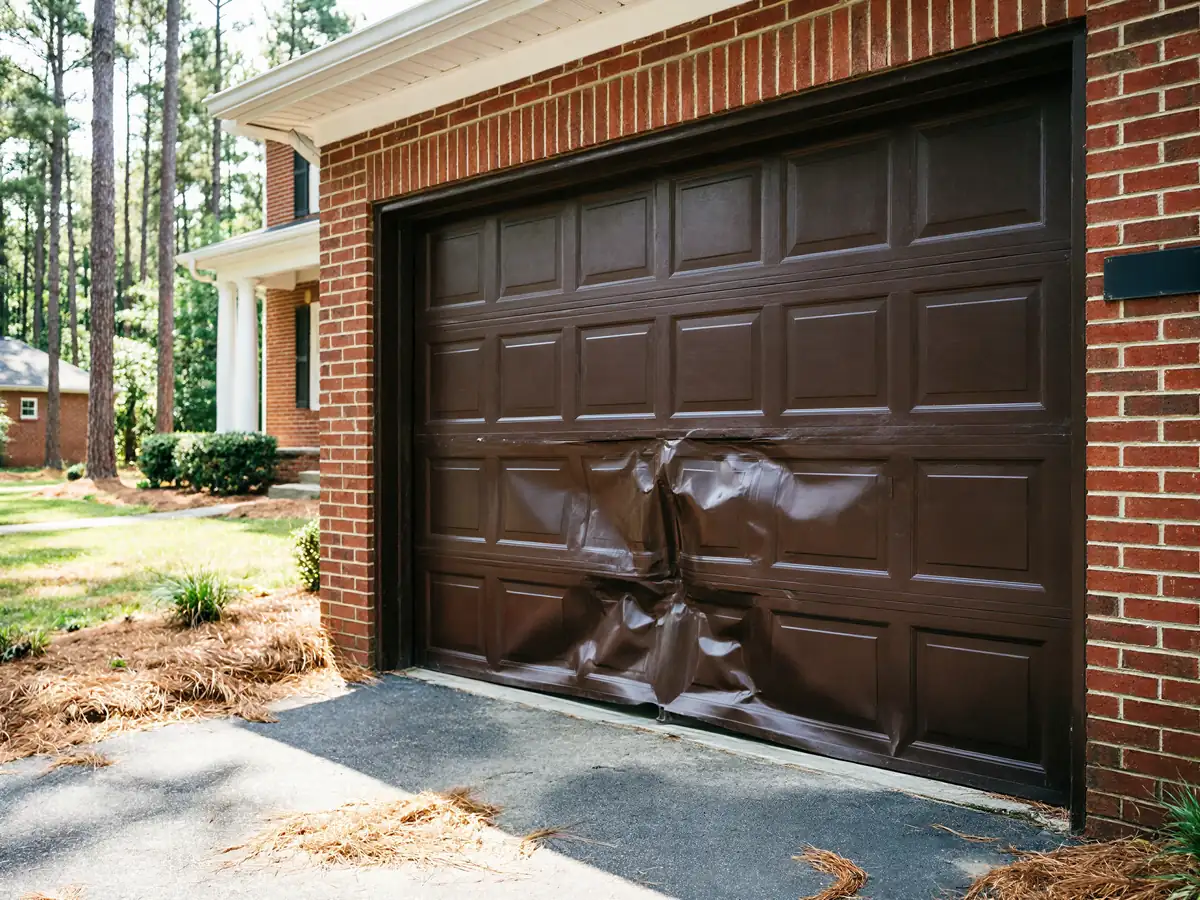
A brown garage door on a brick house is severely dented.

Panel Replacement

Panel replacement for Snellville garage doors built in the 1960s-70s housing boom: how cold-weather cycling cracks and dents steel sections, and when to replace vs. patch.

Learn more
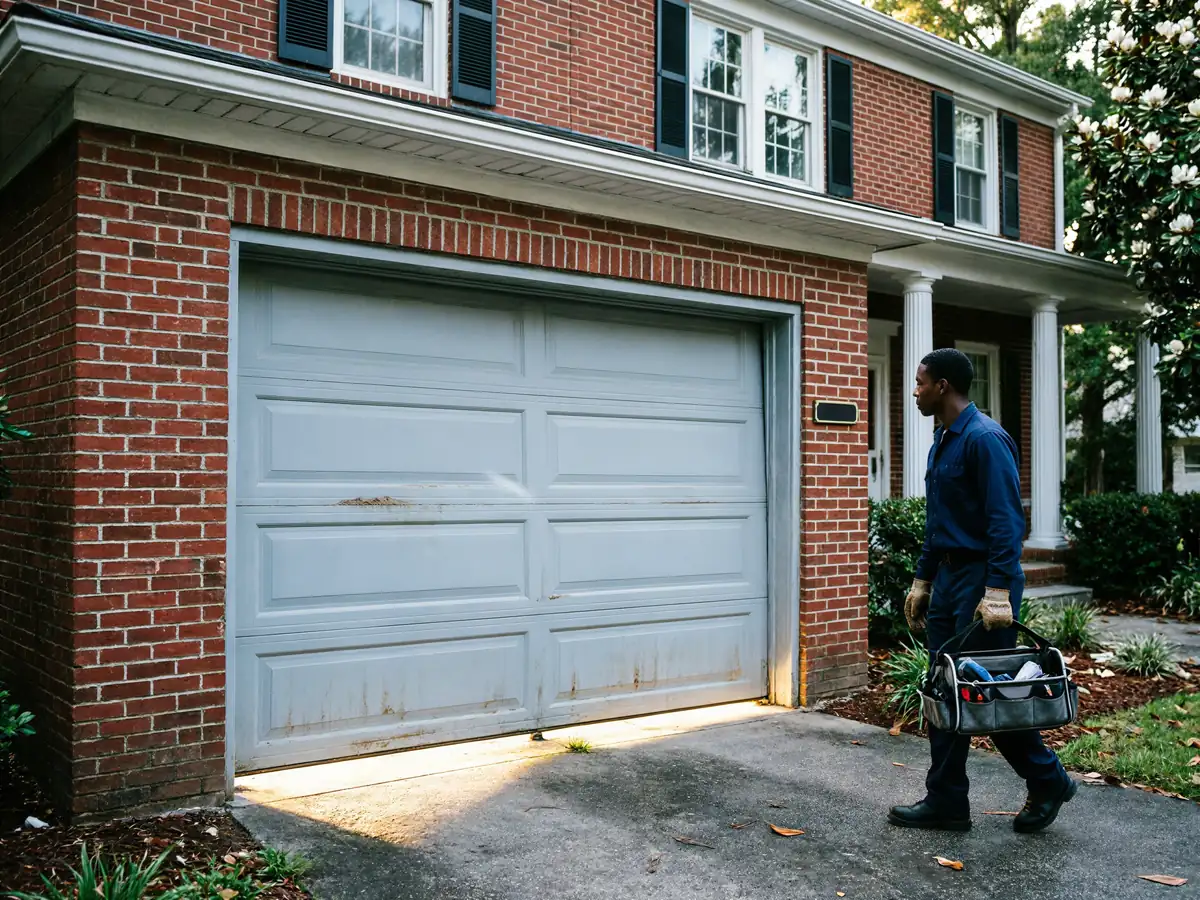
A technician carries a toolbox past a gray garage door on a brick house.

Emergency Garage Door Repair

Spring snapped, door stuck shut, opener dead at the worst time. Snellville Garage Door Pros covers emergency repair across the service area, day or night.

Learn more
Questions

Frequently asked

Straight answers about garage door repair in Snellville. Still unsure? Ask us directly.

Is my old garage door actually a safety problem or just cold?

Usually just cold. A flat steel door from the 1960s or 70s was built without insulation because that wasn't a standard requirement yet. Cold air coming through the panel itself is expected and not dangerous. The safety concerns are separate: spring condition, cable wear, and whether the opener reverses properly. Those don't relate to insulation at all.

Should I insulate my existing door or replace it?

Depends on the door's condition. If the panels, track, and hardware are sound, an insulation kit or retrofit can cut the draft without full replacement. If the door is also rusted, dented, or the springs are near end of life, replacement handles both the comfort issue and the mechanical one at once. We can't tell you which without seeing the door.

Why does my garage feel colder than the rest of the house?

On houses built in Snellville's common 1960s-70s era, the garage door is often the single least insulated surface in the structure. Walls and attics have had insulation added or upgraded over decades of ownership; the original garage door usually hasn't. That gap between the two is why the garage reads colder than everywhere else.

Ready to get your garage door sorted?

Tell us what it’s doing and where you are in Snellville - we’ll take it from there.

Request a QuoteCall