What Was Built Here
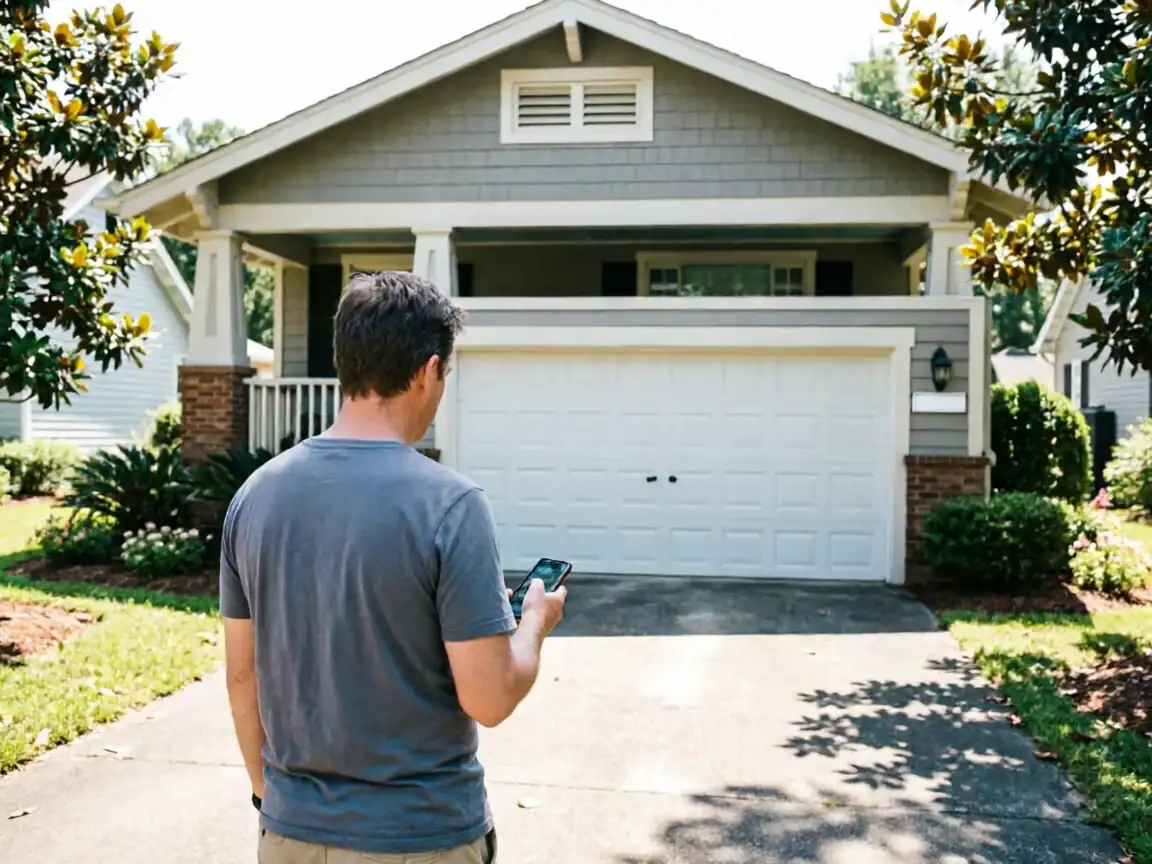
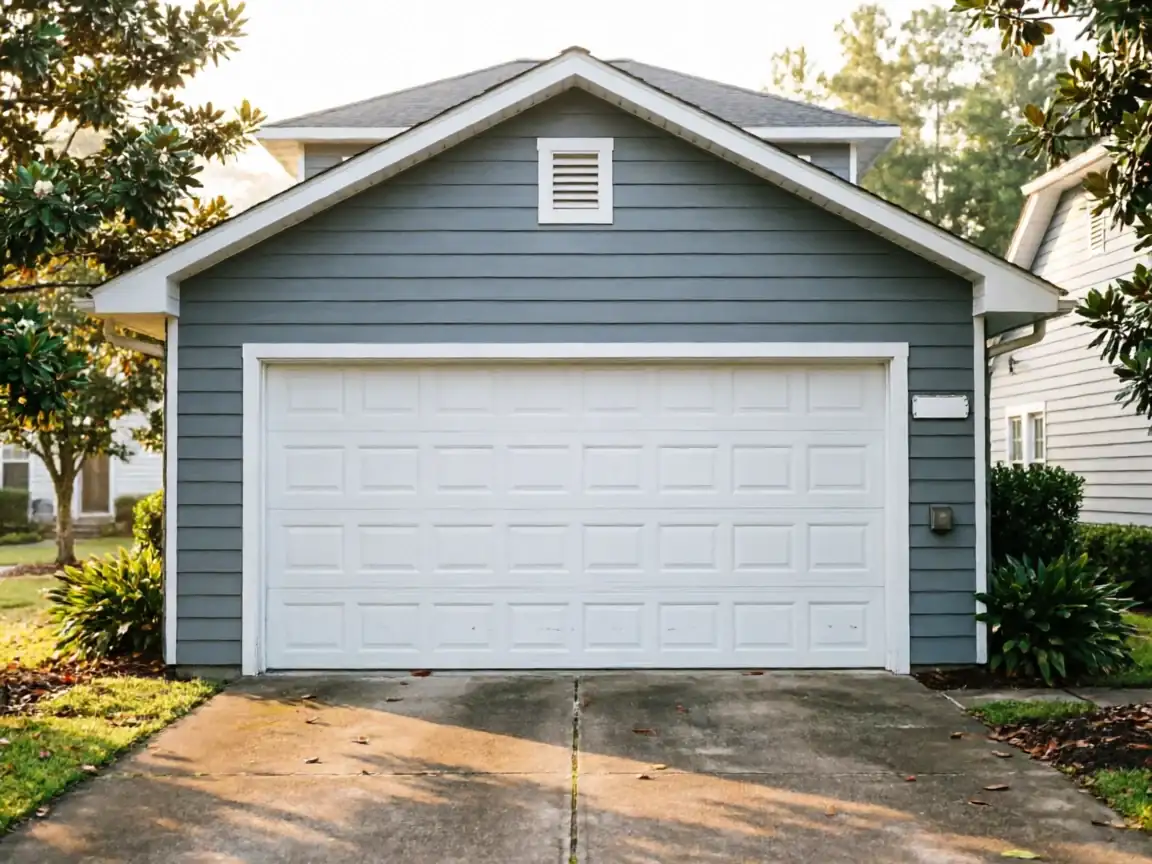
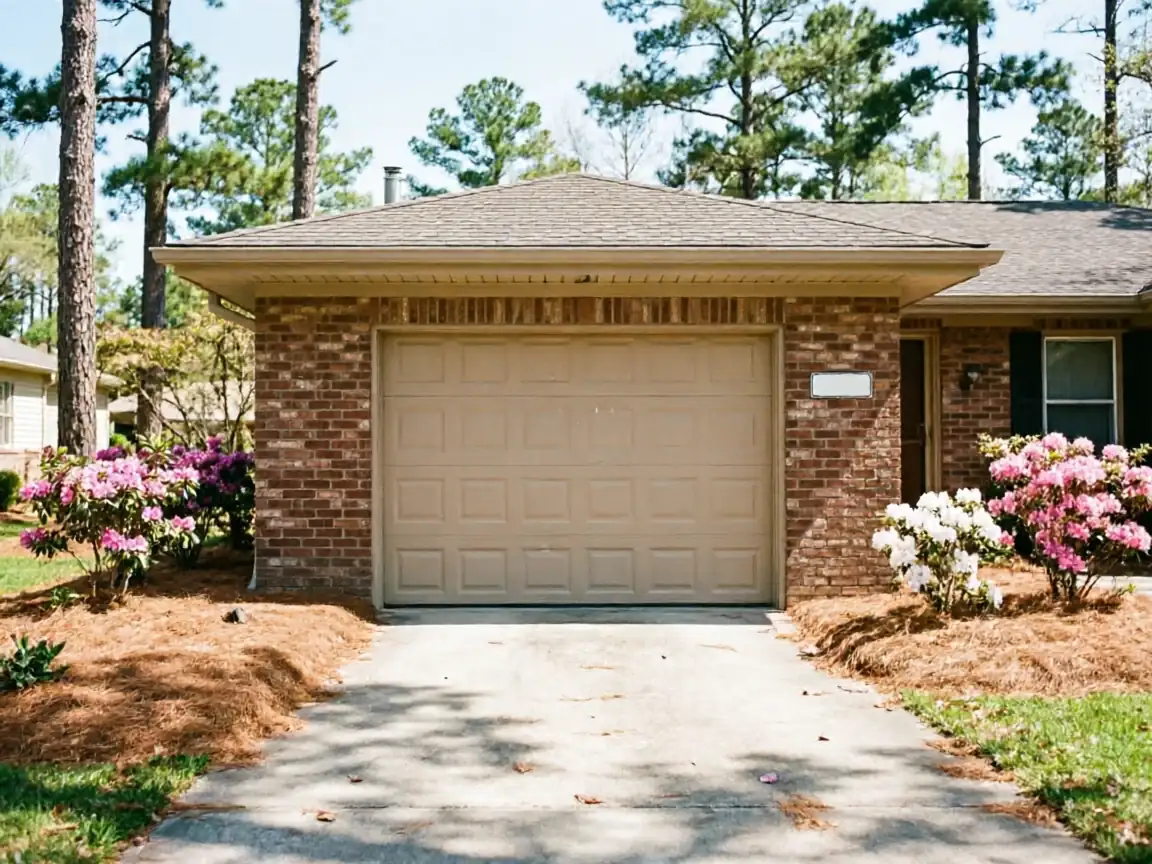
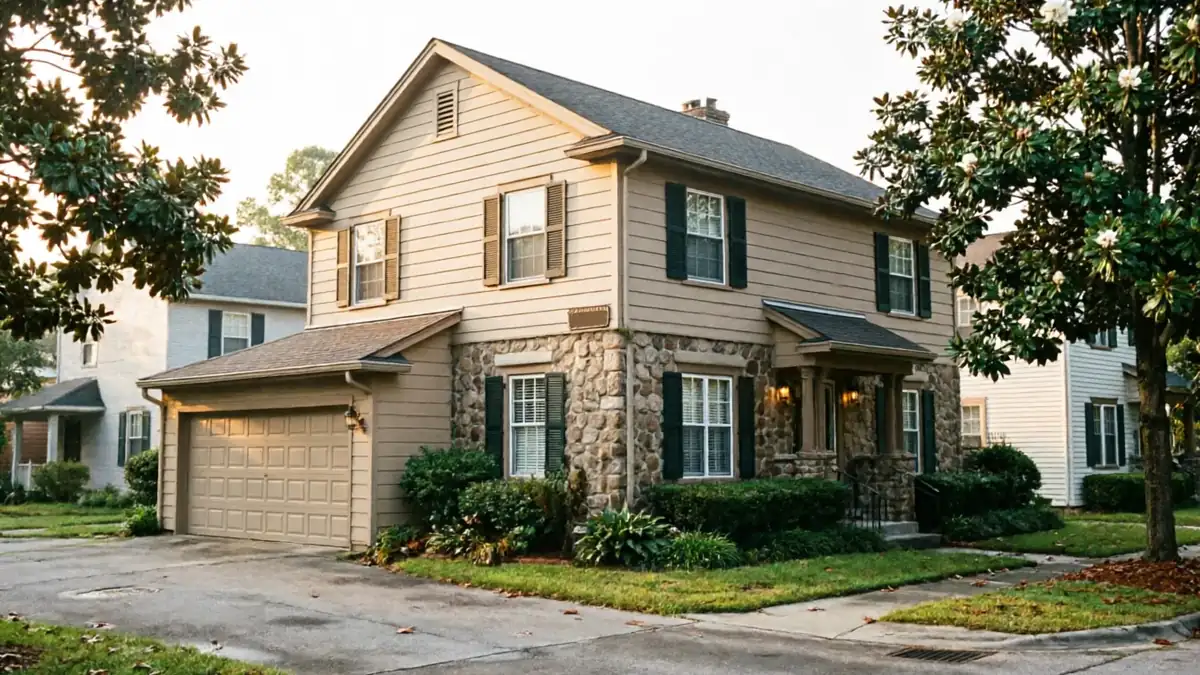
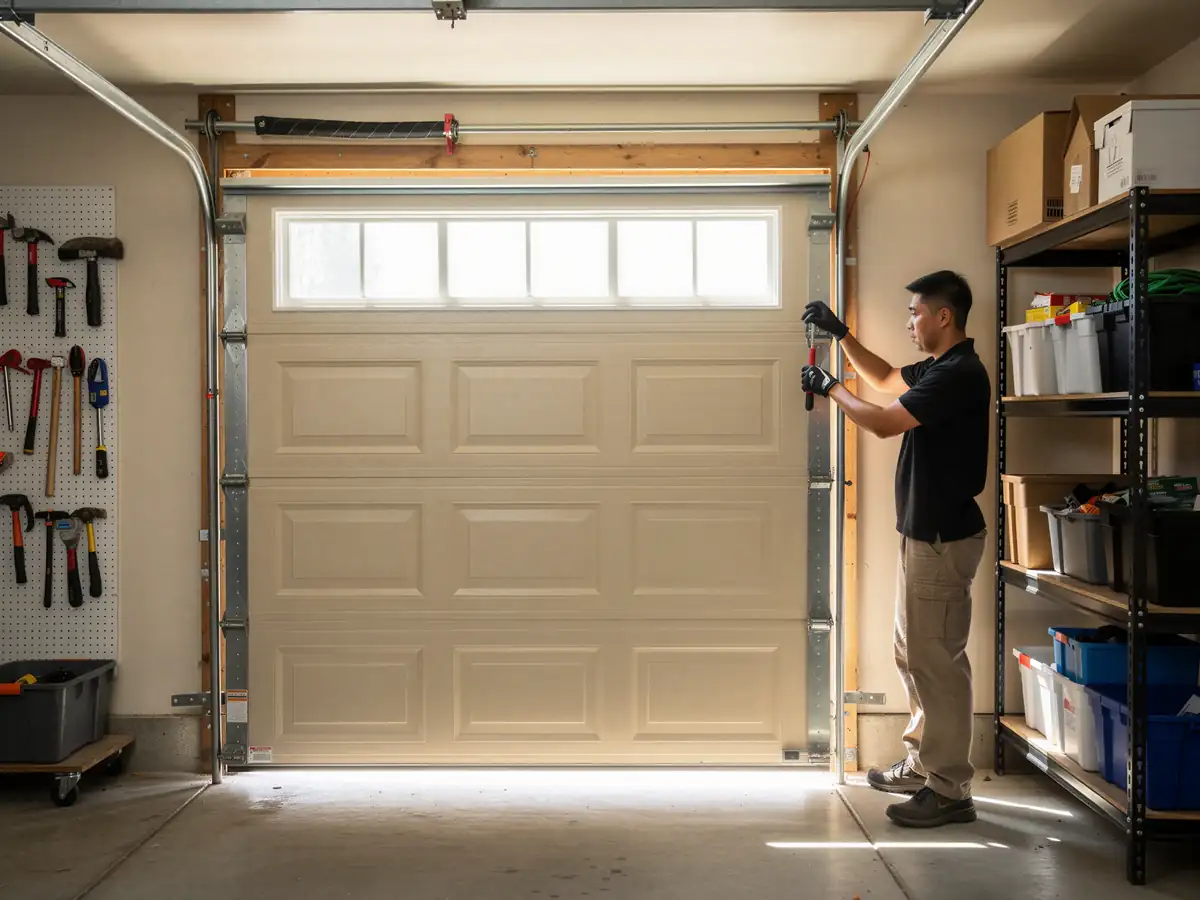
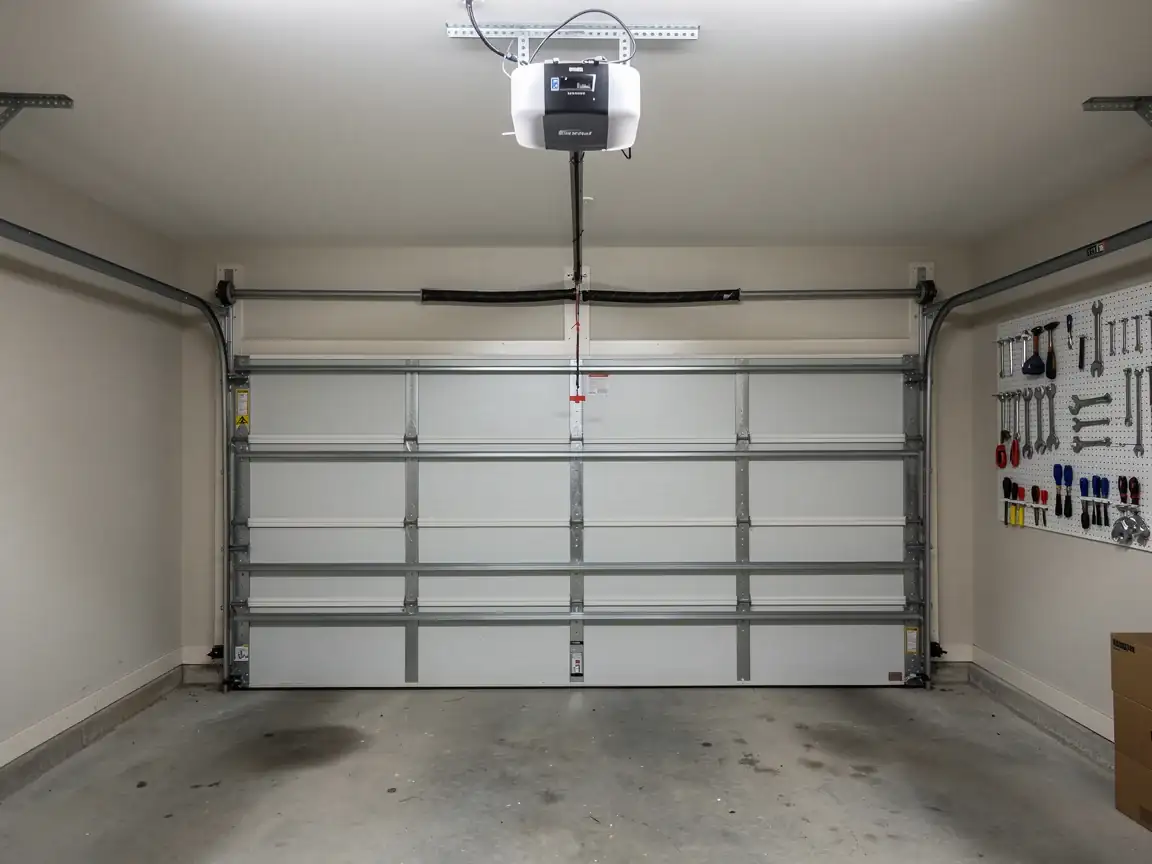
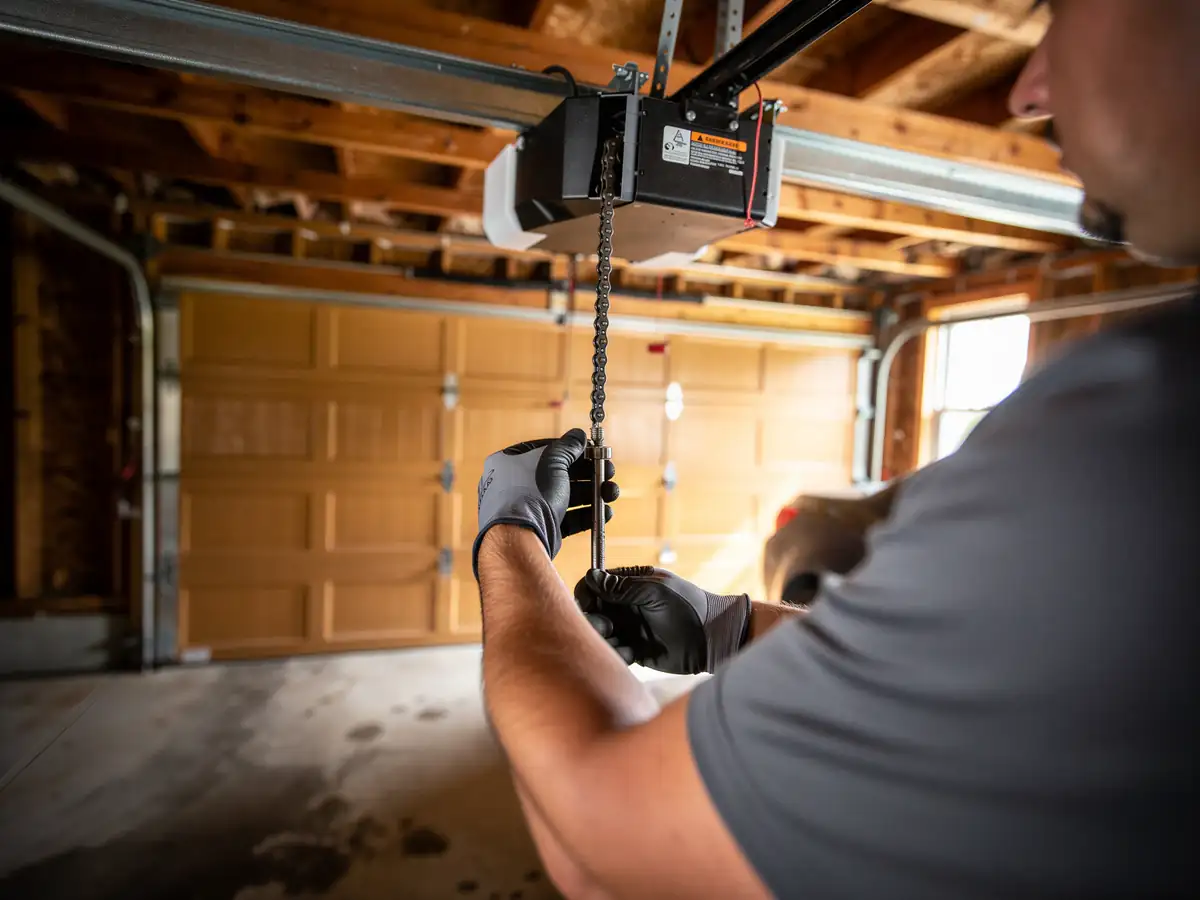
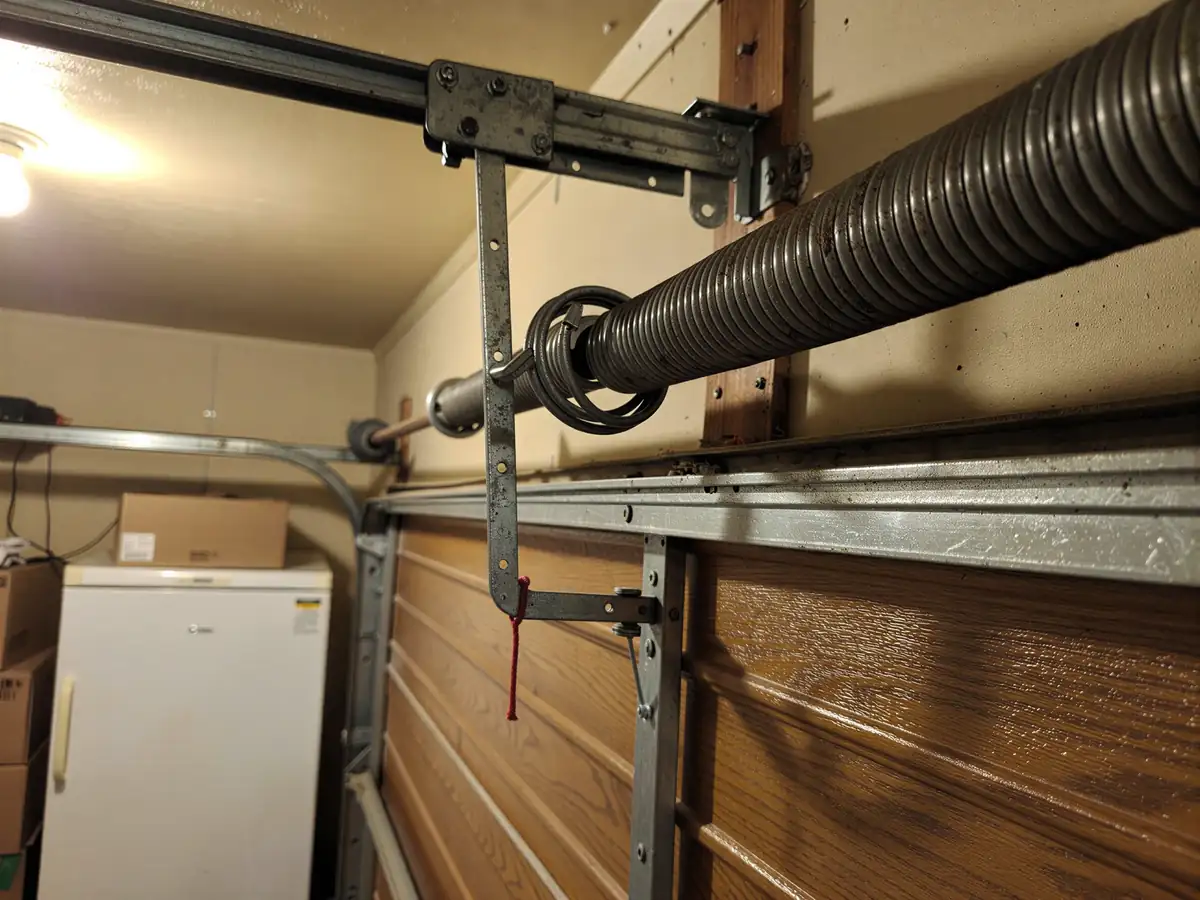
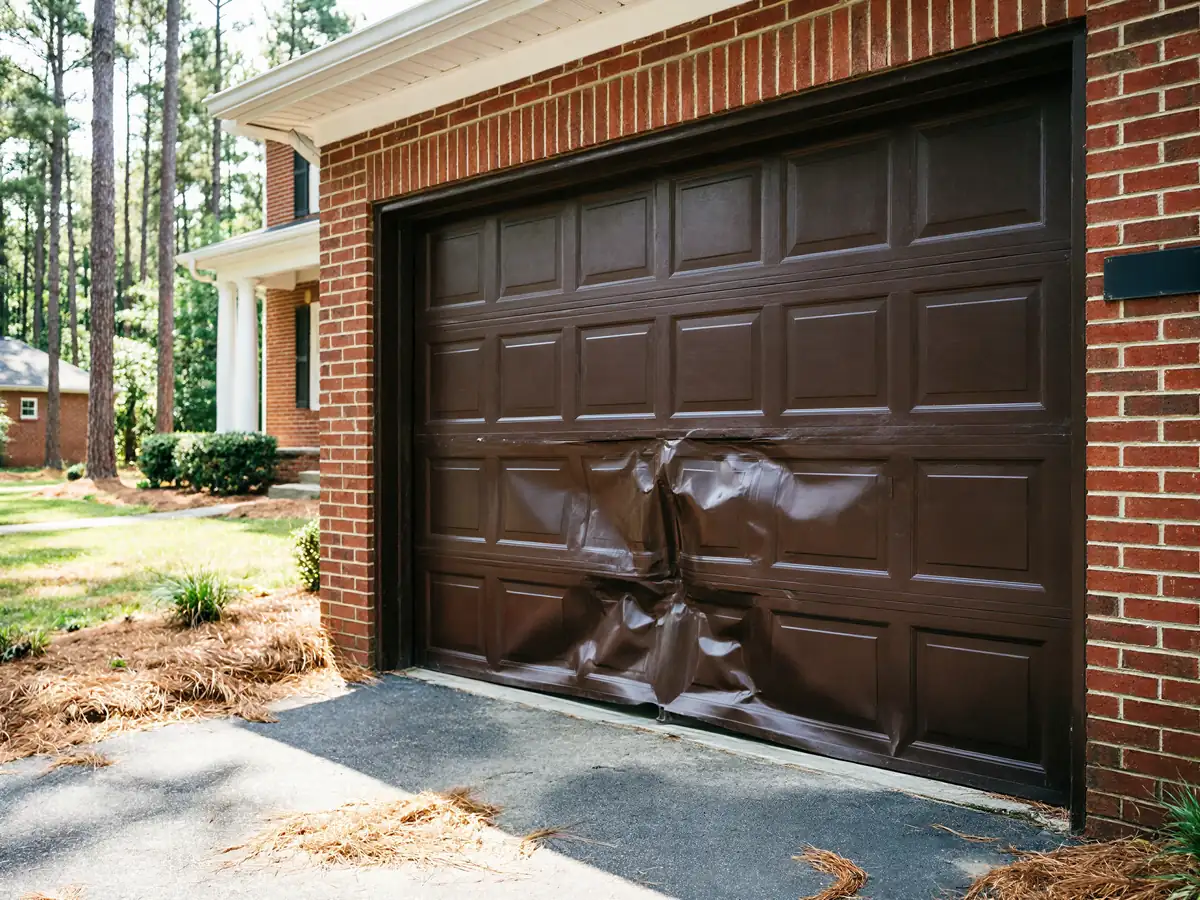
Auburn runs newer than most of the area we cover. The median house here went up around 1992, a good 14 years later than the median across our wider service territory, which centers closer to 1978. That gap matters more than it sounds like it should. A door and opener installed in 1992 is built to a different spec than one from the 1970s - steel sections instead of older wood-composite panels, extension or torsion springs sized for lighter galvanized track, and openers that are more likely to be chain-drive units from the first wave of mass-market residential automation. With roughly 2,733 households in Auburn, you've got a fairly tight band of houses hitting the same age-related failure points around the same time: worn nylon rollers, opener logic boards from the 1990s and early 2000s dying out, and torsion springs reaching the end of their cycle life after three decades of twice-daily use. This isn't the same conversation we'd have in a neighborhood full of 1960s ranch houses.
What We Will Not Take On
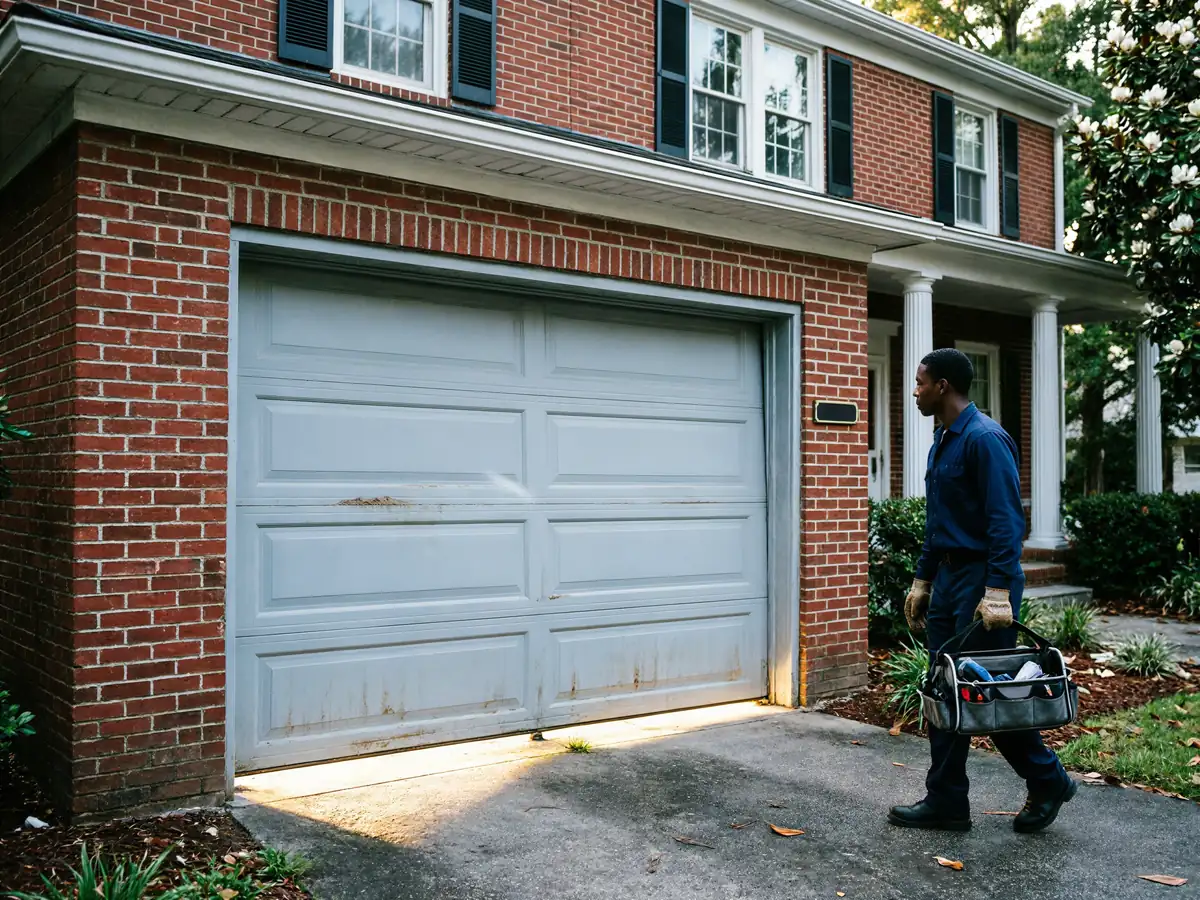
We don't keep a depot in Auburn - we run out from Snellville, about 15 miles away, so same-day emergency calls aren't something we promise here the way we might closer to home. If your spring snaps on a Saturday night and you need someone in the driveway in twenty minutes, we're not that option for this address. We also won't tell you a door is dead just because it's 30 years old; plenty of 1992-era steel doors are still straight and solid, and if the panels are sound the fix is usually the opener or the spring, not the whole unit. What we won't do is swap a working torsion spring system for a cheap retrofit kit just to pad a ticket - if the original hardware is rated right for the door weight, we service it instead of replacing it.
How That Shows Up in the Door
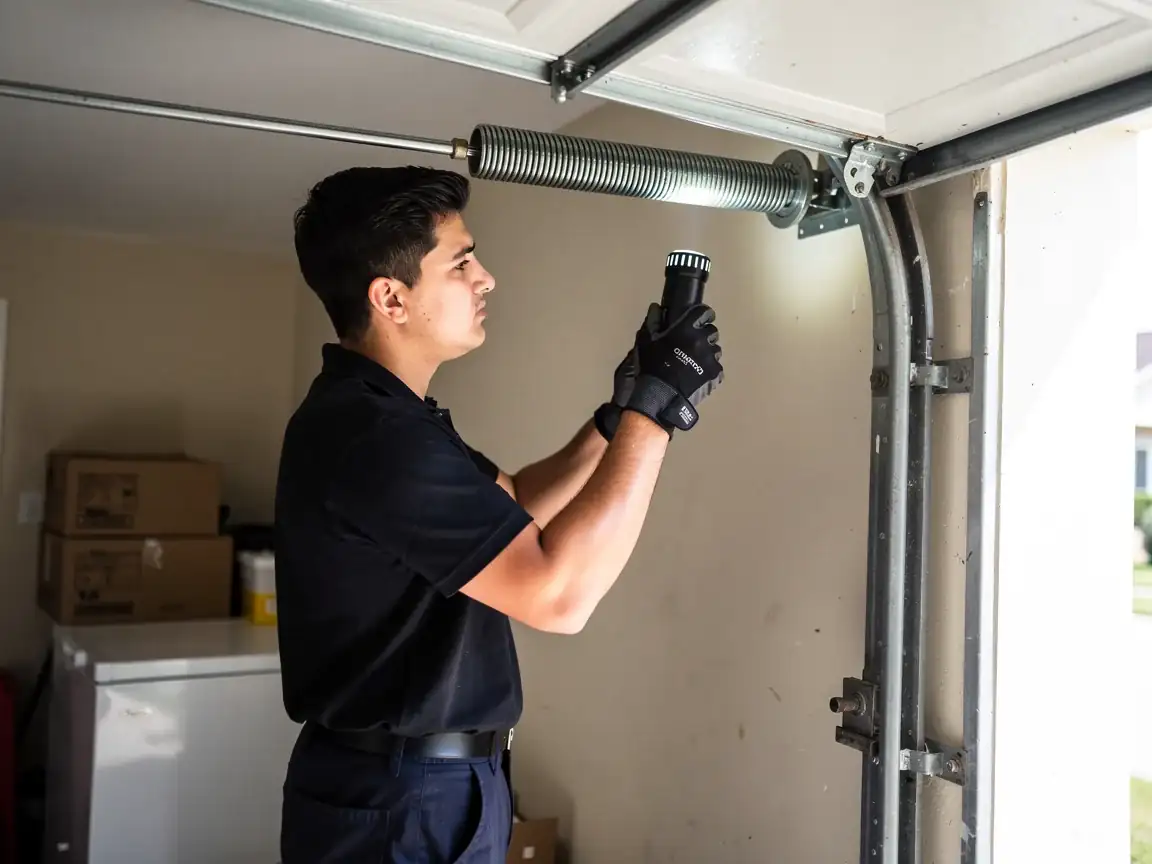
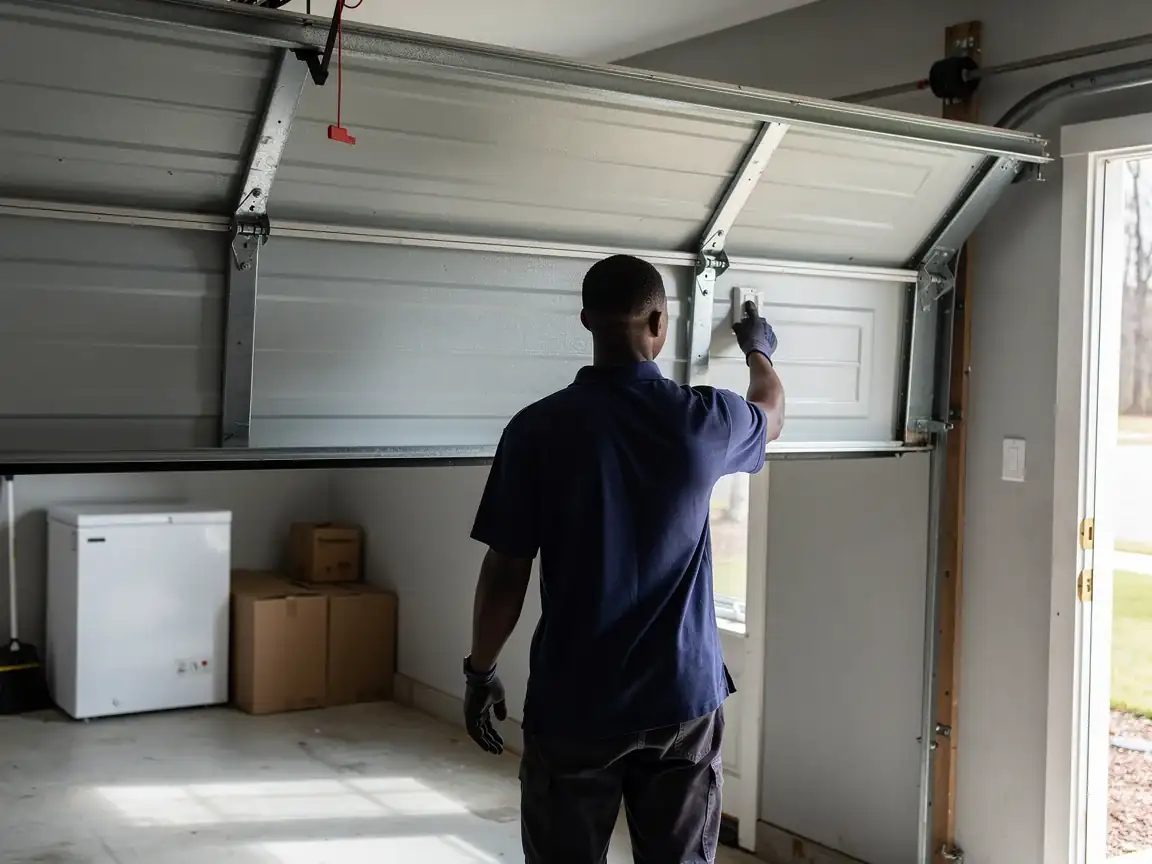
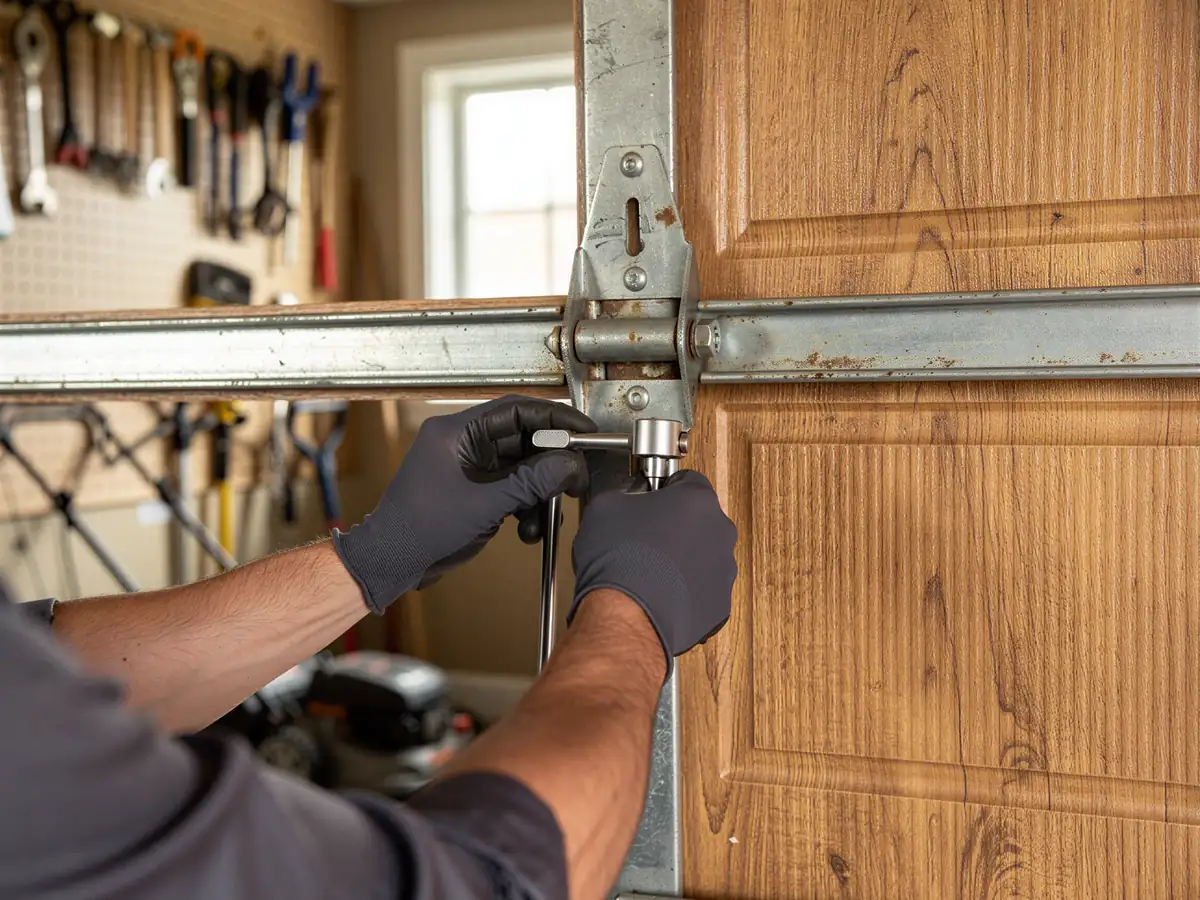
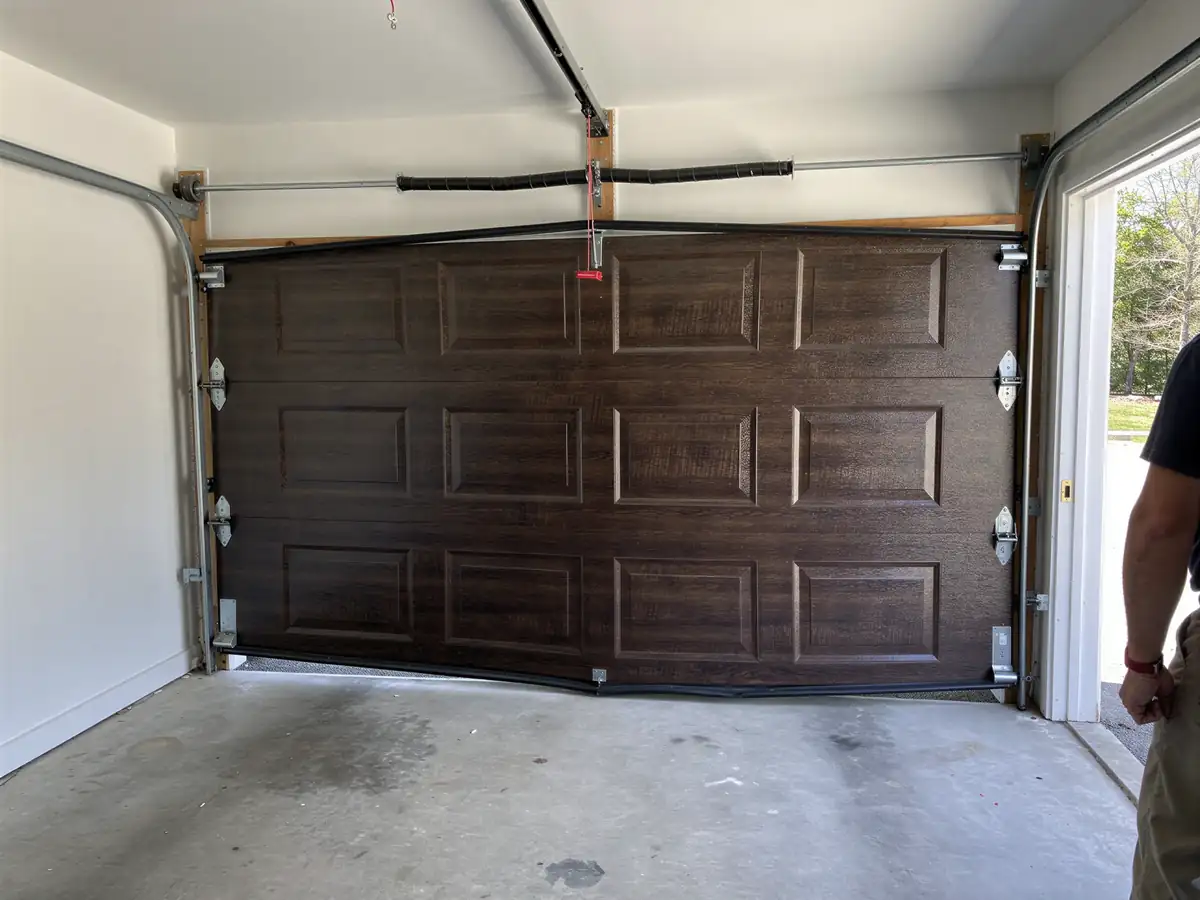
Put the build year and the household count together and you get a specific kind of service call. Houses from 1992 in a cluster of 2,733 households mean a lot of original torsion springs are now 30-plus years old and past the cycle count they were rated for - that's the single most common failure we expect to find here, more than cable fraying or track misalignment. Median household income in Auburn runs $78,317, noticeably higher than the $70,625 figure across the broader area, and in practice that means more owners choosing full opener replacement with modern safety sensors rather than patching an old unit repeatedly. We still see the patch jobs too - a new logic board or a drive gear kit can buy years on an otherwise sound chain-drive opener. The call is which one makes sense for the specific door in front of us, not a blanket rule for the neighborhood.