Doing It Yourself
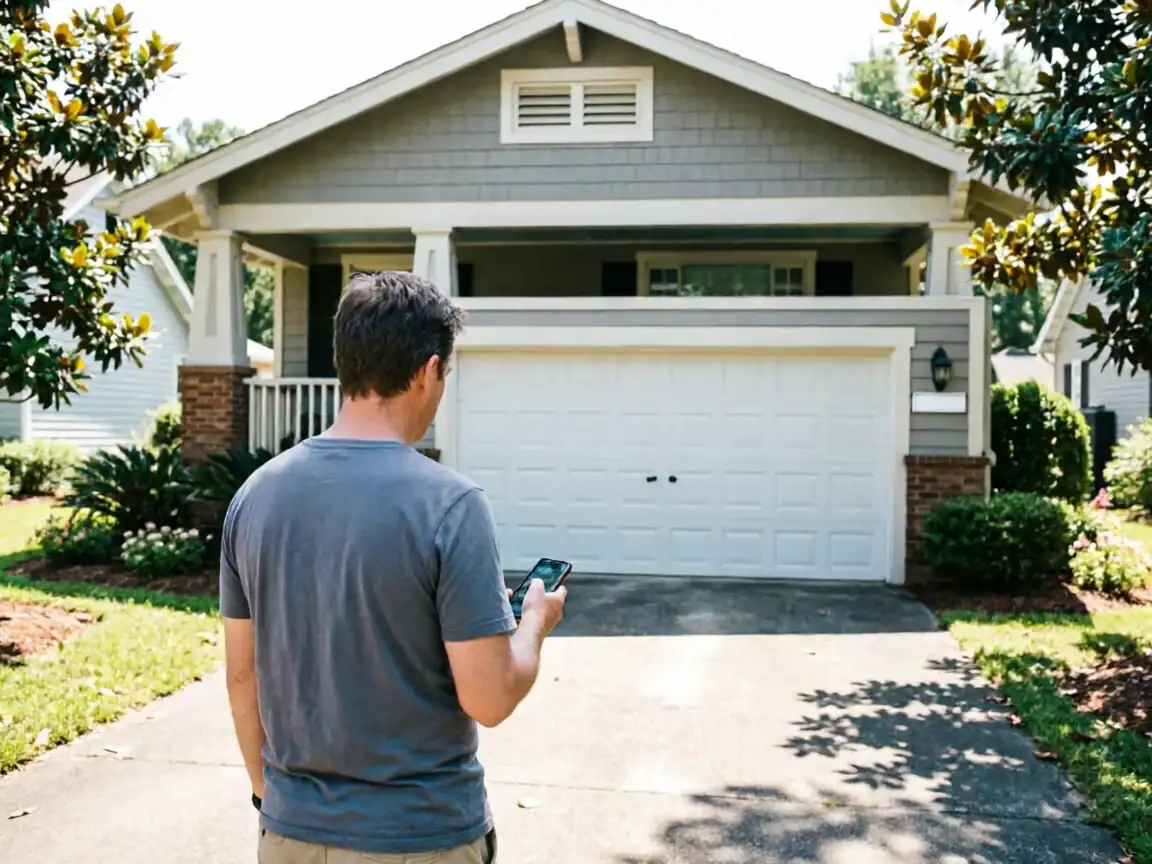
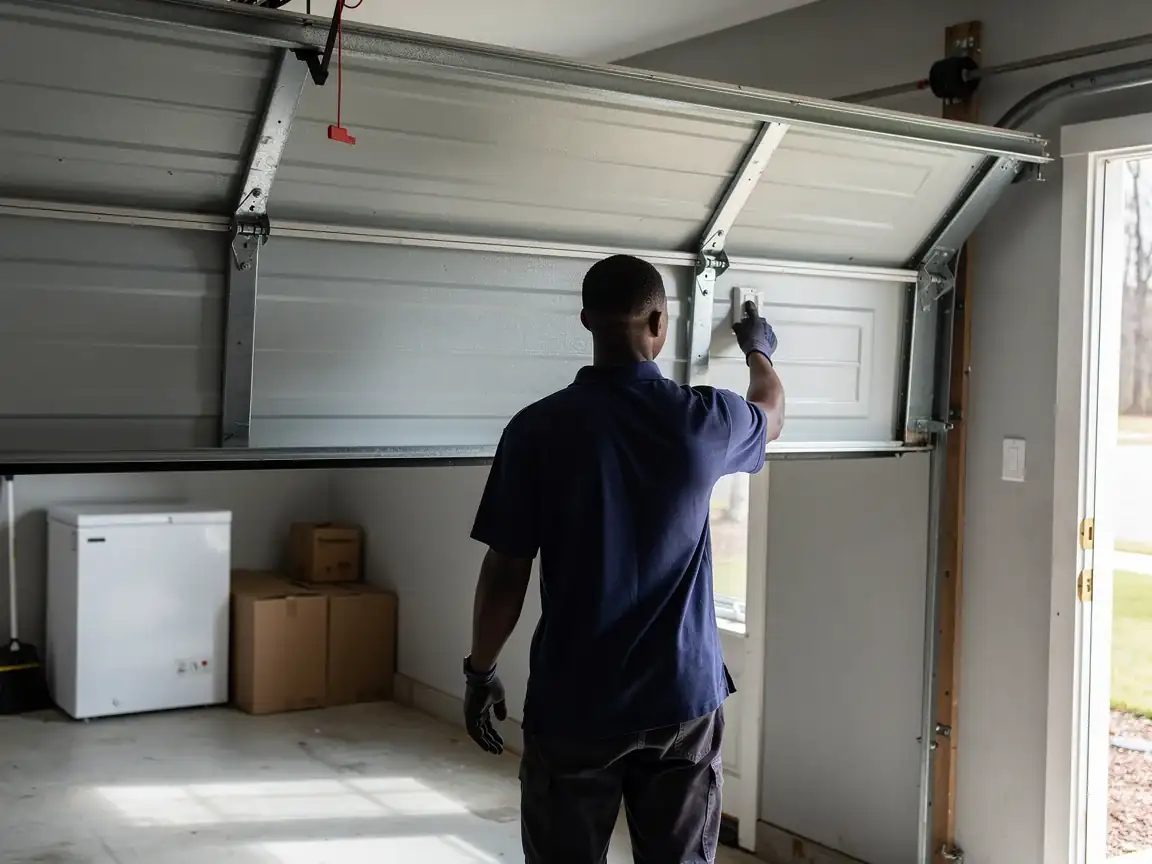
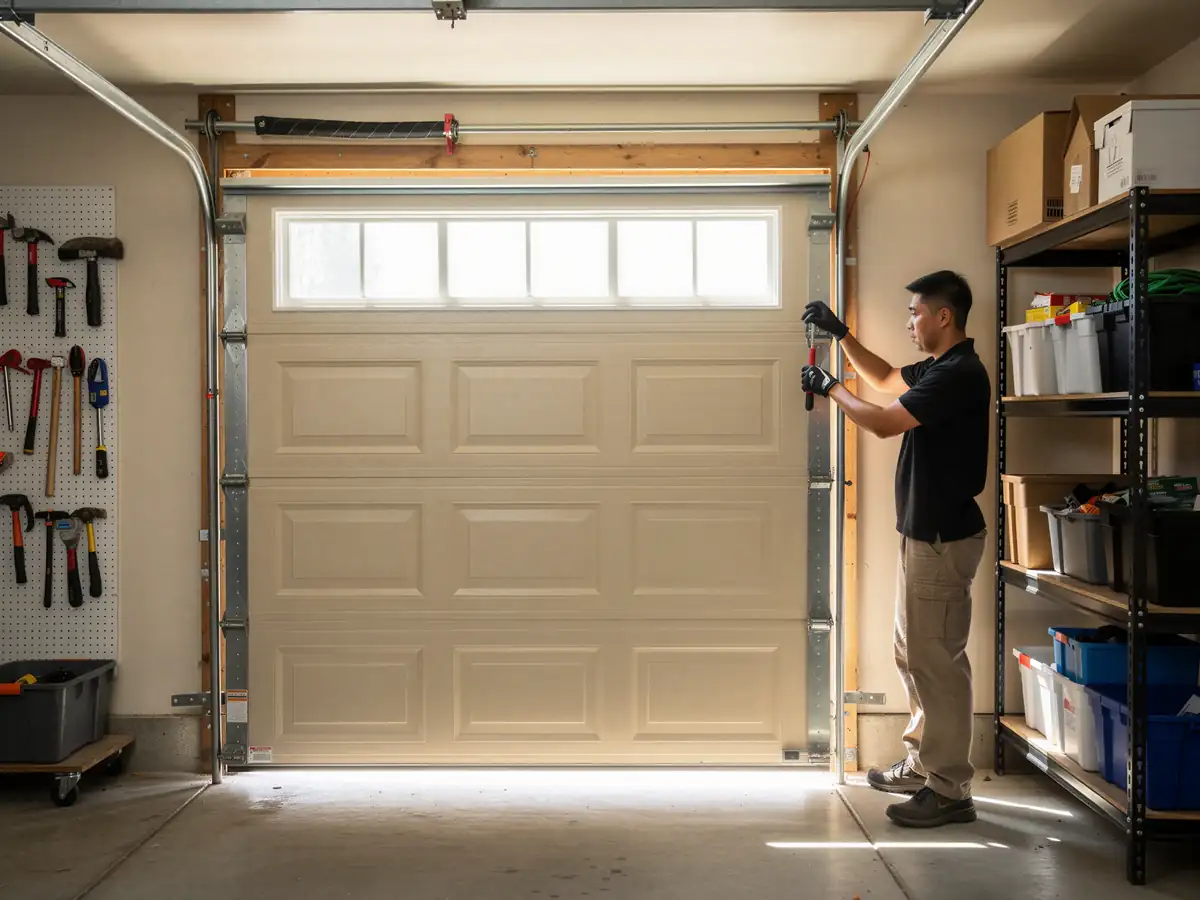
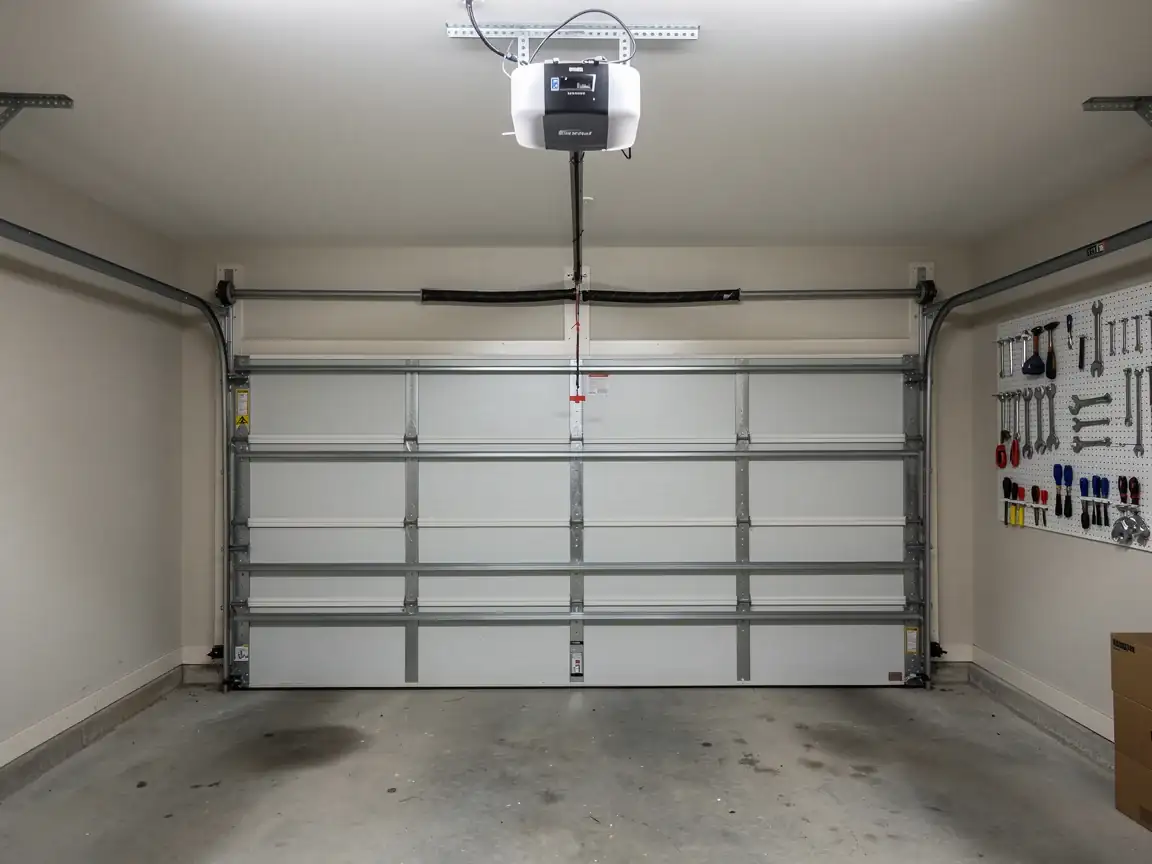
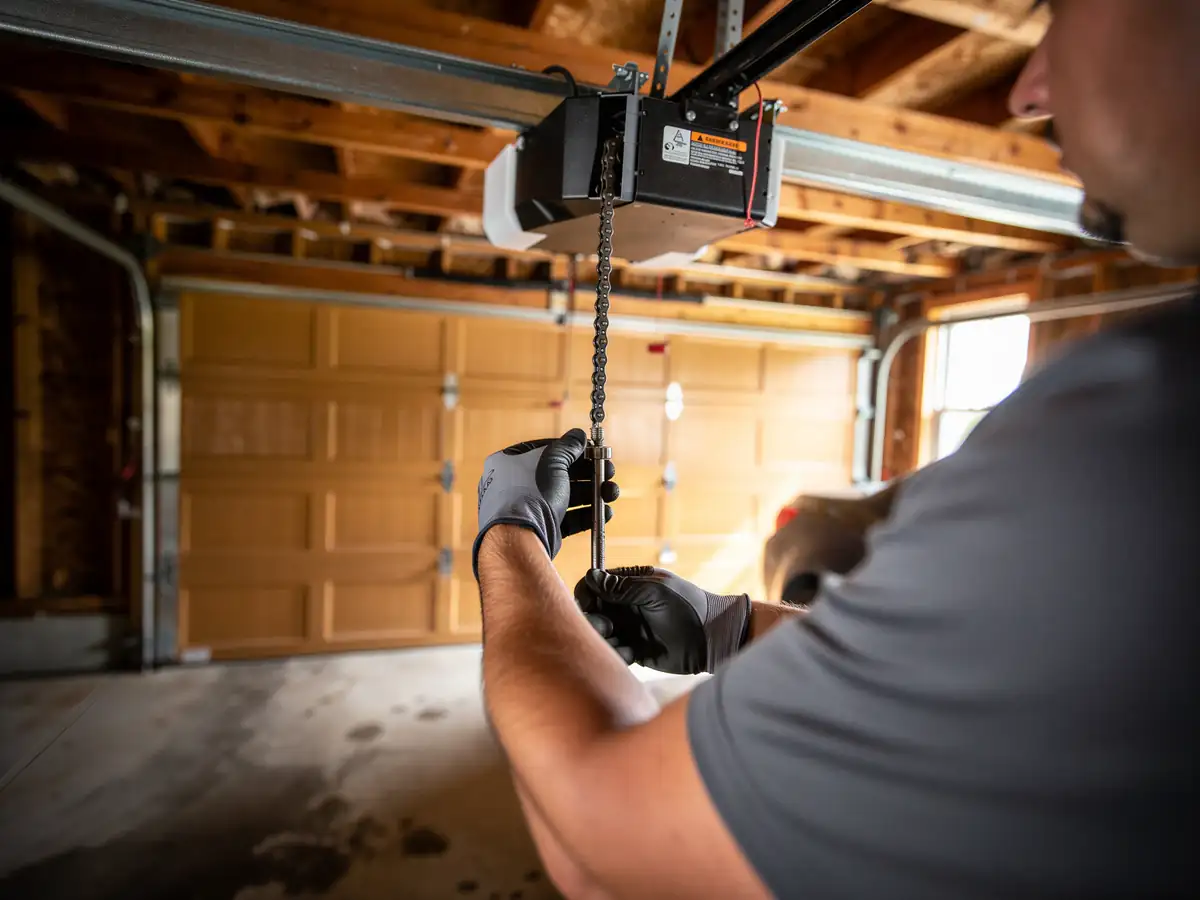
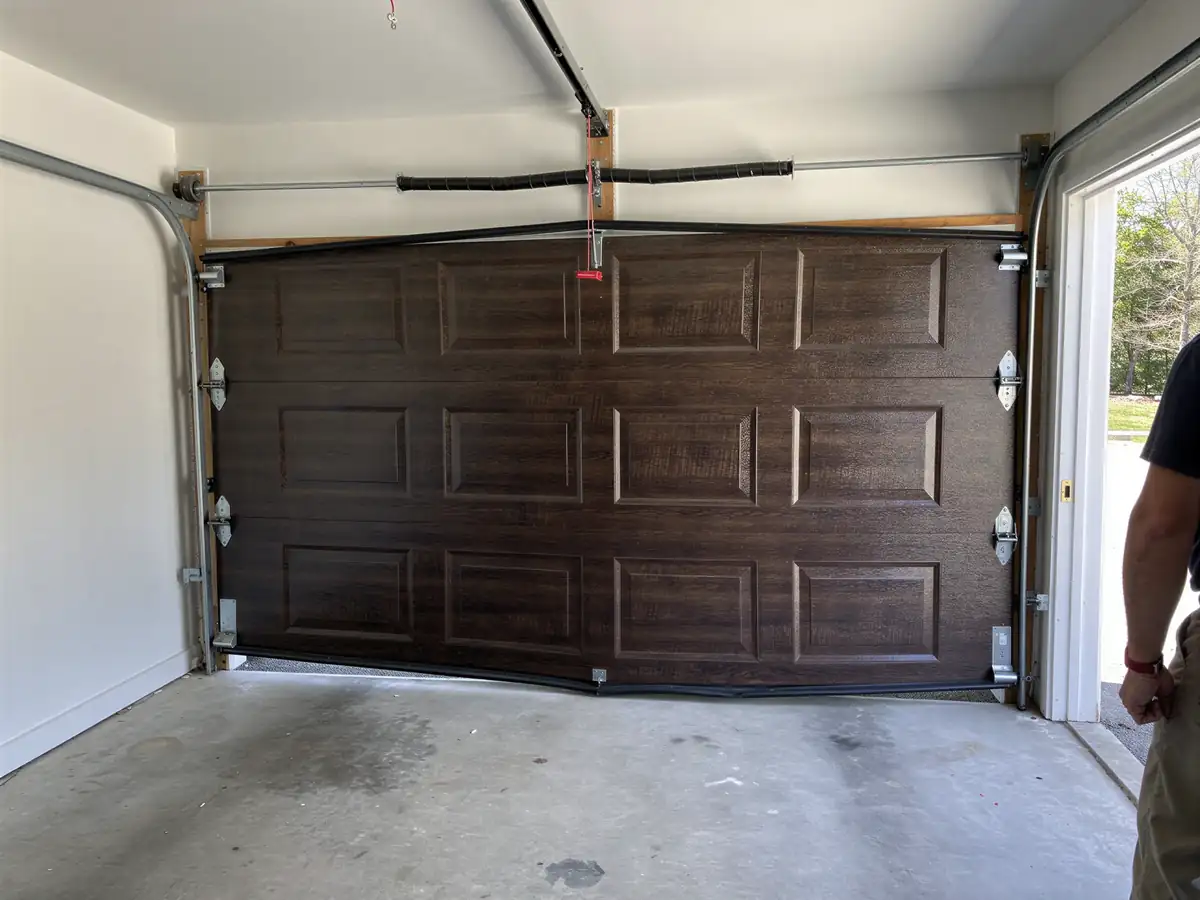
A door that's hopped its track looks like a quick fix. You see the panel cocked sideways, maybe a roller sitting outside the rail, and the instinct is to grab a ladder, pry the door back into the track, and call it done. Sometimes that works for an afternoon. More often it doesn't, because the rollers on a door built during Snellville's main construction boom - F1 puts most housing stock here between 1951 and 2012, with a median year of 1978 - were sized and spaced for hardware that's since been bent, rusted, or replaced piecemeal over forty-plus years. Pushing a panel back into a track that's already flared or twisted just moves the failure point. We've been on calls where a homeowner's fix held the door shut, but bent the track enough that the next cold snap popped it loose again within a week. If you're going to attempt it yourself, the honest advice is: don't force it past the point where the door moves freely by hand. If it's binding, stop and call someone, because a door forced back onto a bad track can come down on its own.
Why This Fails Locally
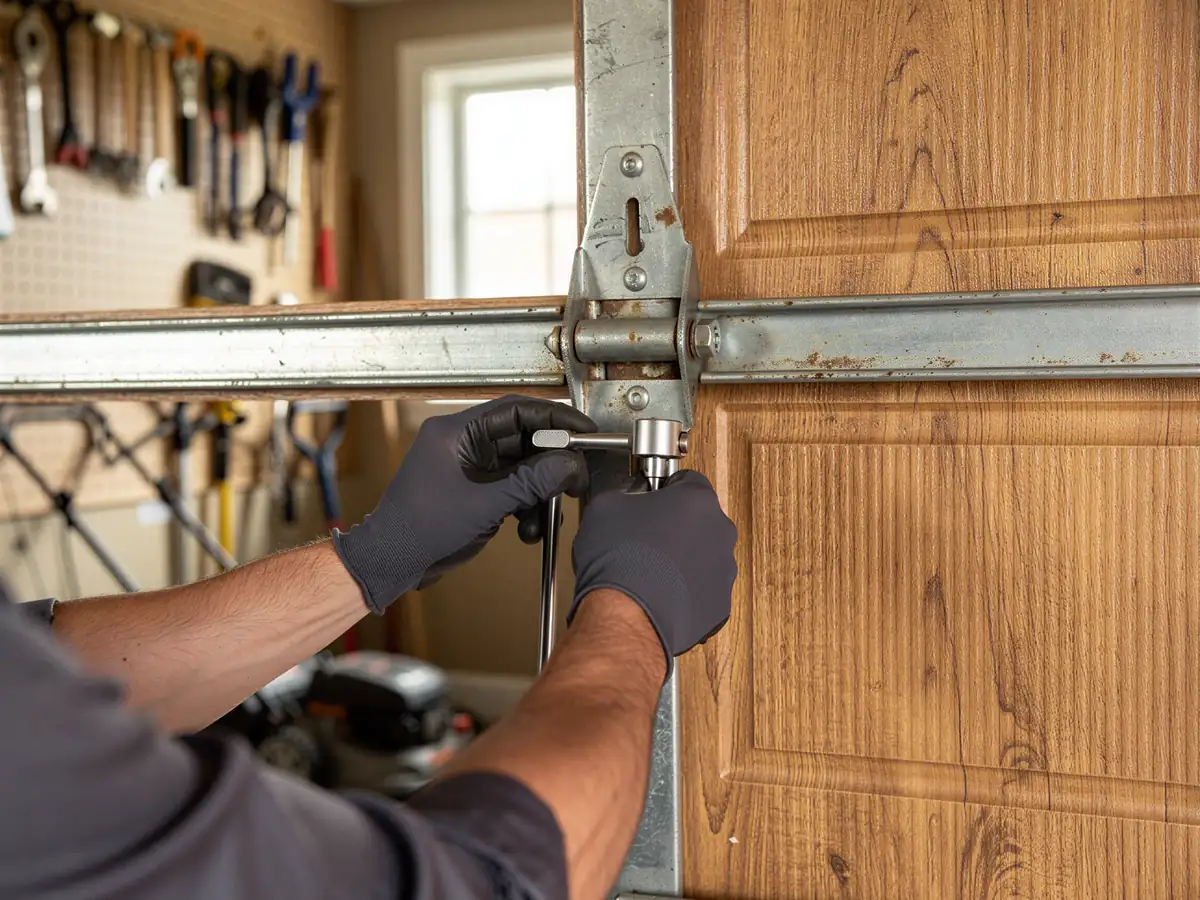
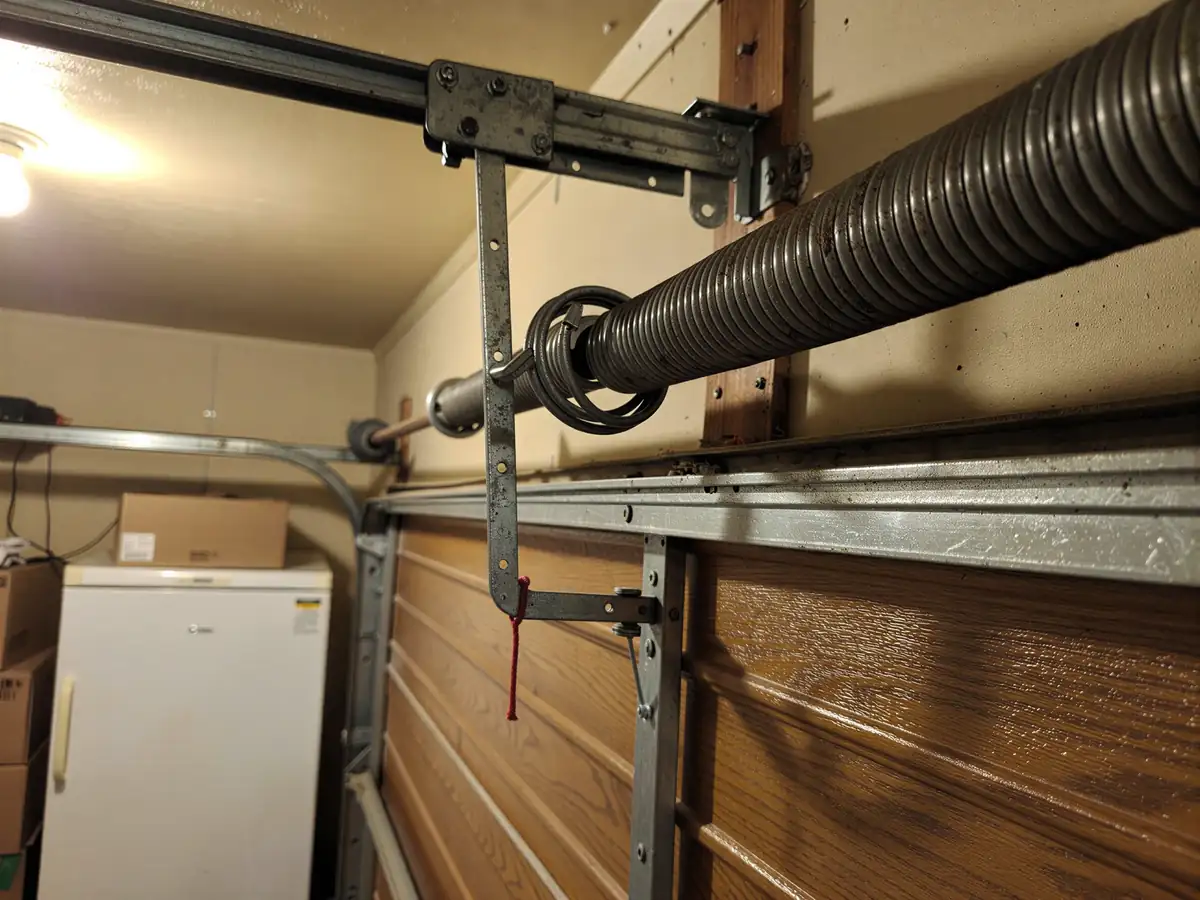
Snellville sits in a cold-moderate climate band, which means real freeze-thaw cycles every winter without the deep, sustained cold that would push everyone toward heavier-duty hardware from the start. That in-between climate is rough on track brackets and roller bearings - metal contracts and expands enough, season after season, to work lag screws loose and warp light-gauge tracks, but not enough that builders or homeowners here ever treated it as a priority upgrade. Add that most of the area's houses, per F2, are 1960s-70s stock, and you've got thirty- and forty-year-old track brackets fastened into jamb studs that have shifted slightly with the house itself. A door that was plumb and true when the house was framed is rarely still plumb today. That's the actual reason this fault shows up so often here - it isn't bad luck, it's old brackets, old studs, and a climate that never lets the hardware settle.
Where This Job Goes Sideways
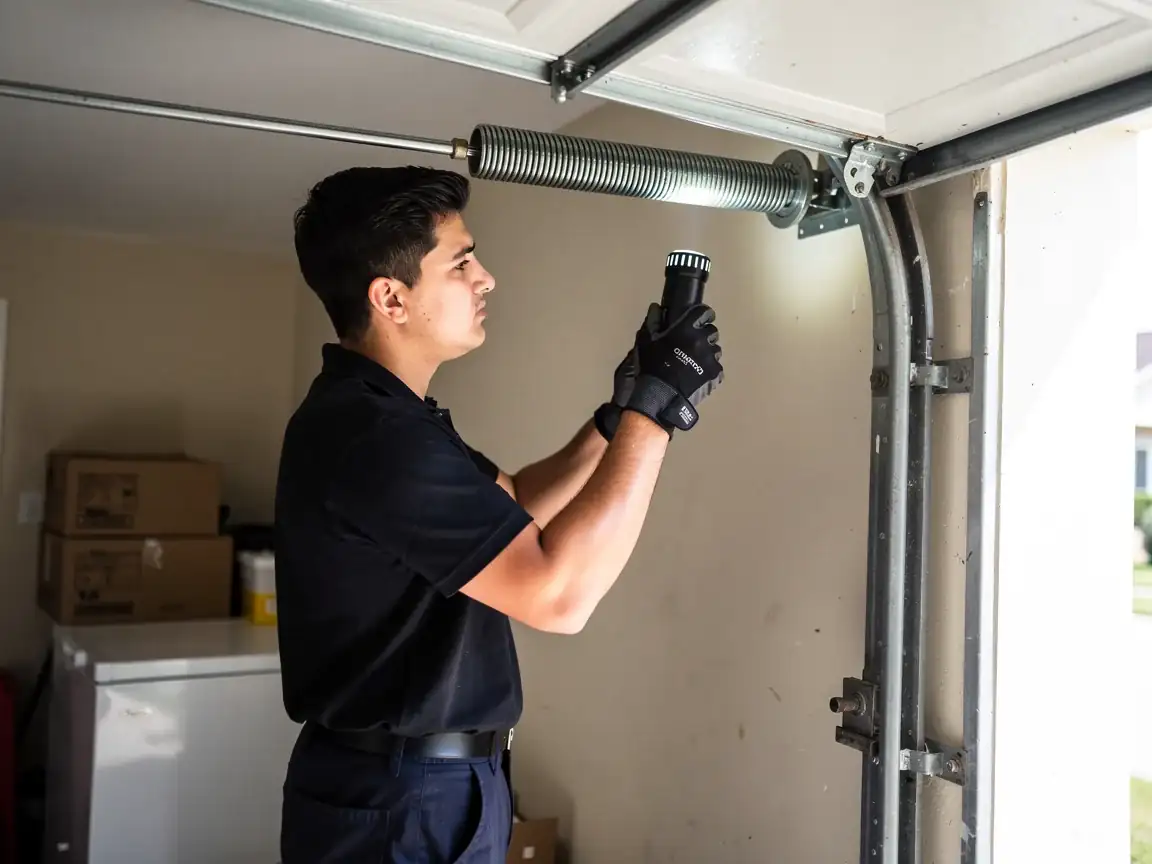
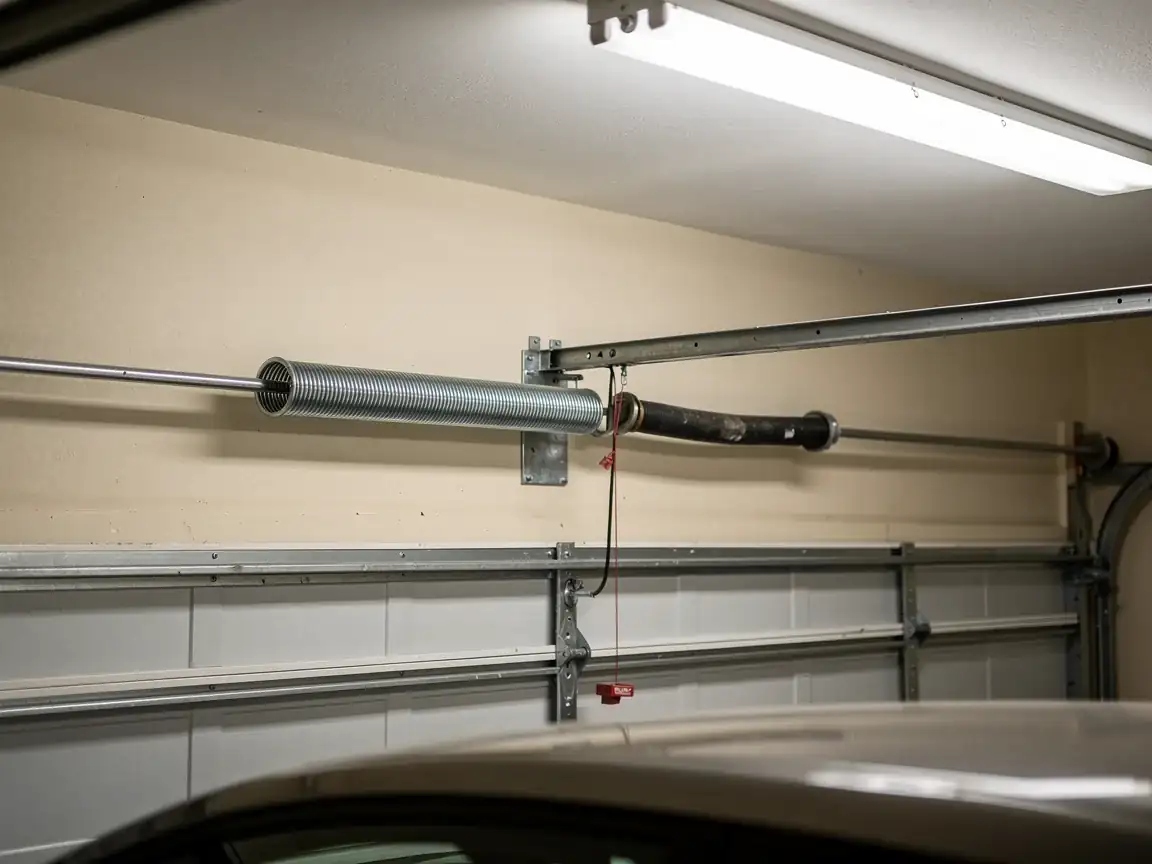
The job goes wrong when someone treats a bent track as a reset instead of a replacement. Hammering a track back into rough alignment can get a door moving again, but it rarely restores the original clearance, and a door running on a reshaped track wears its rollers out fast and can jump the track again under spring tension. It also goes wrong when the off-track problem is actually a symptom - a broken cable, a failed roller, or spring tension that's no longer balanced - and the track gets straightened while the real cause gets ignored. We won't just push a door back into place and send an invoice; if the bracket or track is bent, it gets replaced, because a patched track on a door that's already working against decades-old studs isn't a repair anyone should stand behind. That's also where cost expectations can go sideways: a straightforward re-align costs far less than a track and bracket replacement, and nobody wants to hear the bigger number after being quoted the smaller one over the phone.