Doing It Yourself
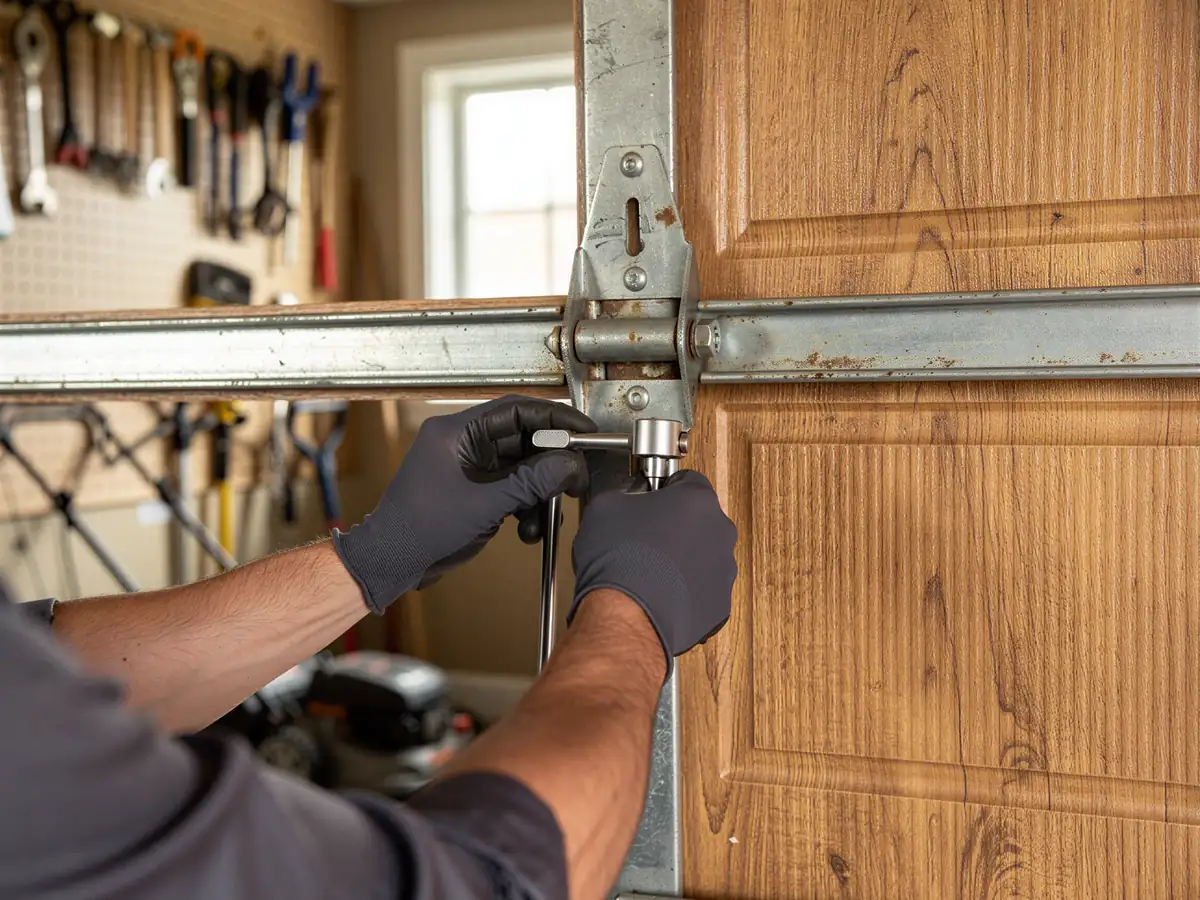
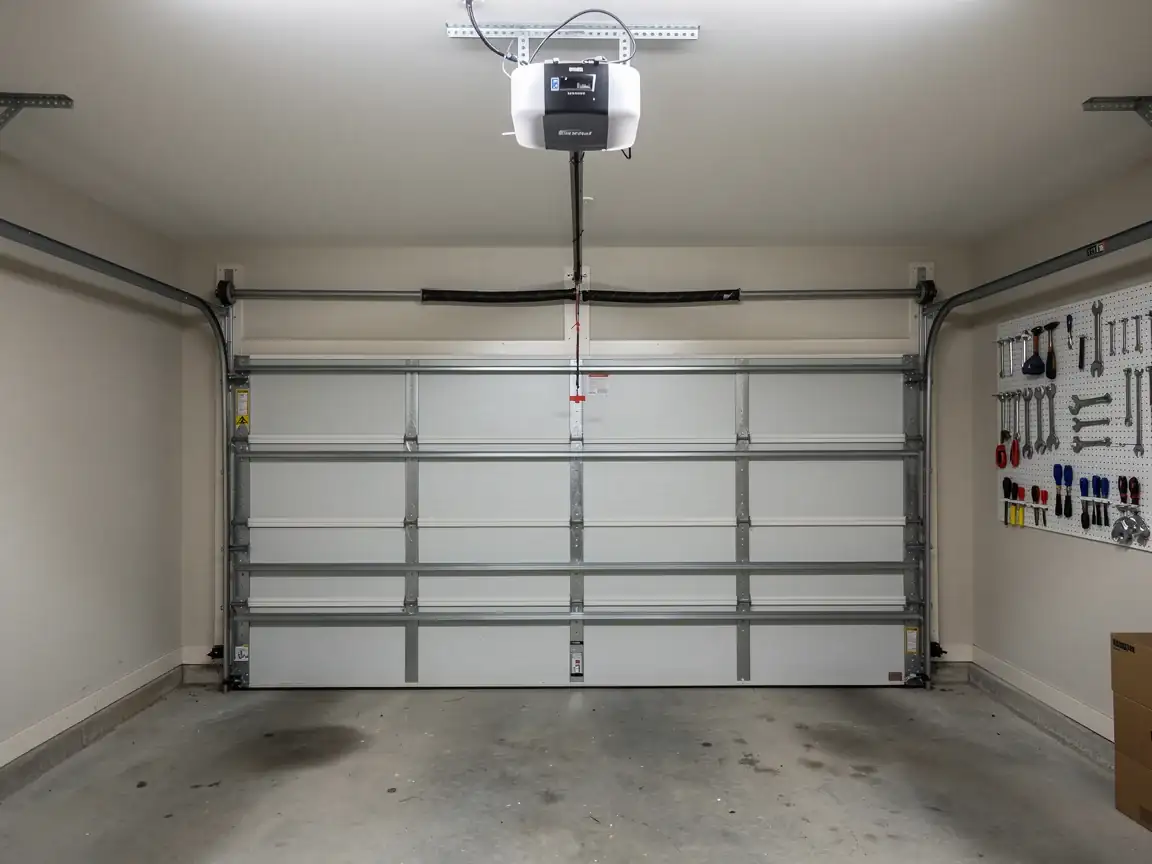
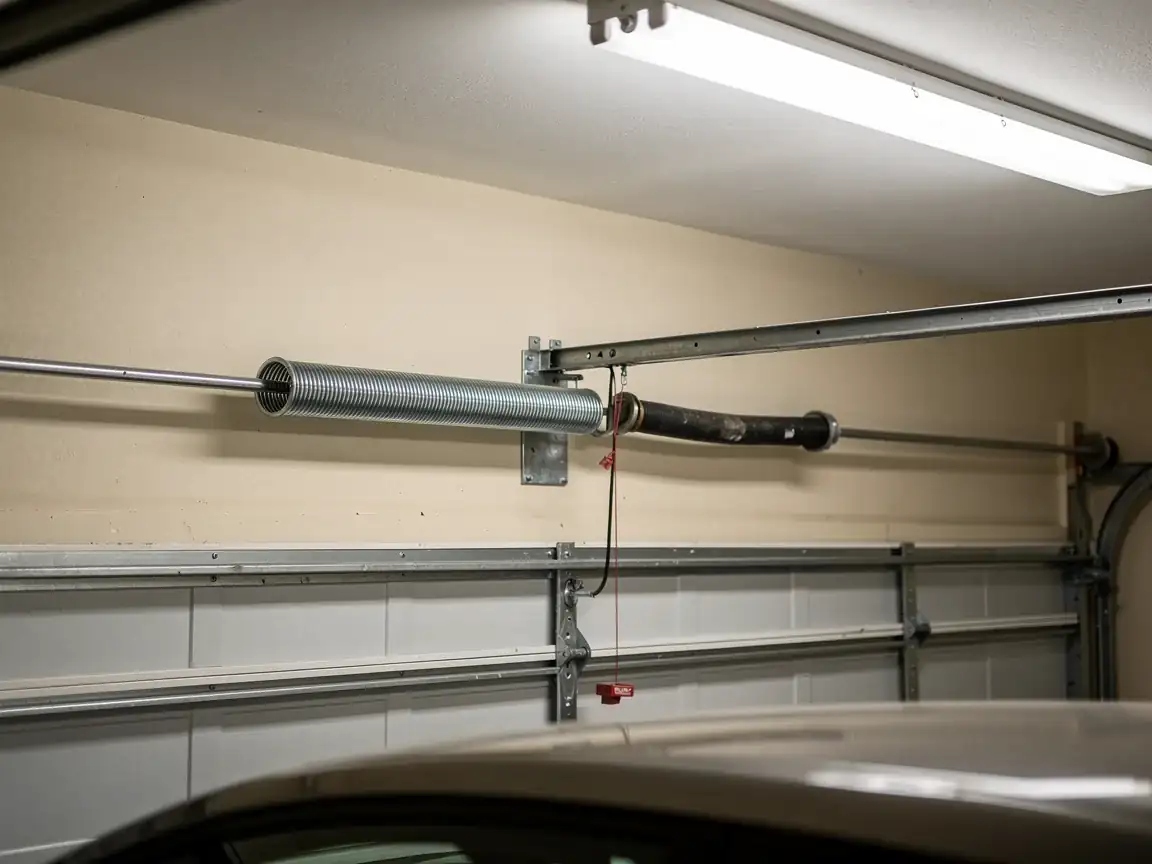
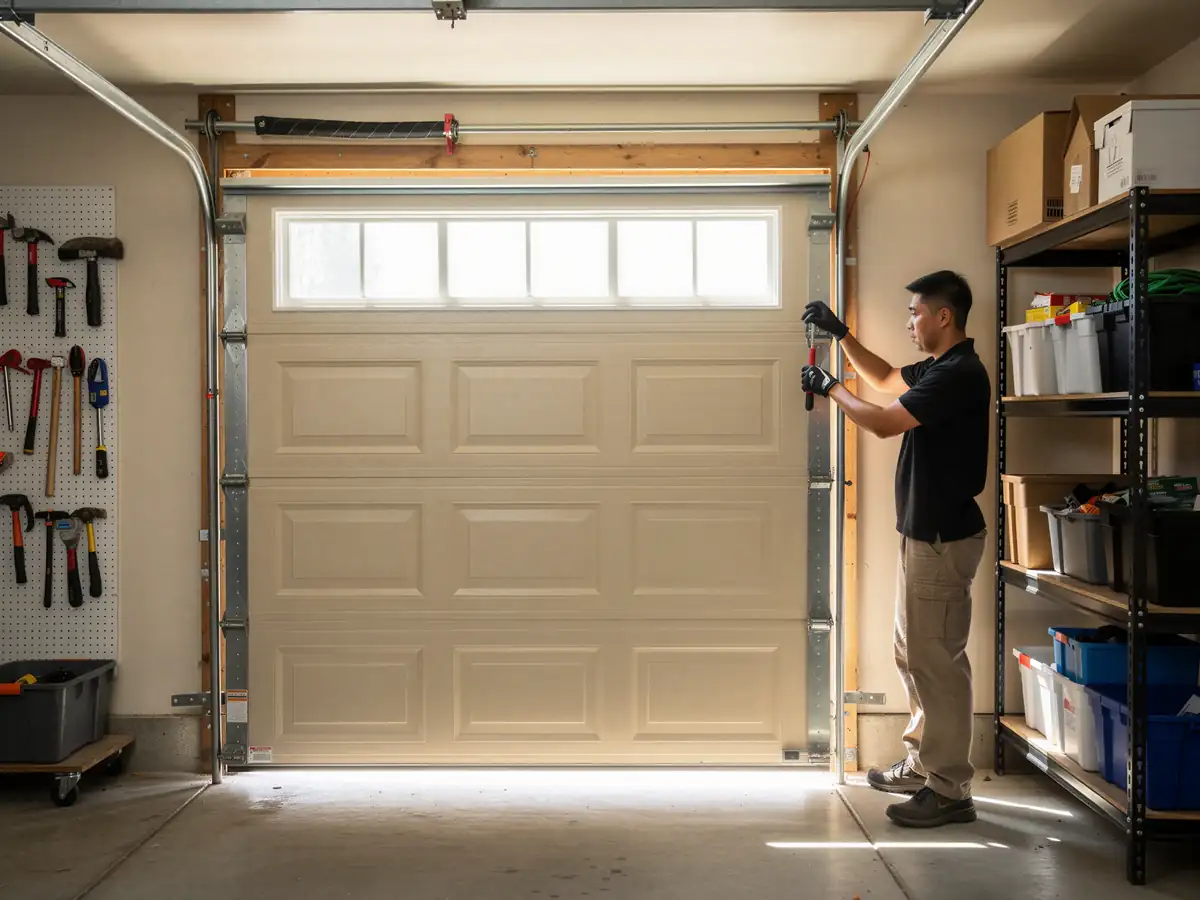
A lot of homeowners look at a garage door install and figure it's four hinges and a track kit, same as any flat-pack furniture job. It isn't. The door itself is the easy part to buy. What trips people up is the header above the opening, the track angle, and the spring tension needed to balance a panel that can run 130 to 180 pounds depending on material.
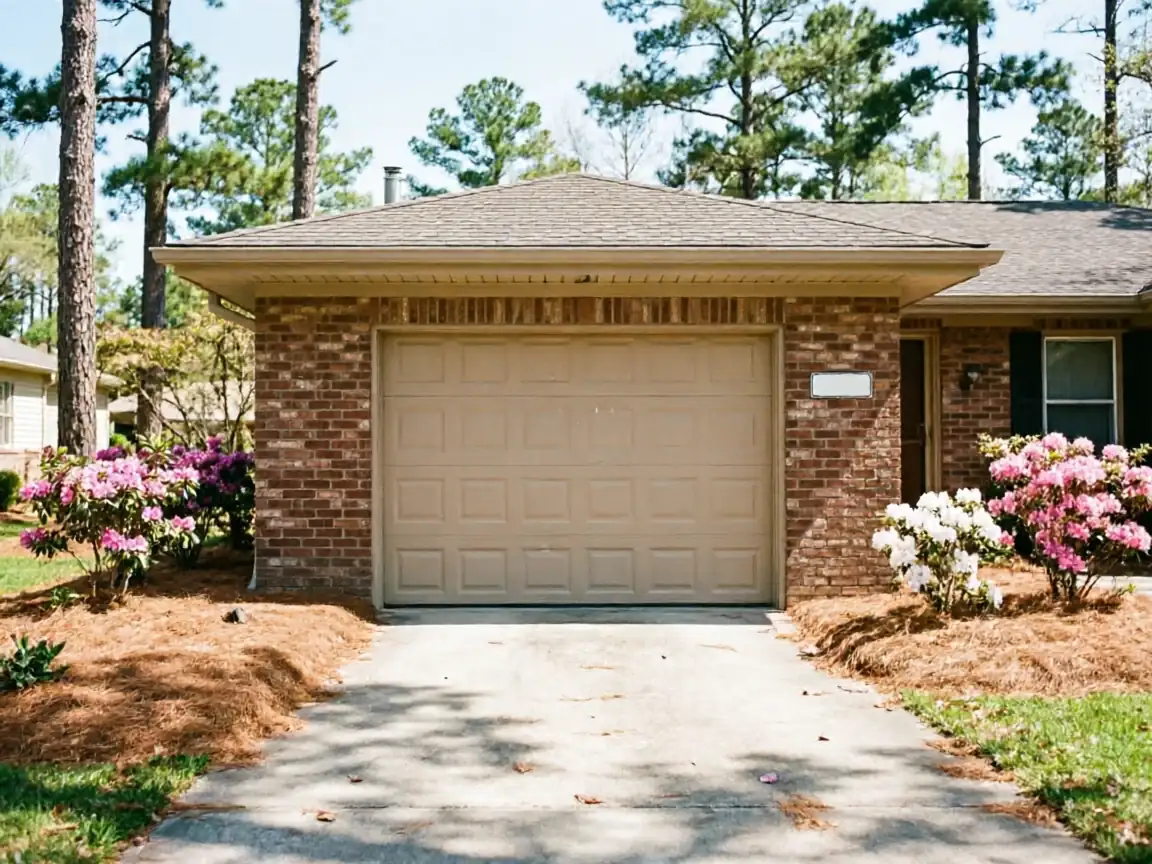
In Snellville, where most houses on the market went up between 1951 and 2012 with a lot of that stock dating to the 1960s and 70s, the opening you're working with often isn't a standard modern size. Framing from that era was built to the door that came with the house, not to today's catalog dimensions. A kit bought online assuming a current 7-foot standard header height can leave you shimming trim, re-cutting jamb boards, or discovering the track centerline doesn't clear your opener rail.
We're not going to tell you it can't be done. People do install their own doors. But the margin for error on spring tension and track alignment is thin, and a door that looks installed can still be dangerously out of balance. If you're set on doing it yourself, at minimum get the opening measured against the door spec sheet before you cut anything.
Why This Fails Locally
The failure pattern here traces straight back to the age of the housing. With median construction around 1978 and a lot of homes built in the 1960s and 70s across Snellville's older sections, the original door openings were framed for lighter, often single-layer steel or wood doors on side-mounted hardware. Swap that for a heavier insulated door without checking the jamb and header, and you're asking wood that's 50-plus years old to carry load it was never engineered for.
Then there's the climate. Snellville sits in a cold-moderate band, which means the garage sees real temperature swings between winter mornings and summer afternoons - not extreme heat and not extreme freeze, but enough swing to matter. Wood jambs in older houses expand and contract with humidity and temperature over decades. By the time a door gets replaced, that framing has often shifted slightly out of square, even if it looks fine to the eye. A new door squared to spec, dropped into a jamb that's a half-inch out of true, binds on one side and wears the rollers and track unevenly within a year or two.
This is a framing-and-era problem, not a door-quality problem. The best door on the market still fails if the opening underneath it has moved.
How It Shows Up
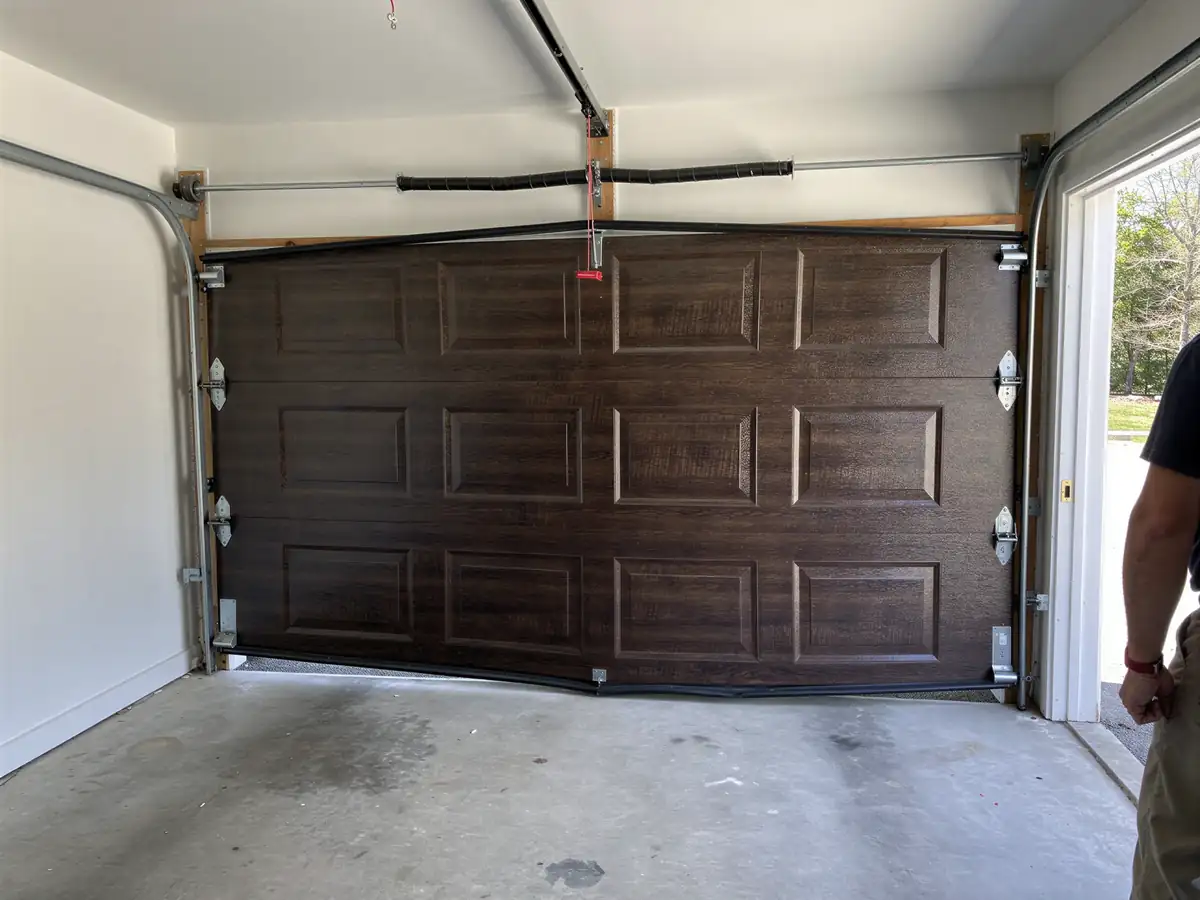
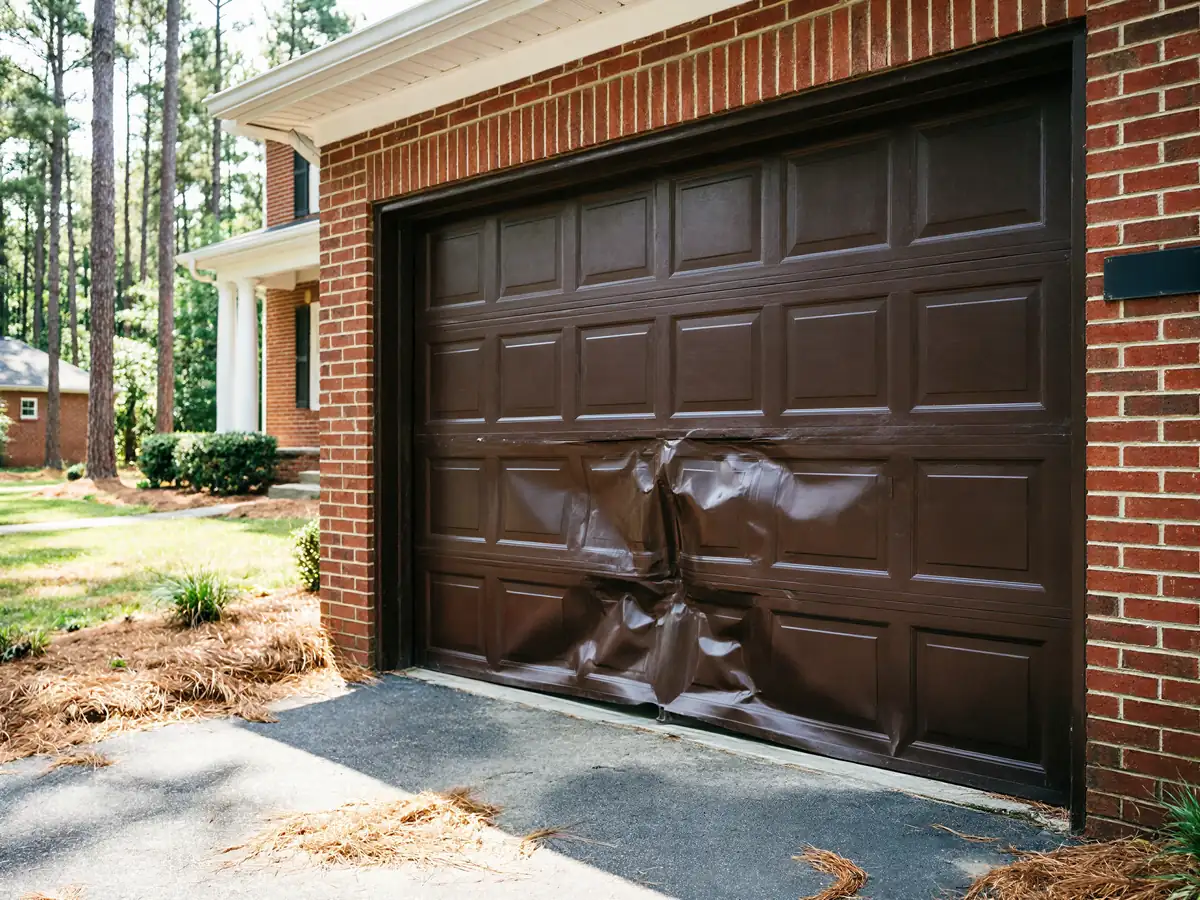
The symptom almost never reads as 'the door is wrong.' It shows up as a door that drags on one track
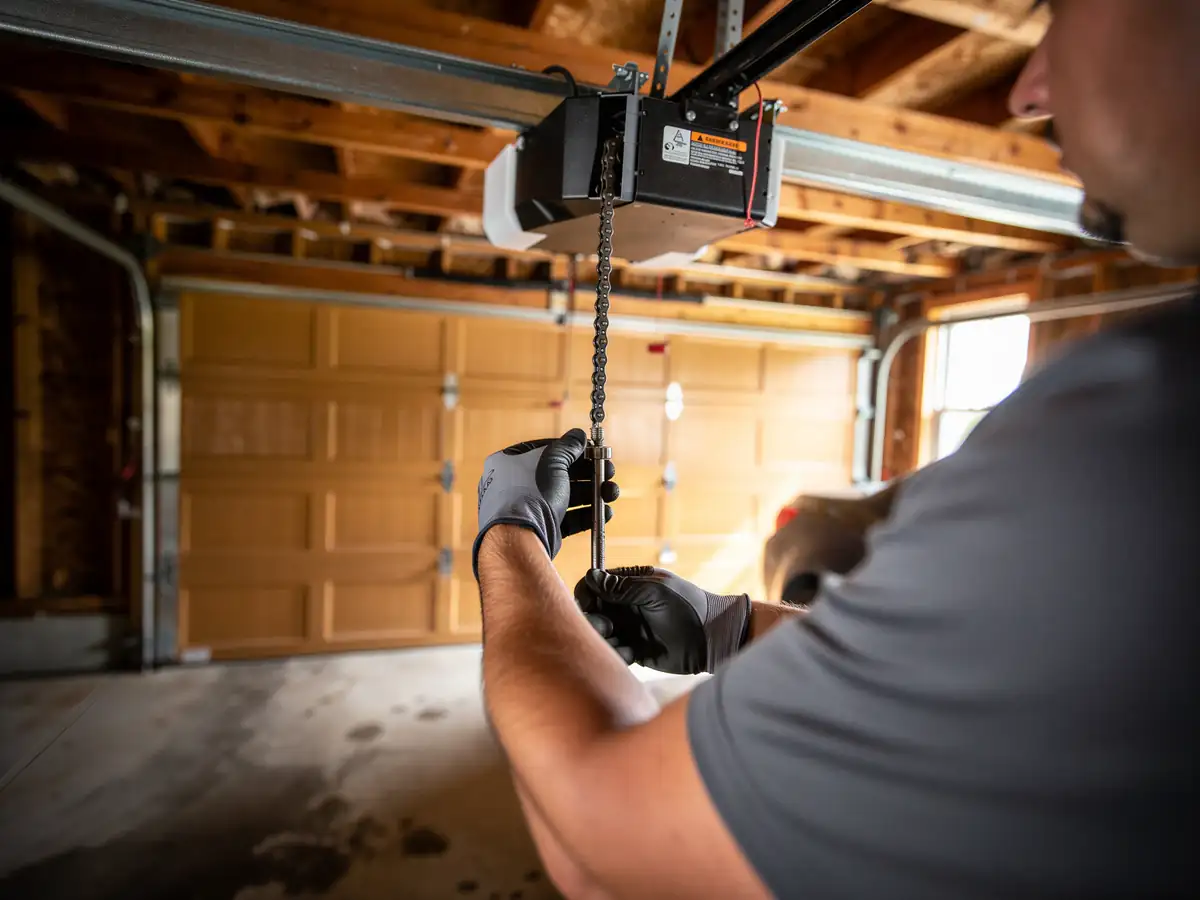
An opener that strains and clicks before it lifts, or a gap at the bottom corner that lets light and cold air through on one side only. Homeowners often chase that as an opener problem - replacing a motor or sensor - before anyone checks whether the track is actually plumb against a header that's shifted with the house's age.
On older Snellville framing, we also see it as cable wear concentrated on one side
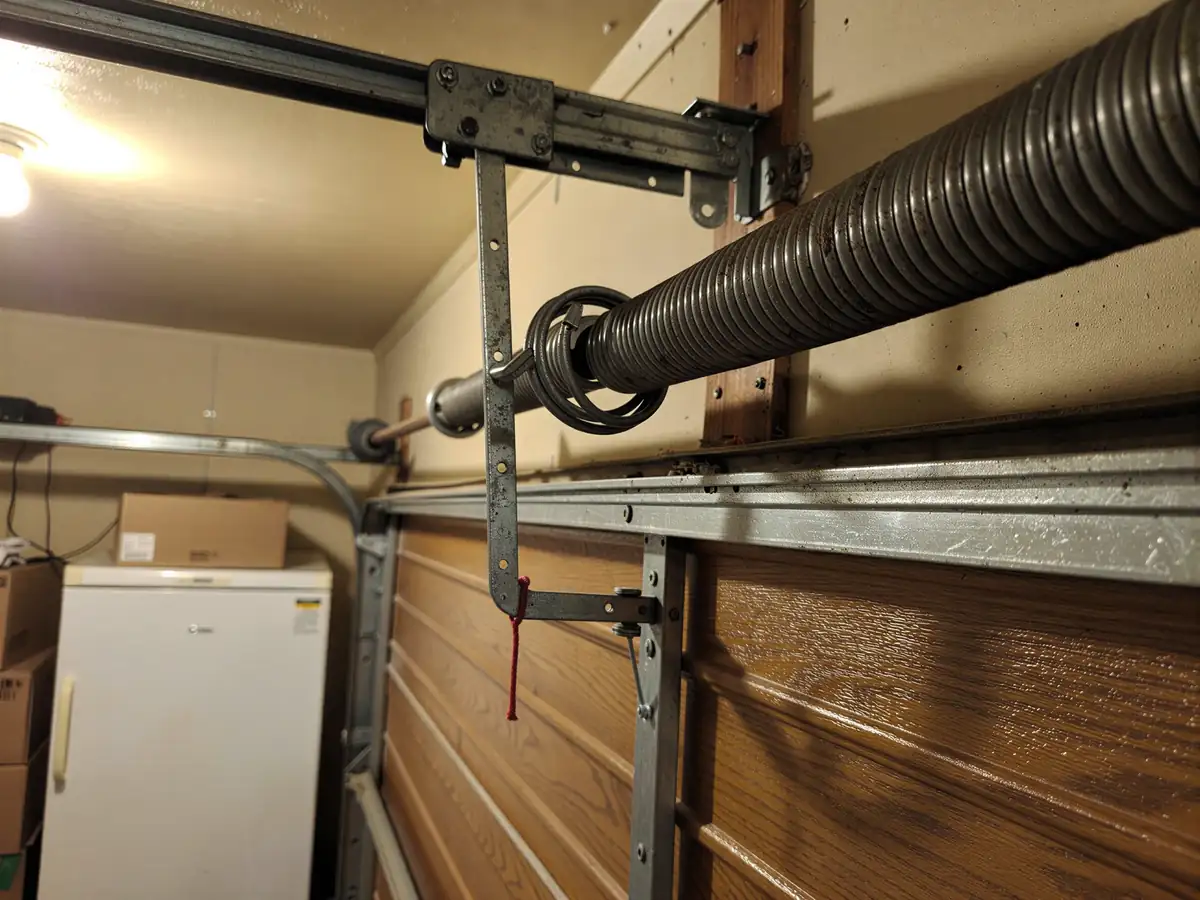
Because an out-of-square jamb puts more load on one track than the other. The door still opens and closes, so it doesn't feel urgent, until the spring on the overloaded side gives out well ahead of schedule.
Sometimes it's simpler
A new door installed without reconciling the old header height leaves a visible step or trim gap, which isn't a safety issue but tells you the install wasn't done to the actual opening.
Where This Job Goes Sideways
The point where an install goes wrong is almost always the header and jamb check, not the door hardware. Skip measuring the actual framed opening against the new door's spec sheet, and every downstream step - track angle, spring tension, opener travel limits - gets built on a bad foundation.
We won't pretend every job is simple. If a header needs to be reframed because the old opening was sized for a door style that isn't made anymore, that's a bigger job than a straight swap, and it costs more and takes longer. We'll tell you that up front rather than force a modern door into a framing gap with extra trim and hope.
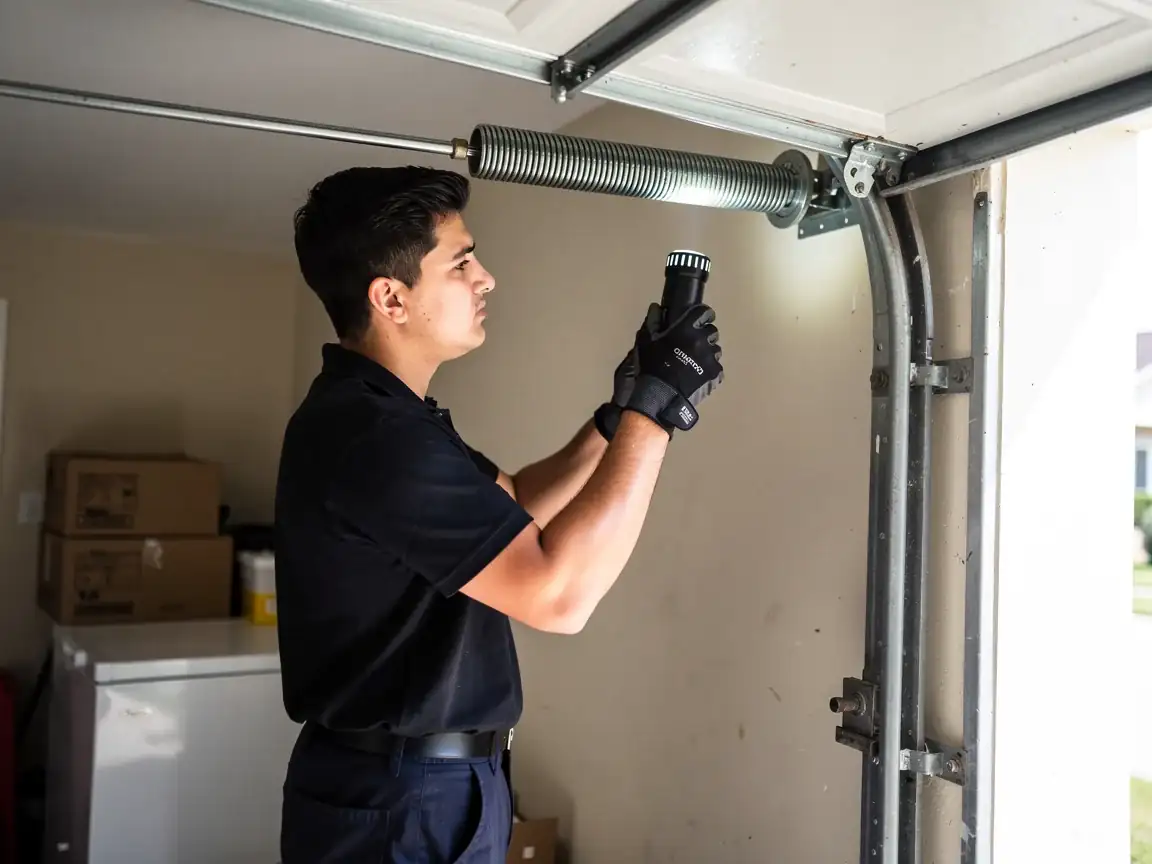
The other place it goes sideways is spring sizing. A heavier insulated door on old side-mounted torsion hardware needs springs rated for that new weight, not the weight of whatever came off. Reusing old springs to save a step is the single most common shortcut that turns into a callback within a year.