Doing It Yourself
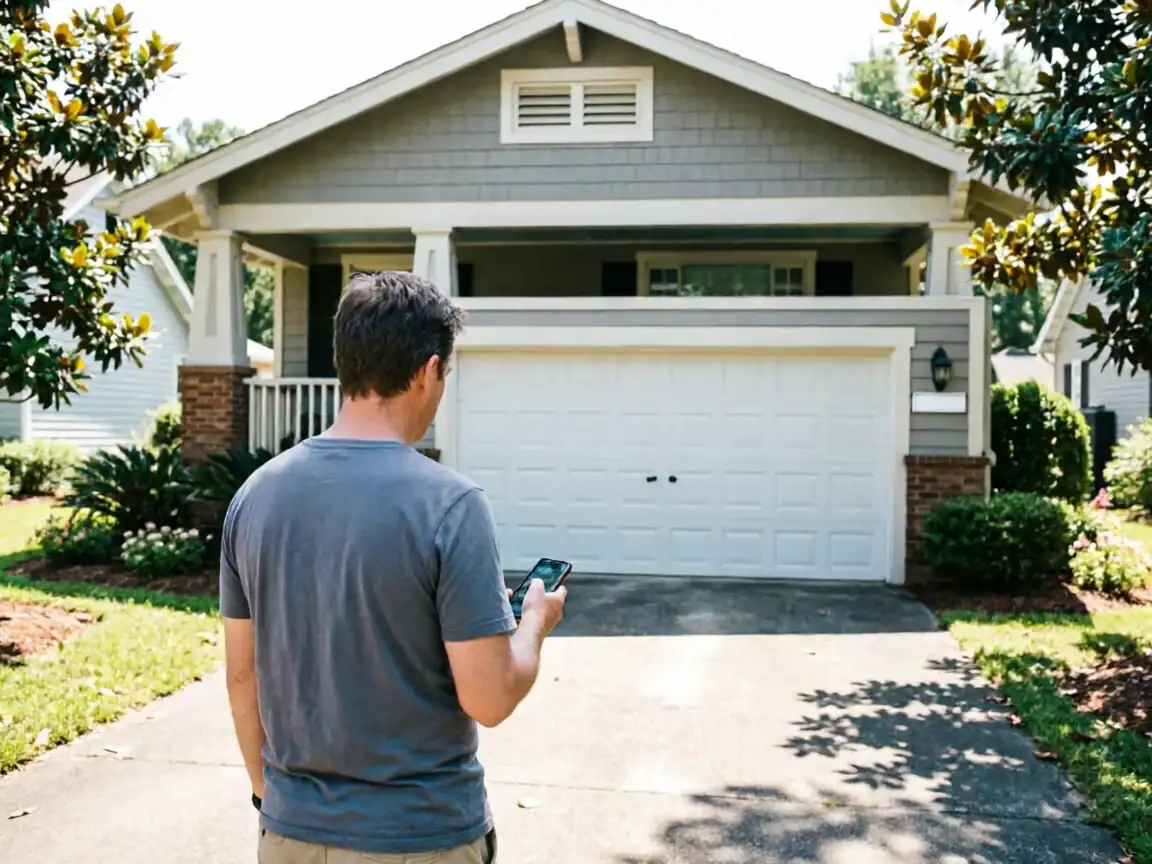
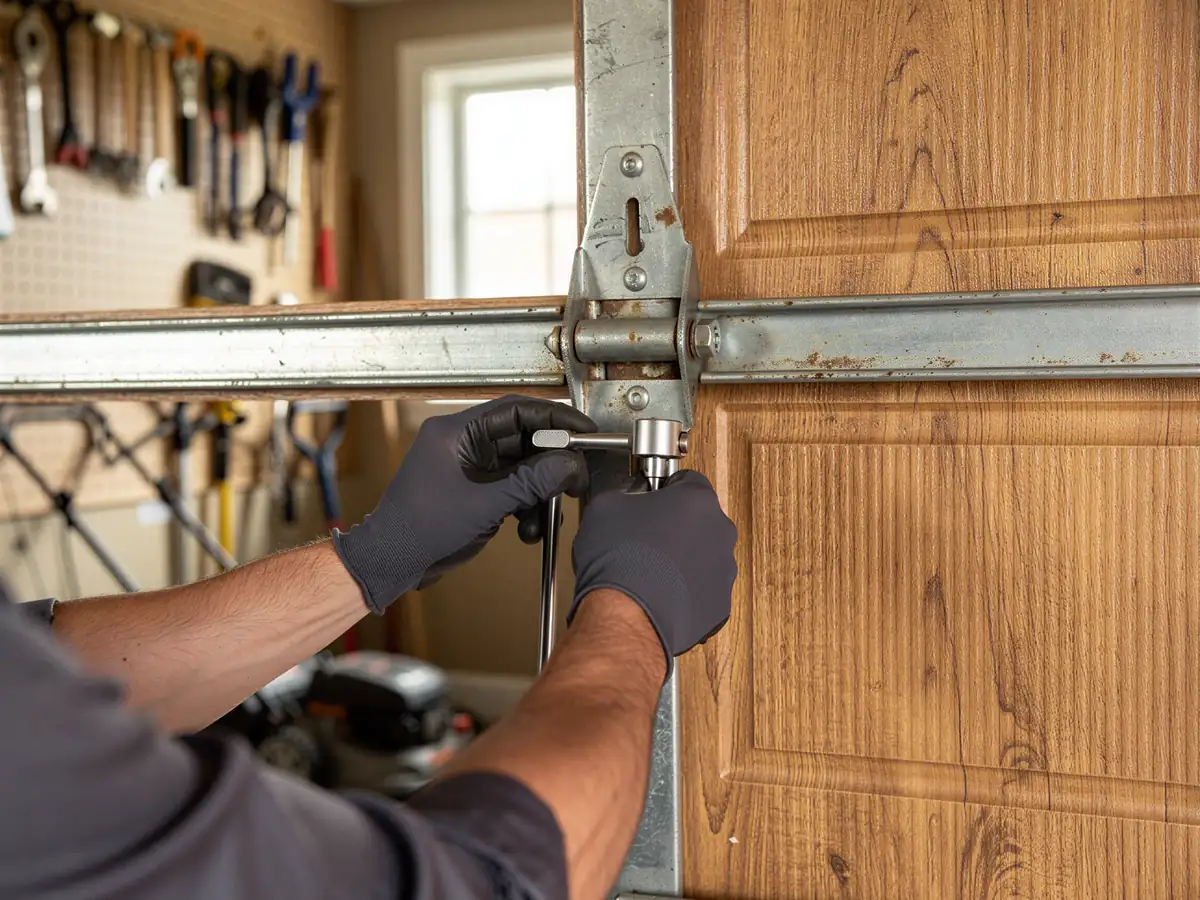
Most garage door problems look simple from the driveway. A door that's heavy on one side, a spring that looks stretched, a track that's bent an inch out of true - YouTube makes all three look like a Saturday job with a wrench and a tape measure. And for some things, that's true: tightening a loose hinge bolt or lubing a dry roller is fine to do yourself.
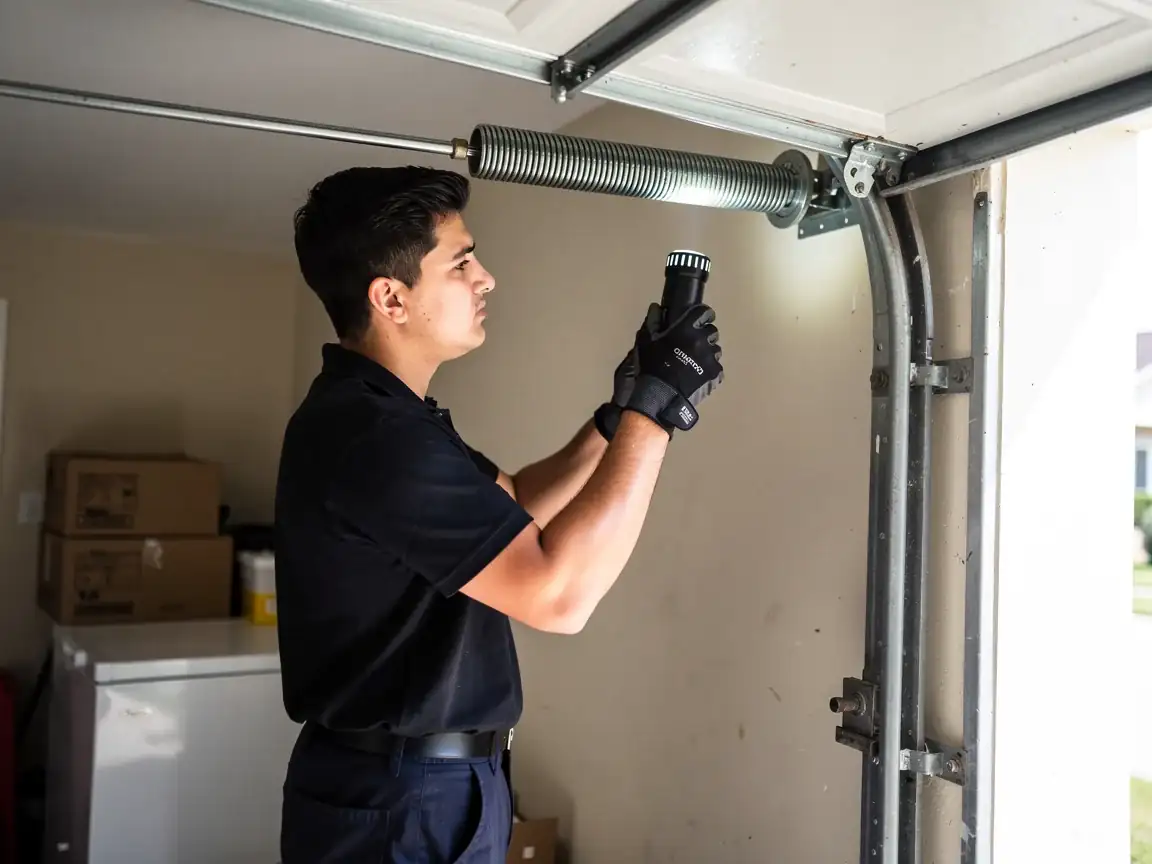
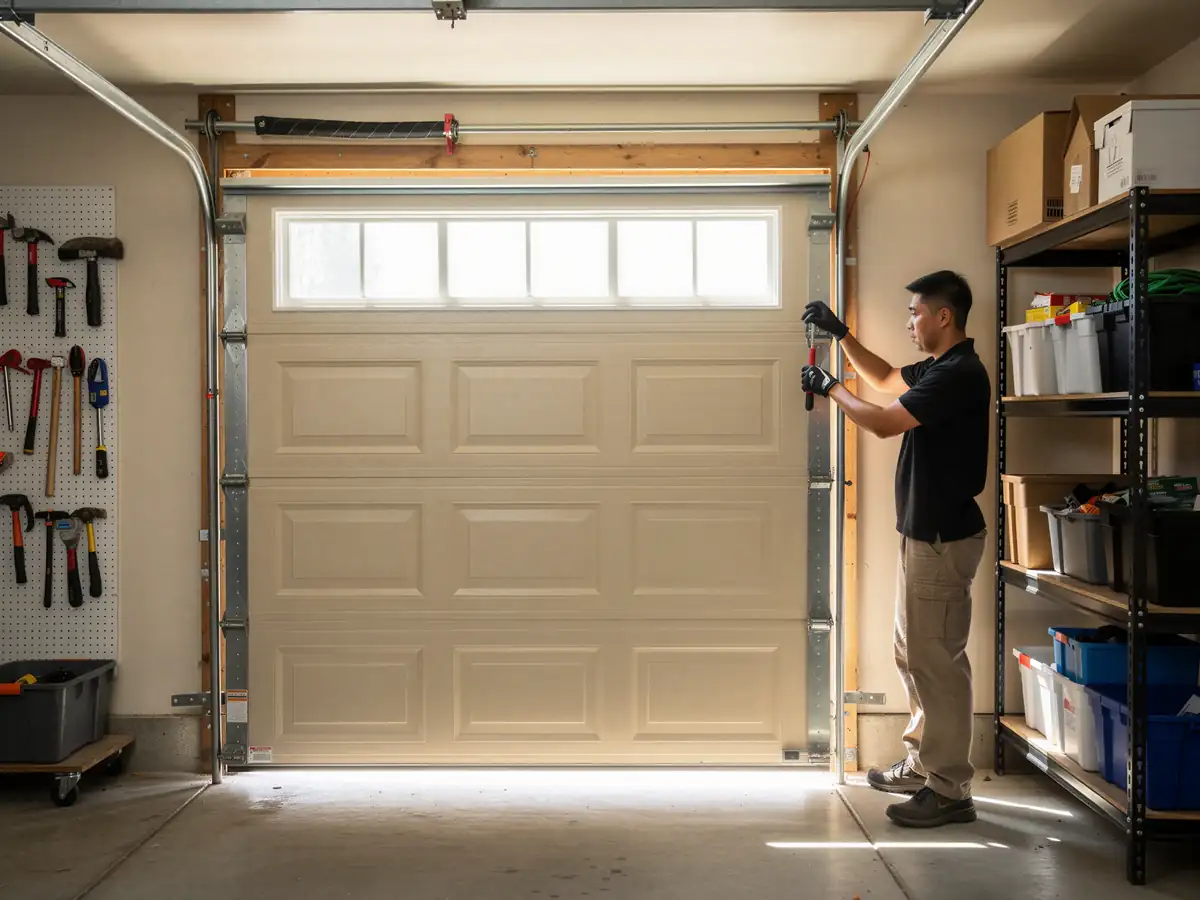
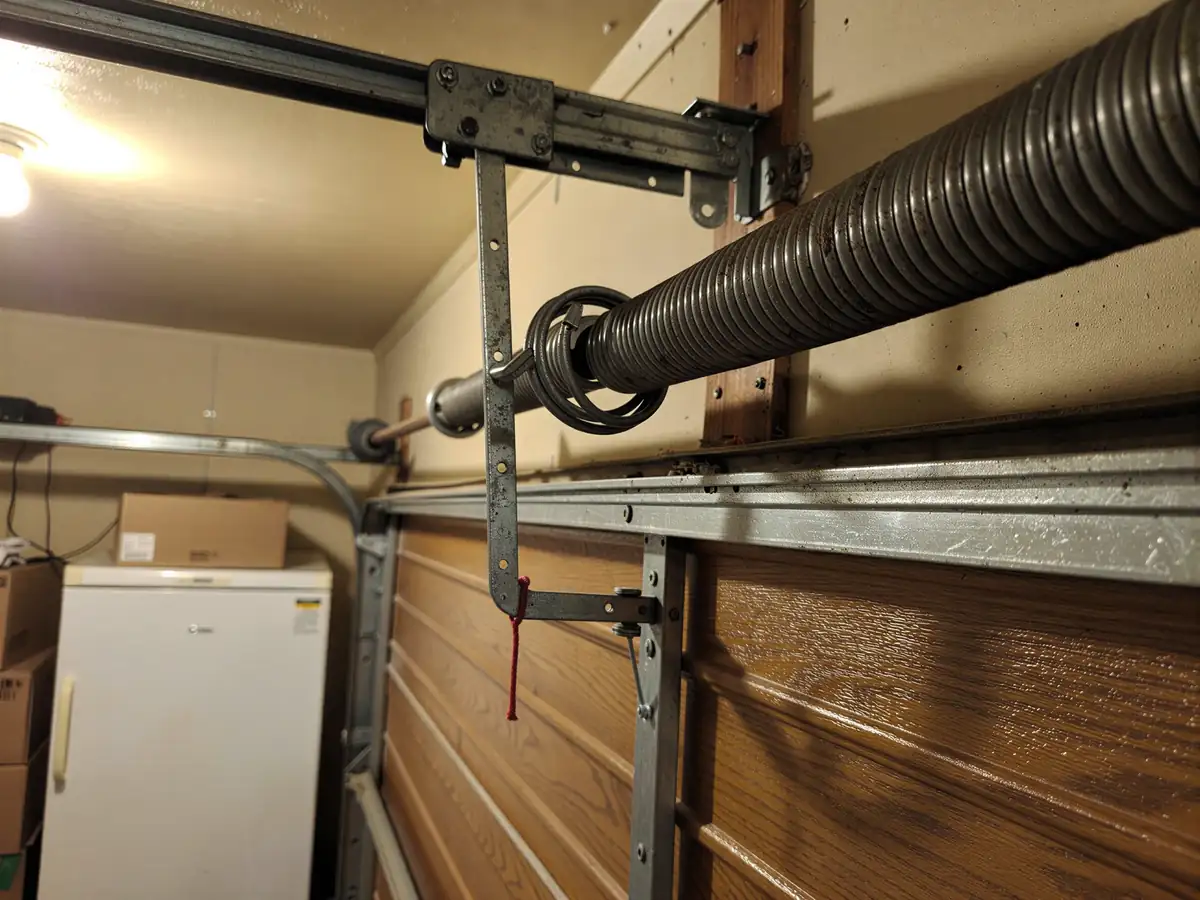
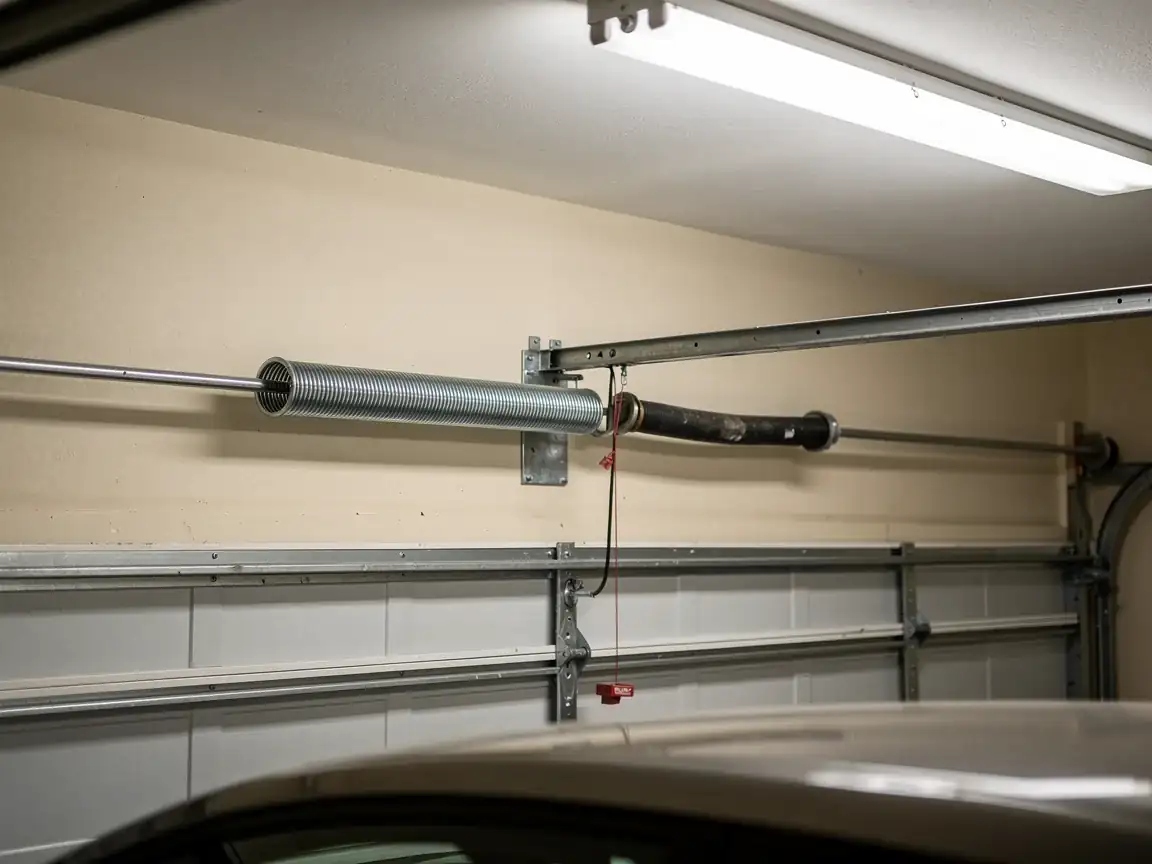
Where it stops being fine is the torsion spring itself, or anything that requires winding bars and a locked door while you work under tension. A standard torsion spring on a double door stores enough force to break a wrist or crack a skull if it slips off the winding cone. That's not a scare tactic, it's why the trade uses specific winding bars and not a screwdriver.
Across the 22 named areas that make up this part of the county, a lot of the doors still running are original to houses built between 1951 and 2012, with the bulk going up in the 1960s and 70s. That means the spring, drum, and cable sizing on a lot of these doors doesn't match what's sold off the shelf at a big box store today. Buy the wrong spring and you either under-power the door or over-load the opener trying to compensate.
Why This Fails Locally
Most houses in Snellville's older subdivisions went up between 1951 and 2012, with the bulk dating to the 1960s and 70s, which means original torsion springs and worn galvanized cable sized to hardware nobody stocks anymore. A spring wound for a door built in 1968 isn't always a drop-in match for a replacement bought this year, even if the door looks the same from the driveway.
Snellville sits in a cold-moderate climate band, so a spring that's lost tension gradually through a humid summer can snap outright on the first sharp cold morning of the season. Steel contracts in the cold, and a spring that was already fatigued from age has less give left to absorb that shift. That's the pattern we see: a door that was "a little slow" in October is dead by the first cold front.
Across the service area's 56,295 households, 27,333 are owner-occupied houses - most with a single door and a single spring carrying the full weight of the panel, not a redundant second spring the way some newer builds have. One spring failing on an older single-spring setup means the door doesn't move at all, not just moves slower.
How It Shows Up
The door that won't budge is the obvious one
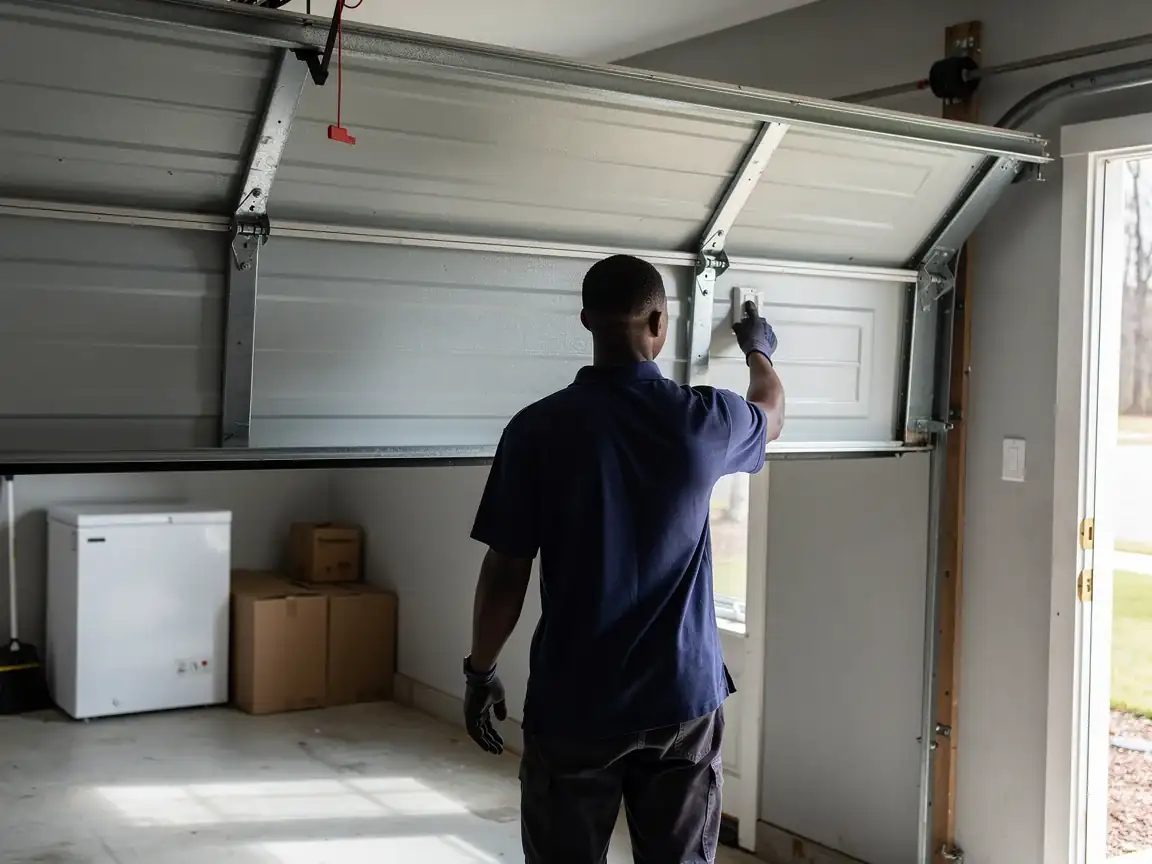
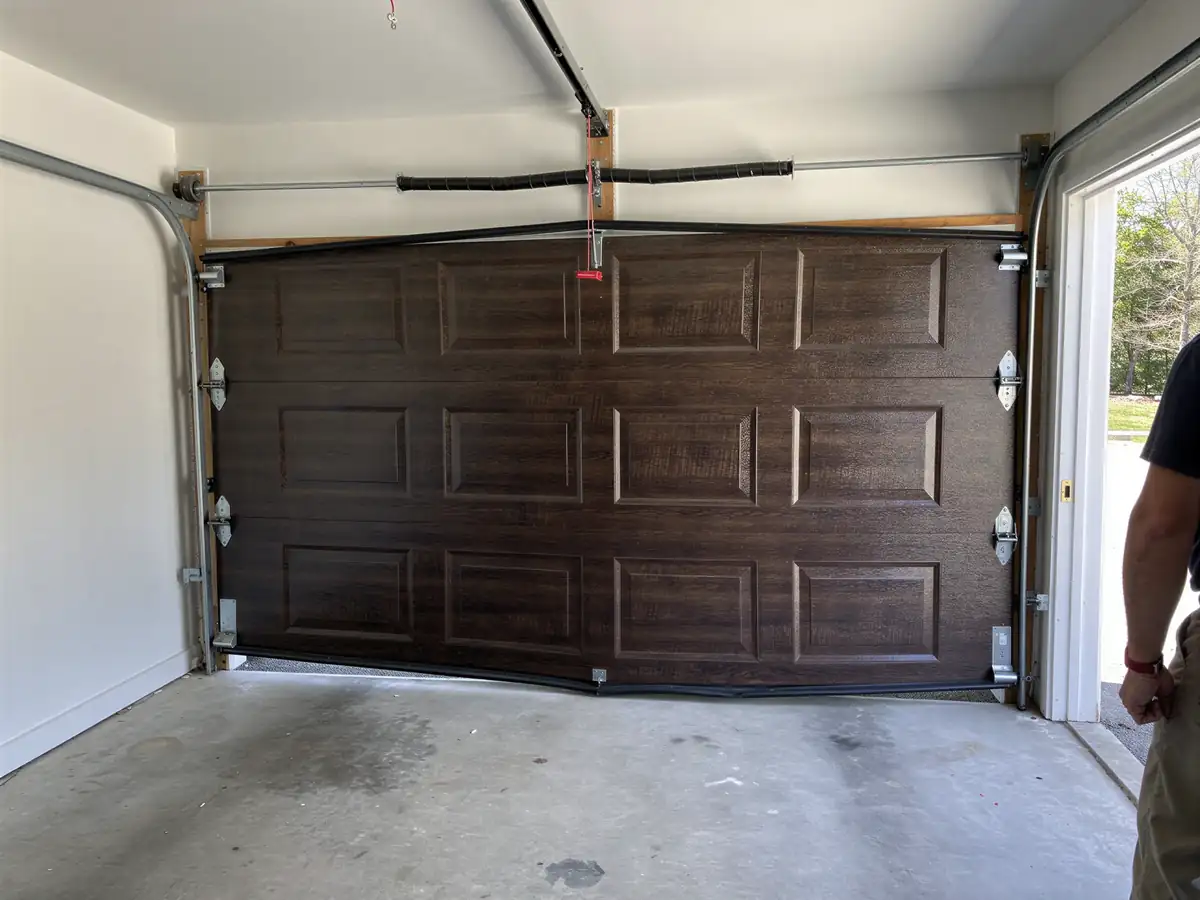
You hit the opener and nothing happens, or the motor strains and reverses. That's usually a spring gone or a cable off the drum. Less obvious is the door that opens fine but drops fast and uneven on the way down, which points to one spring holding while the other has already given out.
You'll also hear it before you see it
A loud bang from the garage, often first thing in the morning when the metal is coldest and tightest. That bang is almost always the spring itself letting go, not the opener or the track.
With a median household income of $70,625
Most owners here can afford a same-week spring swap but balk at a full door replacement they don't actually need, which is the right instinct - a spring job on an otherwise sound door is a fraction of the cost of a new one. The mistake is waiting past the warning signs. A door that's visibly crooked when it's halfway open, or that an opener has to fight to move, is close to a hard failure, not a maybe.
- $70,625 median household income
Where This Job Goes Sideways
The job goes sideways when the spring isn't the only thing wrong. On a lot of the 1960s and 70s stock around here, the track brackets were set with lag screws into jamb framing that's shifted slightly over fifty-plus years. Swap the spring and the door runs, but it's still rubbing a track that's a quarter inch out of plumb, and within a season you're back to a noisy, hard-to-lift door even with a brand new spring.
A homeowner near Grayson, four miles out, faces the same 1960s-stock spring failures as someone closer to Mountain Park, but the fix that actually holds is the one that checks track alignment and roller wear at the same time as the spring, not just the spring in isolation.
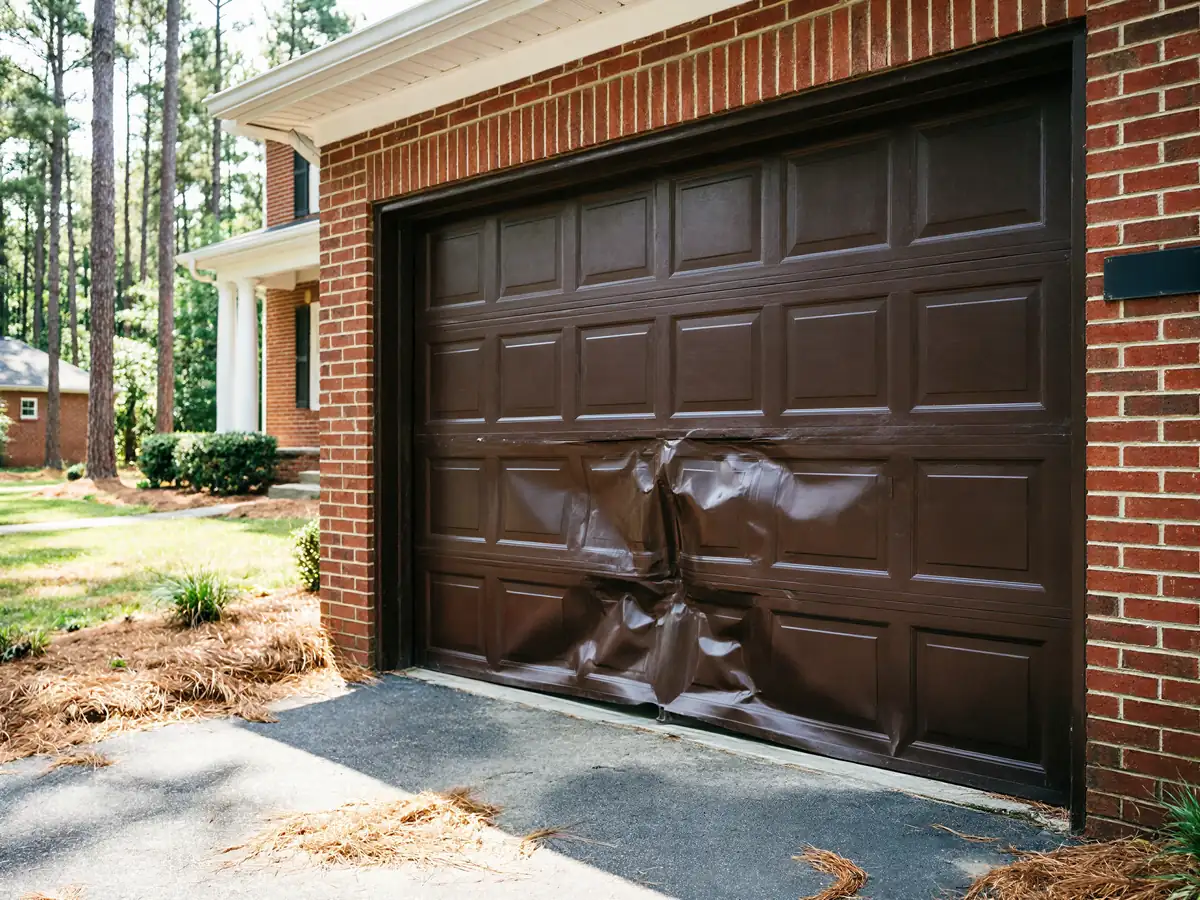
Honest limitation: if the door itself is warped, delaminating, or the panels are rusted through at the bottom, a new spring won't fix that, and we'll say so rather than sell a repair on a door that's past the point of being worth saving. Sometimes the right call is a new door, not another repair on an old one.