When to Call Someone
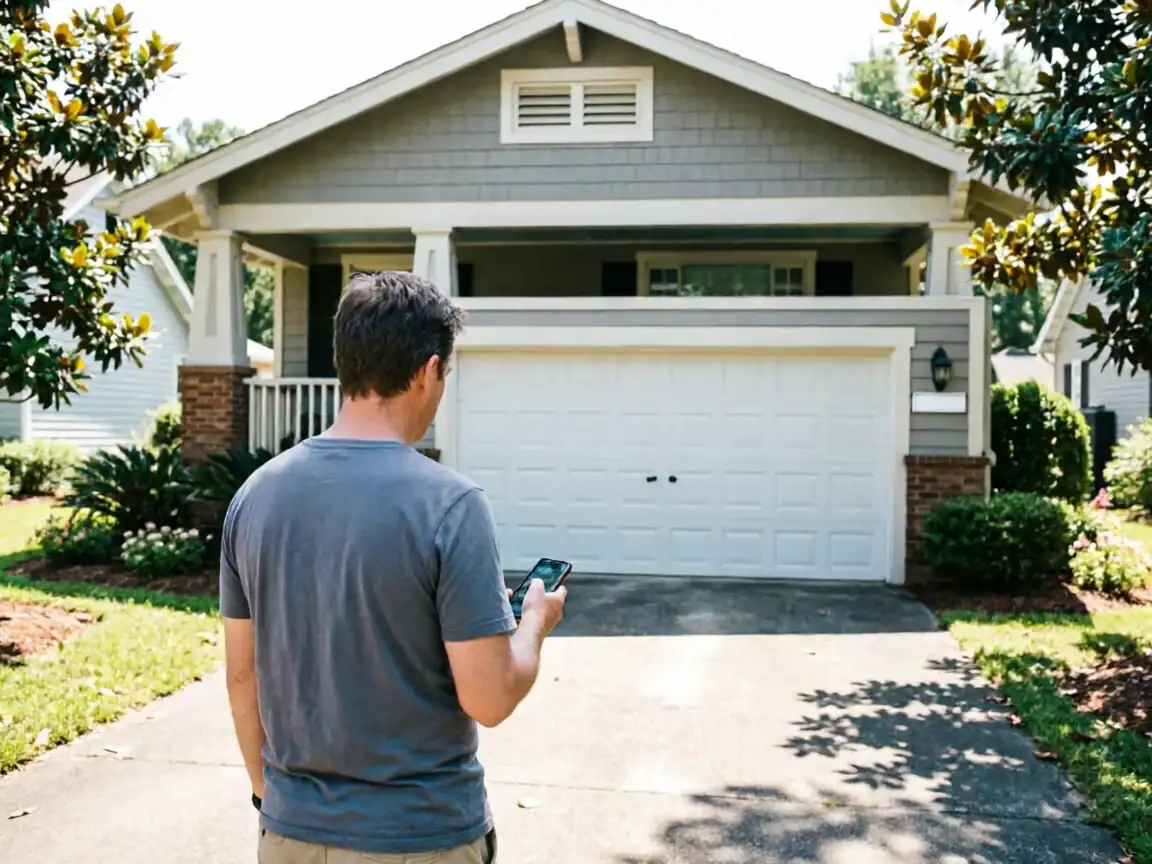
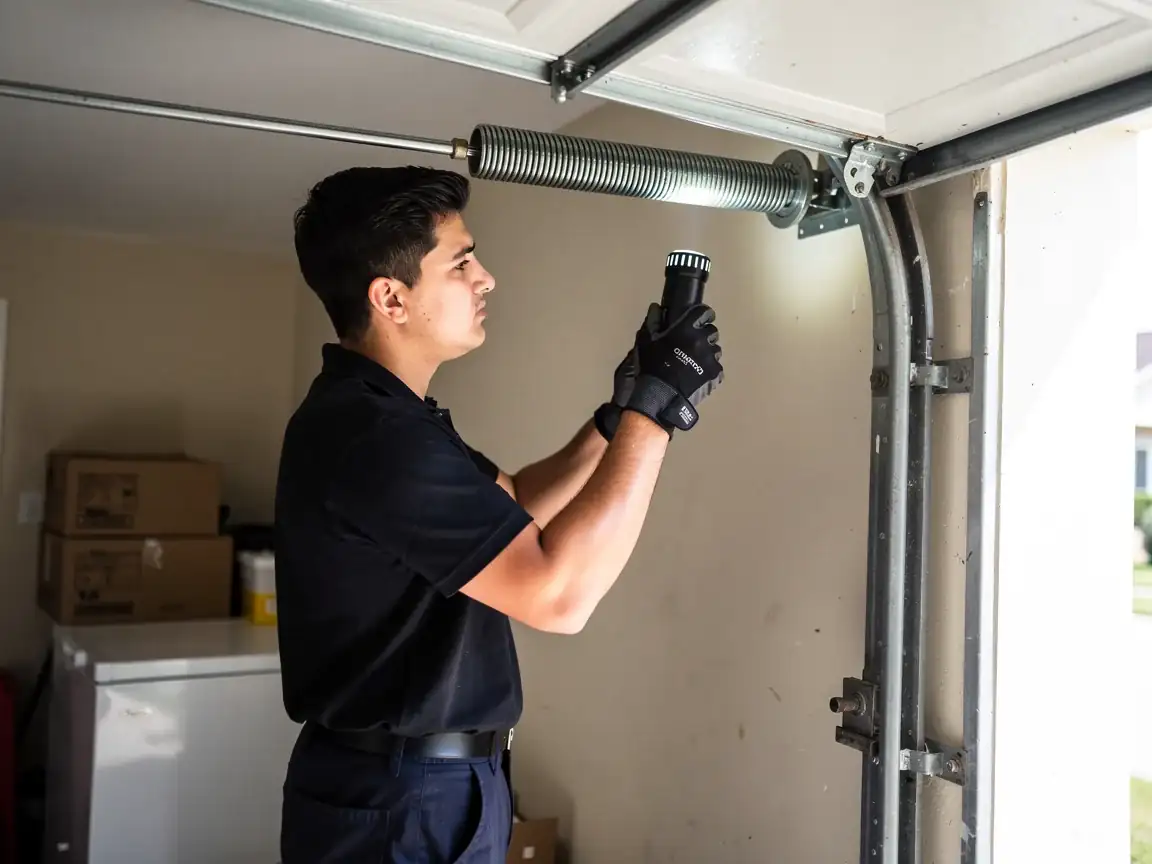
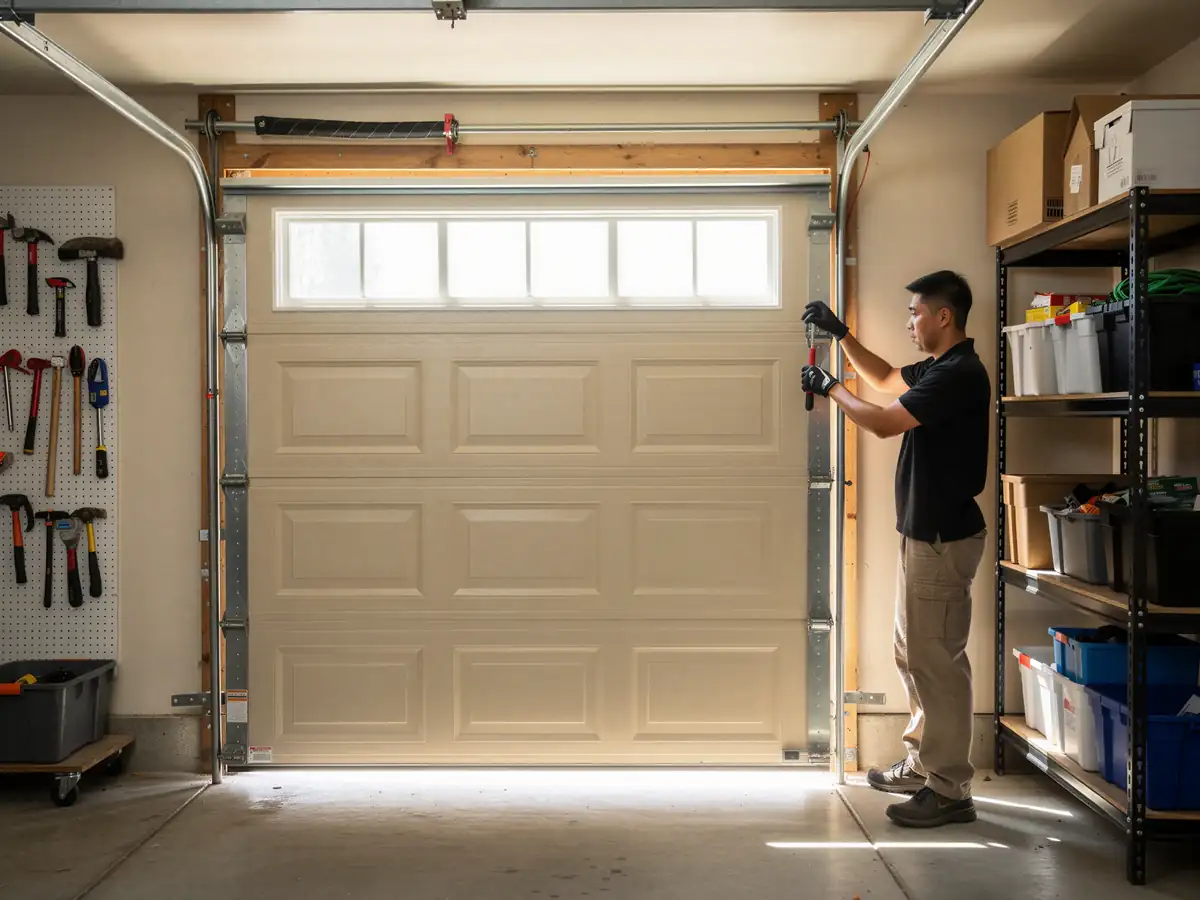
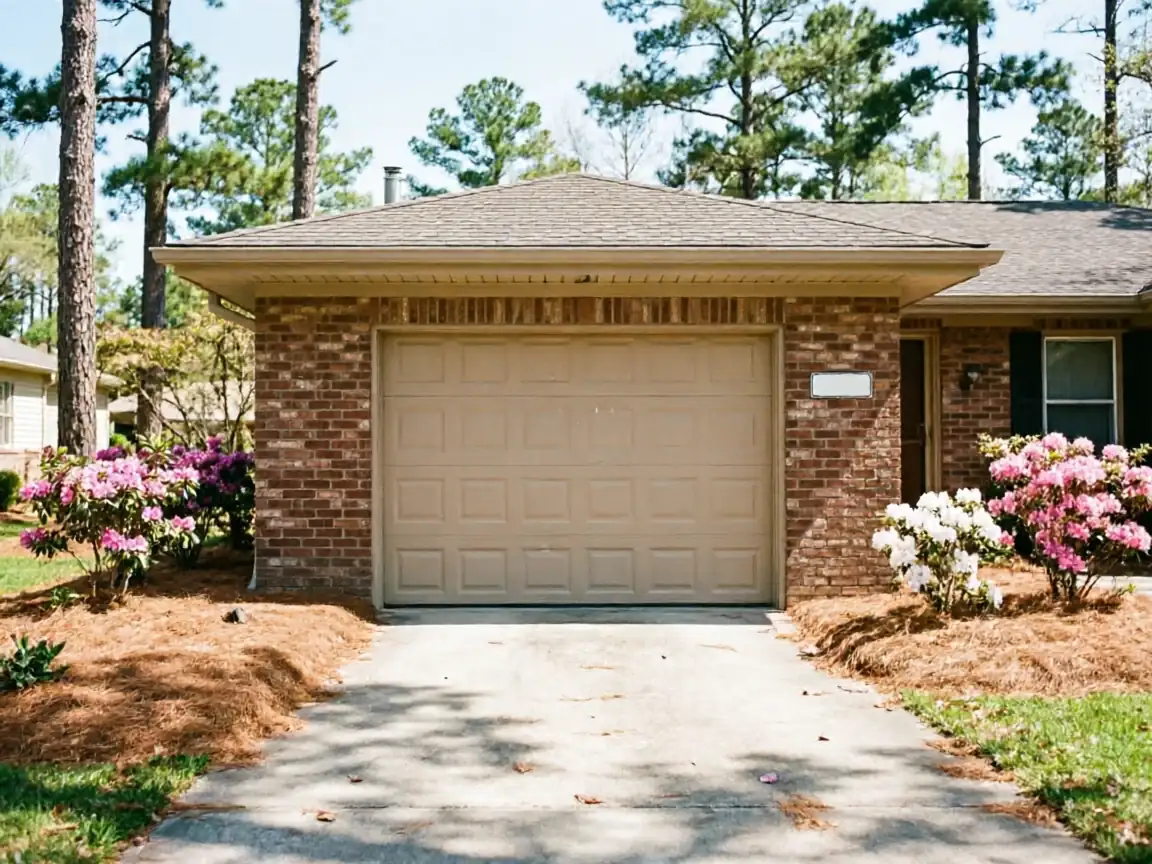
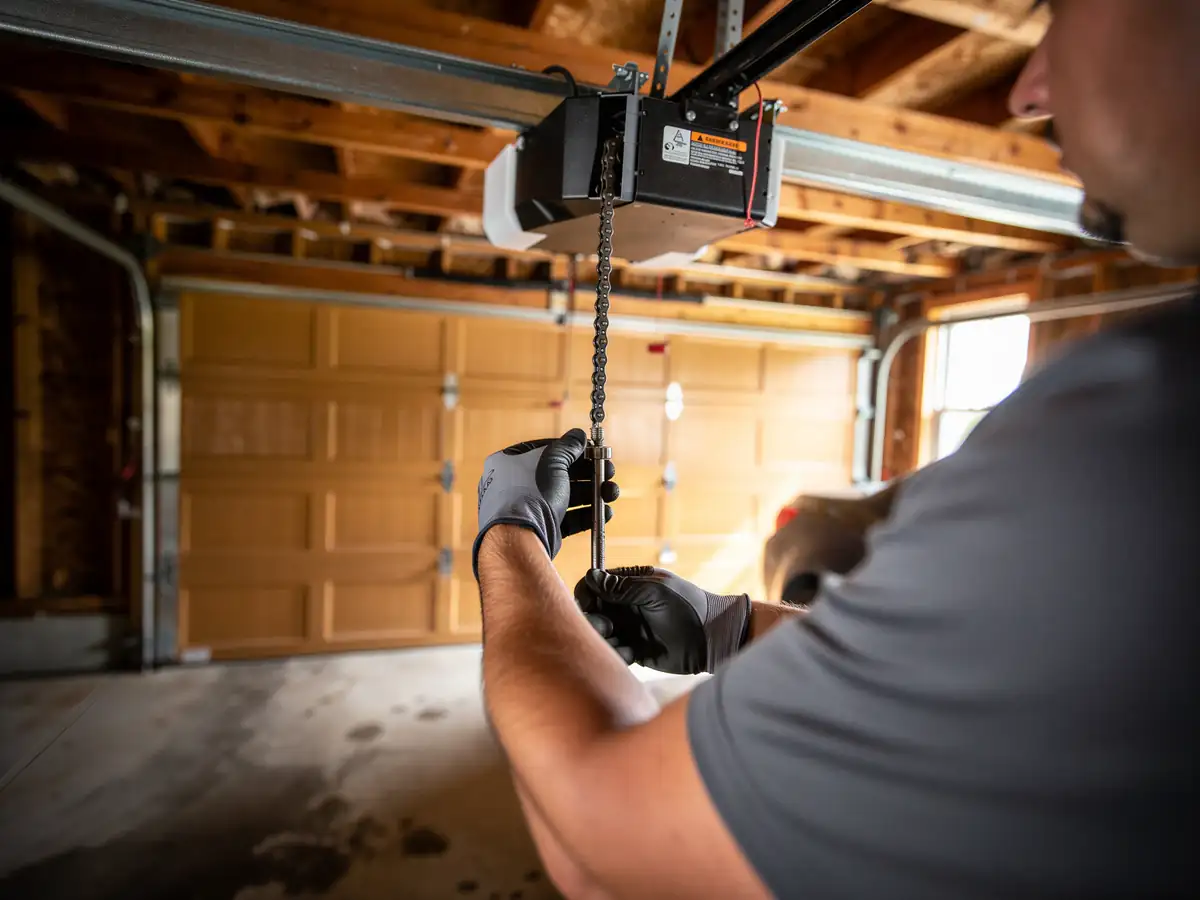
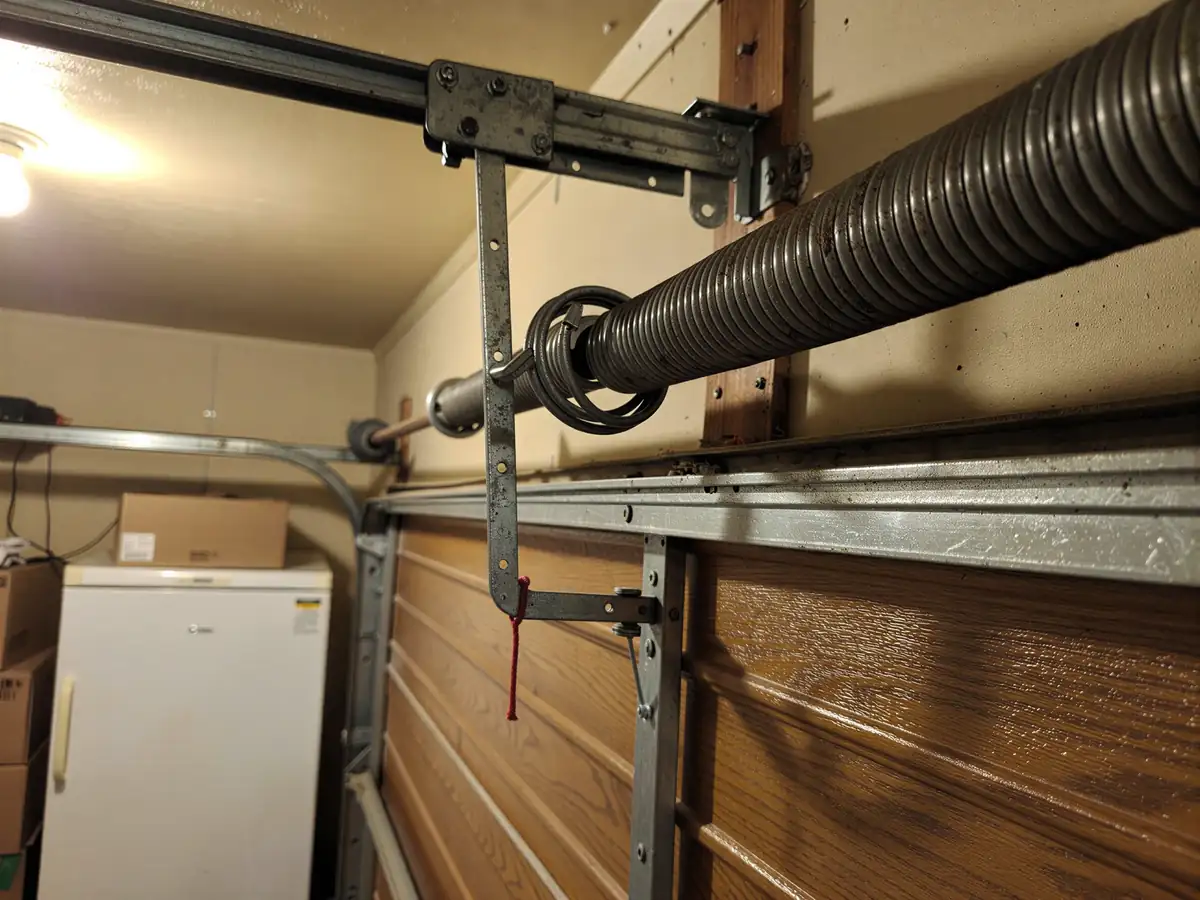
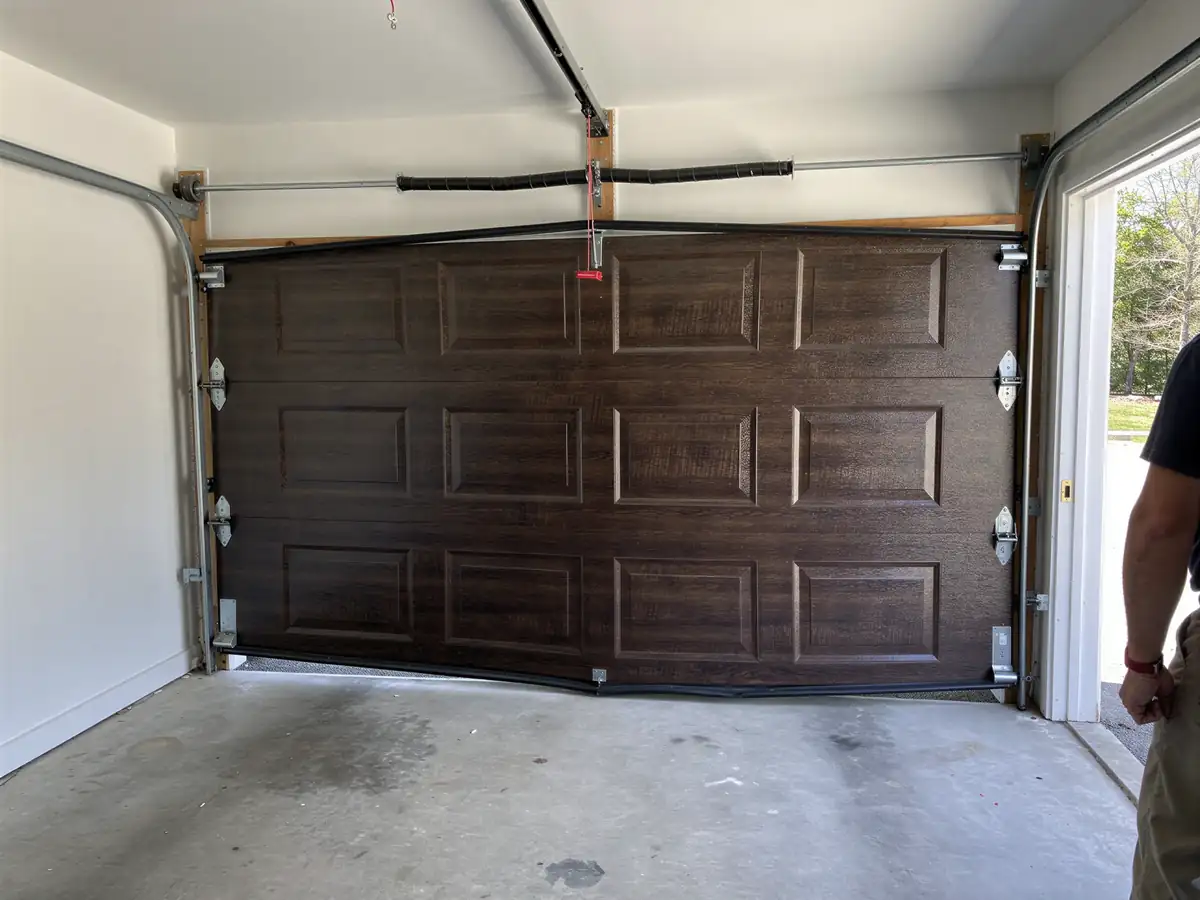
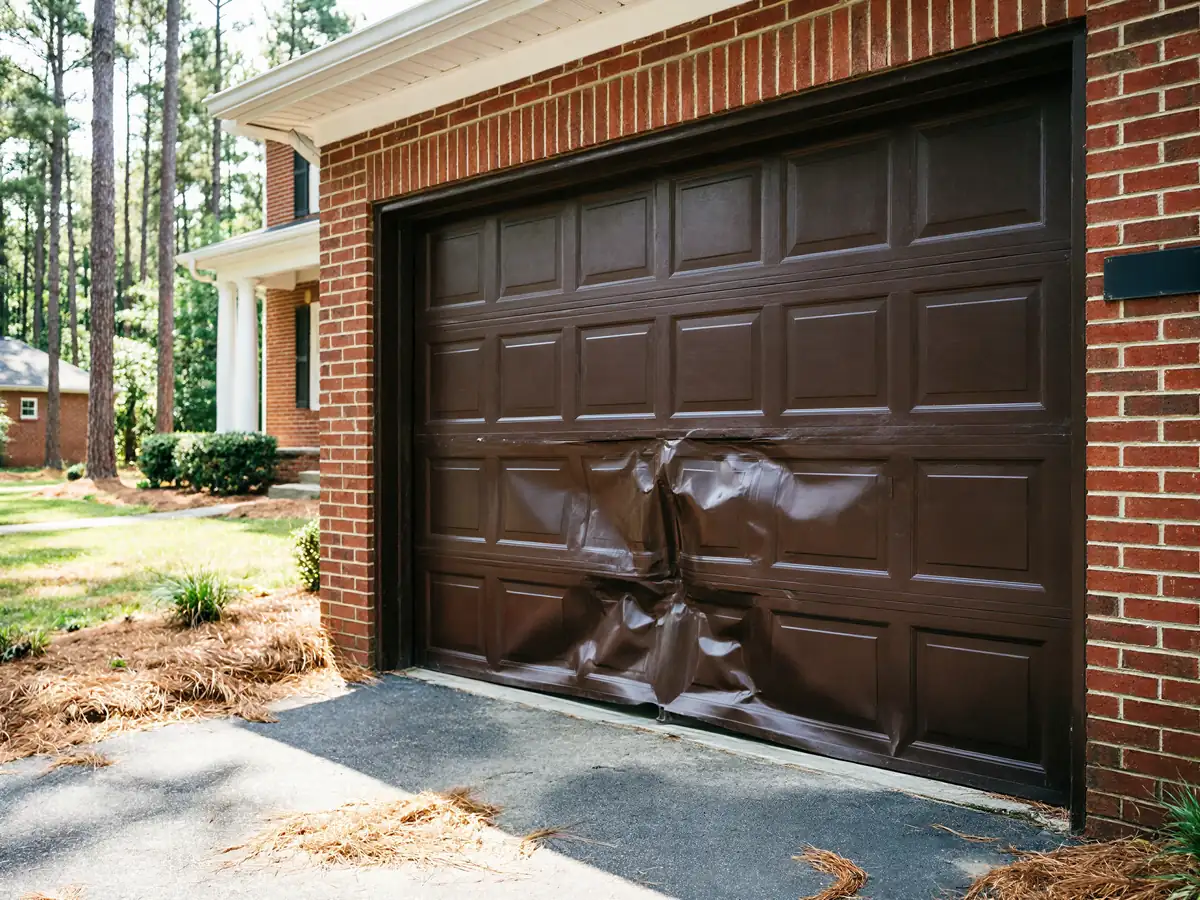
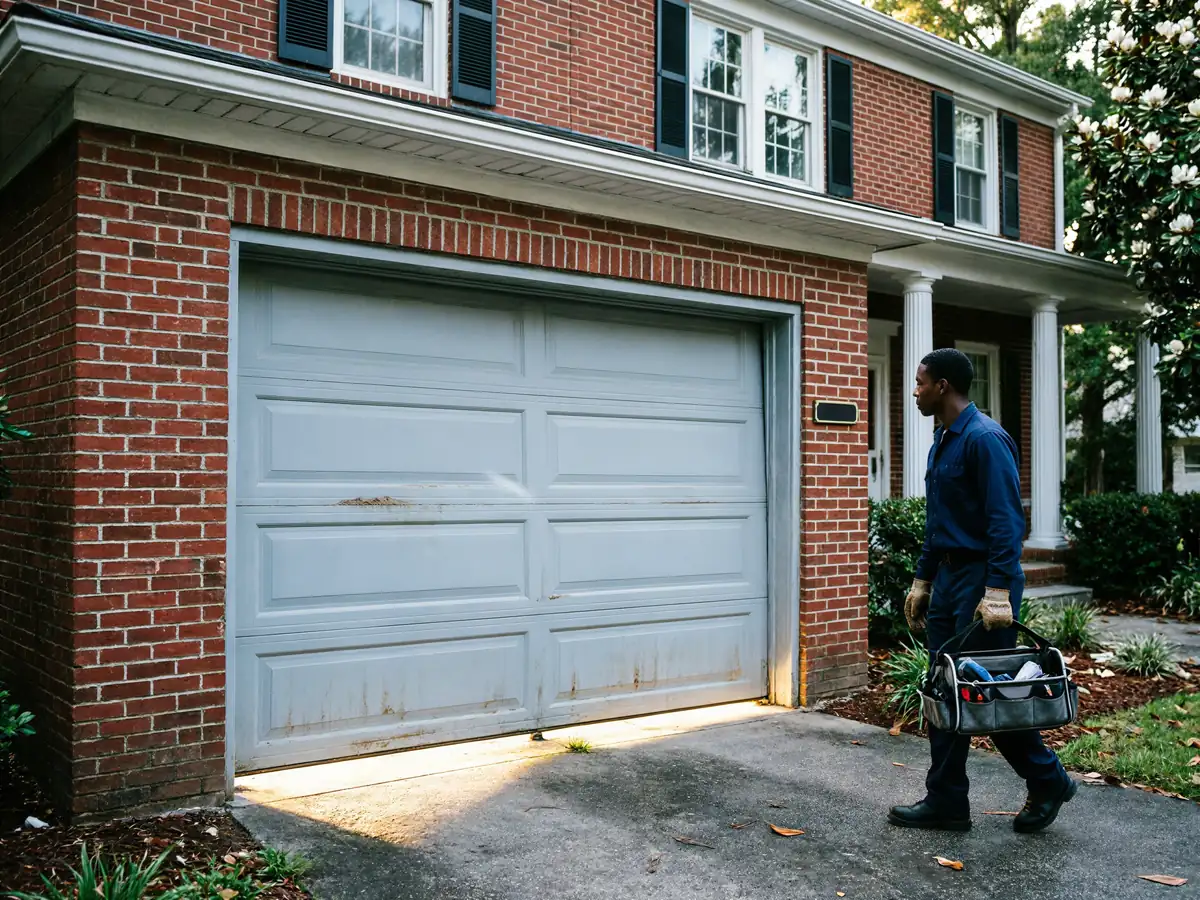
Houses across Snellville were mostly built between 1951 and 2012, with the median landing around 1978. That matters because a door installed when the house went up has had forty-plus years to wear through at least one set of springs, and often a second opener. If you hear a loud bang followed by the door refusing to lift, that's almost always a broken torsion spring, and it's not a DIY fix - the spring is under enough tension to break a hand. Same goes for a cable that's frayed and starting to pop strands near the bottom bracket. Grinding that gets worse every week, not better, usually means a gear set inside the opener is stripping, and running it longer just finishes the job badly instead of cleanly. Call before the door won't move at all, not after. A door stuck halfway open on a cold morning, with the opener straining and clicking, is a spring or cable problem dressed up as an opener problem - don't let someone sell you a new opener when the real part is a $200 spring.
The Problem
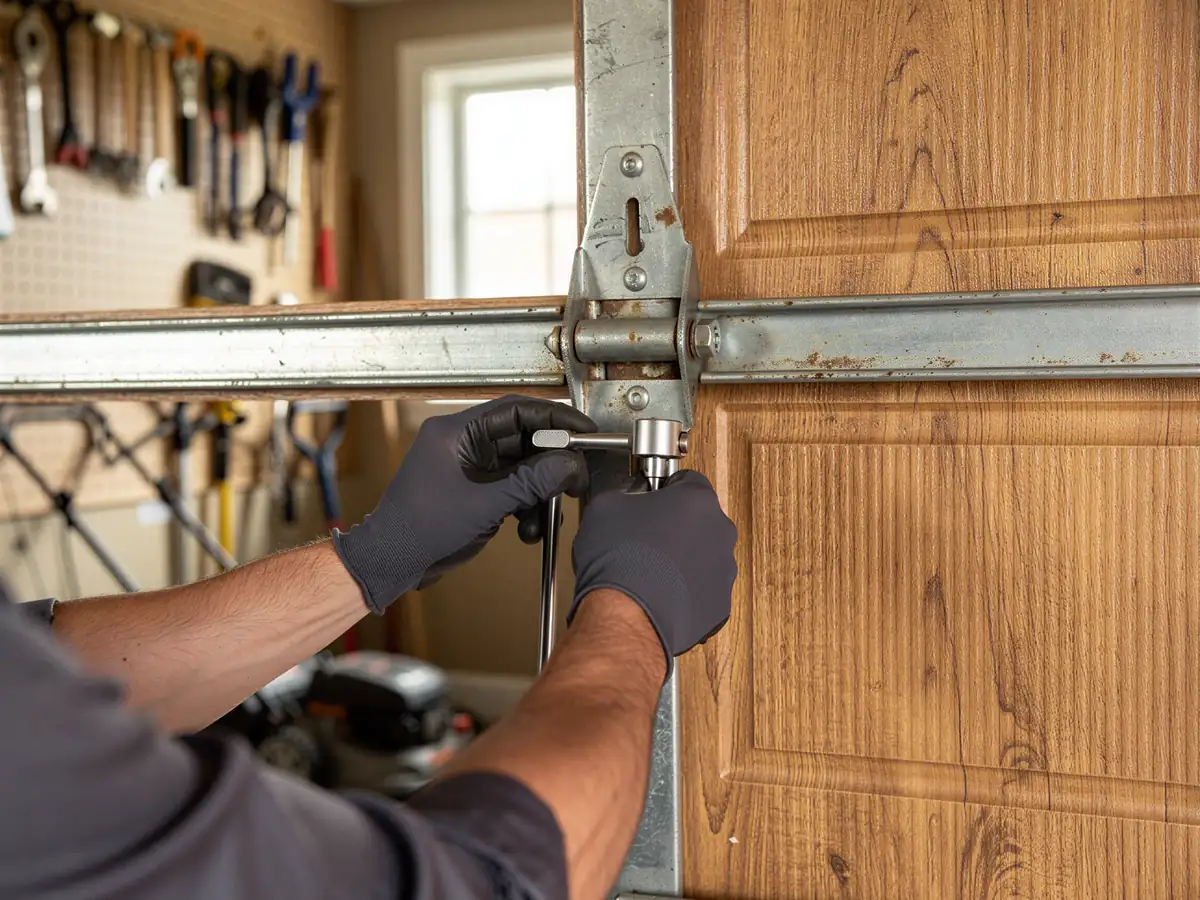
In a city where most garages are running on hardware that predates a lot of current homeowners, the noise is rarely random. A rhythmic thump once per rotation points to a flat spot on a roller - common once rollers pass the age where the original nylon has worn through to the bearing. A sharp metallic pop on opening is often the torsion spring's winding cone slipping on the shaft, a sign the spring is near the end of its life even if it hasn't broken yet. Rattling along the horizontal track usually means the track bolts have worked loose over years of expansion and contraction, which happens more in houses built in the 1960s and 70s that make up most of Snellville's 22 named areas - these runs of track have had decades to shift. A squeal that rises in pitch as the door moves is almost always a dry hinge or a roller stem that's lost its grease. None of these noises fix themselves, and all of them get louder and more expensive the longer they run.
How Local Conditions Play In
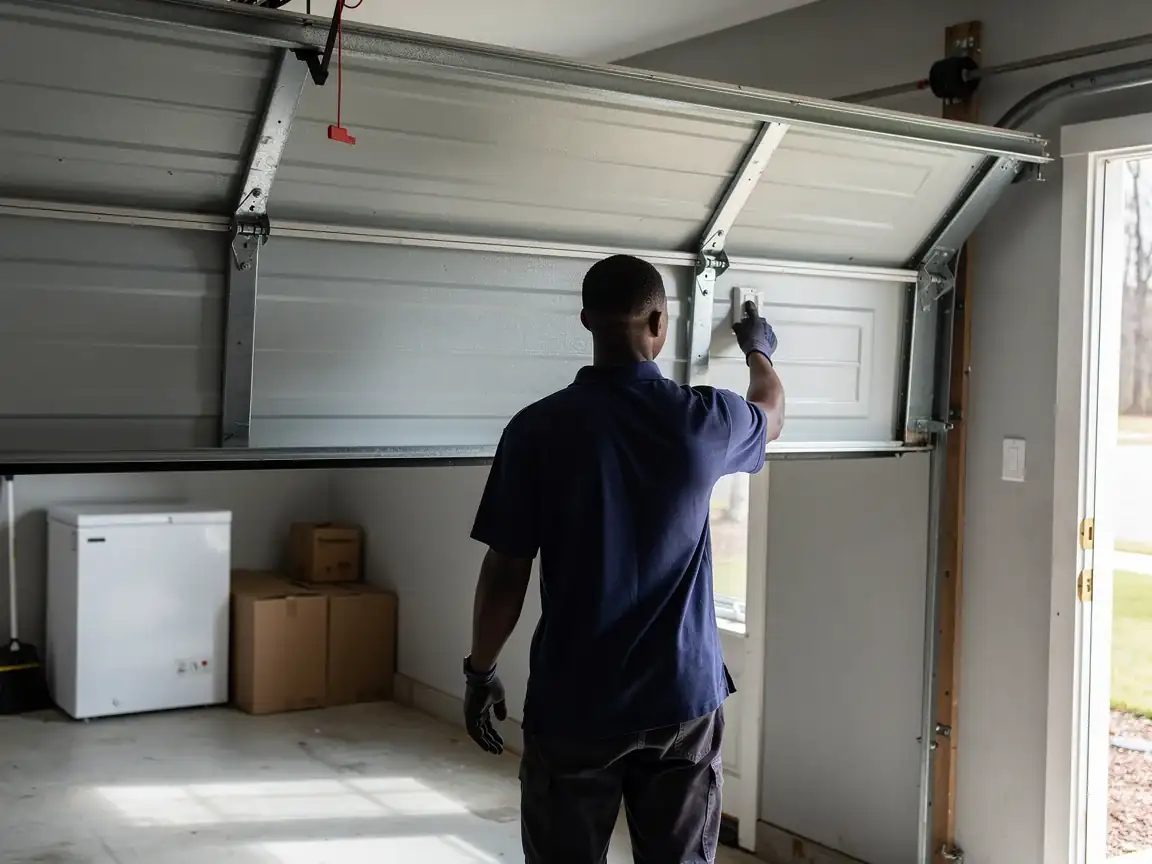
Snellville sits in a cold-moderate climate band - not the hard freezes you get further north, but enough of a winter swing to thicken old bearing grease and make a quiet door start talking. A door that's silent in August and squealing by January usually just needs fresh lubricant on the rollers and hinges, not new parts. Steel contracts slightly in cold weather too, which is why a track that rattled faintly in summer can suddenly feel loose enough to bang in December - the metal has pulled just far enough from the bolts to lose its grip. None of this is dramatic weather, which is also why a lot of homeowners here ignore early noise longer than they should; there's no ice storm forcing the issue. The honest limitation: noise alone can't always tell you spring versus roller versus track without hands on the door, so a phone diagnosis is a guess, not a quote.