Doing It Yourself
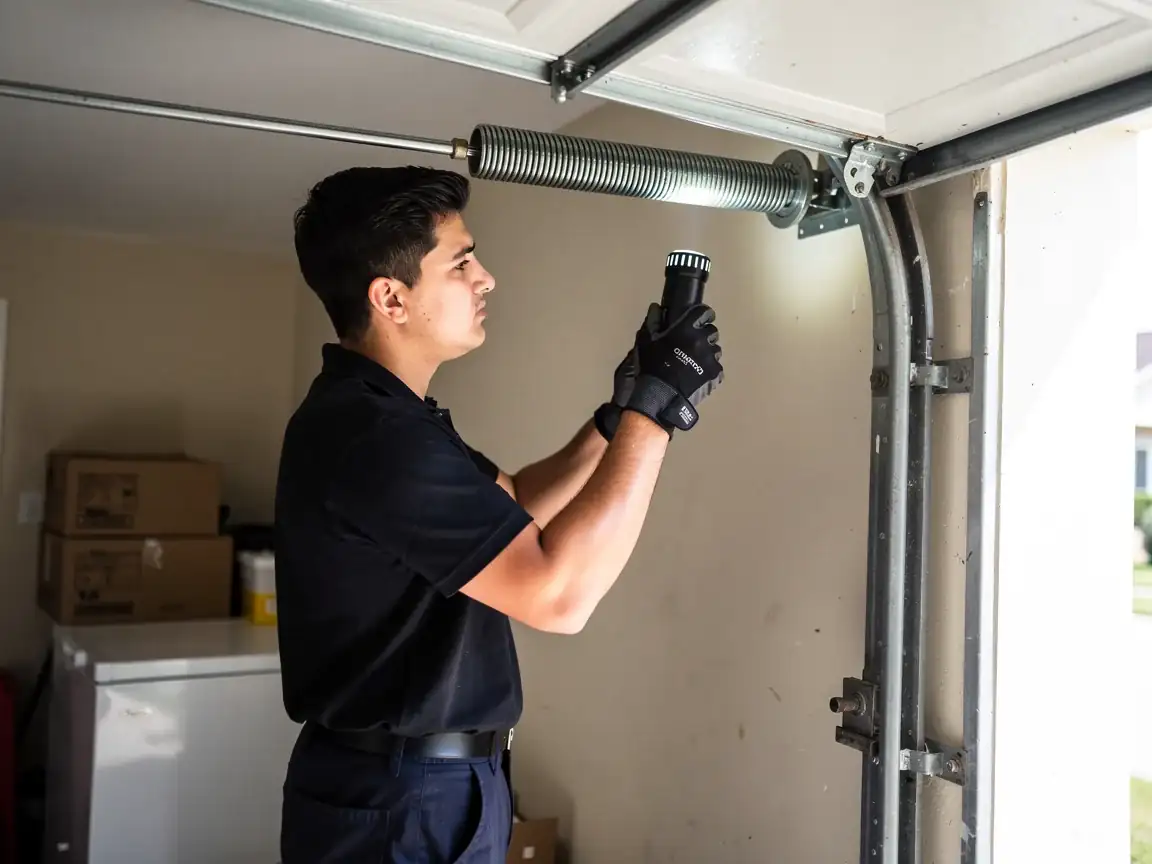
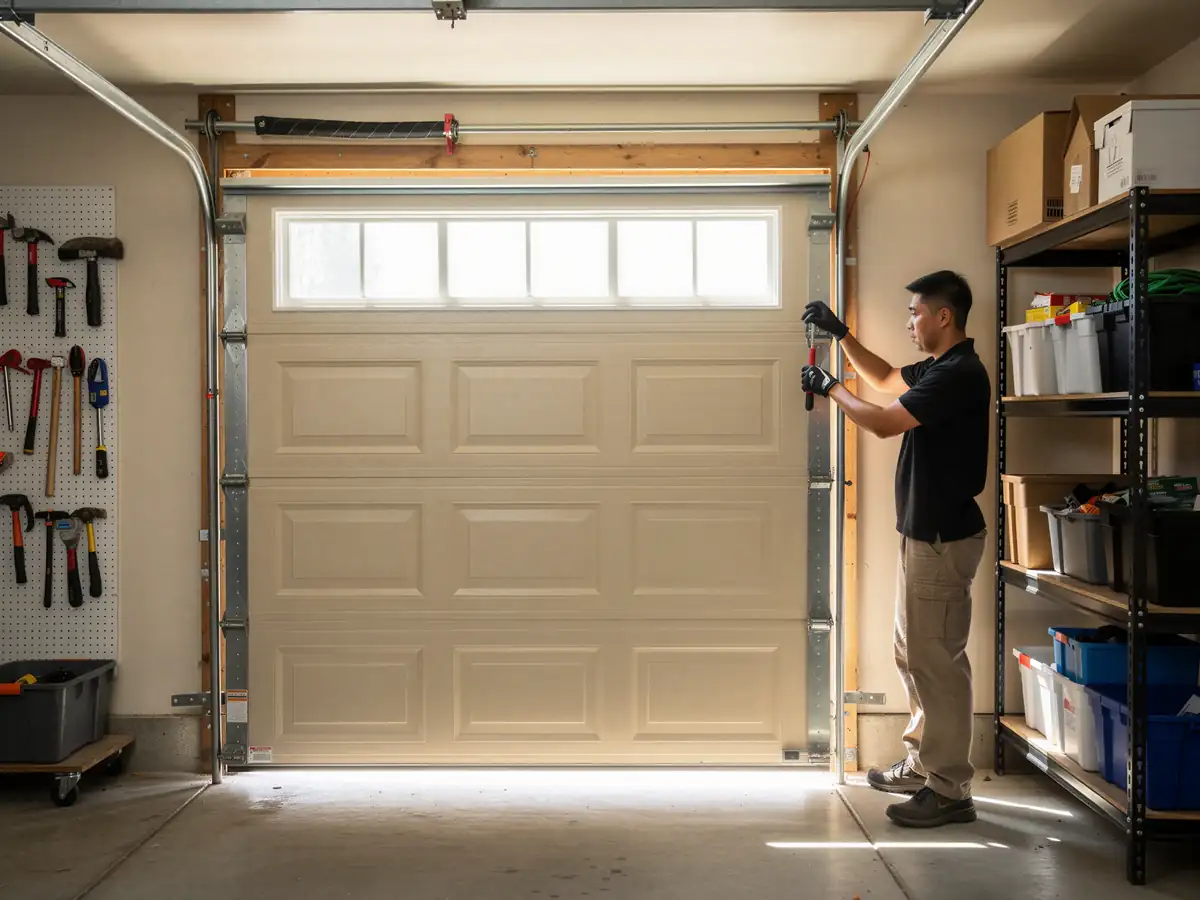
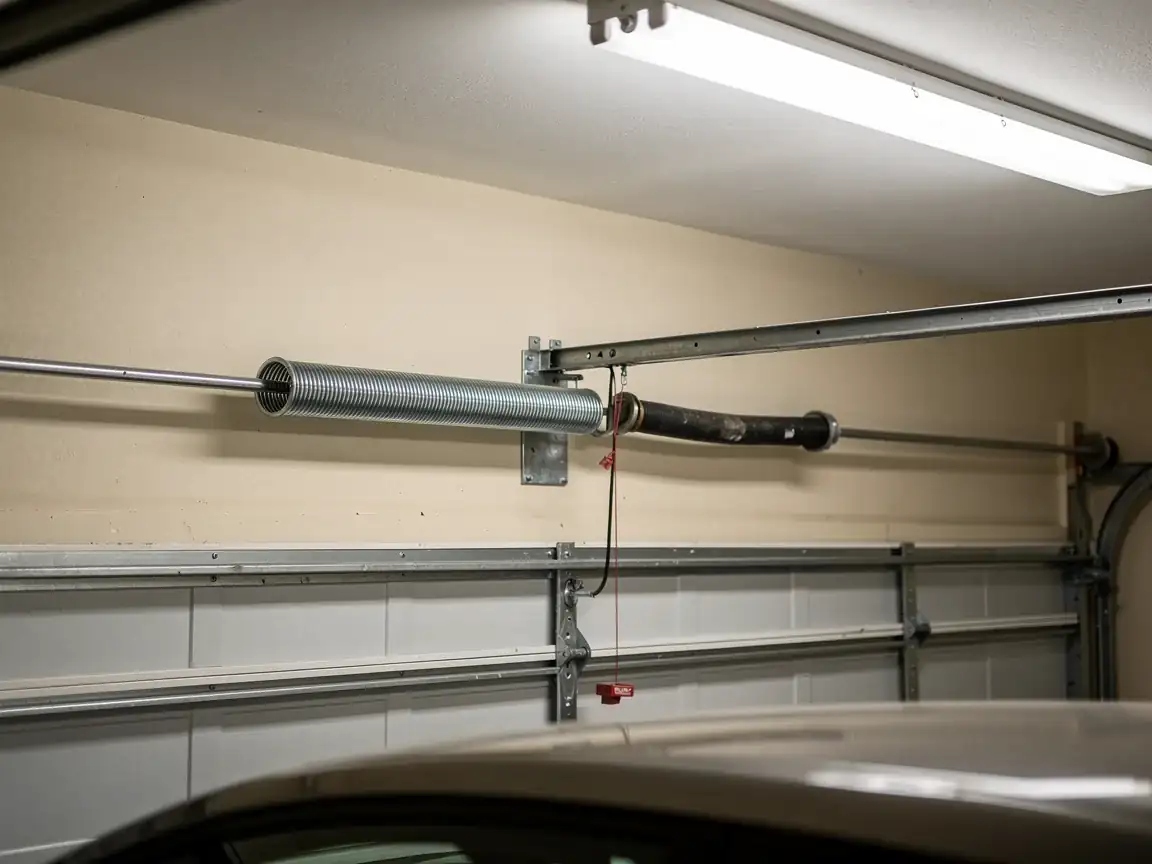
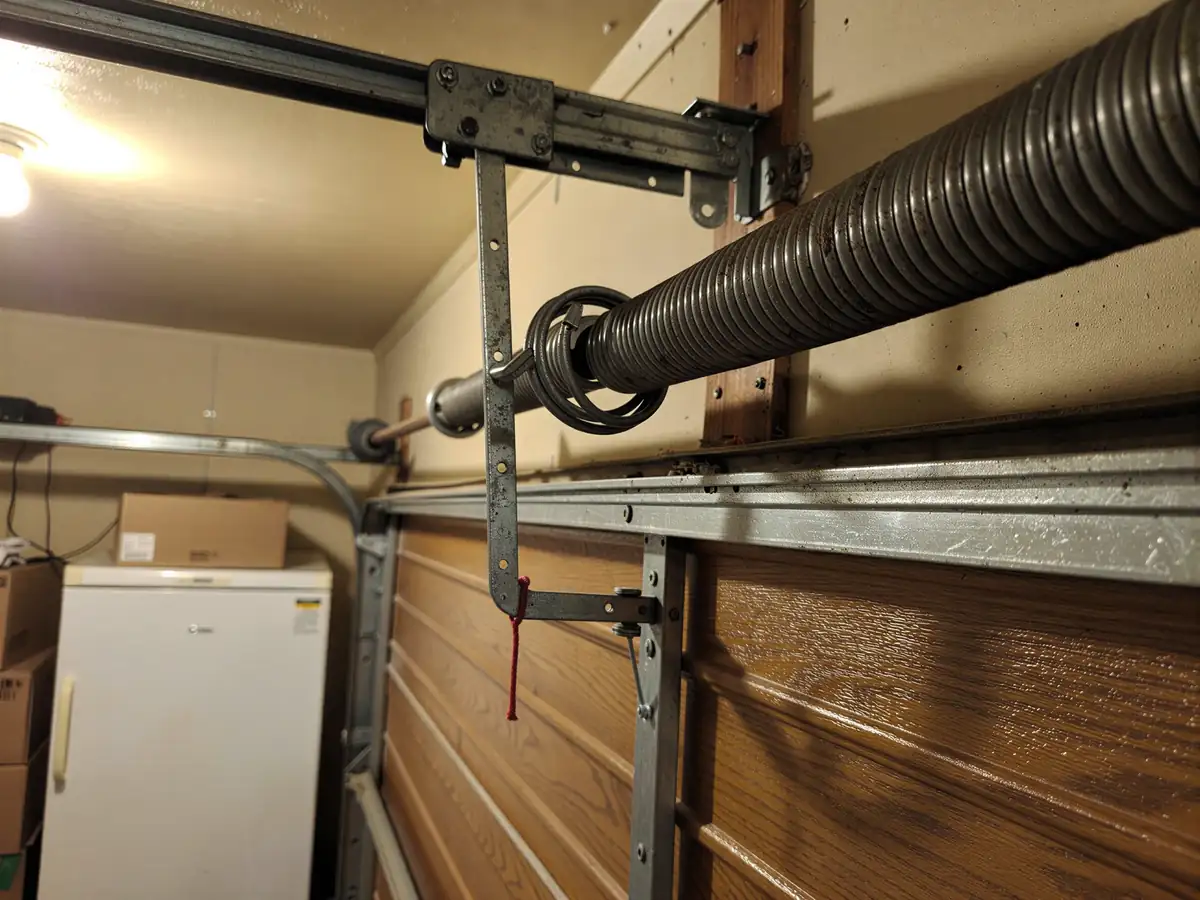
A torsion spring looks like a simple part until you're standing under one holding a door that weighs more than you do. The spring sits on a bar above the opening, wound tight enough to lift 150 to 400 pounds, and it's the only thing keeping that door from dropping when the cable or bracket lets go. YouTube makes winding cones and winding bars look routine. What those videos skip is that the right spring size depends on door weight, drum size, and cable length - numbers that vary by the actual door in front of you, not a generic chart.
Households in this area skew toward owner-occupied homes with real equity in the property, and a lot of owners are comfortable with general home repair. That's a fine instinct for a leaking faucet. A wound torsion spring stores enough energy to break fingers, fracture a skull, or put the winding bar through drywall if it slips off the cone. The parts cost is modest. The tool you need - a matched pair of winding bars, not a screwdriver - isn't something most garages have, and skipping that step is where injuries happen.
Why This Fails Locally
Housing in the Snellville service area was mostly built between 1951 and 2012, with the bulk of it going up in the 1960s and '70s across the named communities in this corridor. That means a large share of the garage doors out there are running original or first-replacement torsion hardware - springs sized for a door that's now 50-plus years into expansion and contraction cycles it was never rated for.
The region sits in a cold-moderate climate band, which isn't brutal the way the upper Midwest is, but it still runs the metal through a real freeze-thaw swing every winter. Steel contracts in cold, and a spring already near the end of its wind-cycle life is more likely to snap on a cold morning than a mild afternoon. Combine 1960s-70s coil stock with decades of seasonal temperature swing, and you get a spring failure pattern that's common here in a way it wouldn't be in a newer-built area with uniform hardware and a milder climate.
How It Shows Up
The door won't budge, or it only opens a few inches before the opener strains and reverses
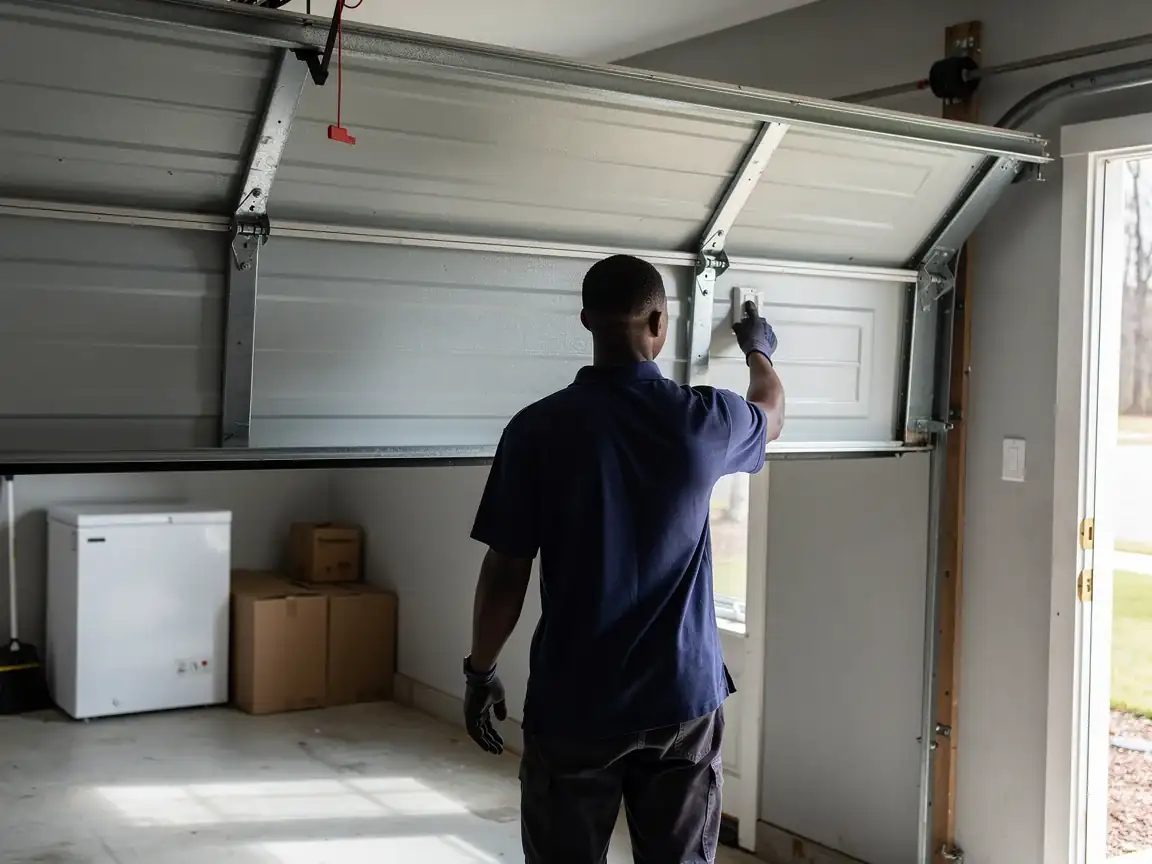
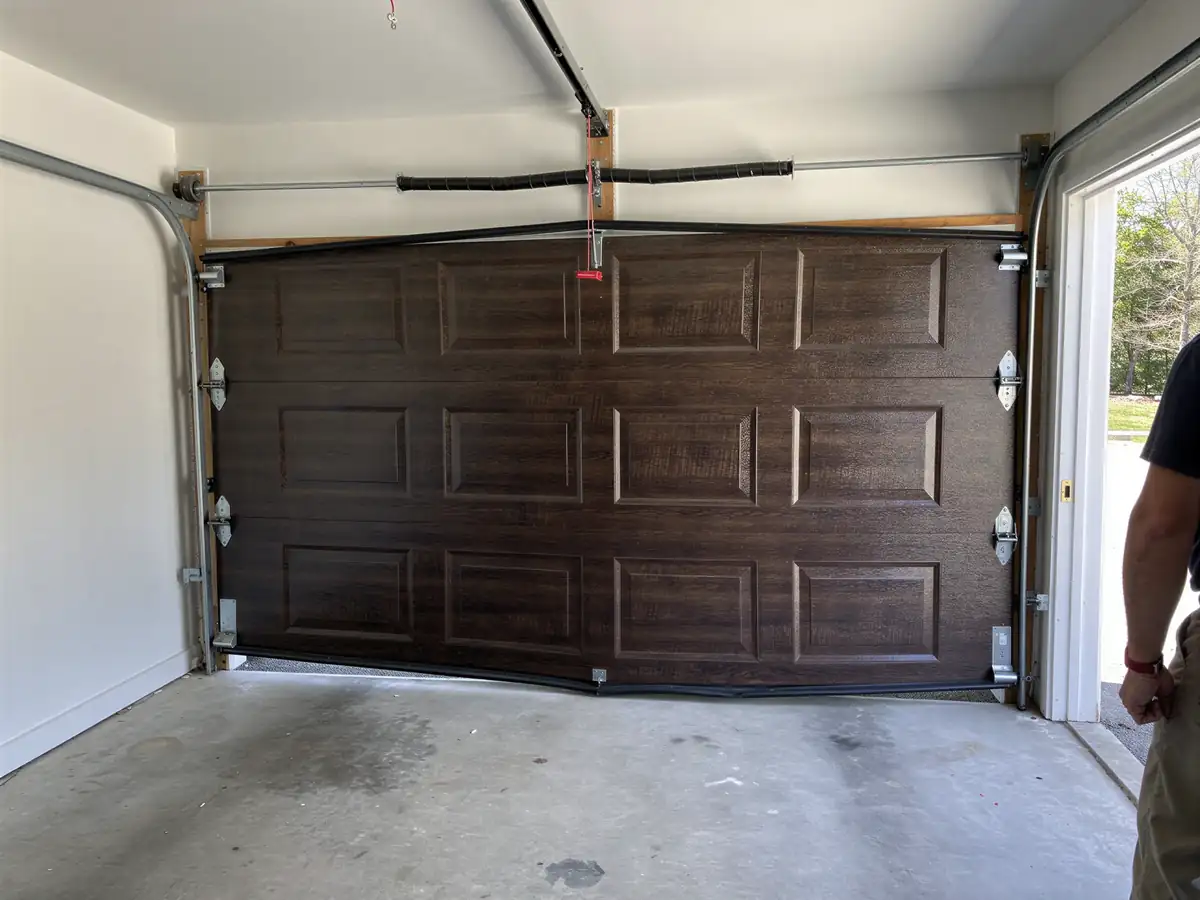
Sometimes you hear the bang first - a loud crack from the garage, often first thing in the morning when the metal is coldest and stiffest. After that, the door feels like dead weight. If you try to lift it by hand, there's no spring tension helping you; you're muscling the full weight of the panel section by section.
On older torsion setups common in this area's 1960s-70s stock
You'll sometimes see one spring still intact on a two-spring system. The door may still open, but unevenly, dragging on one side and stressing the opener and the remaining spring harder than it's built for. Left alone, that imbalance usually takes out the second spring or strips the opener's drive gear, turning a single-part repair into two.
Where This Job Goes Sideways
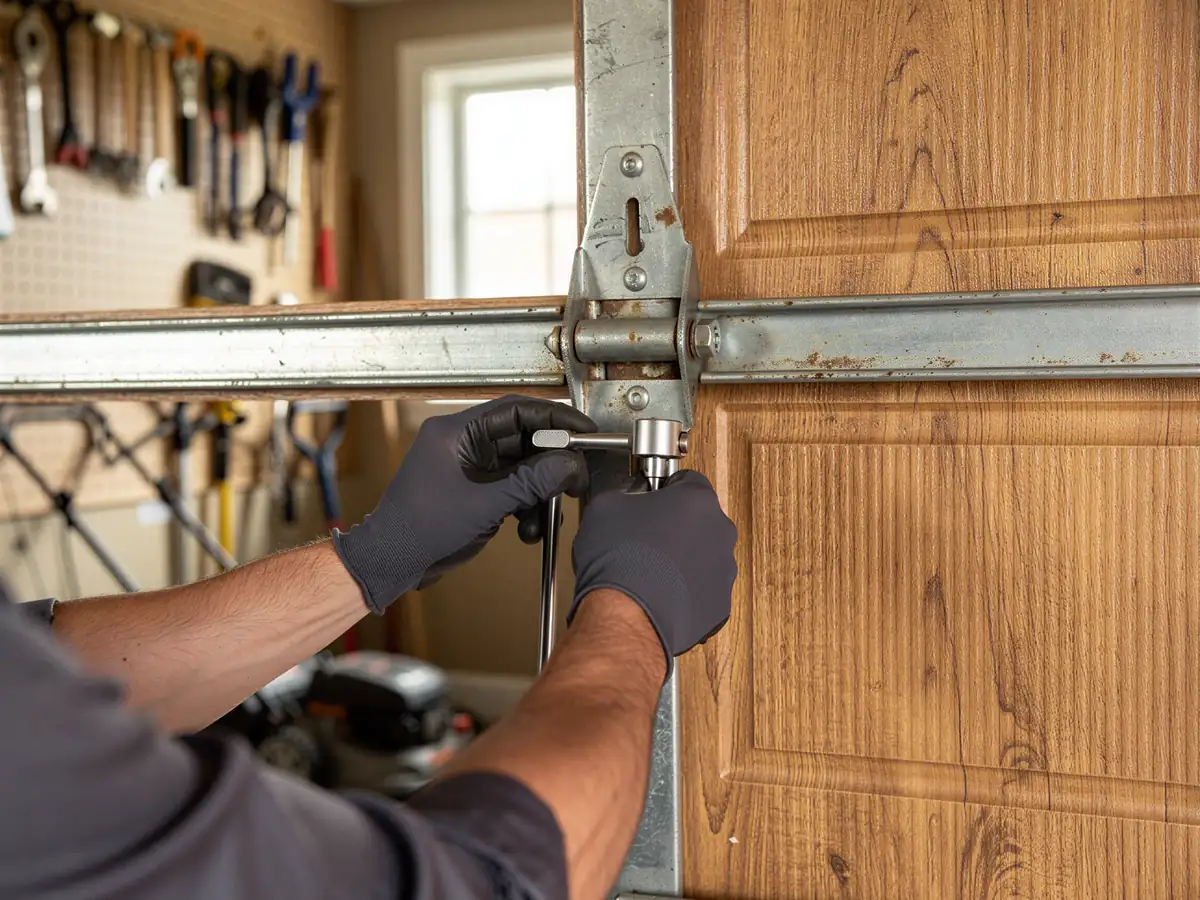
The failure point isn't usually the spring itself - it's everything the spring touches. On a door this age, the cable drums are often original too, and matching a new spring to worn drums or a bent torsion bar means the fix doesn't hold. We've seen owners replace the spring and call it done, only to have a cable jump the drum weeks later because the drum groove was already worn from years with the wrong tension.
The other place this goes wrong is sizing. A spring wound a few turns short leaves the door heavy on the opener, which burns out the drive motor faster than it should. One wound too tight snaps early. Getting the wind count and wire gauge right for a specific door's weight and lift is the actual job, not a step to shortcut.
One honest limit: if the torsion bar itself is bent or the drums are rusted through, replacing just the spring is a short-term patch. At that point you're better off replacing the full torsion assembly than paying for the spring twice.