What Was Built Here
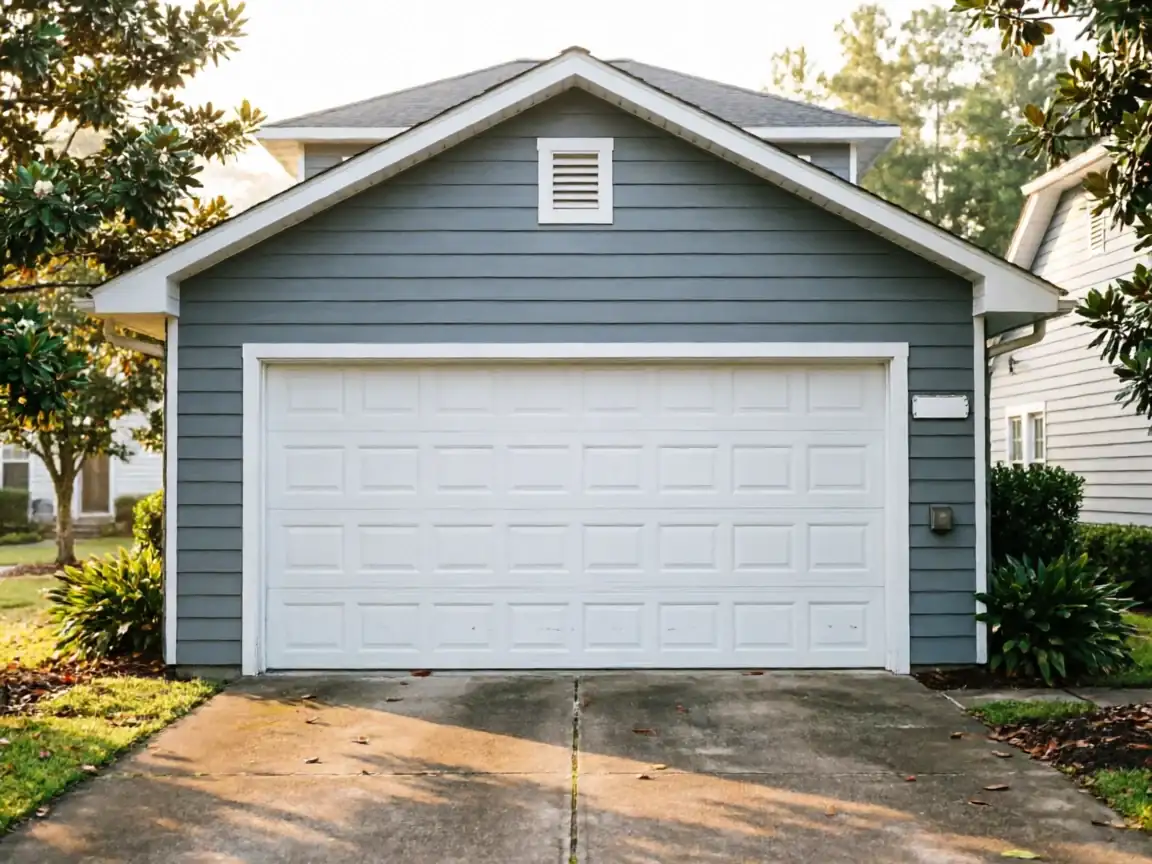
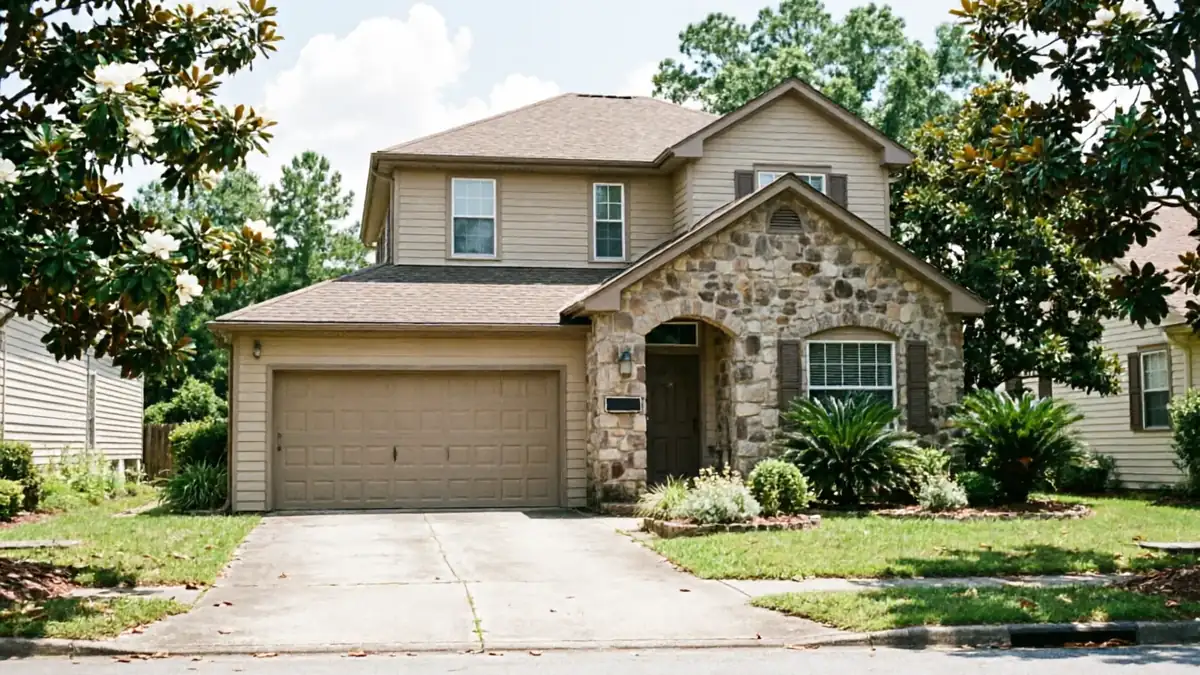
Candler-McAfee's housing sits earlier than most of the area we cover out of Snellville. The broader service territory runs from houses built in 1951 up through 2012, with a median around 1978 - but Candler-McAfee's own median build year is 1963. That decade-and-a-half gap matters more than it sounds. A house from 1963 was framed before the common steel sectional door became the default, and a lot of these garages still carry the original opening sized for a narrower, heavier door than what gets installed today. Tracks were often mounted to wood jambs that have shifted over sixty years, and the header above the opening isn't always square anymore. When we get a call from this area, we're not walking into the same job we'd see on a 1985 build in another part of the territory - we're looking at older lumber, older clearances, and hardware that's been replaced piecemeal by whoever owned the house before. That history shapes almost every repair we quote here, from the torsion spring size to whether the existing track can be reused at all.
What We Will Not Take On
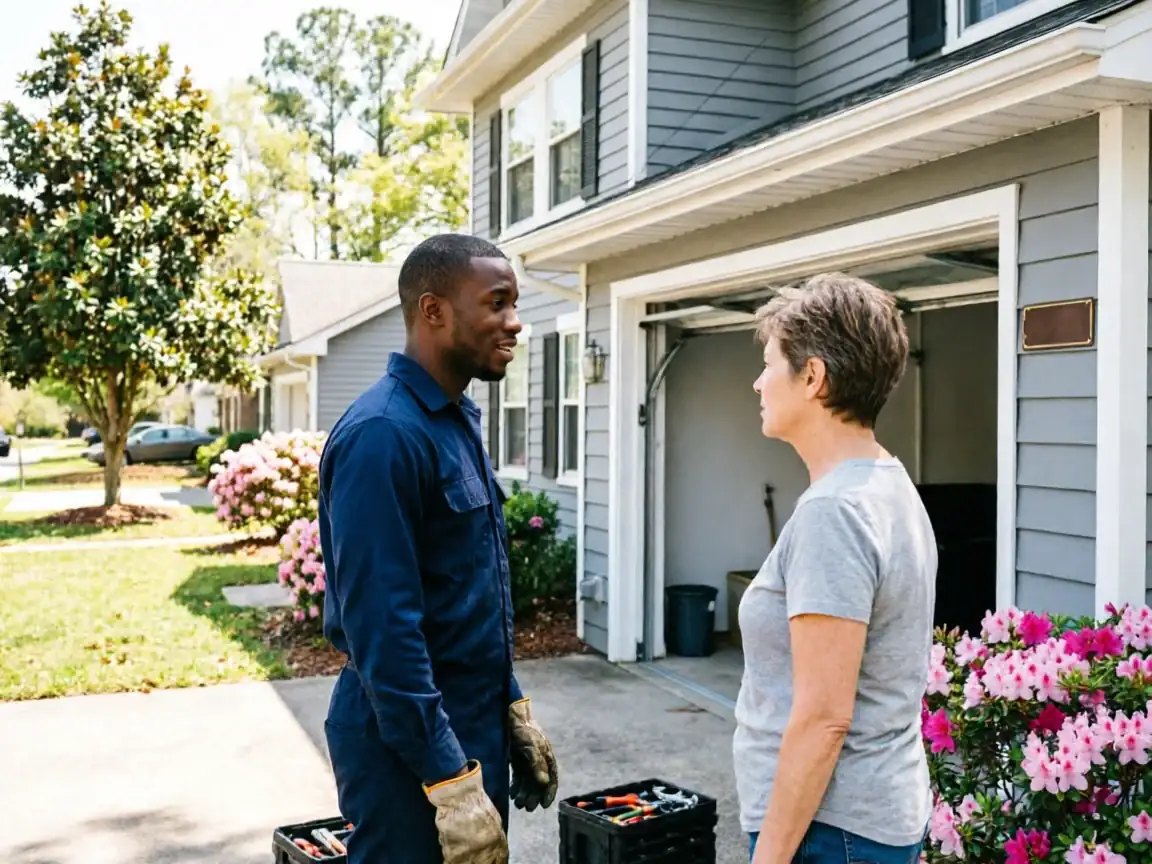
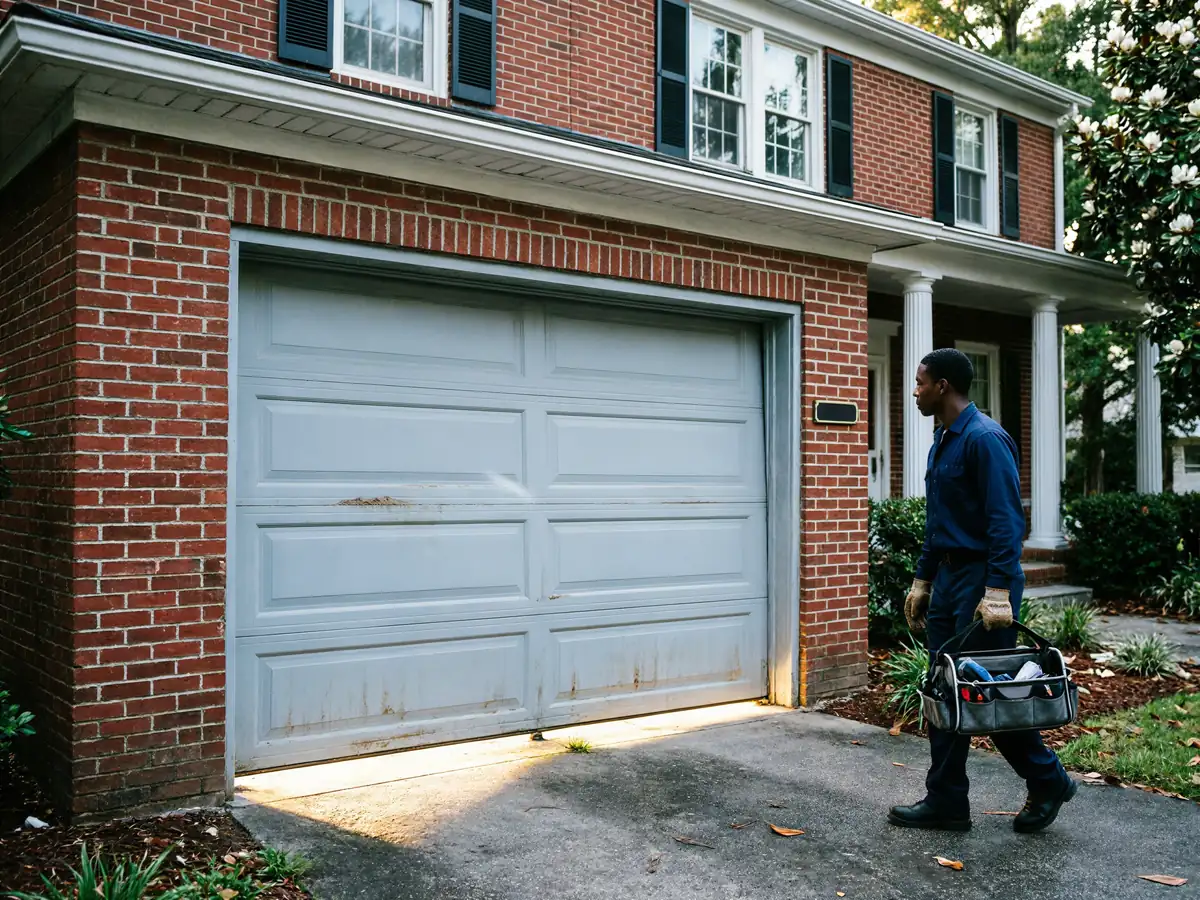
We don't try to force a modern insulated door into a 1963 opening that was never squared up to begin with - if the jamb's out of plumb by more than a small margin, that's a carpentry fix first, and we'll say so instead of hanging a door that'll bind within a year. We also won't quote a same-day fix sight unseen on a house this old, because we've seen too many openings here where the real problem is behind the trim, not in the hardware. And we don't keep a truck stationed in Candler-McAfee - we run out from Snellville, roughly 18 miles, so if you need someone standing in your driveway in twenty minutes, that's not an honest promise we can make. What we will do is tell you plainly when a repair isn't worth it against a replacement, especially on a door this age where parts are getting harder to match.
How That Shows Up in the Door
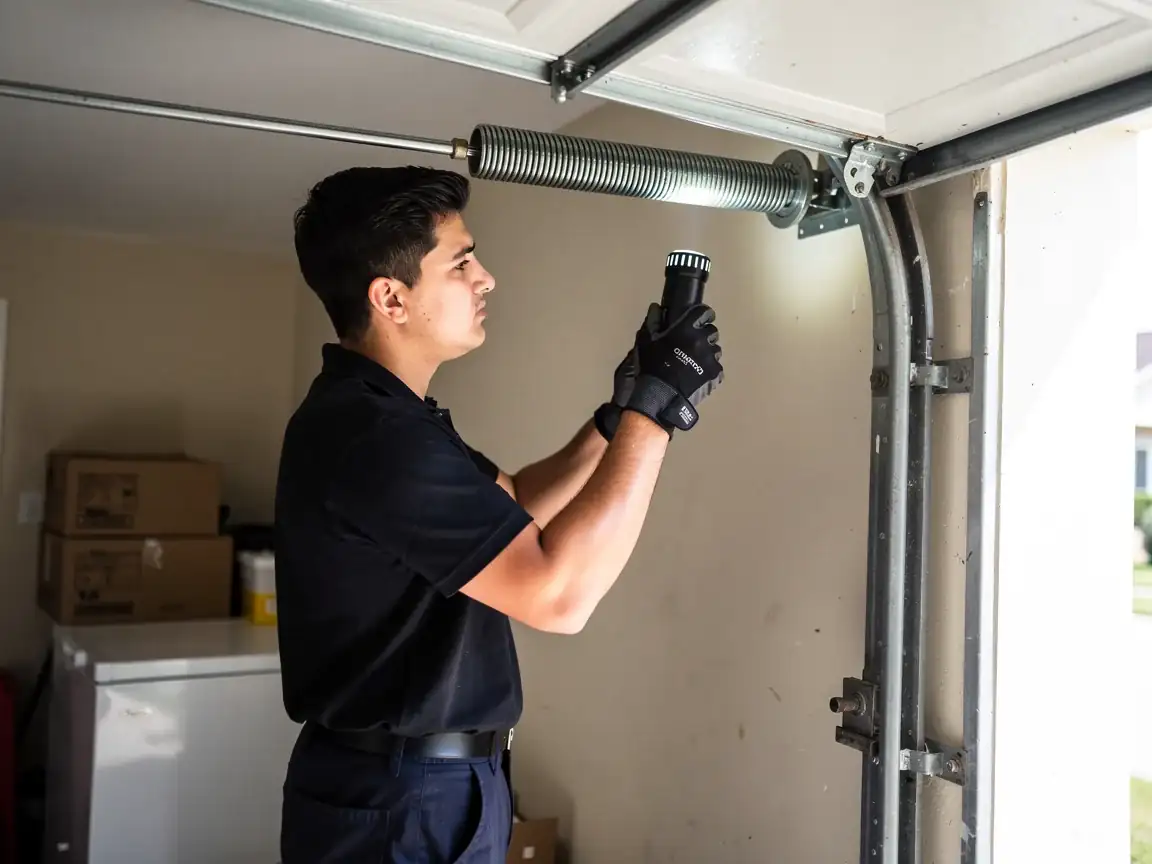
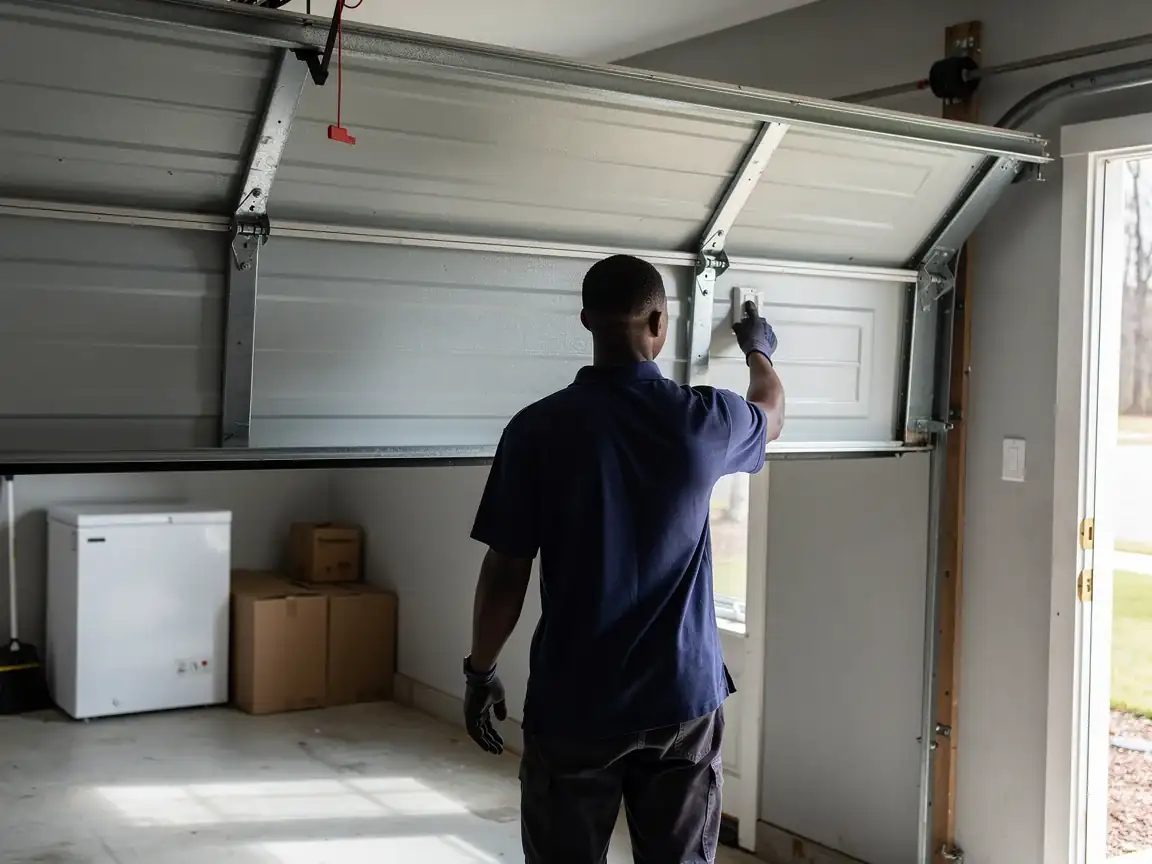
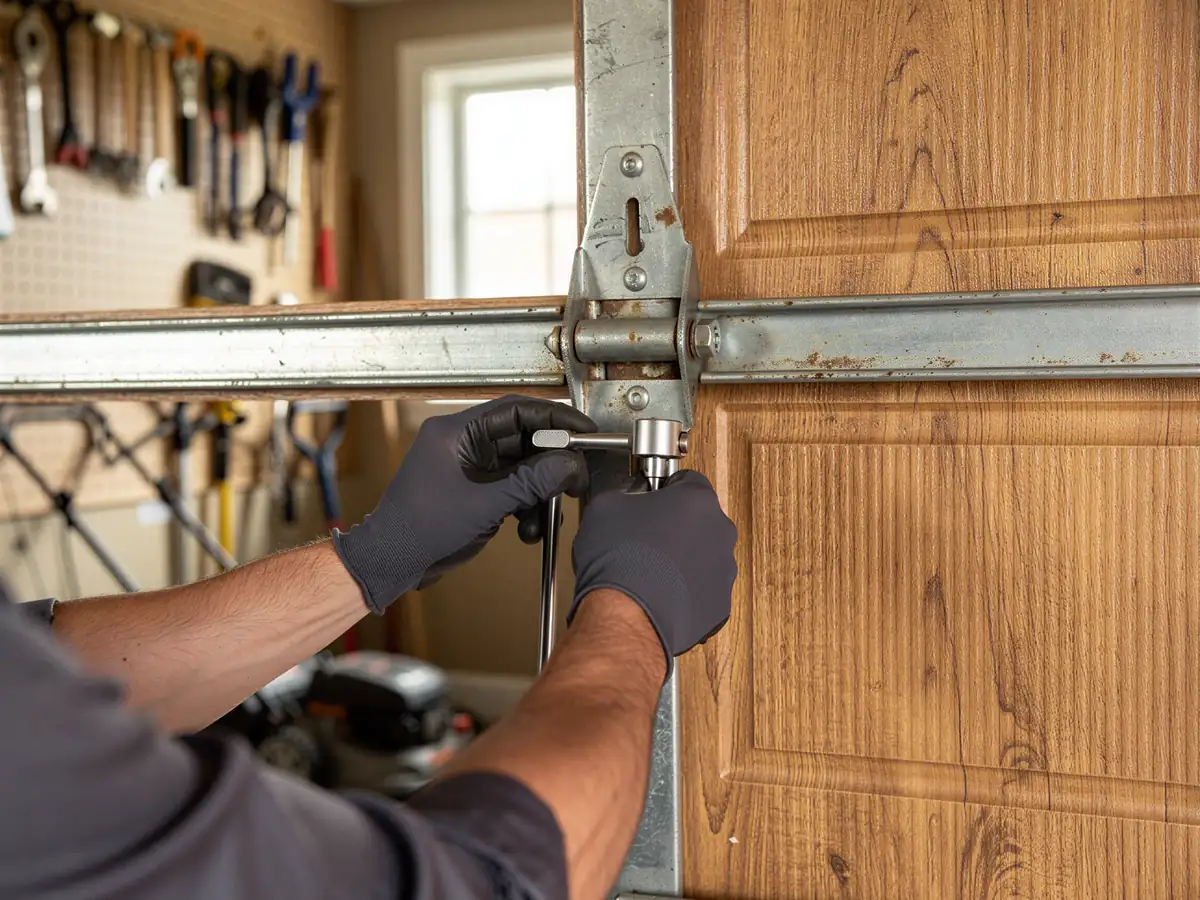
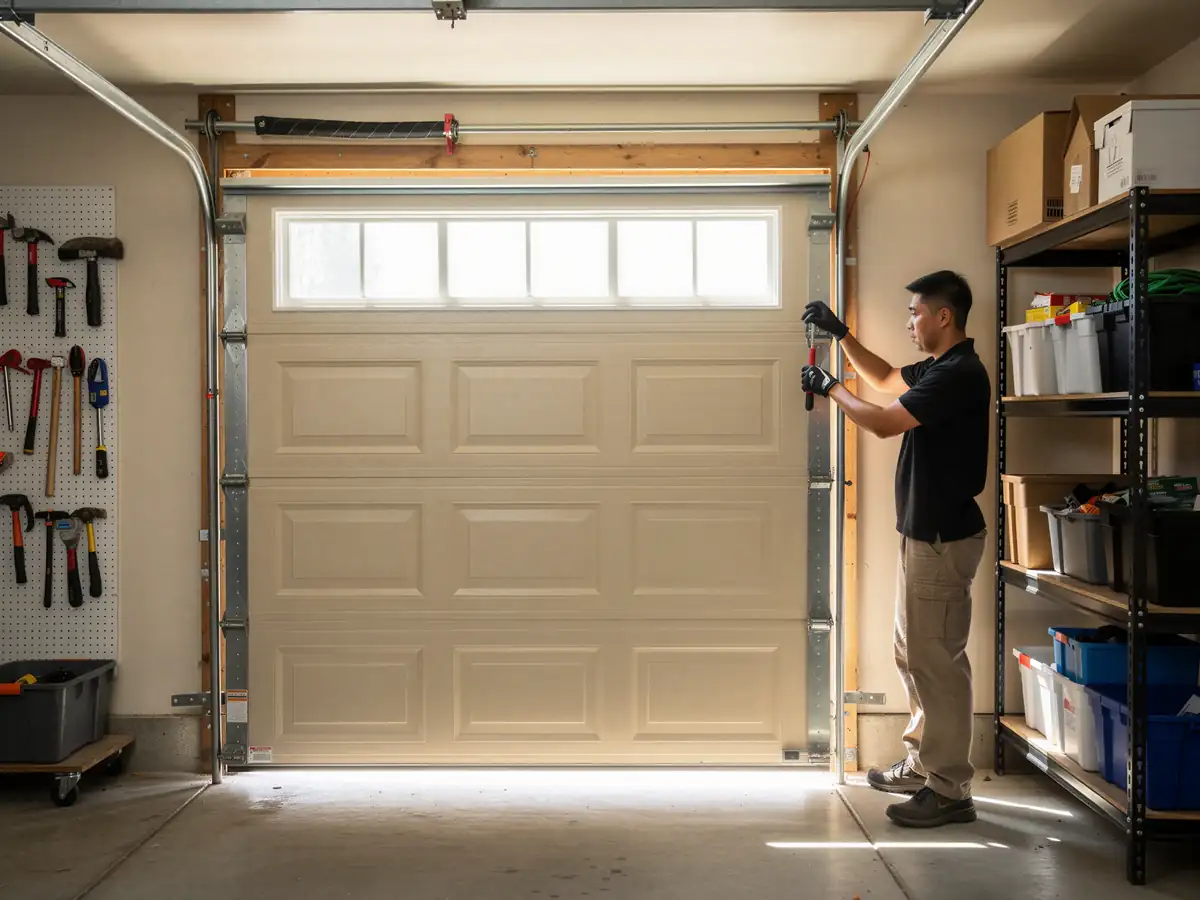
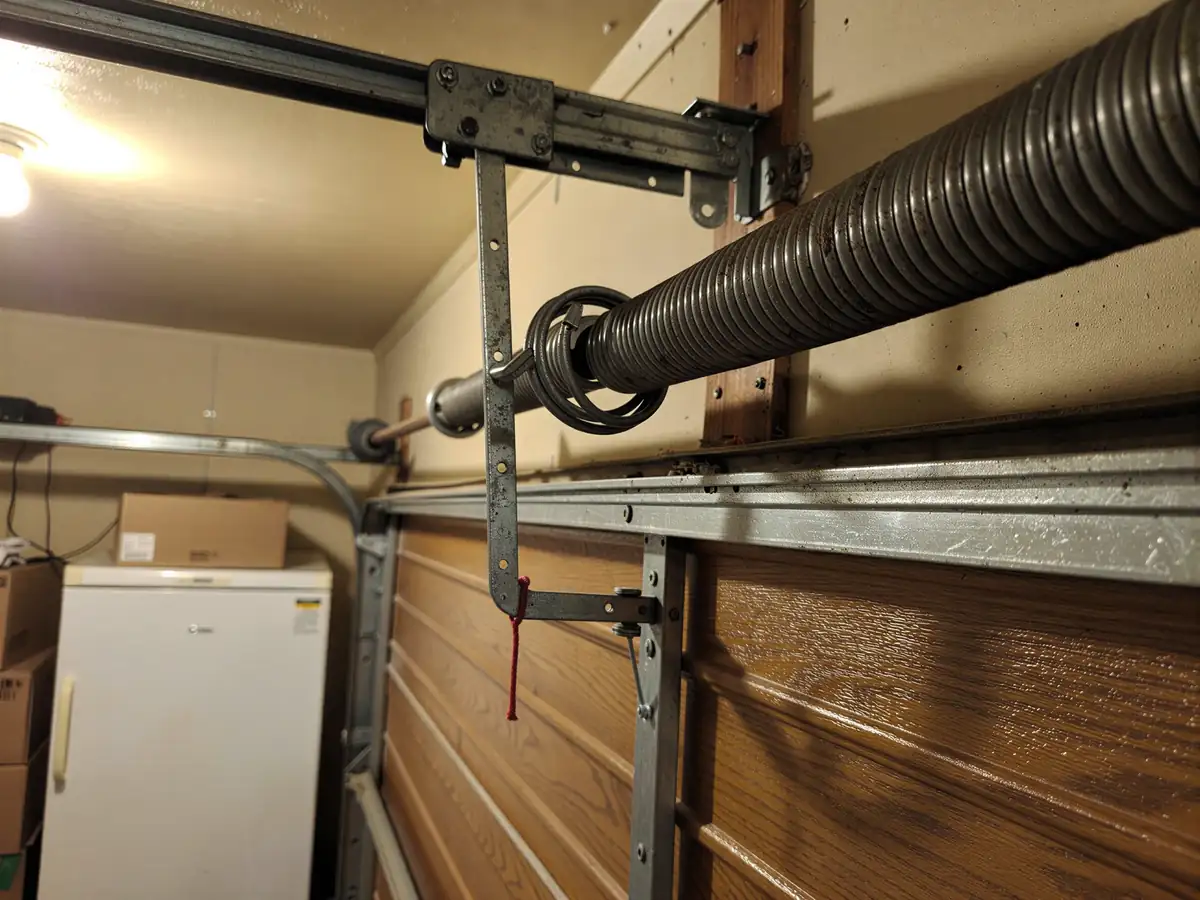
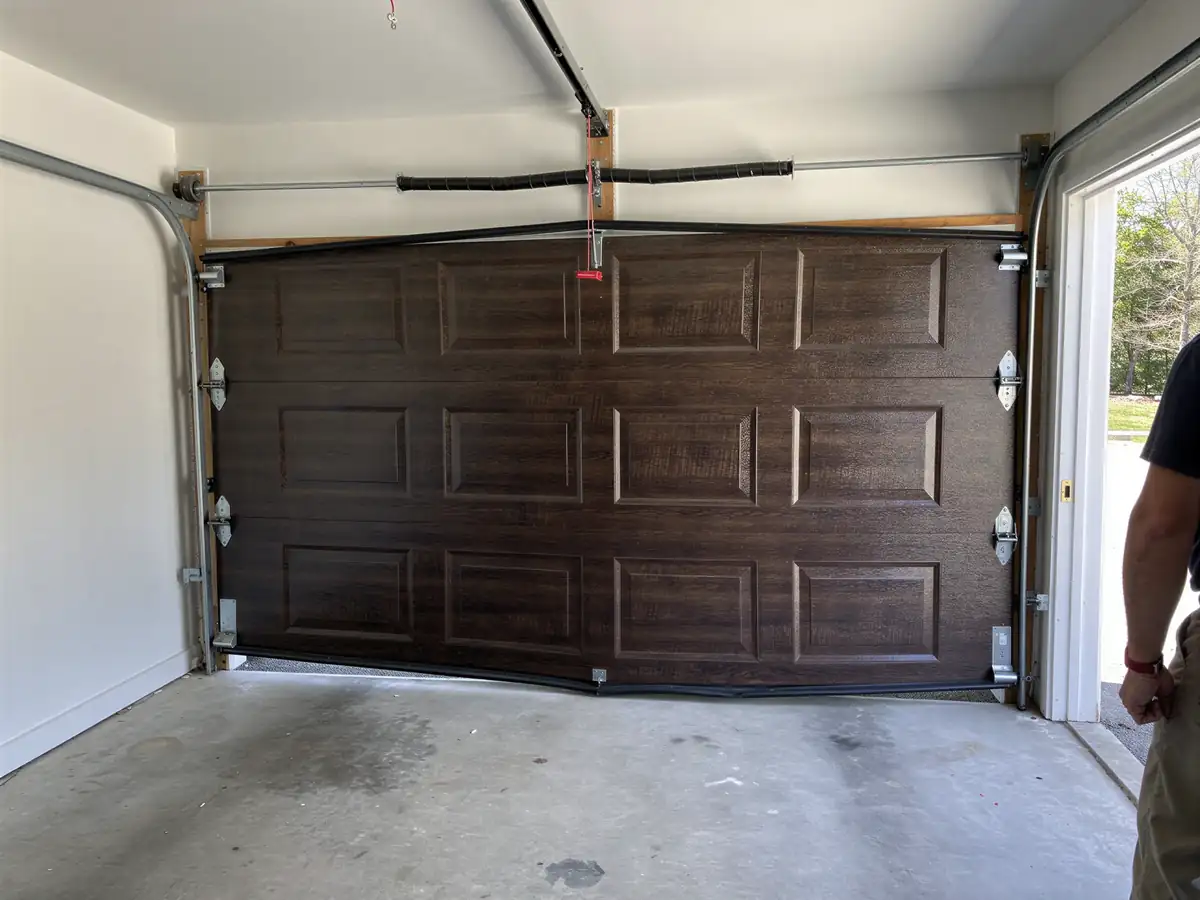
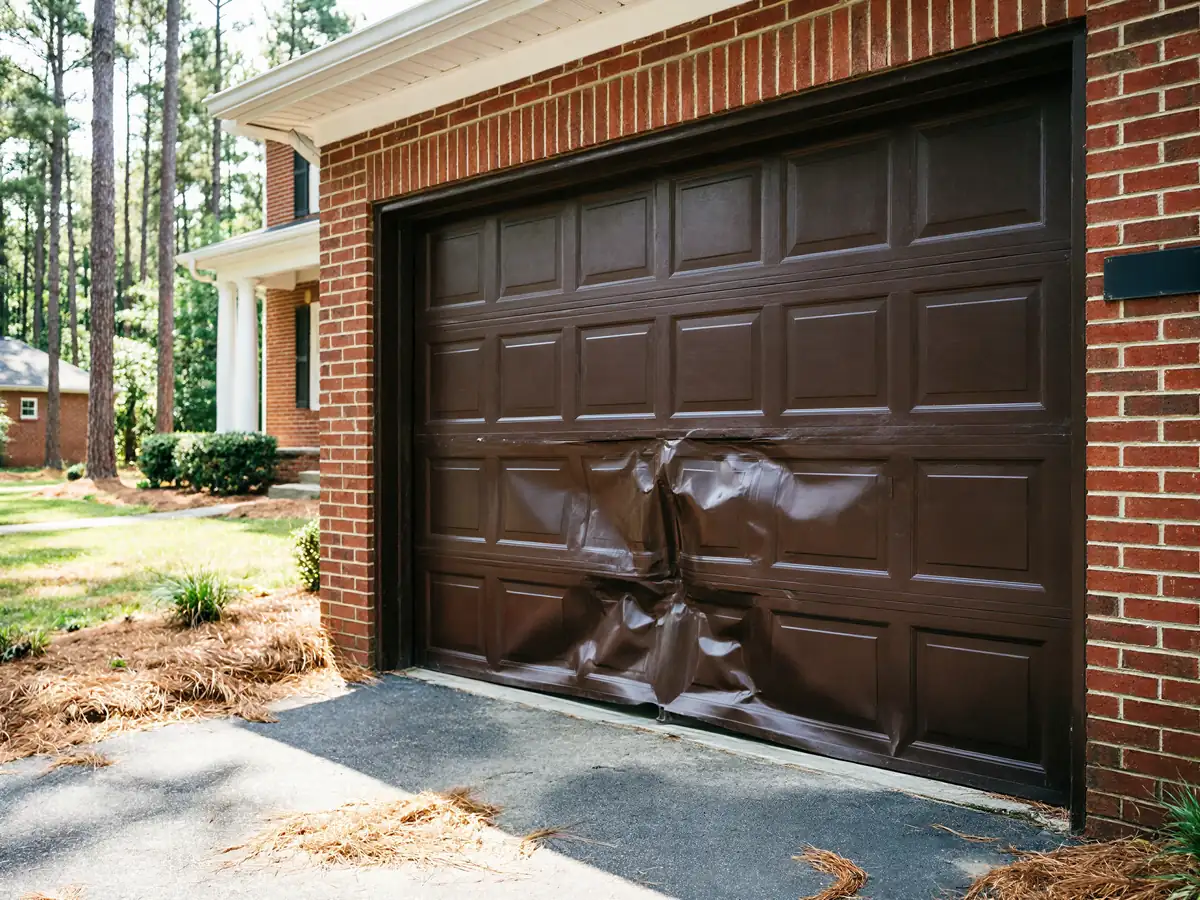
On a house built in 1963, the most common call isn't a broken opener board - it's a torsion spring that was never upgraded past whatever cheaper replacement went in sometime in the last few decades, paired with a track that's slightly out of alignment from a house that's settled for sixty years. Rollers on these doors wear unevenly because the track was set to an opening that's shifted since it was framed. We also see more hollow single-layer doors on these older houses than on anything built in the 1970s-80s stock common elsewhere in the territory, which means less insulation and a lighter panel that's easier to dent but also easier to rebalance correctly once the spring is sized right. If your door is sagging on one side or the opener strains every time it starts, on a house this age that's usually the track and spring working against each other, not just one bad part.