How Long You Are Without the Door
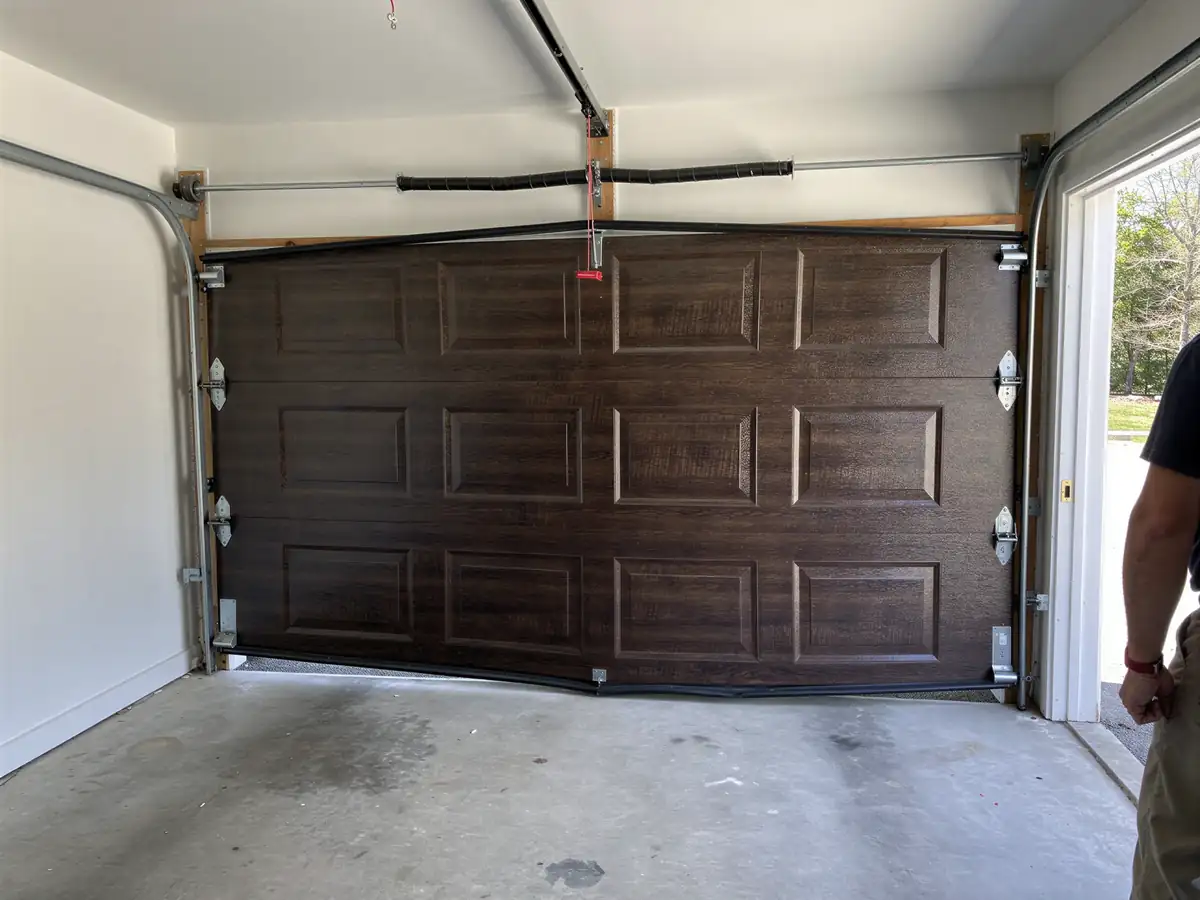
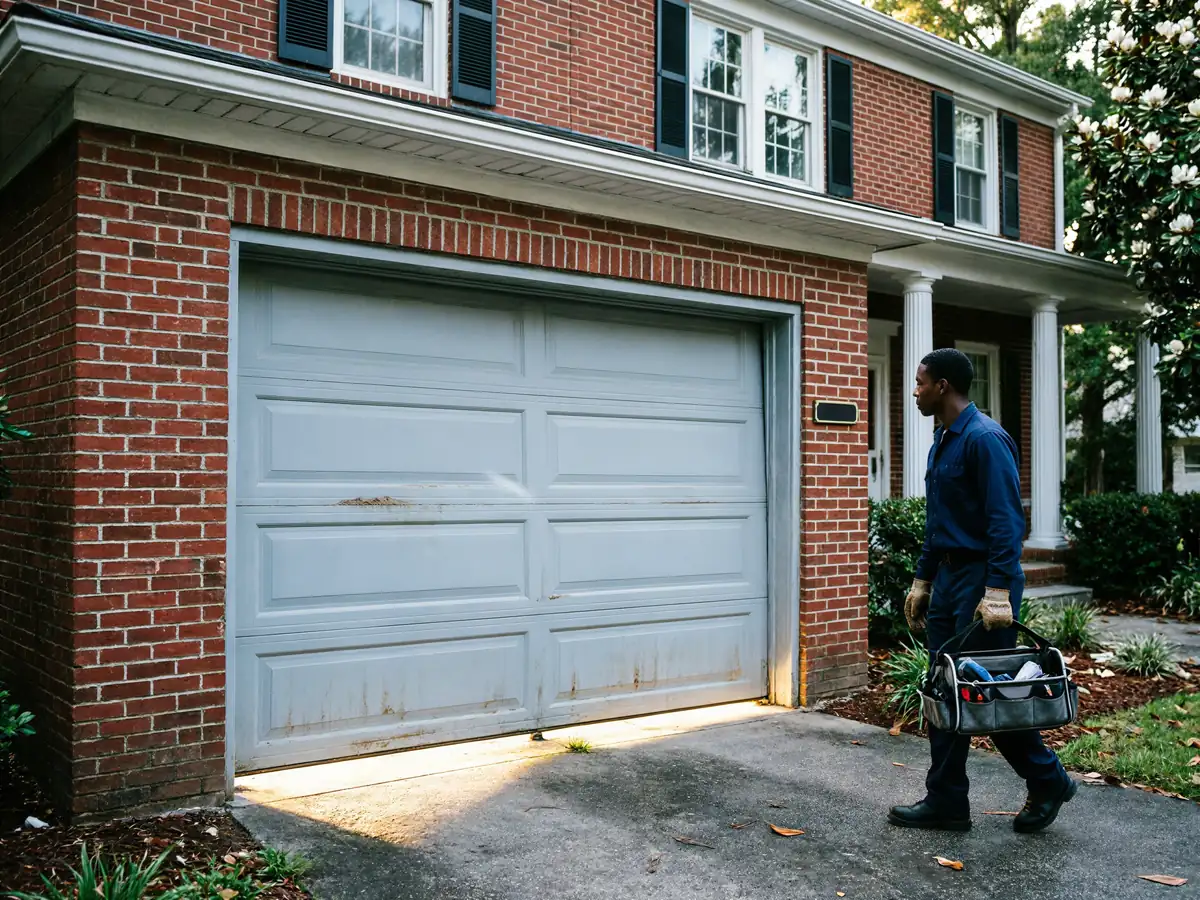
We run this job out of Snellville, about 18 miles away, so the first thing to settle on the phone is what's actually broken and whether the door can be left functional until we arrive. A snapped cable or a spring that's let go usually means the door won't move at all - that's a safety call, not a weekend-project call. A noisy roller or a slow opener is different; you can usually keep using the door carefully until we get there. Because we're not based in Candler-McAfee, we don't promise a same-hour window here the way a shop five minutes away might. We ask you to describe what you're seeing - does it drop fast, does it bind on one side, did you hear a bang - and we bring the parts that match houses built around 1963, which is the median age of this area's housing stock. That's the single biggest variable in how long the visit takes: showing up with the wrong spring size or an obsolete track bracket means a second trip, and nobody wants that.
Doing It Yourself
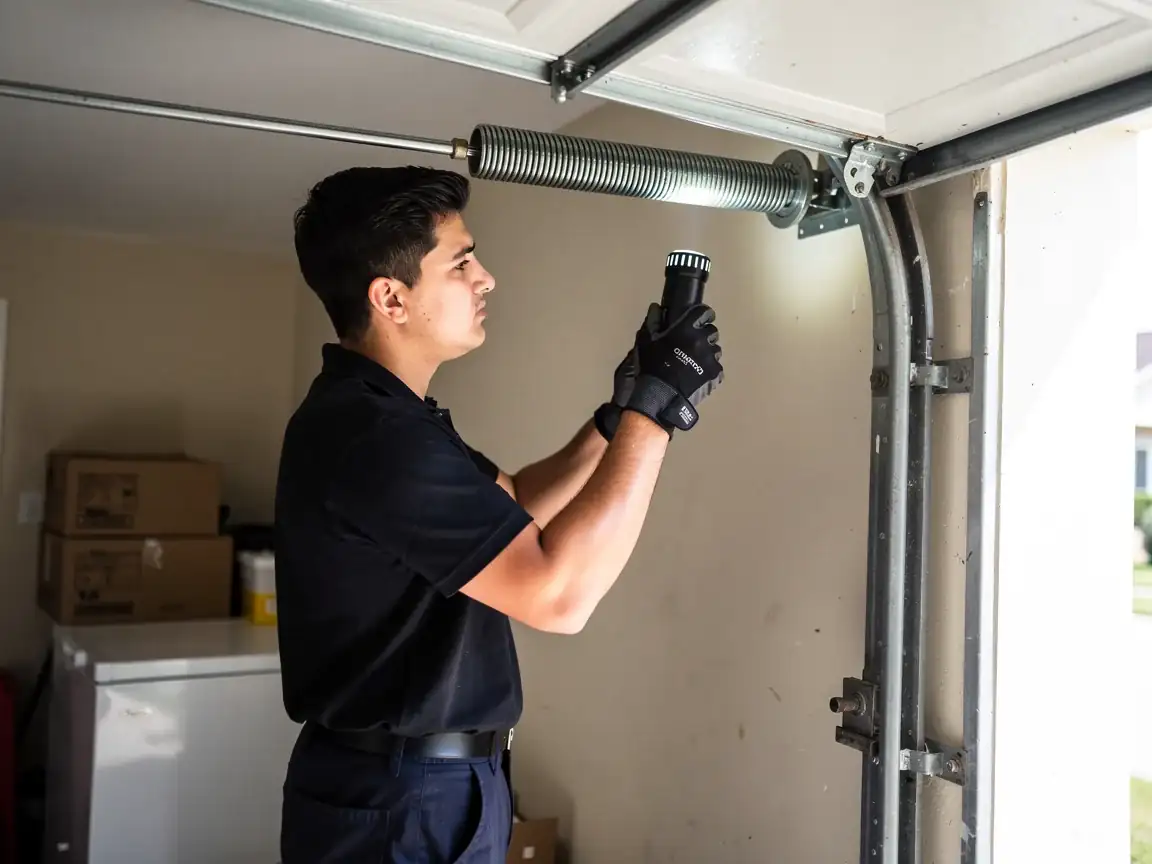
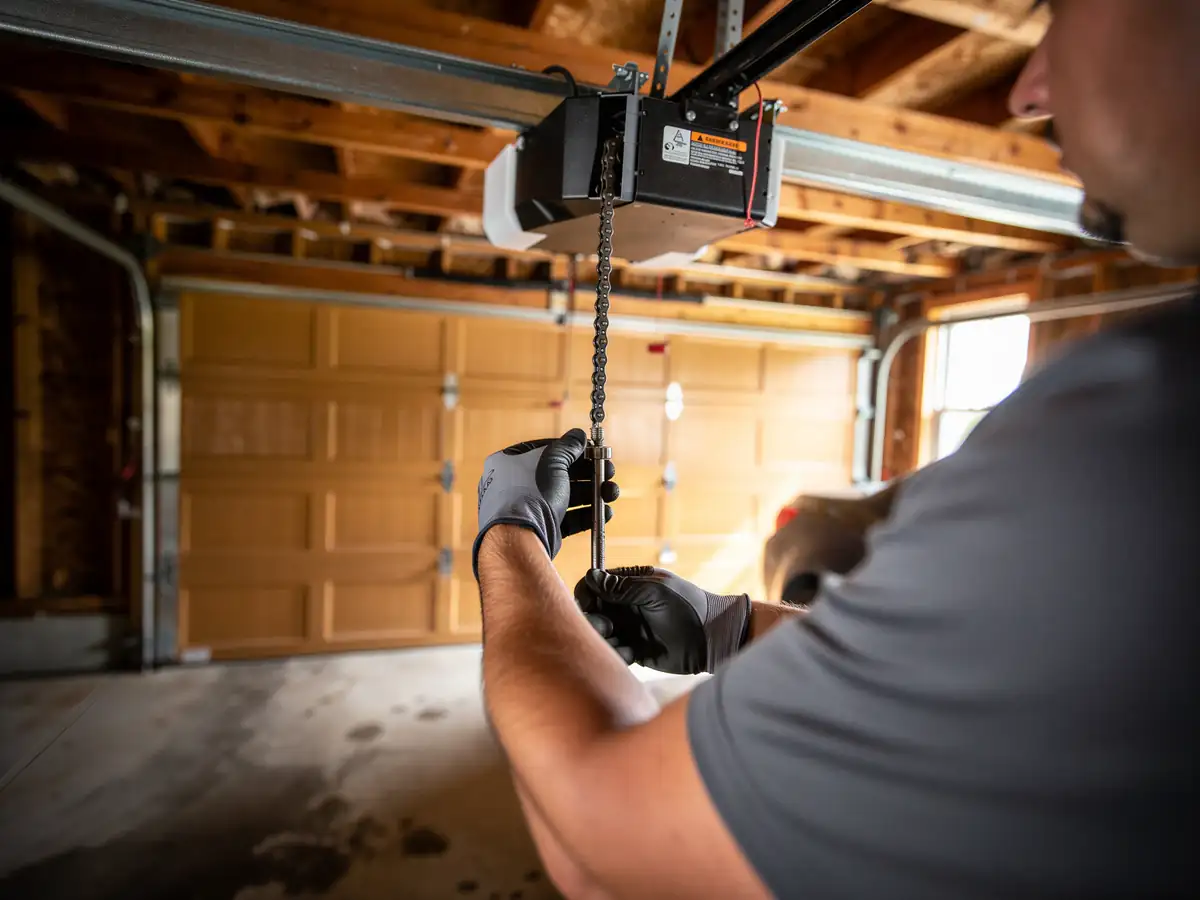
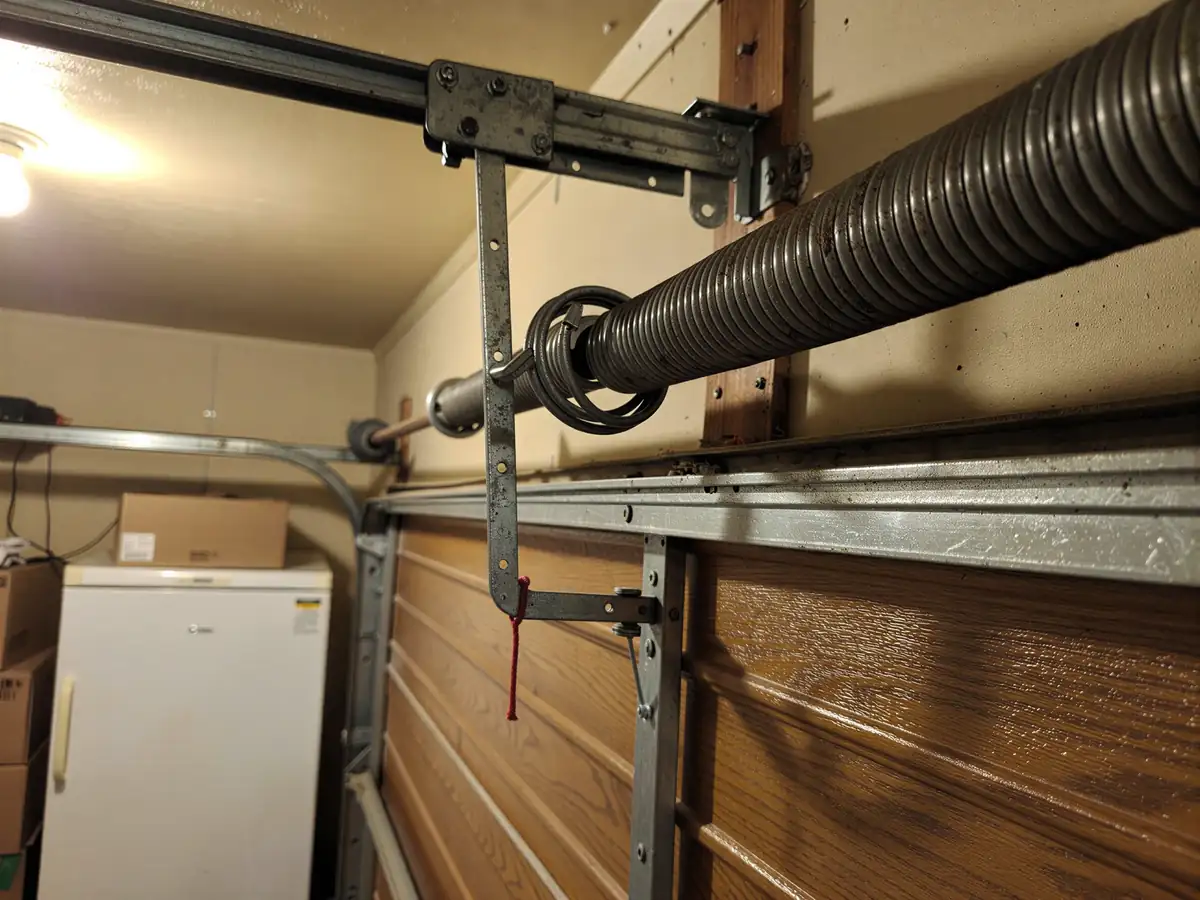
A torsion spring holds enough stored tension to break a wrist or worse, and on a door this age the spring is almost never the size a big-box store stocks off the shelf. If your opener is just not responding, check the wall switch and the photo-eye sensors first - that's free and safe. If the door is off its track, or a cable has frayed, or the spring has visibly separated, stop. That's not a YouTube afternoon, that's a call. We'll say plainly: we'd rather talk you out of a repair you can't safely finish than send a truck out after the fact to fix the fix.
Booking a Visit
Tell us the age of the house if you know it, or just describe the door - one panel or two, torsion spring centered above the door or two side-mounted springs - and we'll bring the right stock from Snellville. We serve this address as part of our wider area, not as a separate branch, so booking means a scheduled visit rather than a drop-in. If you want the broader list of what we handle across the service area, that's covered on our main Snellville repair page; this page is just about the door in front of you.
Where This Job Goes Sideways
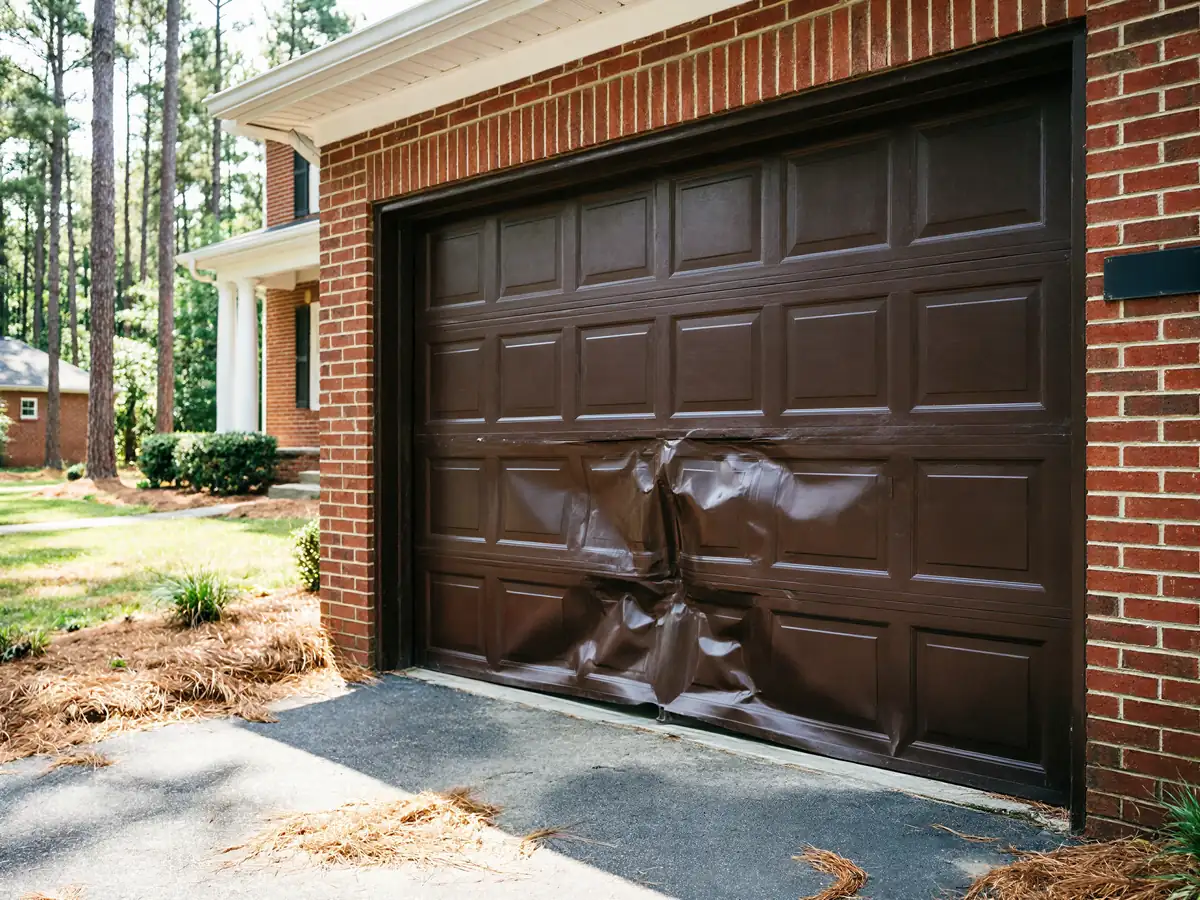
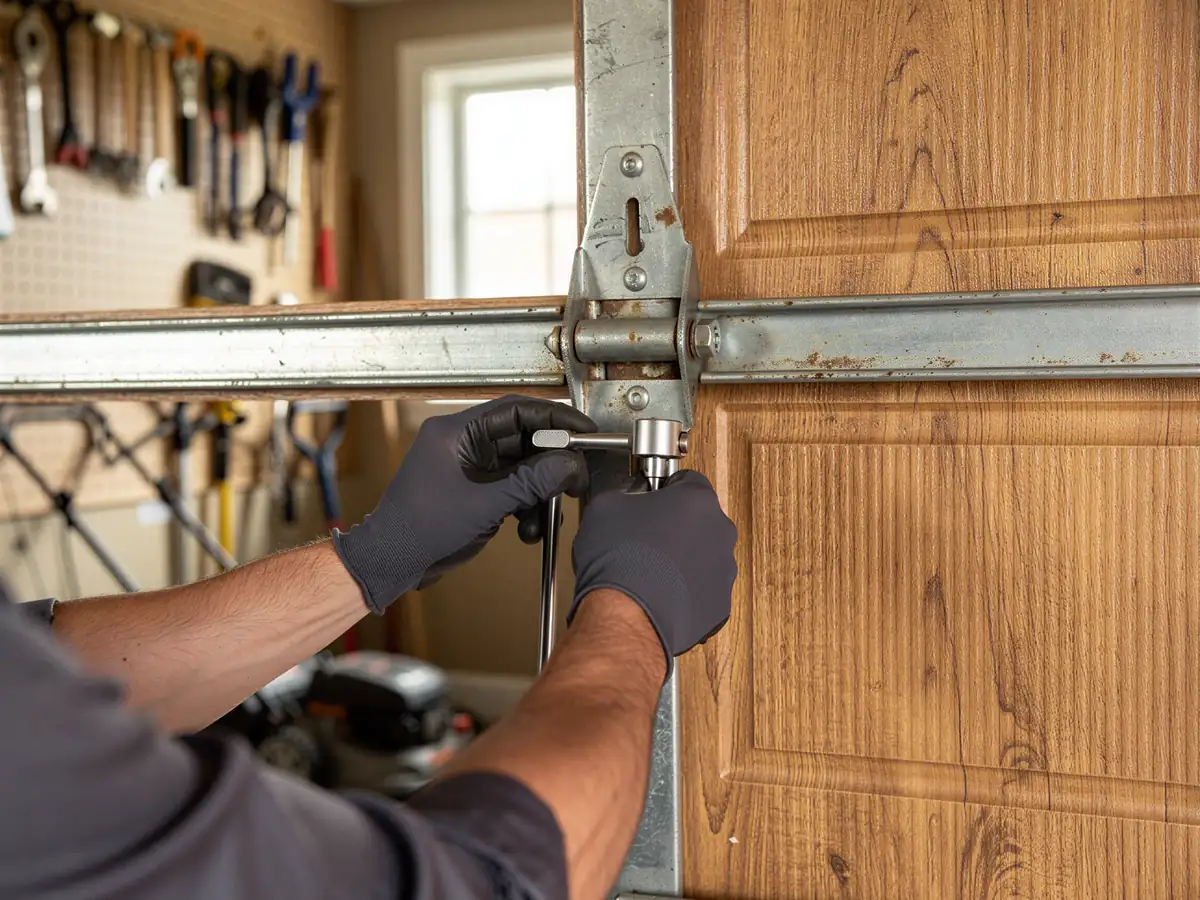
The usual trap on a house built around 1963 is a repair that starts simple and stops being simple once the panel comes off. Steel from that era rusts from the inside out at the bottom corners, and a bracket that looks fine until you put a wrench on it can strip the mounting hole underneath. We've also seen openers on original 1960s track systems get a modern replacement head bolted onto old rail that was never rated for it - it runs for a while, then the rail bows. We'll tell you before we start if what looked like a spring job is actually a track-and-panel job, because that changes both the cost and whether repair still makes sense at all.