What Was Built Here
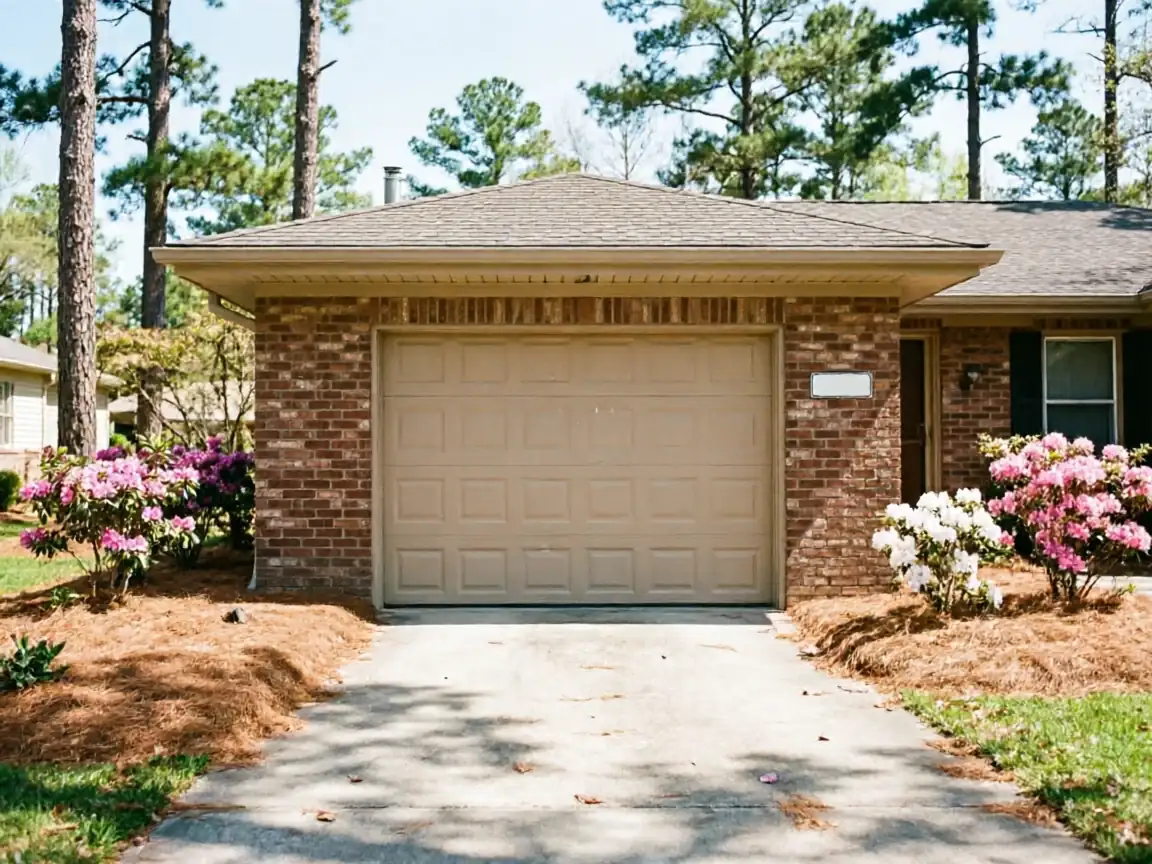
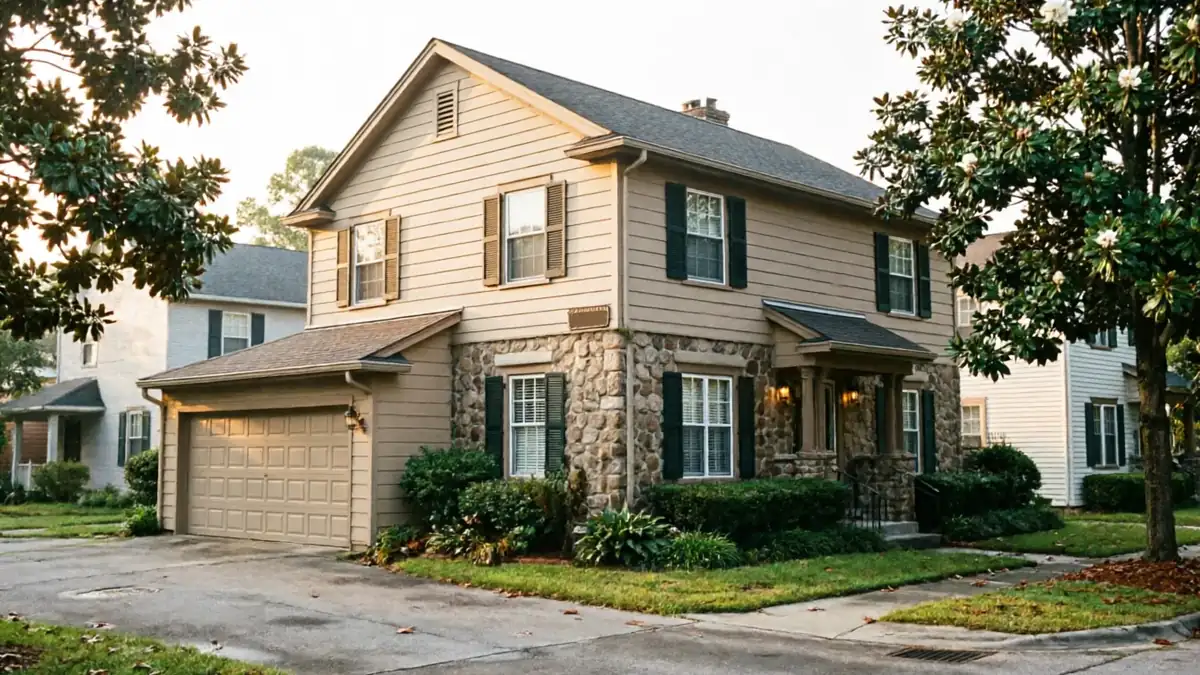
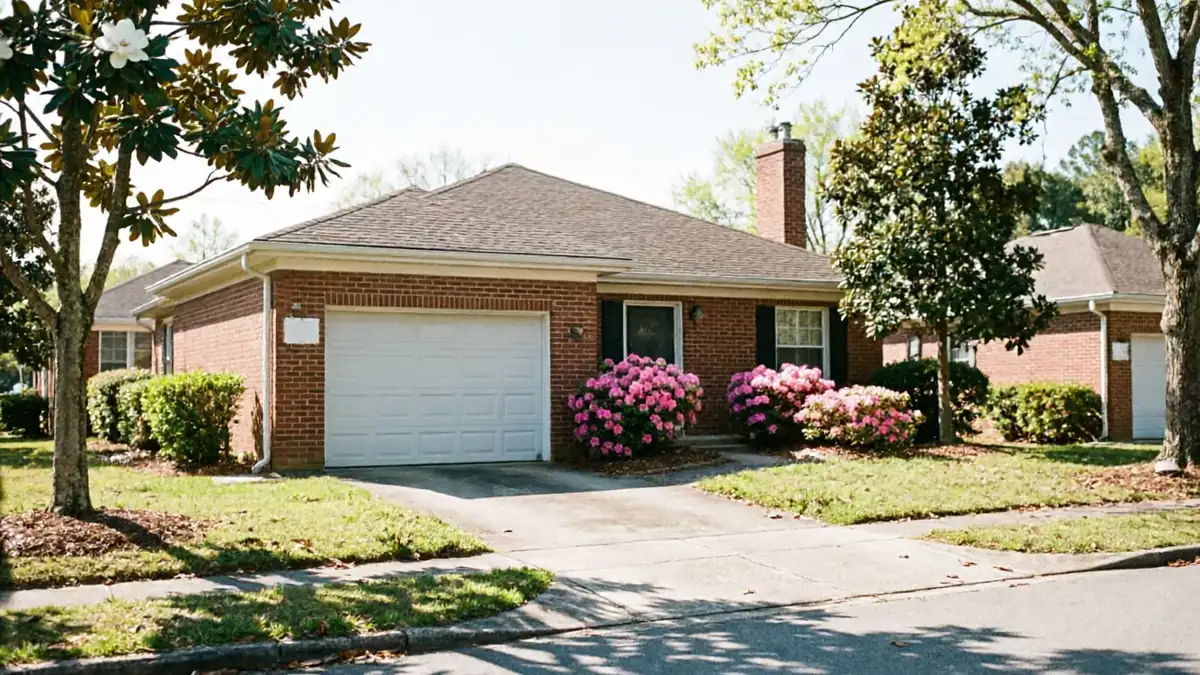
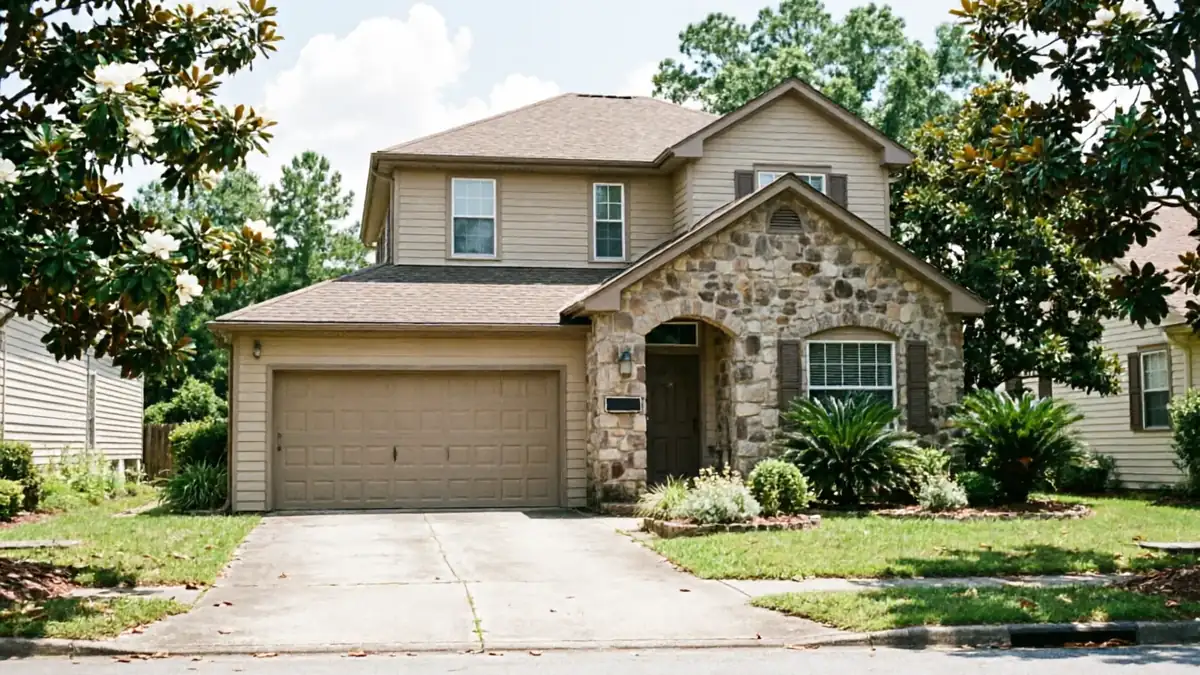
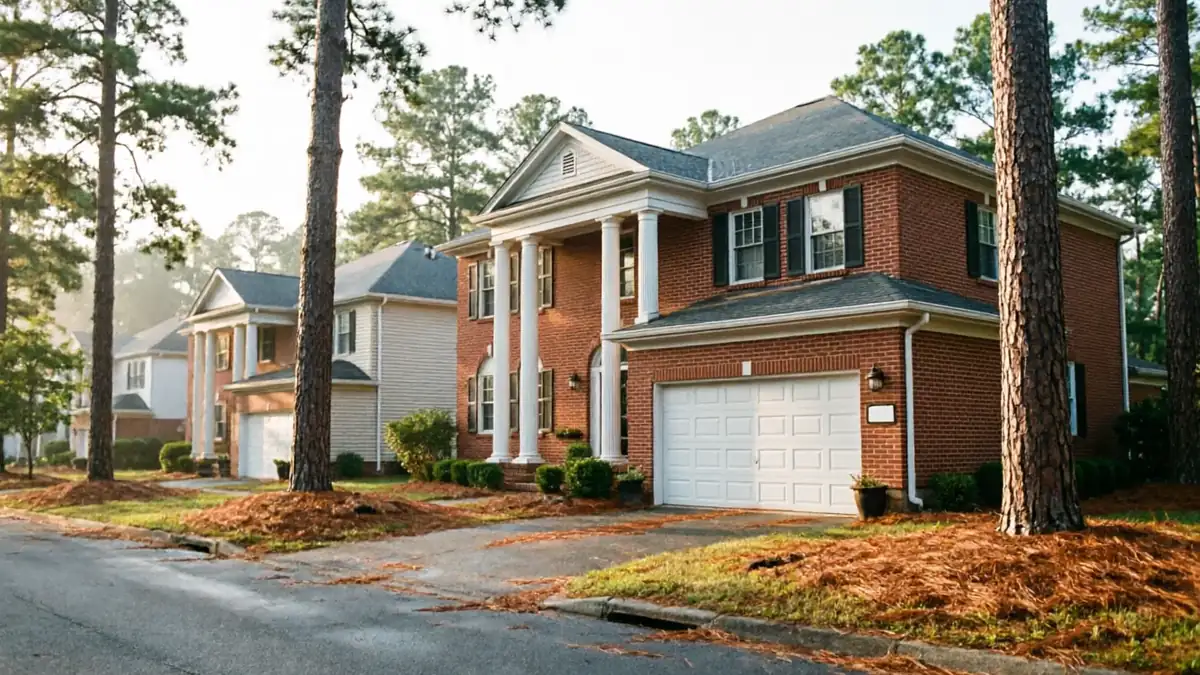
Belvedere Park's homes mostly went up around 1961. That's notably earlier than the median build year of 1978 across the wider service area we cover from Snellville, which stretches out to places built as late as the 2010s. A house from 1961 was framed and wired for a different kind of garage than what's standard now - shorter openings, lighter doors, and hardware that was never meant to carry today's insulated steel panels.
The area sits in a cold-moderate climate band, which over sixty-plus years means a lot of freeze-thaw cycles working on old steel tracks, old fasteners, and old weatherstripping. None of that is dramatic on its own, but it adds up differently in a 1961 house than it does in a 1995 one.
With 5,515 households in Belvedere Park, you've got a fairly dense pocket of similar-era construction, which means similar-era problems. We don't guess at this - when a door is roughly as old as the house, the fix usually starts with the hardware generation, not the symptom the owner called about.
What We Will Not Take On
We're honest about this: we drive in from Snellville, 16 miles away, and we don't keep a truck or depot in Belvedere Park. That means we're not the call for a same-day emergency where every minute counts - we schedule the trip, we don't idle nearby waiting for calls.
We also won't tell you a door is fixable when the frame around it has shifted or rotted past the point a new door can seat square. On houses from this era, if the jamb or header has settled, that's carpentry work before it's garage door work, and we'll say so instead of forcing a door into an opening that won't hold it straight.
And we don't do cosmetic matching jobs where someone wants a single panel replaced to look identical to 60-year-old paint and patina - manufacturers don't make that panel anymore, and pretending otherwise wastes your money. Full panel or full door, we'll tell you which one actually solves the problem.
Timing on This Area
Sixteen miles each way changes how we plan a Belvedere Park job compared to calls closer to our Snellville base
We're not going to pretend we can swing by for a five-minute adjustment the way we might for a street a mile from the shop - we batch these visits so the drive makes sense for both of us, and we're upfront about that when you call.
What that means practically
Bring us the real symptoms up front - grinding, a door that won't stay down, a spring that let go - and we come prepared with the parts a 1961-era setup is actually likely to need, rather than showing up and then driving back for the right spring.
A median household income of $68,900 here tells us something too
Most owners we talk to in this area want a repair done right the first time, not a quick patch that calls us back out in six months for a second 16-mile trip.
- $68,900 median household income
How That Shows Up in the Door
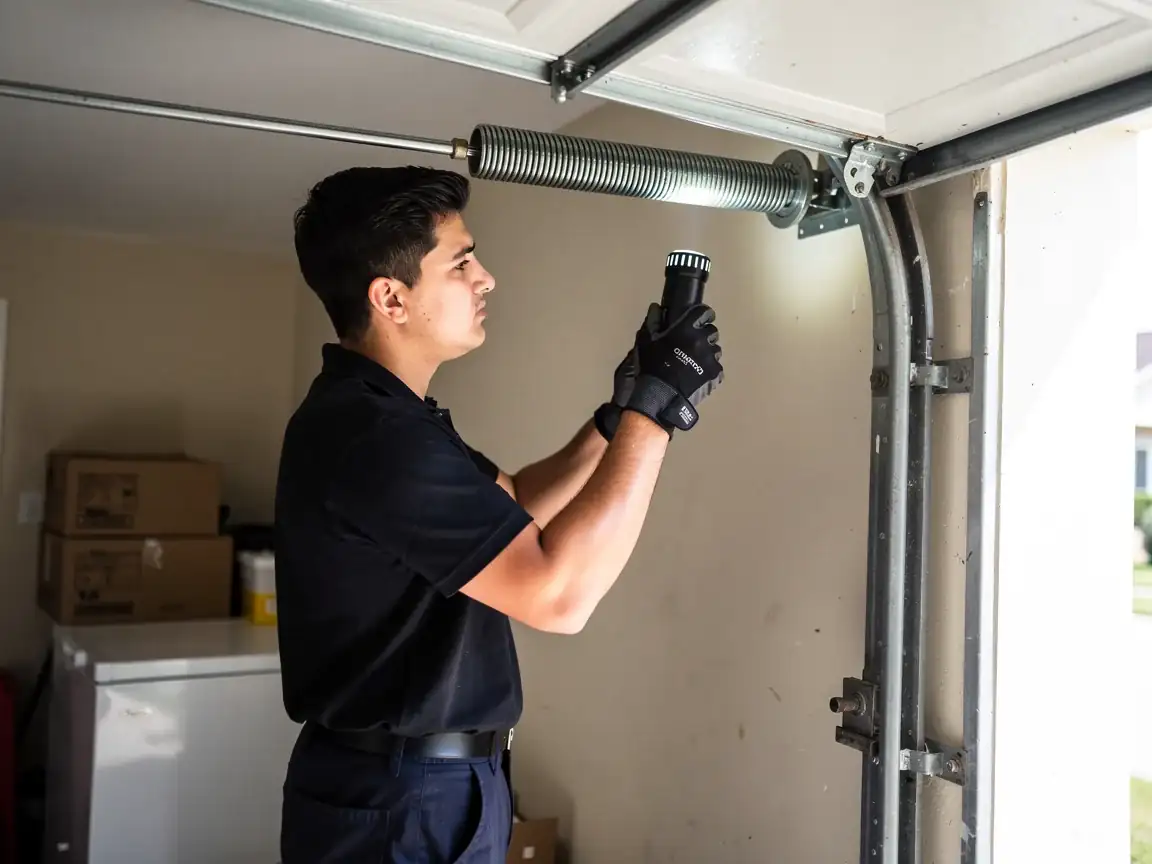
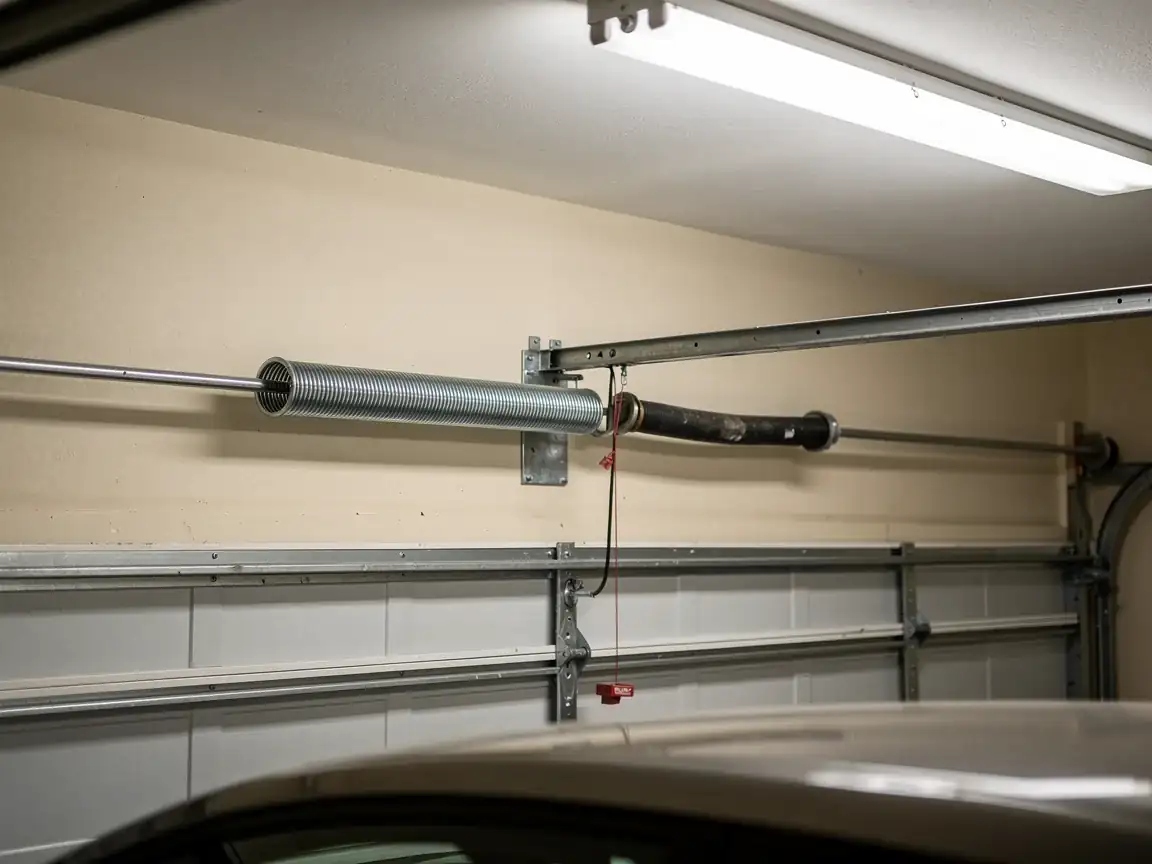
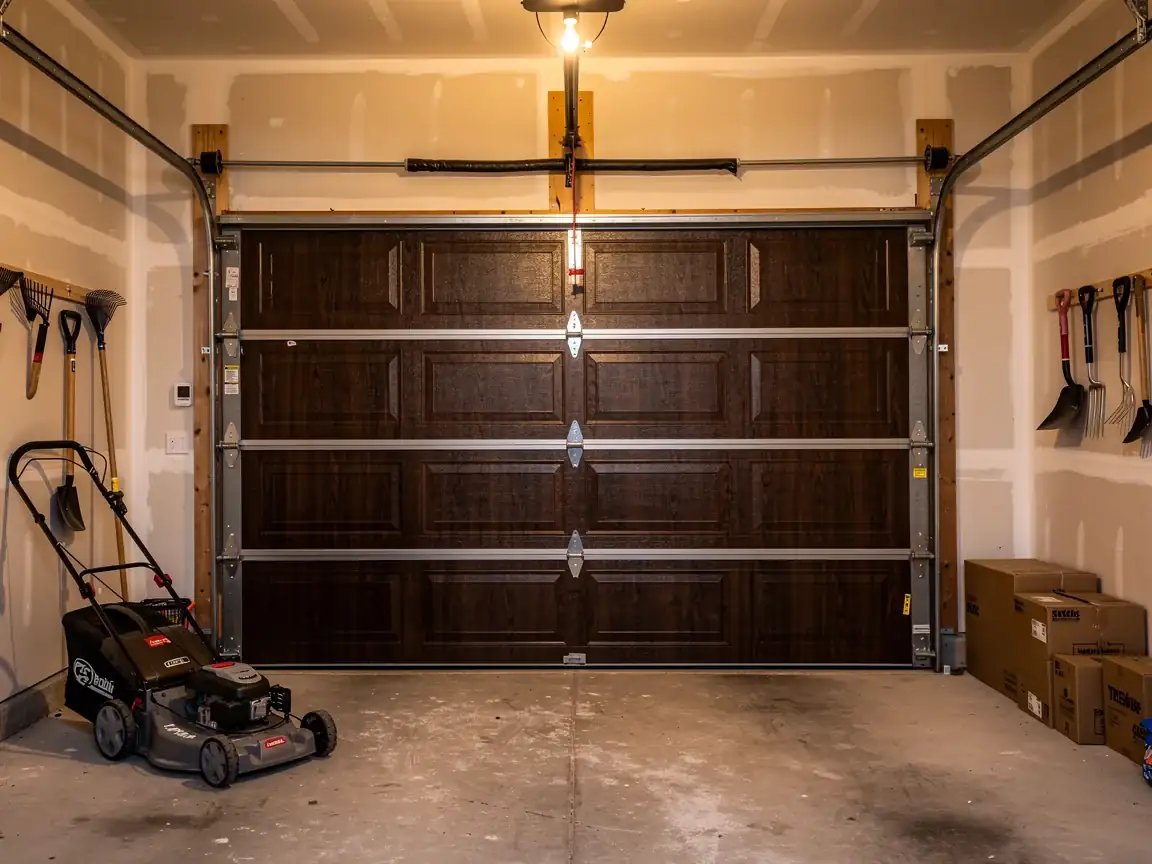
A garage built around 1961 almost always means a door running on a two-piece steel track with side-mounted torsion hardware, sometimes still the original spring from decades back. These setups weren't built for the heavier insulated doors that have become standard, and when an owner upgrades the door without upgrading the track and springs to match, that mismatch is usually where the trouble starts.
Rollers on hardware this old are often steel-on-steel with no nylon sleeve, which means more noise and faster wear than what you'd find in a house built in the 1990s or later. Cables on original installs tend to be undersized by today's standard too, so a fraying cable on a 1961 door isn't rare - it's close to expected by now.
We check the track gauge and spring wind before we quote anything, because guessing on 60-year-old hardware is how you end up replacing the same part twice.