How It Shows Up
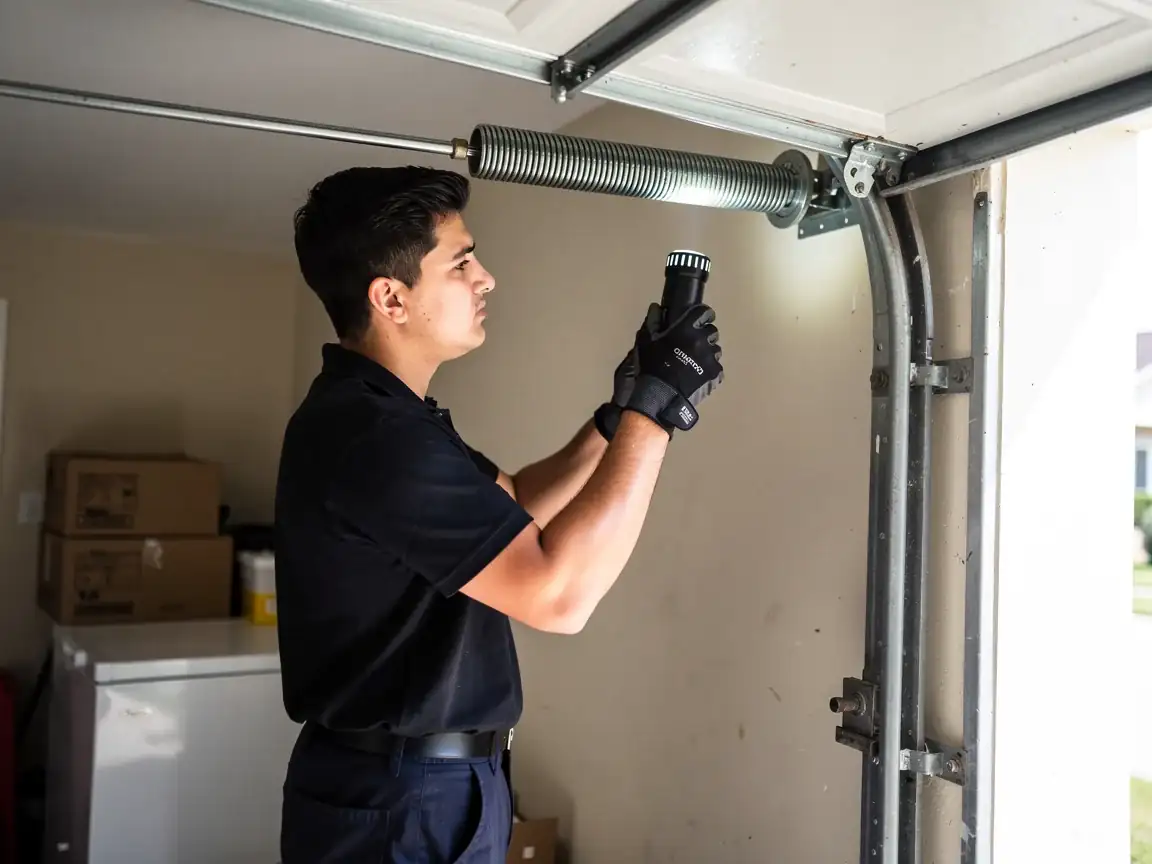
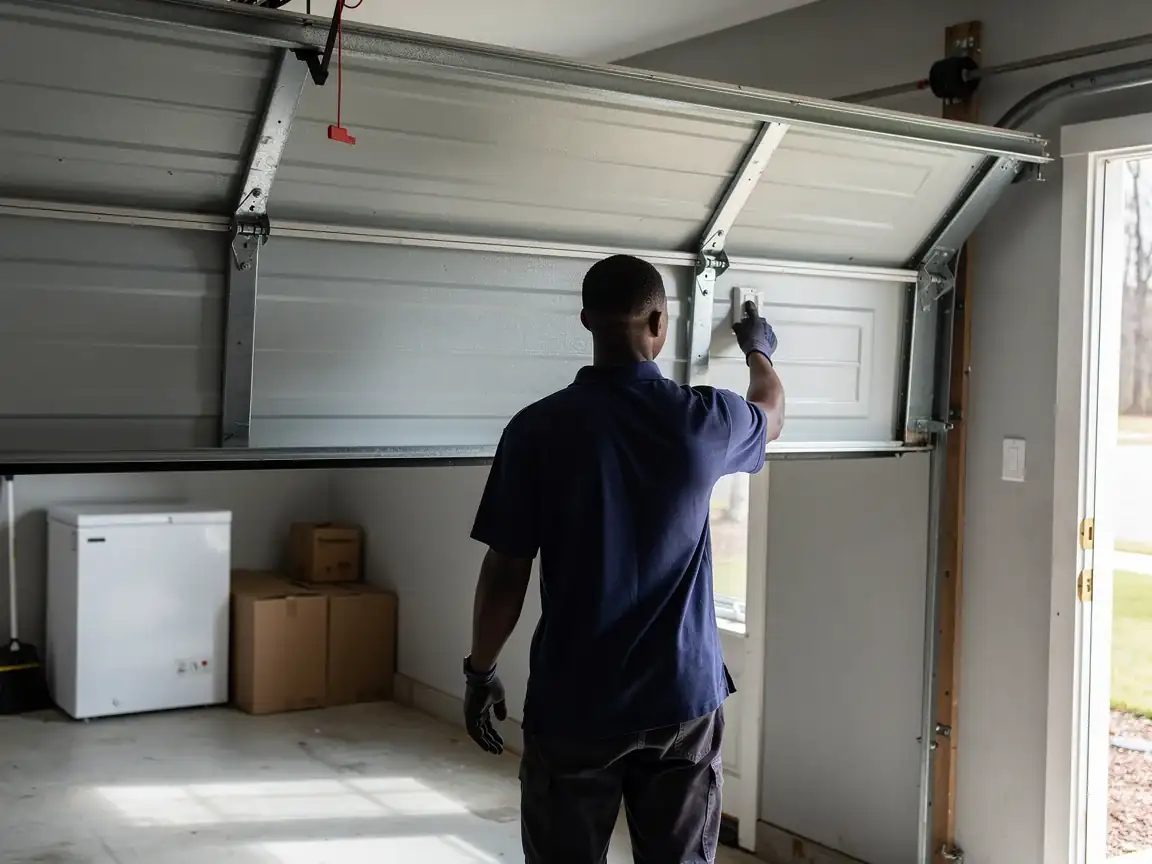
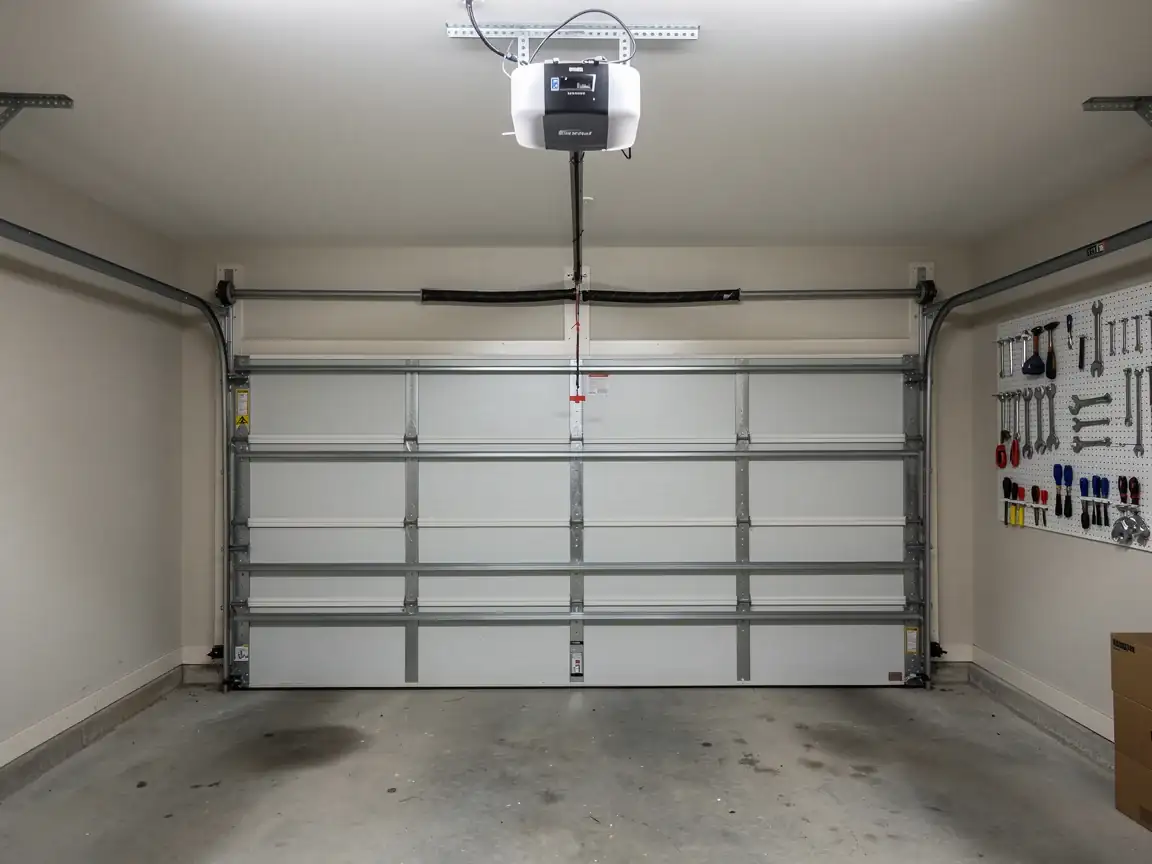
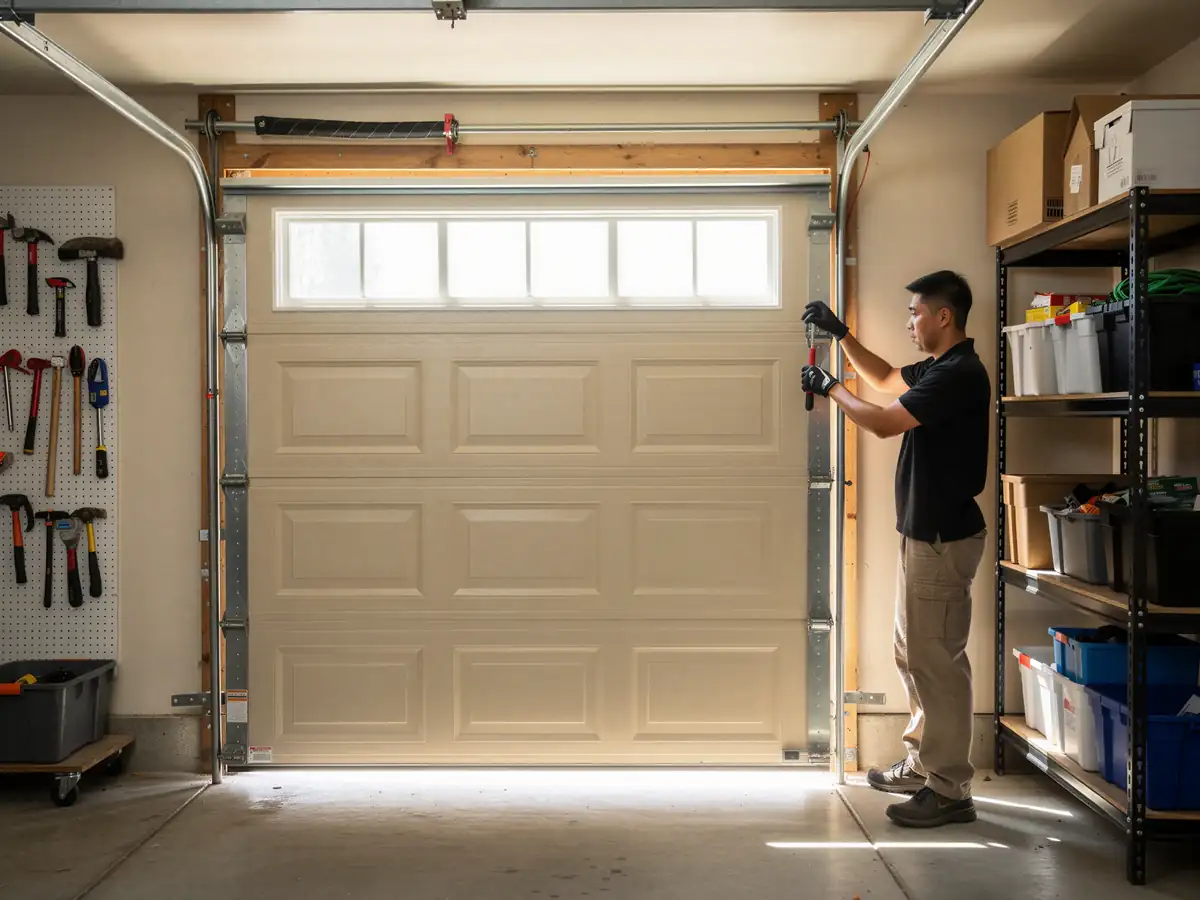
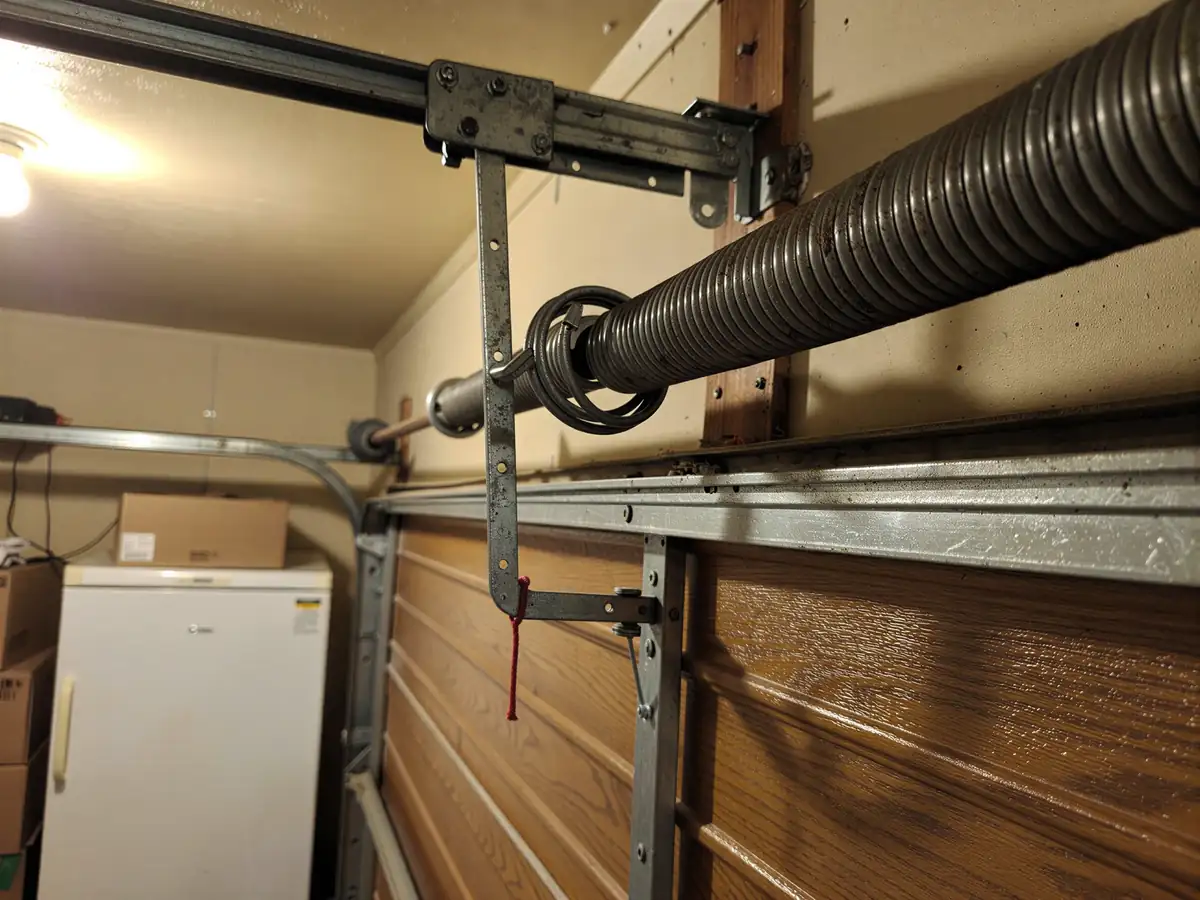
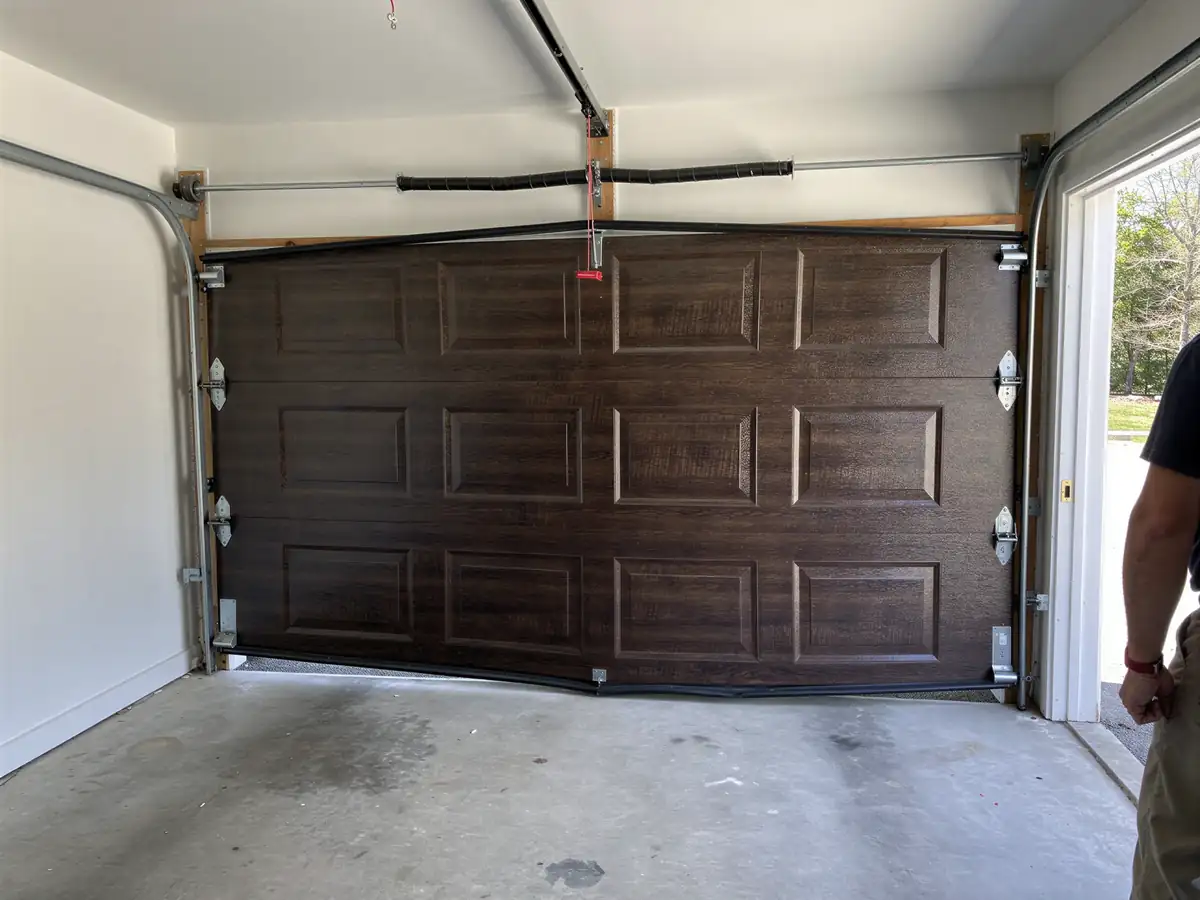
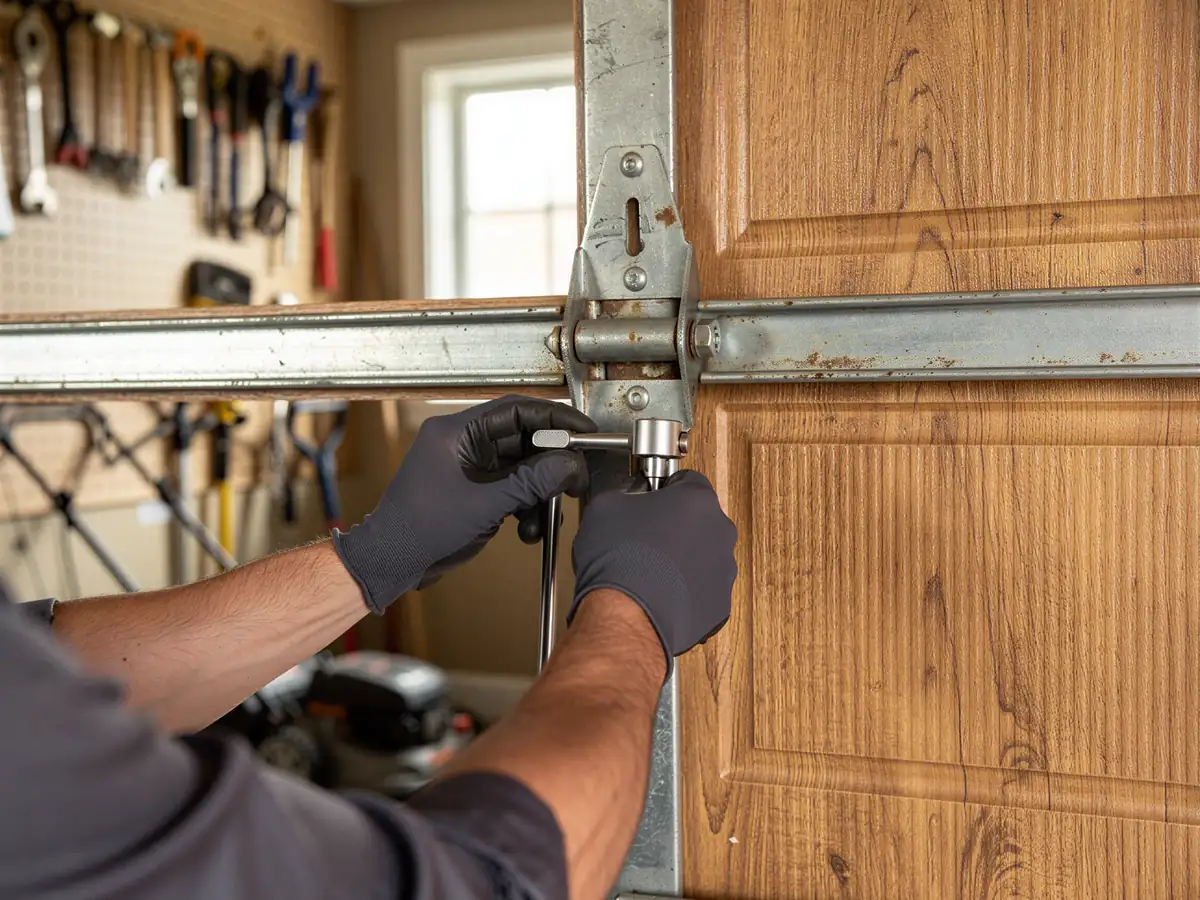
Belvedere Park's housing stock centers on 1961, which puts most of the neighborhood a decade ahead of torsion-spring doors becoming the standard install. What that means on a service call: doors with extension springs running along the horizontal tracks, often a single spring on each side instead of one centered torsion spring over the header. Those setups age differently than newer hardware. The pulley and cable system on an extension-spring door wears at different points, and the safety cables that are supposed to catch a broken spring are either missing or added later as a retrofit. You'll see the door drop unevenly on one side, hear a bang from a snapped spring coil, or notice the door binding partway up because a pulley has seized. None of that is dramatic until the day it is, and on a door this age it usually is.
Why This Fails Locally
With roughly 5,515 households in Belvedere Park, a meaningful share of the garage doors here are running hardware that's close to sixty years old, even where the door panel itself has been swapped out over the decades. Extension springs have a shorter service life than torsion springs and they fail without warning more often, since there's no adjustment point to catch gradual stretch the way you can on a torsion system. Add the cold-weather swings this part of Georgia gets, and steel cable and pulley brackets from that era are often original, under-sized for today's heavier insulated doors, or missing the safety cable retrofit altogether. We see this pattern across the older end of the service area, and Belvedere Park sits right in the middle of it.
What It Costs
At a median household income of $68,900 in Belvedere Park, most calls we get here are for a repair - spring, cable, pulley, or roller - rather than a full door swap, and that's usually the right call on a door with a sound panel and frame. We don't have a fixed price to quote without seeing the door and knowing whether it's single or double spring, original pulleys or replaced ones, and whether the opener has been swapped since. One honest limit: if the drums, track, and springs are all original from the 1960s install, we'll tell you straight when it's cheaper over the next few years to replace the whole spring system rather than keep patching one worn part at a time.
Parts We Carry
For a door built in this era we stock extension springs in common lengths and wire gauges, open-loop and closed-loop cable, standard pulleys and brackets, and retrofit safety cables for doors that never got one installed. We also carry rollers and hinges sized for the lighter steel panels that were typical on doors going up around 1961, which aren't always a drop-in match for what a big-box store sells today. What we don't carry on the truck is specialty hardware for a door that's been custom-built or imported - if that's what's on your garage, we'll tell you up front rather than guess at a fix that won't hold.