How It Shows Up
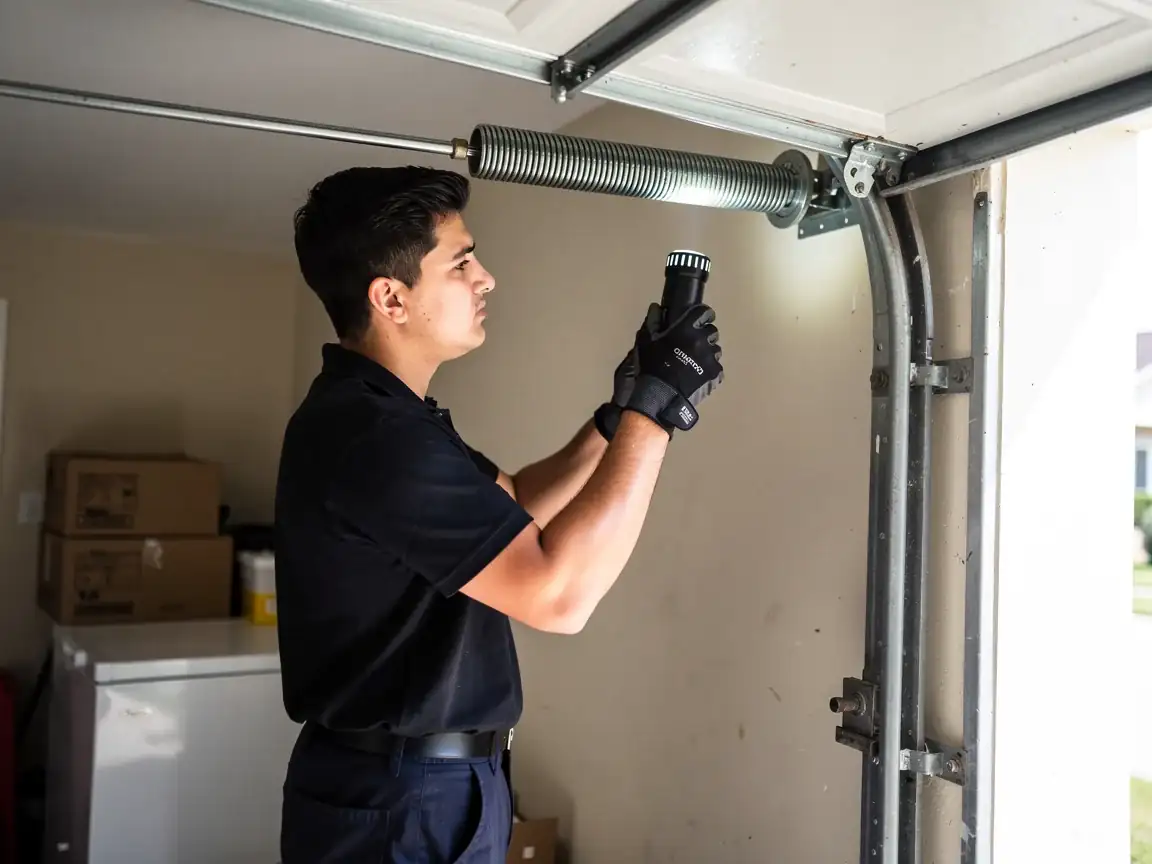
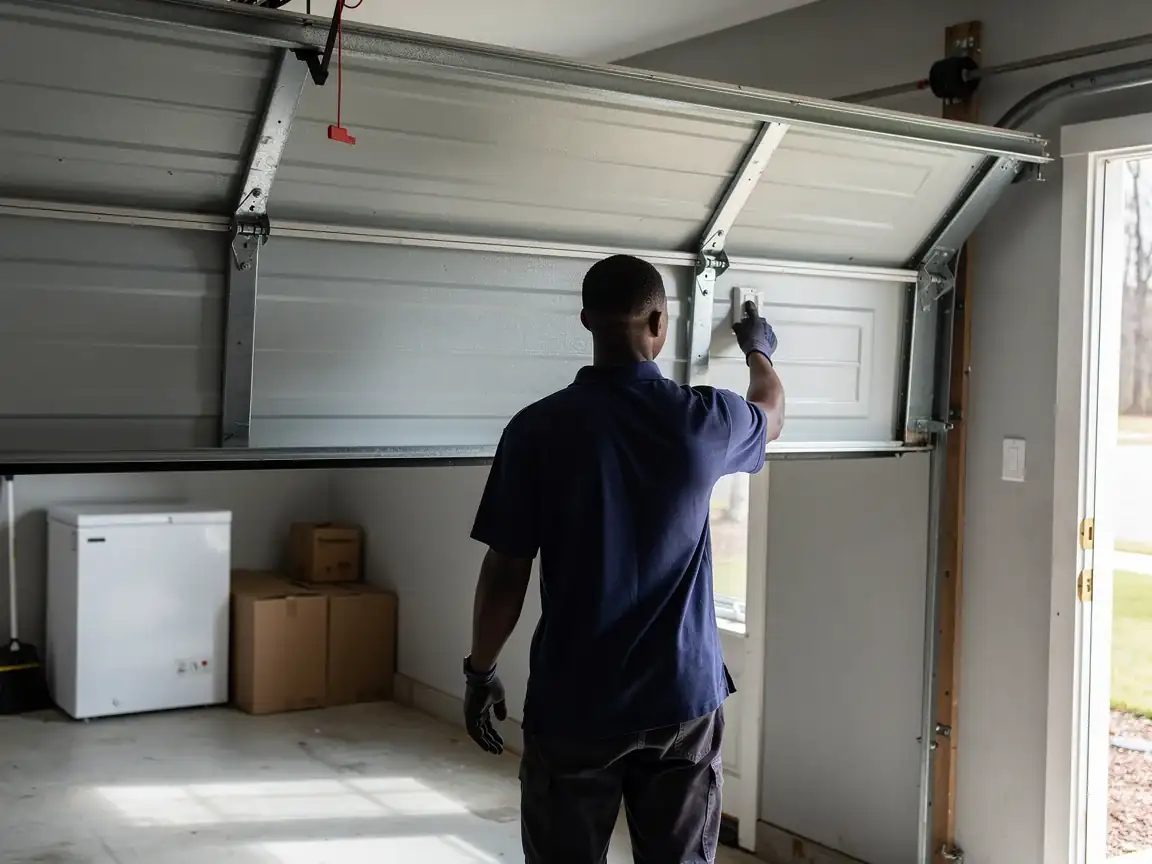
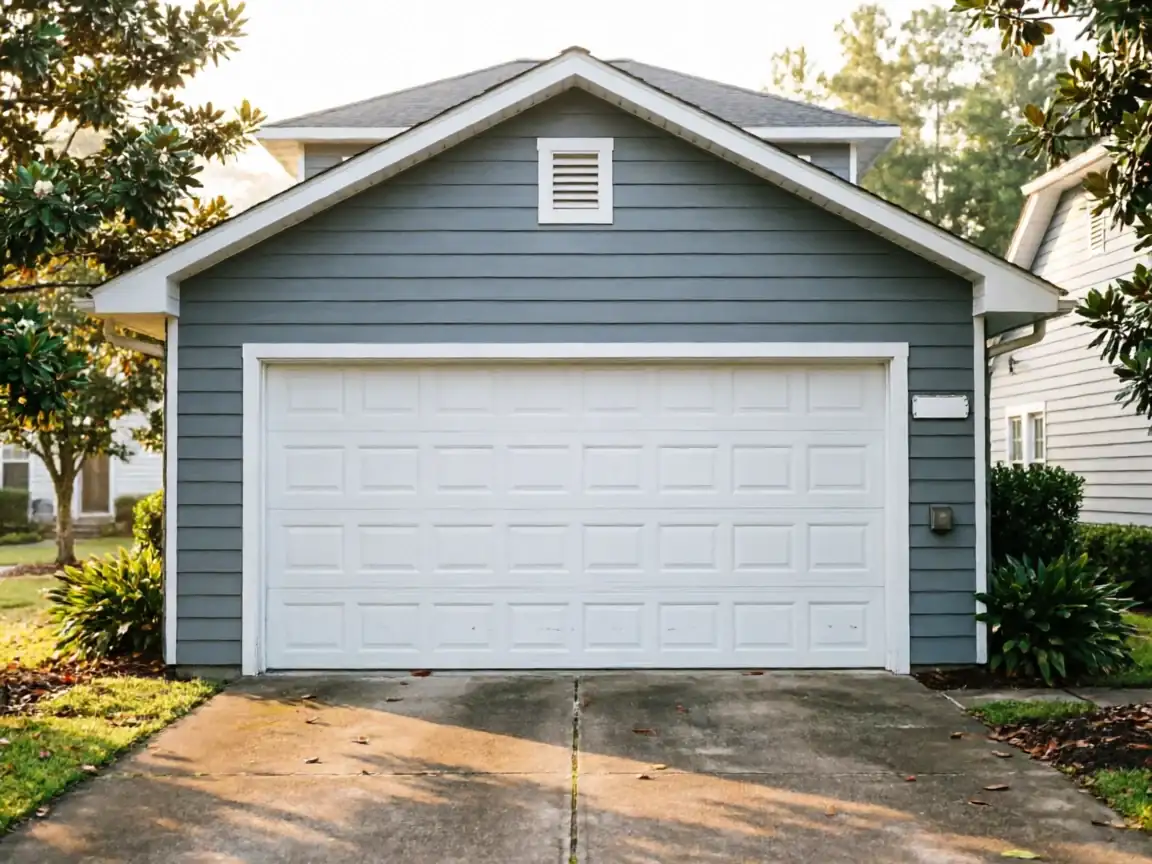
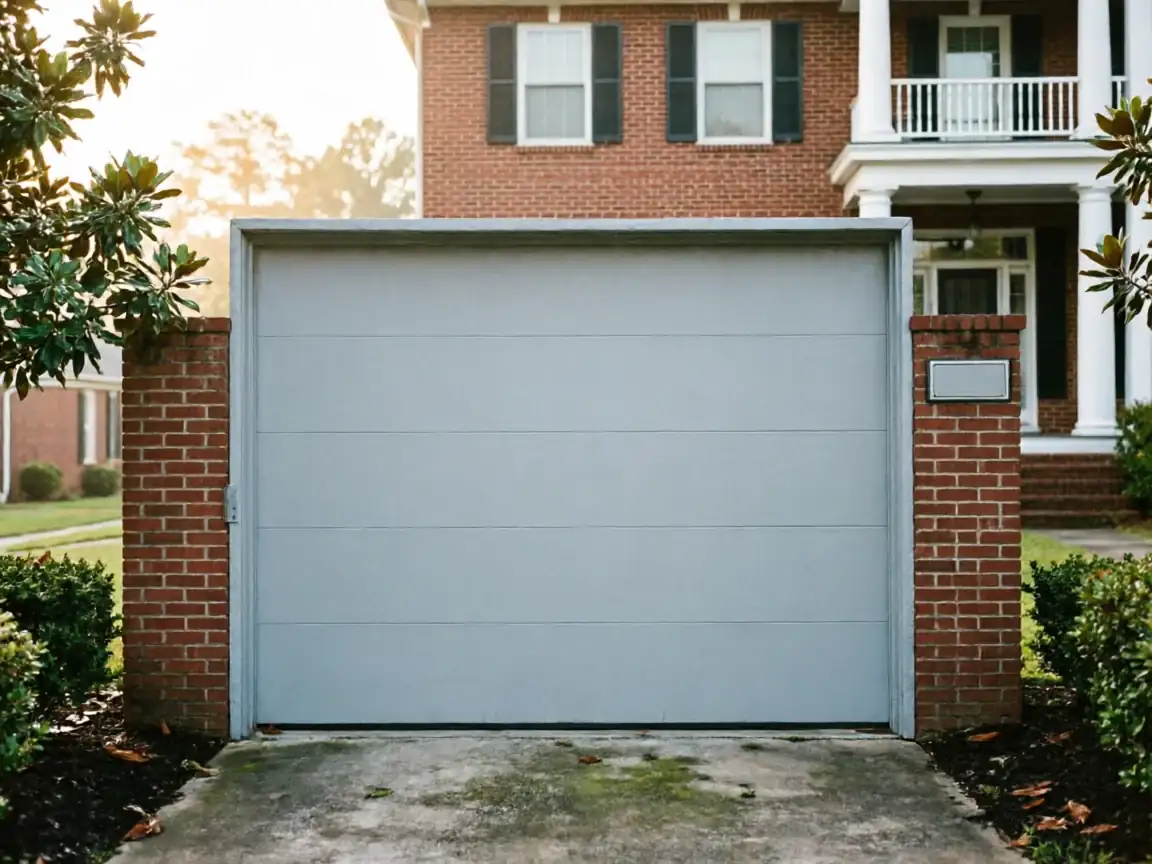
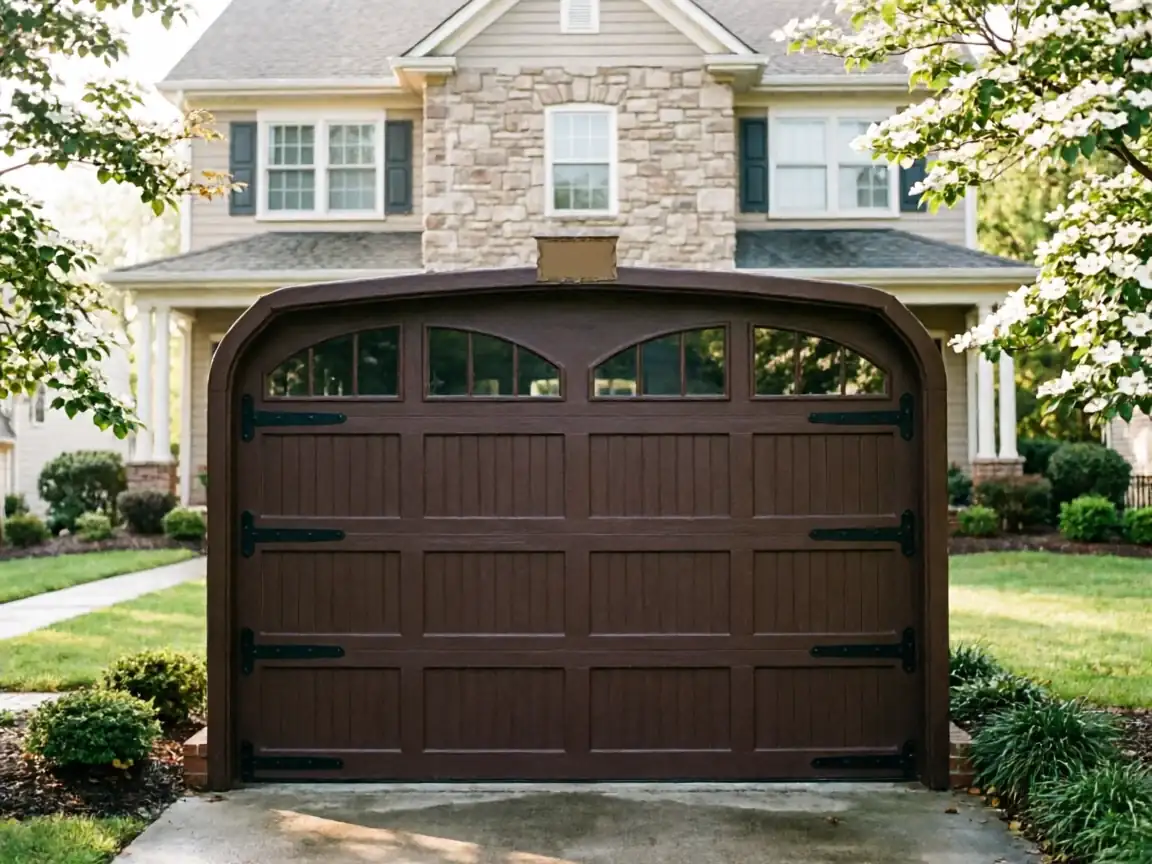
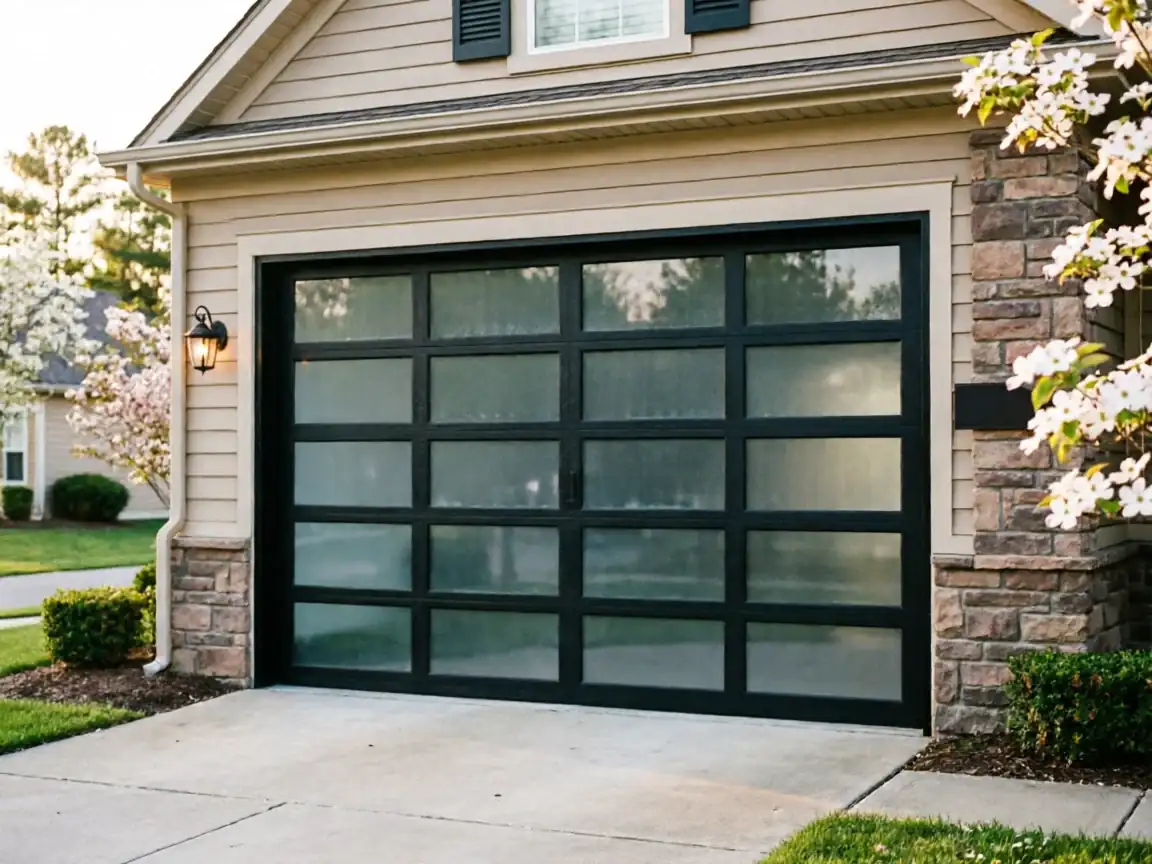
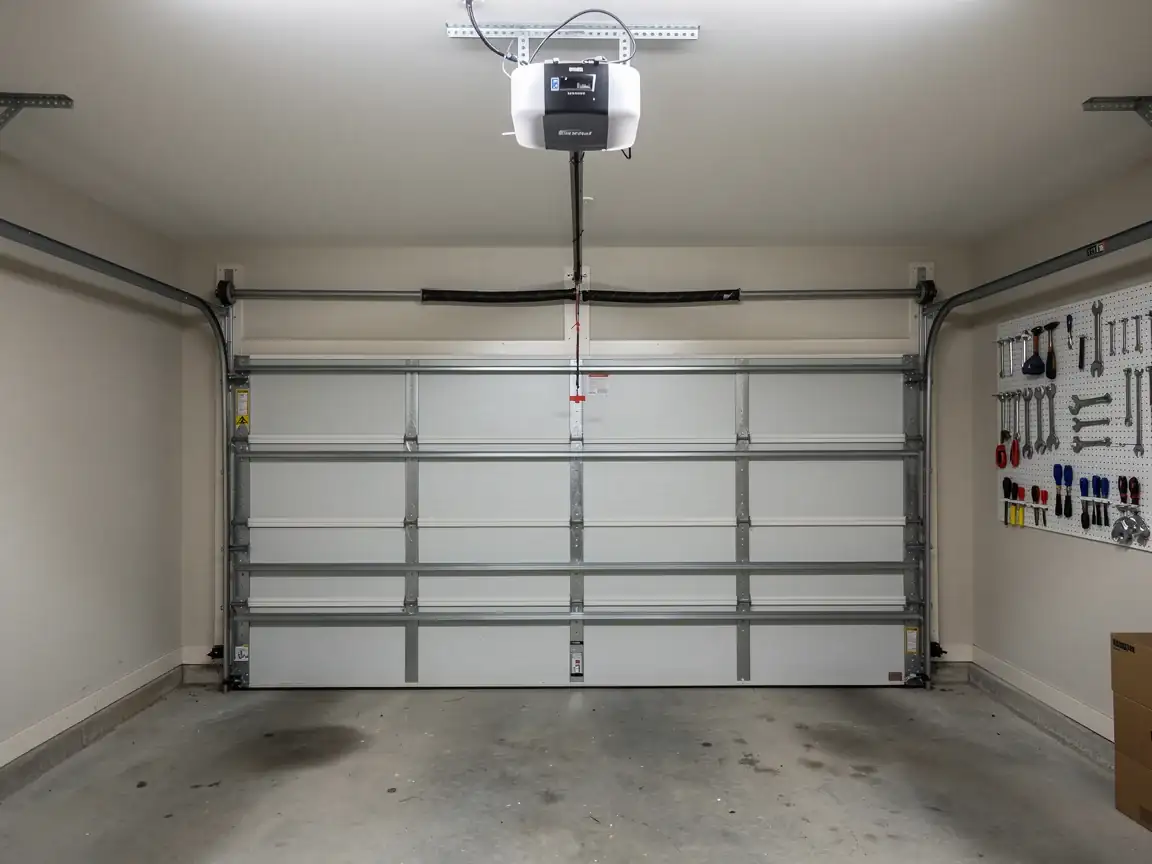
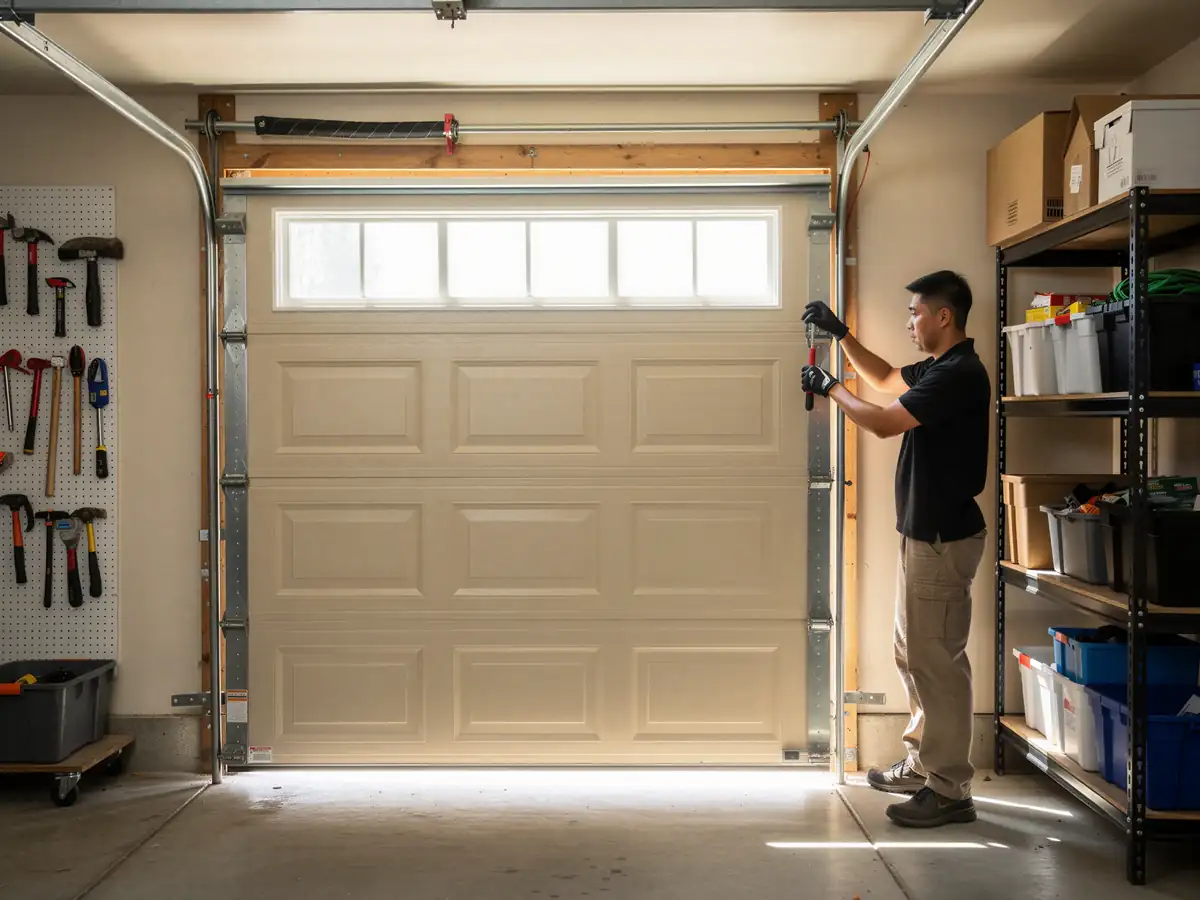
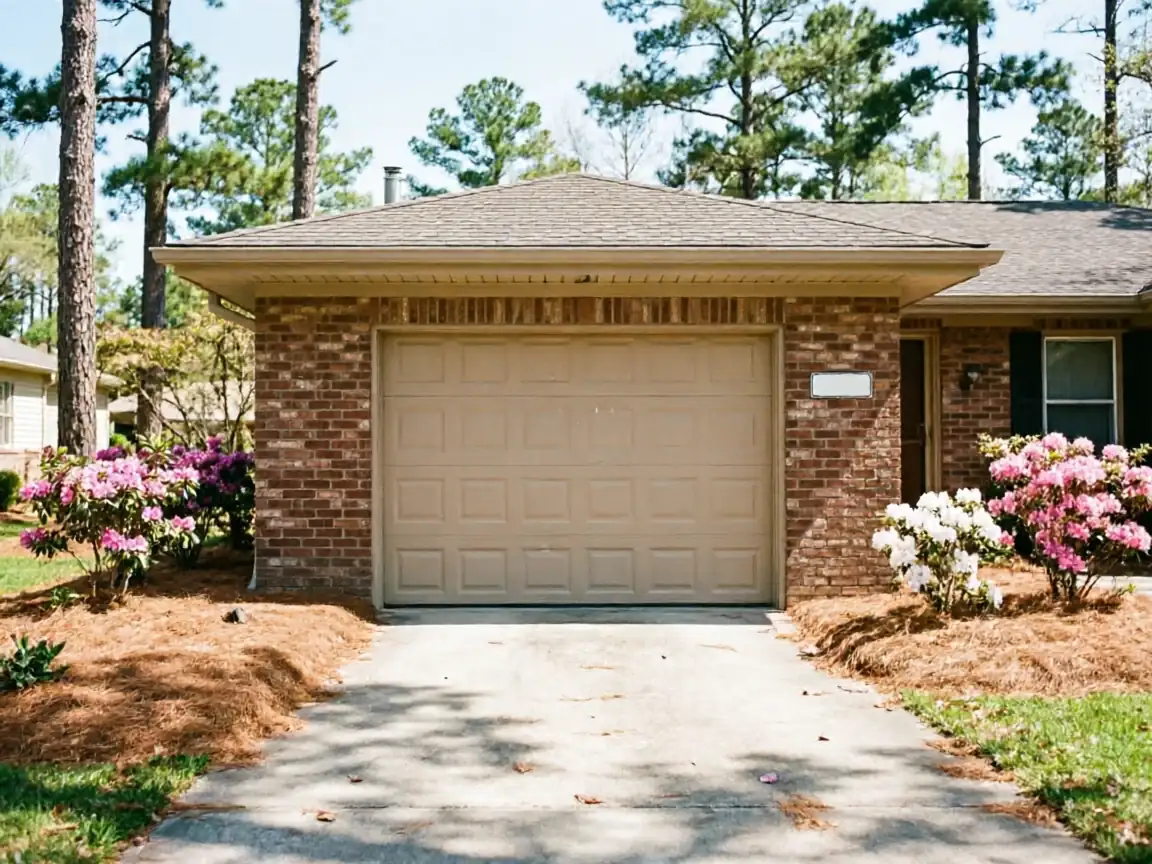
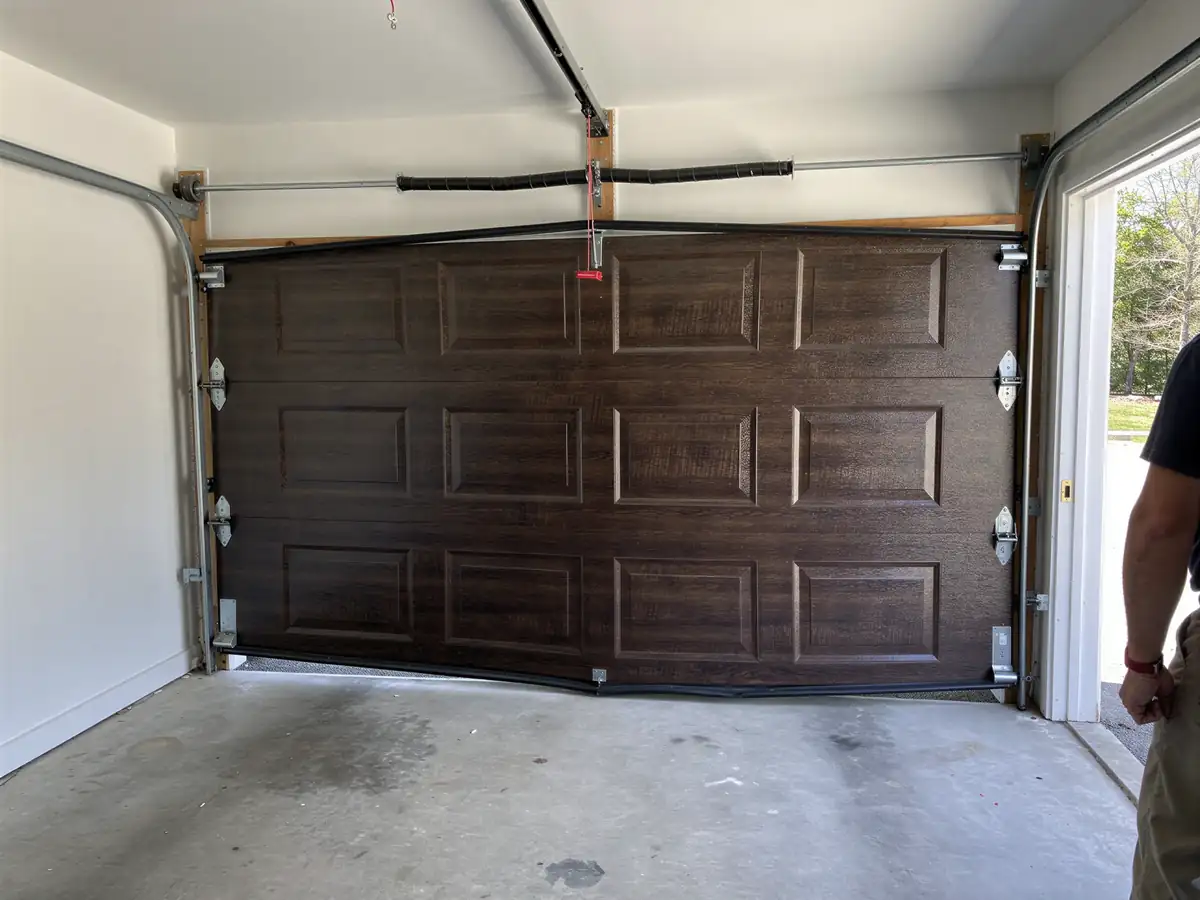
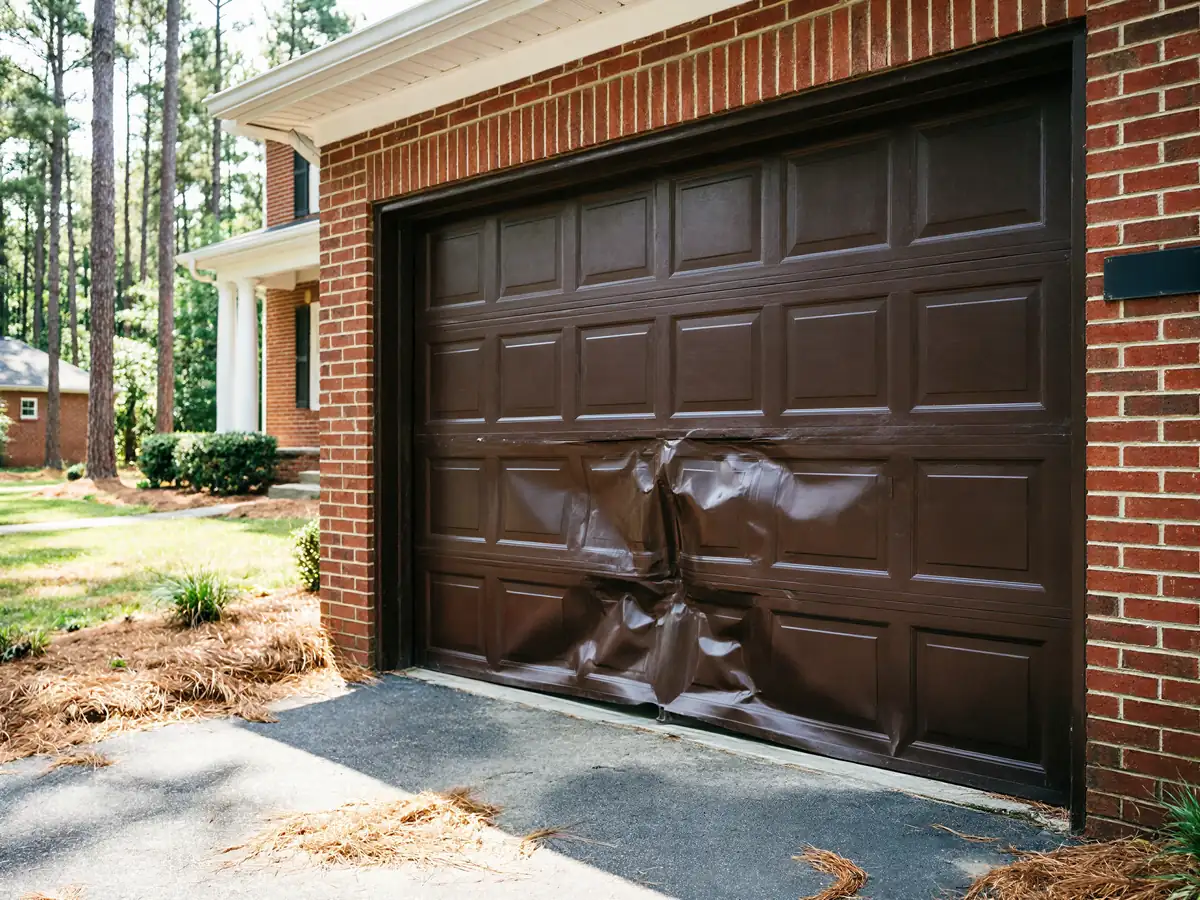
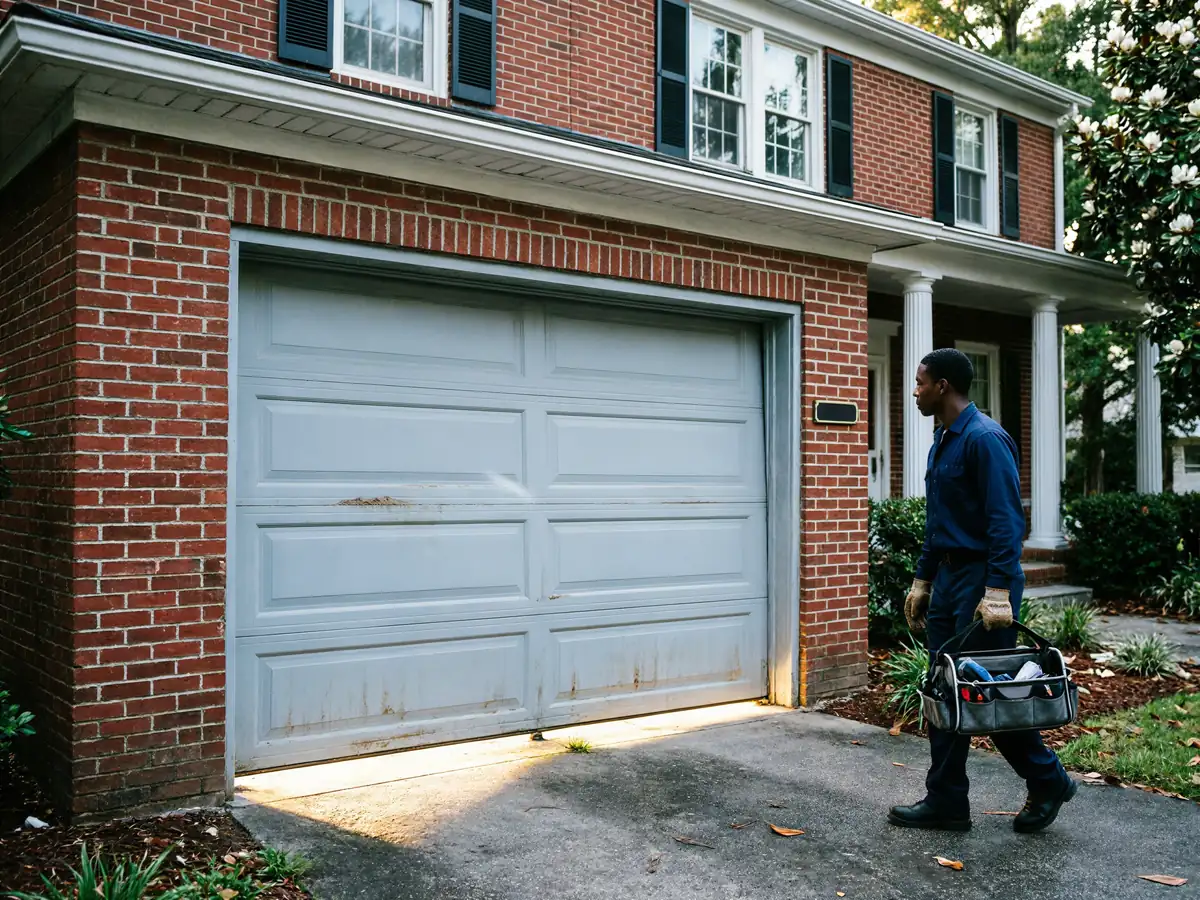
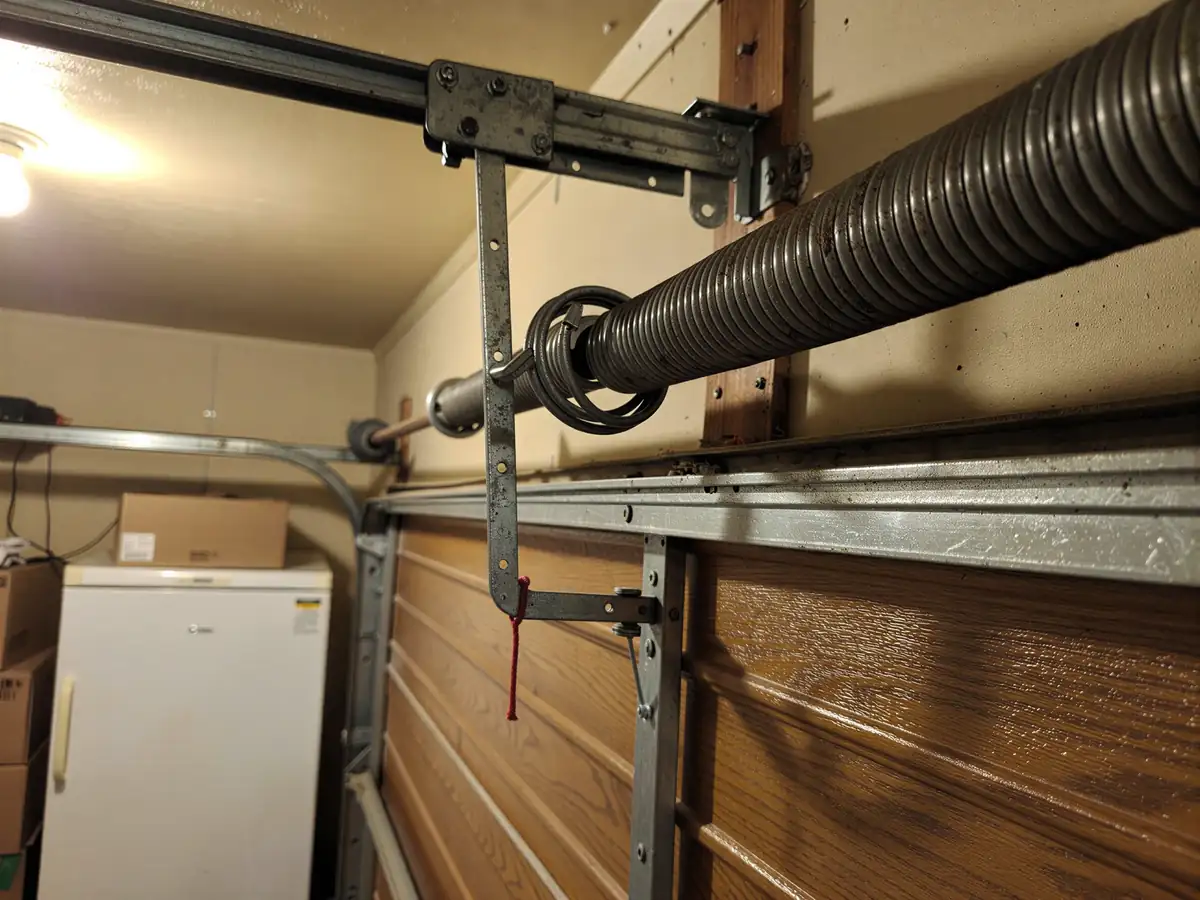
Most houses standing in Belvedere Park went up around 1961, ahead of the 1960s-70s wave that built out most of the 22 communities this company works across. A door from that run is usually a single-car, one-piece wood or early steel slab, hung on a horizontal track with a pair of extension springs stretched along the sides - not the torsion spring overhead that later sectional doors use. When one of those extension springs lets go, the door doesn't just get heavy at the bottom of the lift; it can drop hard and uneven, because there's no overhead bar sharing the load the way a torsion setup does. On the newer sectional retrofits some owners have put in since, you get the more familiar torsion failure: a loud bang, then a door that won't lift past a few inches, or lifts crooked because only one spring is dead. Either way, what you notice first is usually the same - the opener straining, the door stalling, or a cable going slack at one corner while the other side still has tension on it.
Why This Fails Locally
Belvedere Park sits in a cold-moderate climate band, which means the freeze-thaw swing through winter and the summer humidity both work on these springs twice a year instead of once. Extension springs from the 1961 stock were usually plain steel, not galvanized the way current stock is, so decades of that cycle leave them pitted before they snap. On the wood-slab doors still standing from that era, the jamb and track brackets move slightly with moisture, which throws the spring tension out of alignment even before the coil itself fails. Belvedere Park's median household income runs around $68,900, a touch under the broader service area's $70,625 - not enough of a gap to change what the spring job costs, but enough that fewer owners here have already swapped to a newer insulated door, which is part of why so many of these original extension-spring doors are still in service. Across the service area's 27,333 owner-occupied houses, the age split matters: a house built in 1961 is carrying forty-plus more years of wear on its original hardware than one built near the area's 1978 median, and that gap shows up as earlier failures, not later ones.
What It Costs
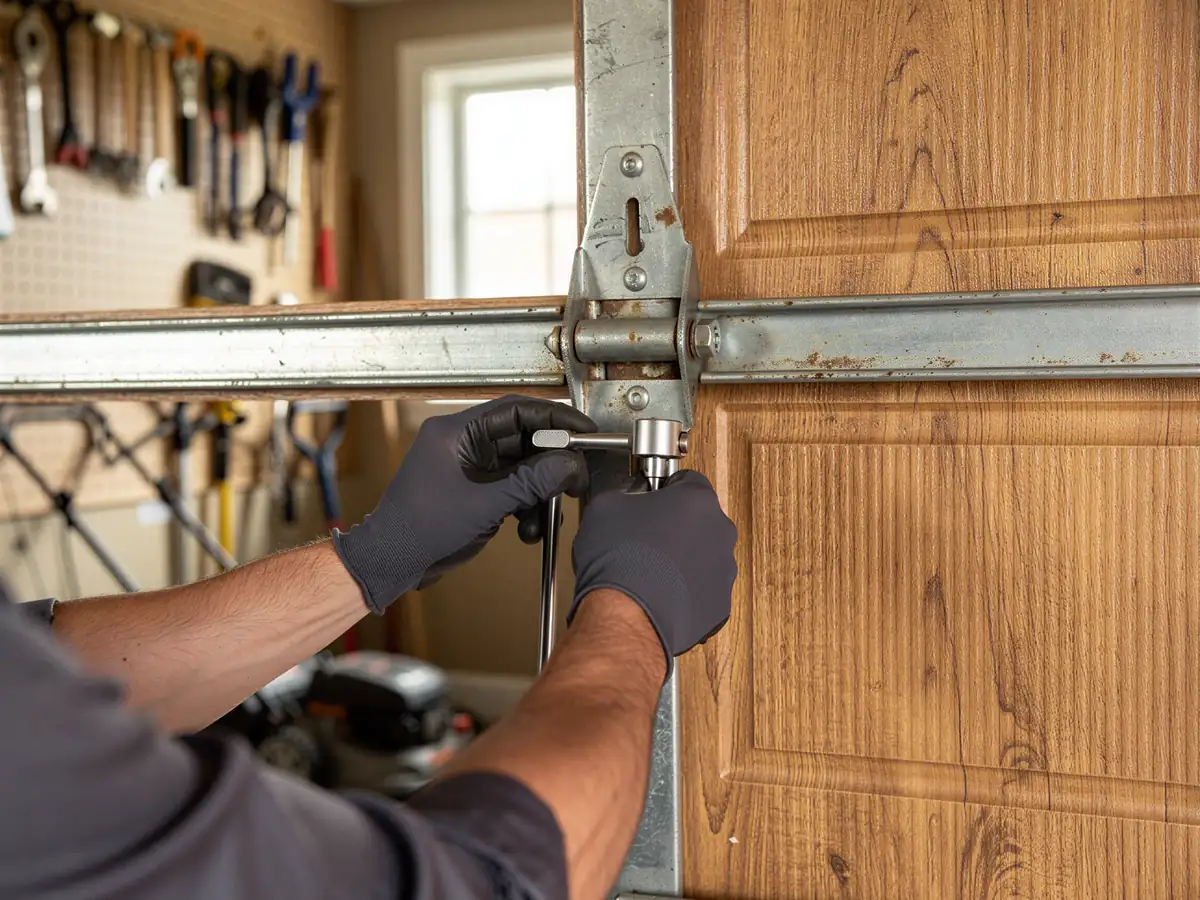
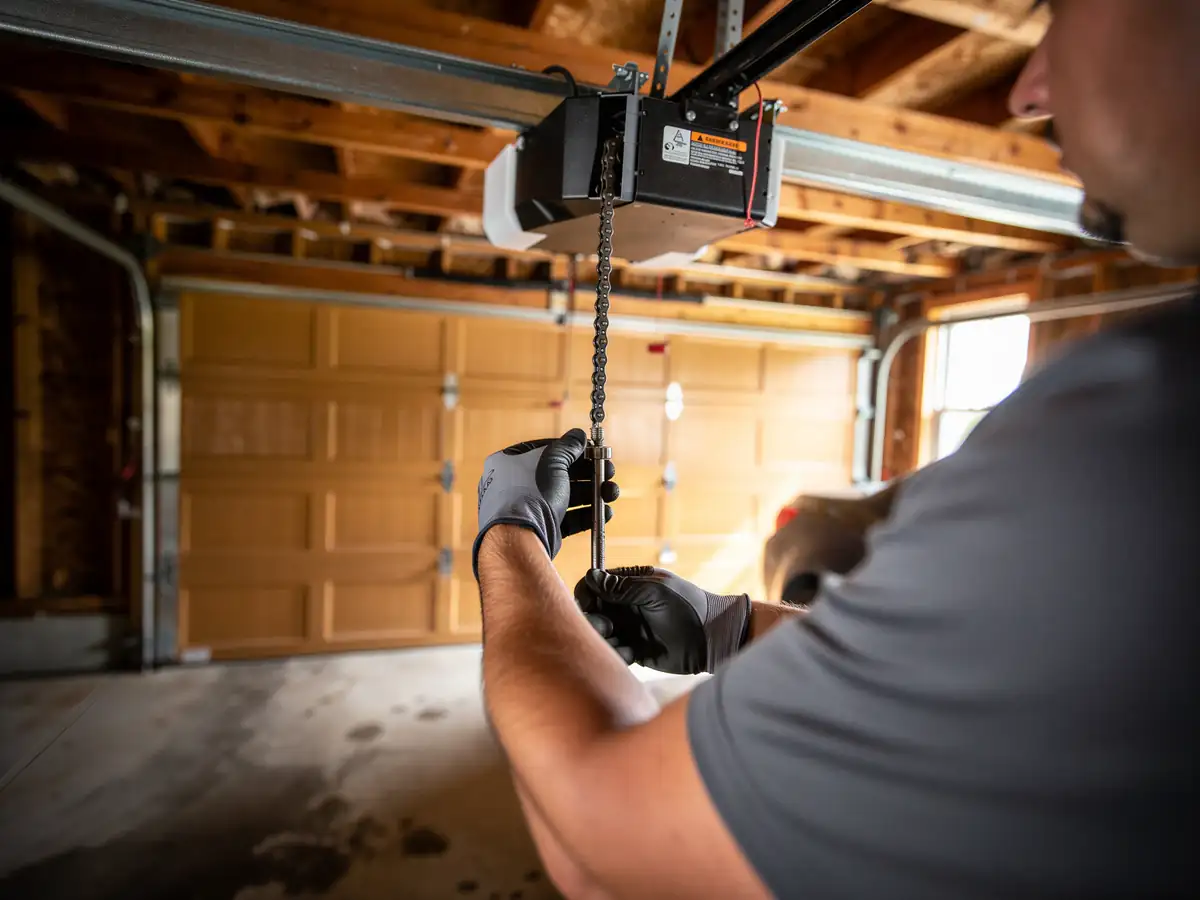
We don't post a flat number for spring jobs here because the two spring types common in Belvedere Park price out differently. A torsion spring swap on a sectional door is usually a predictable job once we know the door weight and drum size. The older extension-spring setups on one-piece doors take longer to price right, since the track hardware around them is often original and sometimes needs a bracket or roller replaced at the same time to hold the new spring's tension. We quote on site once we've seen the door, not over the phone, because guessing the spring size on a door this old is how you end up back out there a second time - and a second trip from Snellville isn't something we want to charge you for.
Parts We Carry
Because so much of Belvedere Park's housing dates to the early 1960s, the truck stocks the extension spring sizes that fit one-piece wood and early steel doors from that run, along with the standard torsion springs for the sectional doors that have replaced many of them since. What we don't keep on the truck are oddball lengths from doors that have been custom-cut or resized over the years - those get ordered in, which can add a few days to the job. If your door still has its original hardware from 1961, tell us when you call; it changes which springs we load before we make the drive out.