When to Call Someone
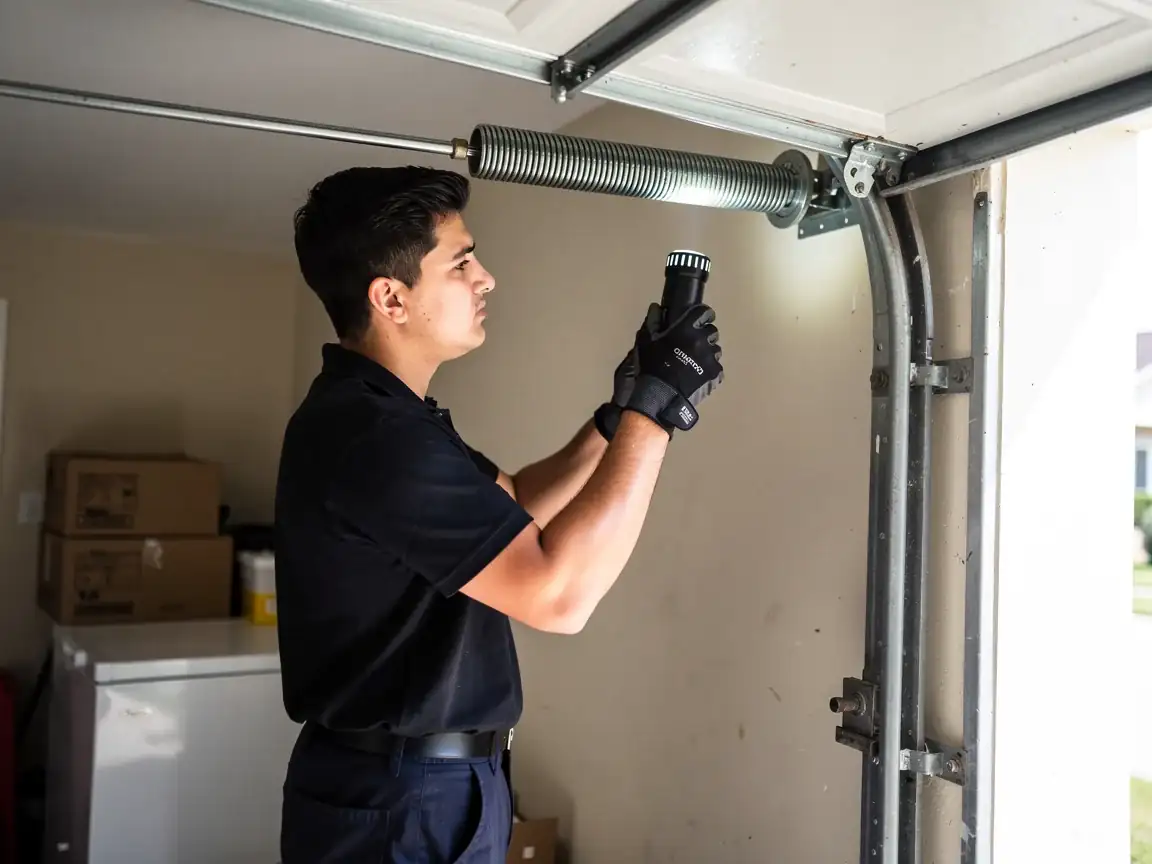
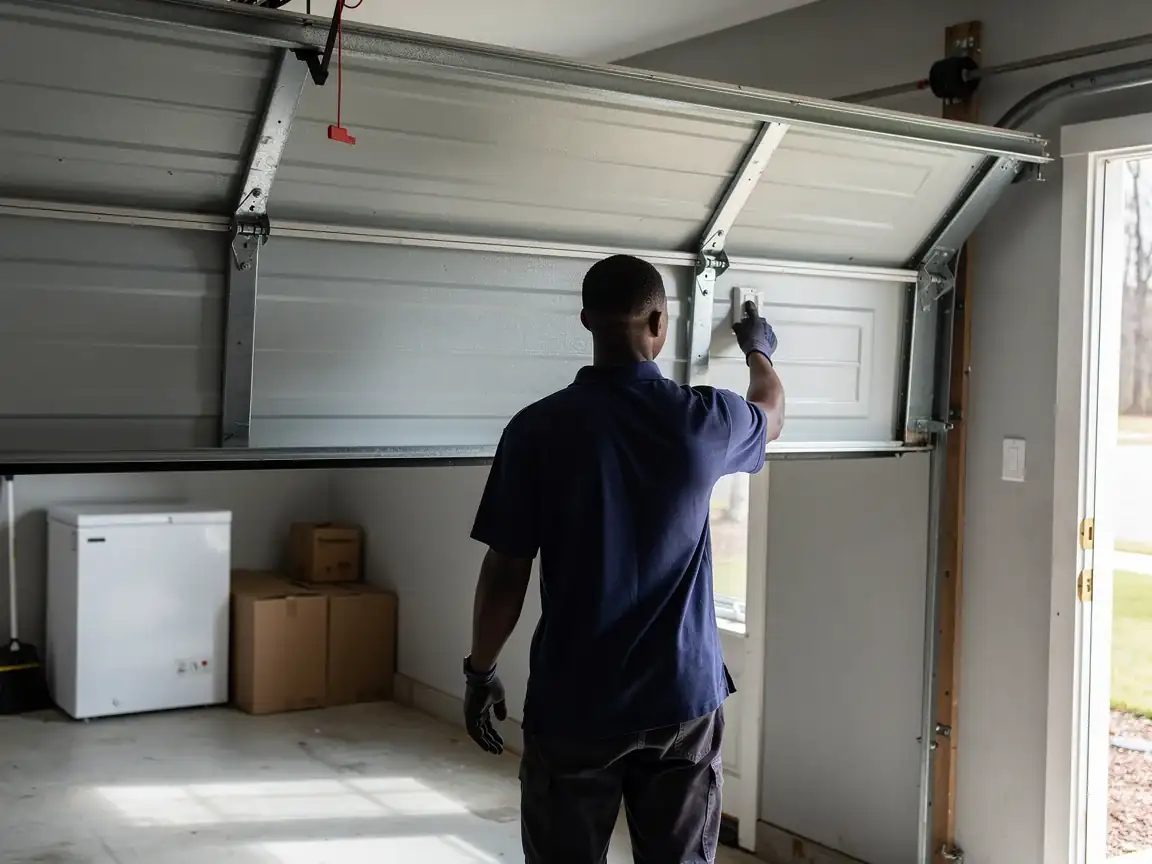
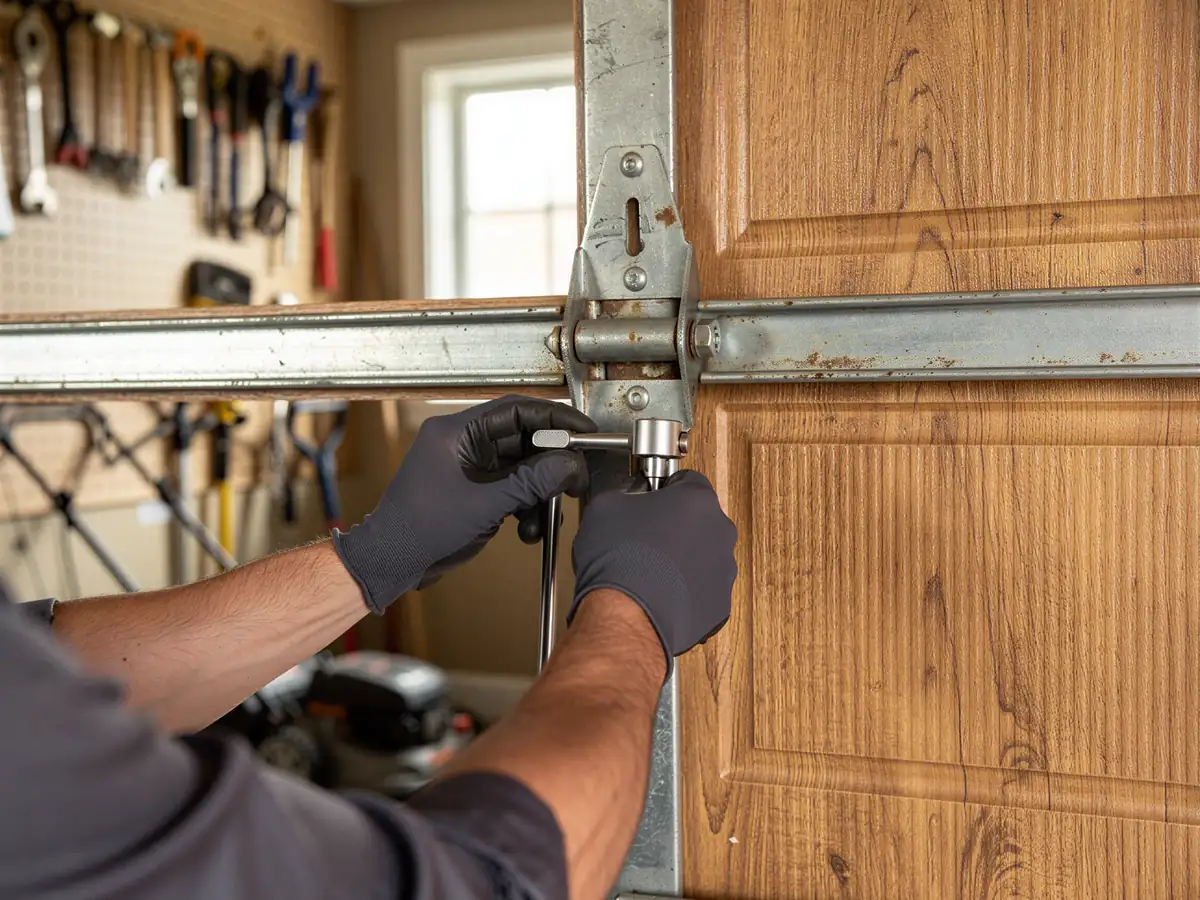
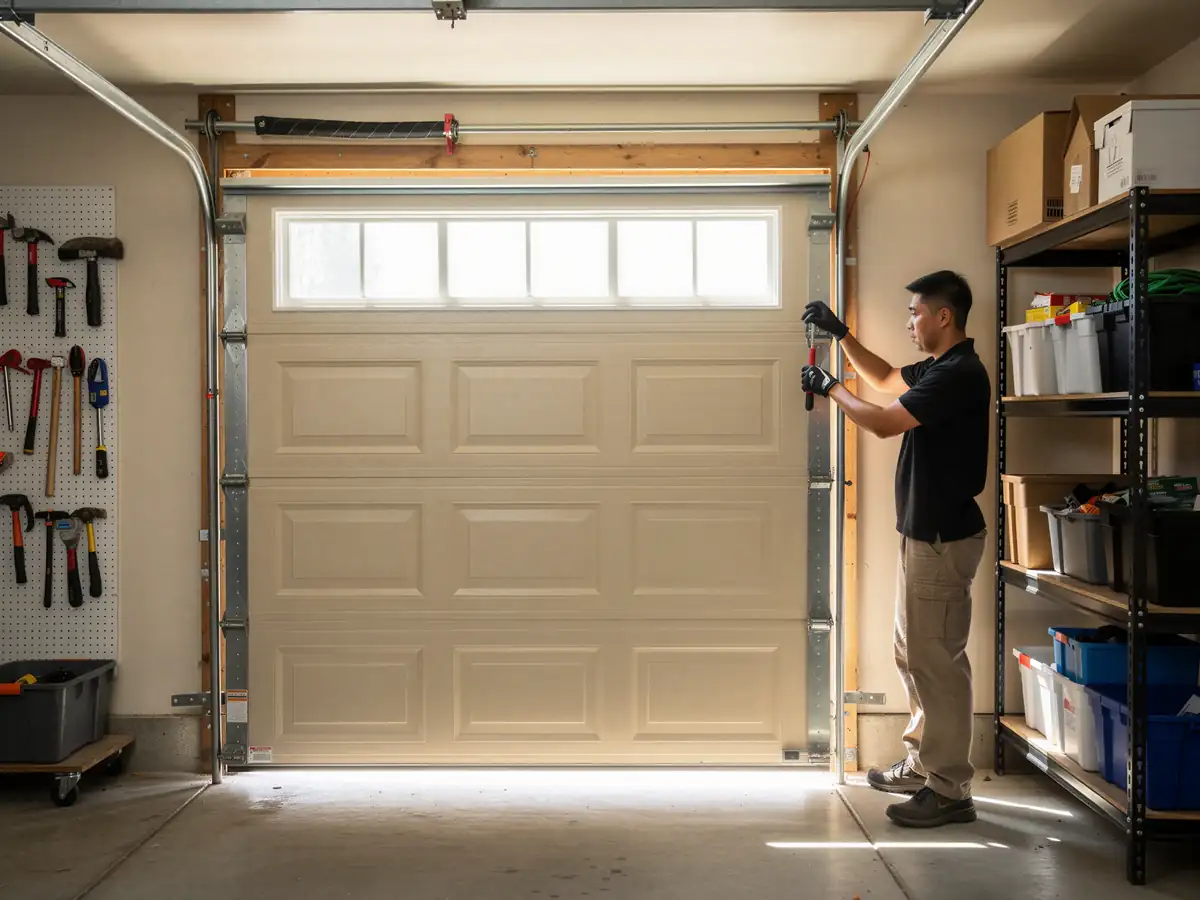
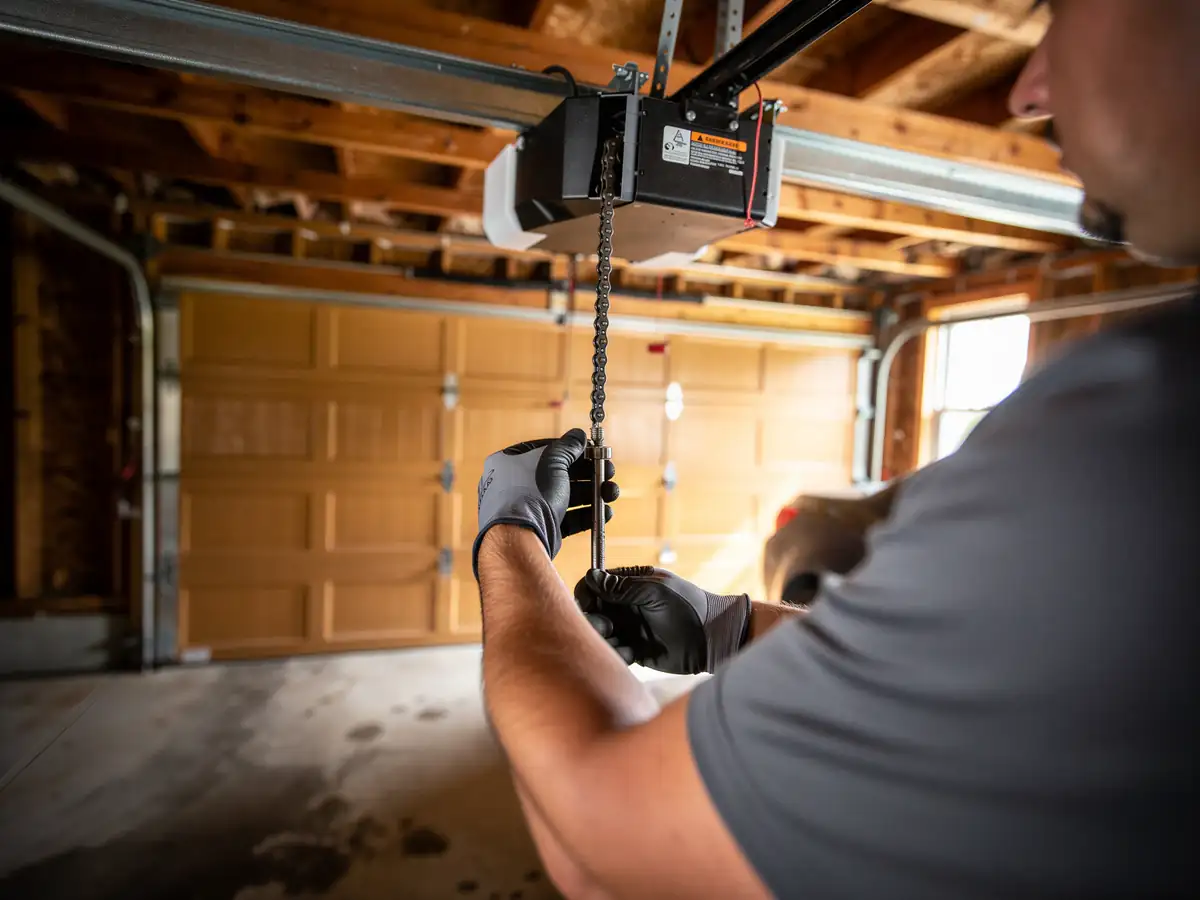
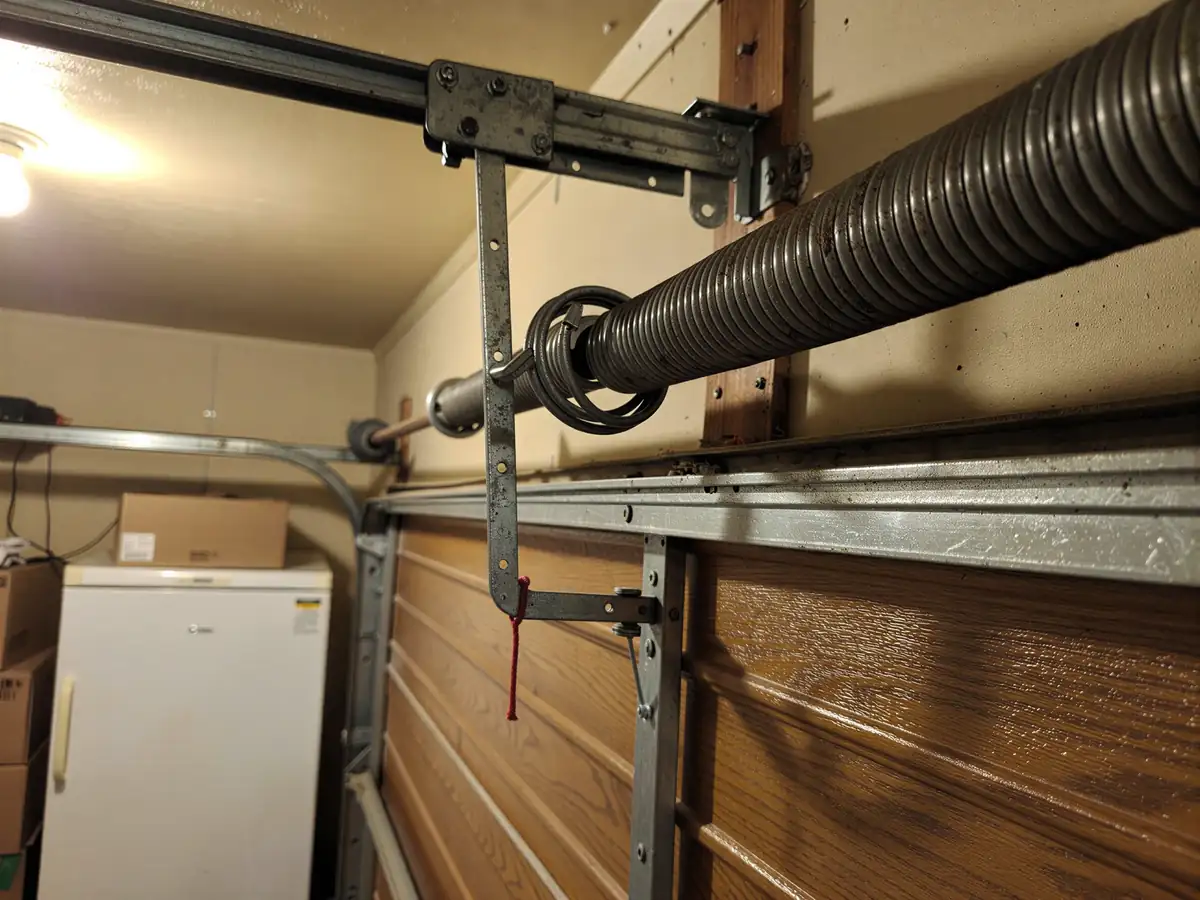
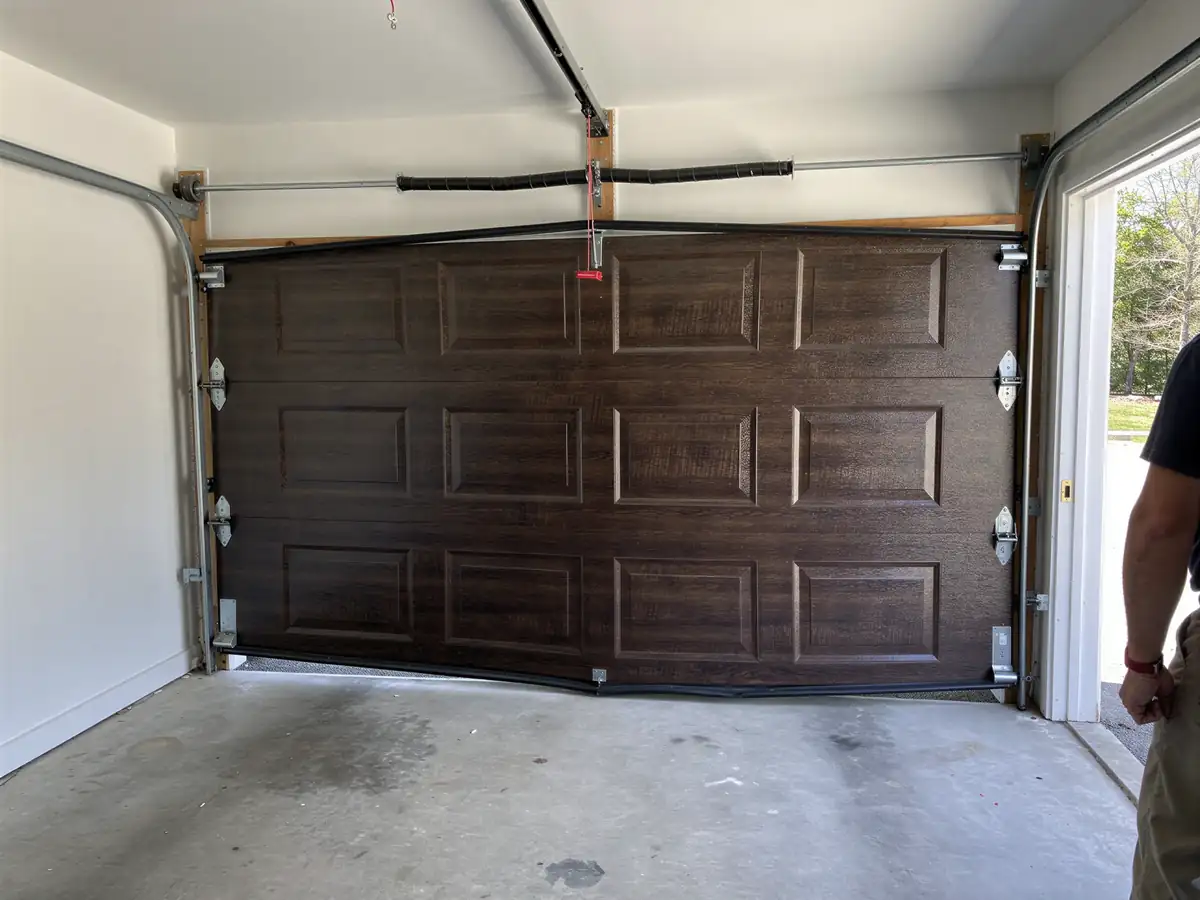
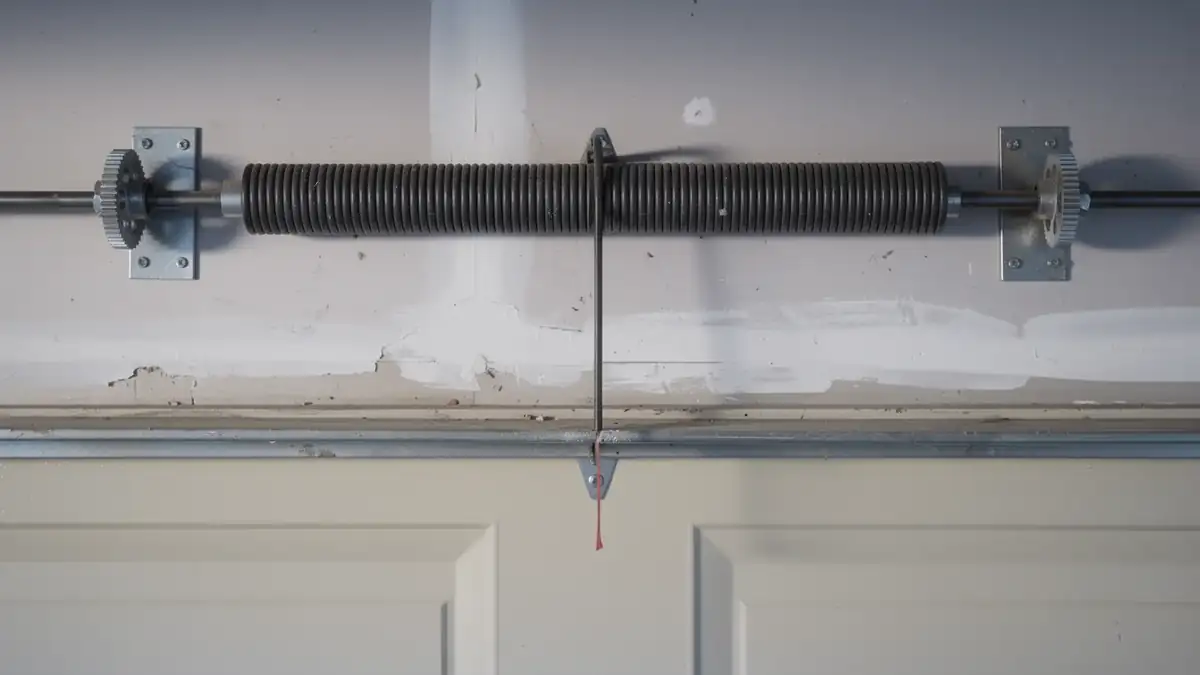
If your door won't budge, or it opens a few inches and stops, and you can see a gap in the coil of the spring above the door, that spring has broken. Don't try to force the door with the opener - the motor isn't built to lift a door with no spring tension behind it, and you'll burn out the unit trying. This is also not a job to hand to a helper and a ladder on a Saturday morning. A wound torsion spring holds a huge amount of stored energy, and winding bars and a door that's off its tension are how people lose fingers. Given that a lot of houses in this area are sitting on original 1960s and 70s hardware, the spring that breaks is usually older than the homeowner expects, and it's often paired with an opener and cable setup from the same era that needs a look at the same time. Call when: the door won't lift, you hear a bang from the garage followed by the door refusing to move, or the door is noticeably heavier to lift by hand than it used to be. Those are spring symptoms, not opener symptoms.
The Problem
Steel contracts when it gets cold, and a torsion spring that's already near the end of its cycle life doesn't have much margin left to absorb that. Most garage doors in this service area were built sometime between 1951 and 2012, with the typical house dating to around 1978. A spring rated for roughly 10,000 cycles starts showing metal fatigue well before it actually snaps - a hairline stress point that's been building for years. What finally breaks it is often a sharp temperature swing: the door sits fine through a mild stretch, then a hard freeze hits and the spring, already stressed, goes. It's rarely bad luck on the exact cold morning - it's years of cycling catching up at the moment the steel is least forgiving. Houses built across the 1960s and 70s stock common to this area are the ones most likely to still be running whatever spring the builder put in, since nobody replaces a spring until it fails. That's the honest limitation here too: there's no way to predict the exact week a fatigued spring will go, only that cold mornings are when it tends to happen.
How Local Conditions Play In
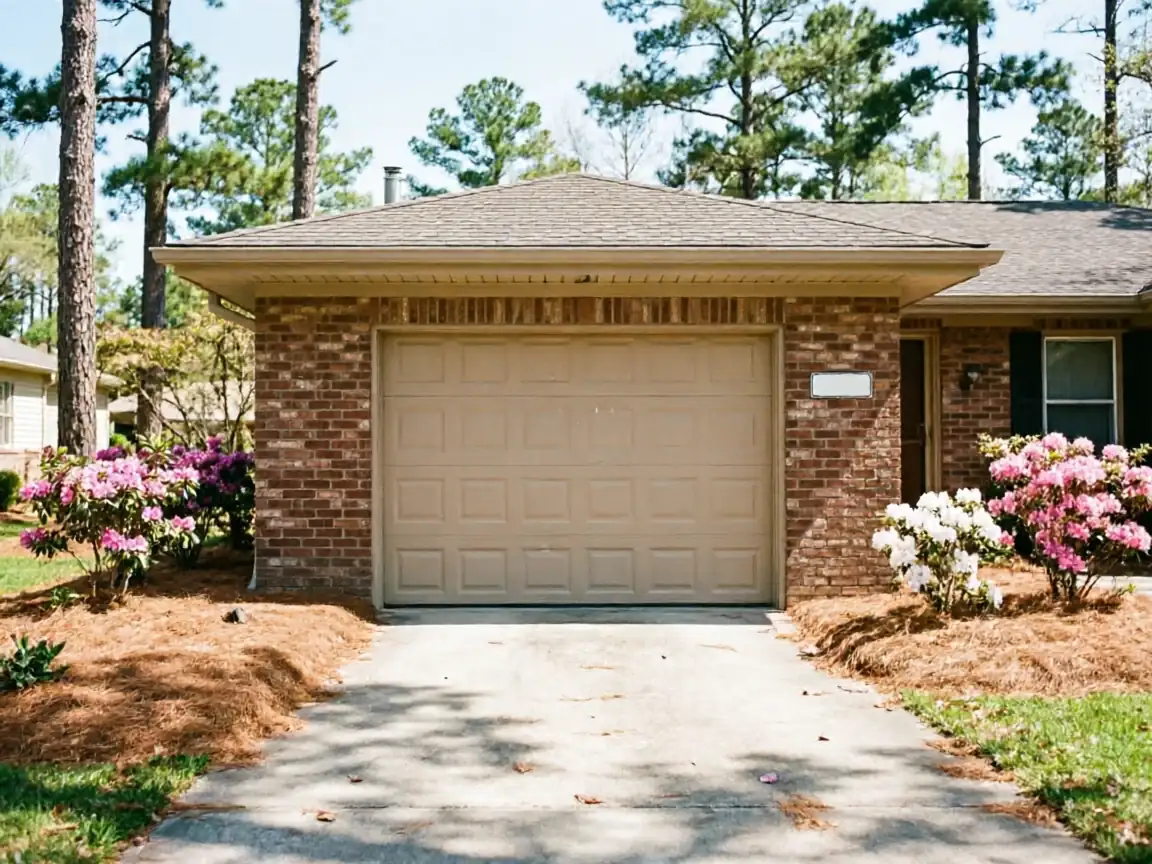
This area sits in a cold-moderate climate band - not the deep-freeze winters you'd get further north, but enough hard-freeze mornings each winter to put real stress on metal that's already fatigued. That irregularity is actually part of the problem: a spring that cycles through steady cold holds up differently than one that swings between mild weeks and sudden hard freezes, which is the pattern here. Across the roughly 56,295 households and 27,333 owner-occupied houses in the service area, a good number are sitting on springs original to construction that, per the housing data, typically dates to 1978. With a median household income of $70,625, most owners are weighing a straight spring swap against upgrading to a heavier-duty torsion setup rather than just patching the same spec back in. The area covers a wide stretch - 22 named neighborhoods in all - from close by places like Grayson and Mountain Park out toward Stone Mountain and Dacula, and housing age runs fairly consistent across that stretch, so the cold-snap spring failure isn't limited to any one pocket of town.