Doing It Yourself
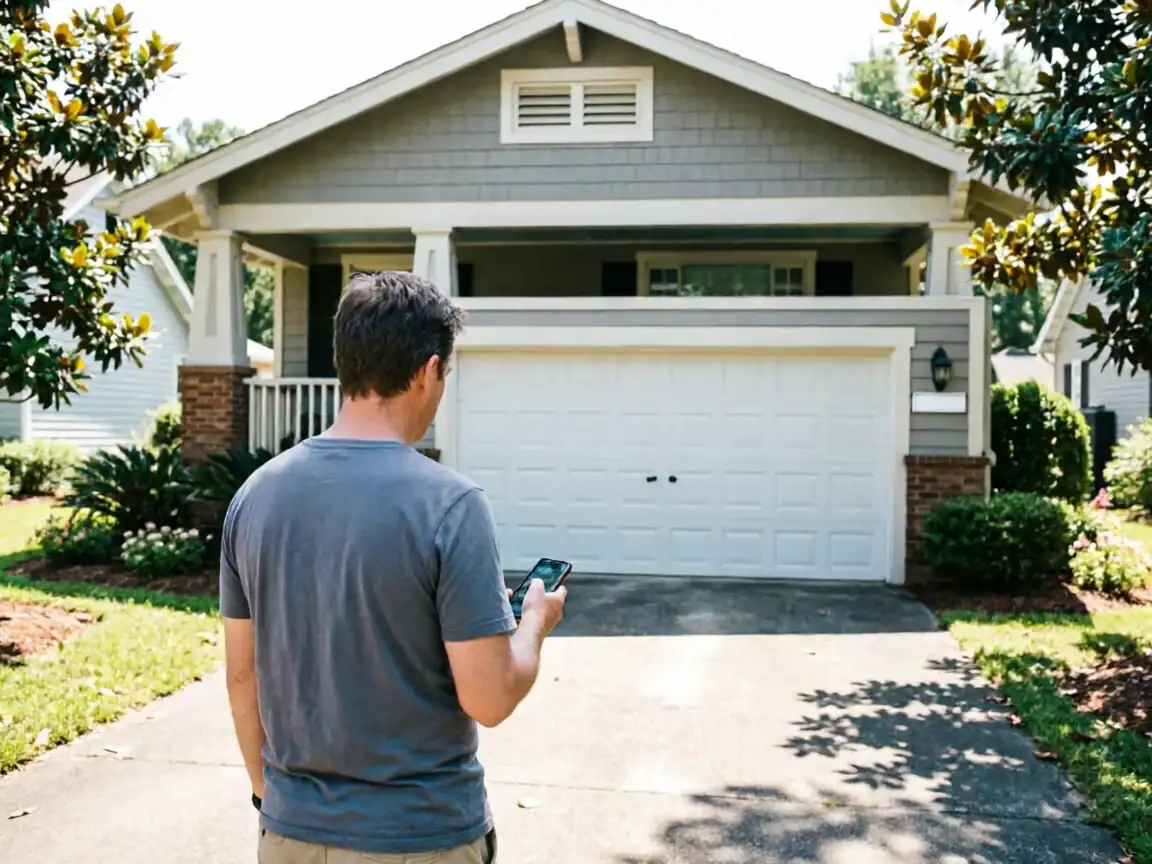
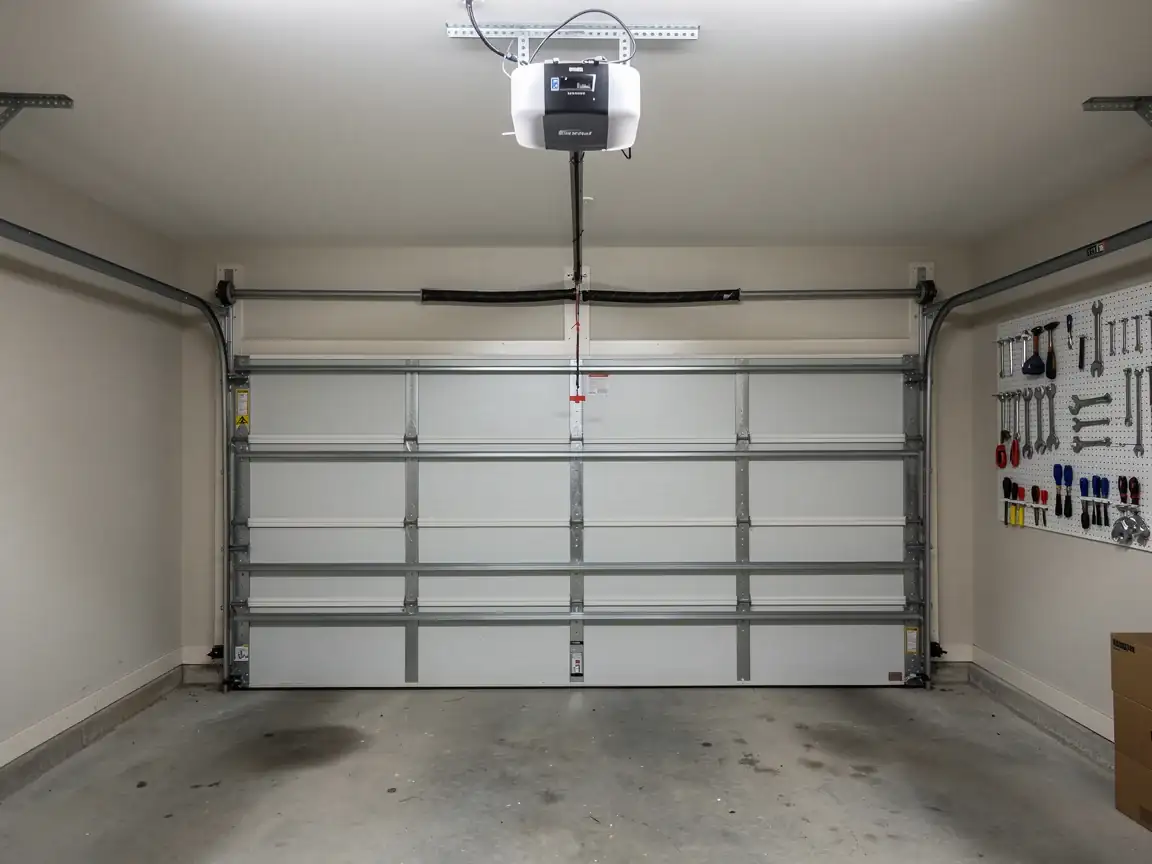
Before you call anyone, there's a short list worth checking yourself. Unplug the opener, plug it back in, and watch if the light blinks a fault code - most units from the last twenty years give you one. Check the wall button battery if it's wireless, and check the two photo-eye sensors near the floor on each track; a cobweb or a box leaning against one will stop the door cold and make the opener think something's wrong. Travel limits (how far up and down the door runs) are adjustable on most units through two small dials or buttons on the housing, and a door that reverses right after touching the floor is often just a limit set wrong, not a broken part.
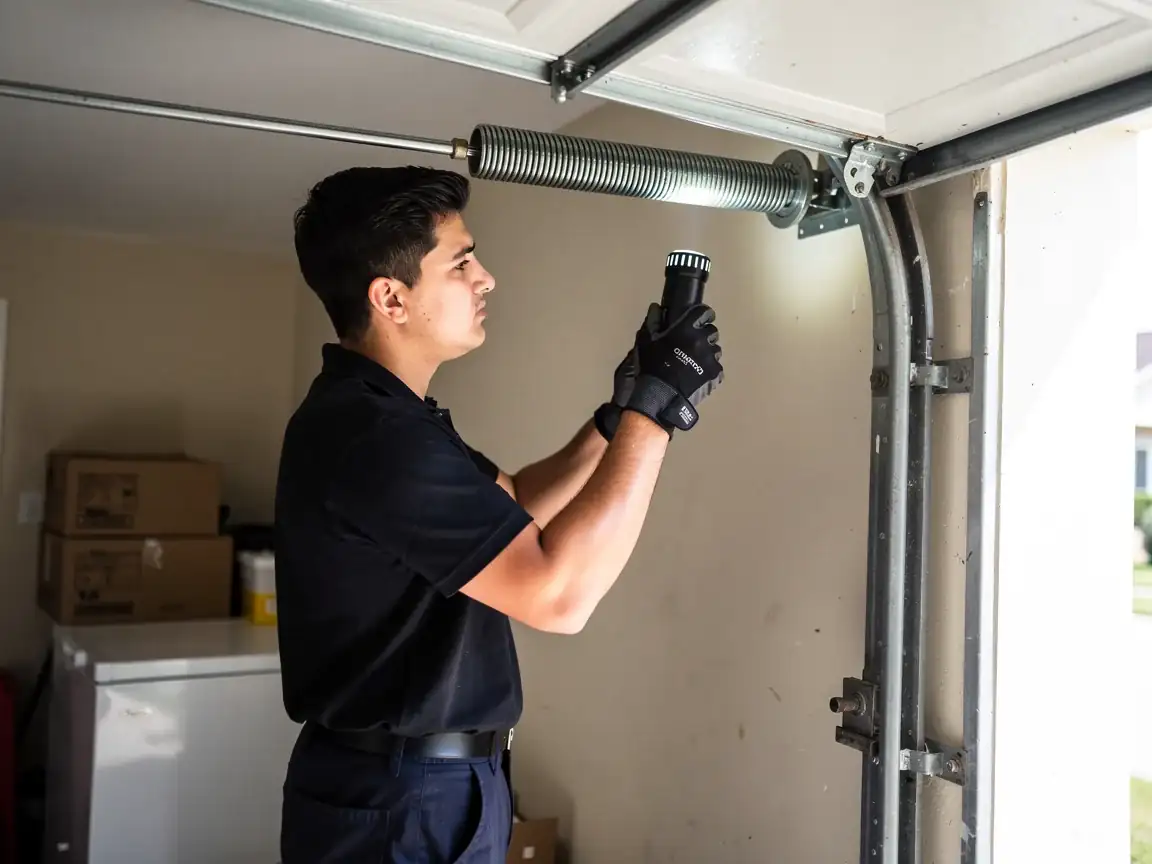
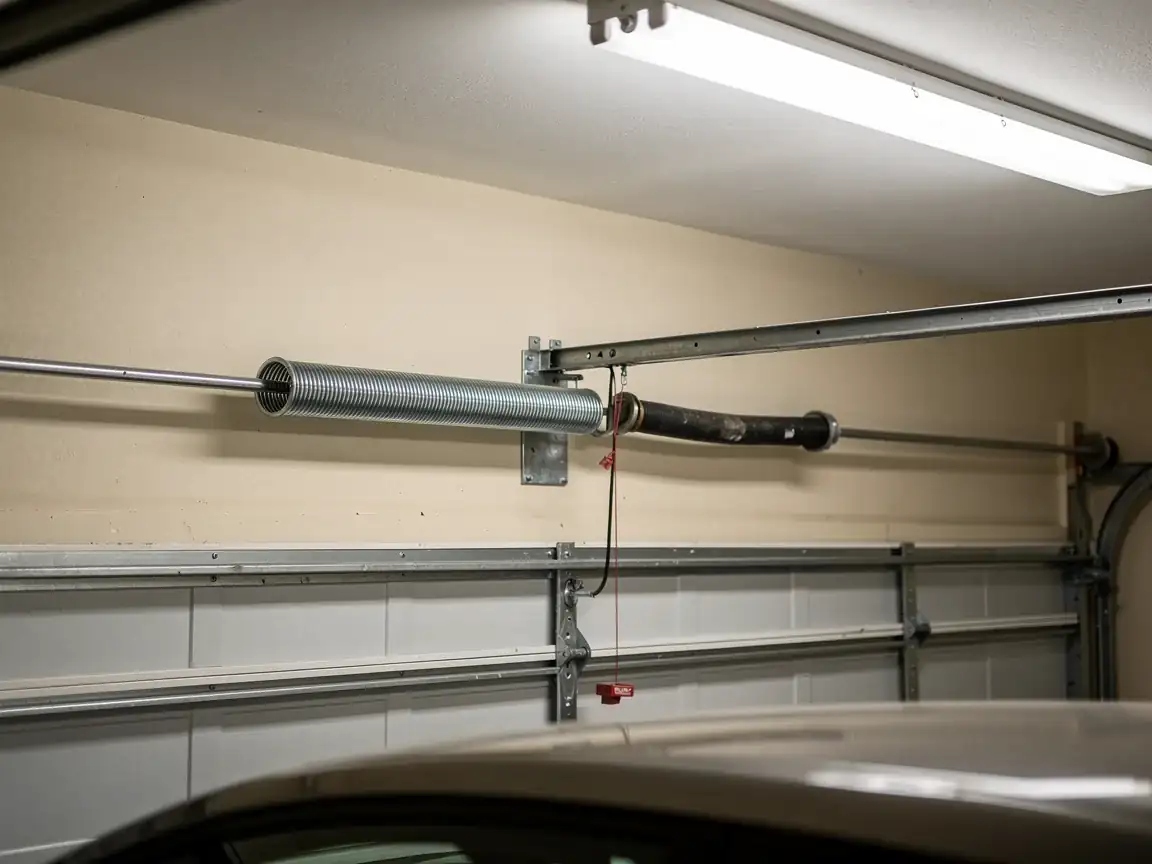
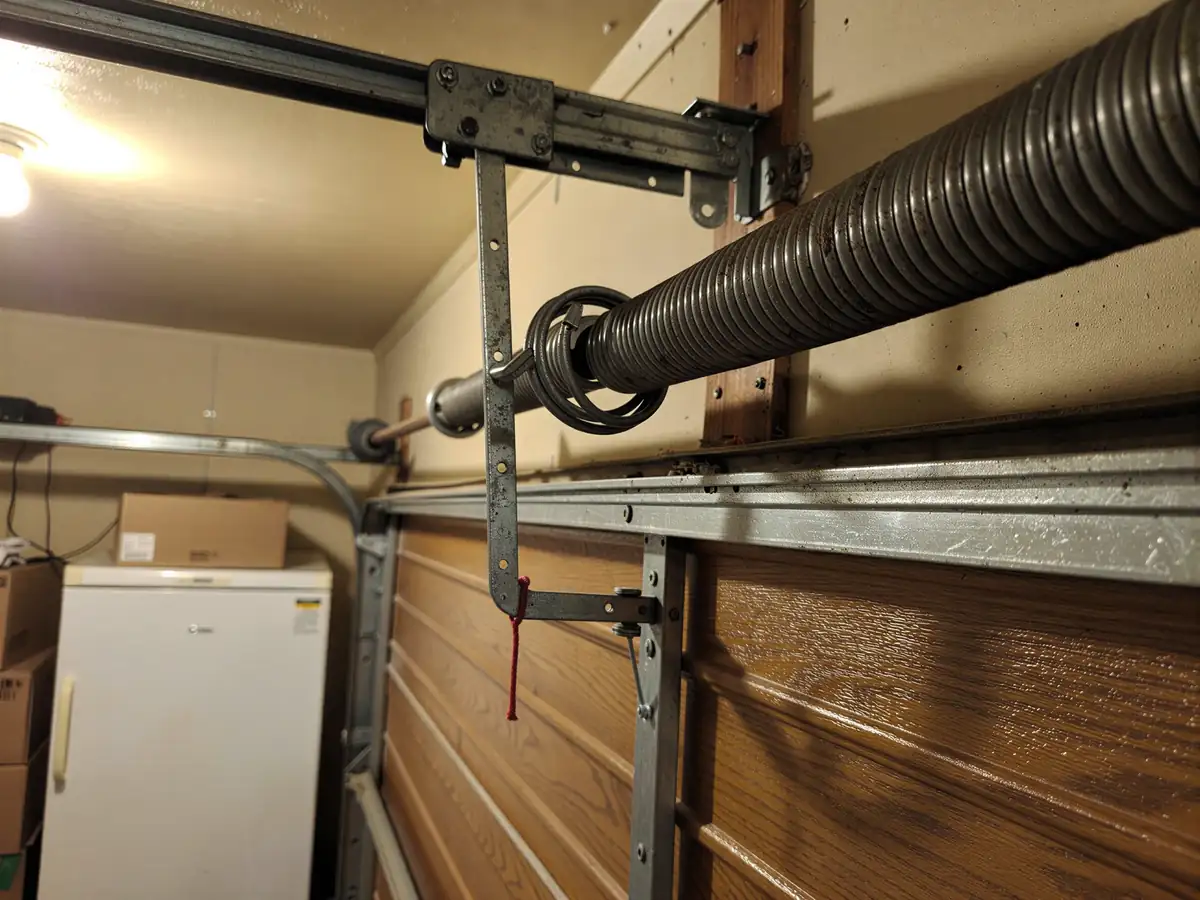
What you shouldn't do yourself: open the opener housing and touch the logic board, or try to re-wind a broken torsion spring to get the door moving so the opener has less to fight. Boards carry capacitors that hold a charge after power is cut, and a spring under tension has put people in the hospital. If the opener hums but the door doesn't move, or it moves a few inches and stops, that's past the DIY list - something mechanical or electrical has failed inside the unit or the drive.
Why This Fails Locally
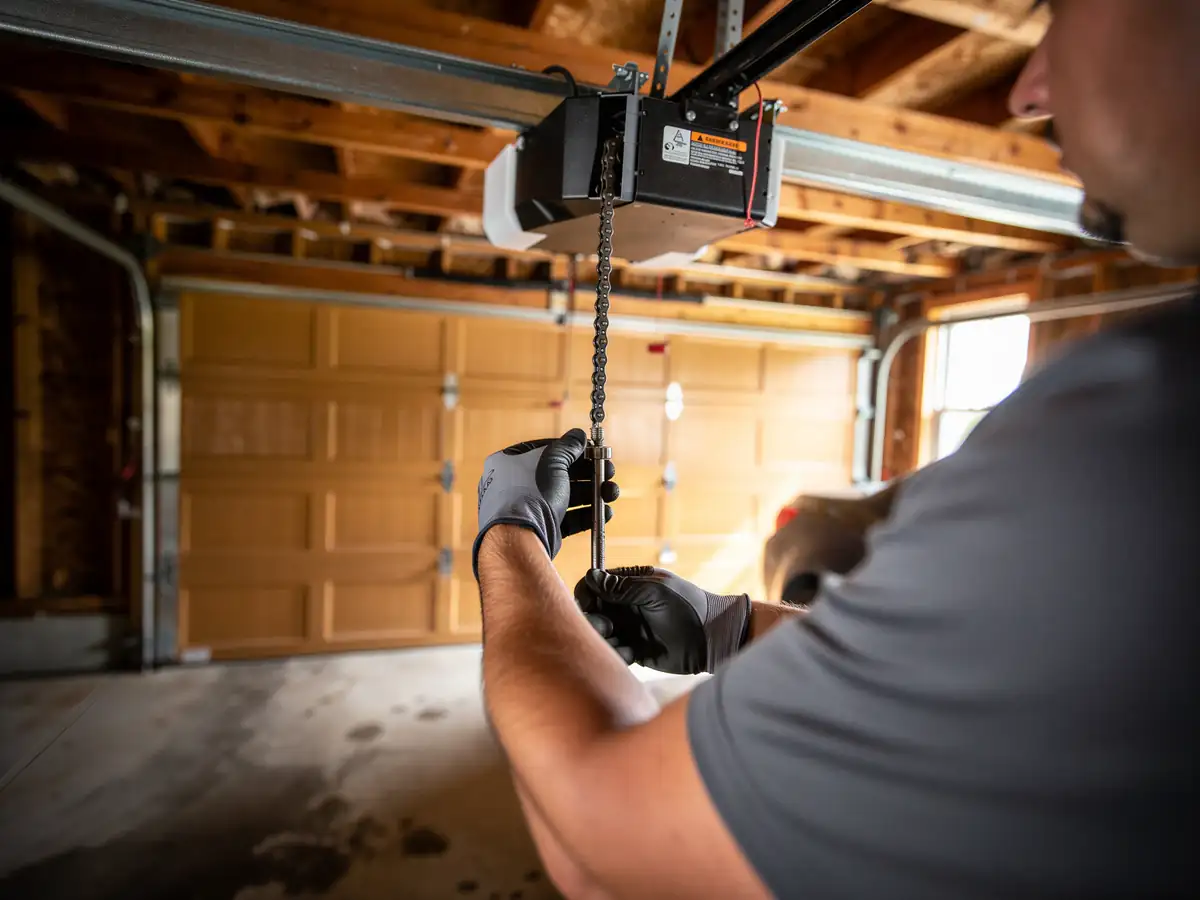
Housing across this service area was built mostly between 1951 and 2012, with a median year of 1978, and the bulk of it - across the 22 named communities we cover - went up in the 1960s and 70s. That matters for openers specifically: a huge share of the units out there are either original chain-drive models from that era or a direct swap-in replacement installed decades later on the same worn rail. Chain and sprocket openers from that period use steel gears that were never designed to run forty-plus years, and the nylon drive gear inside the motor housing - the part that actually fails most - wears down to a nub long before anyone notices a sound change.
The climate band here is cold-moderate, which means real swings between damp, near-freezing mornings and hot, humid summer afternoons. That swing is hard on opener electronics specifically: circuit boards and capacitors that sit in an uninsulated garage take repeated condensation cycles, and steel chains stretch and contract enough over a winter to throw off limit settings that were fine in October. None of this is dramatic. It's just slow wear that happens faster here than it would in a climate that doesn't swing as much.
How It Shows Up
The most common call is an opener that runs
You hear the motor, maybe see the light - but the door doesn't move, or moves a few inches and reverses. That's almost always the drive gear stripped inside the housing, or a chain/belt that's slipped off its sprocket. Next most common: the door reverses immediately on the way down, which either means a photo-eye is blocked or misaligned, or the close-force setting has drifted and the opener thinks it's hit an obstruction.
A third pattern is remote range dropping off over weeks
Works from the driveway, then only from right outside the door, then not at all. That's usually the learning code or the receiver antenna inside the unit degrading, not the remote battery, though it's worth ruling the battery out first since it's free to check. Grinding or screeching on travel, especially louder in cold weather, points to a worn gear or a chain that's lost tension. And on older owner-occupied houses - a large share of the 27,333 owner-occupied houses in this service area are original 1960s-70s builds - we still see openers with no safety reversing sensors at all, since those weren't required when the units went in.
- 27,333 owner-occupied
Where This Job Goes Sideways
Opener repair stops being worth it past a certain point, and we'll tell you when you're there instead of running up a bill. If the logic board has failed on a unit more than fifteen or twenty years old, we often can't source an exact replacement board - manufacturers stop stocking parts for discontinued models, and a universal board doesn't always talk to older safety sensors correctly. At that point, replacing the opener costs about the same as the board alone and you get a warranty on the whole unit, not a patched one.
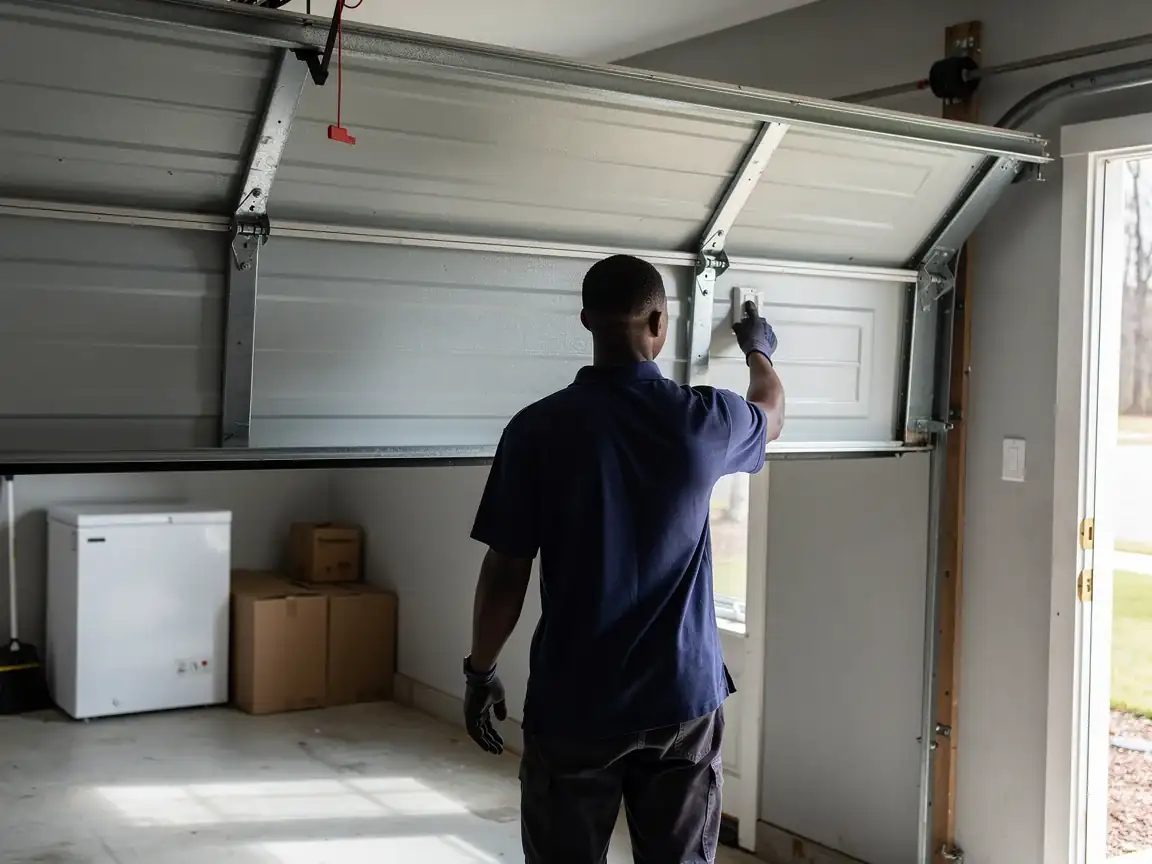
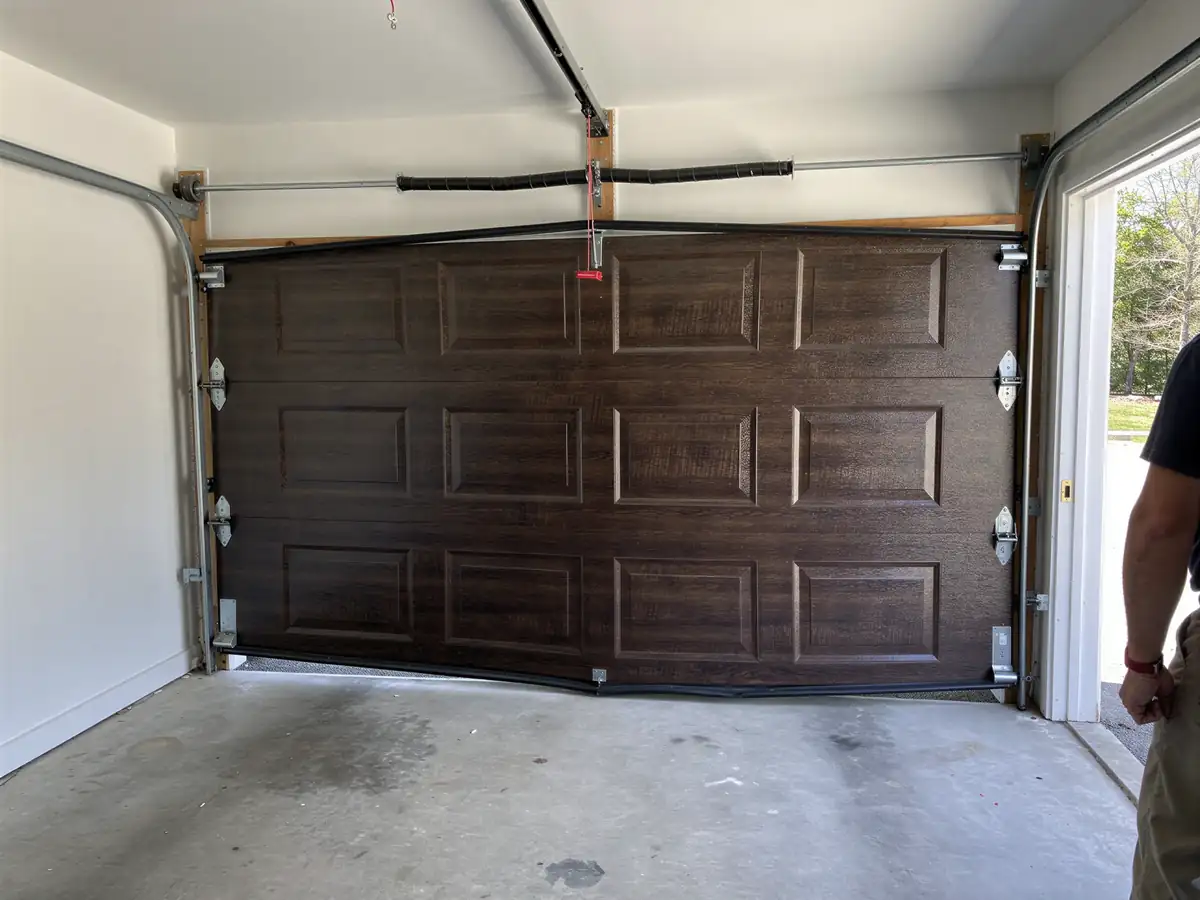
The other place this goes sideways is when a bad opener is actually a symptom, not the problem. If the door is heavy to lift by hand with the opener disconnected, the opener isn't failing - a spring is losing tension, and no amount of opener work fixes that. We see this a fair amount given how much of the housing stock here dates to the 1960s and 70s: original springs are long past their cycle life, and installing a fresh opener on a spring that's two years from breaking is money that doesn't last. At a median household income of $70,625 for this service area, we know most owners want the repair that actually lasts, not the one that's cheapest this month, and we'll say so even when it means a bigger job than the one you called about.