Serving Snellville, GA & nearby
(770) 230-5953
Snellville, GA

When the Power Blinks and Your Opener Won't

Snellville Garage Door Pros on why opener motors stall after power cuts in this area's 1960s-70s homes, what to check yourself, and when the logic board needs a truck.

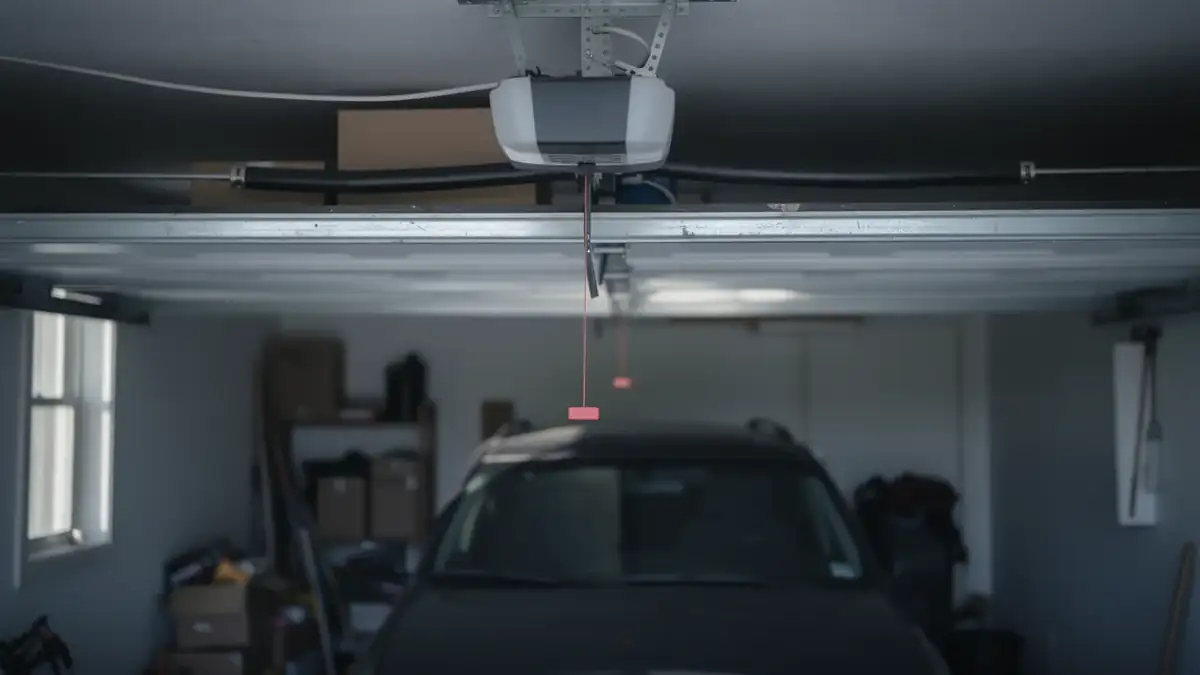
A garage door opener is mounted to the ceiling above a parked car.

When to Call Someone

If the opener clicks when you press the button but the motor never engages after a power cut, don't keep hitting the wall switch. That repeated cycling is what finishes off a logic board that a brief outage already stressed. Call if you smell anything hot near the motor housing, if the wall console shows a blinking light pattern that won't clear, or if the opener runs the carriage partway and reverses every time - that's usually a board reading a bad signal, not a mechanical jam.

Also call if this has happened more than once this season. A house built in 1978 wasn't wired with a surge-protected circuit for the garage, so a power cut followed by a hard restart is what fries an aging logic board. One failure might be bad luck. Two in a winter means the board or the transformer inside it is already on its way out, and running it until it dies completely usually costs more than catching it now.

One thing we're straight about: we don't do panel or house-wiring work. If the breaker itself is bad or the garage circuit needs rerouting, that's an electrician's job, not ours - we handle the opener and the door side of it.

The Problem

Most houses on this side of Snellville went up between the 1950s and 2012, with the bulk of that stock dating to the 1960s and 70s, which means a lot of the openers out there are older chain-drive units installed before battery backup became standard equipment. When the power drops, even for a few seconds, these units lose their position memory and come back up confused - they don't know if the door is open, closed, or halfway.

With a median build year around 1978, plenty of these openers are on their second or third motor but still running off the original breaker box. A short outage shouldn't be a big deal on paper, but on circuits that old, the voltage doesn't always come back clean. That spike or sag on restart is harder on a logic board than the outage itself.

Across the older pockets of 1960s and 70s construction here, the garage circuit was sometimes shared with another room, so a kitchen appliance tripping a breaker can kill power to the opener too - and the homeowner assumes the opener failed when it was really the panel.

Checking It Yourself

  1. Before you call anyone, check the breaker panel first

    Flip the breaker that feeds the garage fully off, then back on - don't just reset it from an already-tripped position, push it all the way to off first. If it trips again immediately, stop there; that's an electrical problem, not an opener problem.

  2. Next, check the outlet the opener plugs into, if it has its own cord

    Many garages have a GFI outlet, and a tripped GFI looks exactly like a dead opener - there's a small reset button on the outlet itself, often behind the unit.

  3. If power is confirmed good, look at the wall console

    Most units blink an error code through the status light when they lose power mid-cycle. Count the blinks if you can, since that number tells a tech what circuit inside the board is flagging before they even open the housing.

  4. Last, pull the manual disconnect cord and try lifting the door by hand

    If it moves smoothly, the opener is the issue. If it's heavy or catches, you've got a second problem - likely a spring - and that changes the whole call.

How Local Conditions Play In

Snellville's winters sit in a cold-moderate band, so a hard freeze is more likely to trip a breaker and cut opener power for an hour or two than to take the grid down for days. That short-outage pattern is actually harder on equipment than a long one - the motor and board go through a restart cycle, sometimes more than once in a night, and each restart is a small jolt to components that were never built with surge protection.

Cold also slows the capacitor that gives the motor its initial torque. On a morning after a freeze, you might hear the motor hum and strain before it catches, especially on a heavier door. That's not the power cut's fault directly, but it's the same cold snap doing double duty - stressing the grid and the motor at once.

We don't see ice storms here the way colder regions do, so we're not chasing frozen tracks or ice-sealed door bottoms often. The power-cut issue is really about older homes and older openers meeting short, sharp outages - not about the cold damaging the door itself.
How it works

From “it’s stuck” to “it’s fixed”

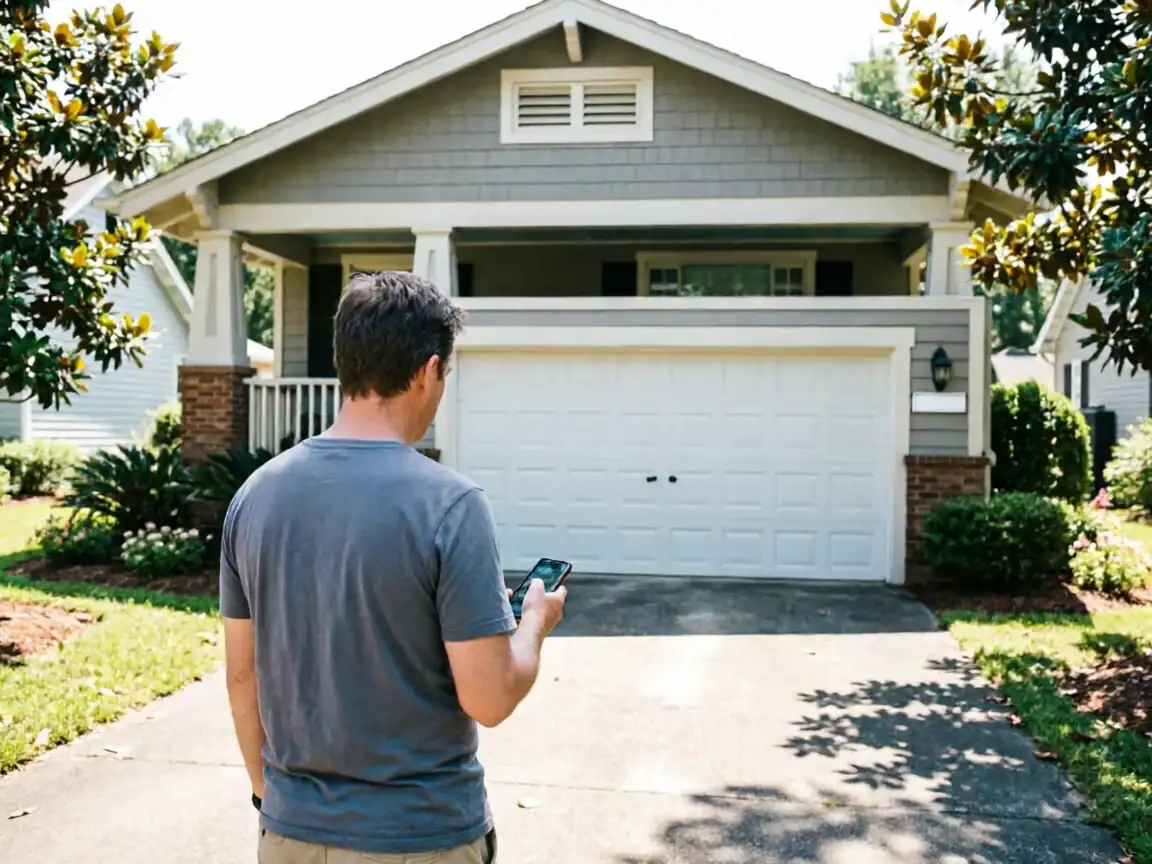
A man stands in a driveway holding a phone, facing a white garage door.

Tell us what’s wrong

Describe the symptom - won’t open, loud bang, opener runs but the door won’t move.

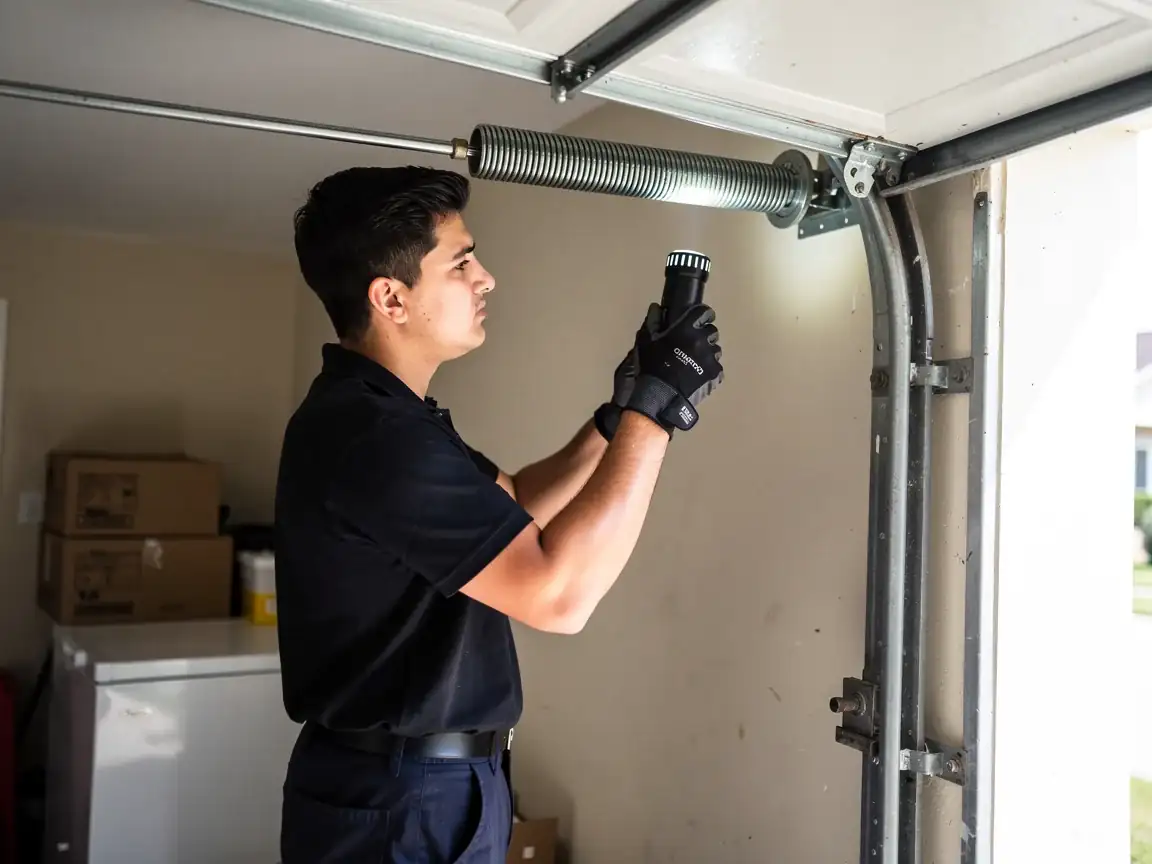
A technician shines a flashlight on a garage door torsion spring.

On-site diagnosis

A technician tests the door under power and by hand and finds what actually failed.

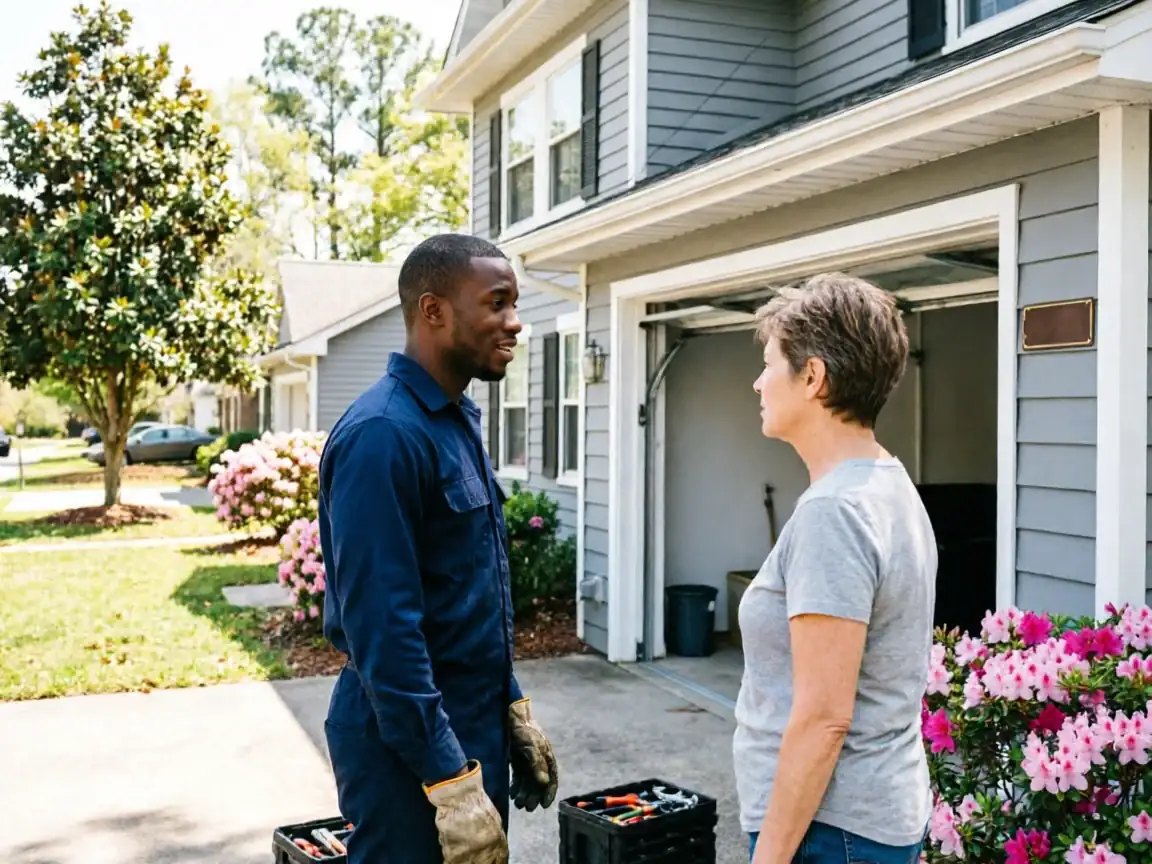
A technician in a blue uniform talks to a woman in front of a garage.

Clear, up-front plan

You get the fix that’s needed and what drives the cost - before any work starts.

A technician in gloves is working on the inside of a garage door.

Repaired & tested

The repair is done, the door is set true and tested, and the work area left clean.

Not sure which repair your door needs in Snellville, GA? Describe what it’s doing - every job starts with a diagnosis.

How we work

What to expect

Diagnosis firstEvery visit starts by finding what actually failed - not a pre-written parts list.
The right part for the doorSprings and openers matched to the door’s weight and age, so the fix holds up.
Straight answersWhen a repair makes more sense than a replacement - or the reverse - you hear it plainly.
Clean, careful workTension released safely, hardware set true, the door tested under power before we leave.
What we do

Garage Door Services

Repair and installation work for Snellville homes and businesses.

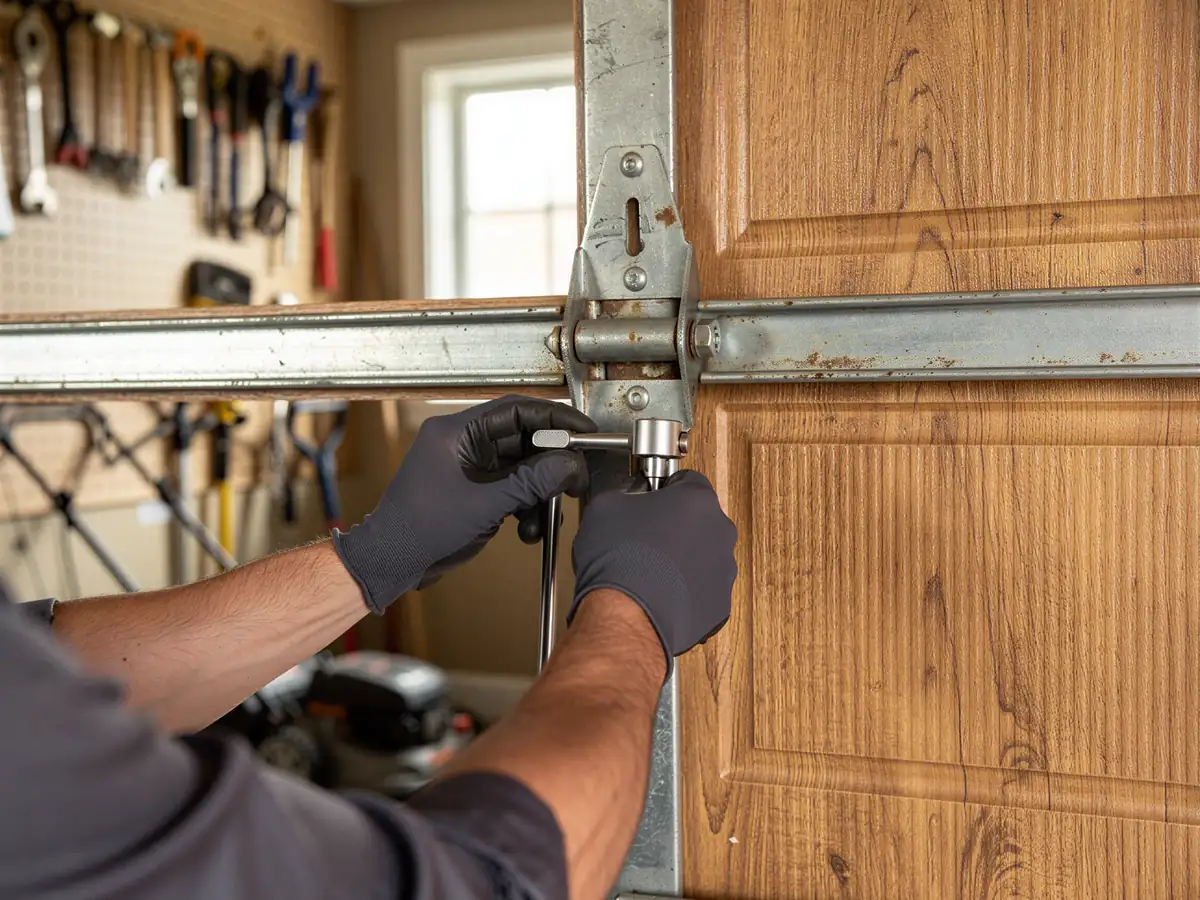
A technician in black gloves adjusts a garage door hinge with a wrench.

Garage Door Repair

Garage door repair in Snellville, GA for homes built from the 1960s to the 2000s, where cold snaps and aging torsion springs cause most of the calls we get.

Learn more
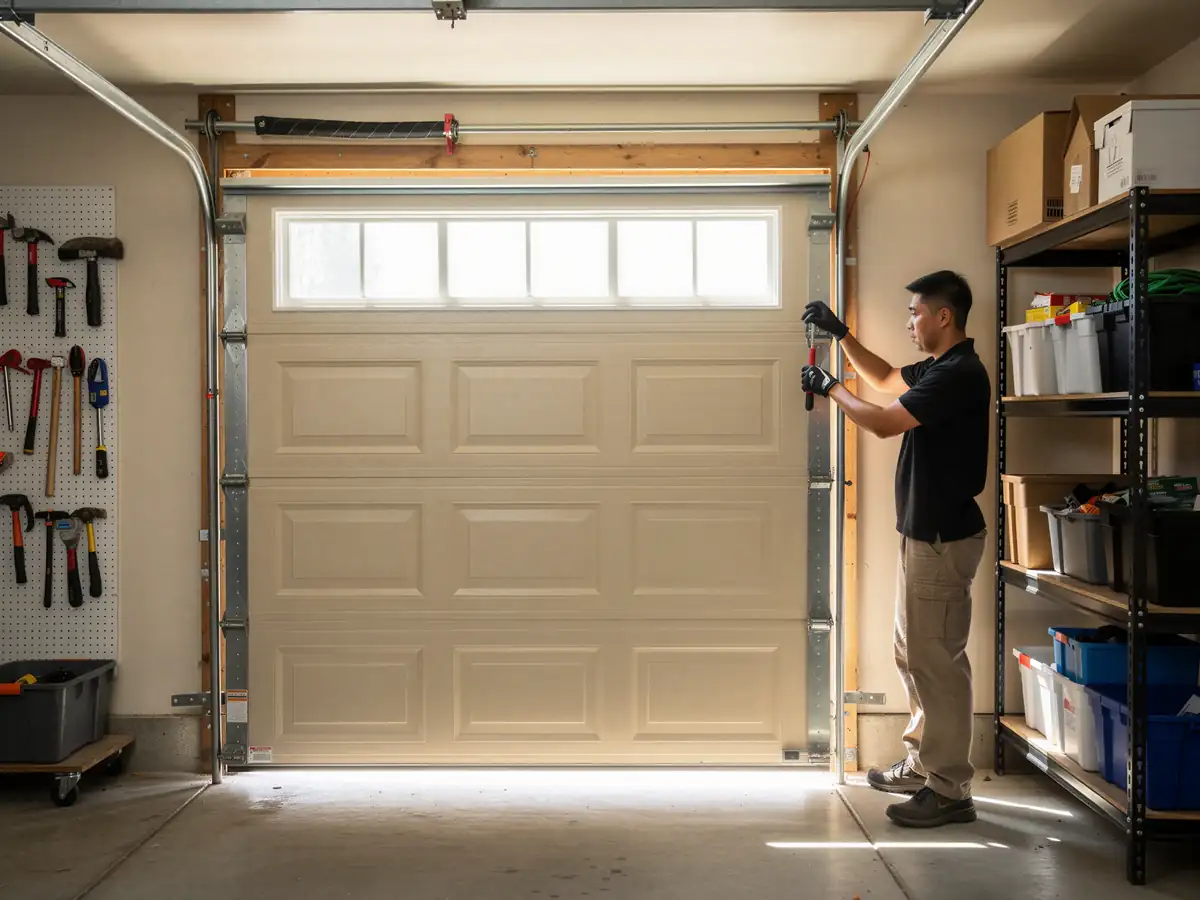
A technician in black gloves adjusts a beige garage door with windows.

Garage Door Installation

Garage door installation for Snellville homes built 1951-2012, matched to the track, header, and opener setups common in this area's housing stock.

Learn more
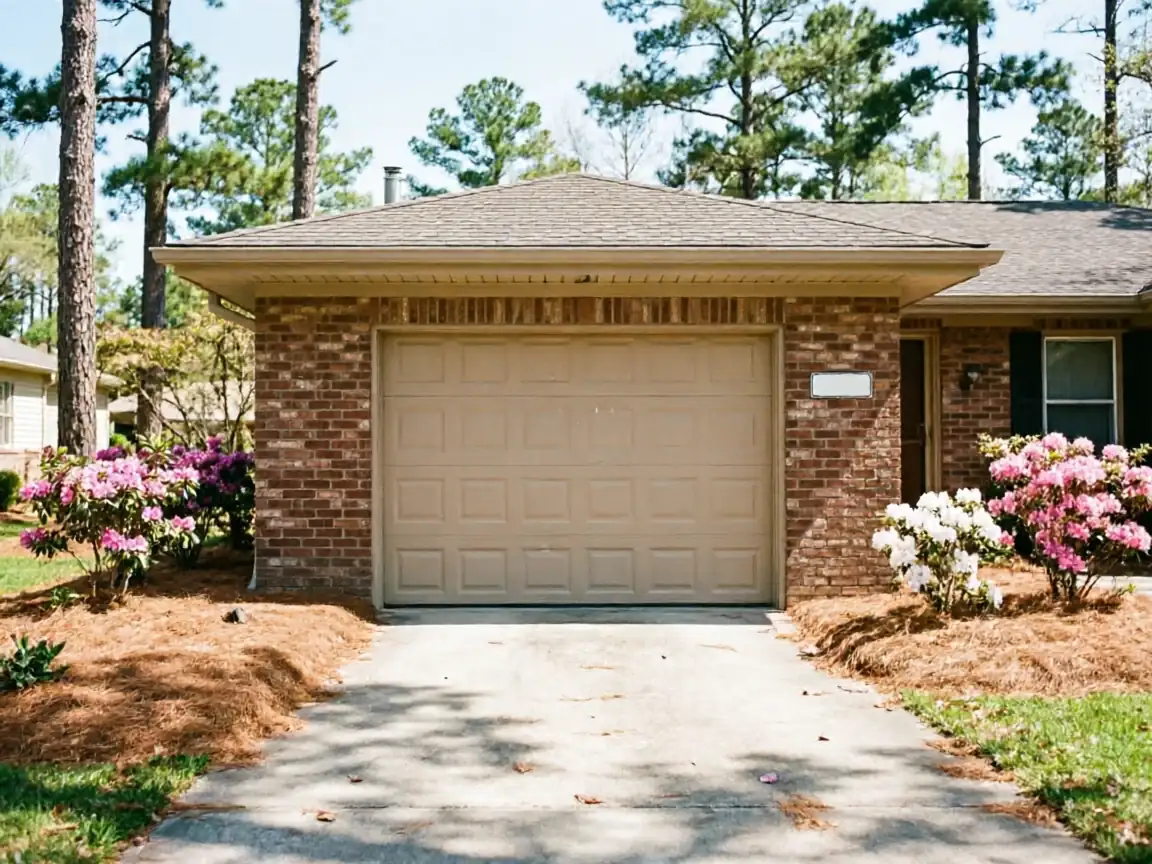
A tan garage door is on a brick house with a driveway and landscaping.

Garage Door Service

Snellville homeowners with 1960s-70s torsion spring doors: why DIY fixes on original hardware fail, and how a cold snap turns a loose spring into a dead door fast.

Learn more
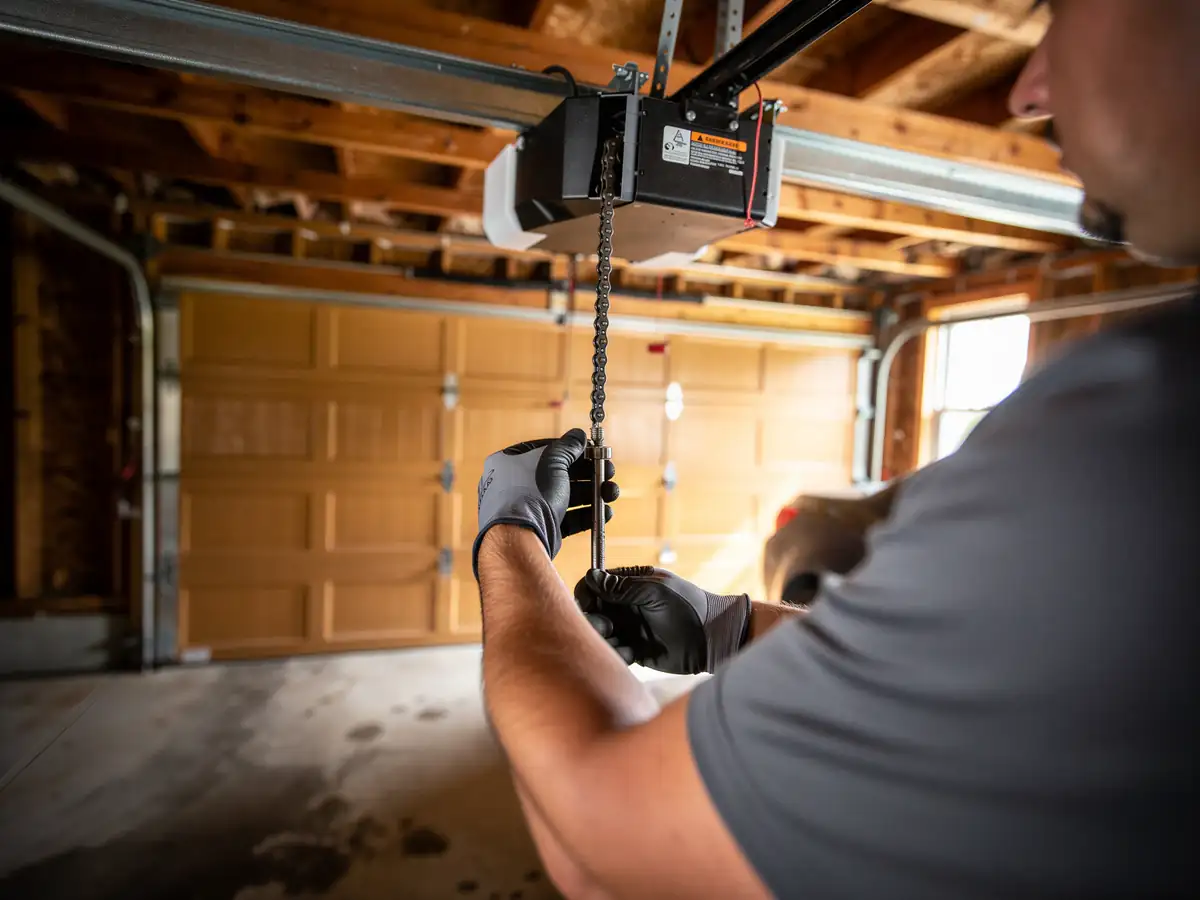
A technician in gloves adjusts the chain on a garage door opener.

Opener Repair

Opener grinding, reversing, or dead on a house built between 1951 and 2012? We fix chain, belt, and screw-drive openers across the Snellville service area.

Learn more
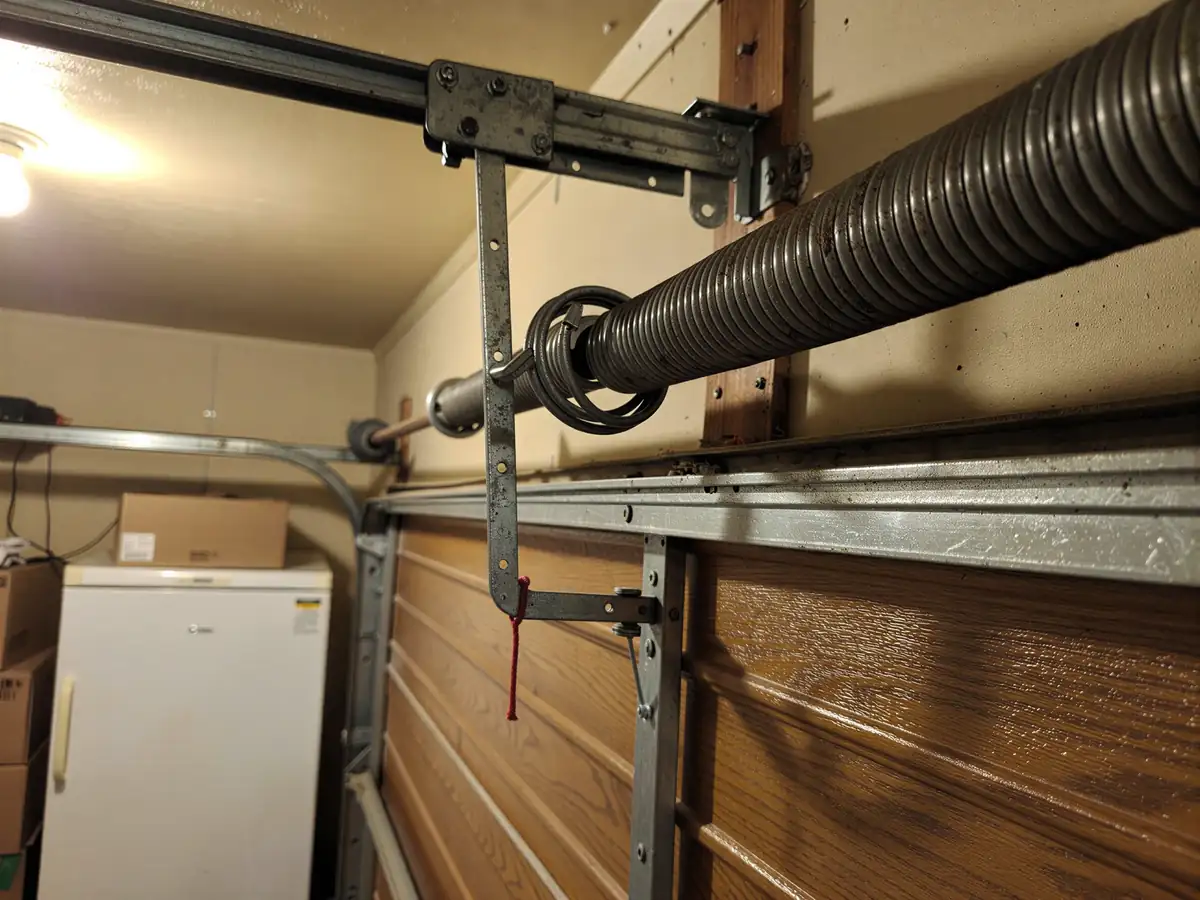
The torsion spring is mounted above a wooden garage door.

Spring Repair

Snellville's 1960s-70s housing stock runs original torsion springs most owners don't recognize as a two-part counterweight system. Here's why DIY spring repair fails here.

Learn more
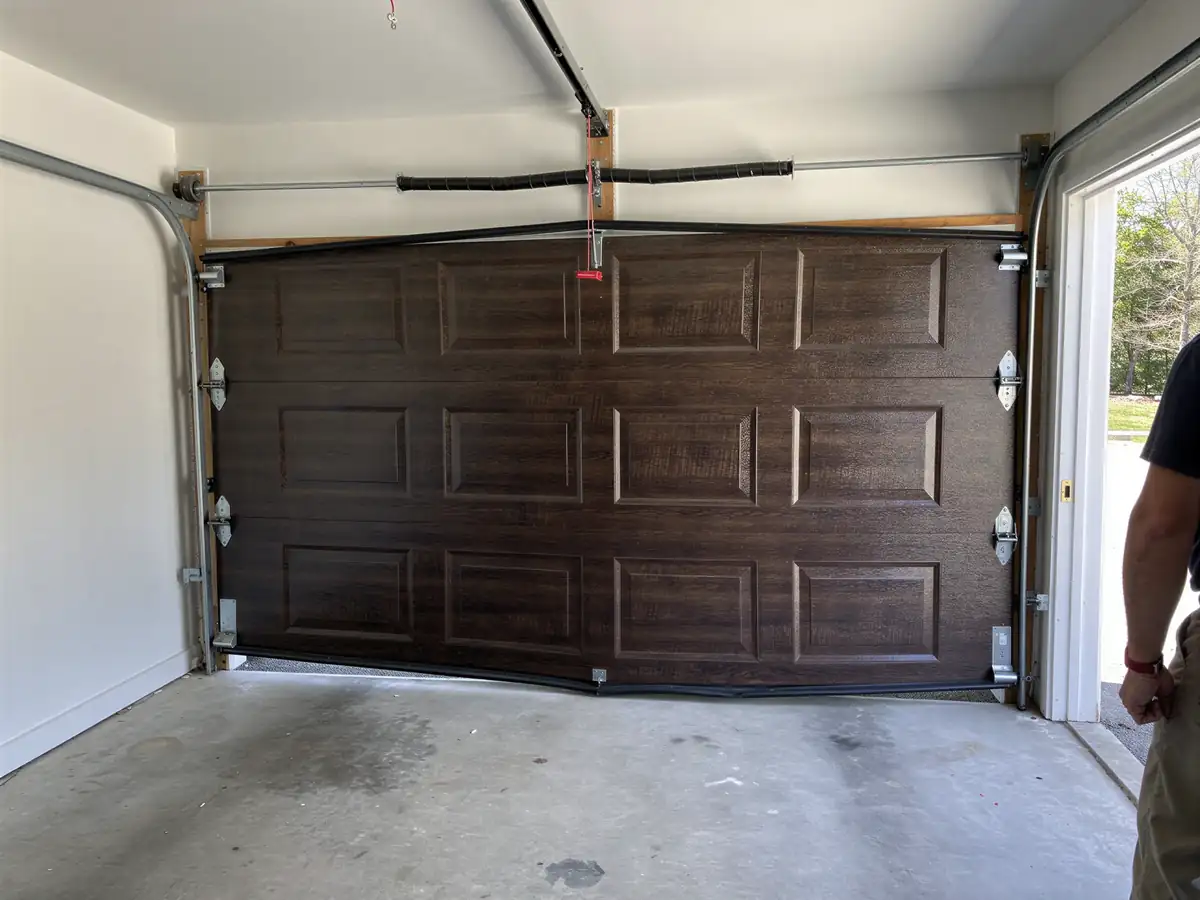
A dark brown garage door is off its tracks and partially open.

Off-Track Repair

Snellville homes built from the 1960s through the 1990s share the same track and roller setups that slip off alignment. Here's why, and what fixing it right actually takes.

Learn more
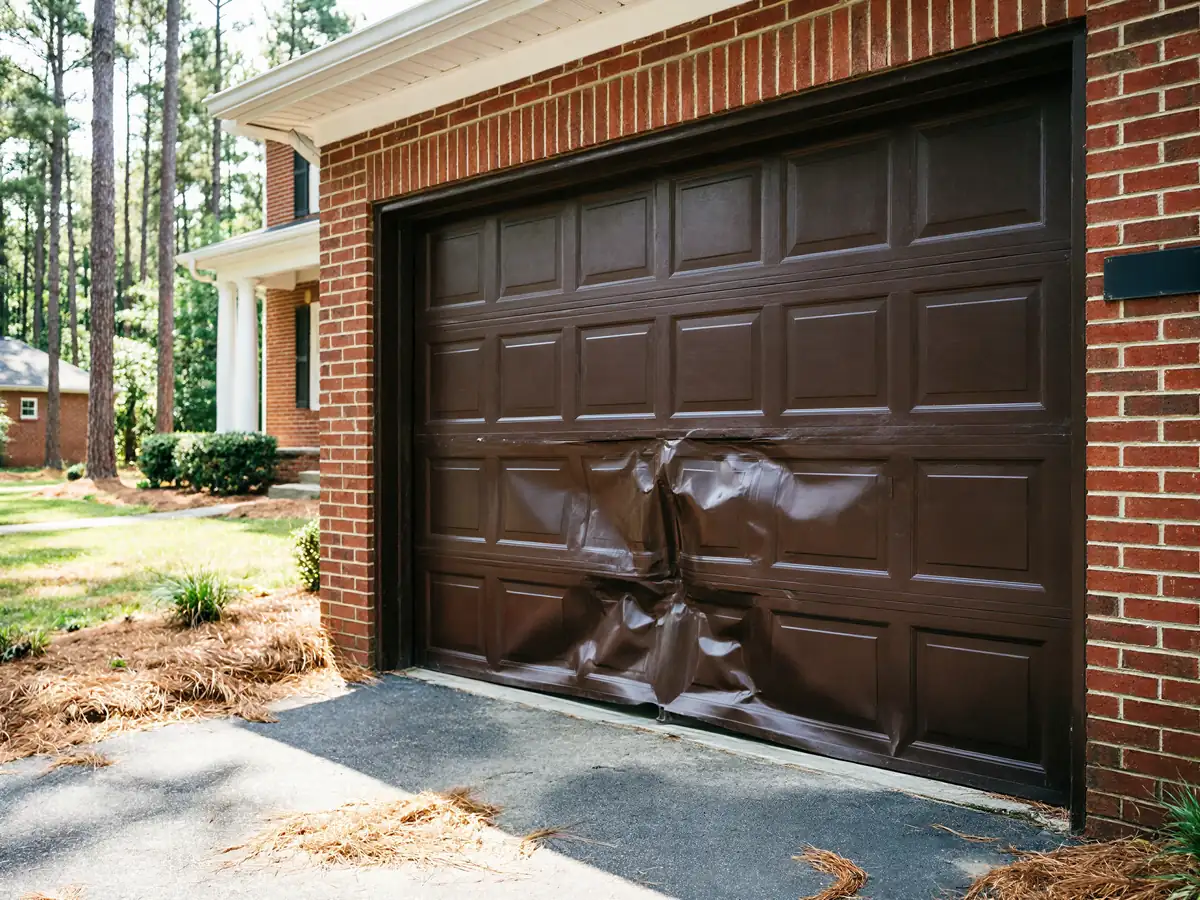
A brown garage door on a brick house is severely dented.

Panel Replacement

Panel replacement for Snellville garage doors built in the 1960s-70s housing boom: how cold-weather cycling cracks and dents steel sections, and when to replace vs. patch.

Learn more
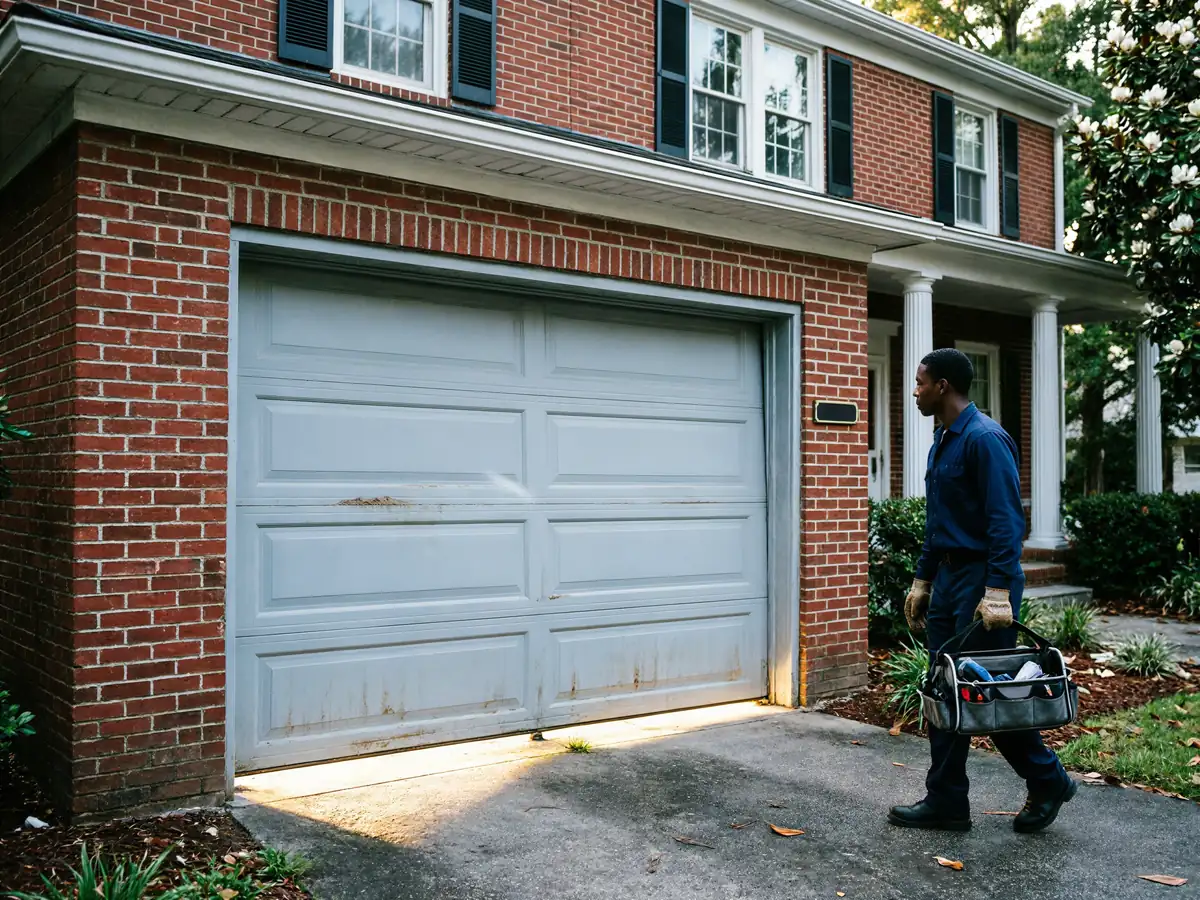
A technician carries a toolbox past a gray garage door on a brick house.

Emergency Garage Door Repair

Spring snapped, door stuck shut, opener dead at the worst time. Snellville Garage Door Pros covers emergency repair across the service area, day or night.

Learn more
Questions

Frequently asked

Straight answers about garage door repair in Snellville. Still unsure? Ask us directly.

My opener worked fine before the outage and now it won't respond at all. What's going on?

That usually means the logic board lost its reference point mid-cycle and locked up, or the outage itself damaged the board on restart. Check the breaker first to confirm power is actually reaching the unit, then check for a blinking error light on the wall console before assuming the motor itself is dead.

Should I add a battery backup to my opener?

If your opener is original to a 1960s or 70s build, it likely doesn't have one built in, and a standalone backup unit can be added to most chain or belt drives. We can tell you if yours supports it, but we don't carry every backup model on the truck, so there can be a short wait on parts.

Is it the power cut or the cold that's hurting my opener?

Usually both at once. The cold strains the motor's starting capacitor, and a cold-weather outage forces a restart on a circuit that was never built with surge protection. Neither alone is usually fatal, but the two together on an older board is what we see fail most.

Ready to get your garage door sorted?

Tell us what it’s doing and where you are in Snellville - we’ll take it from there.

Request a QuoteCall