What Was Built Here
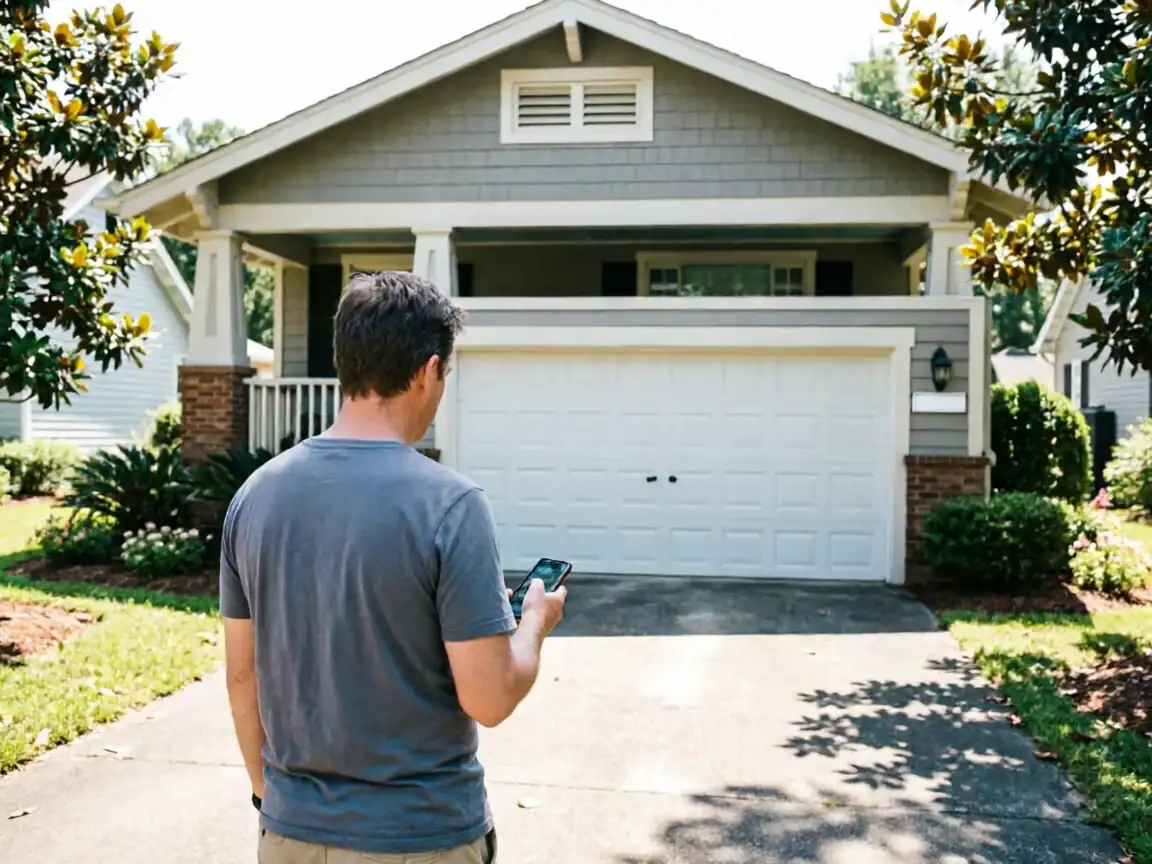
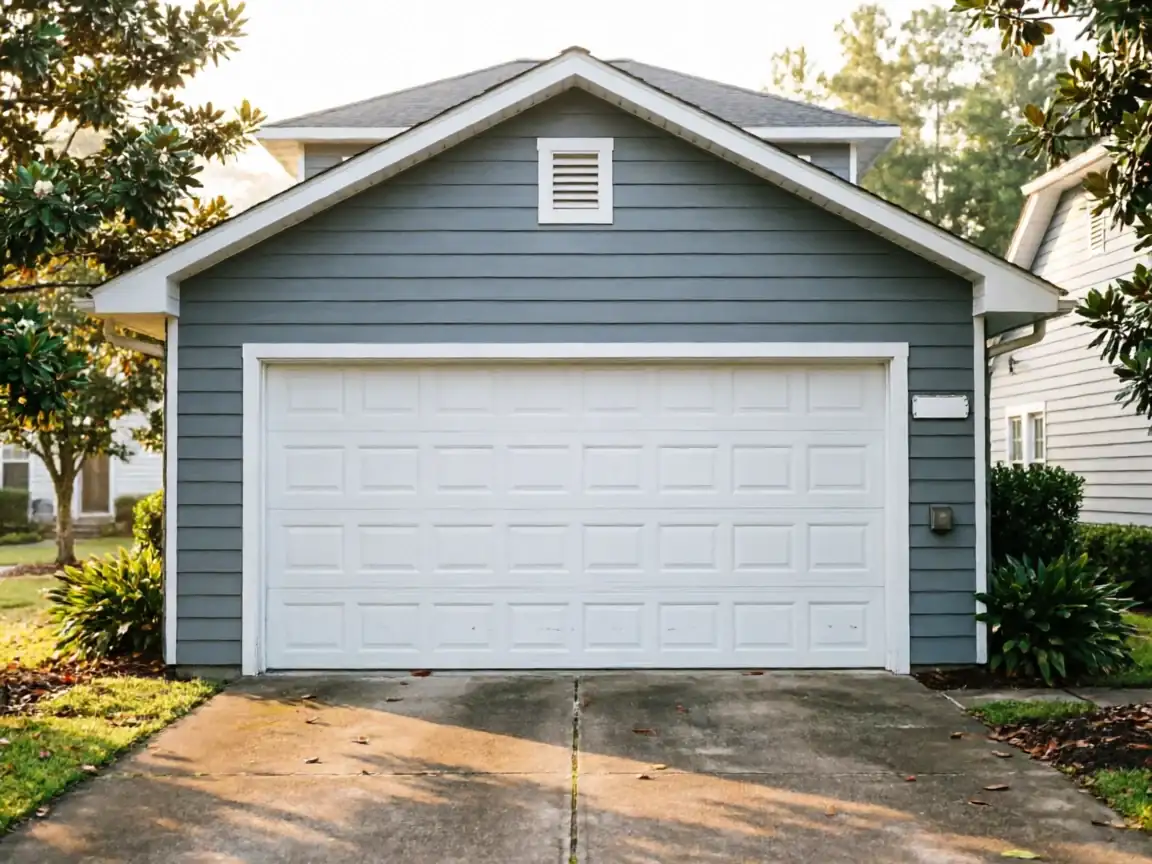
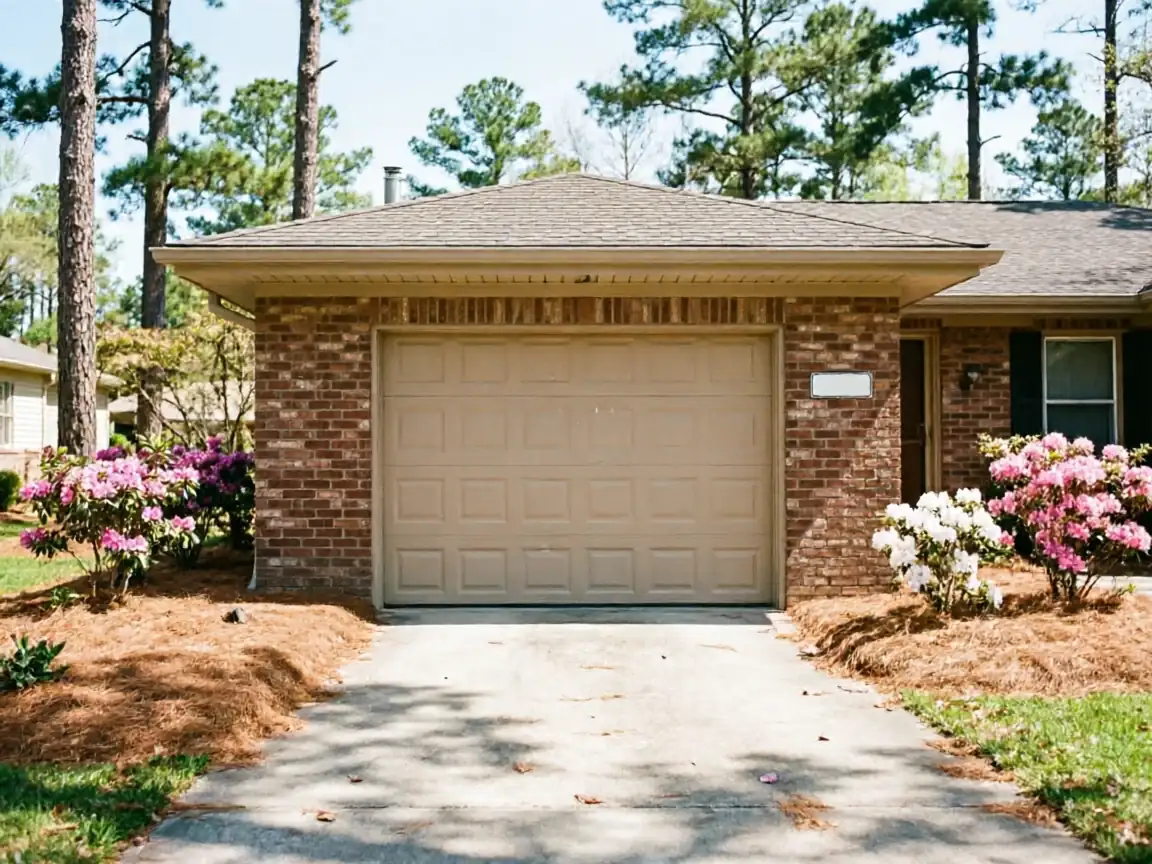
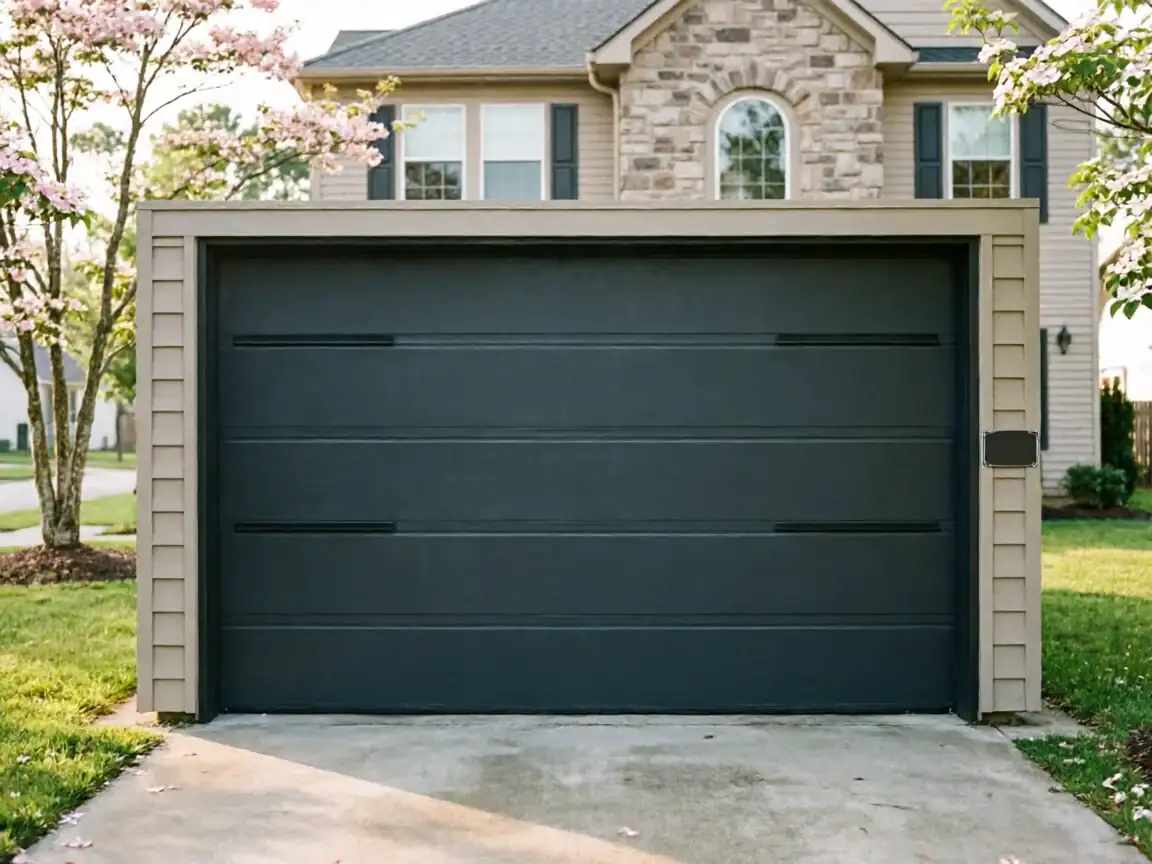
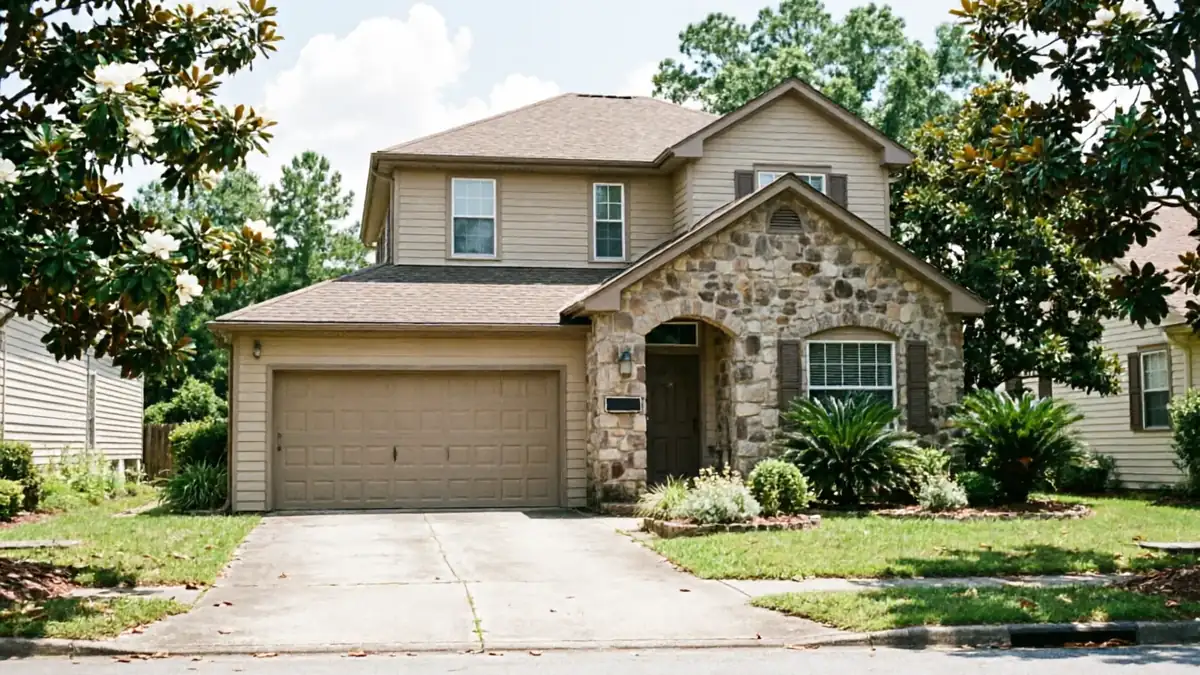
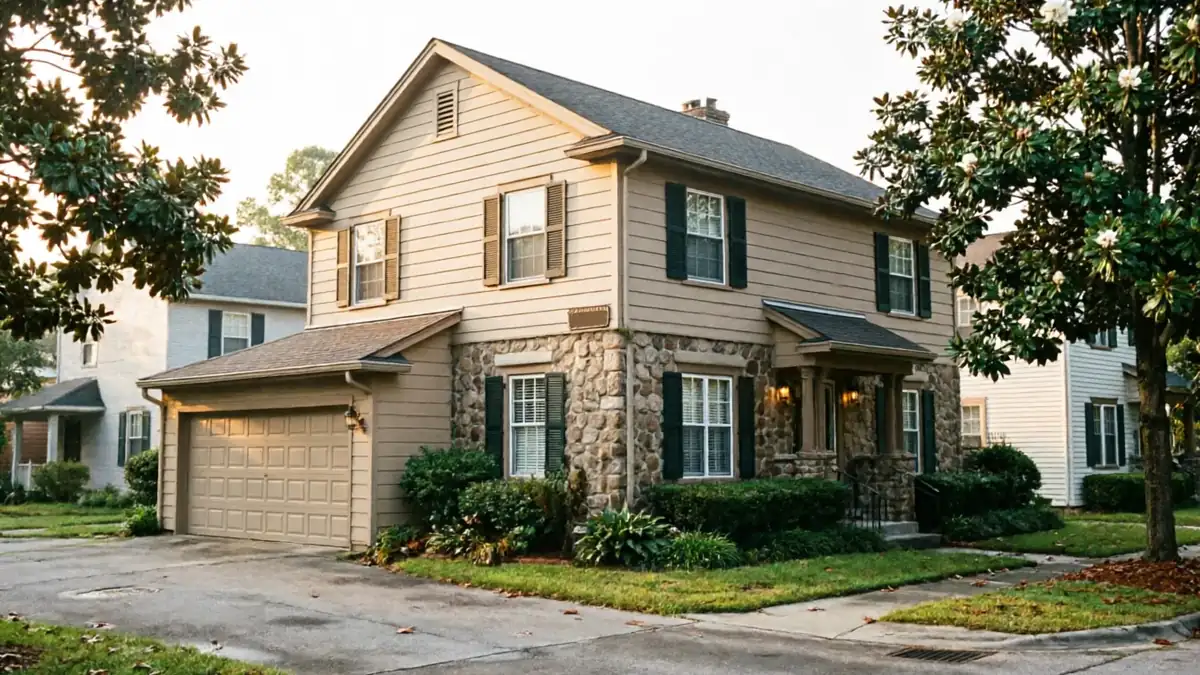
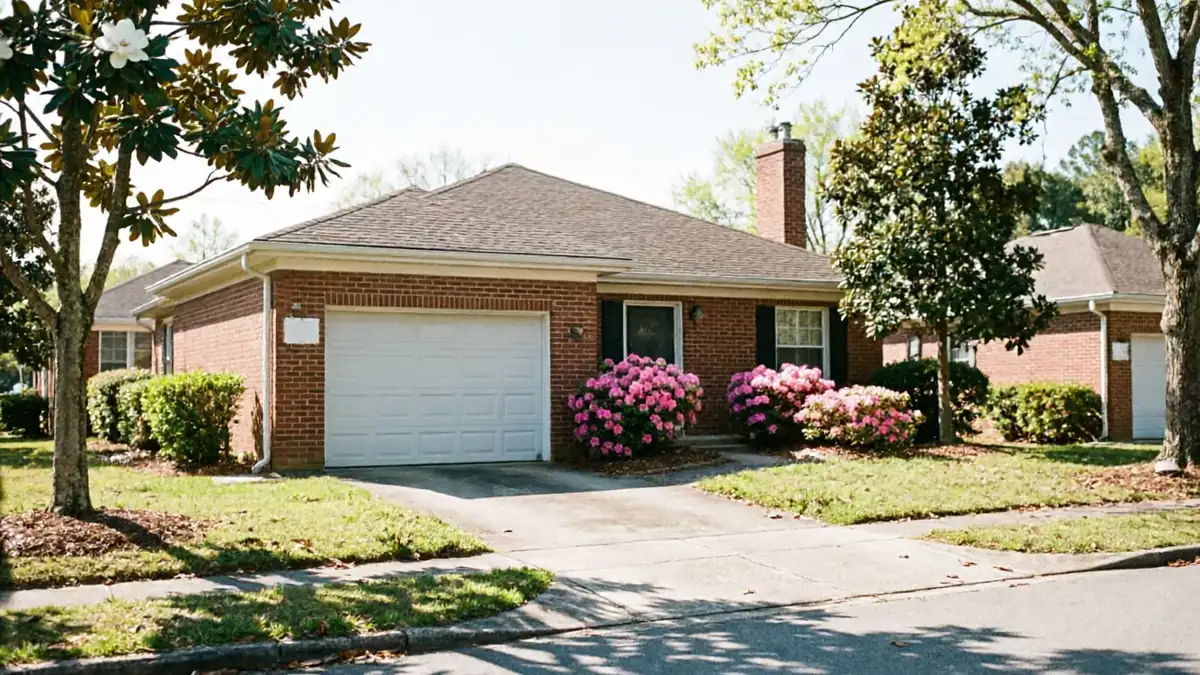
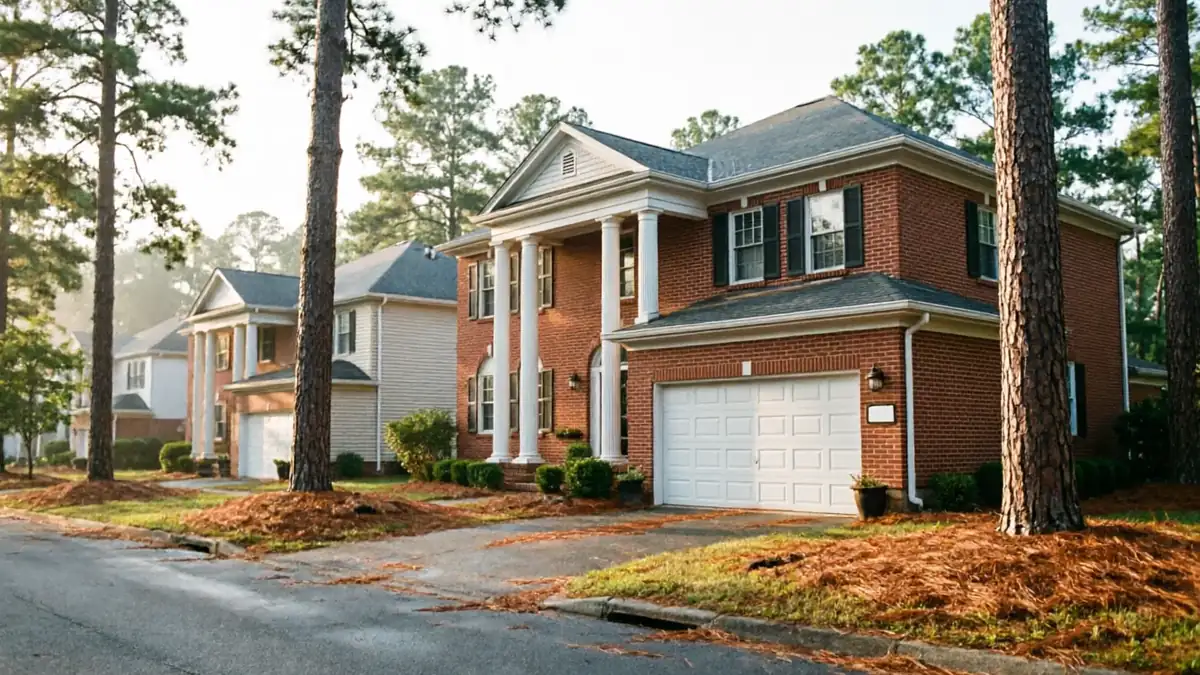
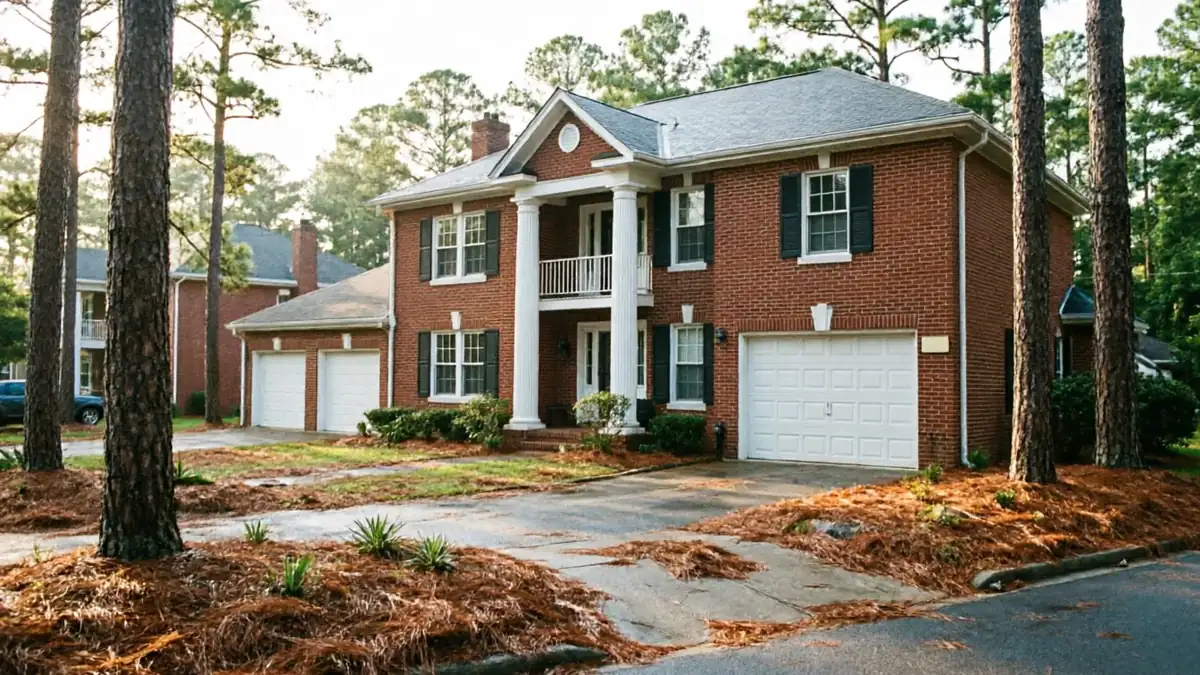
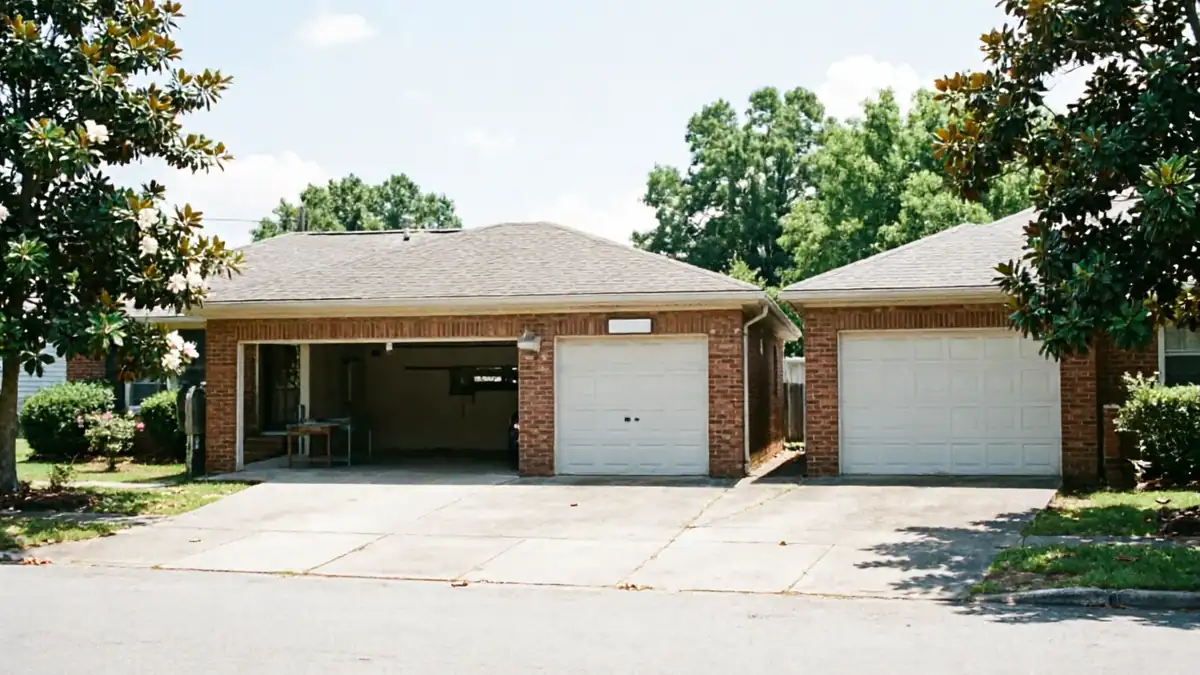
Dacula sits about 10 miles from our shop in Snellville, and the housing stock out here looks different from a lot of the area we cover. The broader service area runs from houses built in 1951 up through 2012, with a median around 1978 and a lot of that older stock concentrated in neighborhoods that went up in the 1960s and 70s. Dacula skews newer. The median year built here lands around 2001, which puts most garages in this area a full generation ahead of the torsion setups we see in the older pockets. That matters because a 2001-era door isn't fighting the same battles as a 1968 door. You're less likely to find a one-piece door on side-mounted hardware and more likely to find a sectional steel door on a standard extension or torsion spring setup, often still running the original opener if nobody's upgraded it. The 2,223 households in this part of the coverage area are mostly dealing with wear-and-tear issues rather than the parts-no-longer-made problems that show up on the oldest doors in the territory. That's a real difference, and it changes what we bring on the truck before we even get there.
What We Will Not Take On
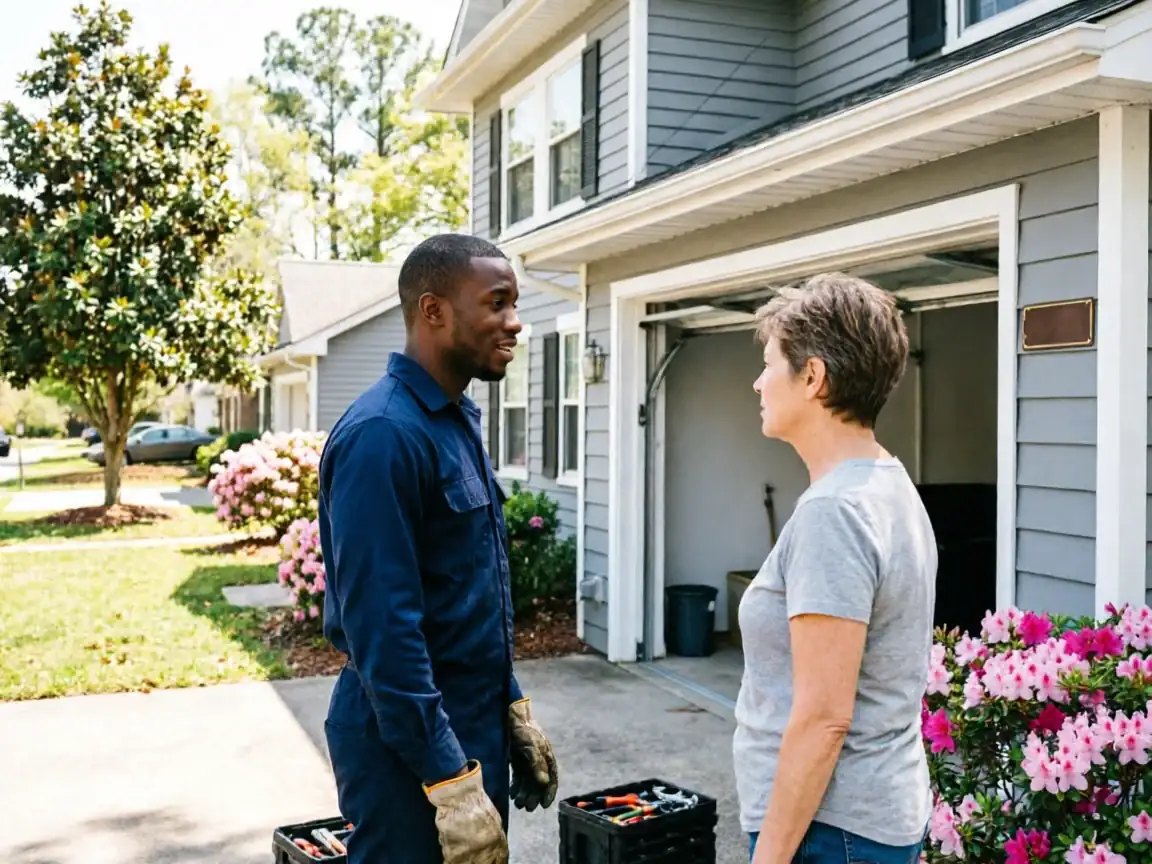
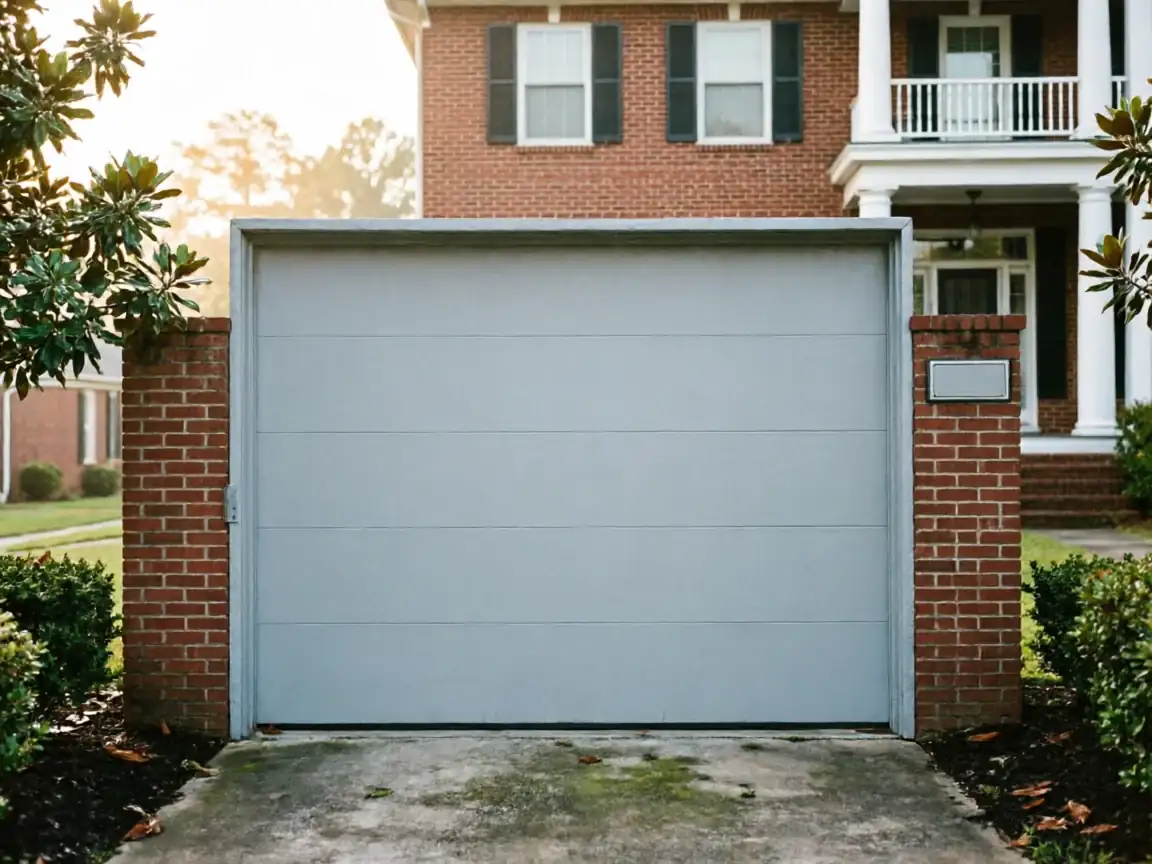
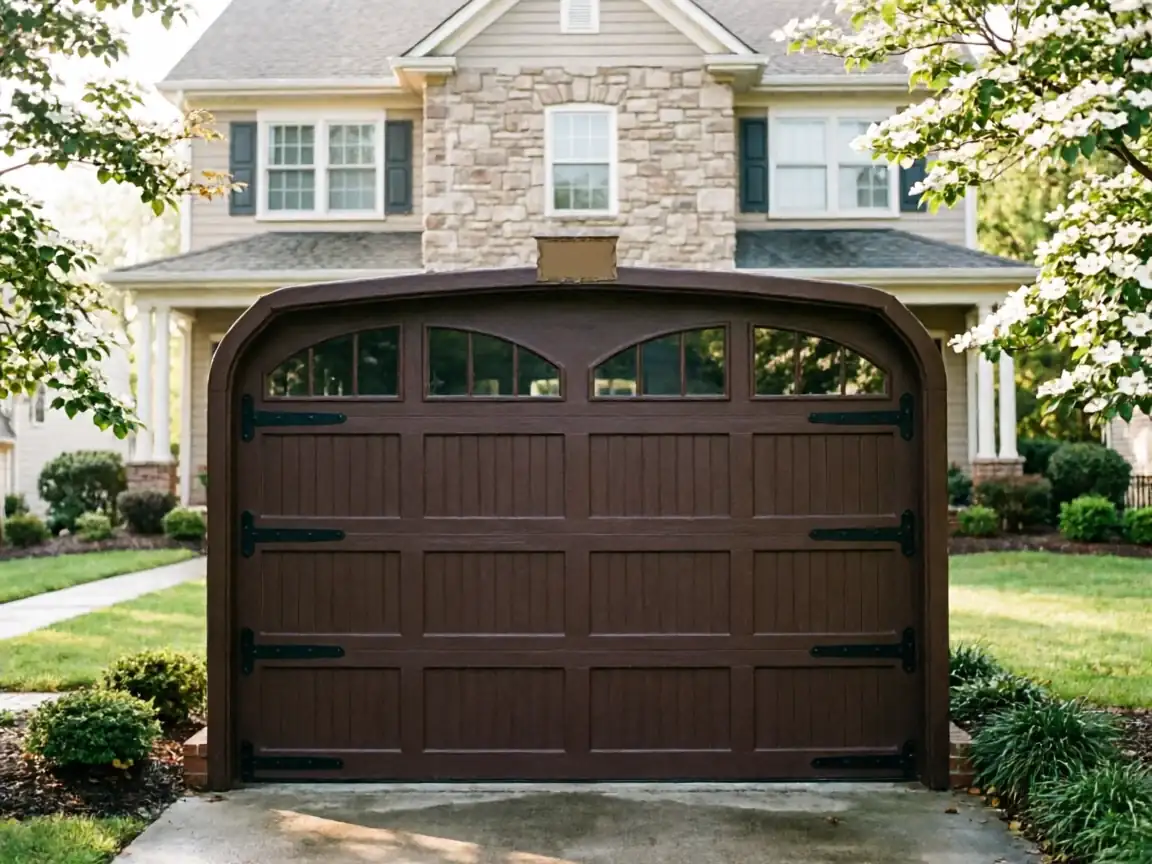
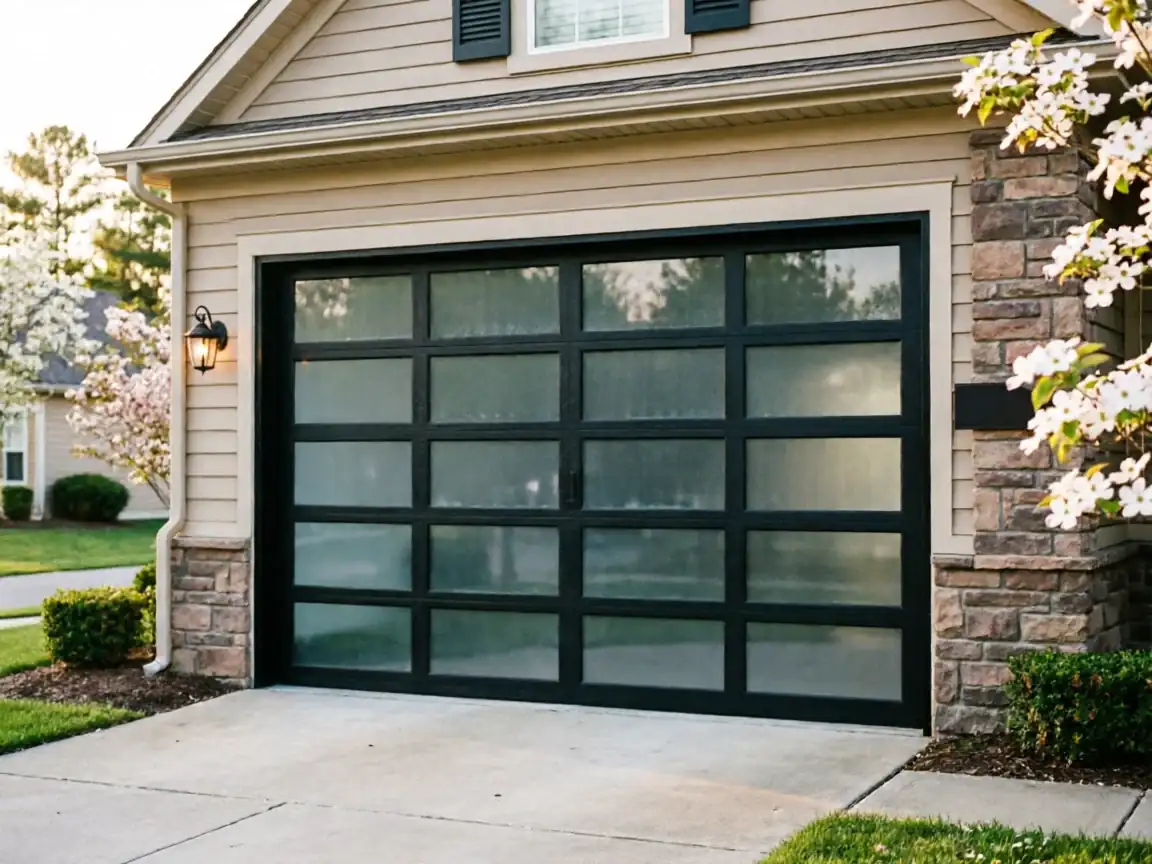
We don't keep a depot in Dacula. We run out from Snellville, which means we're not the crew to call if you need someone standing by in twenty minutes. If a door is in genuinely rough shape - rotted jamb, frame pulled off the header, a track bent badly enough that the whole bottom section needs to come apart - we'll tell you that on the phone or at the door rather than stringing out a repair that won't hold. Replacement sometimes beats fixing, especially on a door that's already had two or three spring failures; patching it again just delays the real cost. We also won't guess at a part number over the phone for an opener model we haven't seen in person, since misordering a board or logic unit wastes everyone's time. If your situation needs a specialty door - commercial rolling steel, something custom beyond standard residential sizes - that's outside what we handle well, and we'd rather say so up front than take the job badly.
How That Shows Up in the Door
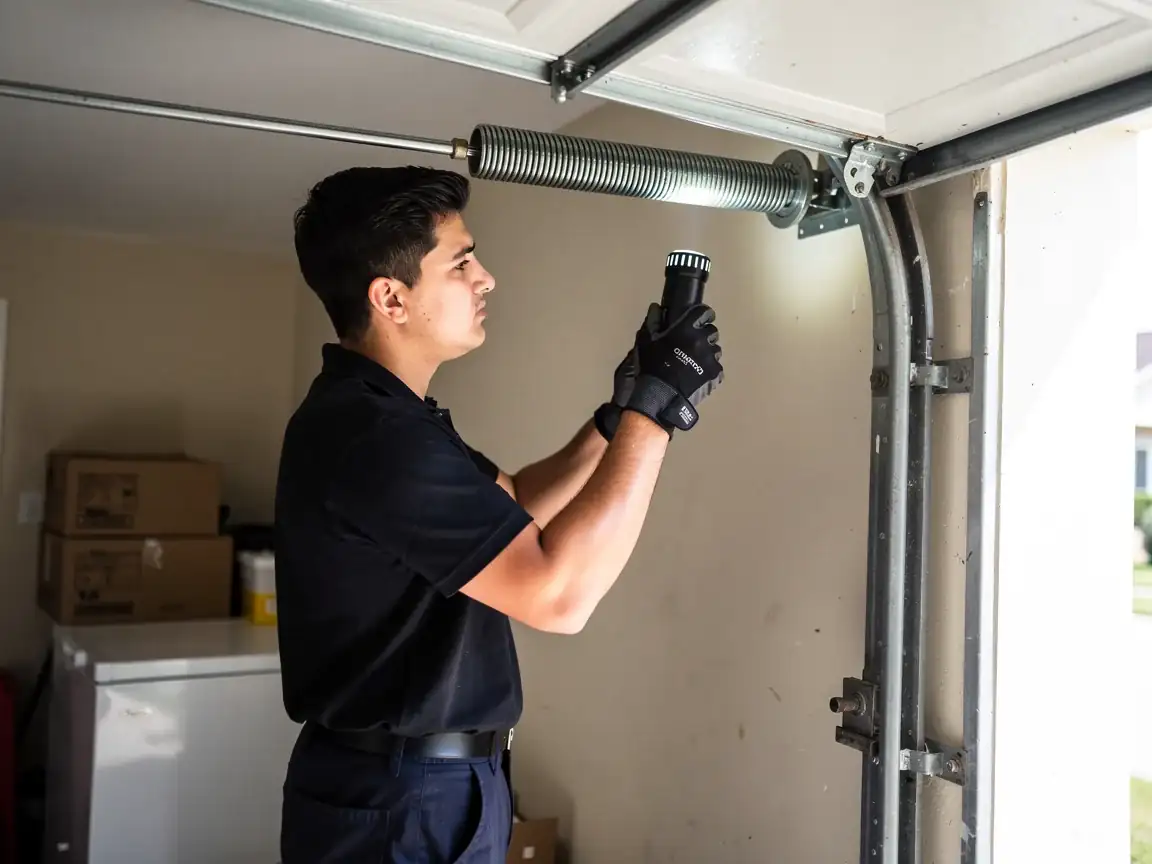
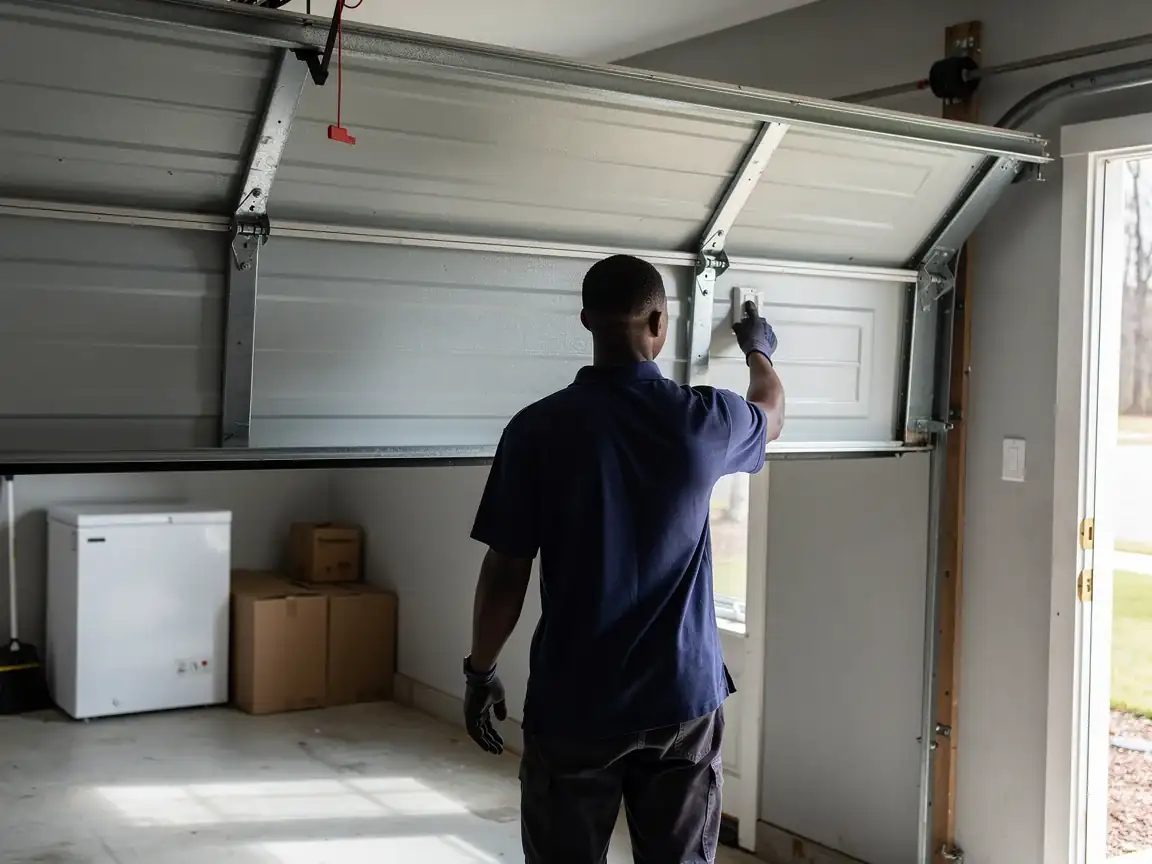
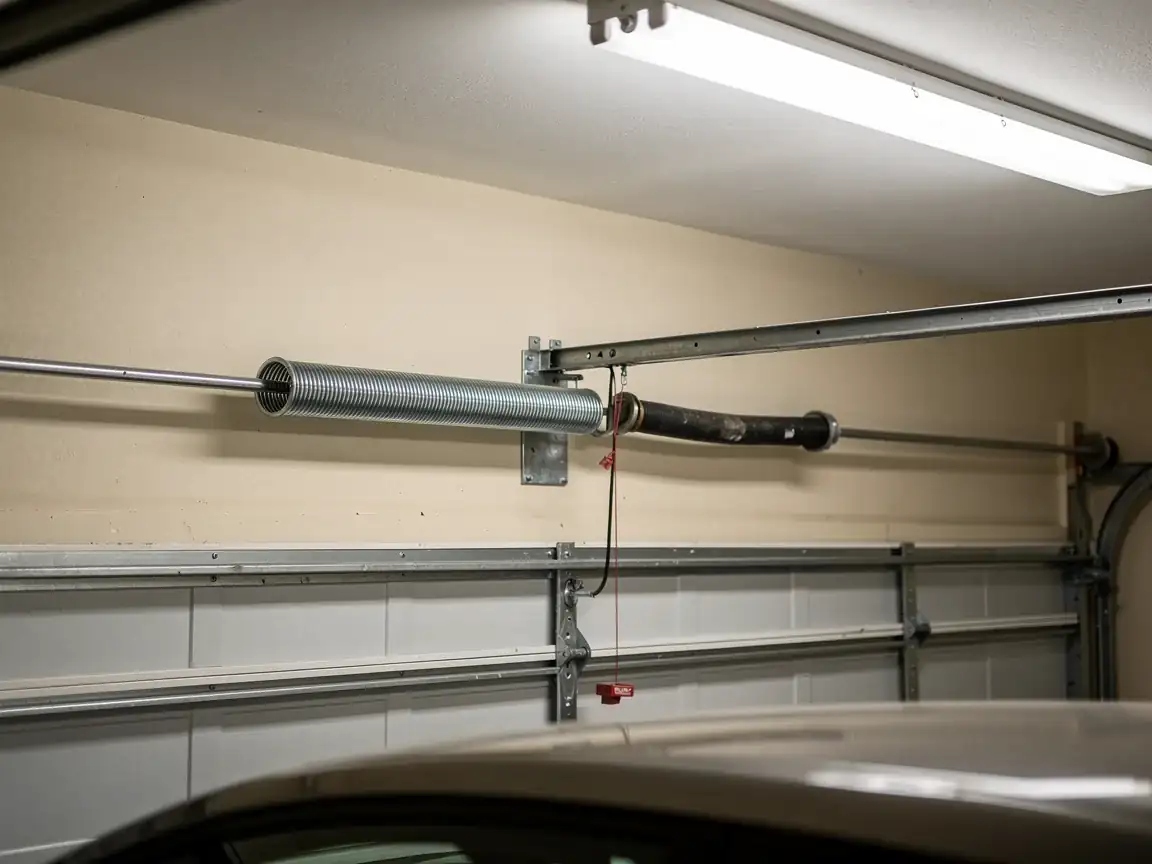
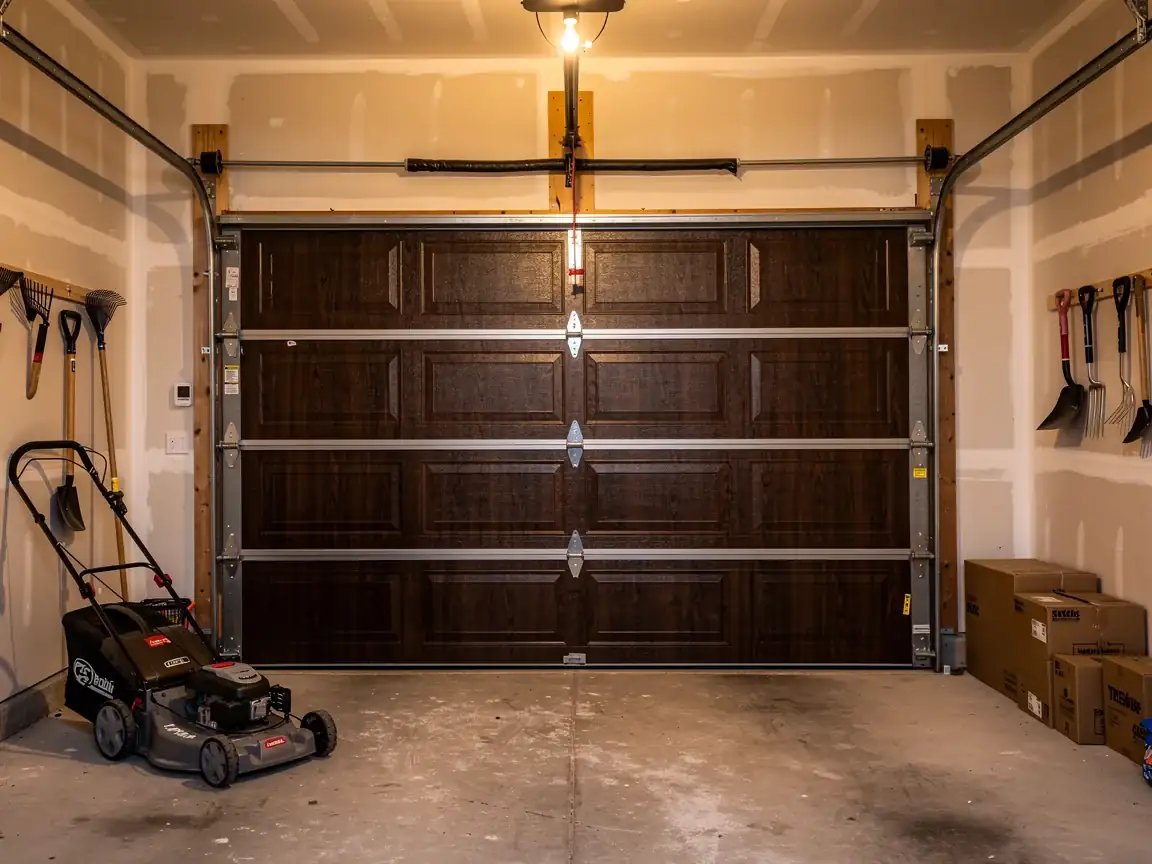
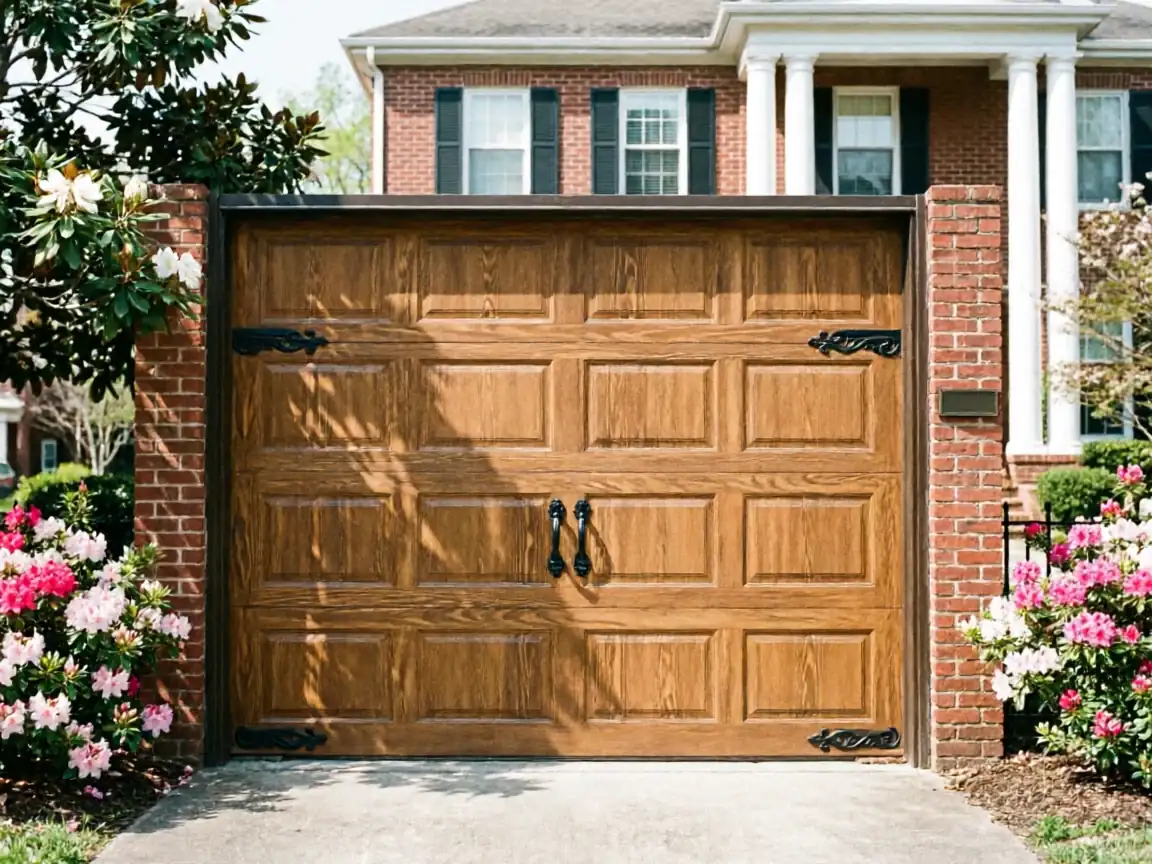
On a door built around 2001, the common failure is a worn torsion spring that's simply reached the end of its cycle count, a slipped cable off a pulley, or a opener motor and gear set that's finally giving out after two decades of regular use. These are straightforward fixes - not the frozen, rusted-shut hardware you find on a door that's sat unmaintained since the Carter administration. Rollers on newer doors are usually nylon rather than the old steel rollers that grind down bearings faster. The result is that most Dacula service calls we take are mechanical wear-and-tear jobs: spring replacement, cable re-seating, sensor alignment, or an opener swap, rather than structural rebuilds. With a median household income around $74,900 in this part of the area, replacement parts and openers are often a reasonable call rather than a stretch, which is worth knowing before you decide whether to repair or replace.