Doing It Yourself
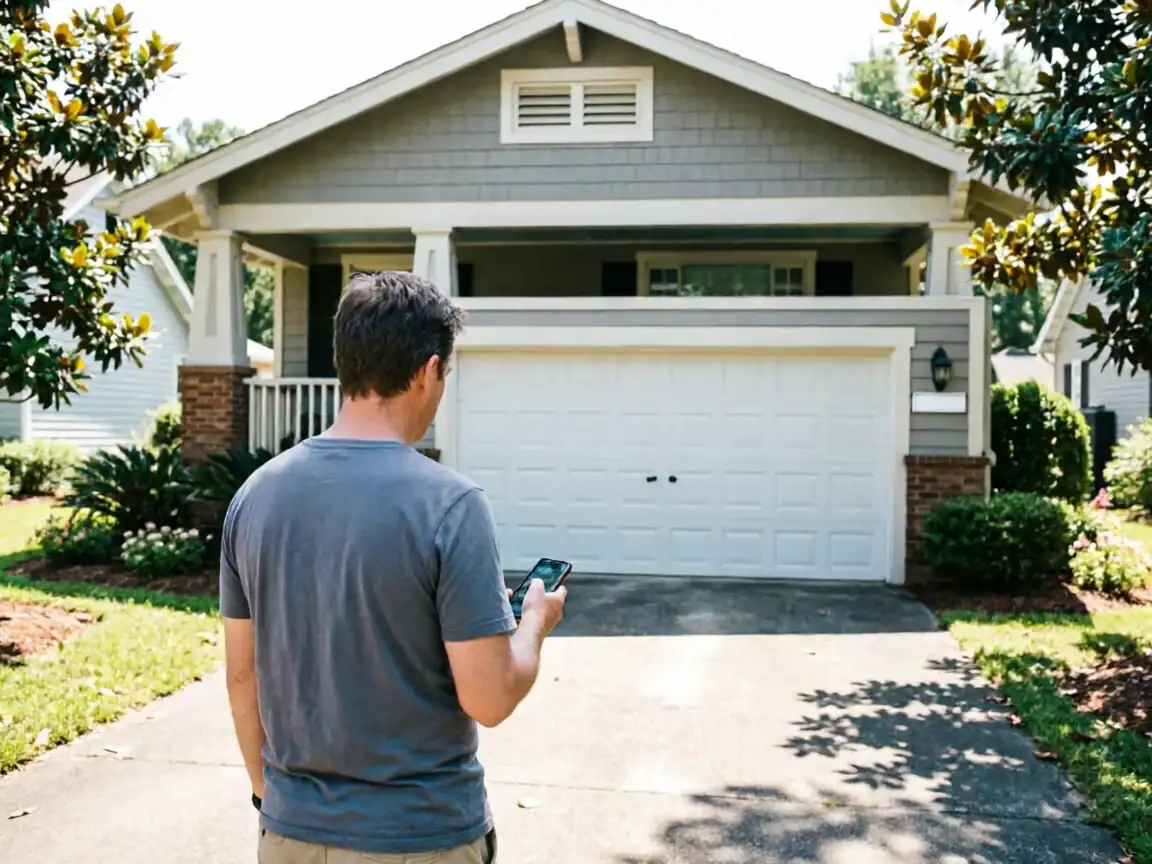
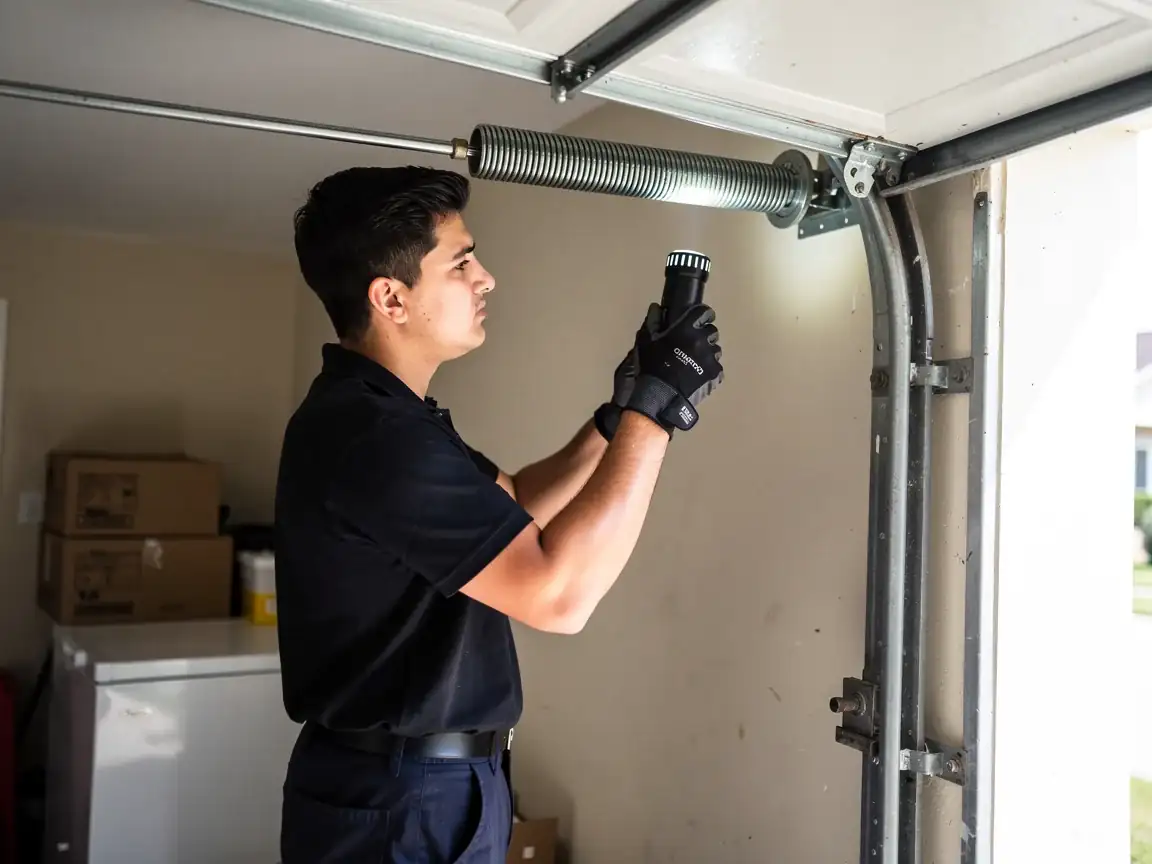
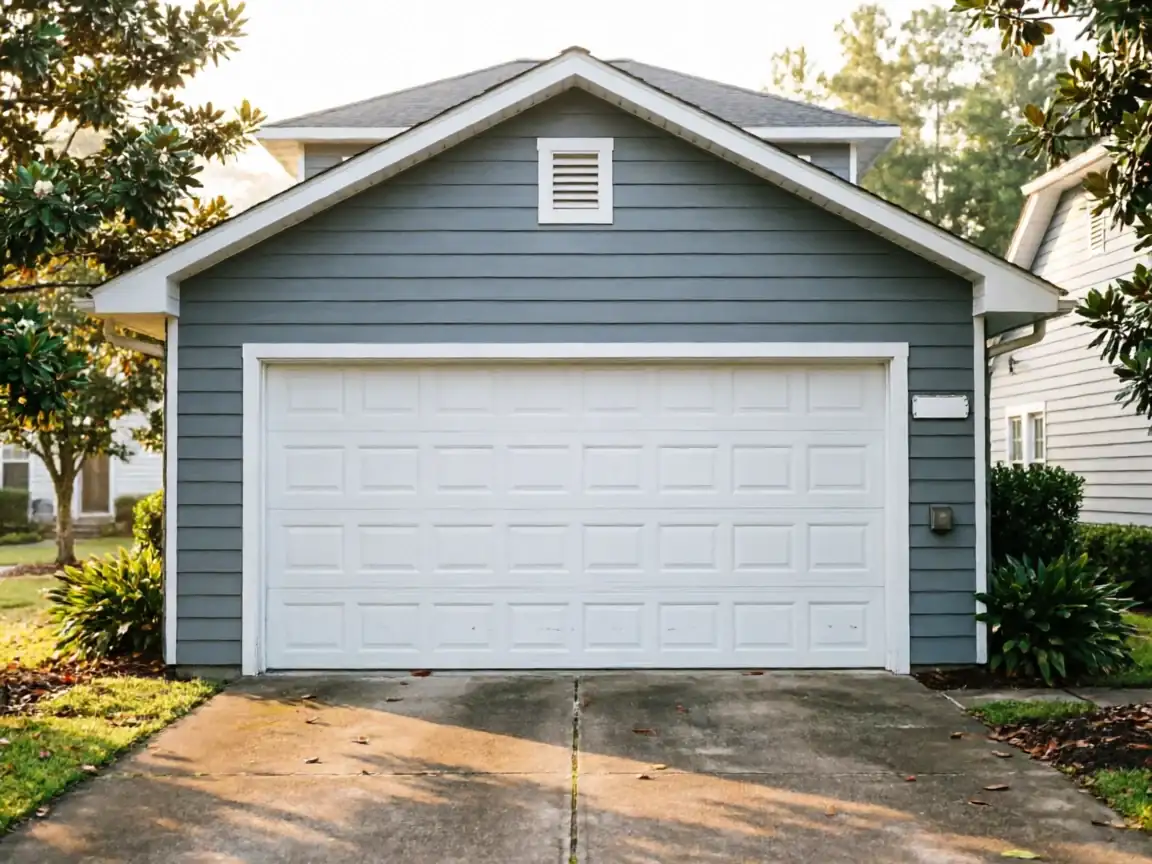
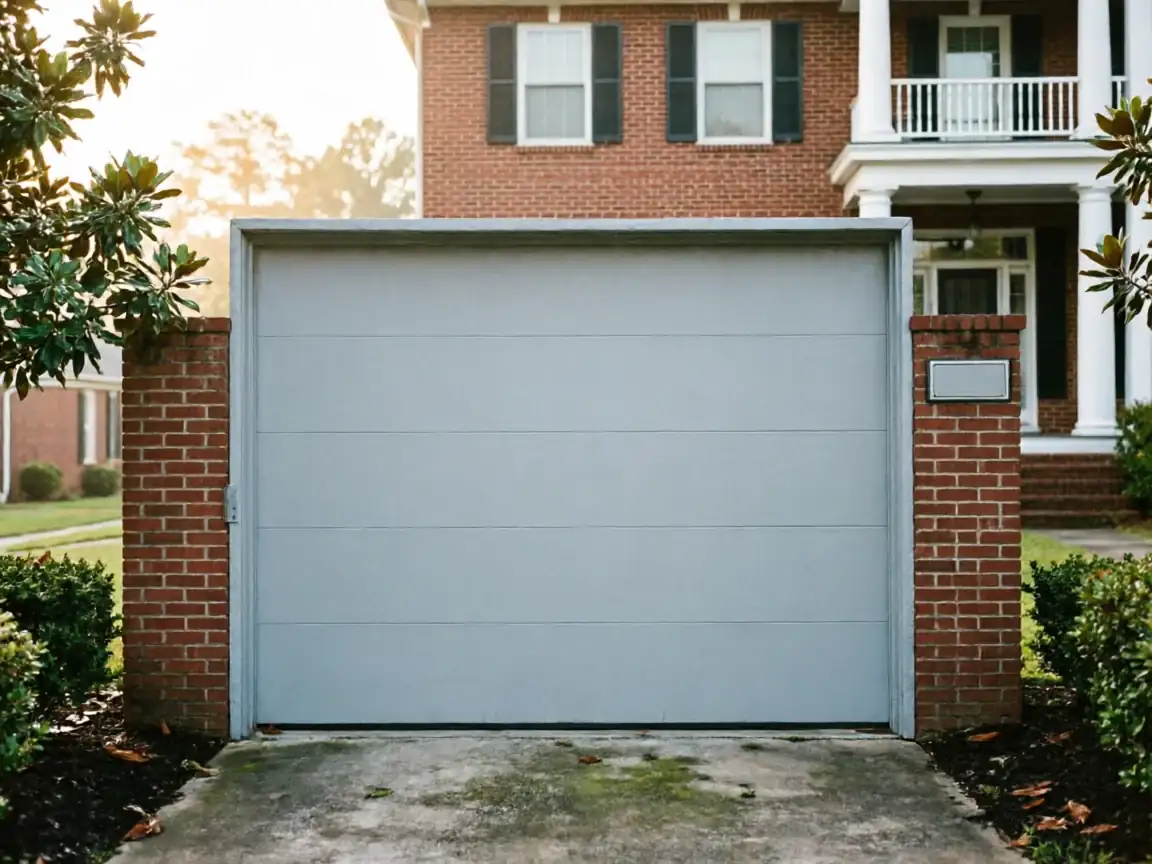
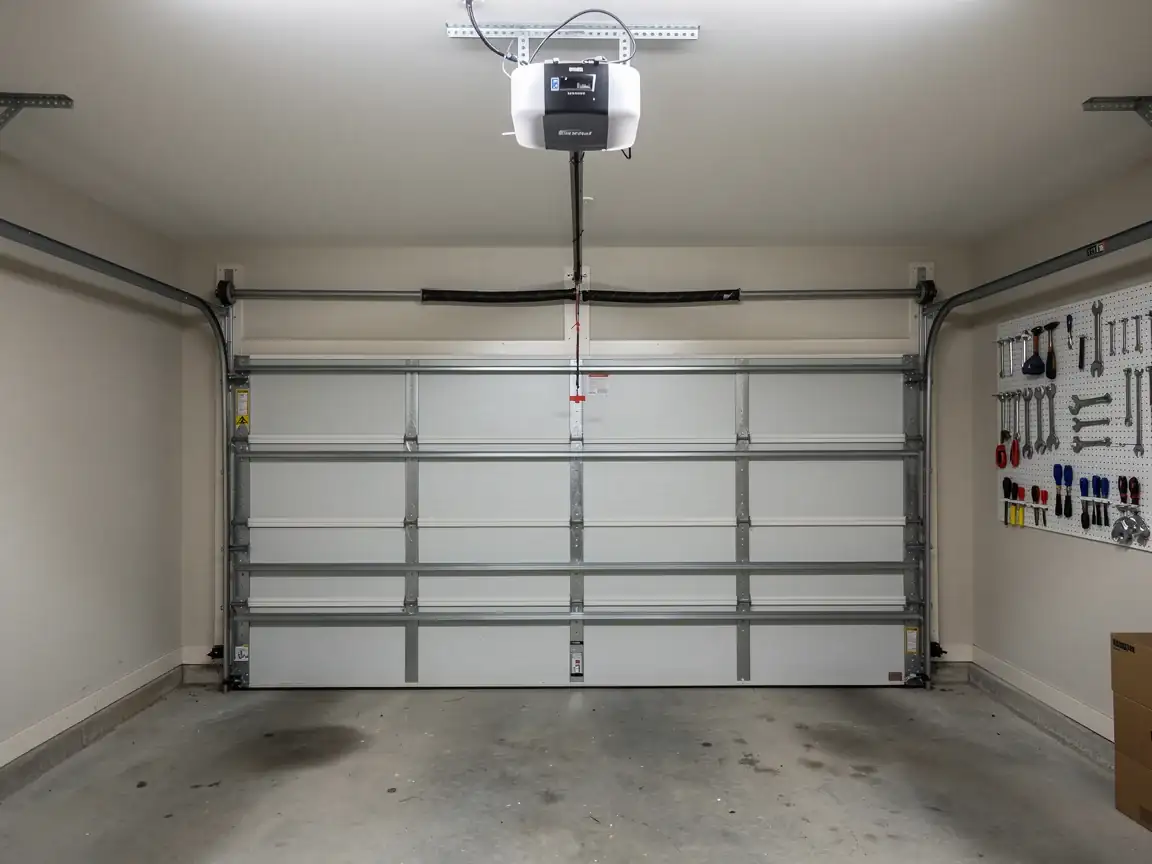
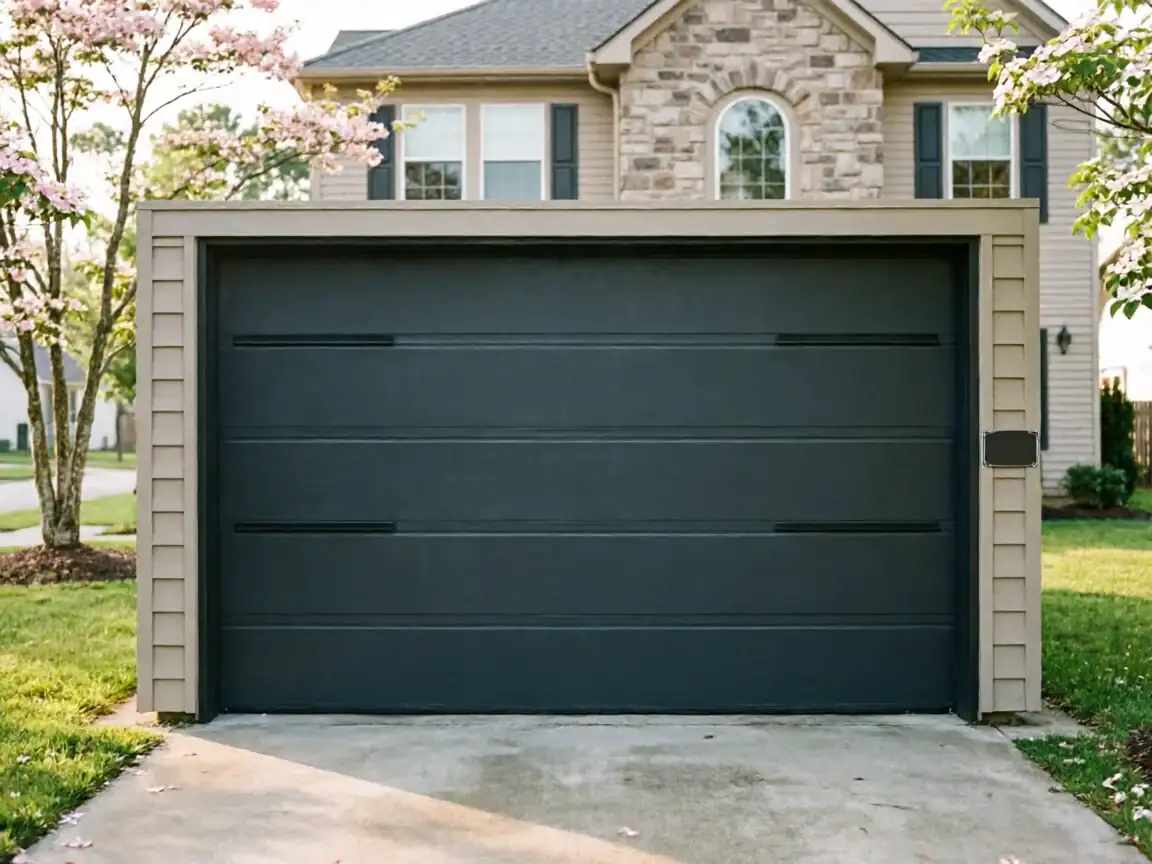
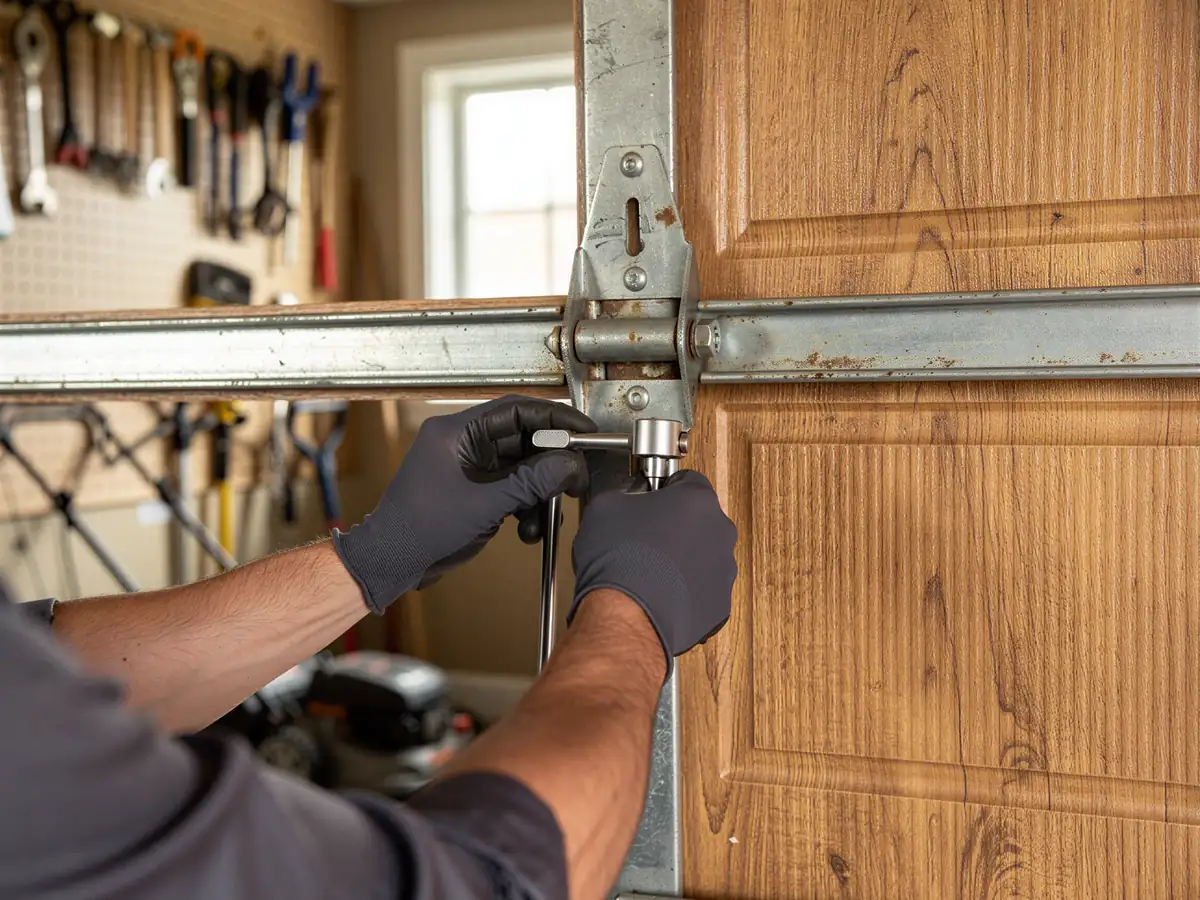
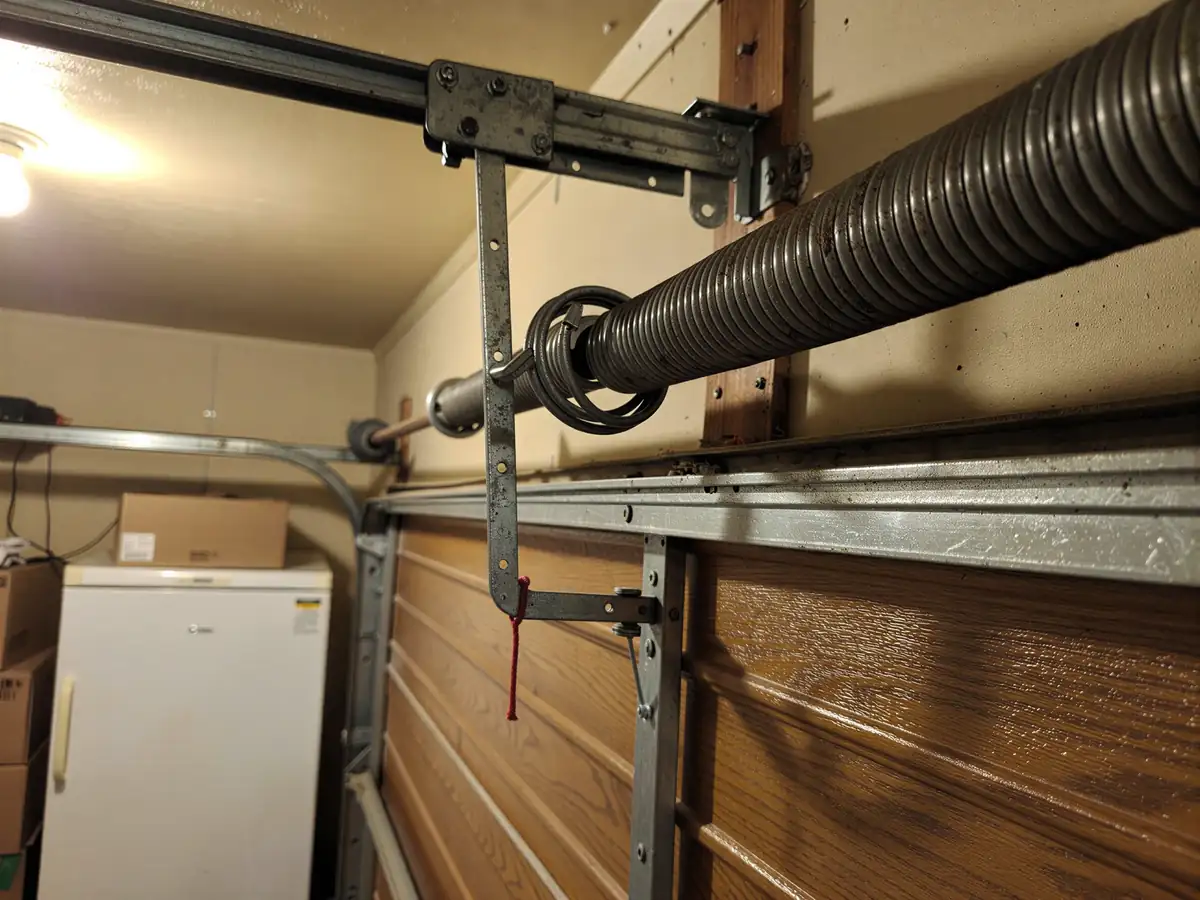
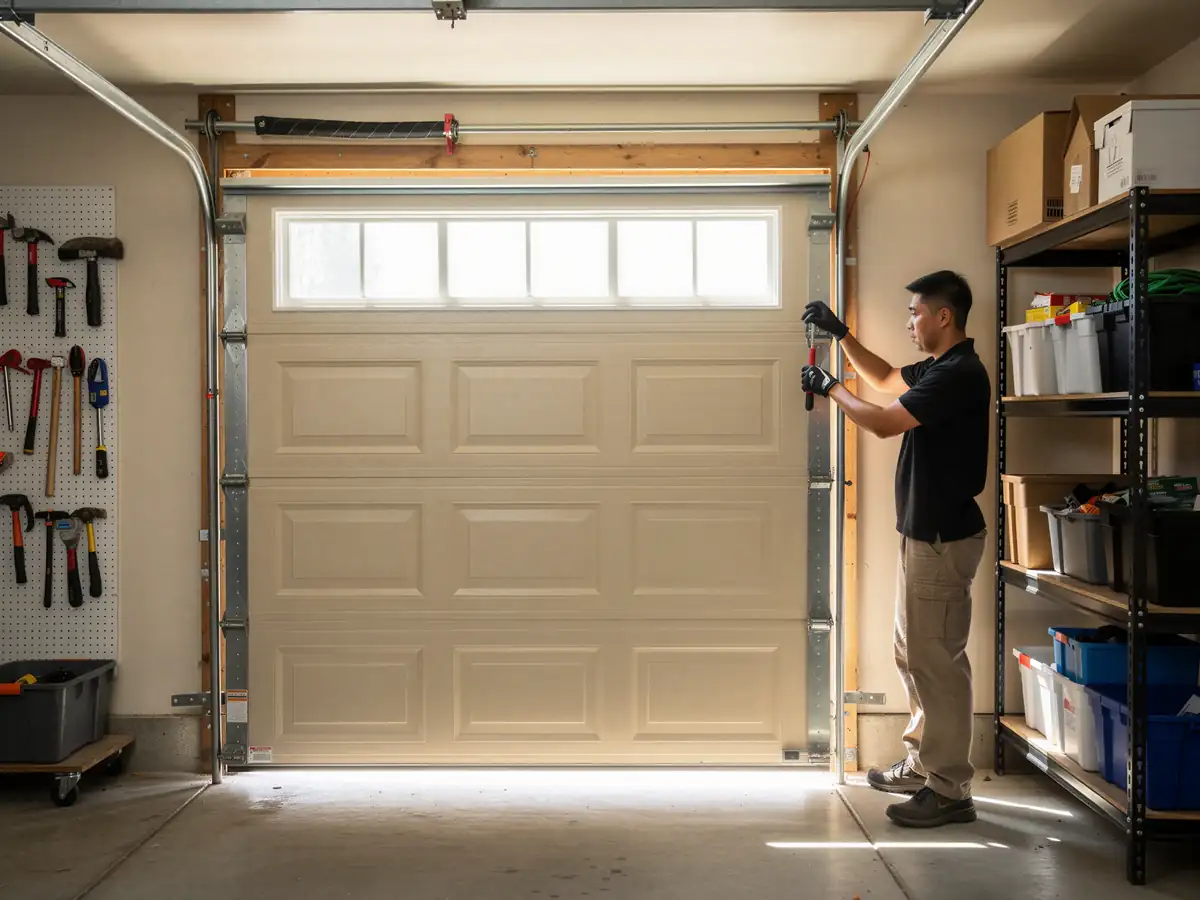
Dacula is about 10 miles out from our shop in Snellville, and most of the houses out here went up around the median build year of 2001 - a different animal from the 1960s and 70s stock that makes up a lot of the rest of our service area. That matters for a DIY install. Newer construction usually means a standard 16x7 or 9x7 opening framed to code, a builder-grade steel door on torsion springs, and an opener bracket already in place from the original build. If you're swapping a door for a like-for-like unit, the rough opening and header height are rarely a surprise. Where people get into trouble is spring sizing. A 2001-era door and an insulated replacement panel don't weigh the same, and guessing the spring weight on a torsion system with 150+ pounds of coiled tension under it is how people end up in the ER, not just frustrated. We also see DIYers skip the bottom seal and weatherstrip kit entirely, which on a door this age usually still needs replacing even if the panels are fine. If you want to pull the old door yourself and have us hang and balance the new one, that's a conversation worth having before you start cutting anything loose.
Where This Job Goes Sideways
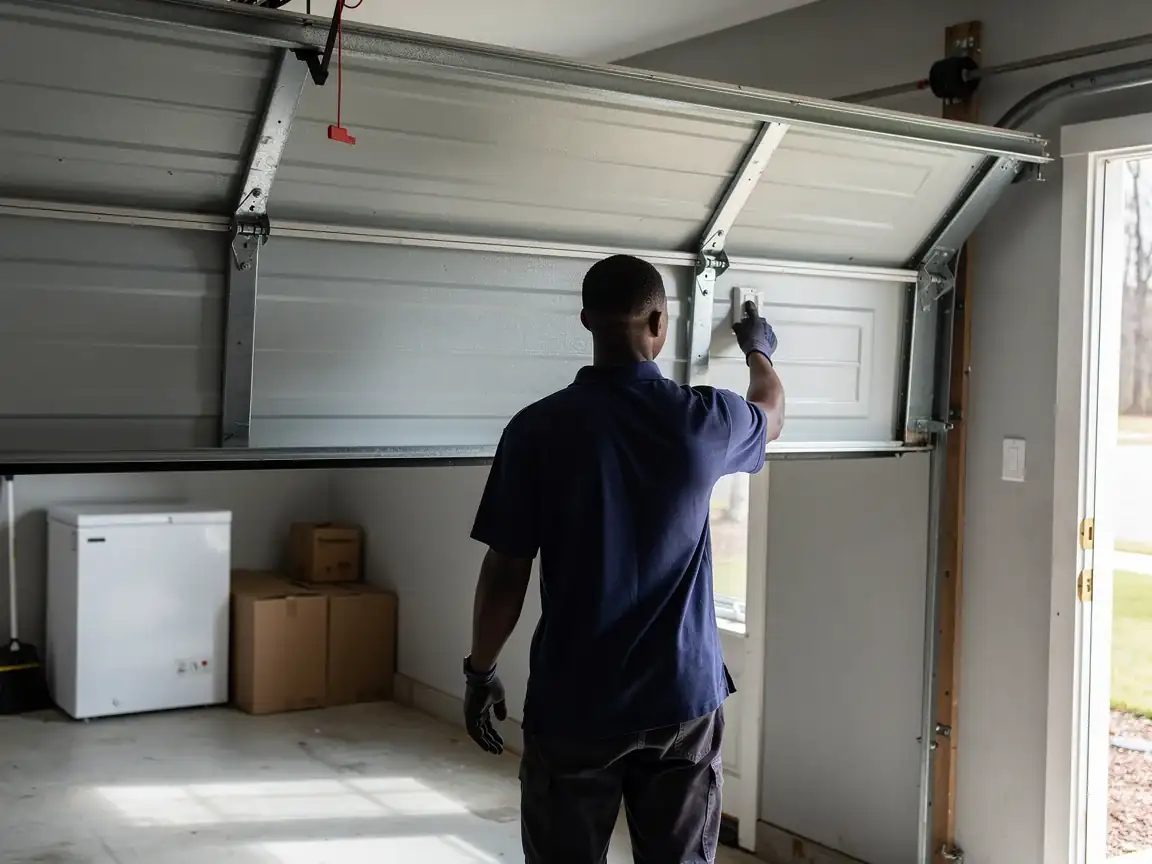
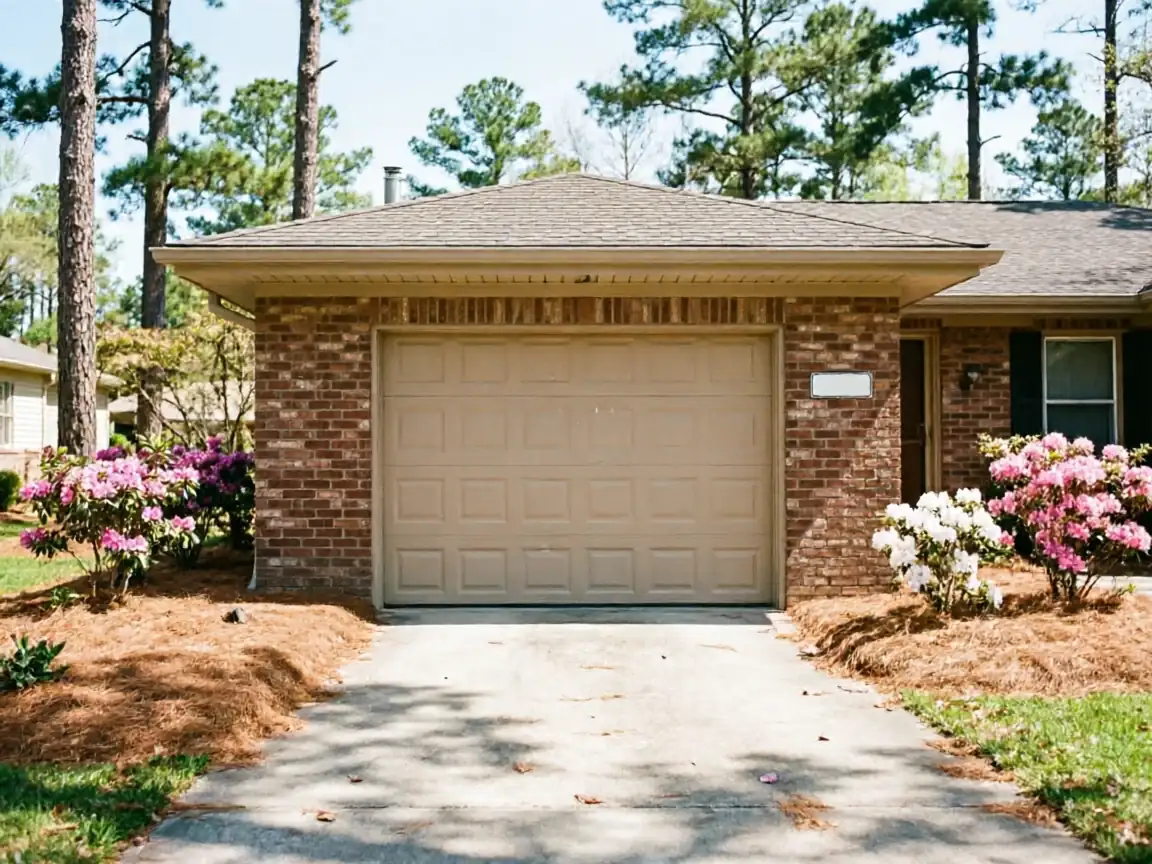
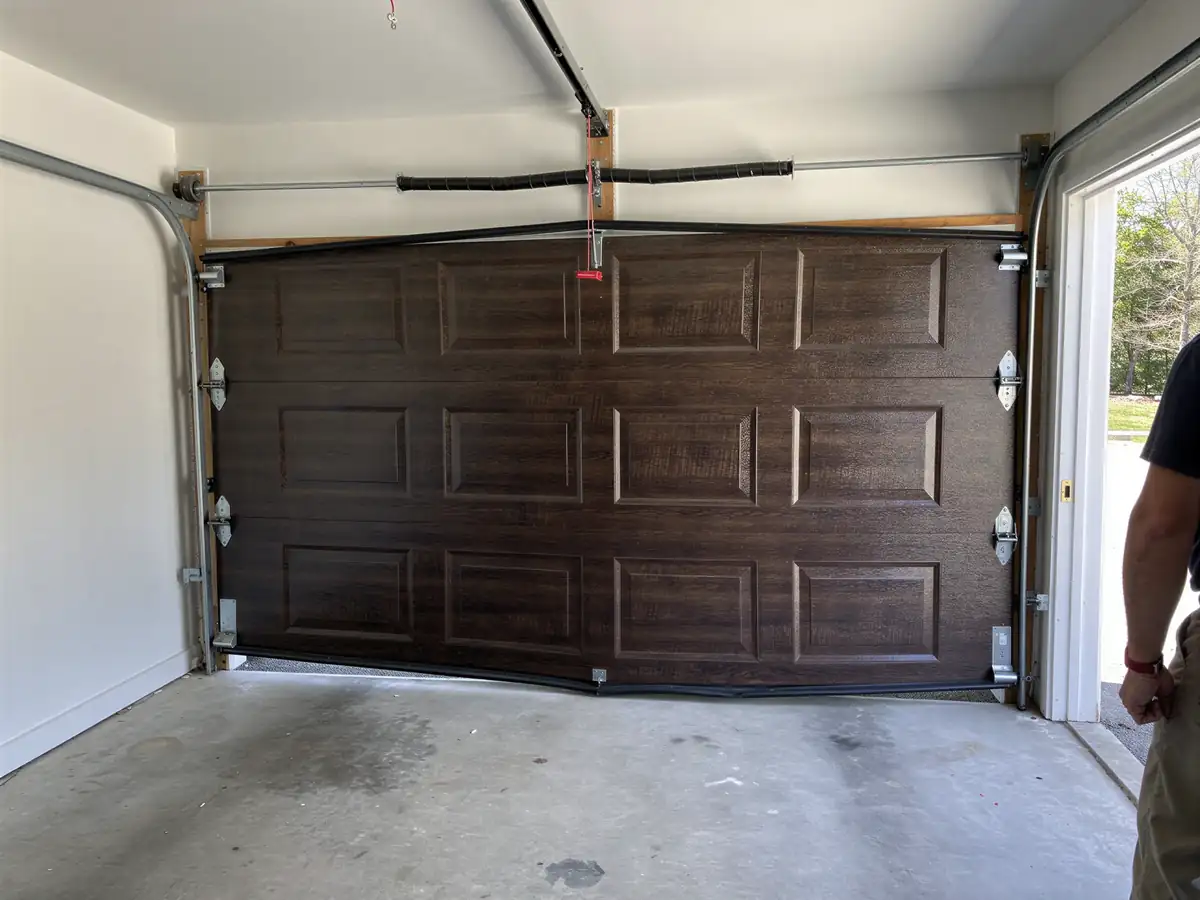
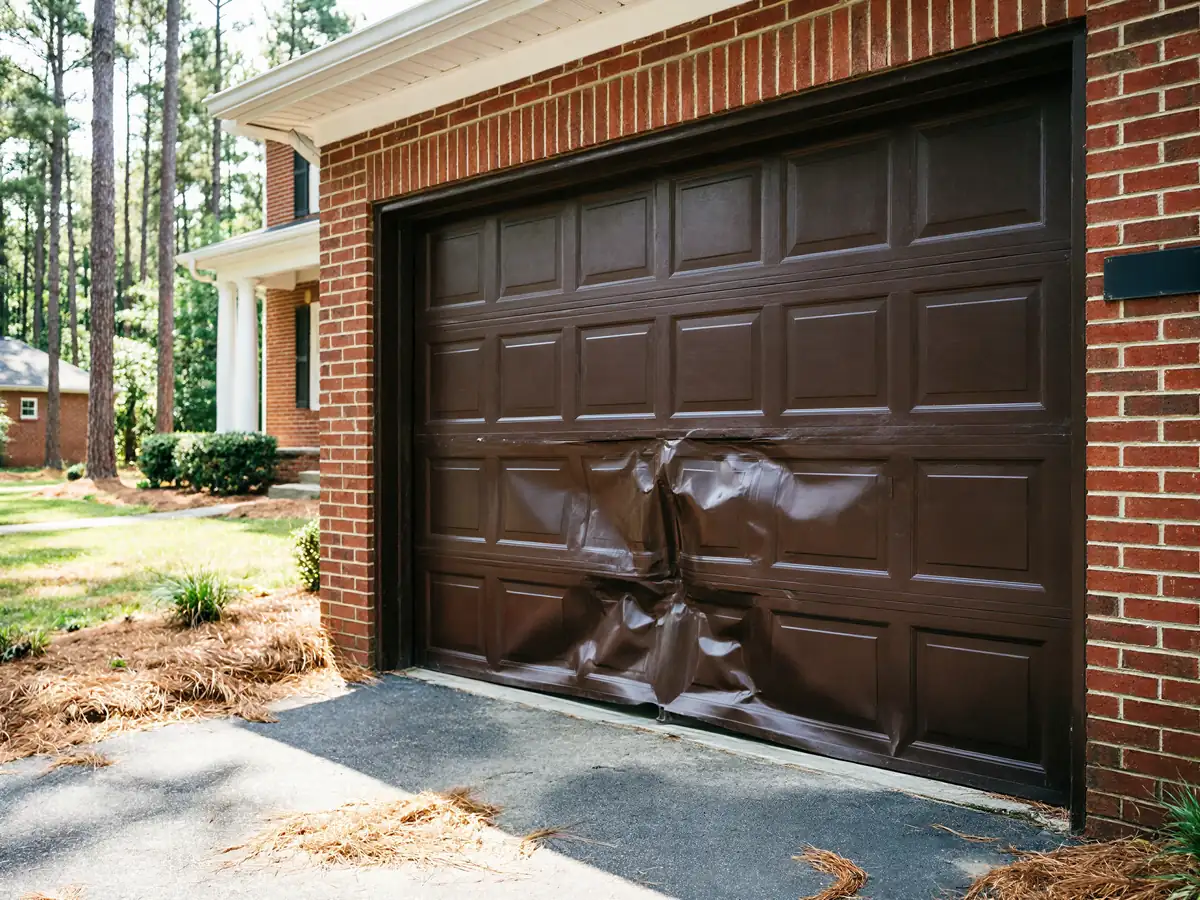
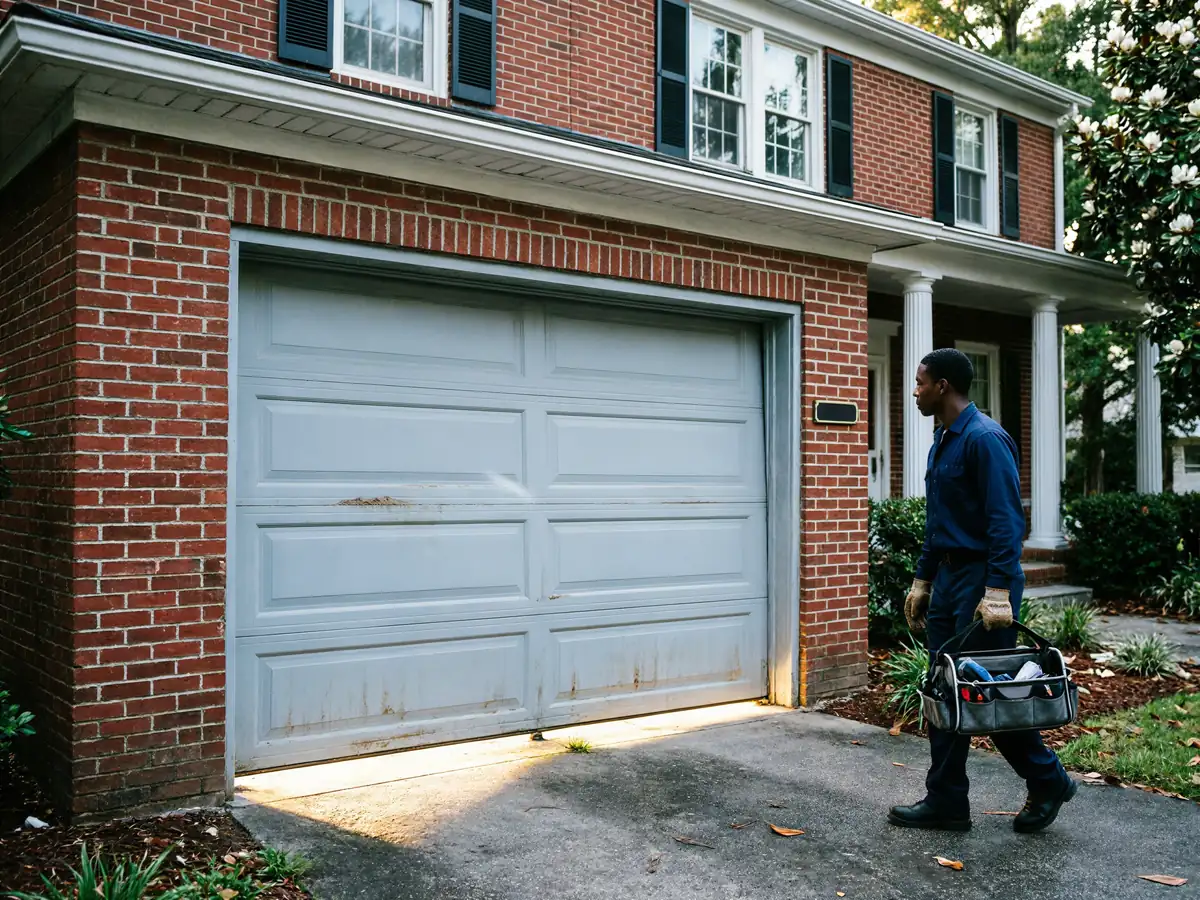
The 2,223 households in Dacula skew toward houses built after 1990, which means most garage doors here are the original builder-grade unit, now 20-plus years old, with an opener that's been swapped once but a door that never has. The failure point we see most is the door itself outliving its hardware - tracks that were never resquared after a bump, rollers that were cheap nylon from the start, and a bottom panel that's started to bow from a mower or bike hitting it more than once. On a 2001-era home, the opening is usually standard and square, so the sideways part isn't the carpentry. It's homeowners assuming a new door means a new opener too, or the reverse - bolting a heavier insulated door onto an opener and spring set sized for the lighter original panel. We size the new door to the existing track width and headroom first, then decide if the opener needs to come along for the ride. Skipping that step is the single most common reason a new door ships back to us for a return visit.
What It Costs
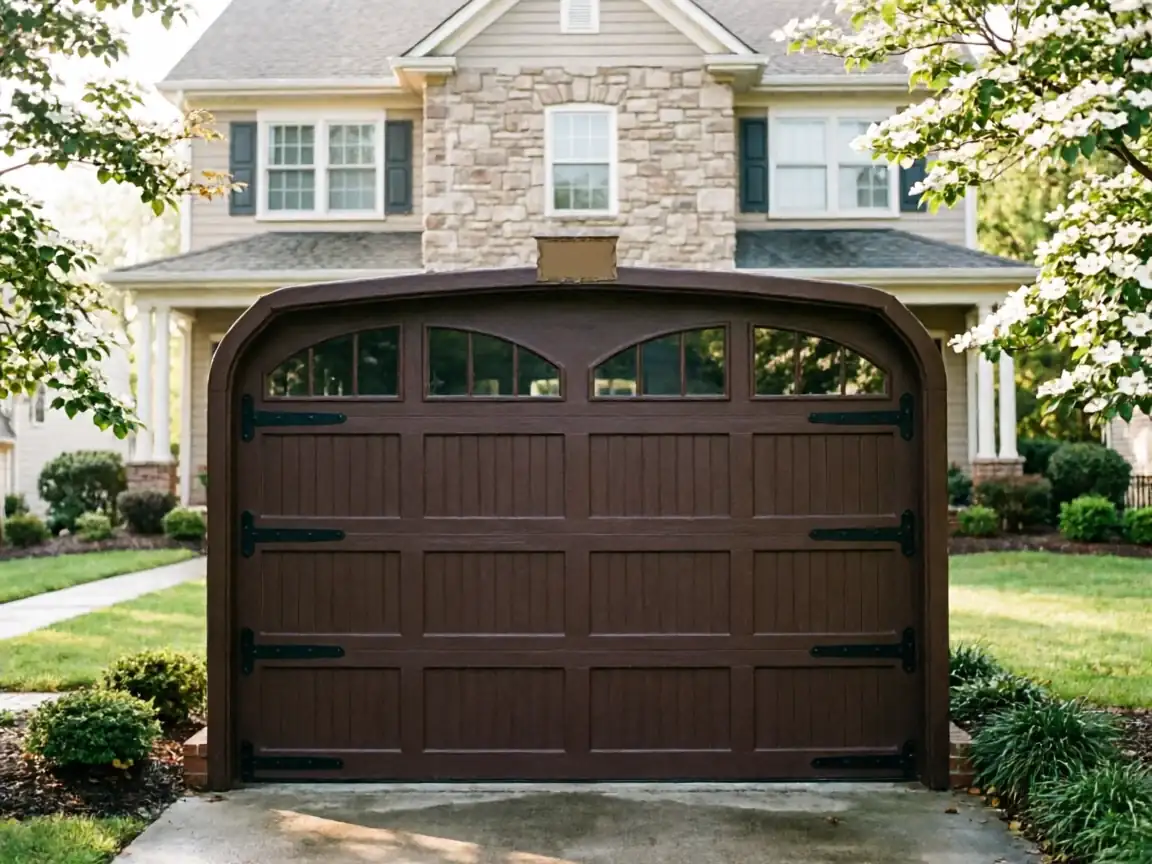
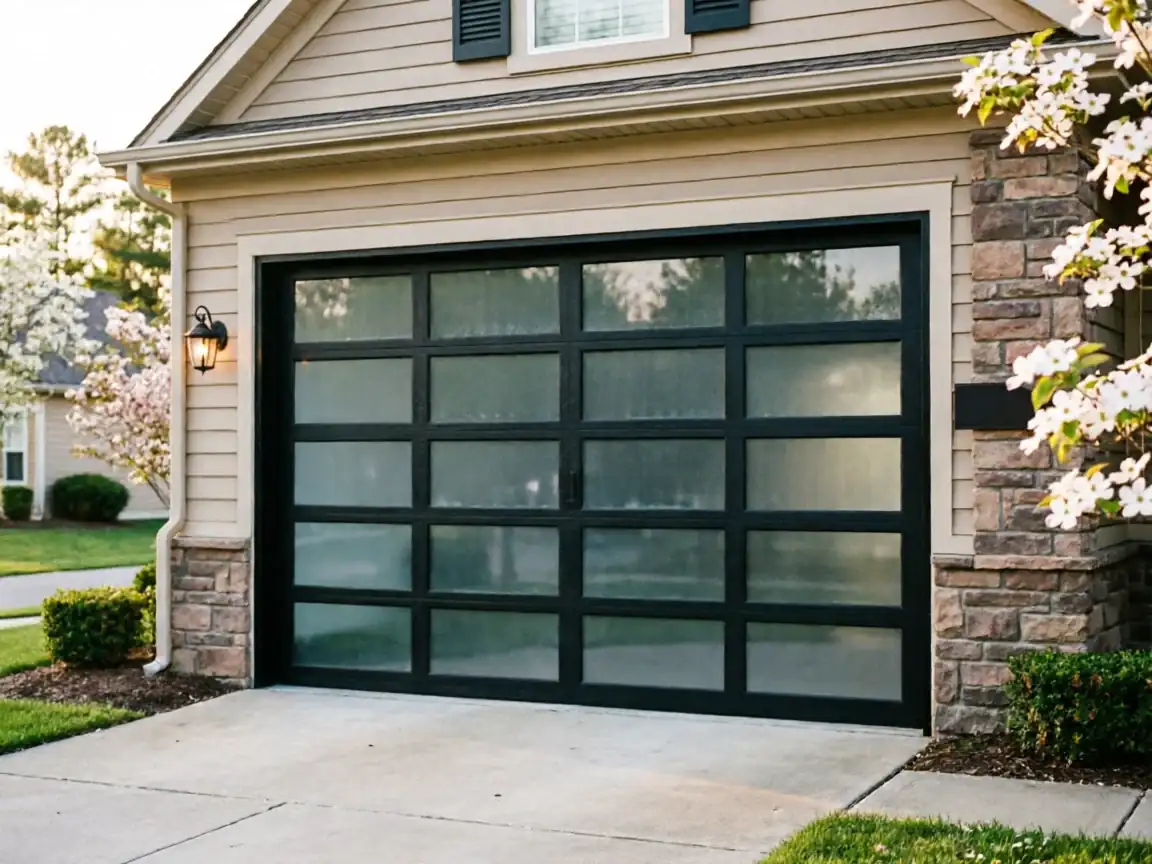
We don't have a flat number to post here, because the honest range on a new install depends on door size, insulation level, and whether the opener comes along with it - and we're not going to put a figure in writing that doesn't hold up once we're standing in your driveway. What we can tell you is that a standard-opening install on a house like the ones common in Dacula tends to be more straightforward than it is on the older torsion setups elsewhere in the area, because the rough opening and header are usually already code-standard. That keeps labor predictable even when the door itself - insulated, windowed, heavier gauge - isn't cheap. Ask for a written quote before the truck leaves Snellville; we'd rather give you a real number on-site than a guess over the phone that we have to walk back.
Booking a Visit
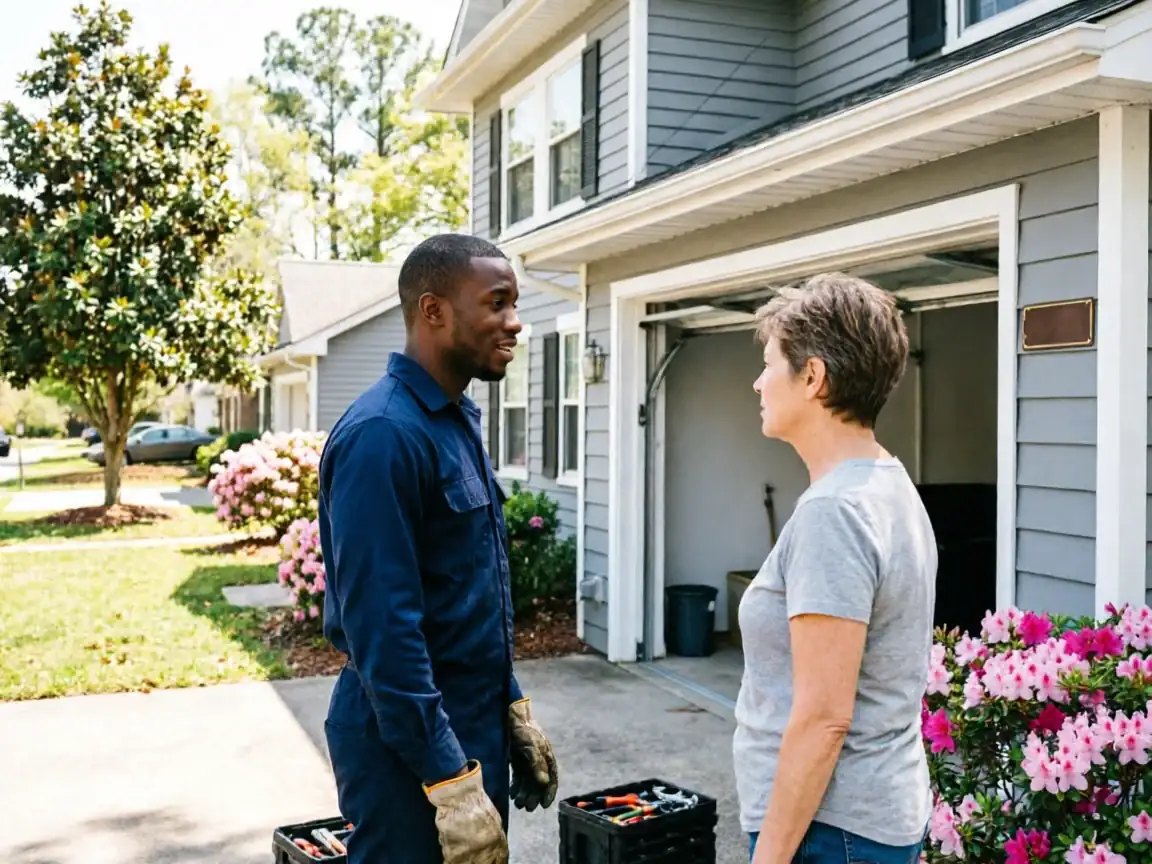
We run this job out of Snellville, about 10 miles from Dacula, so a visit here gets scheduled as a drive, not a walk-in. That's not a complaint - it just means we plan the trip rather than dropping by on a whim, and we're upfront about that instead of pretending we've got a crew parked around the corner. If you've got a measurement or a photo of the current door and opener, send it ahead; it saves a diagnostic trip before the install trip. You can see the rest of what we handle in Dacula on our service page, or look at how we run installs generally on the Snellville installation page.