Doing It Yourself
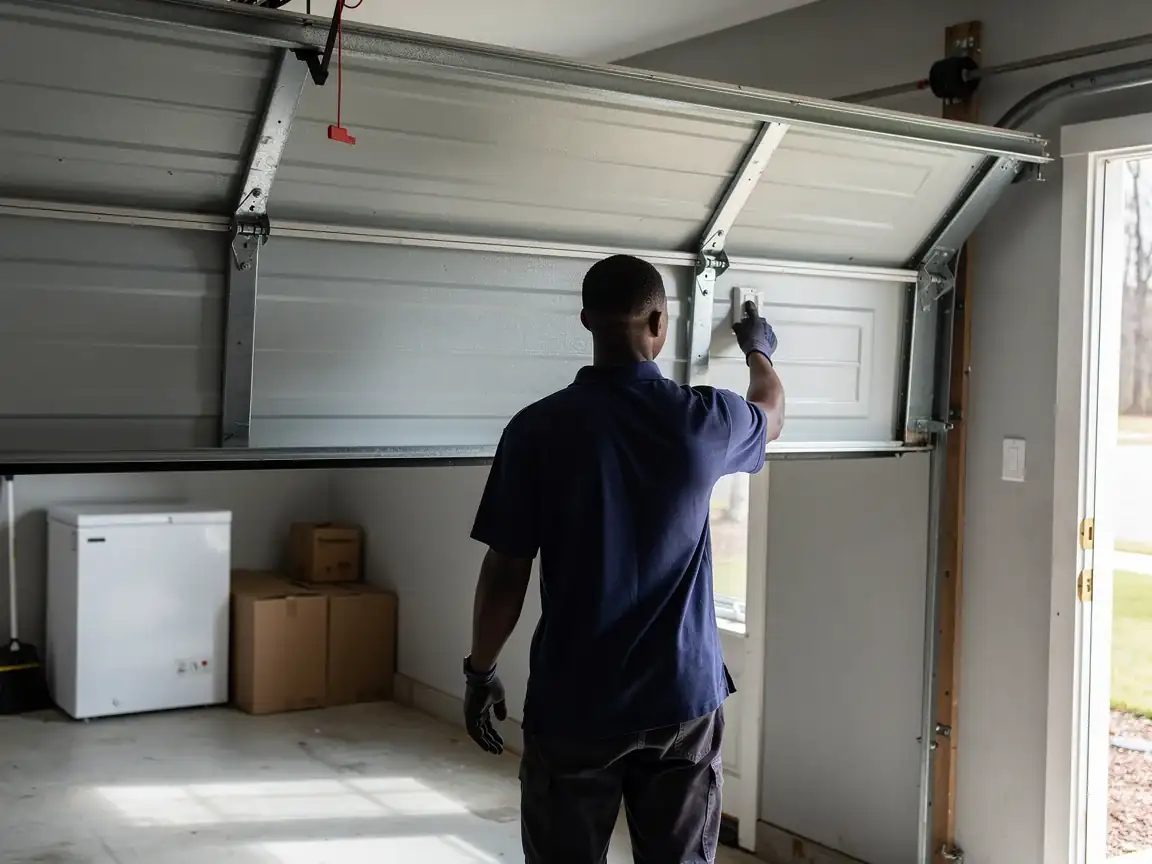
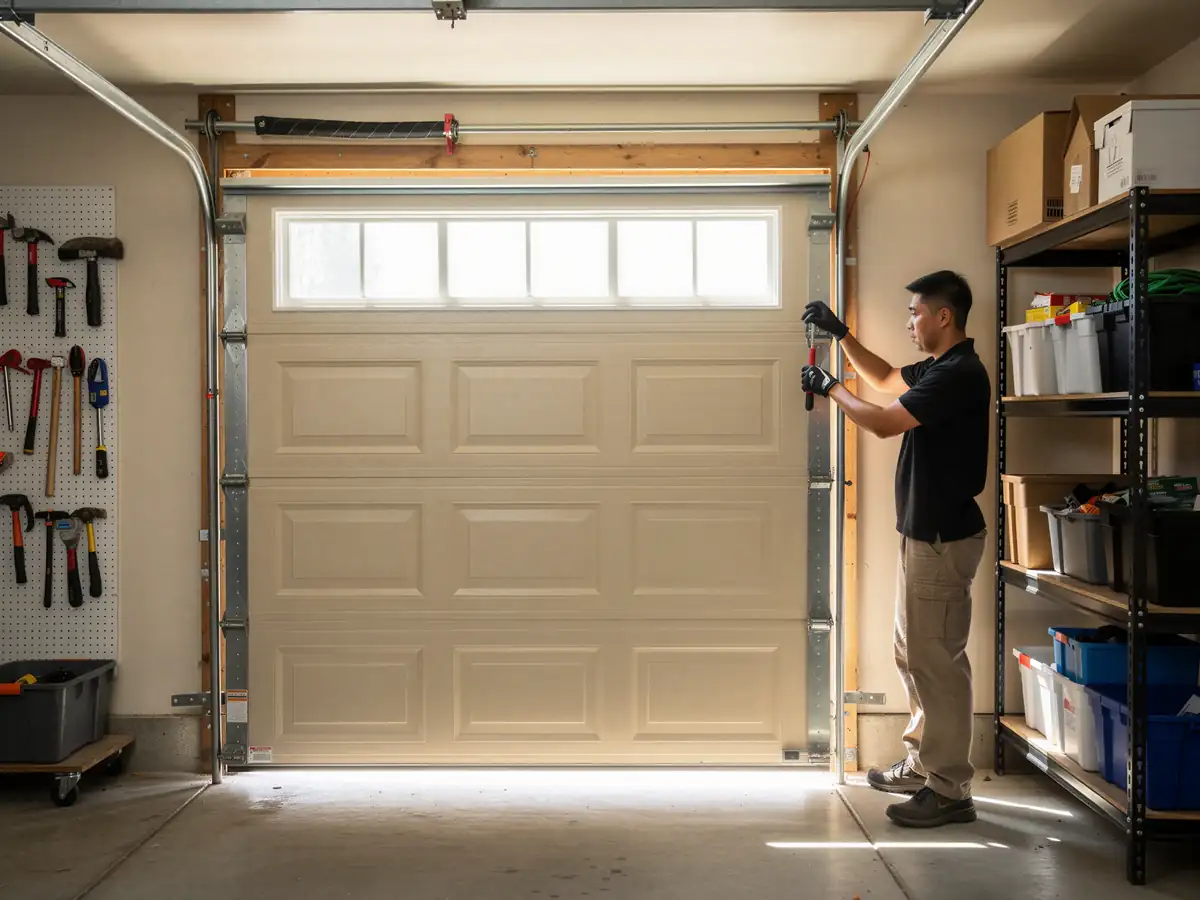
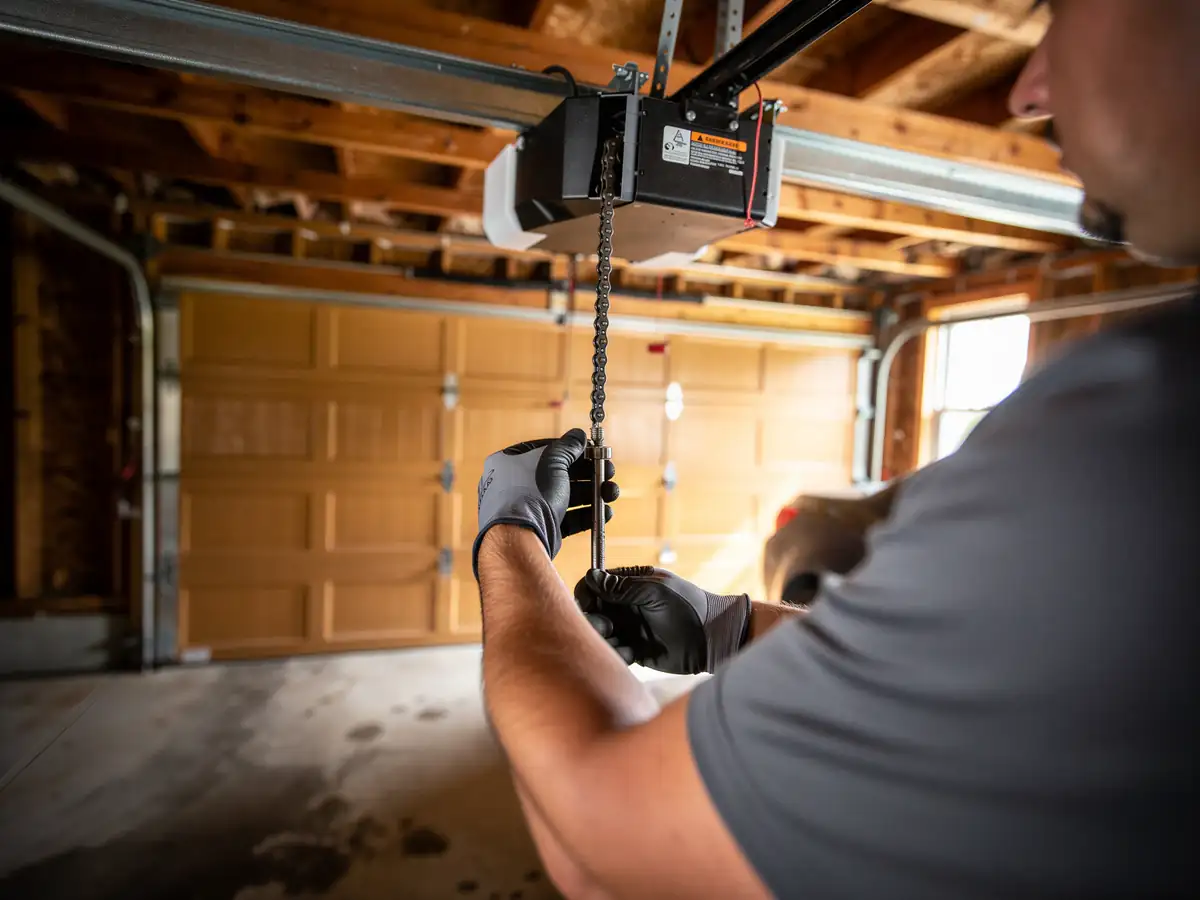
Before you call anyone, look at the bottom corners of the door. If a roller has jumped the track but the door is still hanging straight and the cables look intact, you can sometimes walk it back in by hand with the opener disconnected - pull the release cord, lift gently, and see if the roller seats back into the channel. Don't force it, and don't run the opener again until you know why it jumped.
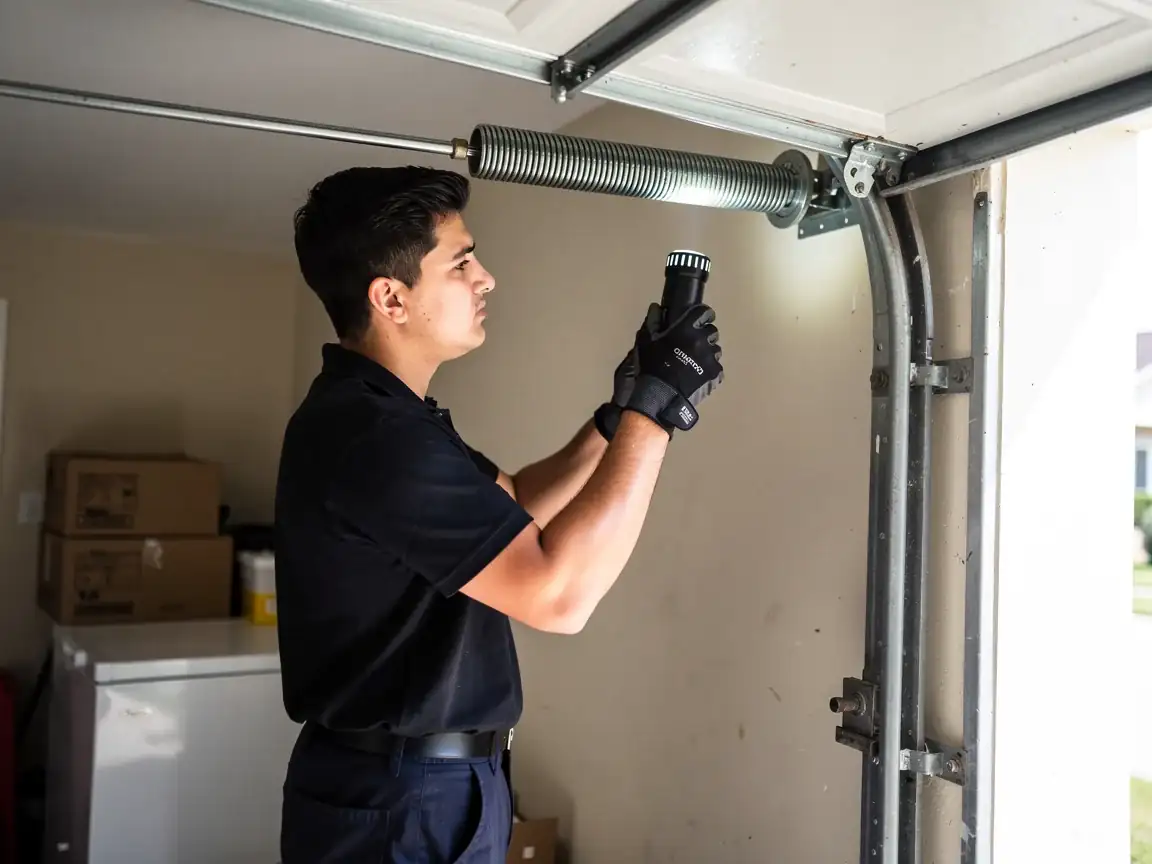
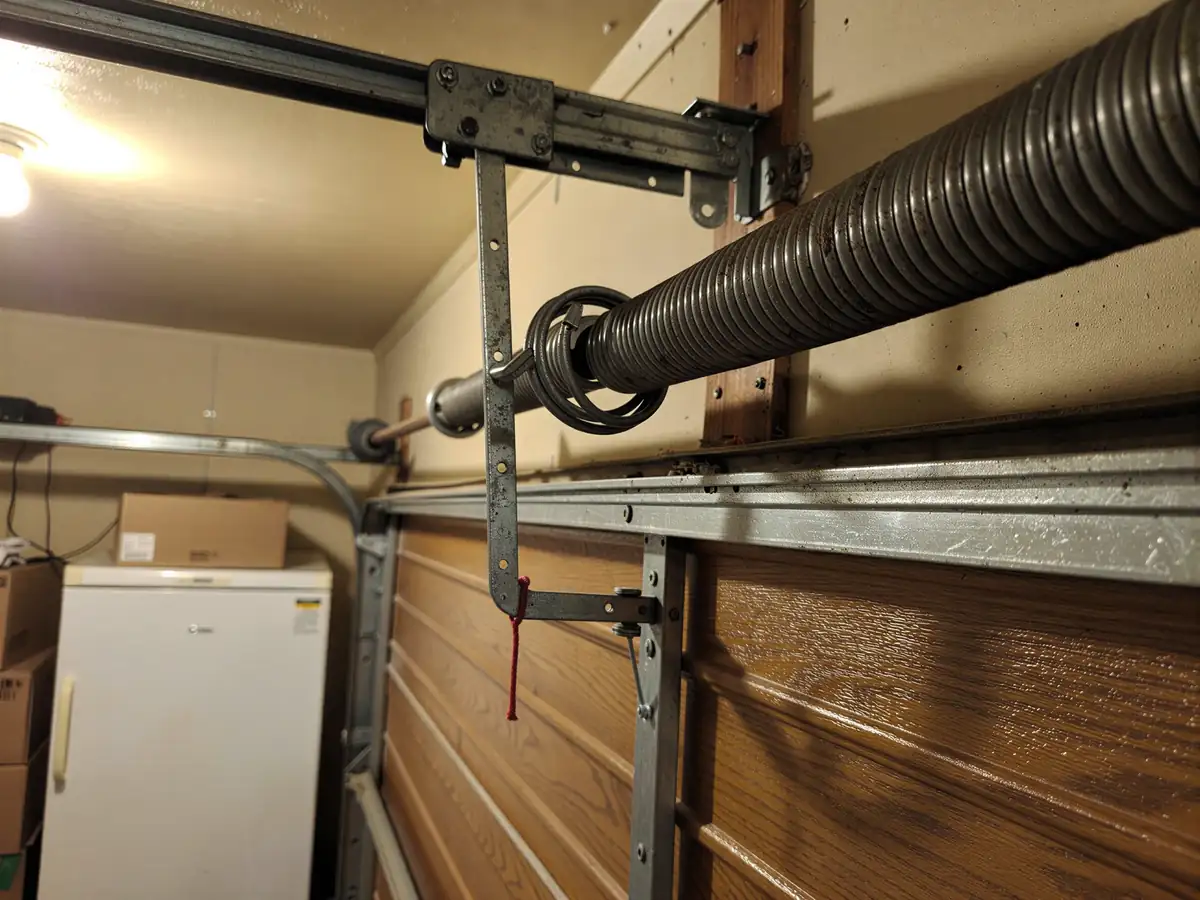
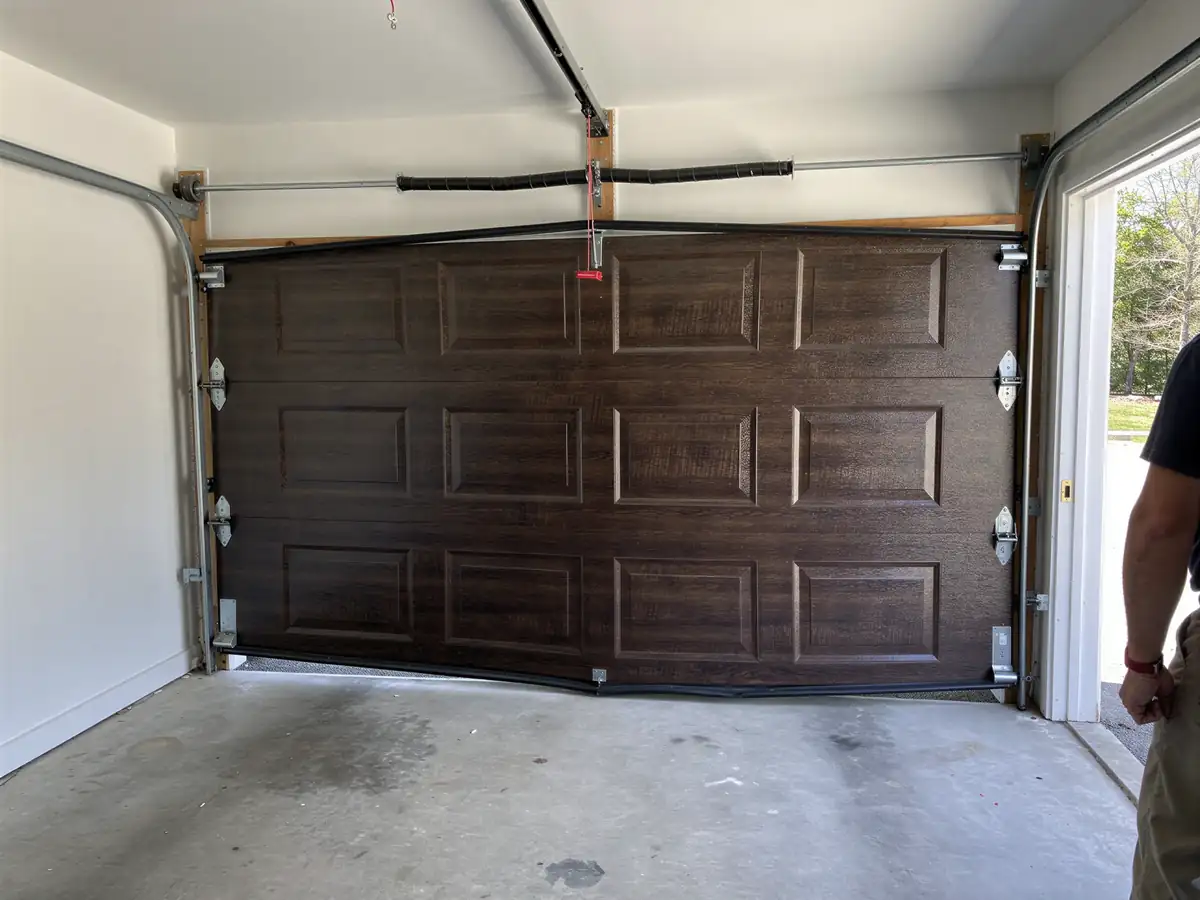
If the door is sitting at an angle, if a cable has come off the drum, or if you hear a spring under tension, stop. That's not a DIY fix regardless of how new the door is. Houses in this part of the territory were mostly built after 2001, which means heavier insulated sections and torsion springs sized to match - more force stored in that spring than the lighter doors common on older housing stock nearby. A spring that lets go while you're working the track can put you in the ER, not back in the garage.
Where This Job Goes Sideways
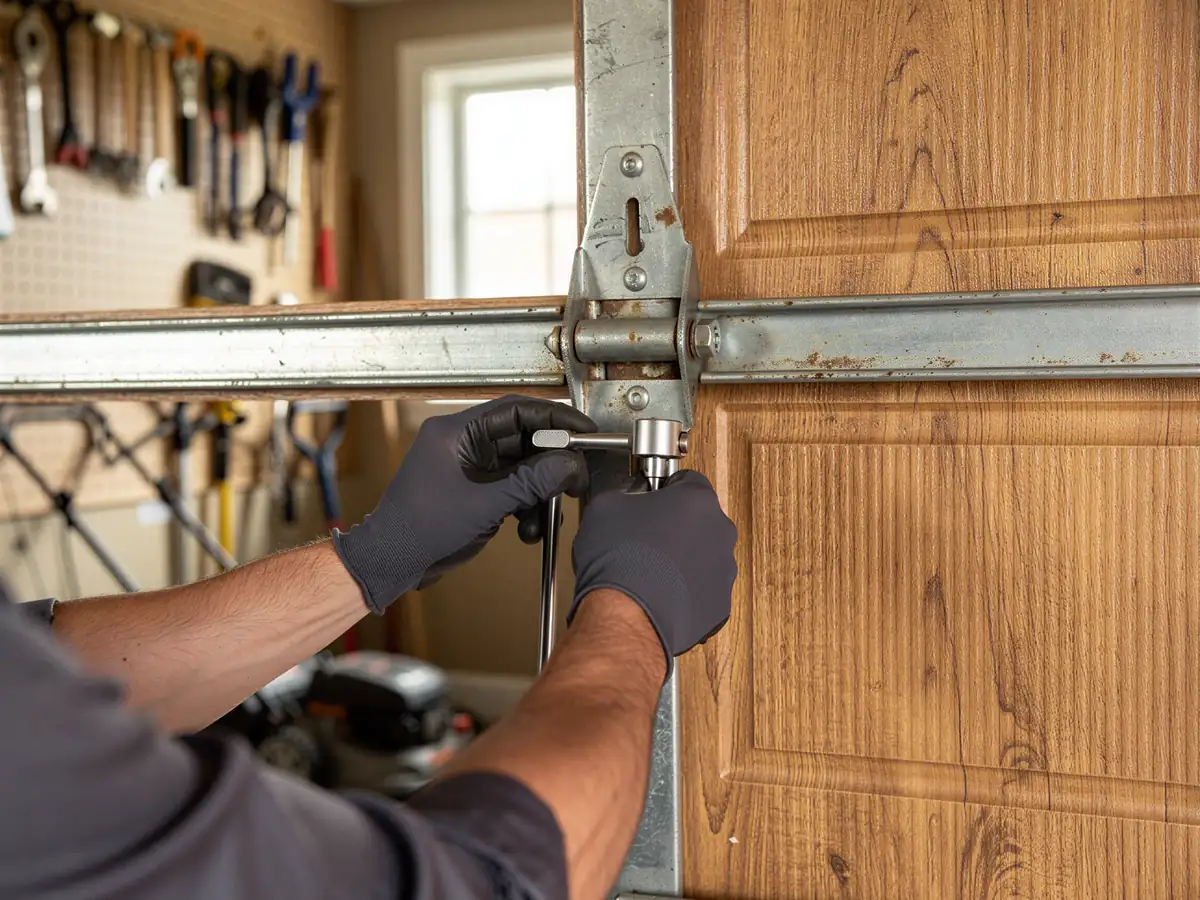
On a door built in the 2001-era stock common to this area, an off-track roller usually starts as something small - a bent track bracket, a worn roller, a hinge pulling loose on a heavier insulated panel. Left alone, the door keeps riding on a track that's slightly out of plane, and the roller wears a groove into the aluminum channel. That's the point where a $40 roller swap turns into a track replacement.
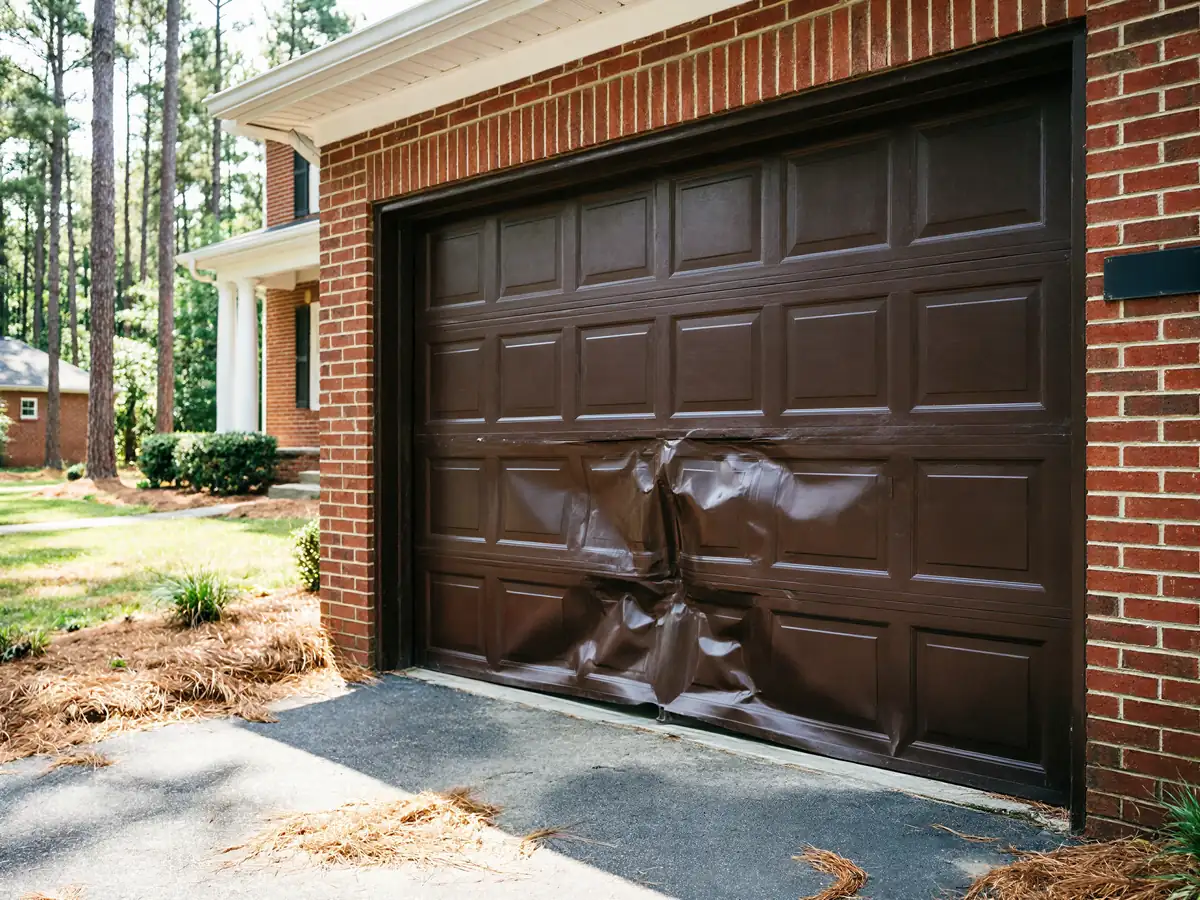
The other way it goes sideways: someone runs the opener with the door already off track, trying to force it shut. On these newer insulated panels, that cracks the foam core or snaps the plastic end caps that older solid-panel doors didn't have at all. We see that pattern more here than on the pre-1978 doors elsewhere in the territory, because the end caps are plastic, not stamped steel.
How It Shows Up
Most calls start the same way
The door stops a few inches up, or it hangs crooked with one corner higher than the other. Sometimes there's a loud bang first - that's usually a roller letting go or a hinge tearing free from the panel. Other times it's quieter: the door just starts riding rough, catching every few inches, a week or two before it finally jumps the track.
On the newer builder-grade doors common in this part of the service area
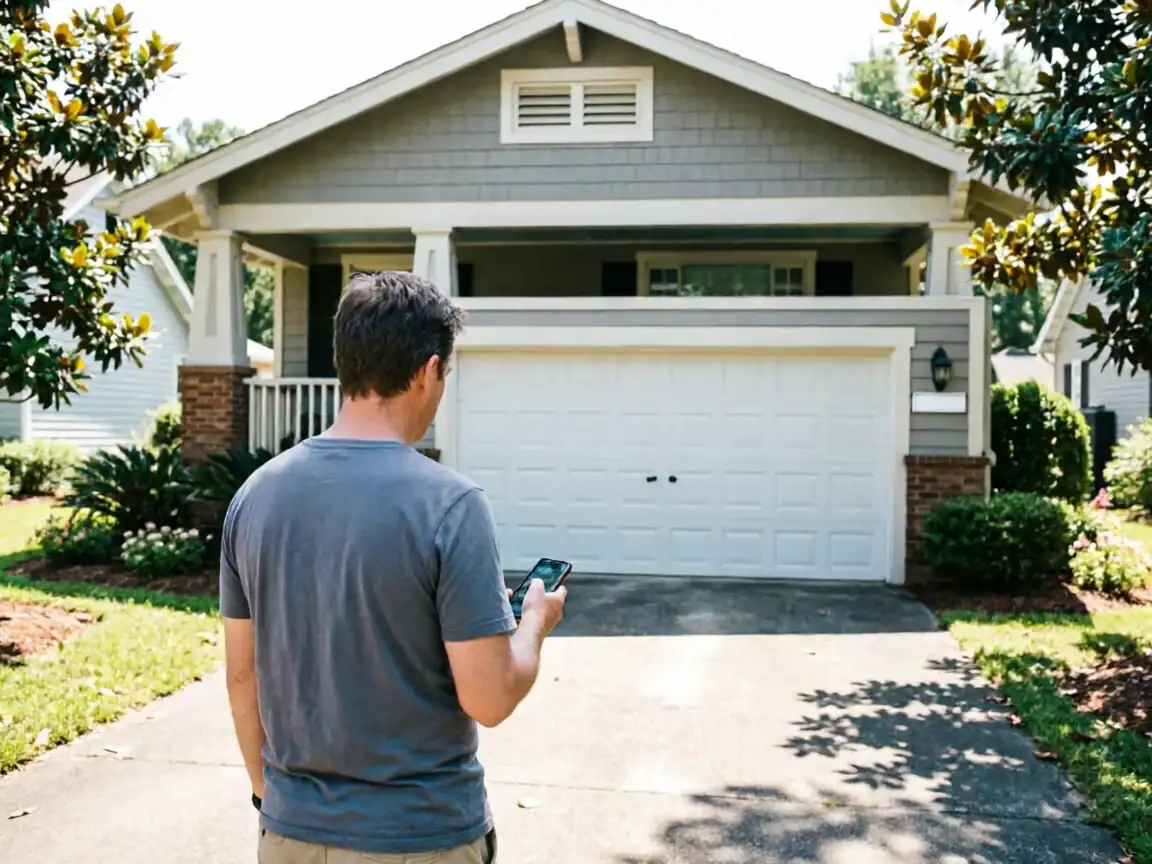
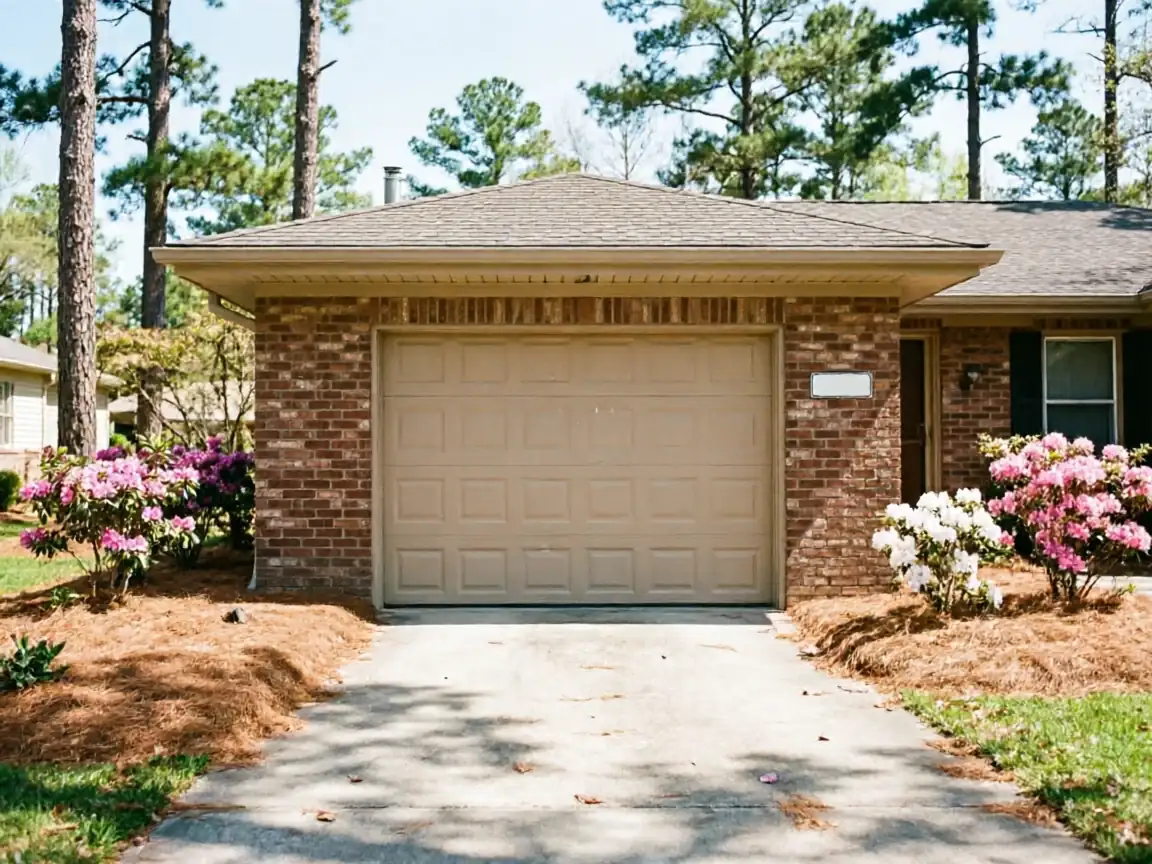
The first sign is often a gap at the bottom seal where the door isn't sitting flush, or a visible lean when you look at it from the driveway. Because these doors are heavier than the older stock elsewhere in the territory, a door that's off track here tends to bind against the frame rather than swing loose - another reason not to force the opener.
What It Costs
At a median household income of $74,900 here - higher than the $70,625 average across the rest of the service area - the math on repair versus replace tends to land differently than it does on older housing stock. A straightforward off-track fix (roller, bracket, maybe a hinge) is a parts-and-labor job, not a big one. We don't post a flat number here because the fix depends on whether the track bent, whether a cable needs replacing, and whether the panel itself cracked.
What we will say: on a door built after 2001, replacing a bent track or a cracked insulated panel usually still makes more sense than replacing the whole door, since the hardware and opener are typically in good shape. That calculation flips on much older doors with worn-out everything, but that's not the typical house we're working on here.
Booking a Visit
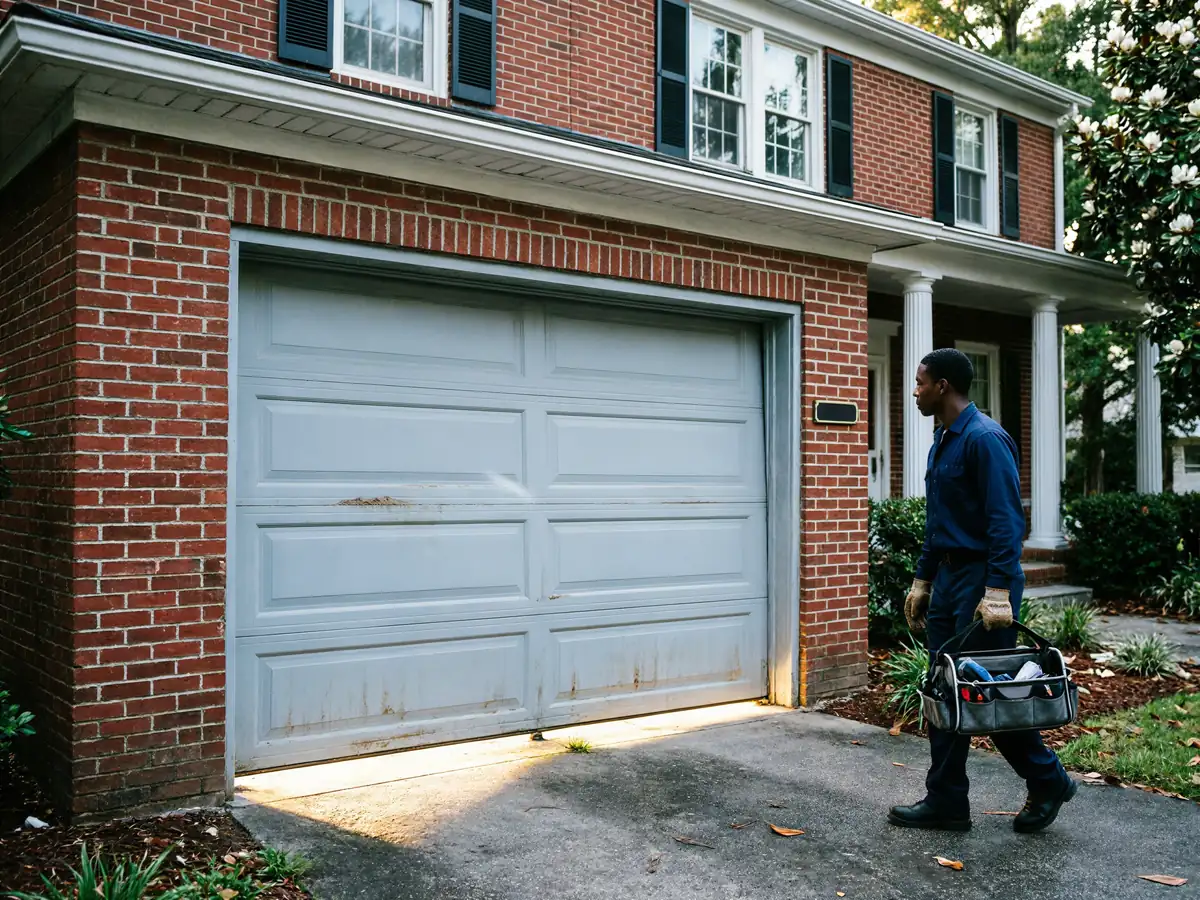
We run this job out of Snellville, about ten miles from Dacula, so we book these as scheduled visits rather than same-day drop-ins. Call ahead and tell us what you're seeing - a jumped roller, a bang, a door hanging crooked - so we bring the right parts the first trip instead of a second one.
We don't have a branch or drop-off counter in Dacula itself; every visit here is a truck coming from Snellville, which is part of why we ask for a short description up front.
Parts We Carry
For off-track calls on the newer insulated doors common in this area, we carry nylon rollers, galvanized track sections, end hinges, and the plastic end caps that these builder-grade panels use instead of the stamped steel caps on older doors
We also stock standard lift cables and the drum hardware that goes with torsion springs sized for heavier insulated sections.
What we don't carry on the truck
Replacement foam-core panels matched to a specific builder's door profile. If a panel is cracked rather than just the track or hinge, that part sometimes has to be special-ordered, and we'll tell you that on site rather than guess at a timeline.