Doing It Yourself
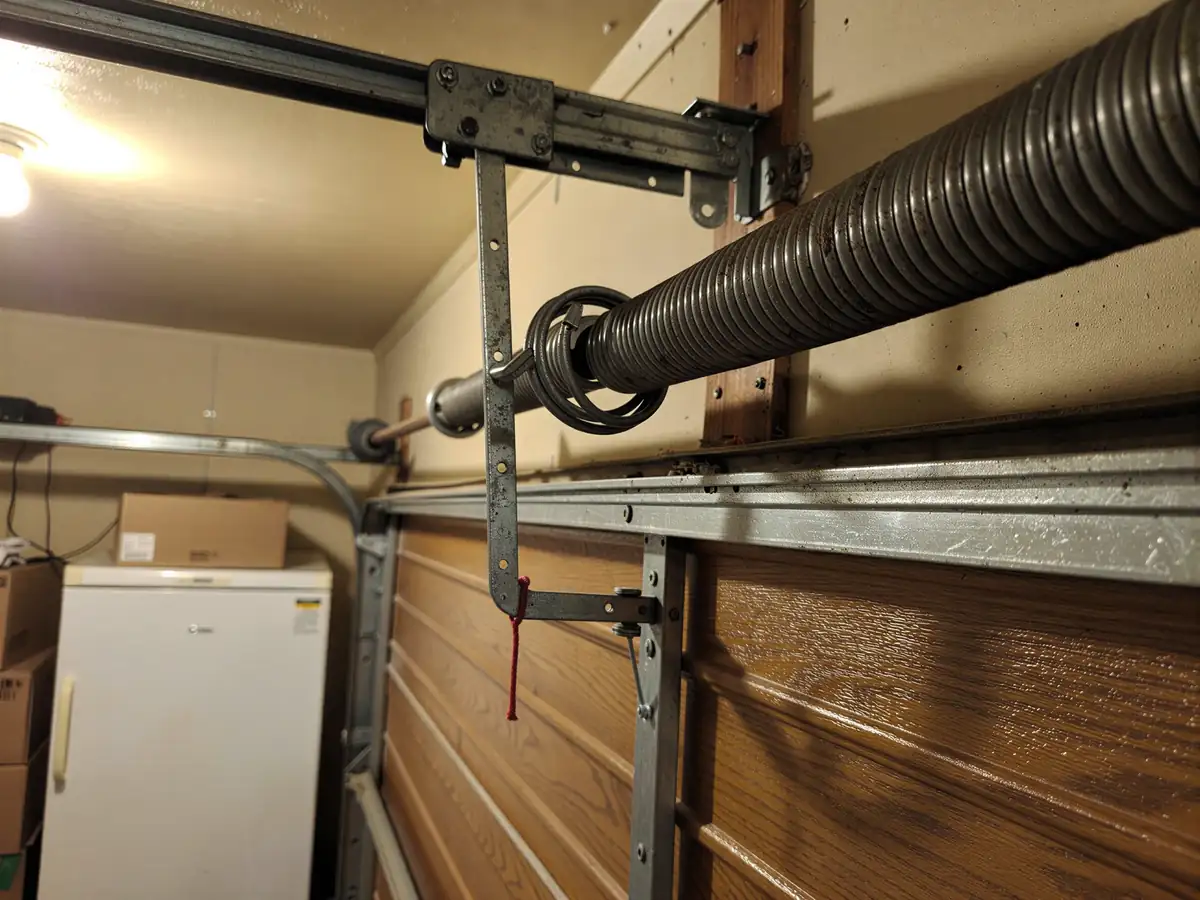
Dacula's housing stock is newer than a lot of what we cover out of Snellville - median build year here lands around 2001, which means most garages still have the original torsion spring the builder put in. That's a 20-plus-year-old spring that's never been swapped, and torsion springs are rated in cycles, not years. A door that's opened and closed twice a day for two decades has burned through most of its rated life regardless of how good the house looks.
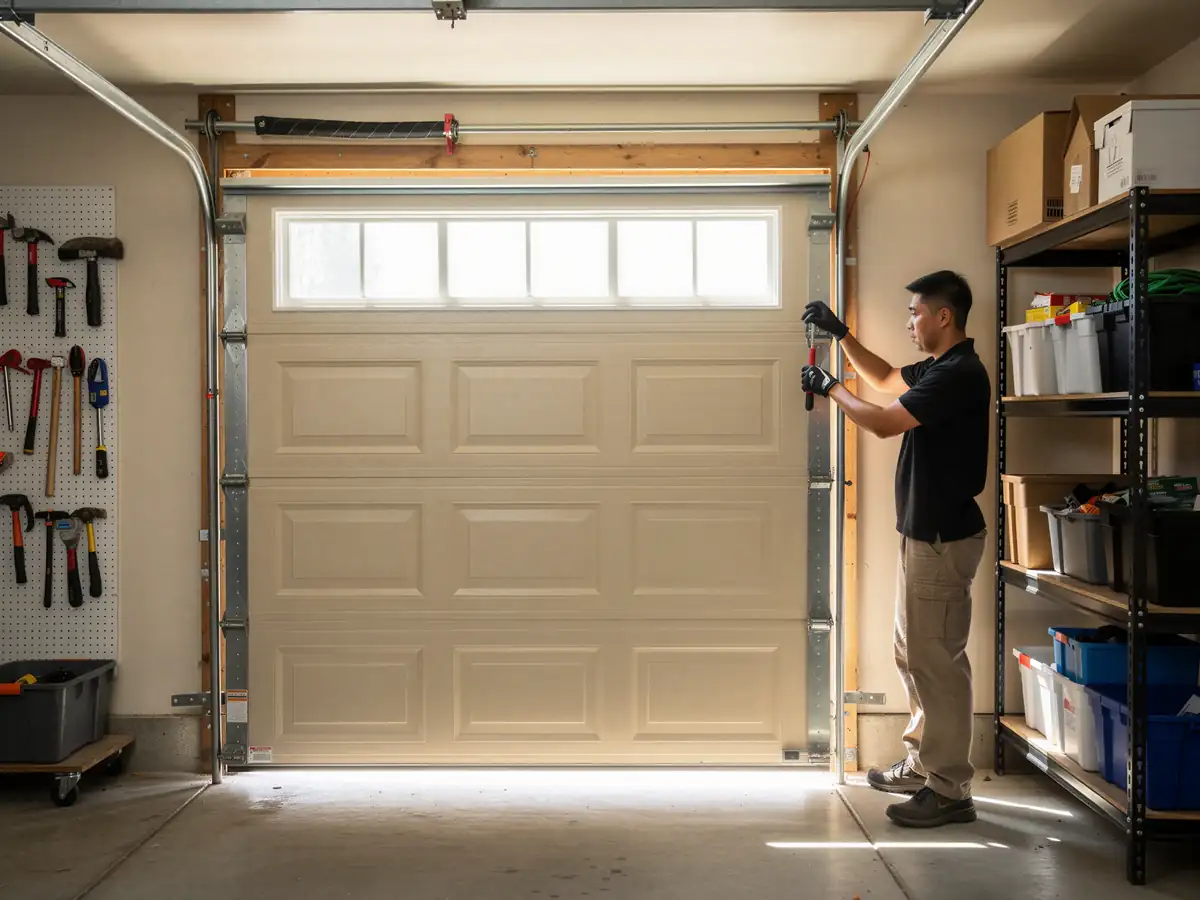
If you're thinking about doing the spring yourself: don't, unless you already own a set of winding bars and know exactly how torsion tension works. A wound torsion spring stores enough force to break a wrist or worse if it slips off a cone. We're not saying this to upsell you - it's genuinely one of the few repairs in this trade where the DIY failure mode is a trip to the ER, not just a redo. Cable tension adjustment, bottom bracket work, and anything touching the winding cone belongs to someone who does it daily.
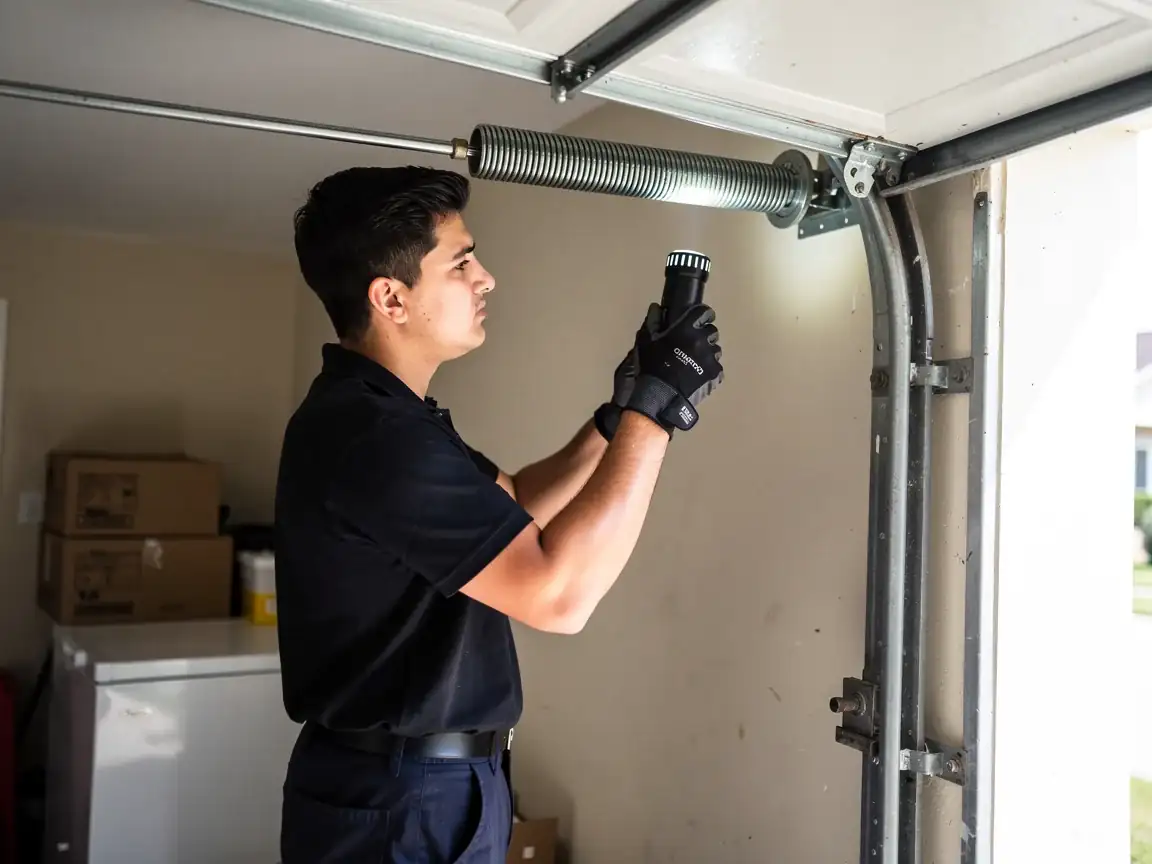
What you can safely check yourself: whether the spring is visibly separated (a gap in the coil means it's already broken), and whether the door is noticeably heavier to lift by hand than it used to be. Both tell you something's going before it goes all the way.
Where This Job Goes Sideways
The common mistake on a house this age is treating the spring as an isolated part. A torsion spring that's run 20+ years on an original builder-grade setup usually means the drum, bearings, and sometimes the cable are at a similar age and wear level. Replace just the spring and leave a worn cable on the same job, and you're back out here in six months for a snapped cable instead.
The other place this goes wrong is sizing. Builder-grade doors from the early 2000s often got the minimum spring spec that would lift the door, not the one that balances it well for years. If a previous repair used a universal replacement instead of matching the door's actual weight and drum size, the door will lift unevenly or slam down on close - and that imbalance puts extra load on the opener, which is a second repair bill if nobody catches it.
We size to the door in front of us, not to a generic chart, and we check cable and bearing condition any time we're already in there replacing a spring. It's not an upsell - it's the difference between one visit and three.
How It Shows Up
On a 2001-era build, the spring usually fails the same way
A loud bang from the garage, often when nobody's touching the door, followed by a door that won't lift past a few inches or feels like it weighs twice what it did yesterday. That bang is the coil separating under tension - it's the spring, not the opener, even though the opener often gets blamed first.
Given the cold-moderate climate this area sits in
Metal fatigue from seasonal temperature swings adds to the cycle count a spring has already logged. A spring that's borderline in October can go in January when the cold makes the steel less forgiving.
Sometimes it's not a full break
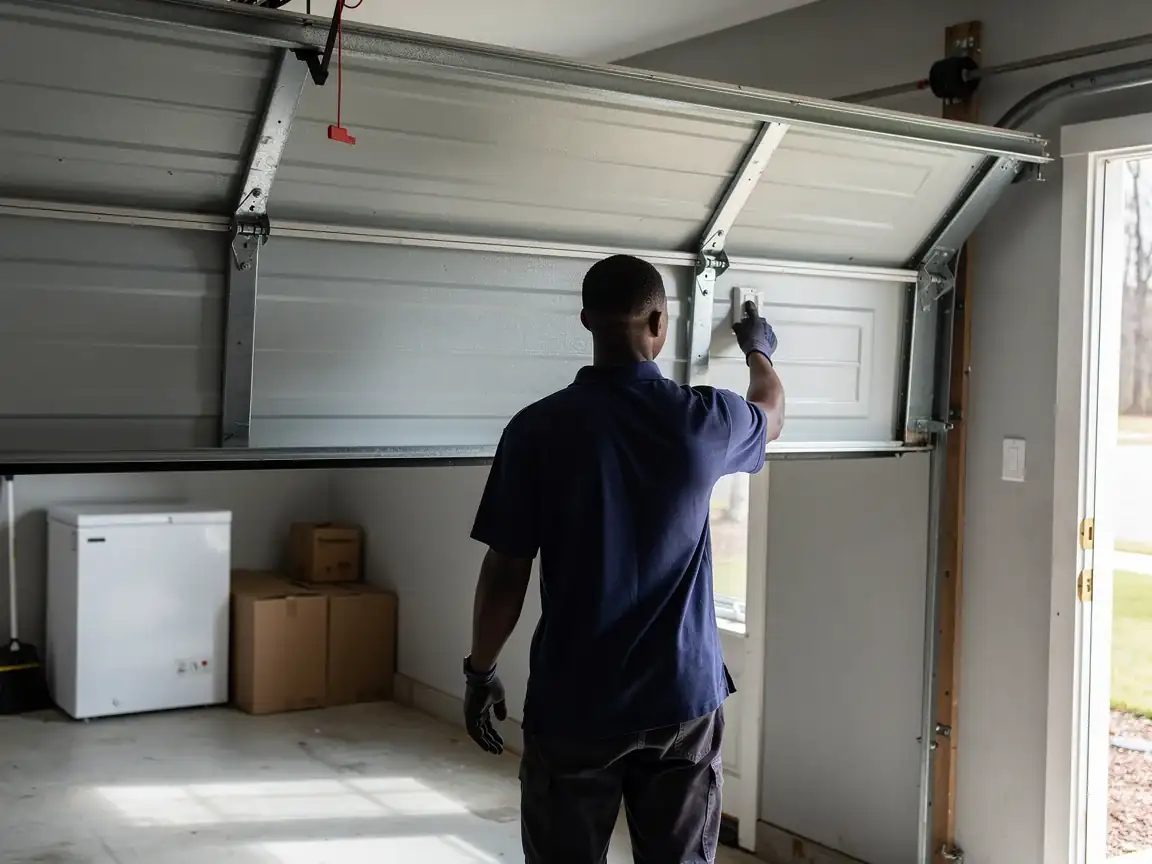
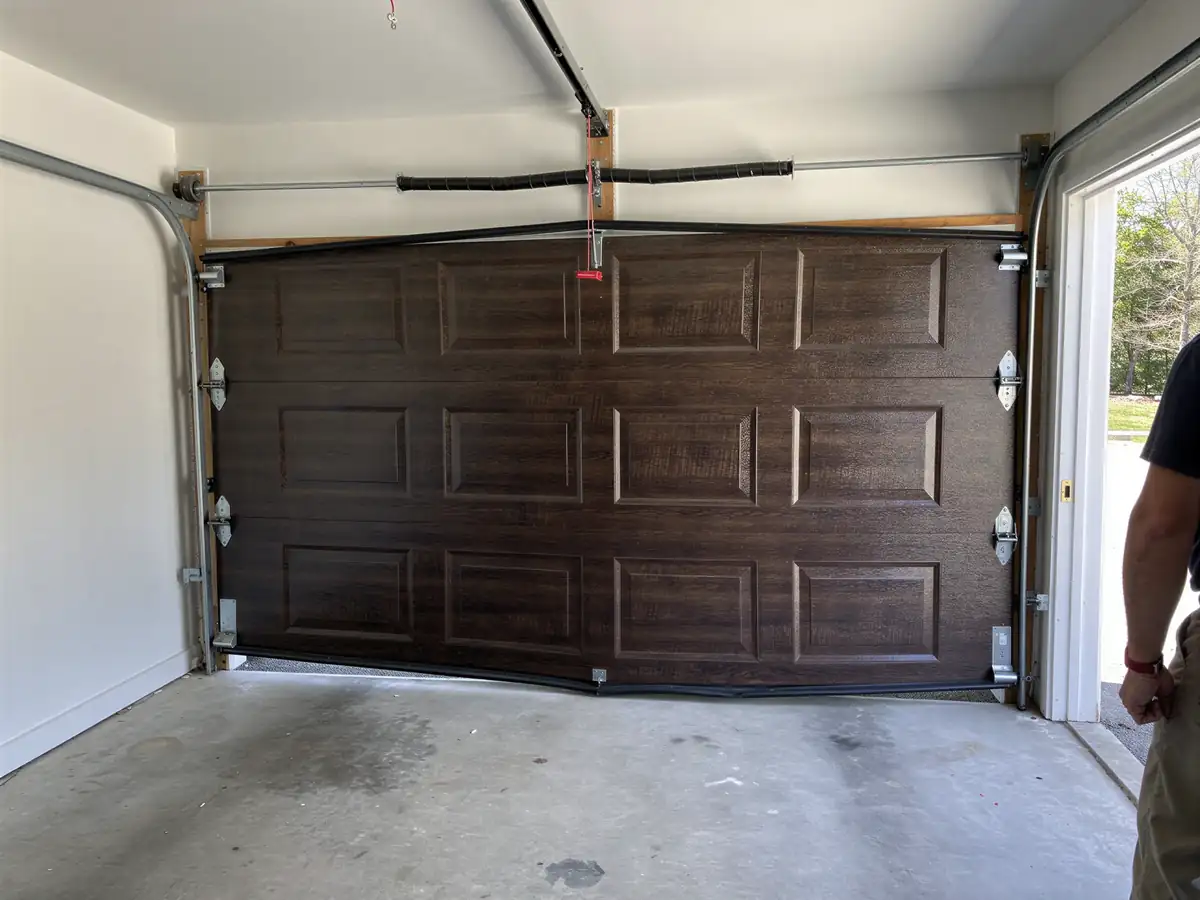
A door that's sagging to one side, an opener that strains and reverses partway up, or a door that comes down fast and uneven - these point to a spring that's losing tension before it fully fails. Catching it there is cheaper than catching it after the bang.
What It Costs
We don't post a flat number here because spring size, door weight, and whether it's a single or double door all change the job. What we can tell you: Dacula's median household income runs a bit above the wider service area's $70,625, and most of the spring jobs we see out this way are straightforward single-spring or matched-pair replacements on standard builder-grade doors - not custom or oversized setups that run higher.
The honest limitation: if your door is one of the older ones in the area - built well before 2001, with original hardware that's been patched more than once - the spring might not be the whole fix. At some point, replacing a spring on a door with worn rollers, a bent track, and a tired opener costs more in repeat visits than just replacing the door. We'll tell you straight if that's where your door is, rather than selling you a spring that buys six months.
Booking a Visit
We run out of Snellville, about 10 miles from Dacula, and we cover this area as part of our regular route rather than keeping a separate crew or depot here. That means we schedule Dacula spring jobs alongside the rest of the day's calls rather than treating it as a special trip - it doesn't change the price, it just means we're not sitting on standby around the corner.
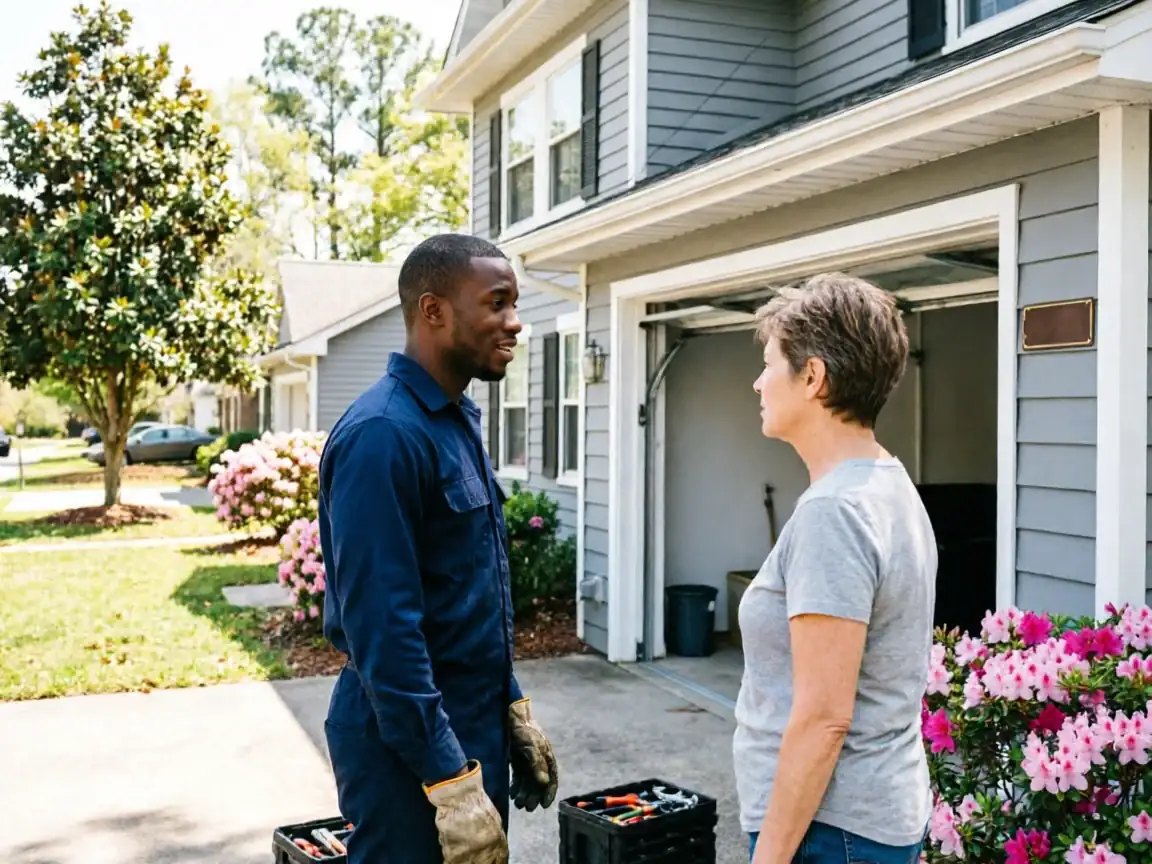
When you call, tell us whether the door is stuck shut, stuck open, or still moving but wrong - that changes what we bring on the truck. If the spring's fully snapped and the door is down, we bring the matched replacement; if it's partial, we bring tools to check tension and balance before we commit to a part.
Parts We Carry
For the torsion springs most common on Dacula's early-2000s builder-grade doors
We carry standard single and double-door torsion springs sized to match drum and door weight rather than a one-size-fits-all replacement. We also stock the matching cables and bearing plates, since those tend to wear out around the same time as the original spring on a house this age.
What we don't keep on the truck
Extension springs for older side-mounted setups, since those show up more on older housing stock than what's typical here, and specialty or oversized commercial-grade springs, which we order in rather than stock. If your door needs one of those, we'll tell you the lead time up front instead of guessing at an install date.