Doing It Yourself
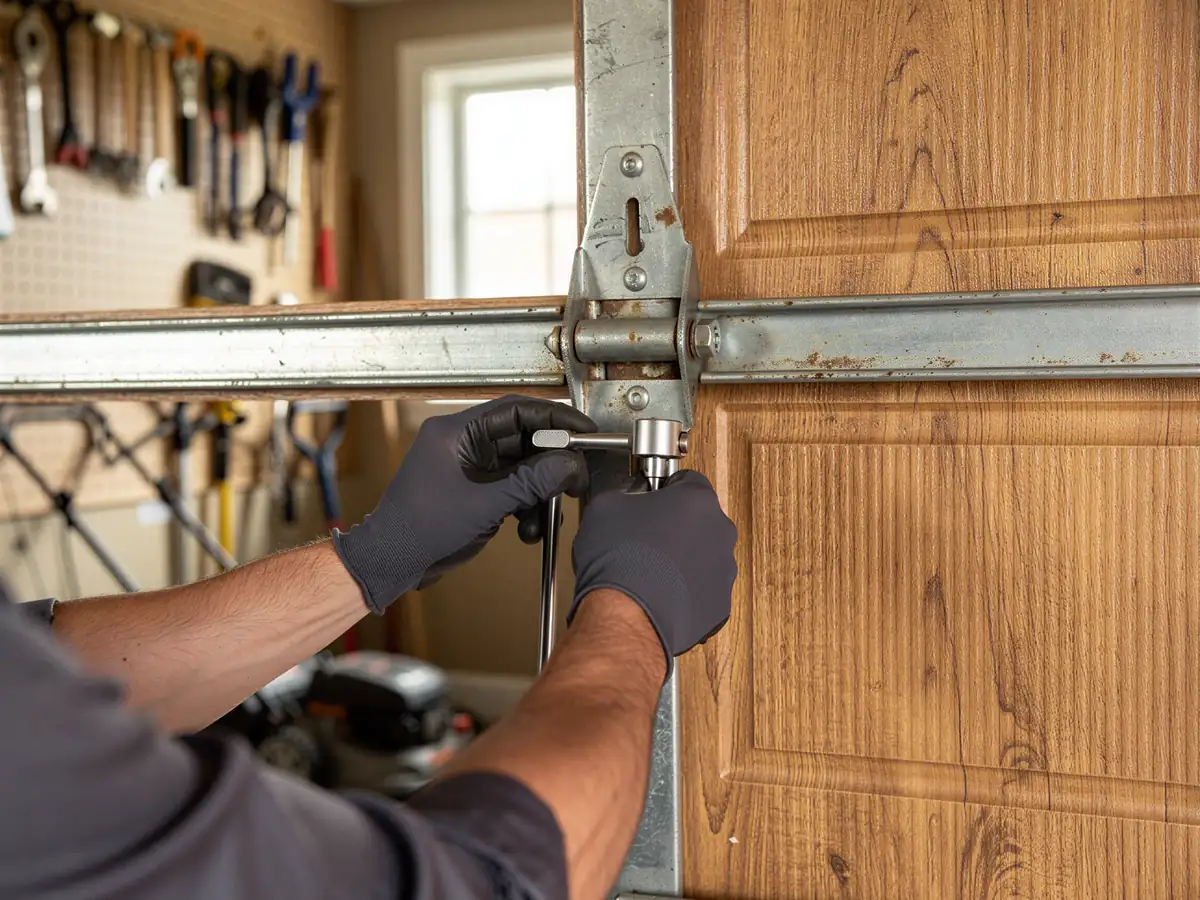
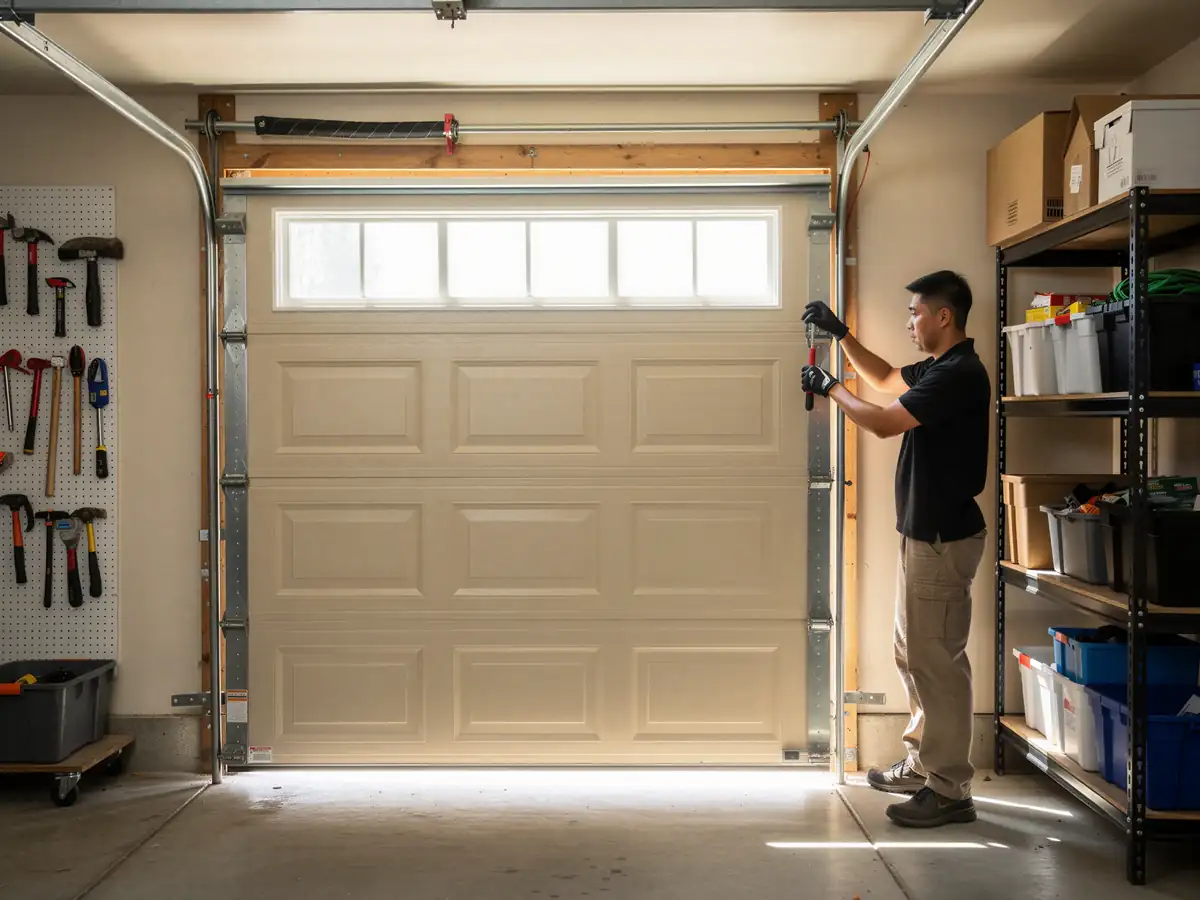
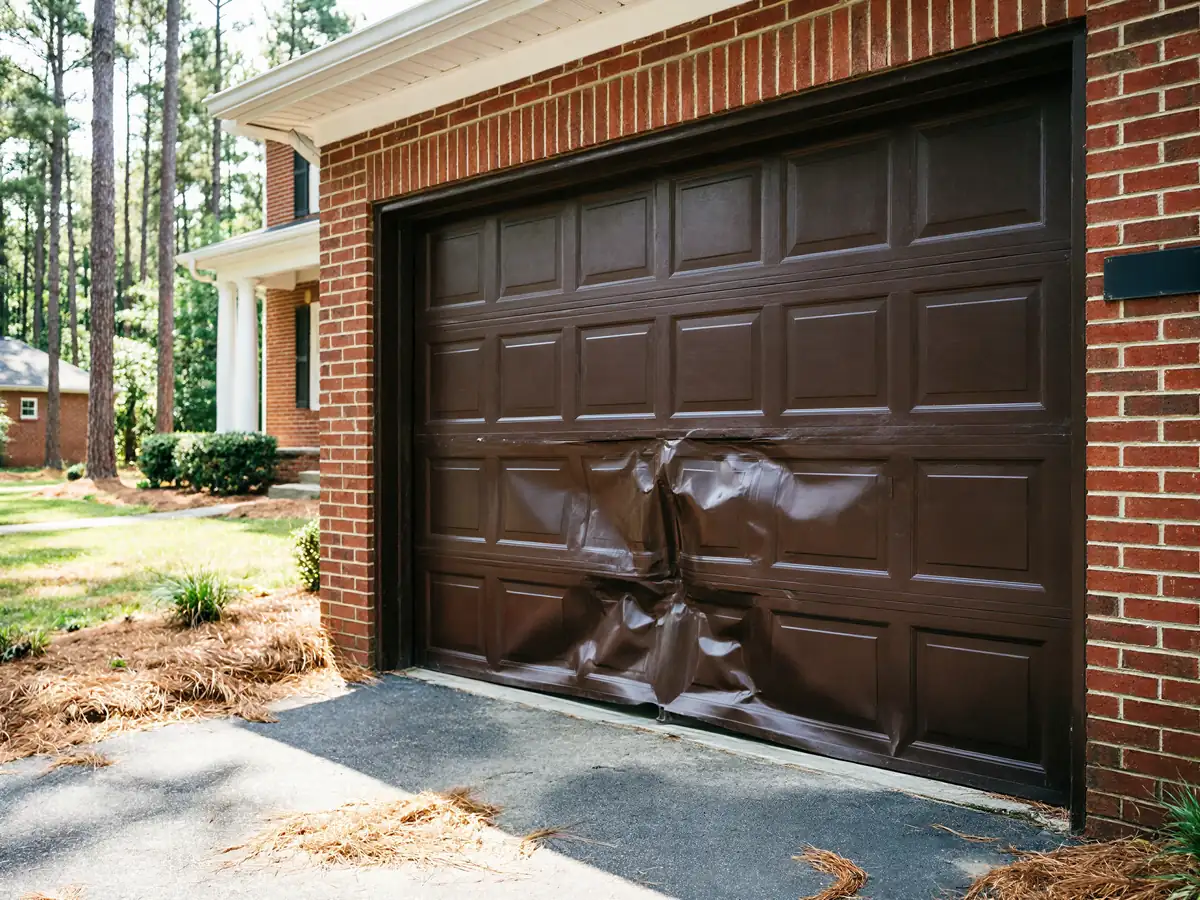
A dented or cracked panel looks like a bolt-on job, and sometimes it is. If your door is still under ten years old and the manufacturer still makes that profile, a single replacement panel can run a weekend DIY job with a socket set and a second pair of hands to hold the section plumb while you re-pin the hinges.
The trouble starts with matching. Snellville's housing stock runs from 1951 up through 2012, with the median build year sitting around 1978, so a lot of doors on the market here are decades past their original run. The exact ribbing pattern, panel height, and window cutout on a door installed in the Carter administration is not something you order off a shelf. You can sometimes find a close match from a salvage yard or a supplier who still stocks older profiles, but "close" on a garage door panel means visible color mismatch and a slightly different flex when the door cycles.
If you're set on doing it yourself, measure twice before you order anything: panel height, section count, and whether your track is standard-lift or low-headroom. Getting that wrong means a second order and a second delay.
Why This Fails Locally
Most of the houses across this service area went up in the 1960s and '70s, inside 22 named subdivisions and neighborhoods that all got their garage doors around the same few years. That means a huge share of the doors here are the same age, made from the same gauge steel, and hitting the same failure window at roughly the same time.
Snellville sits in a cold moderate climate band, not the deep freeze of the upper Midwest, but enough winter temperature swing that steel panels expand and contract every season. Do that for forty-plus years and the bottom panel - the one that takes the brunt of ground moisture and road salt runoff from the driveway apron - is usually the first to bow, rust through at the seam, or crack where the roller bracket bolts in.
This isn't a defect in the door. It's just what happens to a steel panel that's outlived its finish. A door installed when Snellville's housing stock was new is now old enough that finding an exact replacement panel is the exception, not the rule, which is why so many of these jobs end up as a full door swap instead of a patch.
How It Shows Up
The most common call is a bottom panel with a rust line along the bottom edge
Usually worse on one side where water pools against the slab. Close behind that is a dented mid-panel from a car bumper or a thrown ball, which on an older door often reveals rust already working underneath the paint once the dent is pushed back out.
On doors from the 1960s-70s stock that makes up most of this area
You'll also see hairline cracks radiating from the roller bracket bolts - thirty-plus years of a steel panel flexing on every open and close eventually fatigues the metal right at the fastener. That's a structural weak point, not just cosmetic.
Less often, we see a full section that's delaminated
The foam core separating from the steel skins - which shows up as a panel that feels soft or "oil-canned" when you press on it. That's a sign the panel is past patching regardless of its age.
Where This Job Goes Sideways
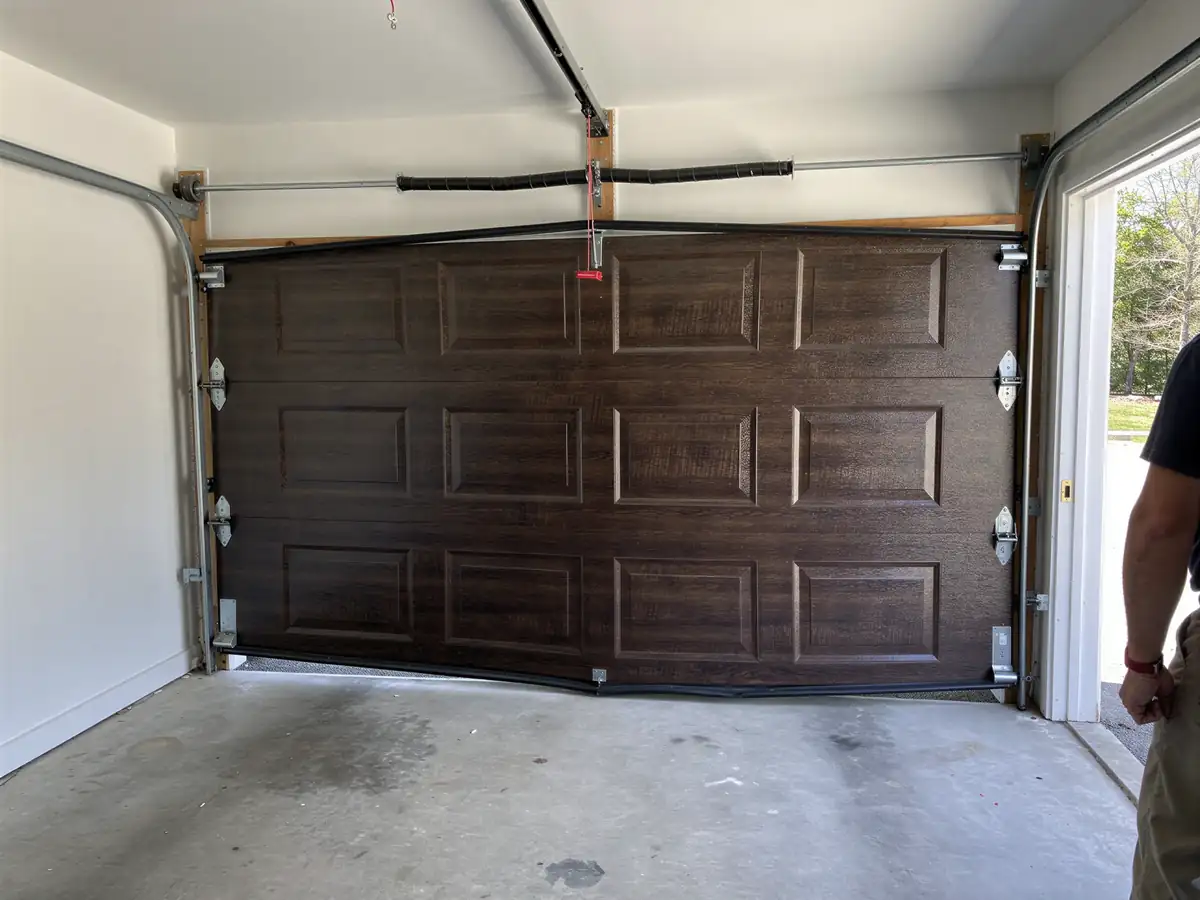
The job goes sideways when a homeowner orders one replacement panel for a door built in the 1960s or '70s and the new panel doesn't match the gauge or coating of the surrounding sections. The door still opens and closes fine, but it's visibly two-toned and the new panel flexes differently under wind load than the old ones next to it.
It also goes sideways on multi-panel damage. If two or three sections on a door from that older housing stock are rusted or cracked, by the time you add up individual panel costs, you're often close to the price of replacing the whole door with better insulation and a current coating - and now you've got a door where some panels are decades newer than others.
Honest limitation: we don't keep every discontinued panel profile in stock, and for doors old enough to match Snellville's 1978 median build year, an exact match sometimes isn't available at any price. In that case the right call is a full door, not a mismatched patch, and we'll tell you that up front instead of ordering a panel that won't look right.