When to Call Someone
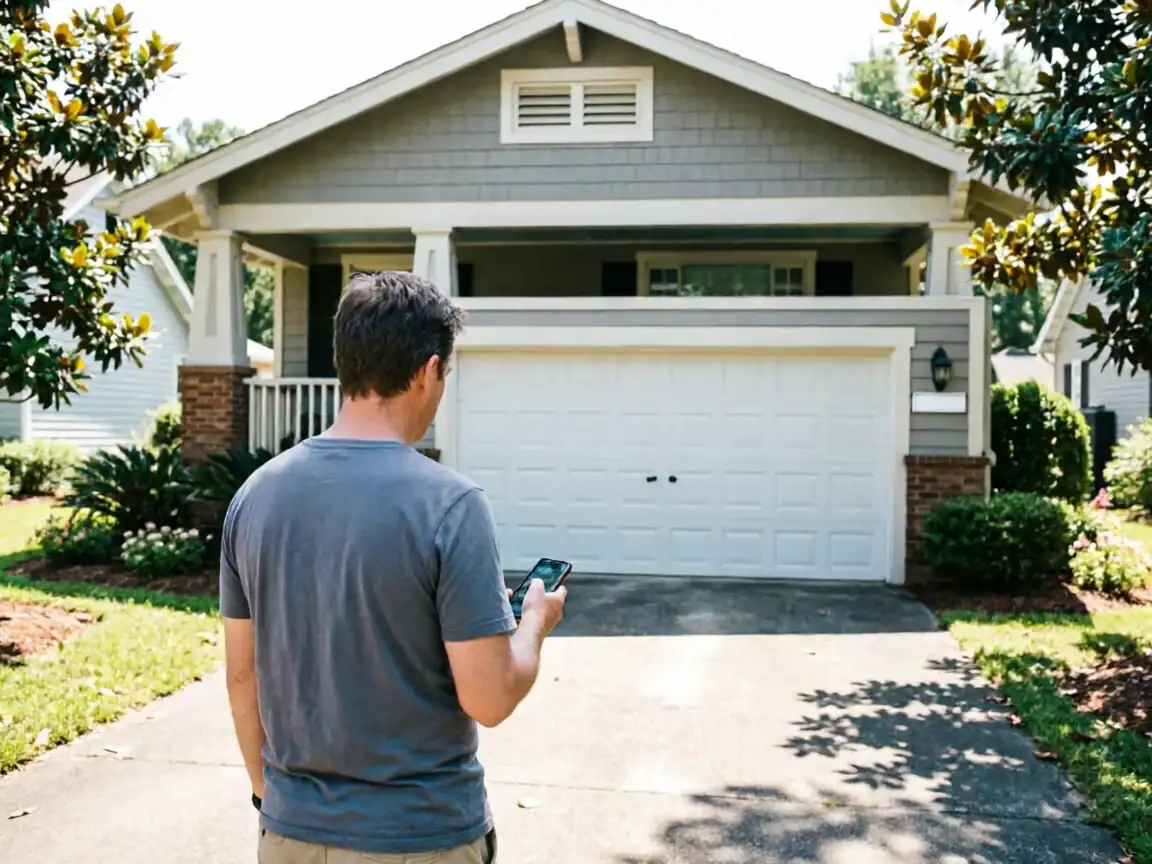
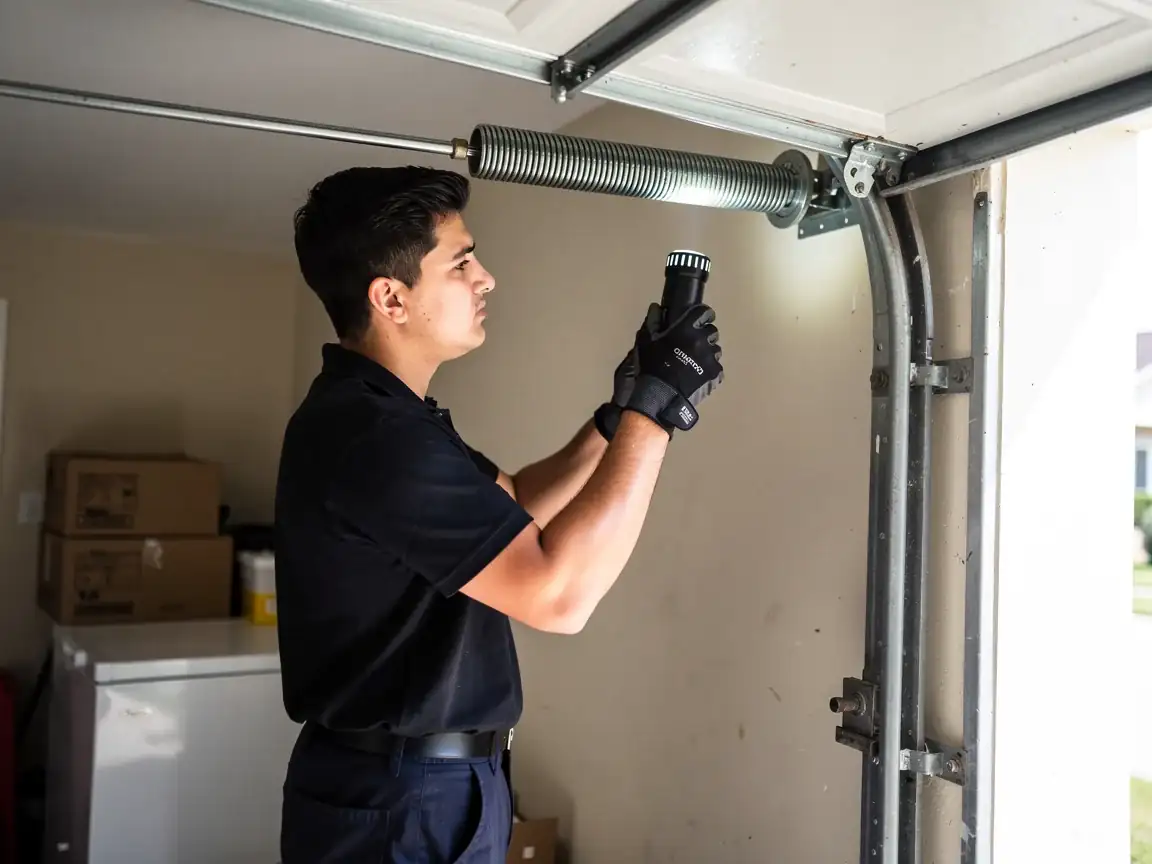
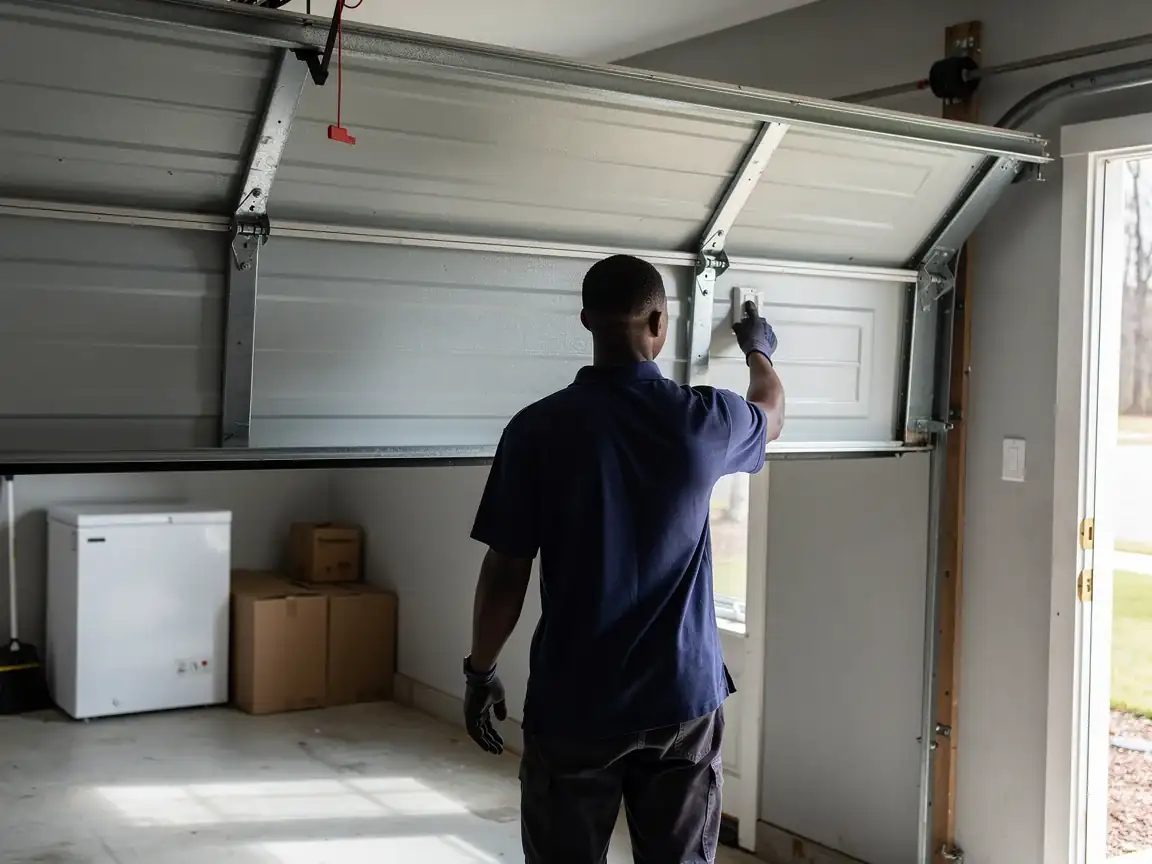
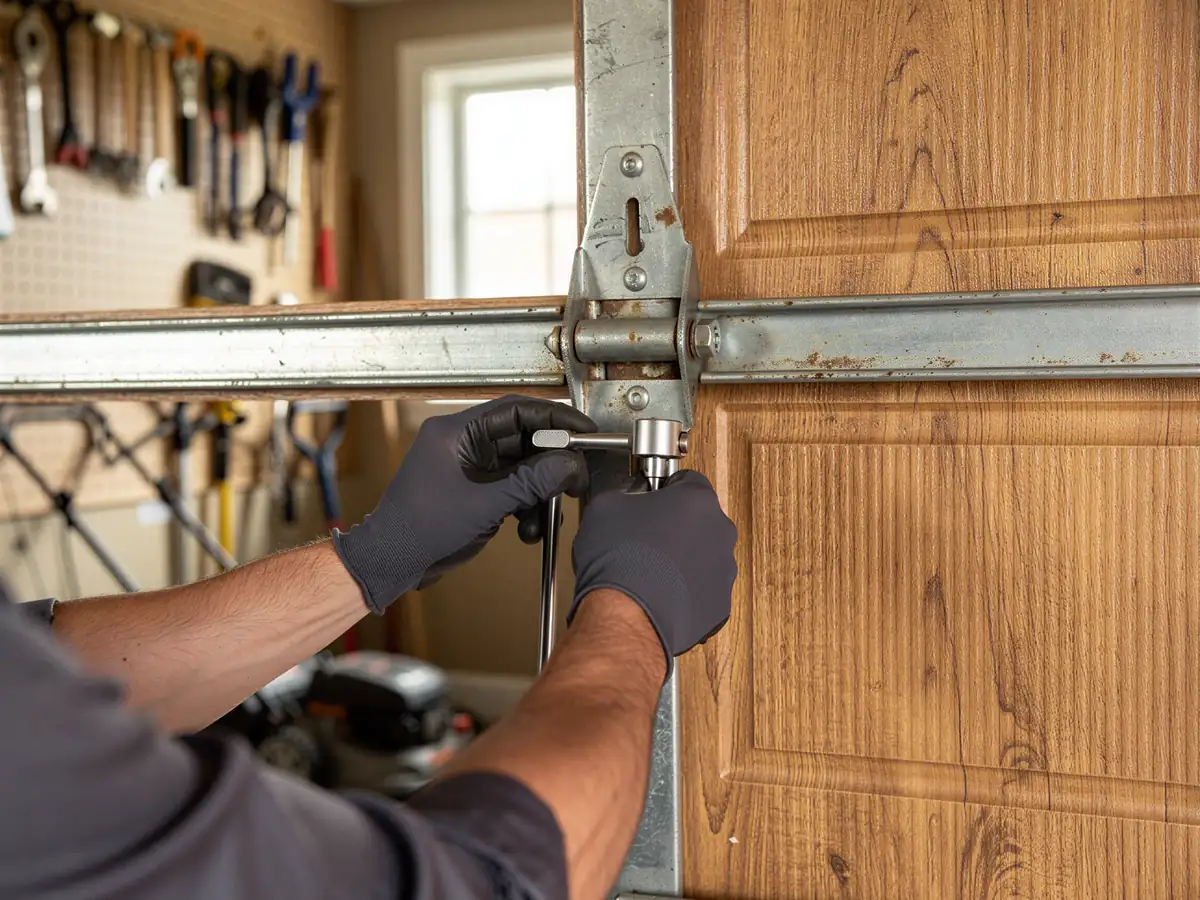
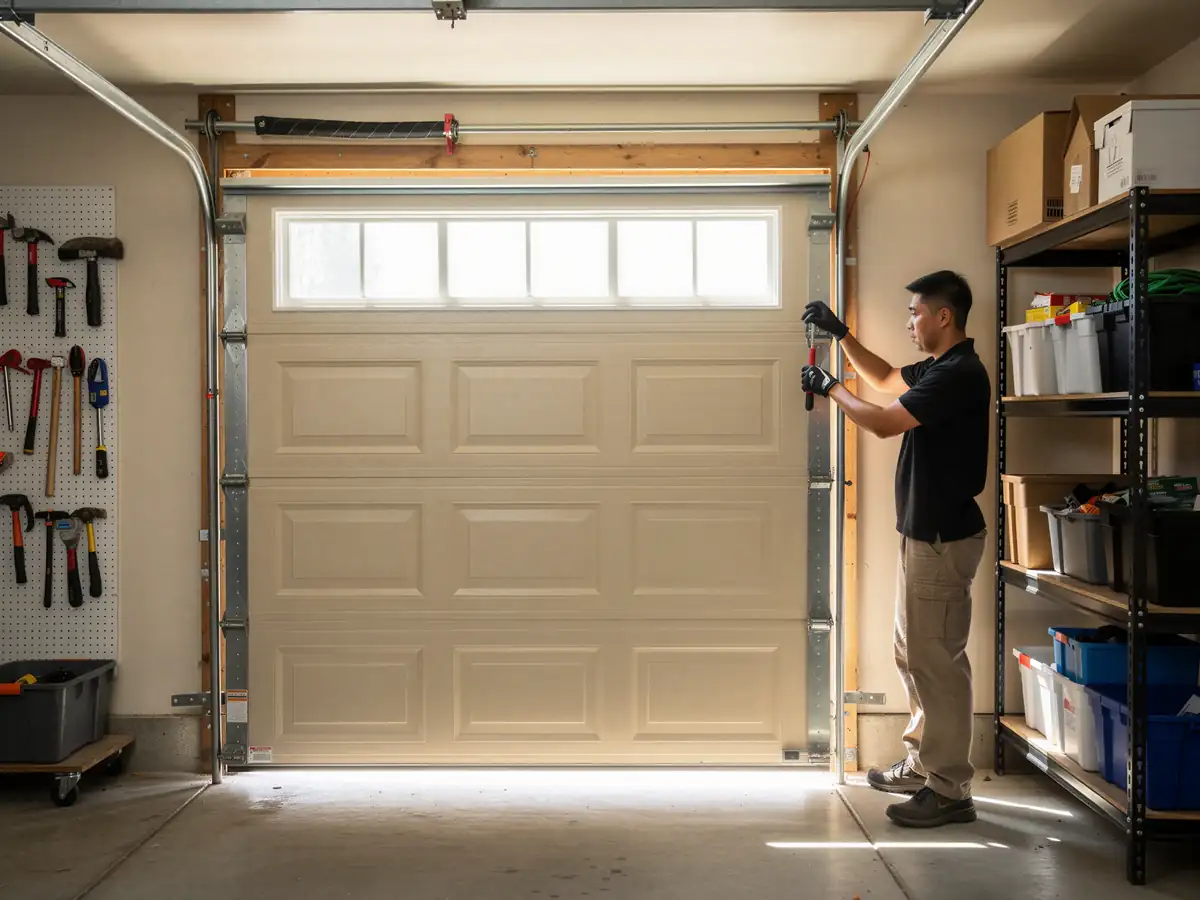
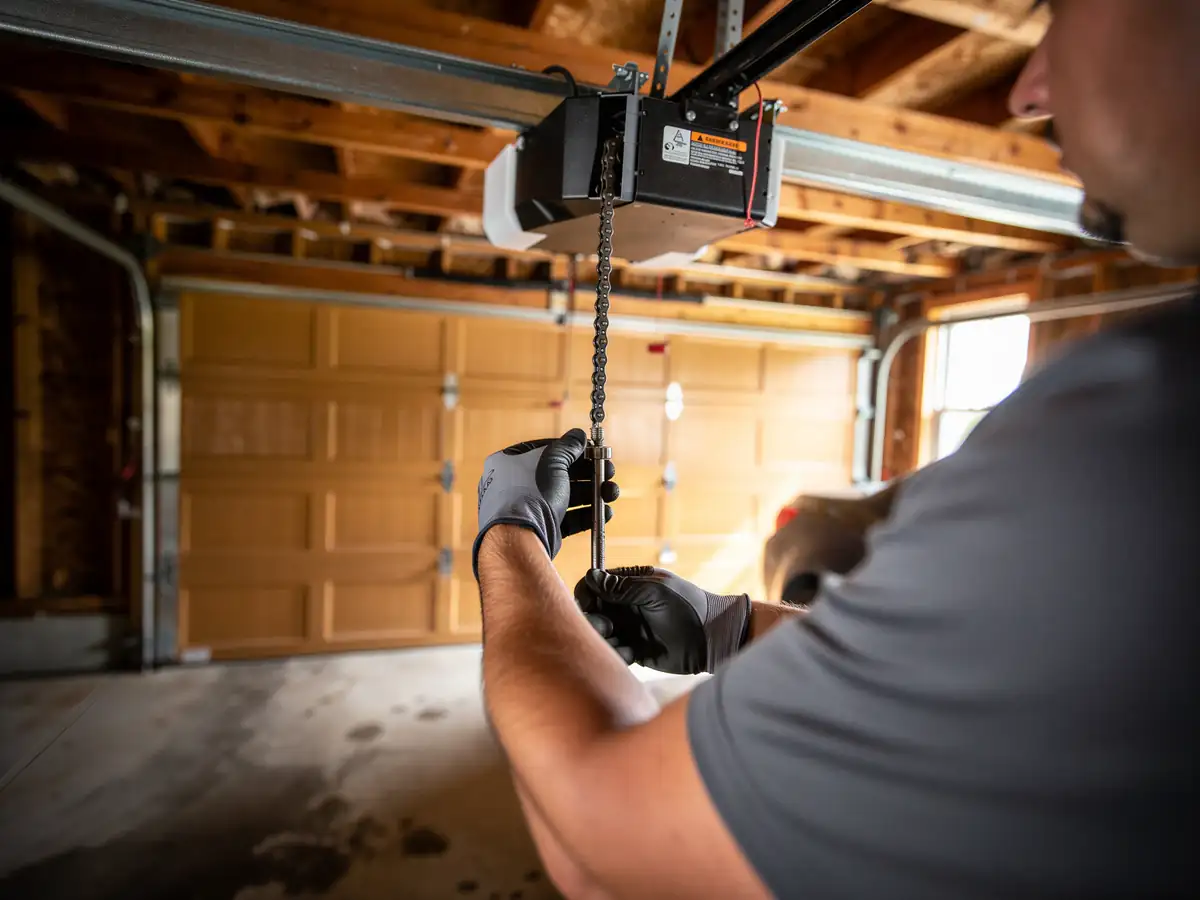
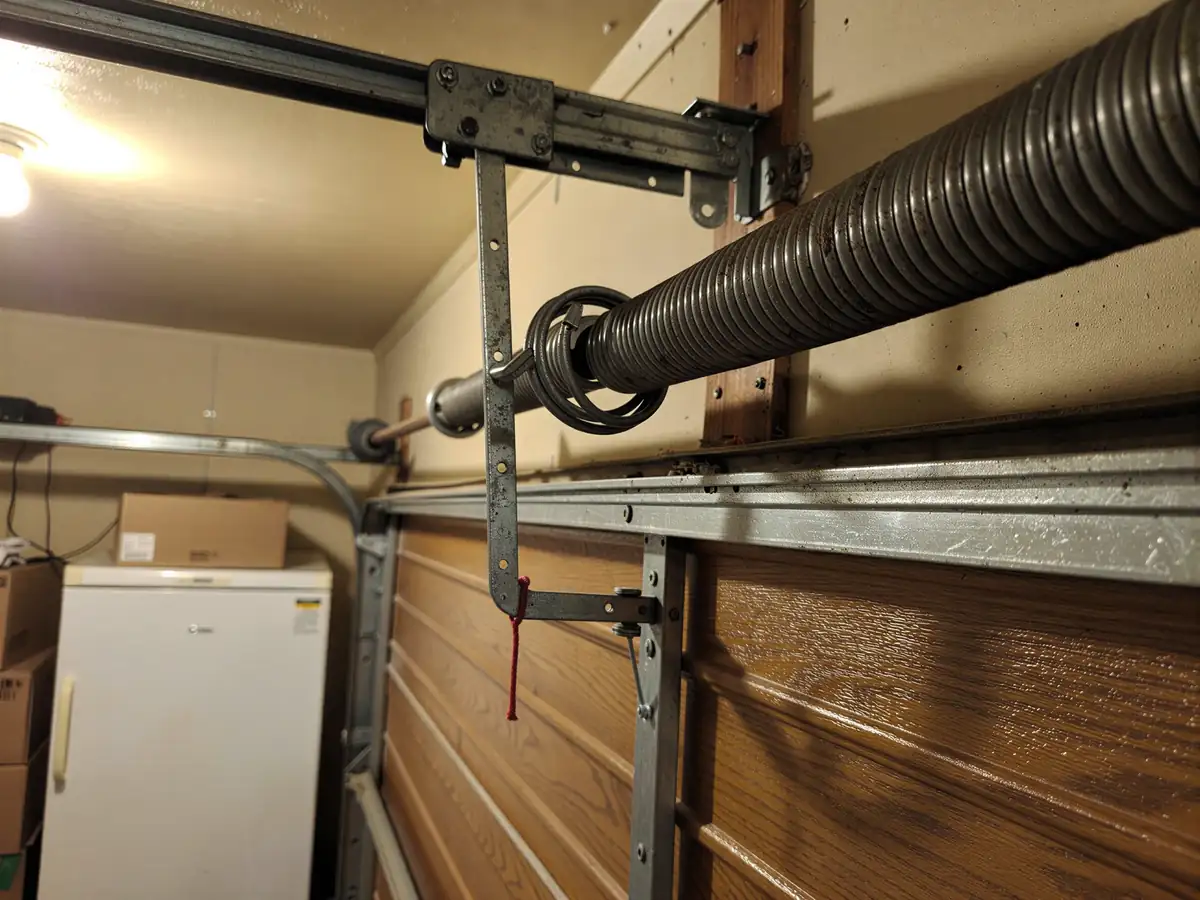
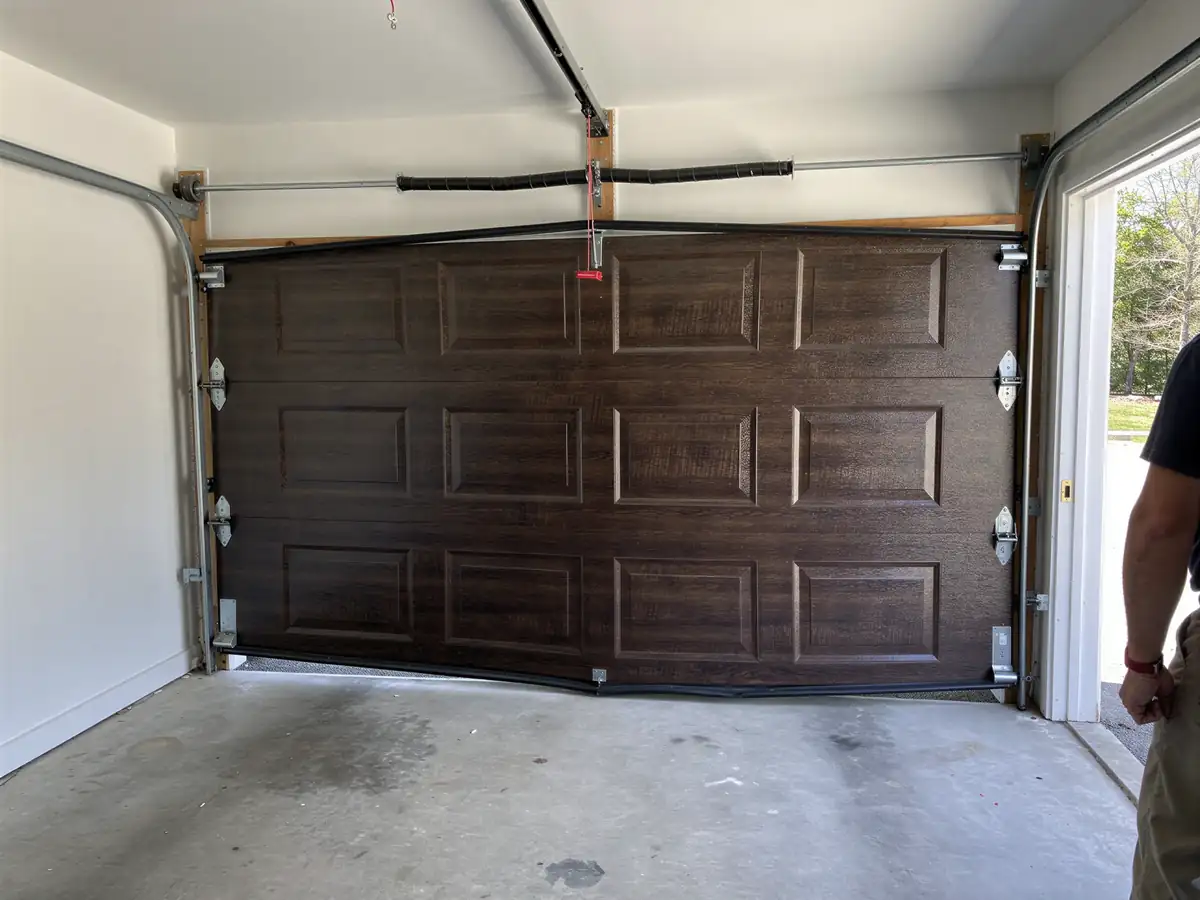
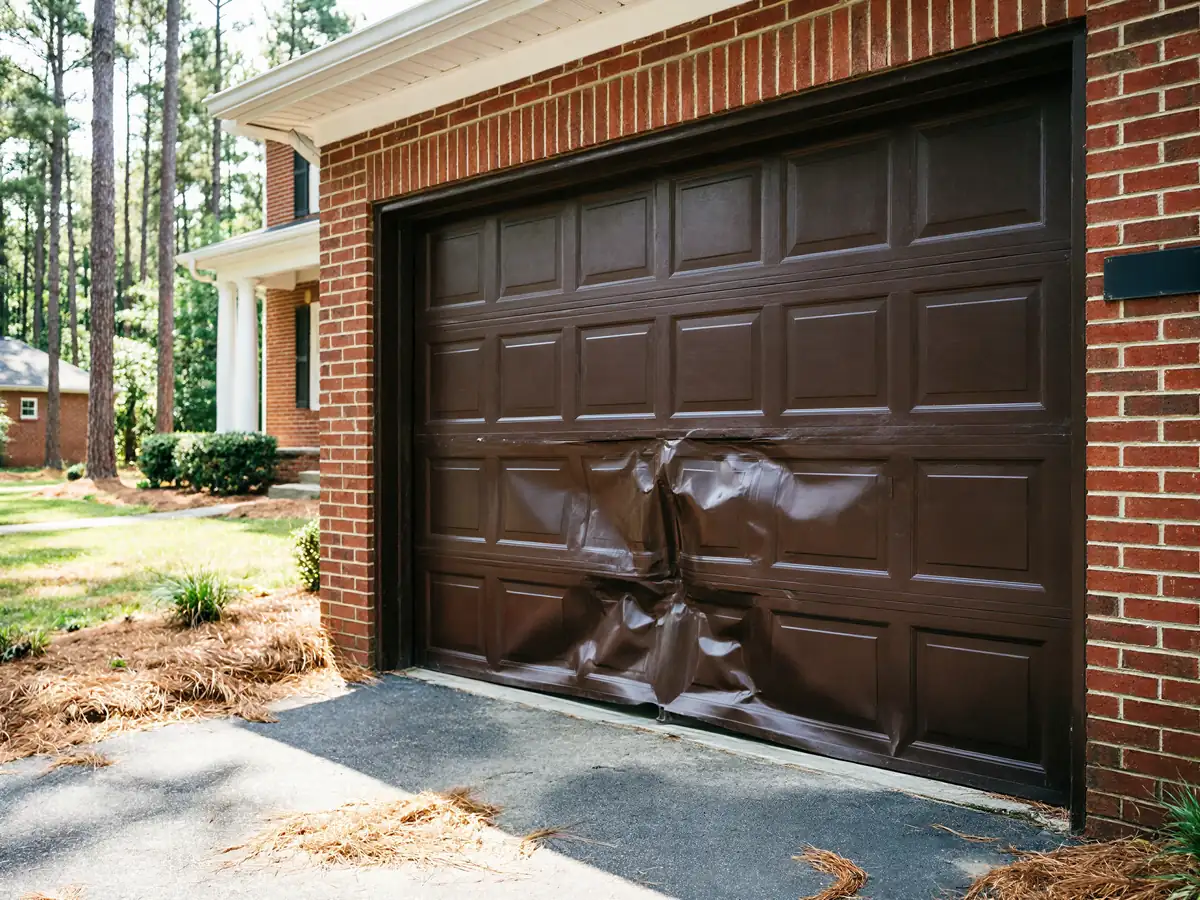
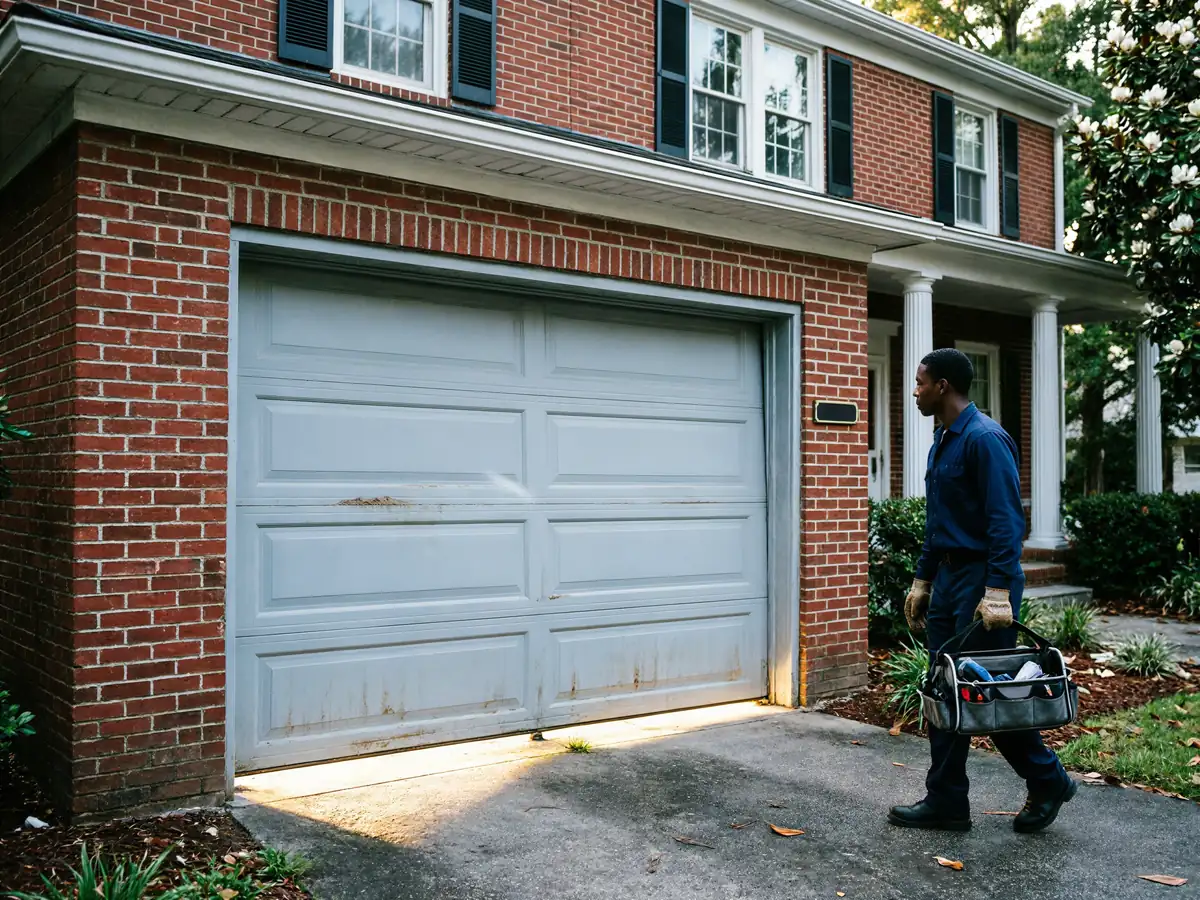
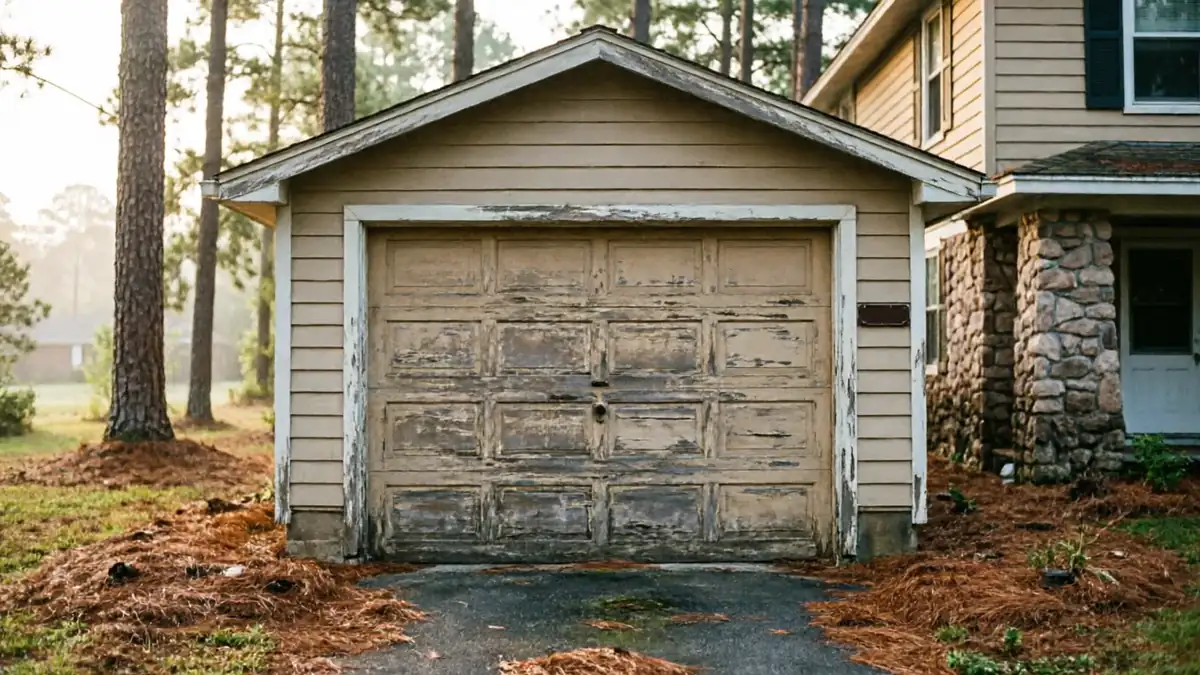
Snellville's housing stock runs from 1951 up through 2012, but the bulk of it - across the 22 named areas that make up this service area - went up in the 1960s and 70s. That matters for one reason: a door on a house from that era is almost never the original door, but it's often the second or third one, installed on hardware that was never upgraded when the panel changed. If your door is binding on the track, if the opener strains and reverses before it closes, or if a cable has started to fray near the bottom bracket, that's past the point of a homeowner fix. Call before the spring or cable lets go while the door is up - that's when someone gets hurt or a car gets pinned under 150+ pounds of steel. If the door is original to a 1960s or 70s build in this area, the torsion hardware is likely sized for a lighter door than what's hanging on it now, and that's worth a second set of eyes before you touch it yourself.
The Problem
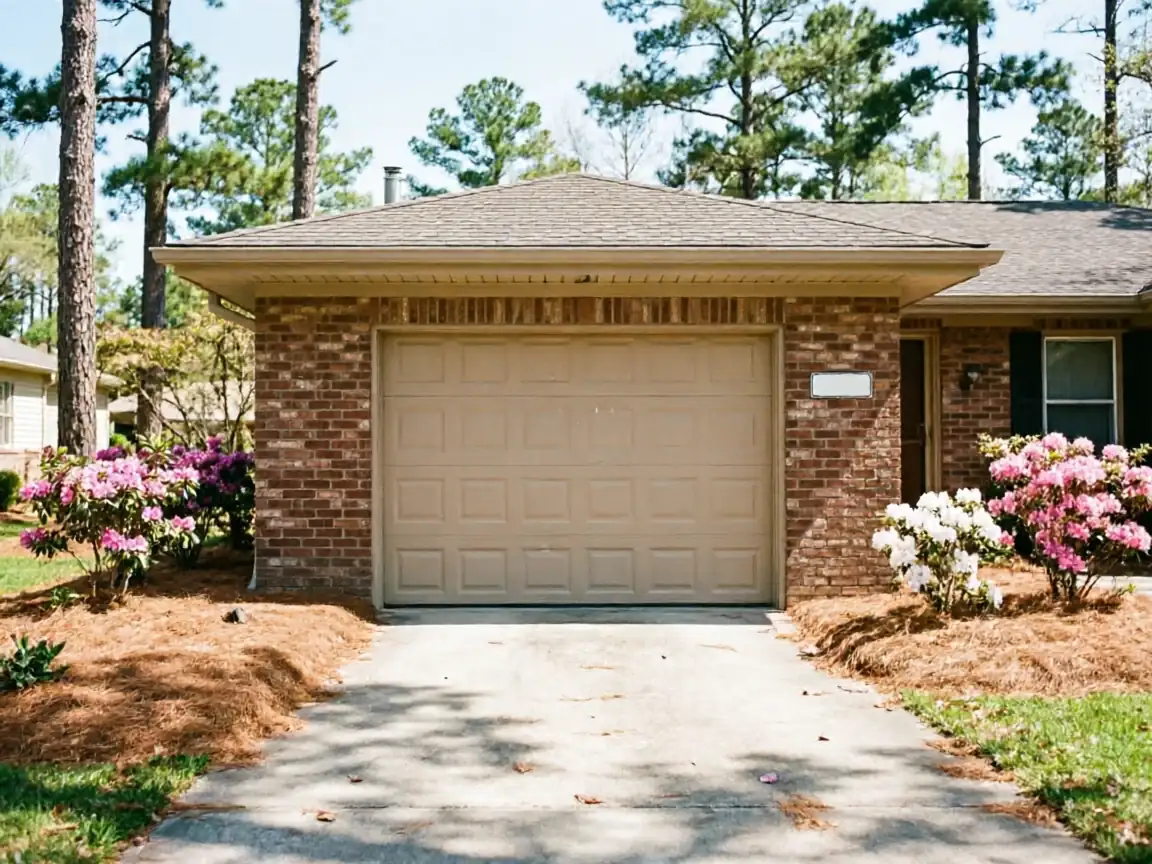
Doors from the 1960s and 70s stock common across Snellville were built for single-car or narrow double openings, with torsion springs rated for the original wood or light steel panel. Decades on, a lot of those openings have been retrofitted with heavier insulated steel doors, but the original spring and drum setup stayed in place because nobody thought to size it up. That mismatch shows itself as an opener working harder than it should, a door that drifts down on its own, or rollers that have worn their track grooves oval instead of round. None of that is catastrophic on day one. It becomes a problem when a spring under the wrong load finally snaps, or a track pulled slightly out of plumb by decades of settling finally lets a roller jump out. Houses built on this stretch of clay-heavy Georgia soil shift a little over fifty-plus years, and a garage door track is one of the first things in the house to show it, because it's a straight, rigid run bolted to a frame that isn't perfectly straight anymore.
How Local Conditions Play In
Snellville sits in a cold-moderate climate band, which means winter cold is real enough to stiffen grease and metal but not severe enough to demand the insulation specs you'd see further north. That's actually good news for an older door: a 1970s steel door with a worn-out seal is a comfort and energy problem here, not a pipe-freezing one, so you have more room to decide on your own schedule rather than under emergency pressure. With a median household income of $70,625 in the area, a lot of owners are weighing a $150-300 spring or cable repair against the cost of full replacement - and for a door that's structurally sound with good panels, the repair almost always wins. Where it doesn't: a door with rusted-through bottom panels or a frame that's racked from decades of an unlevel track. At that point you're not fixing a door, you're patching one, and a patched door on a house from this era tends to need another visit within a year or two.