Doing It Yourself
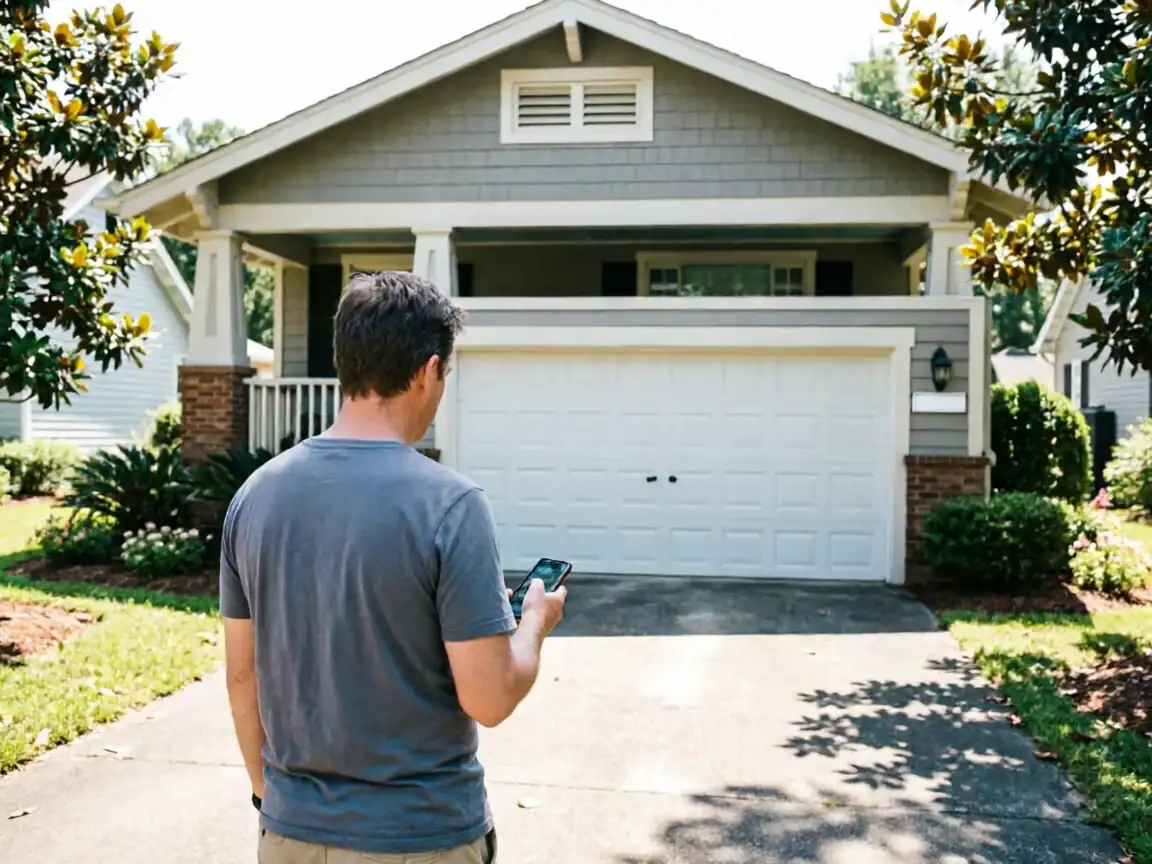
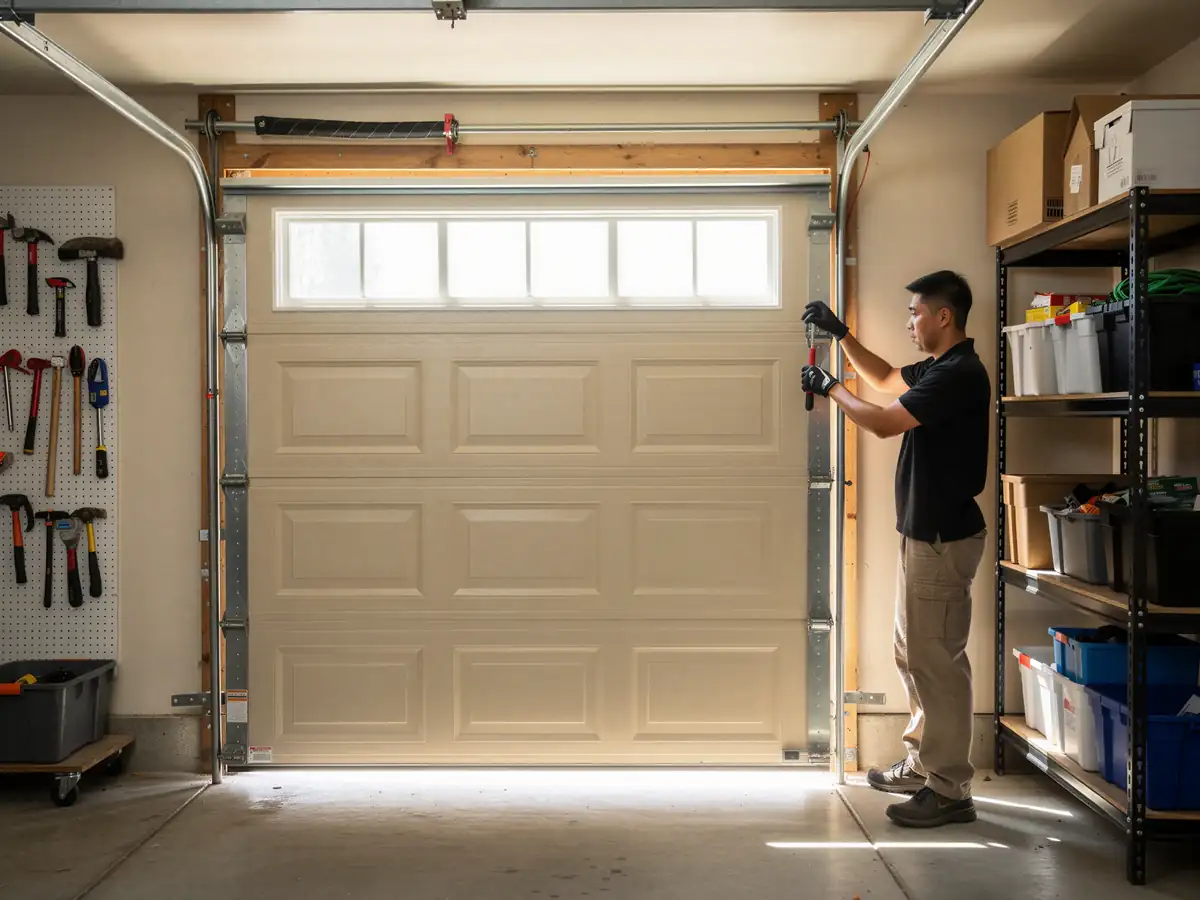
A lot of what goes wrong with a garage door looks simple from the garage floor. You tighten the bracket bolts, spray some lubricant on the rollers, maybe straighten a bent panel with a rubber mallet. For a loose hinge or a dry track, that's often enough, and there's no reason to call anyone for it.
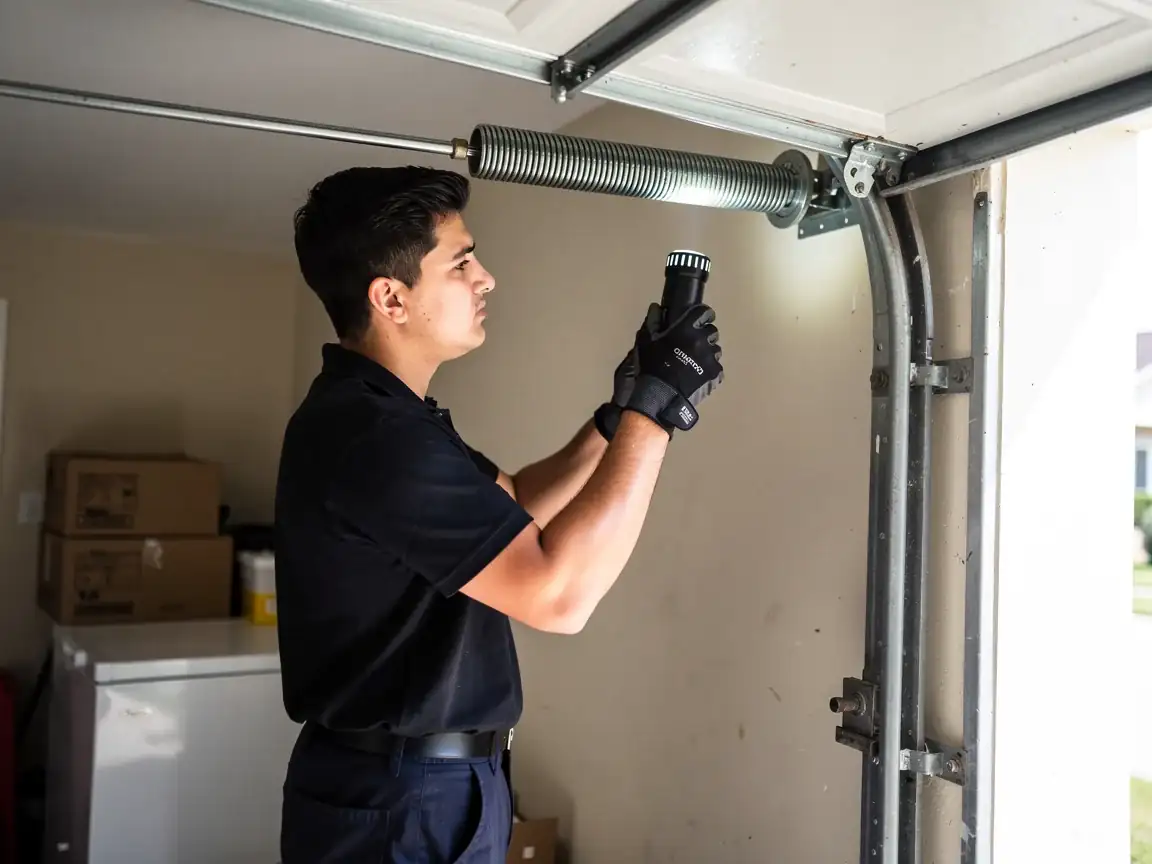
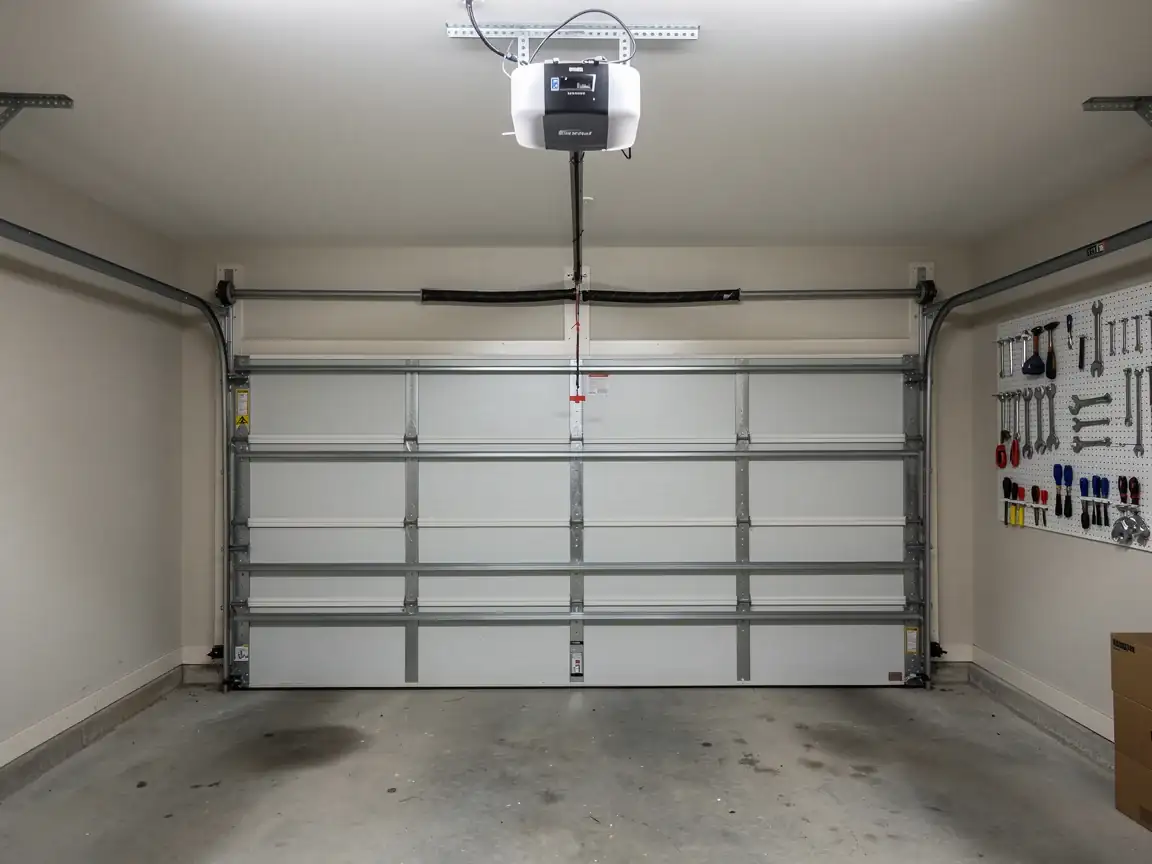
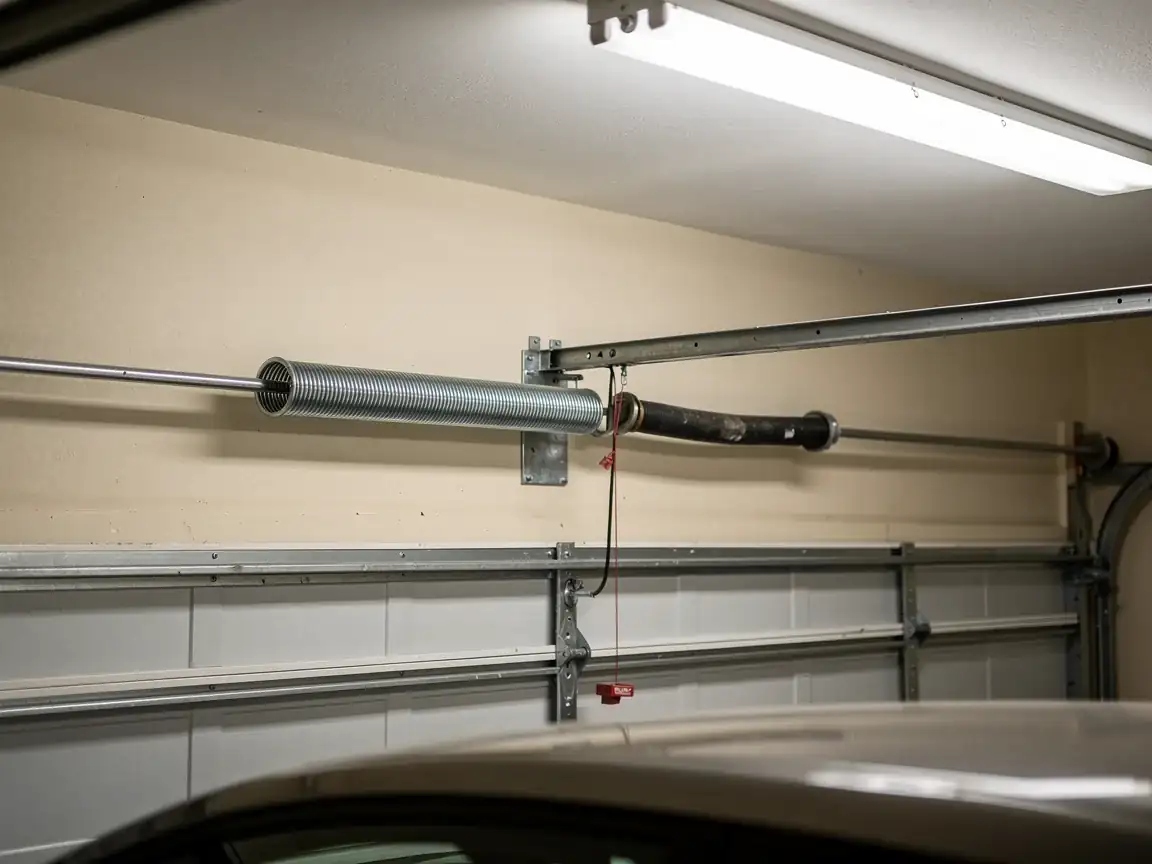
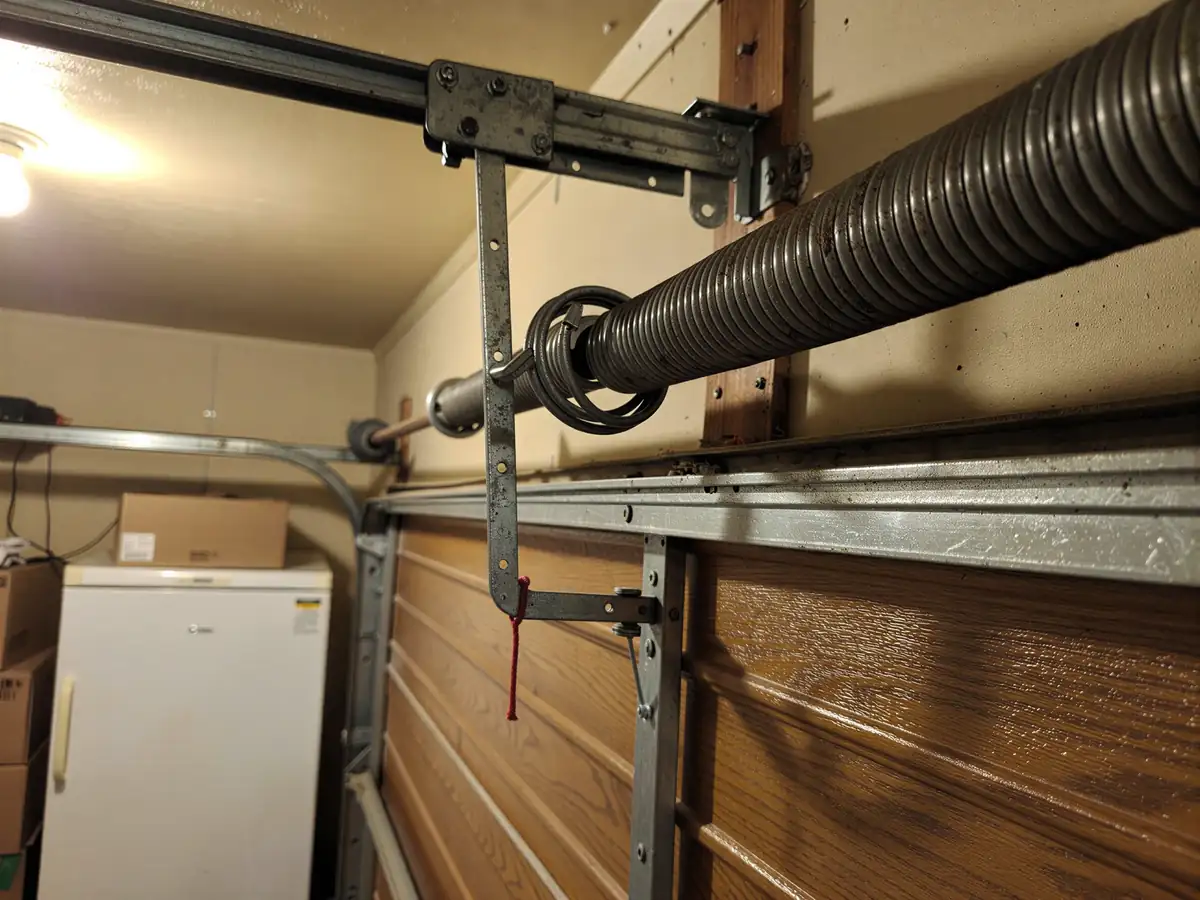
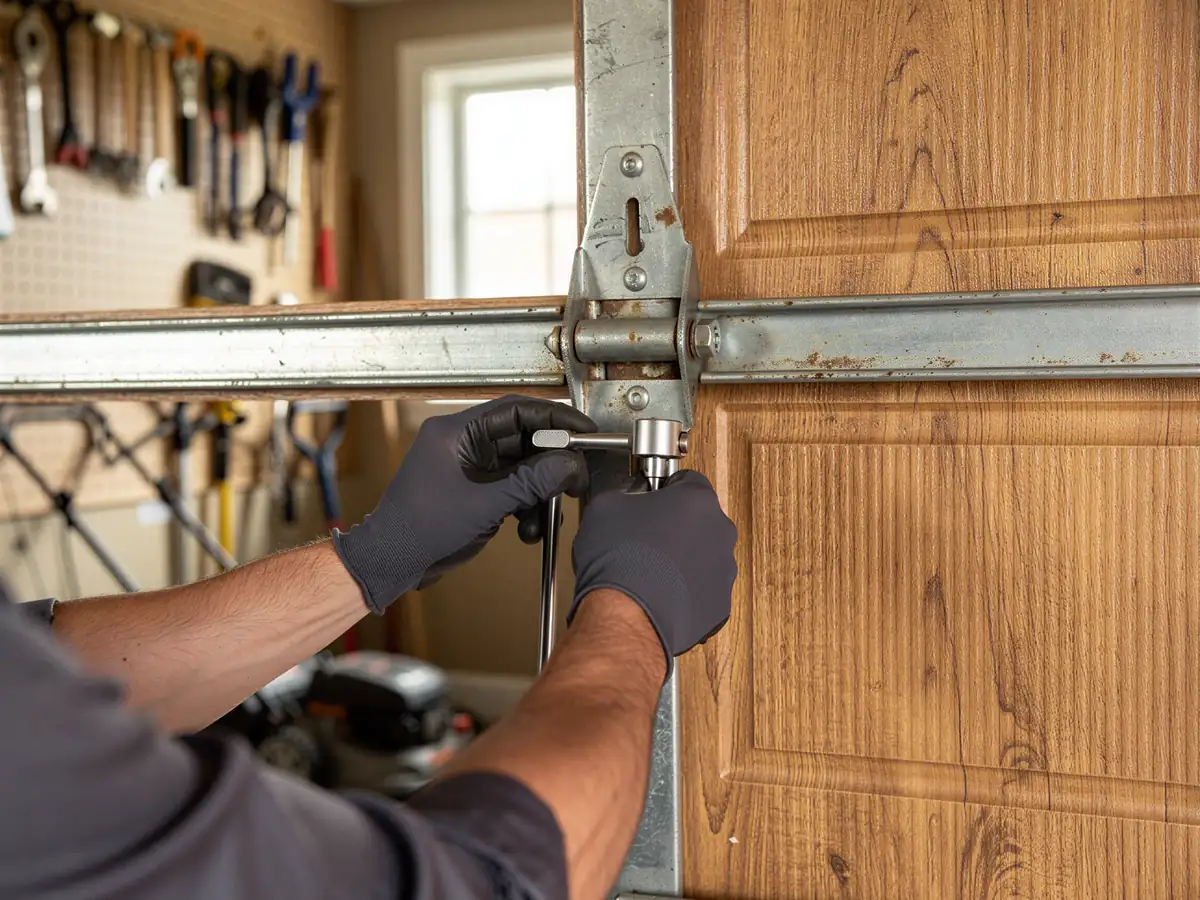
Where it stops being a weekend job is the torsion spring. Homes in this service area built through the 1960s and 70s mostly run side-mounted torsion hardware, and the spring on that setup is wound under enough tension to break a hand or a face if it lets go while you're working on it. We won't talk you through replacing one over the phone, and any guide that walks you through it without mentioning a winding bar calibrated to the door's weight is skipping the part that matters.
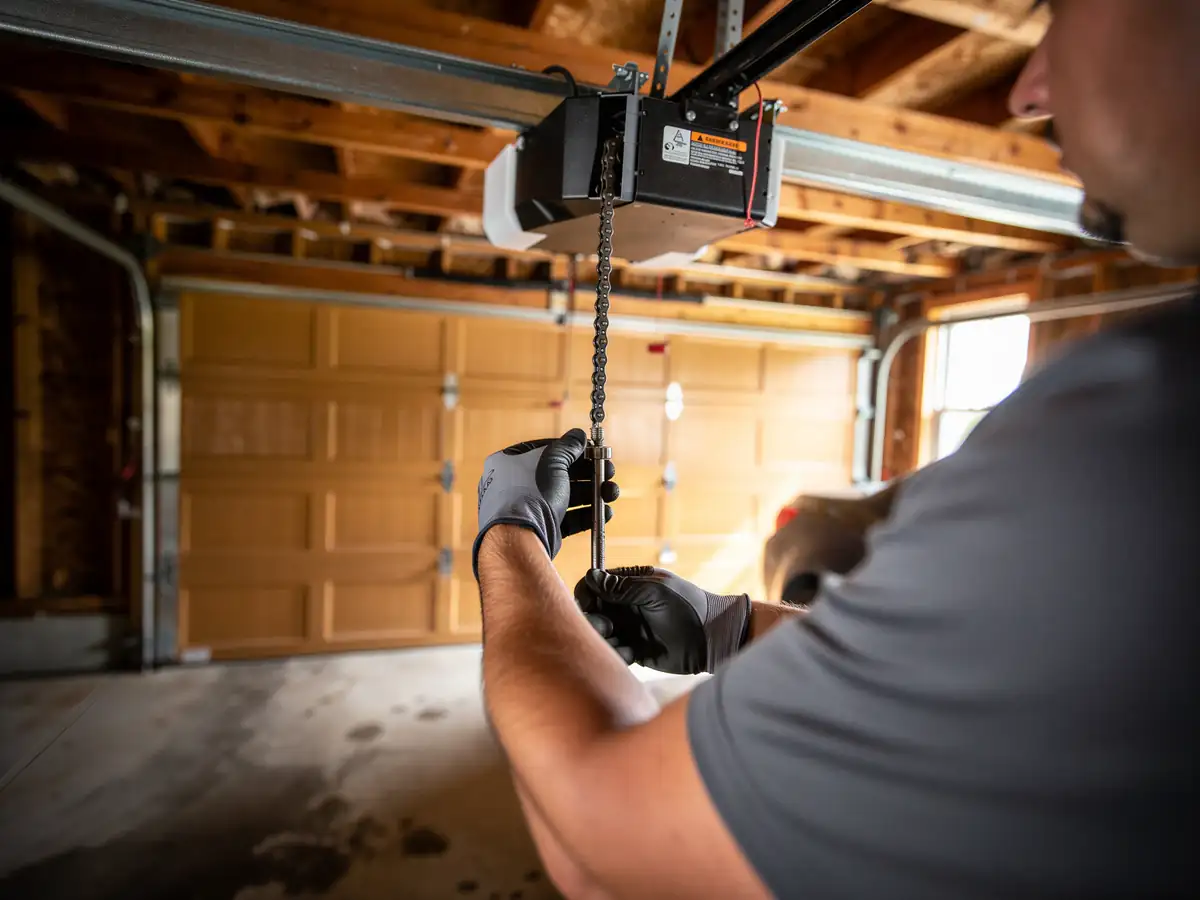
The honest limit here: if your opener is original to a house built in the 1970s or 80s, the control board and the spring are probably both near the end of their service life, and a repair that only fixes one of them buys you a few months before the other fails. We'll tell you that straight rather than sell you a spring job on a dying opener.
Why This Fails Locally
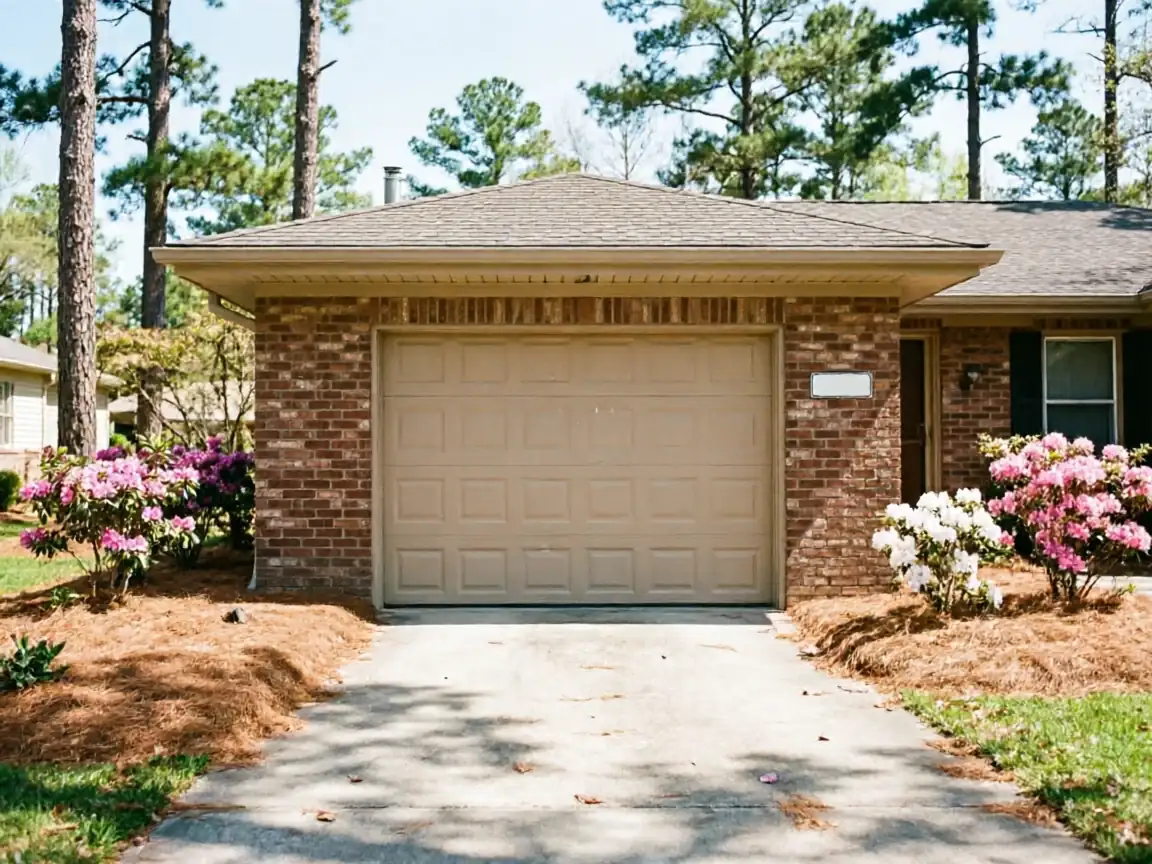
The housing stock across this service area runs from 1951 up to 2012, with a median build year around 1978 and the bulk of it concentrated in 1960s and 70s construction spread across more than twenty named neighborhoods. That matters for garage doors because torsion spring wire and opener gear sets from that era were built to specs that don't match what's on the shelf at a big-box store today. A spring rated for a door built in 1968 is a different wire gauge than what ships standard now.
Add the climate band this area sits in - a moderate cold zone, not the deep freeze of the upper Midwest but enough swing between summer heat and winter cold to fatigue steel faster than a mild, stable climate would. Torsion springs lose temper through repeated expansion and contraction, and a 45-year-old spring that's seen five decades of those cycles is working on borrowed time whether or not the door looks fine from the driveway.
That combination - older torsion hardware plus real seasonal swing - is why spring failure and opener gear wear show up here on a schedule you don't see in newer-built suburbs where most doors are still under twenty years old.
How It Shows Up
The most common call we get starts the same way
The door worked fine yesterday, and this morning it won't lift, or it lifts a few inches and stops. That's usually a spring that's lost enough tension that the opener motor is trying to lift the full weight of the door on its own, which it isn't built to do for long.
Cold mornings make it worse
A door that's a little sluggish in July can seize up hard on a 30-degree morning because the steel has contracted and the lubricant on the track has thickened. If you've noticed your door is noticeably louder or slower to respond on cold days than warm ones, that's the spring and track telling you something, not just the weather.
Another pattern on older torsion setups
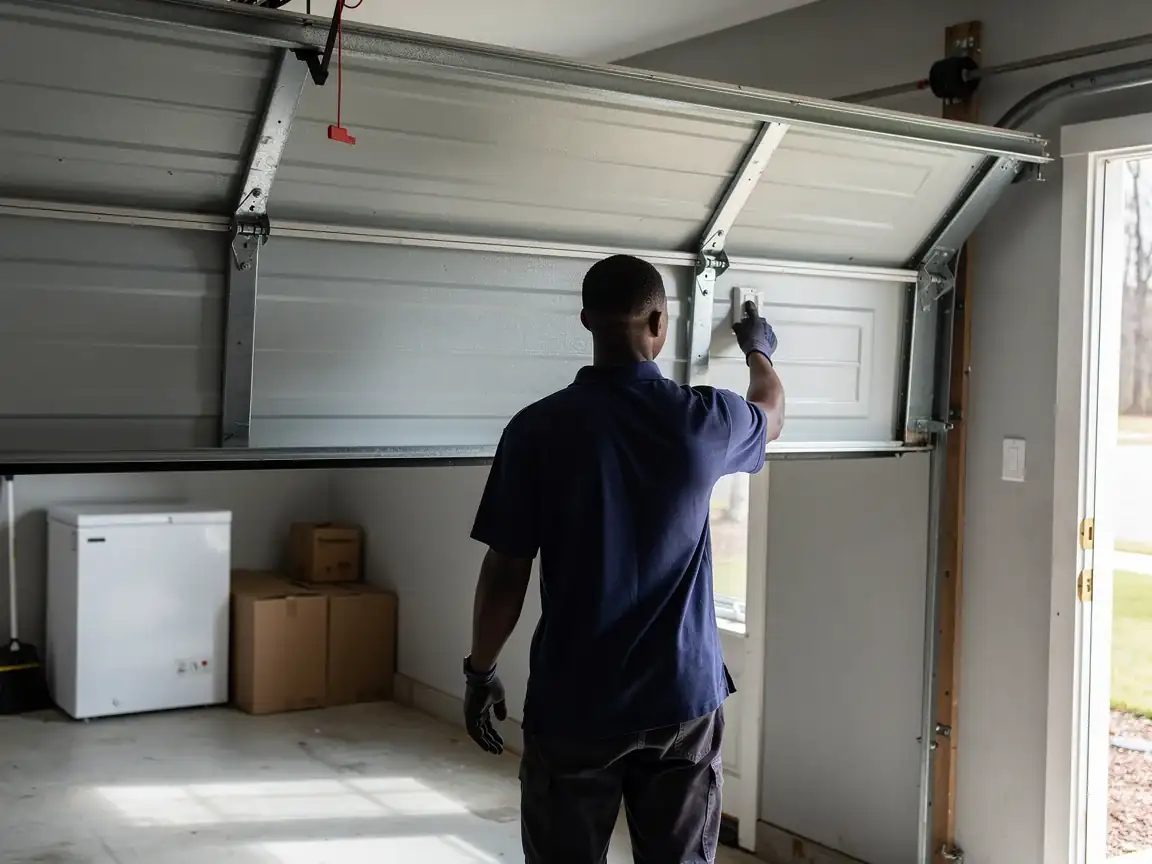
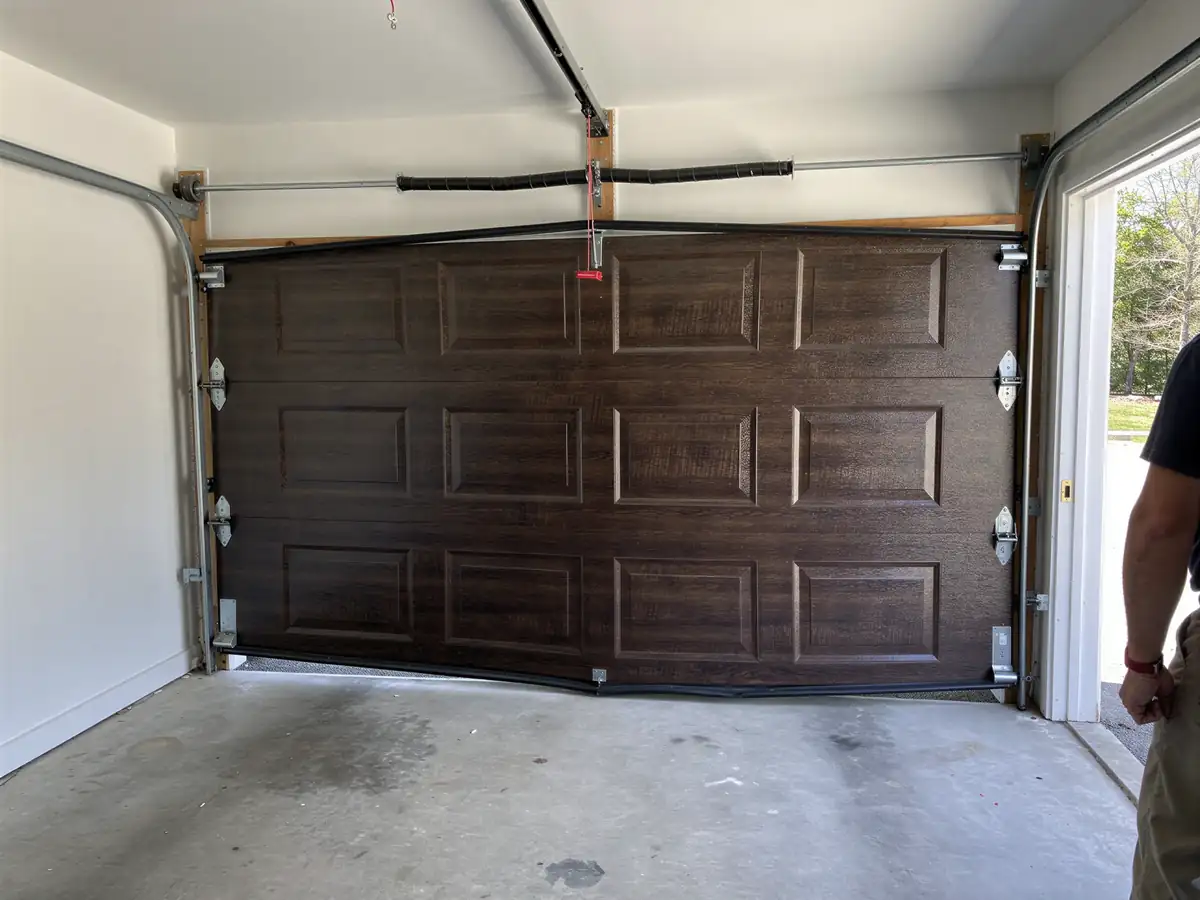
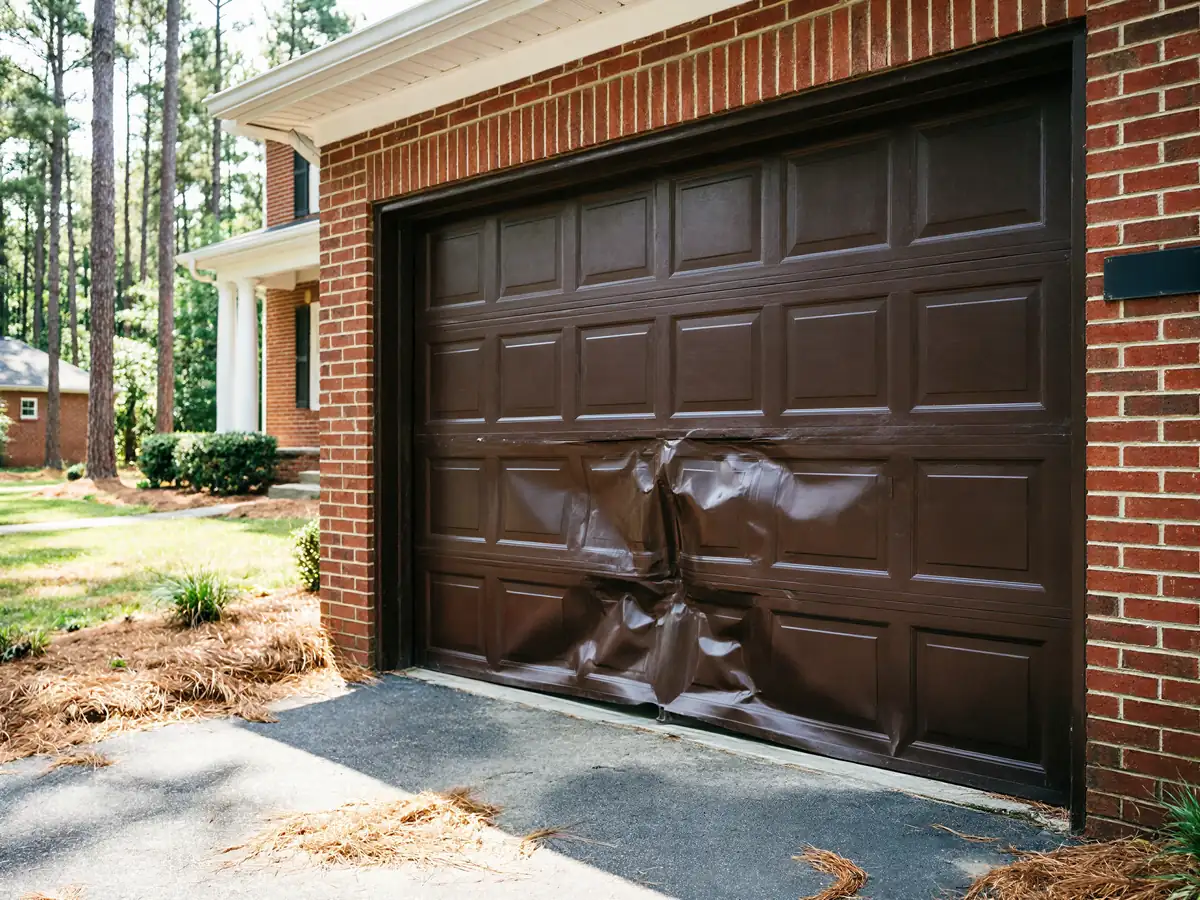
One side of the door drops faster than the other when you release it manually, or the door looks visibly crooked in the frame. That's a sign the spring tension is uneven side to side, which on a double door built before balanced torsion bars were standard can mean the whole assembly needs reworking, not just a tune-up.
Where This Job Goes Sideways
The spot where a simple repair turns into a bigger job is usually the mismatch between an old opening and new parts. A torsion tube sized for a door built in 1975 doesn't always take a stock replacement spring without adapting the end bearing plates, and if that gets forced into place, it fails again within months.
We also see it go wrong when someone replaces just the spring but not the cables, and the cables - which have seen the same decades of wear - fray and snap a few weeks later under the new spring's full tension. On a house anywhere from close in near Grayson to farther out toward Stone Mountain or Dacula, the age of the hardware tends to track the age of the house, so a repair plan for one part of the door needs to account for what else on that same assembly is from the same build year.
The other way this goes sideways is cost-driven: with household income in this area running around $70,625, a lot of homeowners understandably want the cheapest fix. Sometimes that's the right call - a spring swap on an otherwise sound door is money well spent. Other times the opener and track are far enough gone that patching the spring alone just delays a bigger bill.