Serving Snellville, GA & nearby
(770) 230-5953
Snellville, GA

Weather Seals and Draughts in Snellville Garage Doors

Why garage doors in Snellville let in cold air and water, tied to the area's 1960s-70s housing stock and moderate-cold climate, and when a seal job isn't enough.

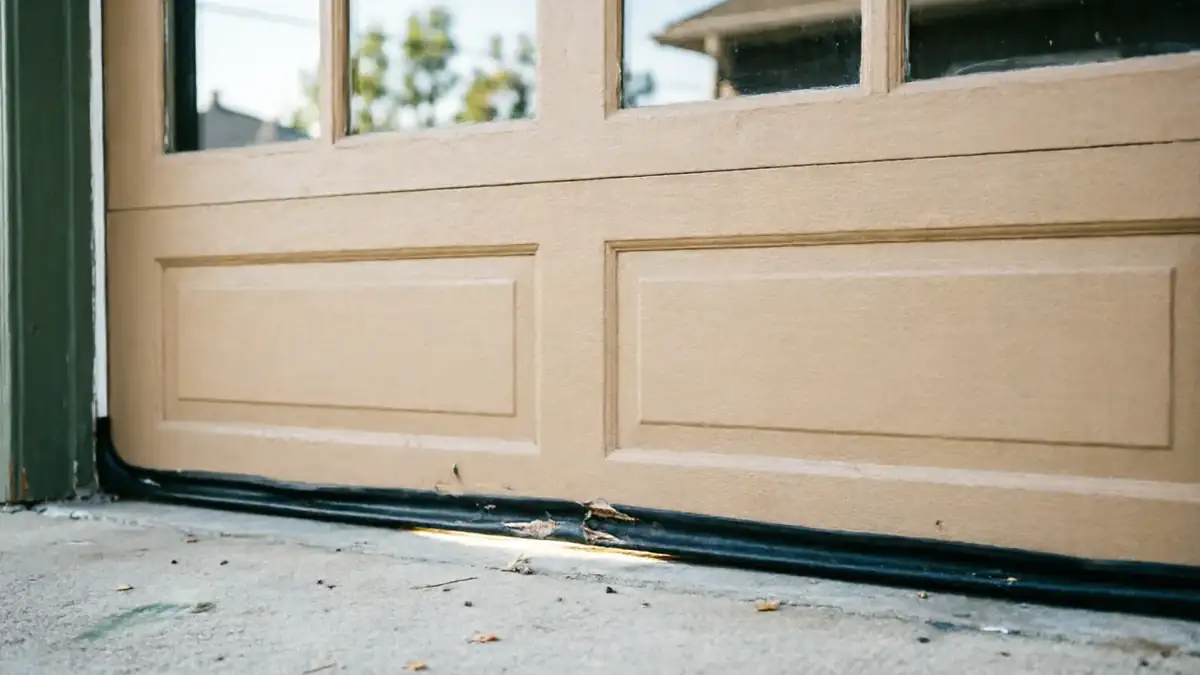
The bottom of a beige garage door has a damaged weather seal.

When to Call Someone

If you can see daylight along the bottom of the door, or feel air moving across the garage floor on a cold morning, that's past the point of a quick fix. A lot of the housing stock in this part of Snellville and the surrounding 22 named areas went up in the 1960s and '70s, and the original bottom seals and door bottoms on those houses have outlived their design life several times over. If the seal is cracked, flattened, or pulling away from the track in more than one spot, don't patch it section by section. Call someone when the gap is wide enough to see light through, when water pools inside the garage after rain, or when the door won't sit flush against the slab no matter how you adjust the track. Those are track or panel problems hiding behind what looks like a seal problem, and no amount of weatherstripping fixes a bent track or a settled slab. We don't do seal replacement as a standalone upsell if the real issue is structural - we'll tell you if that's what's going on.

The Problem

Houses here span 1951 through 2012, with the bulk of the stock dating to the '60s and '70s. That means two very different kinds of doors sitting in garages a few streets apart: older single-layer steel or wood doors with basic bottom astragal, and newer insulated doors with factory-fit seals. The older doors are the ones losing the fight against draughts. Vinyl bottom seals from that era weren't built to flex for decades, and after enough winters of contracting and expanding with the cold, they crack at the folds and stop sealing against an uneven slab. Side seals (the retainer strips along the jamb) fare worse, because they're often the last thing anyone thinks to replace. The result is a garage that runs noticeably colder than the rest of the house, and a slab that stays damp longer after rain or snowmelt because water is getting in instead of running off.

Checking It Yourself

Close the door at night and look for light coming through at the bottom corners - that's the first sign the bottom seal has lost its shape. Run a hand along the side jambs where the door meets the frame; if you feel cold air moving, the side seal has pulled loose or shrunk. Check the bottom seal itself for flat spots or cracks where it bends to meet an uneven section of slab, which is common on the older concrete pours typical of houses built before the 1980s. A bottom seal that's still pliable but just not making contact can sometimes be re-seated by adjusting the track height slightly. One that's hard, cracked, or missing chunks needs replacing outright, and that's a part we stock in standard widths - it's a straightforward swap, not a job that needs a truck visit in most cases.

How Local Conditions Play In

Snellville sits in a moderate cold climate band, not the deep-freeze conditions that push manufacturers to build doors with thicker gasket seals as standard. That's part of why older local doors were built with lighter-weight weatherstripping in the first place - it was adequate for the winters this area actually gets, not overbuilt for worse ones. The downside is that moderate cold still means repeated freeze-thaw cycling through the winter months, and that cycling is exactly what breaks down vinyl and rubber seals over the years, regardless of how mild any one cold snap feels. A seal that looked fine in October can be brittle by February after a run of nights near freezing. If your house falls into the older end of the area's housing range, the '50s through '70s builds, budget for seal replacement as routine maintenance, not a one-time fix, since the materials from that era weren't made to last the life of the door.
How it works

From “it’s stuck” to “it’s fixed”

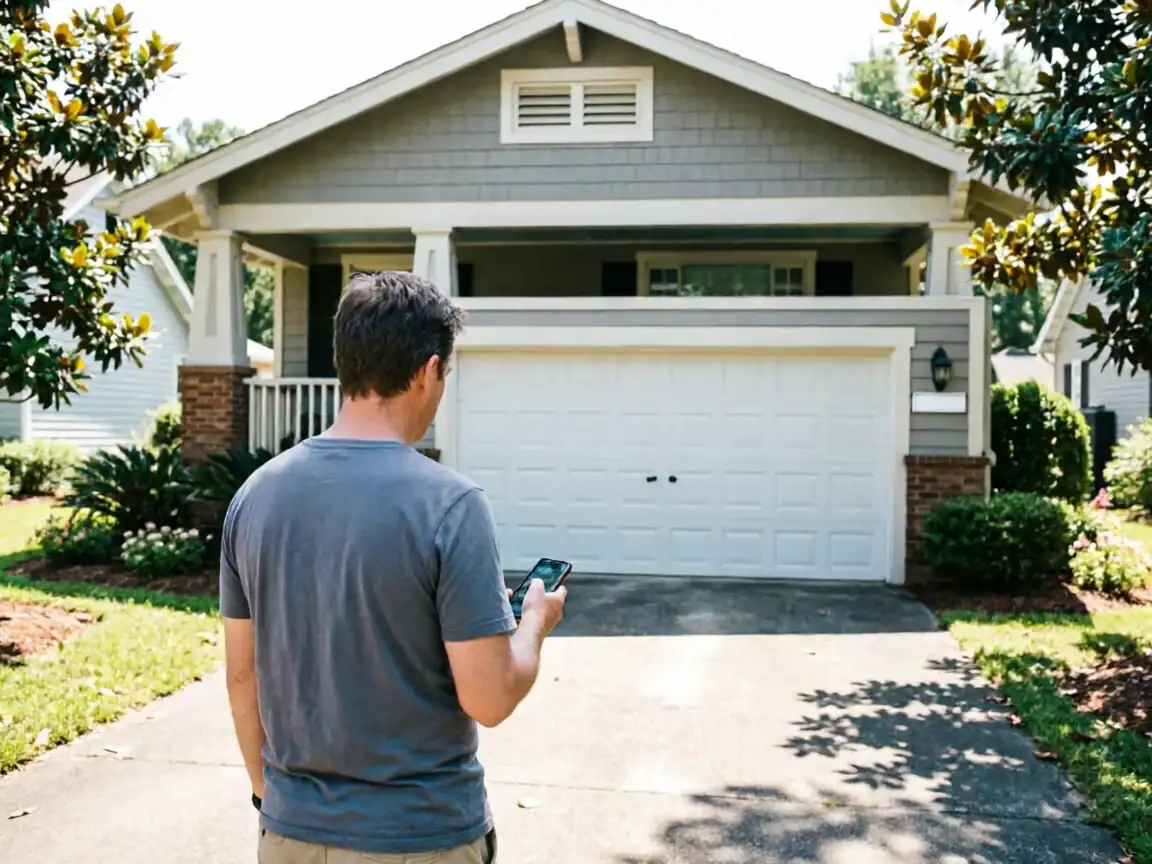
A man stands in a driveway holding a phone, facing a white garage door.

Tell us what’s wrong

Describe the symptom - won’t open, loud bang, opener runs but the door won’t move.

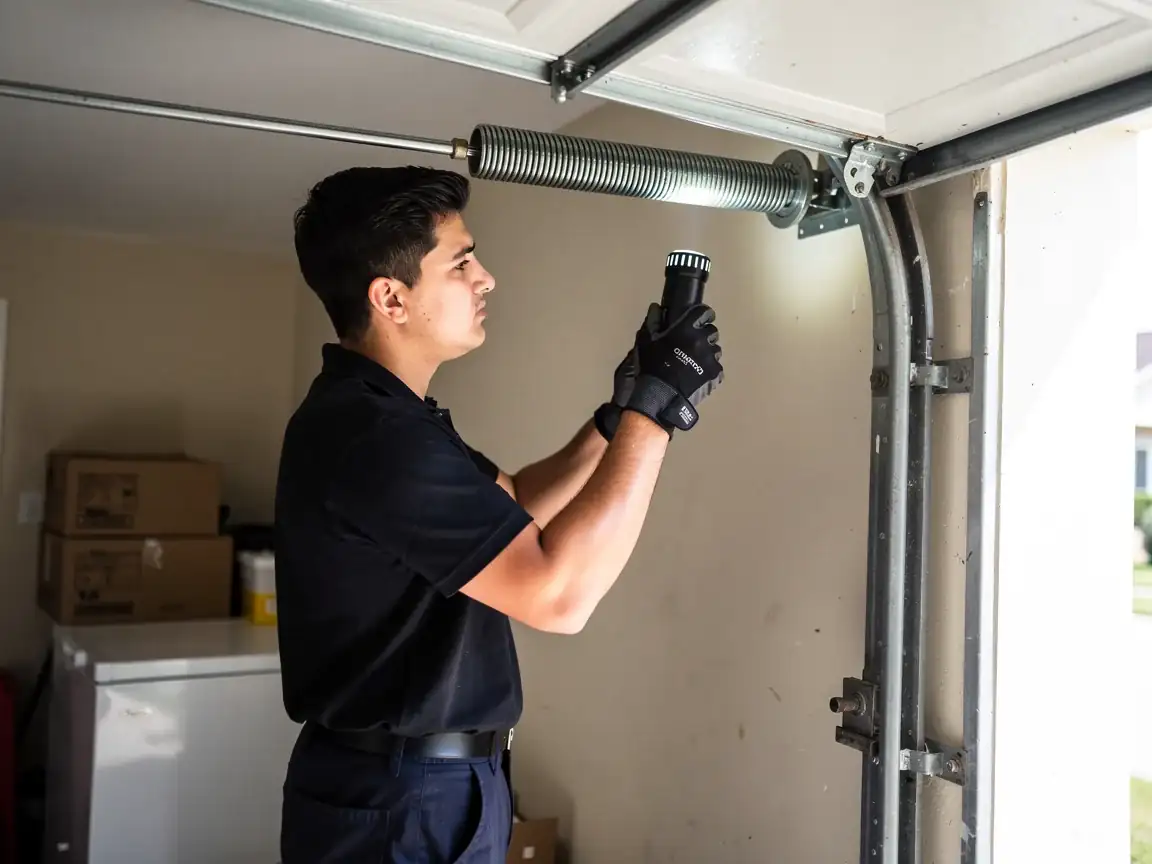
A technician shines a flashlight on a garage door torsion spring.

On-site diagnosis

A technician tests the door under power and by hand and finds what actually failed.

A technician in a blue uniform talks to a woman in front of a garage.

Clear, up-front plan

You get the fix that’s needed and what drives the cost - before any work starts.

A technician in gloves is working on the inside of a garage door.

Repaired & tested

The repair is done, the door is set true and tested, and the work area left clean.

Not sure which repair your door needs in Snellville, GA? Describe what it’s doing - every job starts with a diagnosis.

How we work

What to expect

Diagnosis firstEvery visit starts by finding what actually failed - not a pre-written parts list.
The right part for the doorSprings and openers matched to the door’s weight and age, so the fix holds up.
Straight answersWhen a repair makes more sense than a replacement - or the reverse - you hear it plainly.
Clean, careful workTension released safely, hardware set true, the door tested under power before we leave.
What we do

Garage Door Services

Repair and installation work for Snellville homes and businesses.

A technician in black gloves adjusts a garage door hinge with a wrench.

Garage Door Repair

Garage door repair in Snellville, GA for homes built from the 1960s to the 2000s, where cold snaps and aging torsion springs cause most of the calls we get.

Learn more
A technician in black gloves adjusts a beige garage door with windows.

Garage Door Installation

Garage door installation for Snellville homes built 1951-2012, matched to the track, header, and opener setups common in this area's housing stock.

Learn more
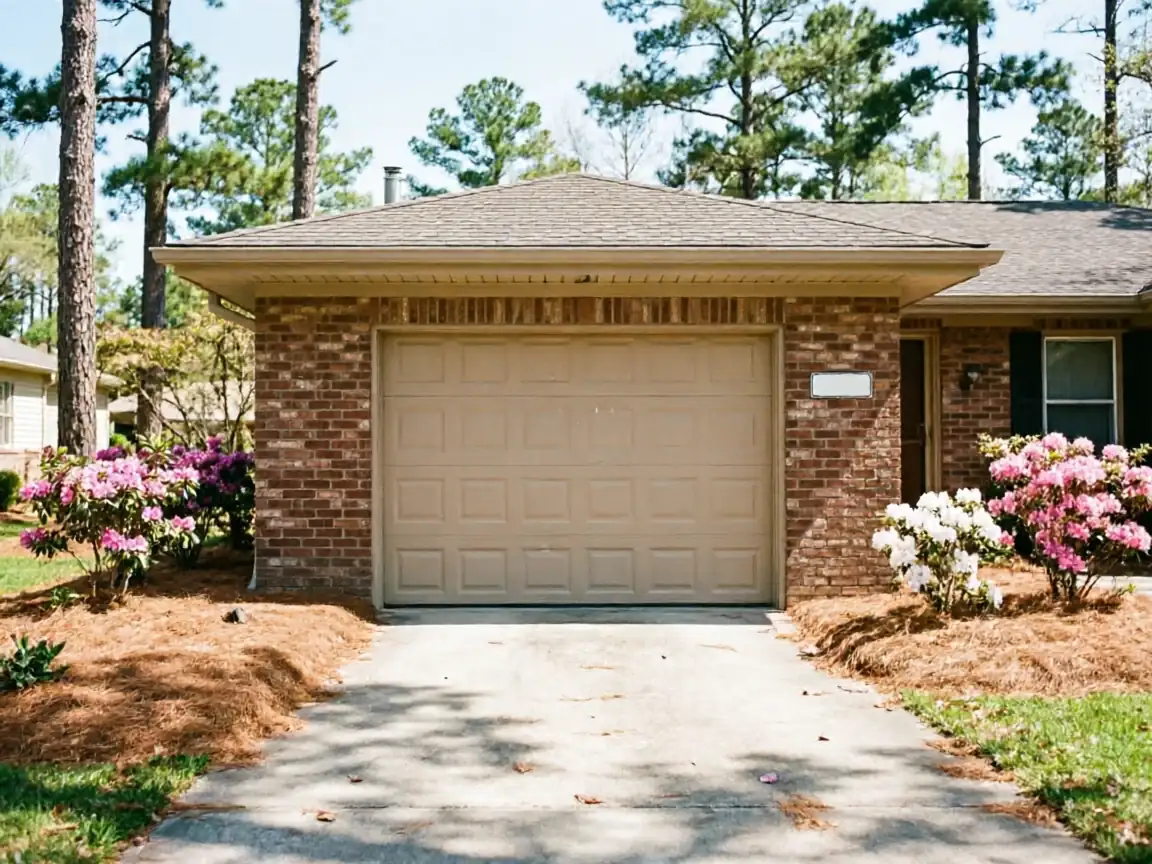
A tan garage door is on a brick house with a driveway and landscaping.

Garage Door Service

Snellville homeowners with 1960s-70s torsion spring doors: why DIY fixes on original hardware fail, and how a cold snap turns a loose spring into a dead door fast.

Learn more
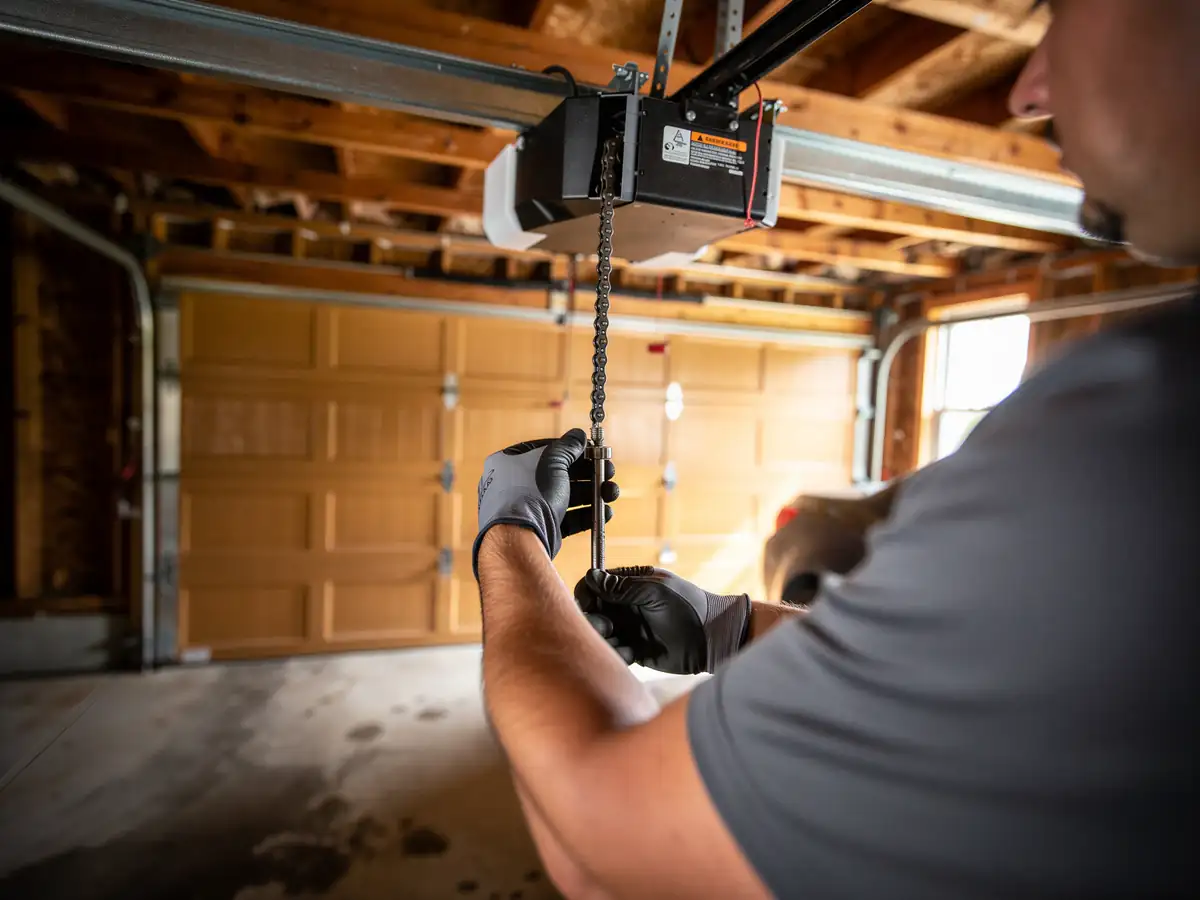
A technician in gloves adjusts the chain on a garage door opener.

Opener Repair

Opener grinding, reversing, or dead on a house built between 1951 and 2012? We fix chain, belt, and screw-drive openers across the Snellville service area.

Learn more
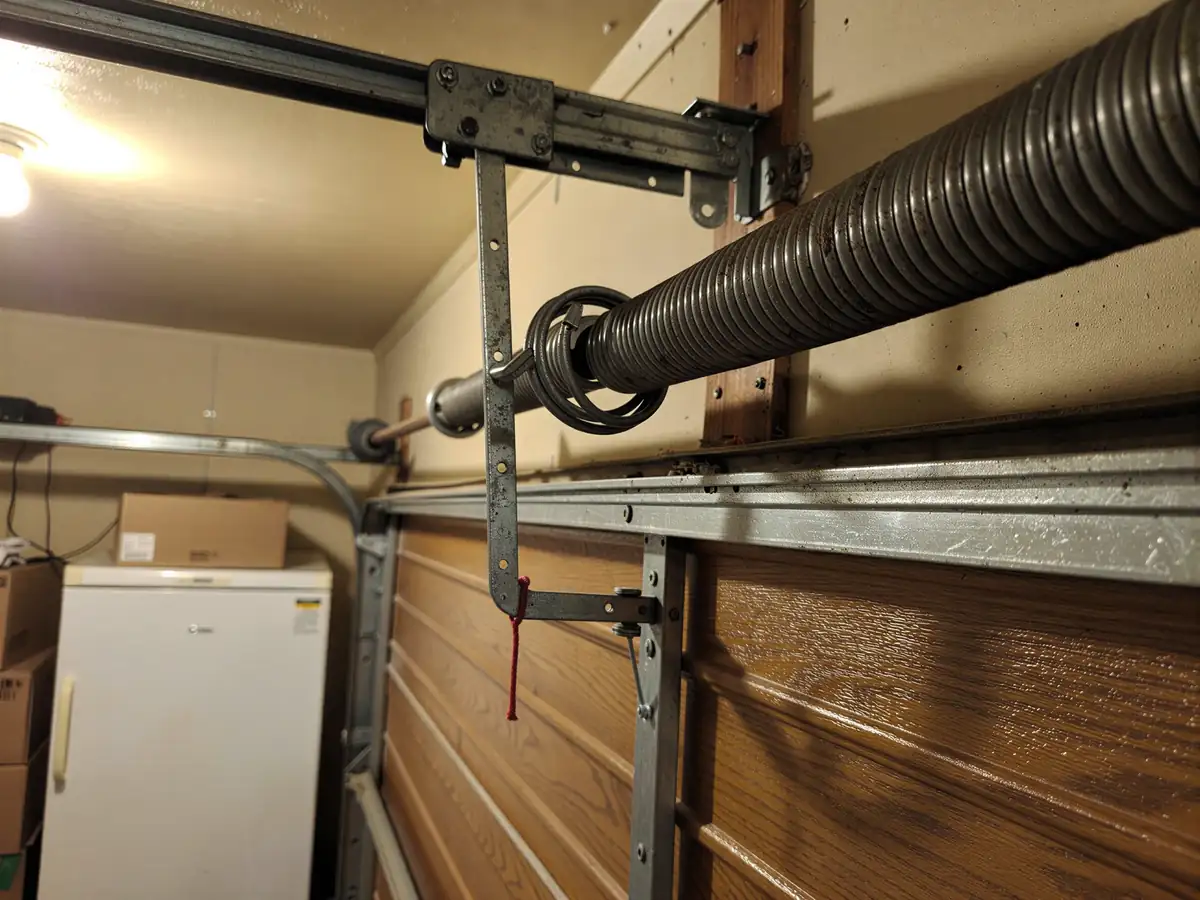
The torsion spring is mounted above a wooden garage door.

Spring Repair

Snellville's 1960s-70s housing stock runs original torsion springs most owners don't recognize as a two-part counterweight system. Here's why DIY spring repair fails here.

Learn more
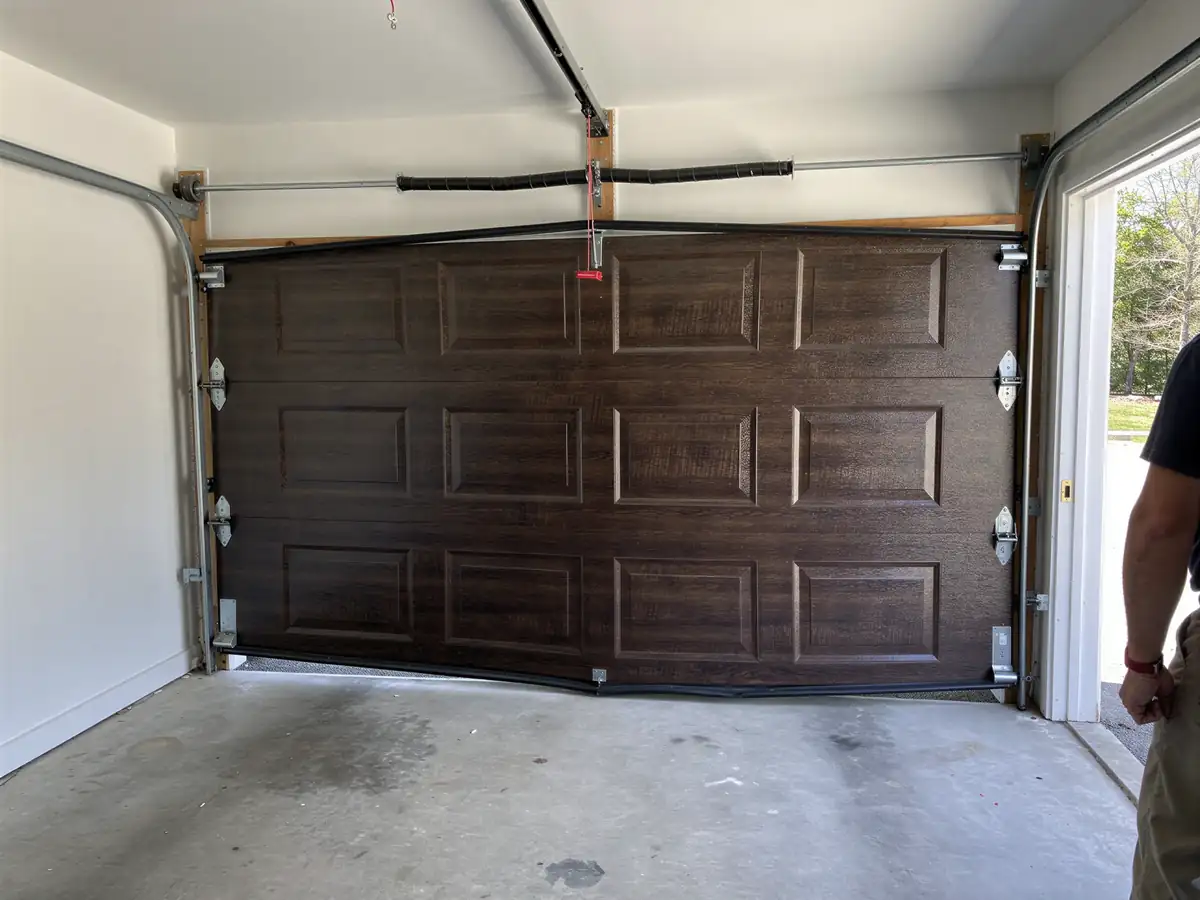
A dark brown garage door is off its tracks and partially open.

Off-Track Repair

Snellville homes built from the 1960s through the 1990s share the same track and roller setups that slip off alignment. Here's why, and what fixing it right actually takes.

Learn more
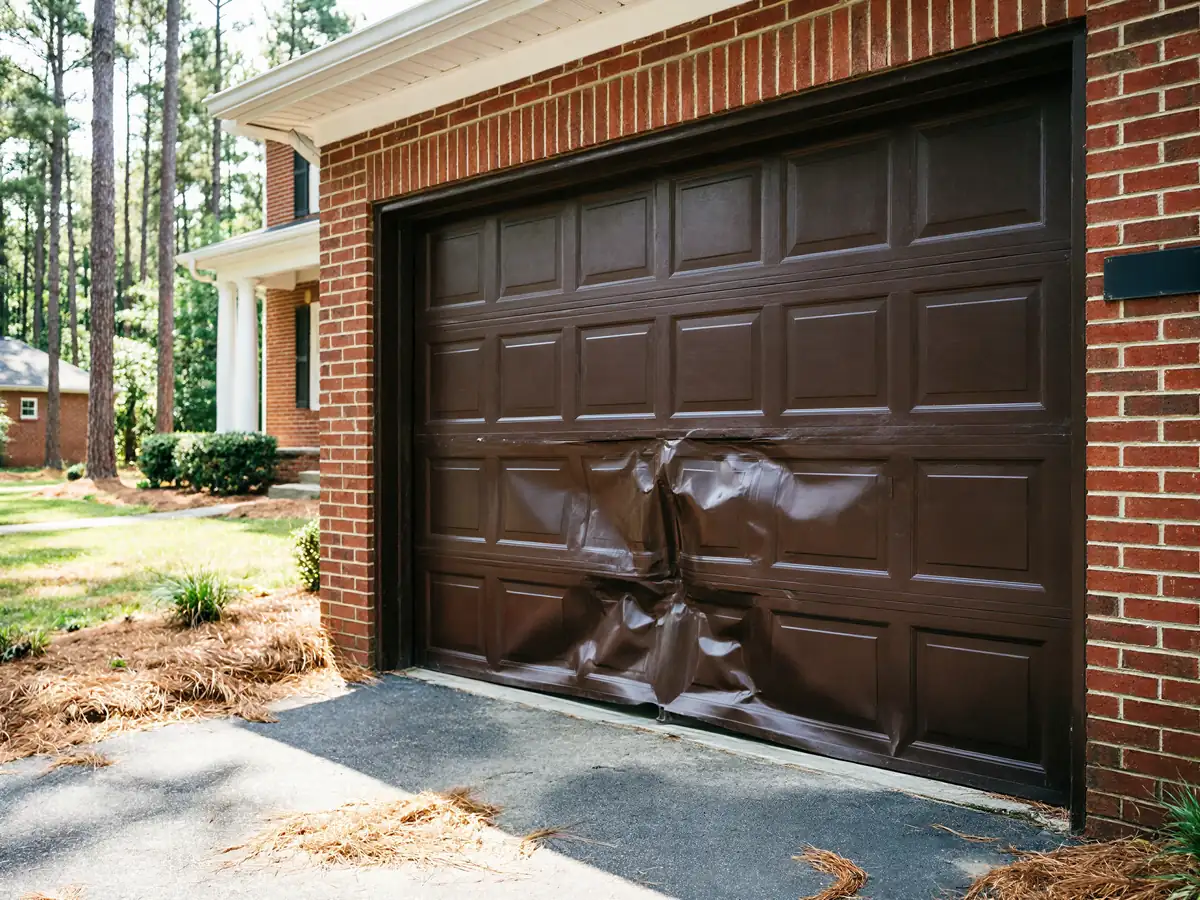
A brown garage door on a brick house is severely dented.

Panel Replacement

Panel replacement for Snellville garage doors built in the 1960s-70s housing boom: how cold-weather cycling cracks and dents steel sections, and when to replace vs. patch.

Learn more
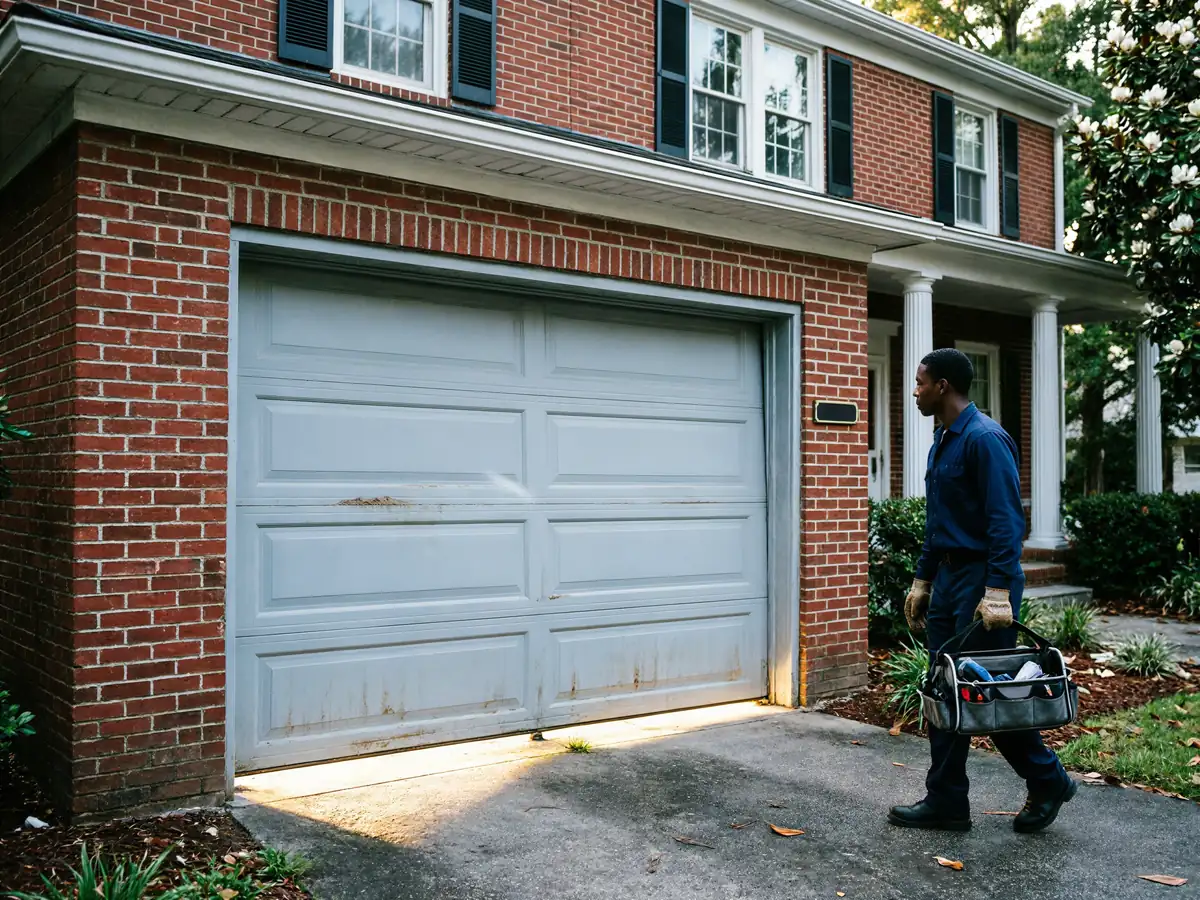
A technician carries a toolbox past a gray garage door on a brick house.

Emergency Garage Door Repair

Spring snapped, door stuck shut, opener dead at the worst time. Snellville Garage Door Pros covers emergency repair across the service area, day or night.

Learn more
Questions

Frequently asked

Straight answers about garage door repair in Snellville. Still unsure? Ask us directly.

Why is my garage so much colder than the rest of my house in winter?

In a lot of the area's older housing stock, the bottom and side seals are original or close to it and have hardened or cracked with age. Once a seal stops making full contact with the slab or jamb, cold air moves through freely. It's rarely the door itself losing heat - it's the gaps around it.

Can I replace a garage door seal myself?

Yes, bottom seals are a standard-width part that fits into a track along the bottom of the door, and most homeowners can do it with basic tools in under an hour. Side seals and top seals are usually simpler still. If the track underneath is bent or the slab is badly uneven, though, a new seal won't sit right no matter how carefully you install it.

How often do garage door seals need replacing?

There's no fixed schedule, but seals on older doors in this area, especially ones from 1960s-70s builds, tend to need replacing every several years as the material hardens with repeated freeze-thaw cycling through the winter. Check yours each fall before the cold sets in.

Ready to get your garage door sorted?

Tell us what it’s doing and where you are in Snellville - we’ll take it from there.

Request a QuoteCall