Doing It Yourself
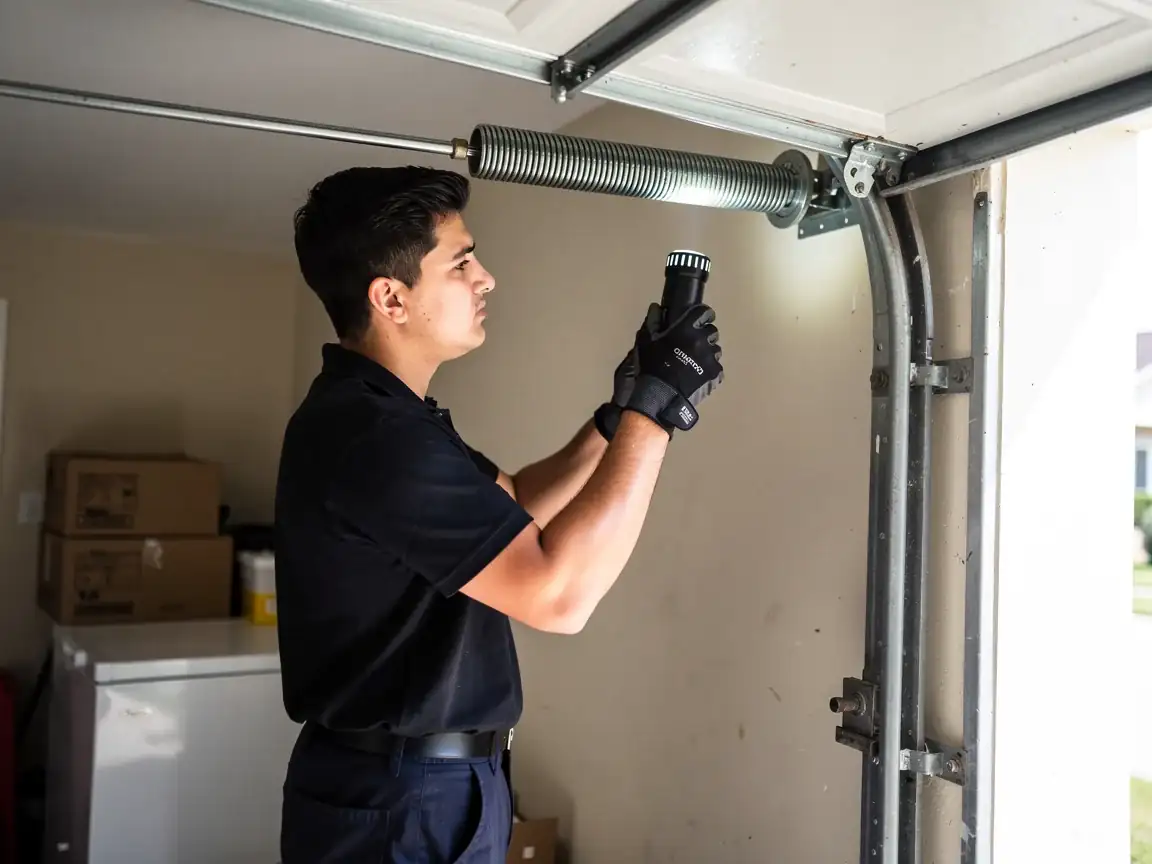
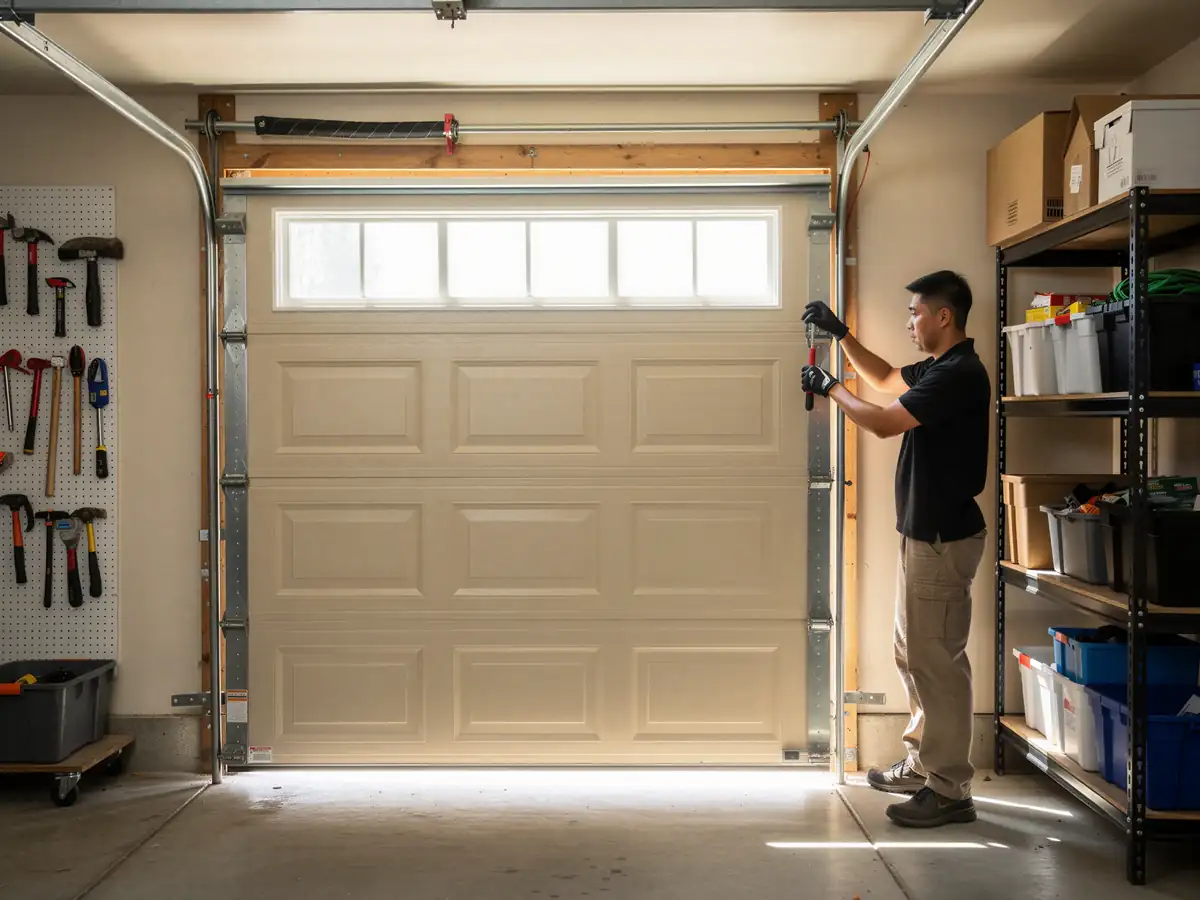
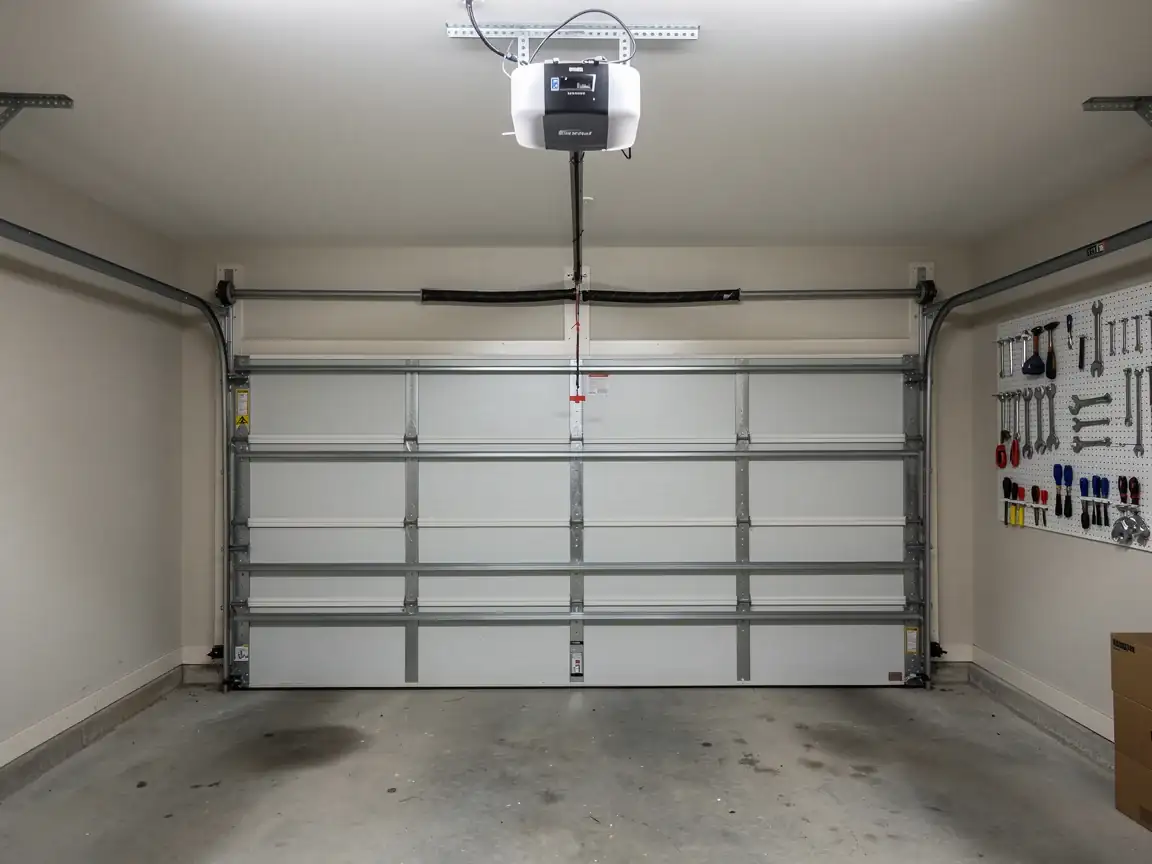
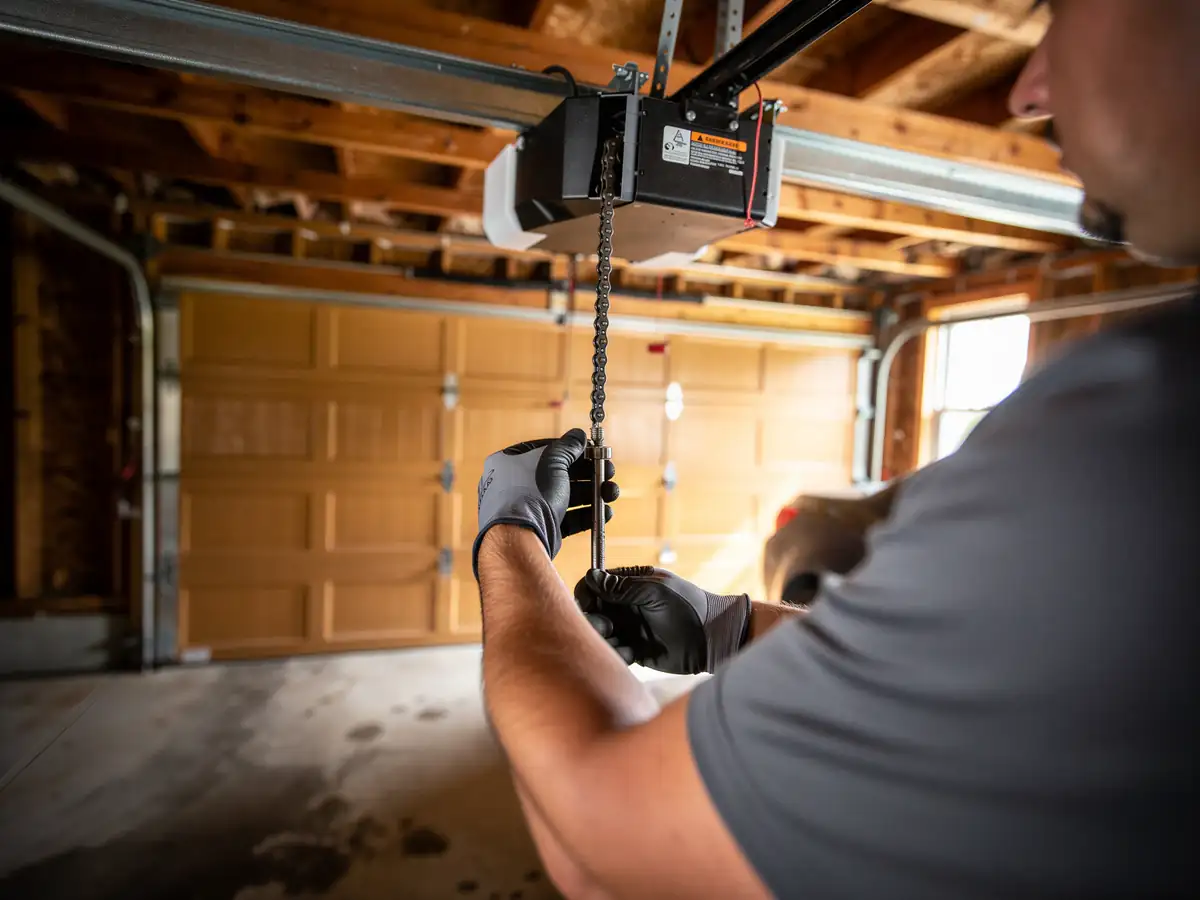
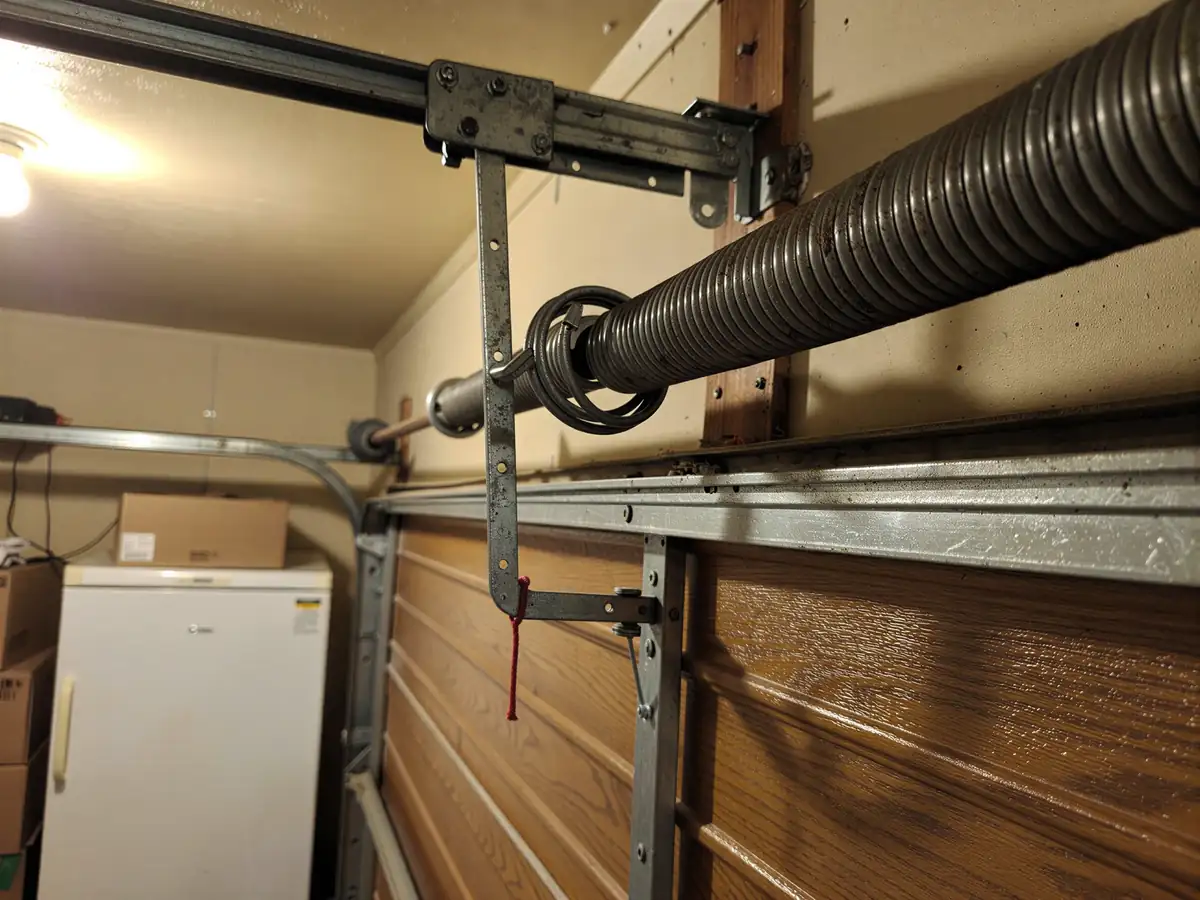
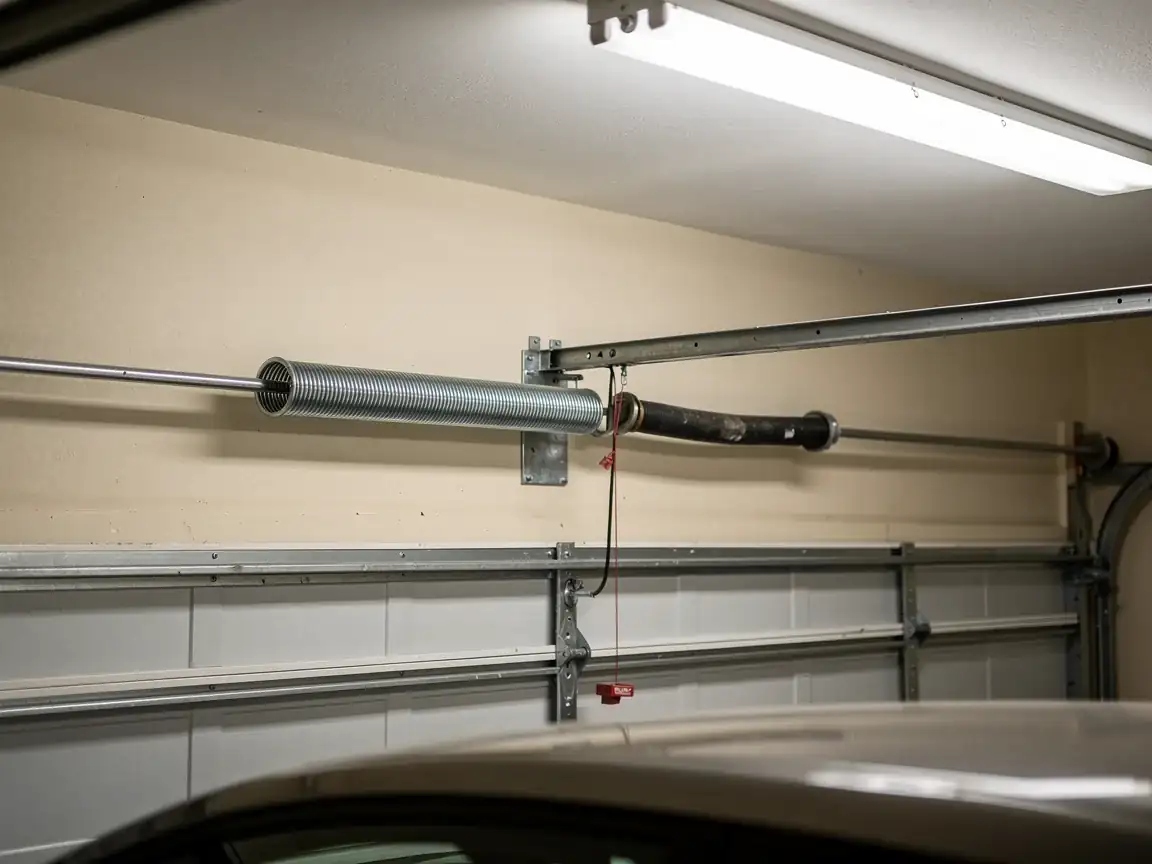
A garage door stuck halfway down, or a spring that let go with a bang, is not a project for a Saturday afternoon and a socket set. Torsion springs store enough force to break fingers or crack a skull if they're wound or released wrong, and most homeowners don't own the winding bars or the clamps to do it safely. Lowering a door manually to get a car out, or disconnecting the opener so the door can be worked by hand, is reasonable. Replacing a spring, re-tensioning a cable drum, or forcing a bent track back into line is not.
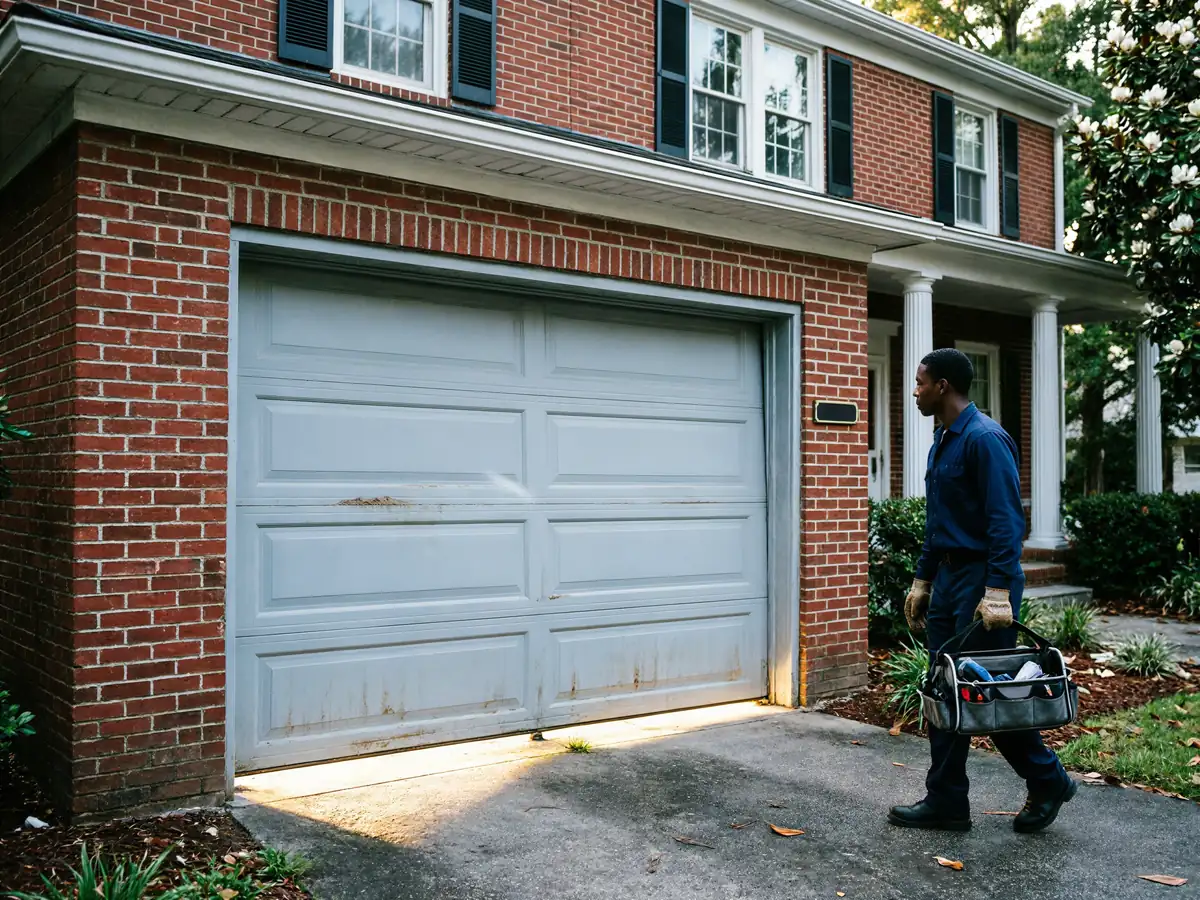
We're straight about this: if the door is off its tracks, the opener is grinding and not moving, or a cable has come off the drum under load, that's a call, not a YouTube tutorial. The honest limitation here is that we can't always get a part on the truck for every opener model or for older spring sizes on the first visit - some hardware isn't stocked by any supplier locally and has to be ordered, which can push a full fix a day or two out even after the emergency visit stabilizes the door. We'll tell you up front if that's the case rather than pretend otherwise.
Why This Fails Locally
Housing across this service area was built mostly between 1951 and 2012, with the median year sitting at 1978, and the bulk of it dates to the 1960s and 70s building boom across the 22 named communities we cover. That means a large share of the doors out there are original equipment or first-generation replacements, running torsion springs and openers that were installed decades ago and were never upgraded piece by piece - they're just aging as a set, all at once.
The climate here sits in the cold-moderate band, which doesn't sound dramatic, but it means steel hardware goes through real freeze-thaw swings every winter. Tracks expand and contract, lag bolts work loose in jambs, and springs that have already cycled tens of thousands of times lose a little more temper every time the metal contracts hard overnight. None of that shows up as a slow decline. It shows up as a sudden failure on a cold morning when the spring finally lets go, which is exactly the kind of call that counts as an emergency - the car's trapped, the door won't move, and it happened with no warning.
How It Shows Up
The most common emergency call is a torsion spring that's snapped clean
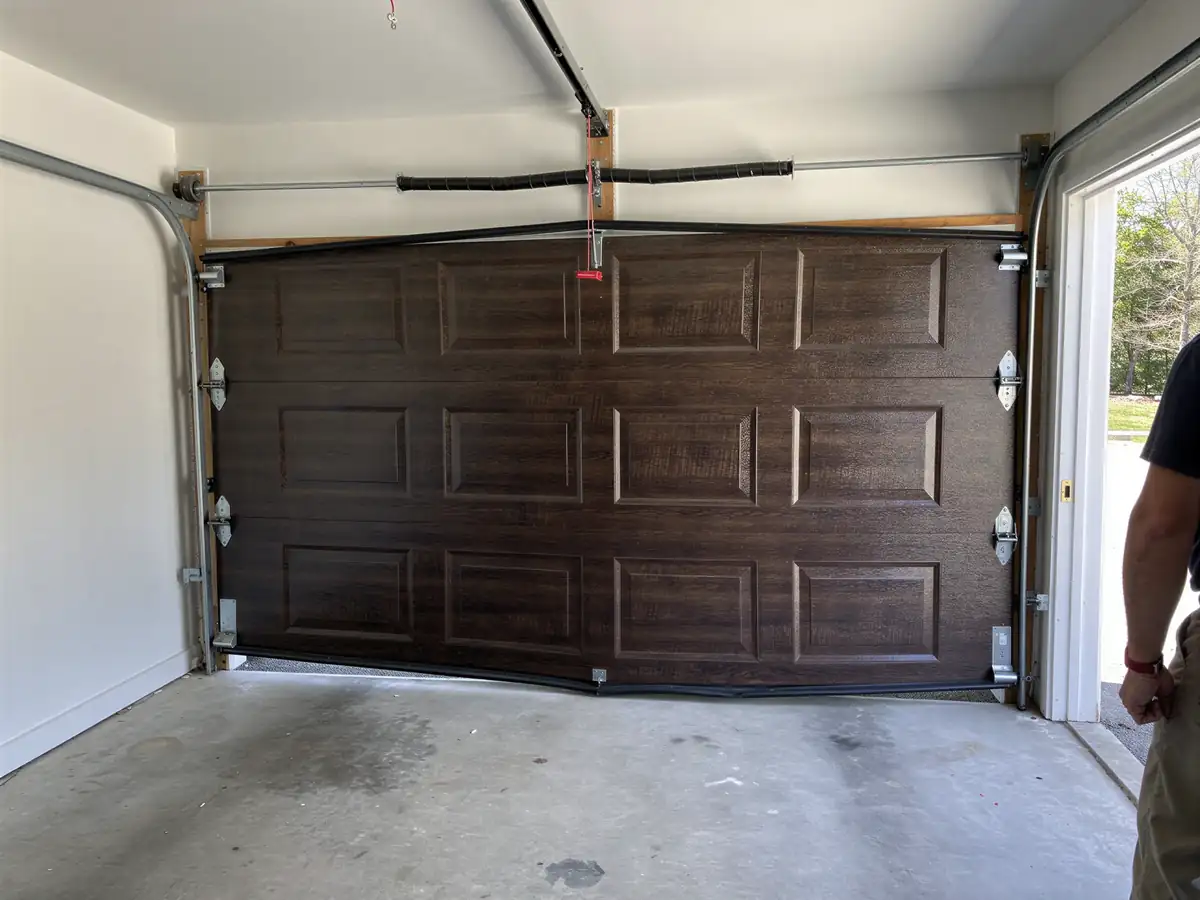
Usually heard as a loud bang from the garage, after which the door either won't lift at all or the opener strains and reverses. Close behind that is a cable that's jumped the drum or frayed through, which lets one side of the door drop lower than the other and jam at an angle in the tracks.
On older rollers - steel, not nylon
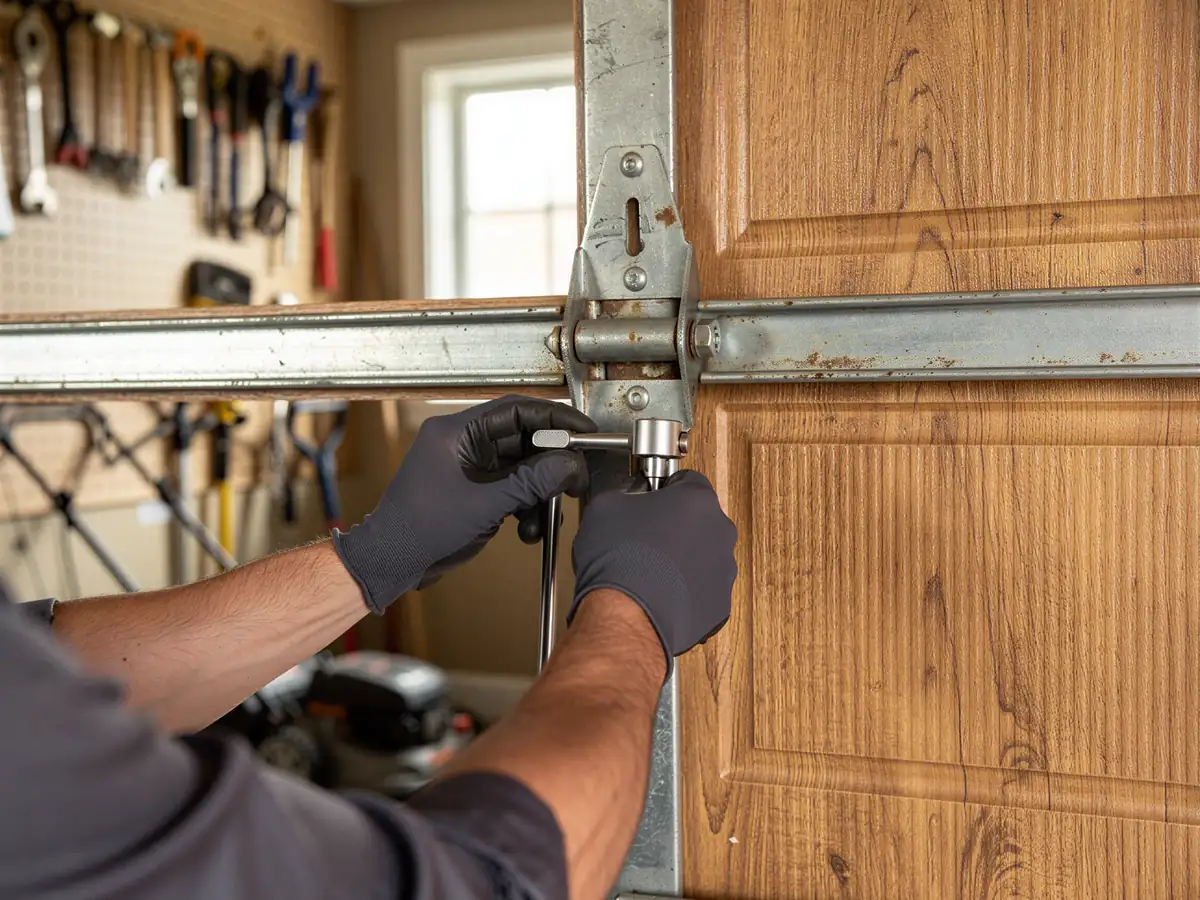
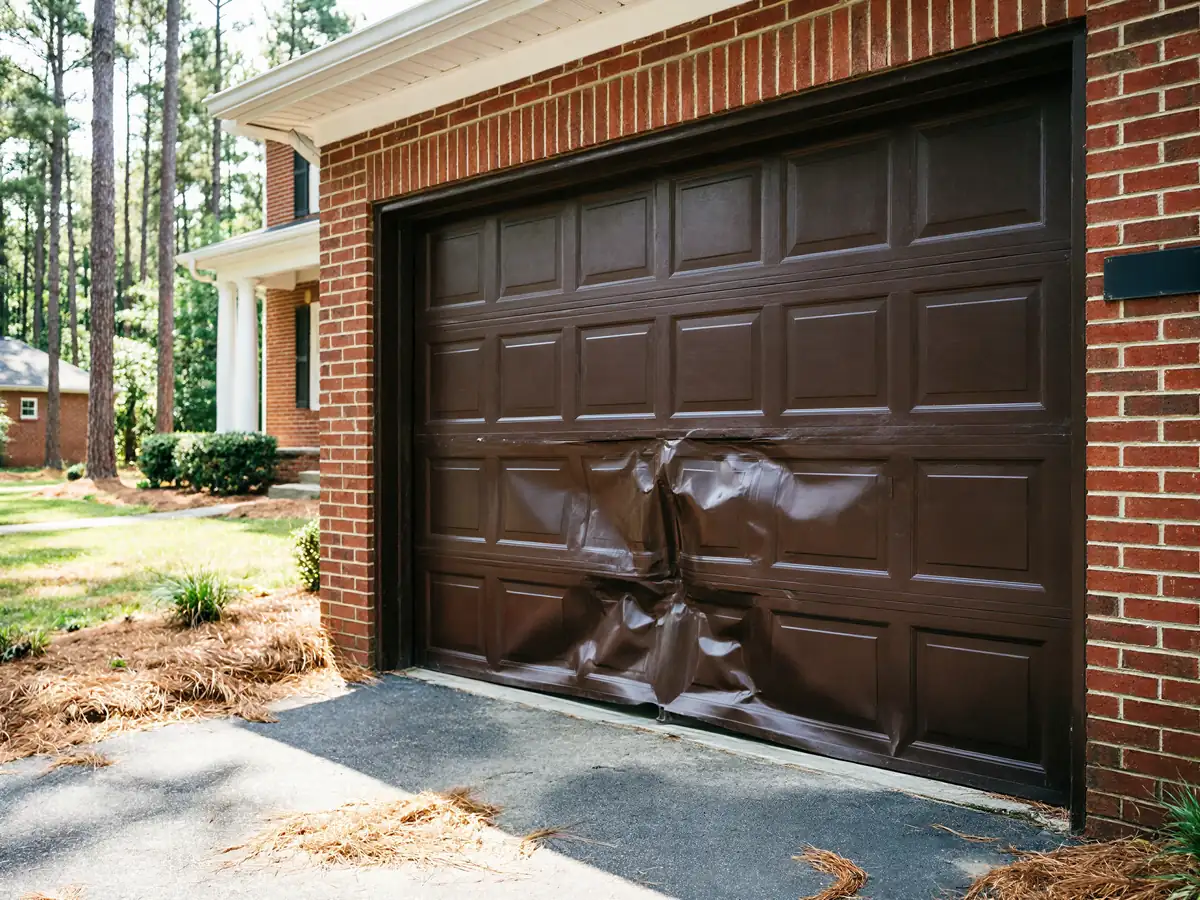
Cold mornings make the roller stiff in the track, and forcing the opener to push through that resistance repeatedly is what finally snaps a bracket or bends a track rail. We also see openers that trip on safety sensors after a bump or a settling foundation shifts the door's alignment just enough to throw off the beam. Each of these looks different walking up to the garage, but they trace back to the same thing: hardware from the same era, aging under the same seasonal stress, finally giving out on the same kind of cold or humid day across the service area.
Where This Job Goes Sideways
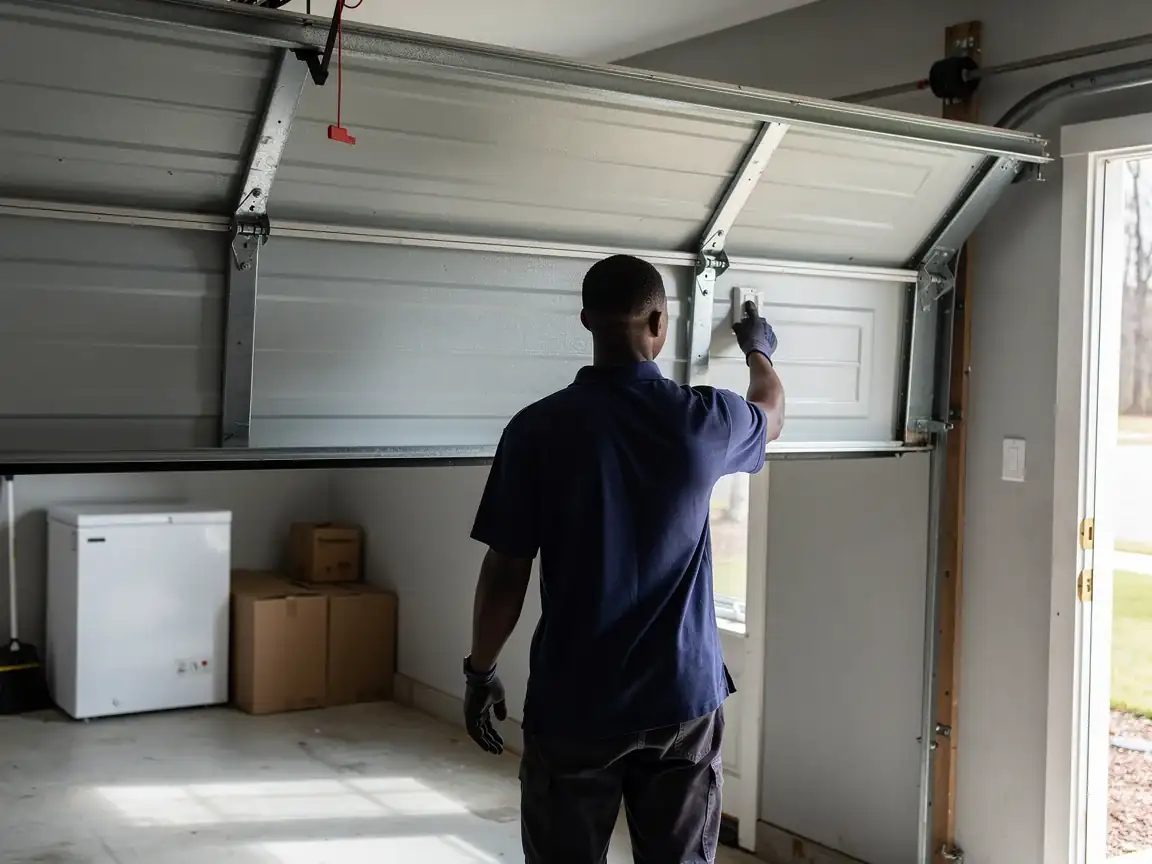
The mistake we see most is someone disconnecting the opener, getting the door down by hand, and then deciding the emergency is over - without anyone checking whether the spring, cable, or track took damage that will fail again within days. A door that limps along after a partial failure is usually one more cold snap from a repeat call.
The other place this goes wrong is parts matching. Openers and springs installed in the 1960s through the 1990s often used sizing and mounting hardware that newer universal parts don't match cleanly, so a repair done with the wrong-gauge spring or a mismatched drum can look fine for a few weeks and then fail harder the second time. With 56,295 households and 27,333 owner-occupied houses in this service area, and a median household income of $70,625, most of what we see is someone trying to get one more reliable decade out of a door rather than replace it outright - and for a sound frame with a worn spring, that's usually the right call. For a track that's badly bent or a frame that's rusted through, replacement ends up cheaper than chasing repeat failures.