Doing It Yourself
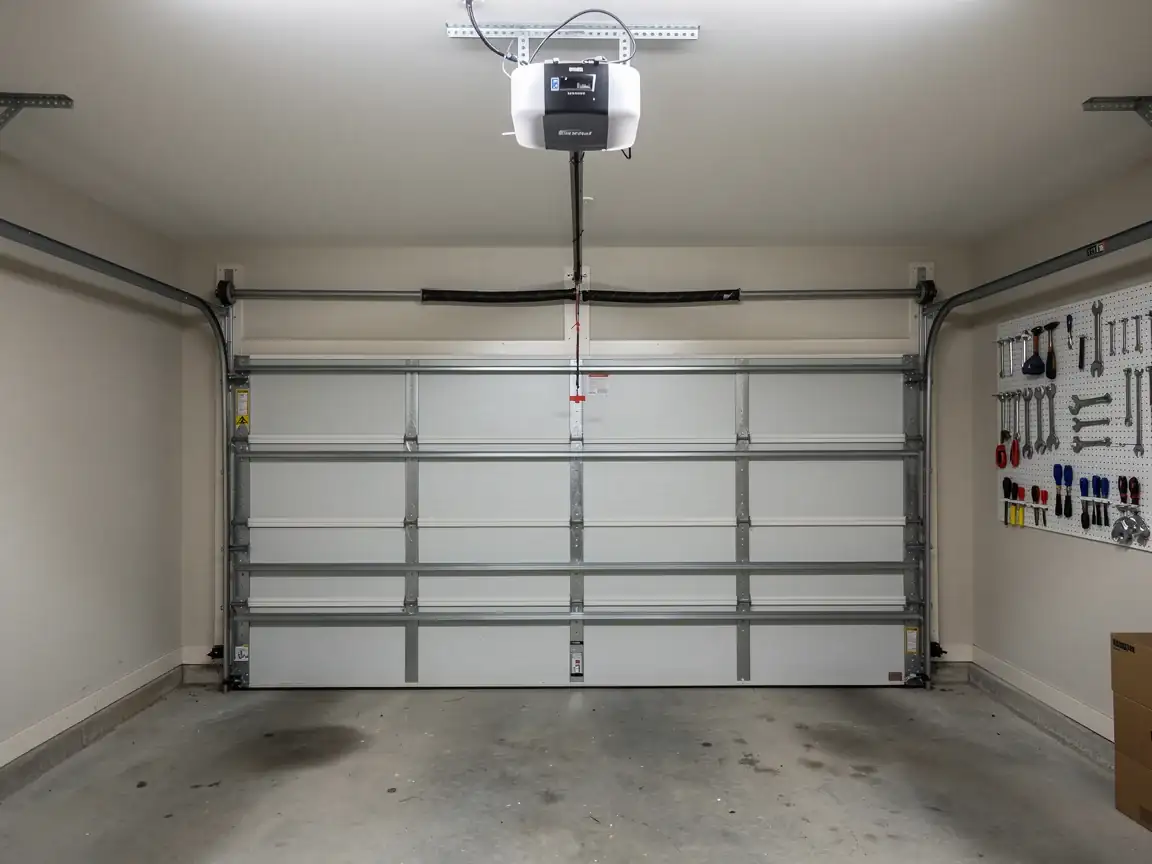
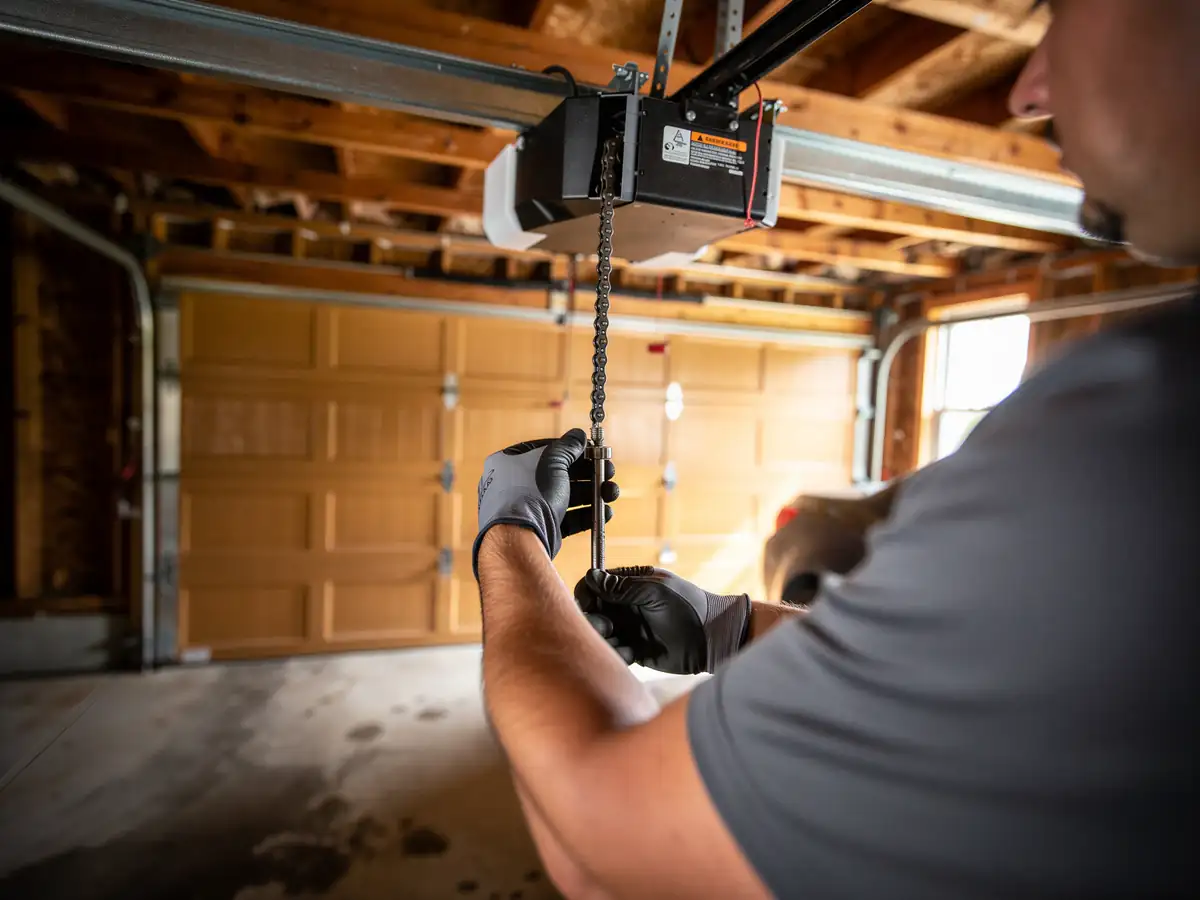
Dacula's median house went up around 2001, which puts most openers here well inside the era of safety-sensor-equipped, circuit-board-controlled units rather than the older relay-and-chain setups you'll find in the 1960s and 70s houses that make up most of the wider service area. That matters for what you can safely poke at yourself. A blinking logic light, a sensor that's gone out of alignment, or a remote that's lost its code are all things a homeowner can check without tools beyond a stepladder and a manual. What you shouldn't touch is the circuit board itself, the travel limit switches, or anything involving the high-voltage side of the unit. On a house this age the board is usually original or one generation removed, and a wrong reset sequence can wipe programming you'll then have to redo from scratch. If the opener runs but the door won't move, that's almost always the opener trying to tell you something mechanical is wrong downstream, not the opener itself failing. Check the obvious first: is the wall switch lit, are the sensor LEDs solid and matched, is anything blocking the safety beam. If all of that checks out and the door still won't respond, it's time to call rather than keep resetting breakers.
Where This Job Goes Sideways
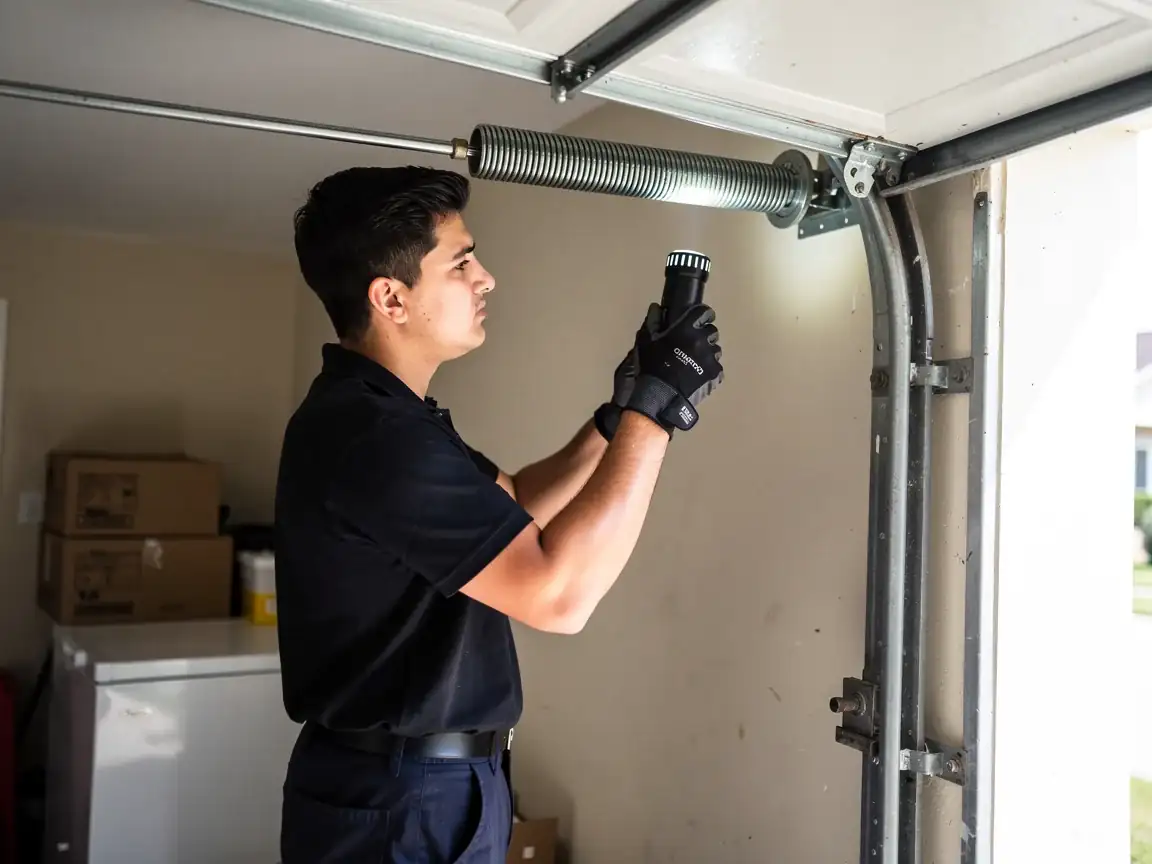
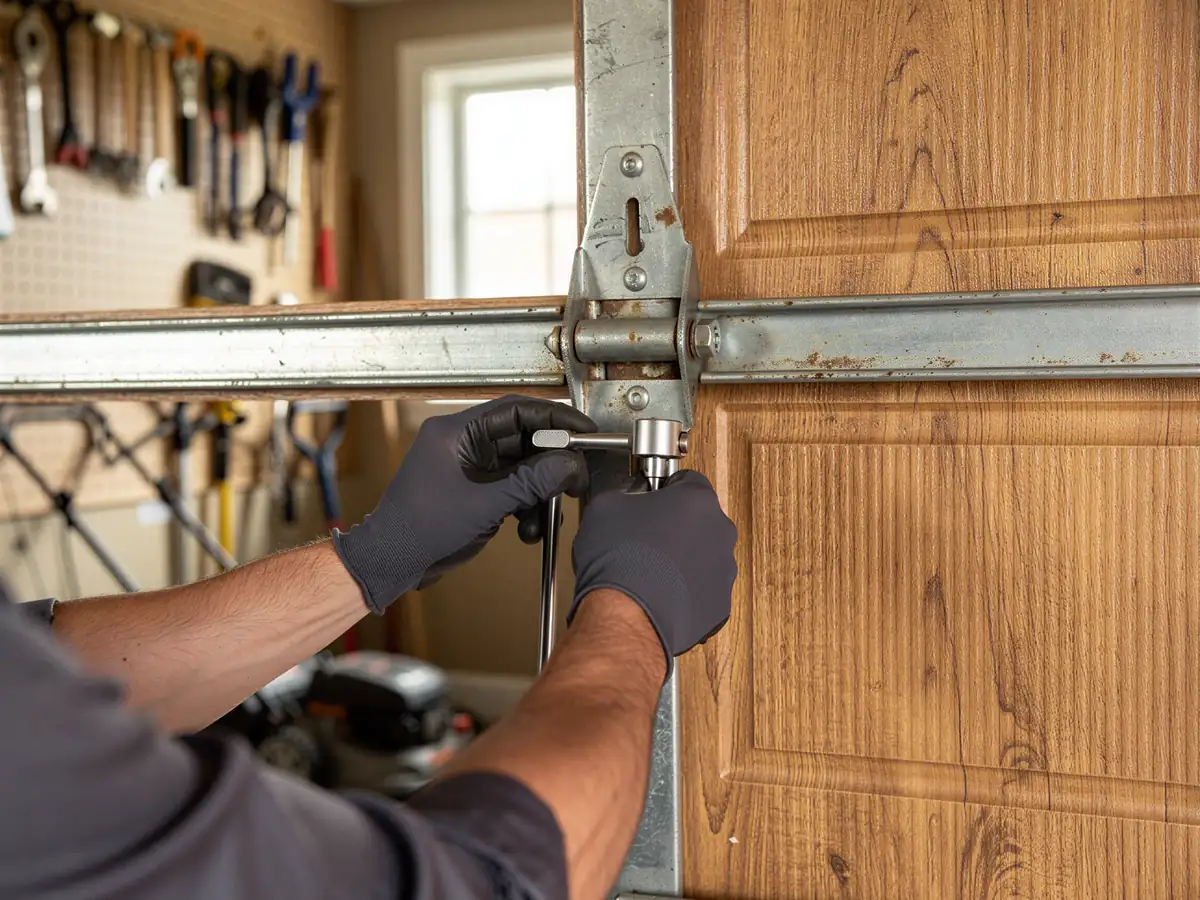
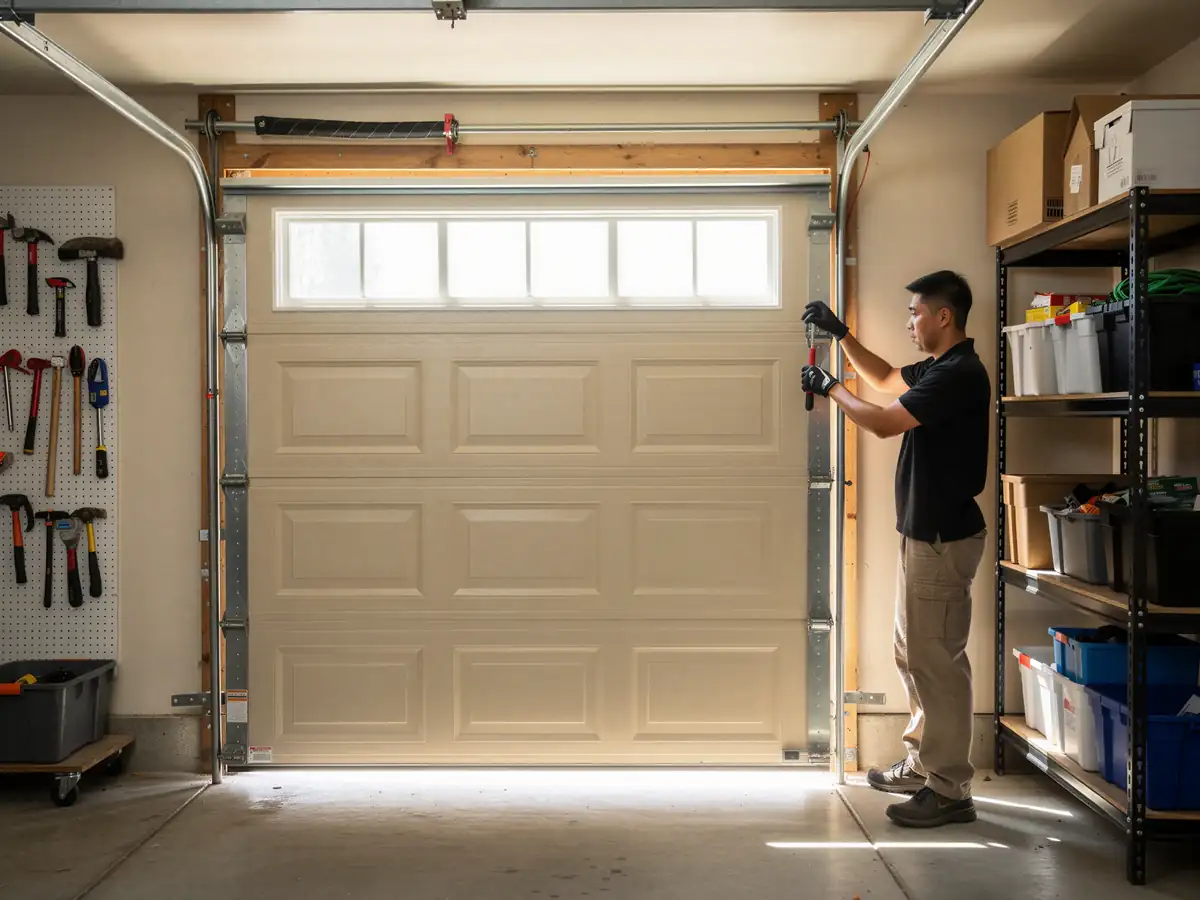
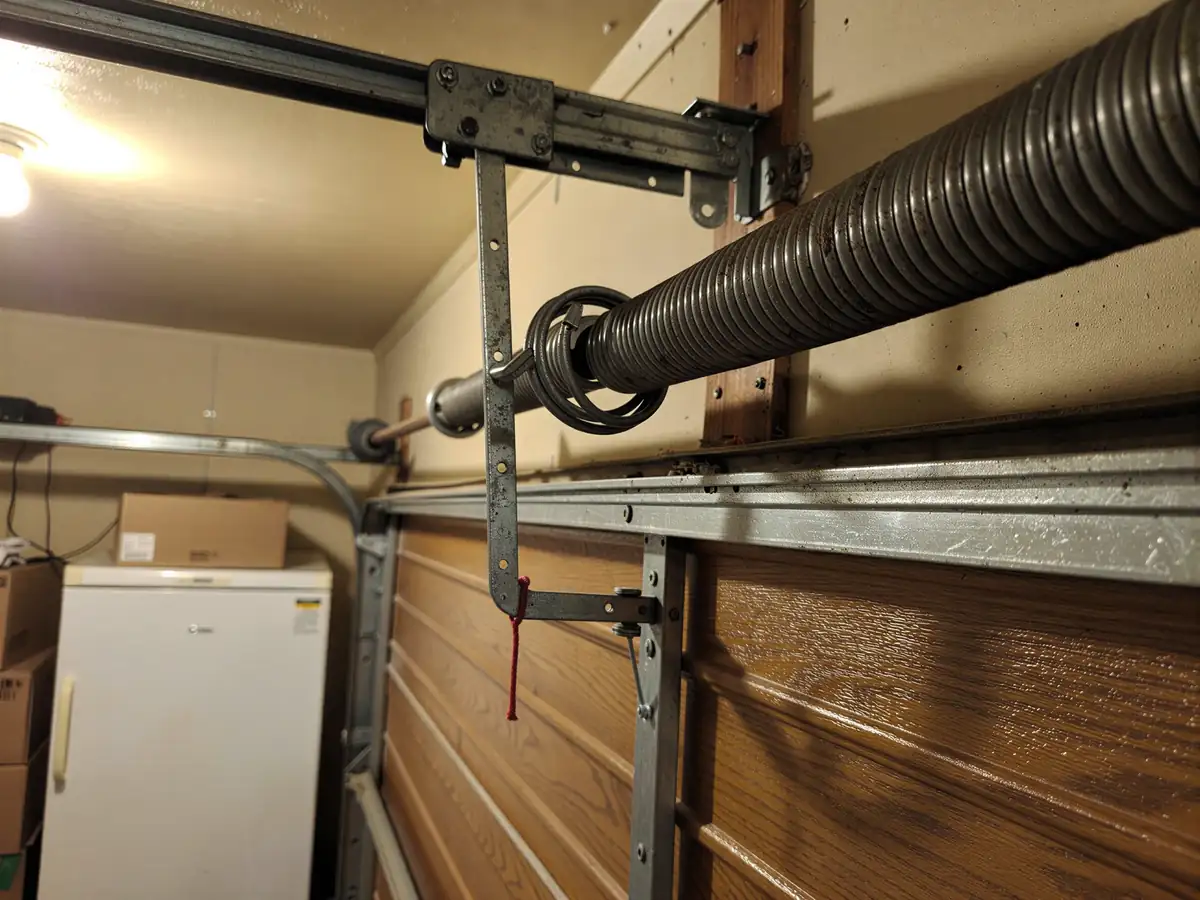
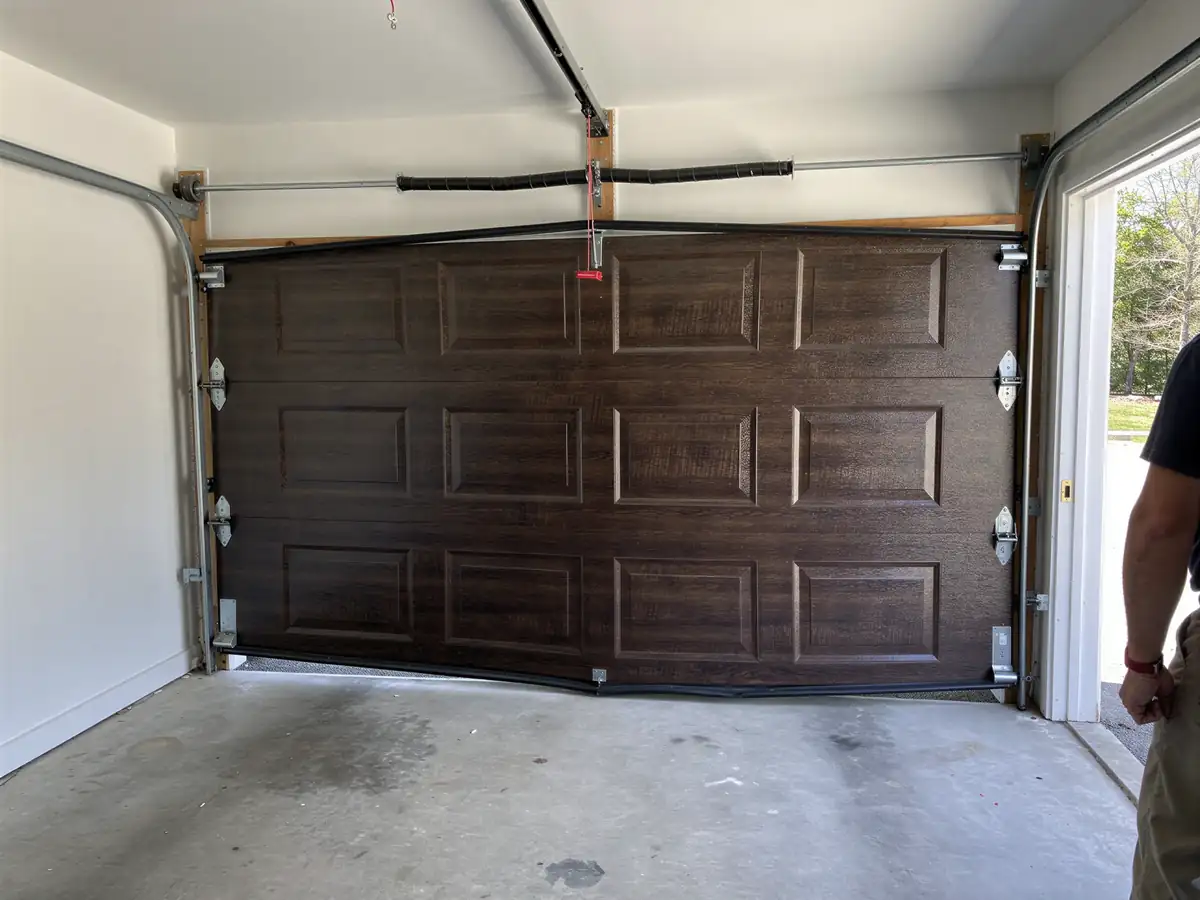
The mistake we see most on newer builds like the ones around Dacula is homeowners assuming a dead opener means a dead opener, when it's actually a worn roller or a spring losing tension making the motor strain and trip its own overload protection. On a house built in 2001, the springs are old enough to be near end of life even though the opener itself looks fairly new. Replace the opener alone and the new one burns out the same way inside a year. Another spot this goes wrong: owners buy a universal replacement board online without checking it against the travel module already wired into the rail. Boards from this era aren't always drop-in compatible across brands, and a mismatched board can leave the force settings wrong, which either slams the door shut too hard or won't let it close at all. We check the whole system, not just the part that stopped working, before we recommend anything.
What It Costs
We don't publish flat prices for opener repair because what you pay depends on whether it's a sensor, a board, a gear set, or a full unit swap, and we won't quote blind over the phone. What we can tell you is that a repair on a 2001-era opener is usually a parts-and-labor job, not a full replacement, since most of the heavy-duty motor and drive components built in that window are still solid and worth saving. We'll look at the unit in person, tell you what's actually worn, and give you a number before we start anything. If the honest answer is that the opener's logic board is fried and a new unit costs about the same as fixing the old one, we'll say so instead of running up a repair bill on a dying board.
Booking a Visit
We cover Dacula from our base in Snellville, about 10 miles out, so when you call we'll ask a few questions about what the door and opener are doing before we schedule the drive. That helps us bring the right parts the first time instead of making two trips. We don't have a branch or a counter in Dacula itself - every job here means a truck coming from Snellville, which is worth knowing if timing matters to you. For a broader look at what we handle for the area, including spring and panel work, see our Dacula garage door service page.