How It Shows Up
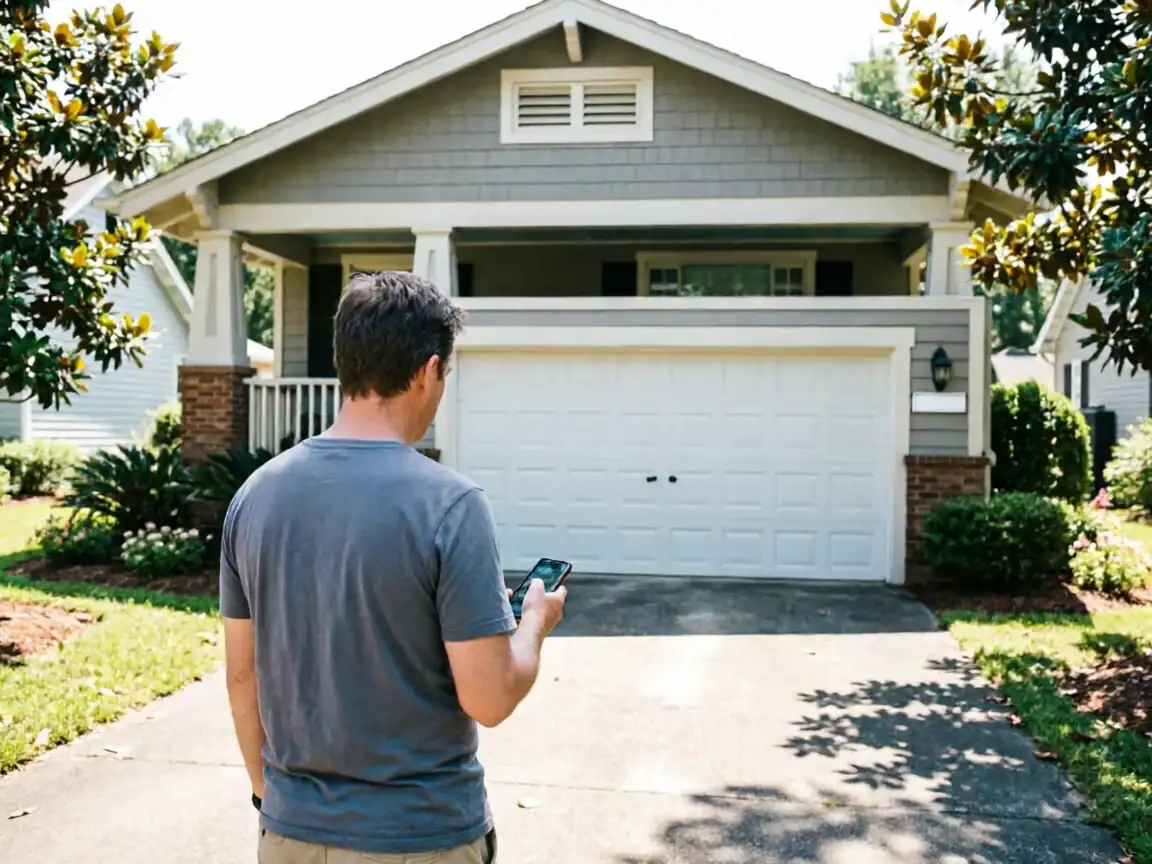
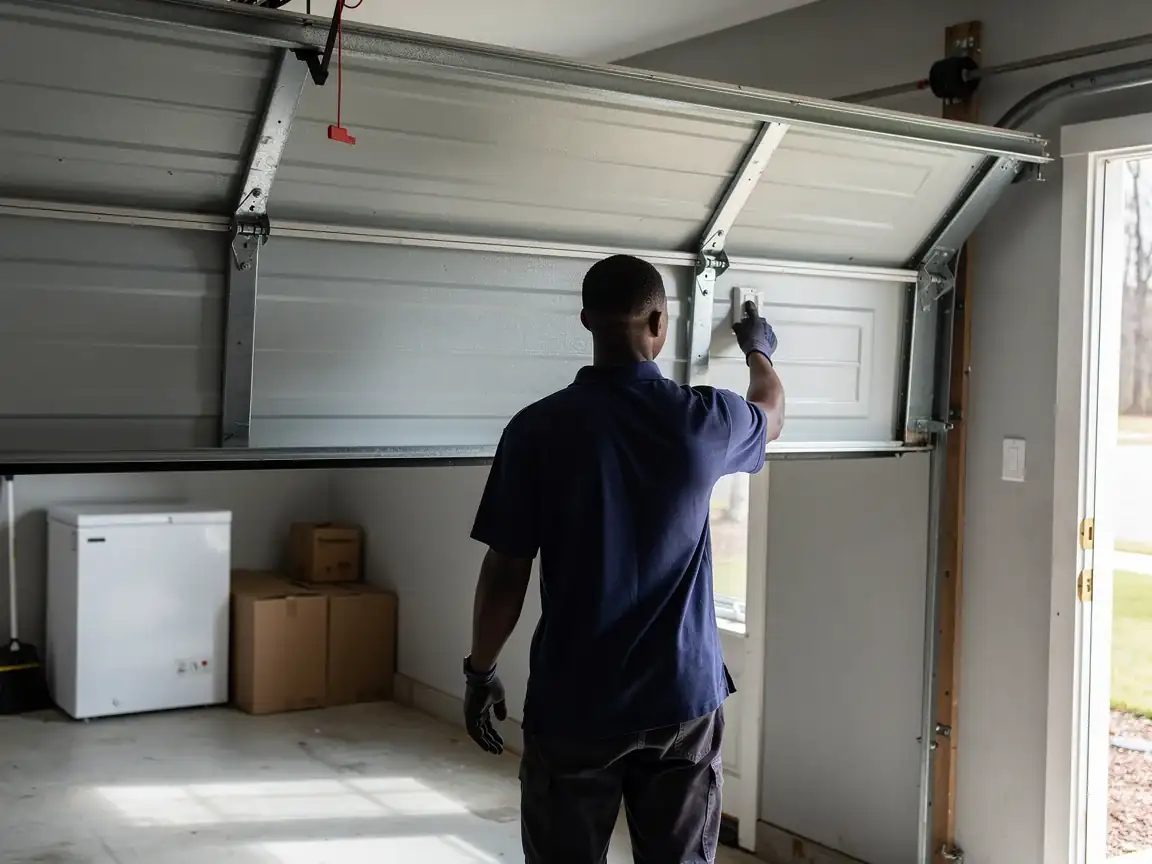
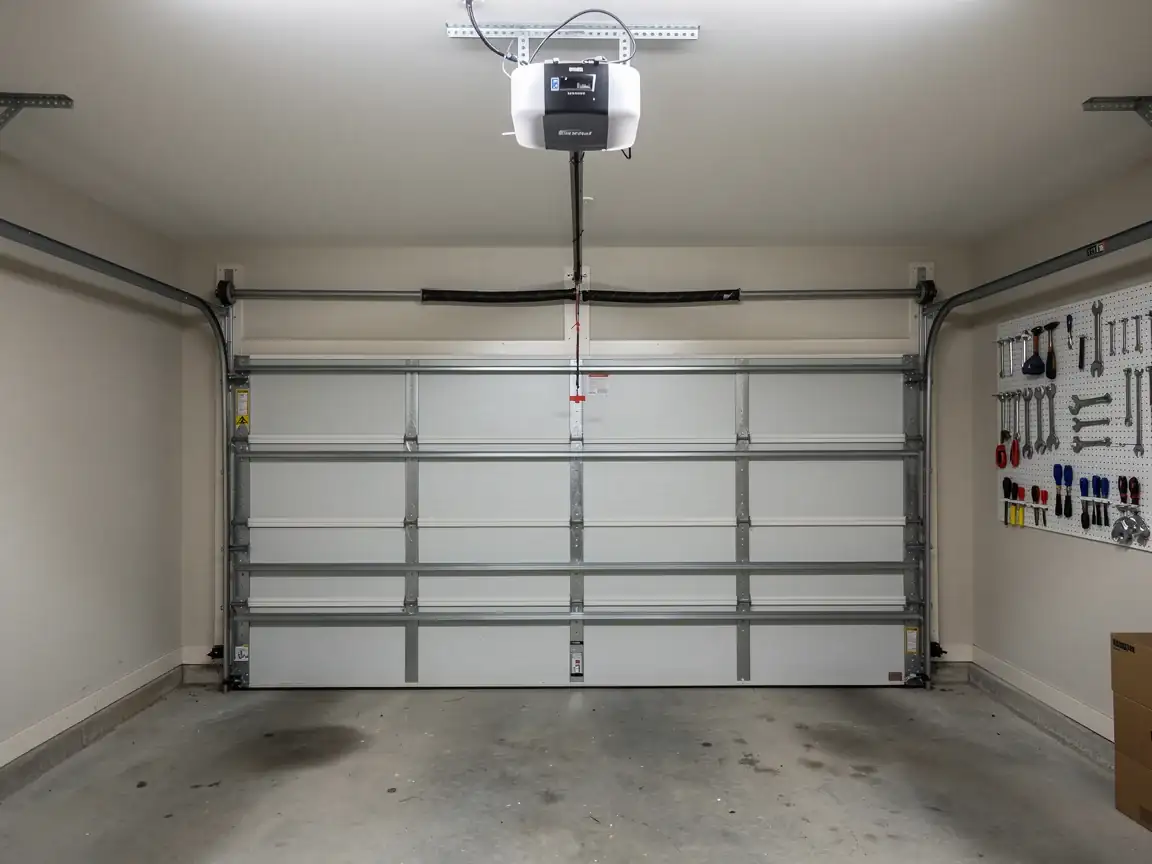
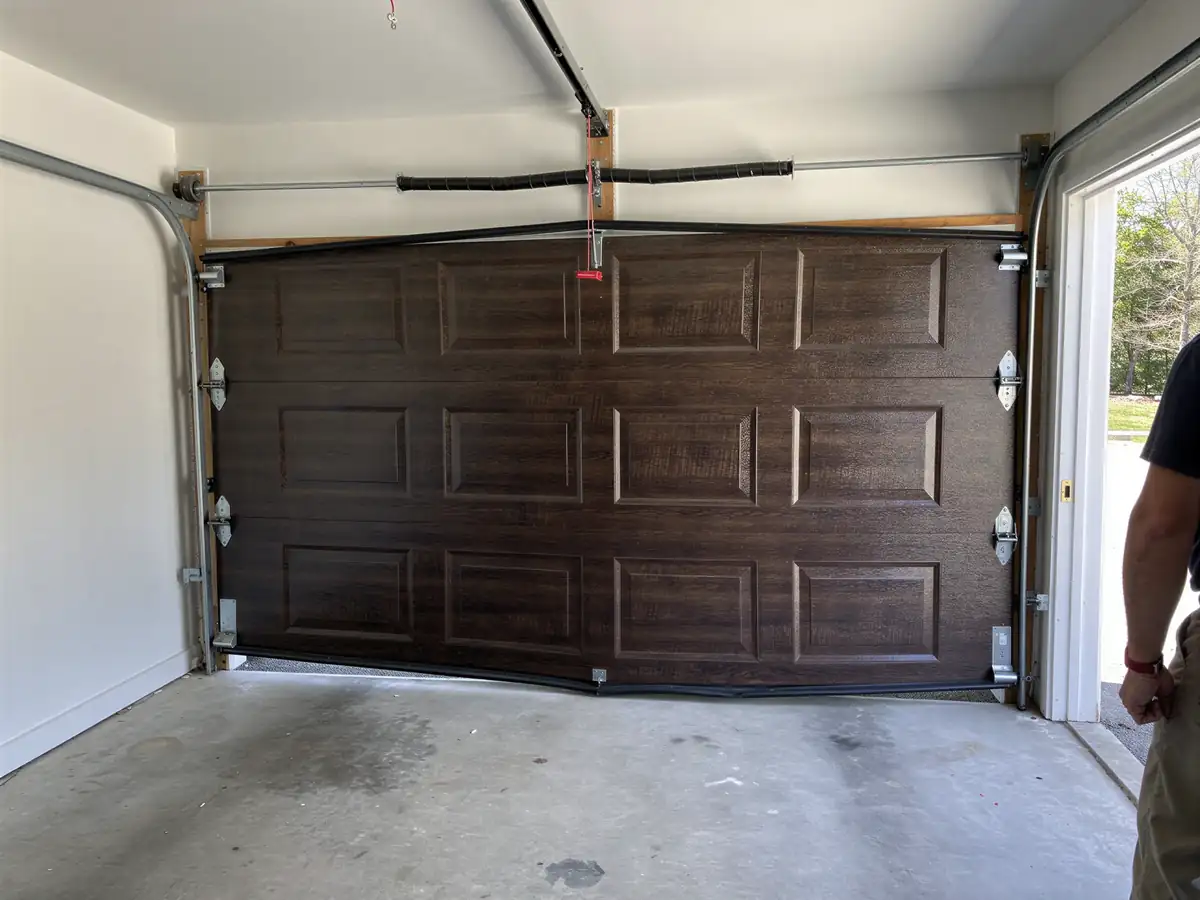
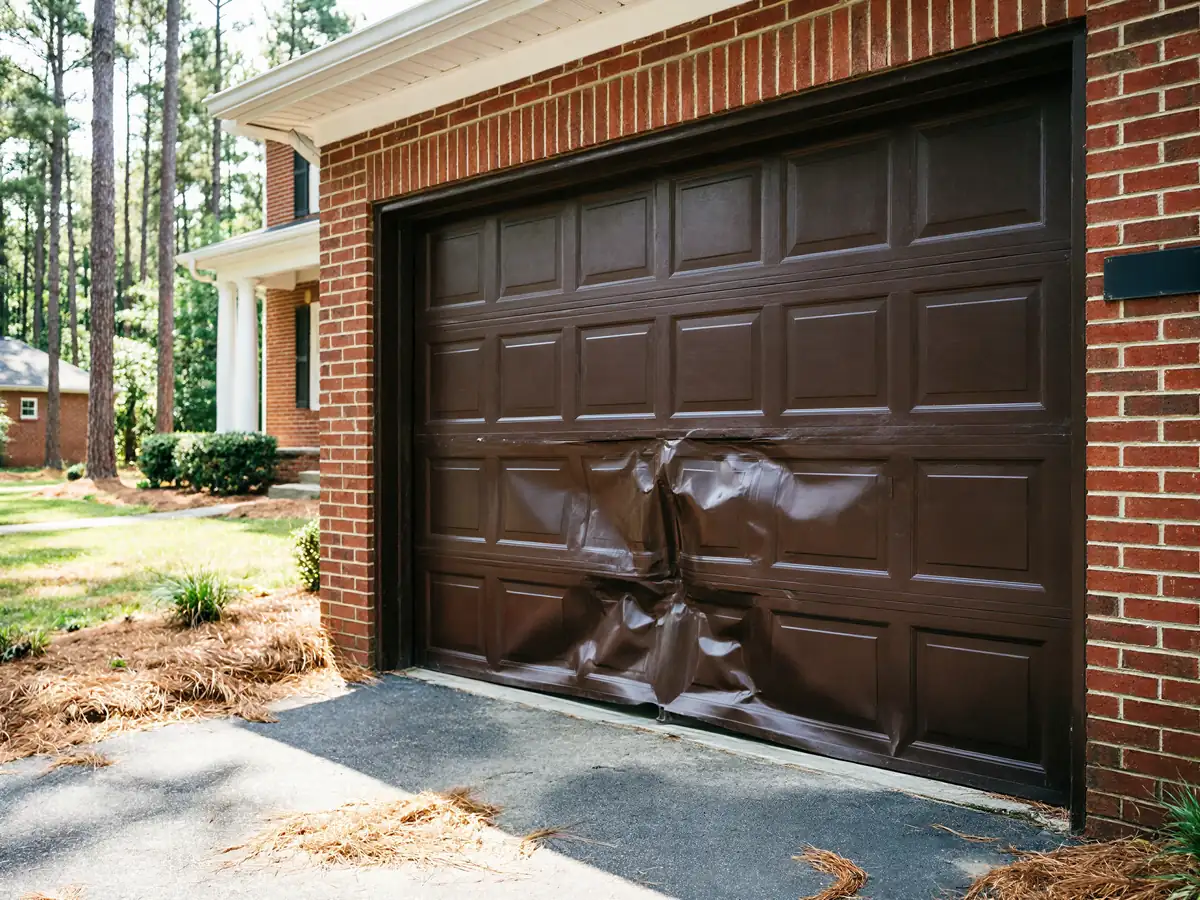
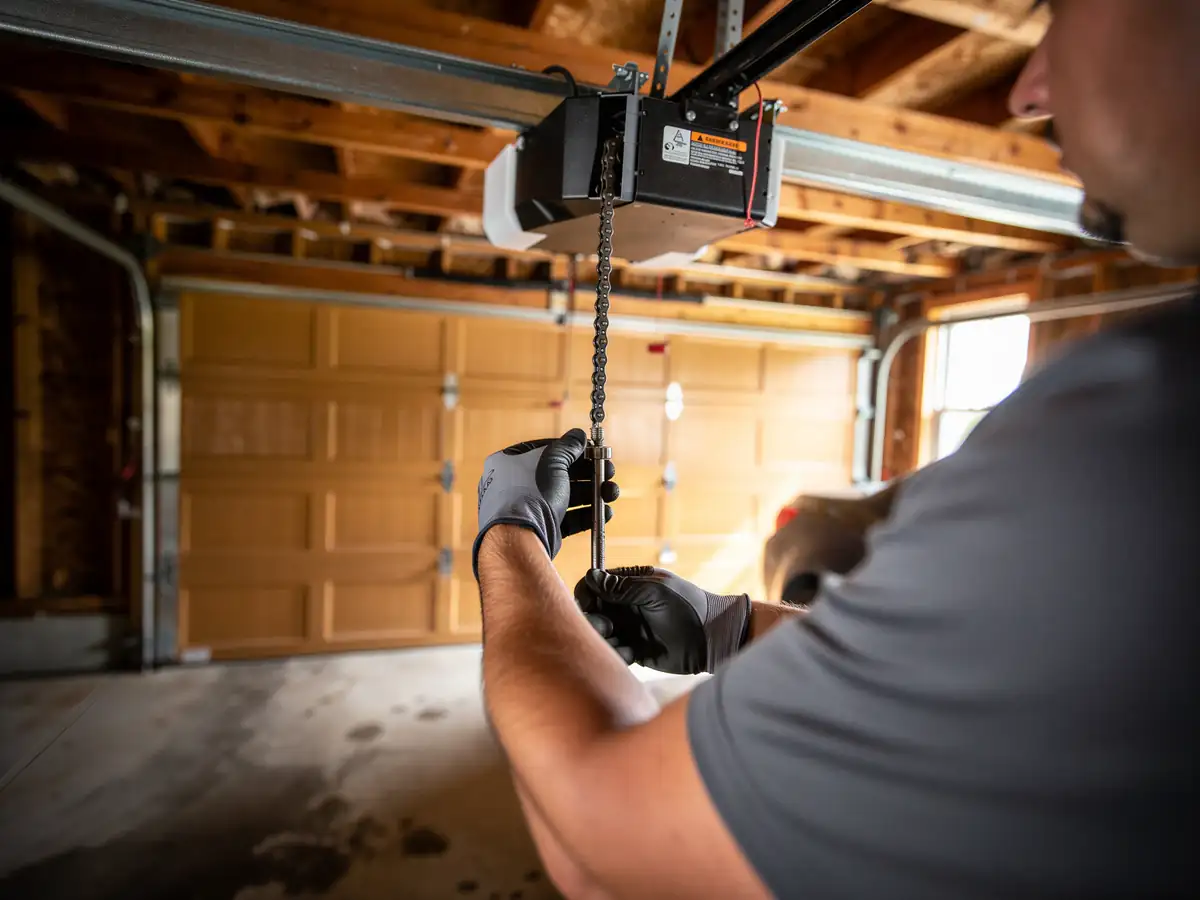
The call we get from this side of the service area is almost always the same shape: the opener runs, the motor hums, but the door either stalls halfway or reverses before it touches the floor. Sometimes it's a remote that used to work and now doesn't, or a wall button that only fires if you hold it down. None of that points to one simple fix, and we'd rather tell you that up front than guess over the phone.
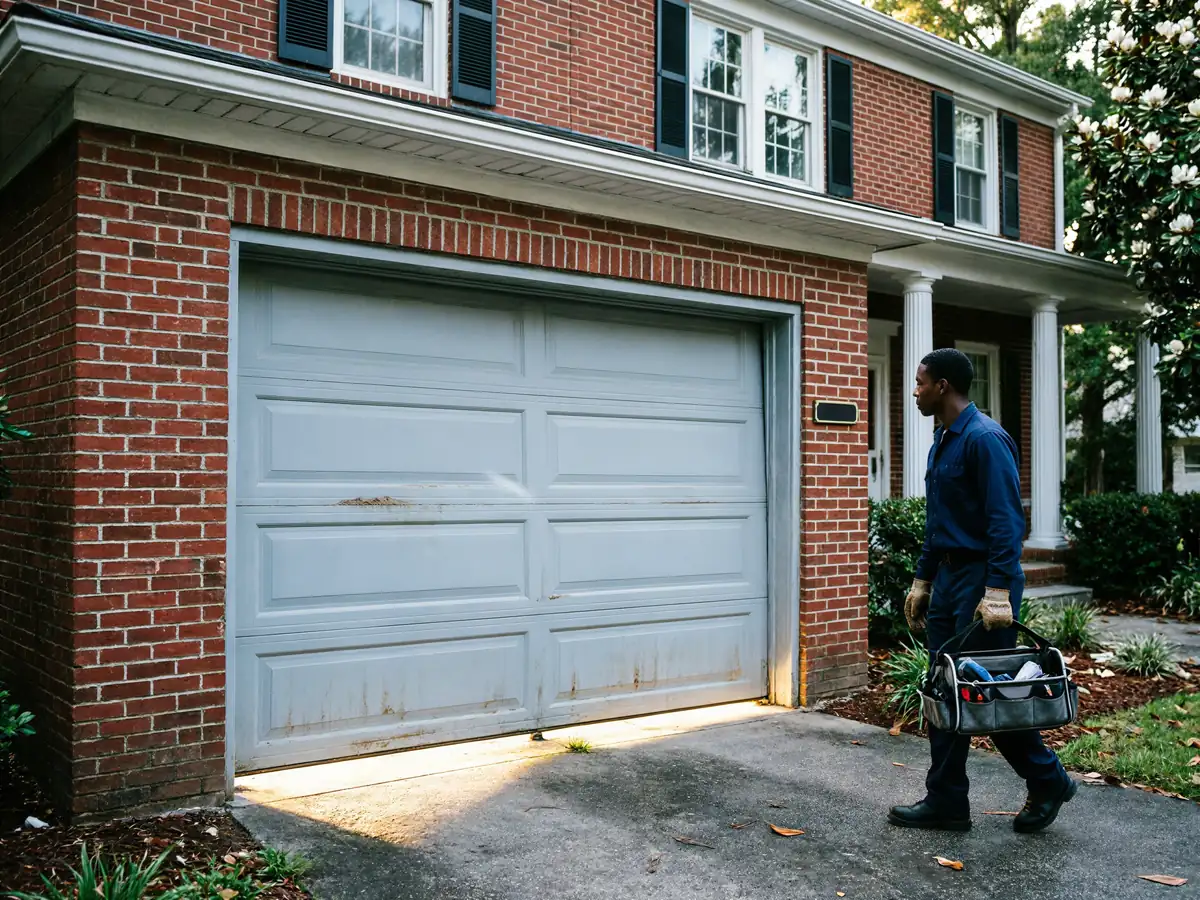
What we see often traces back to the house itself. Belvedere Park's median year built sits around 1961, which means a lot of these garages were framed for doors and track long before the opener industry standardized the drive rails, logic boards, and safety-reversal hardware that are common now. If the opener was added or swapped out later - and in houses this age, it usually has been at least once - you can end up with a motor unit from one era bolted onto brackets and a header from another. That mismatch is where a lot of these stalls and misfires start.
Why This Fails Locally
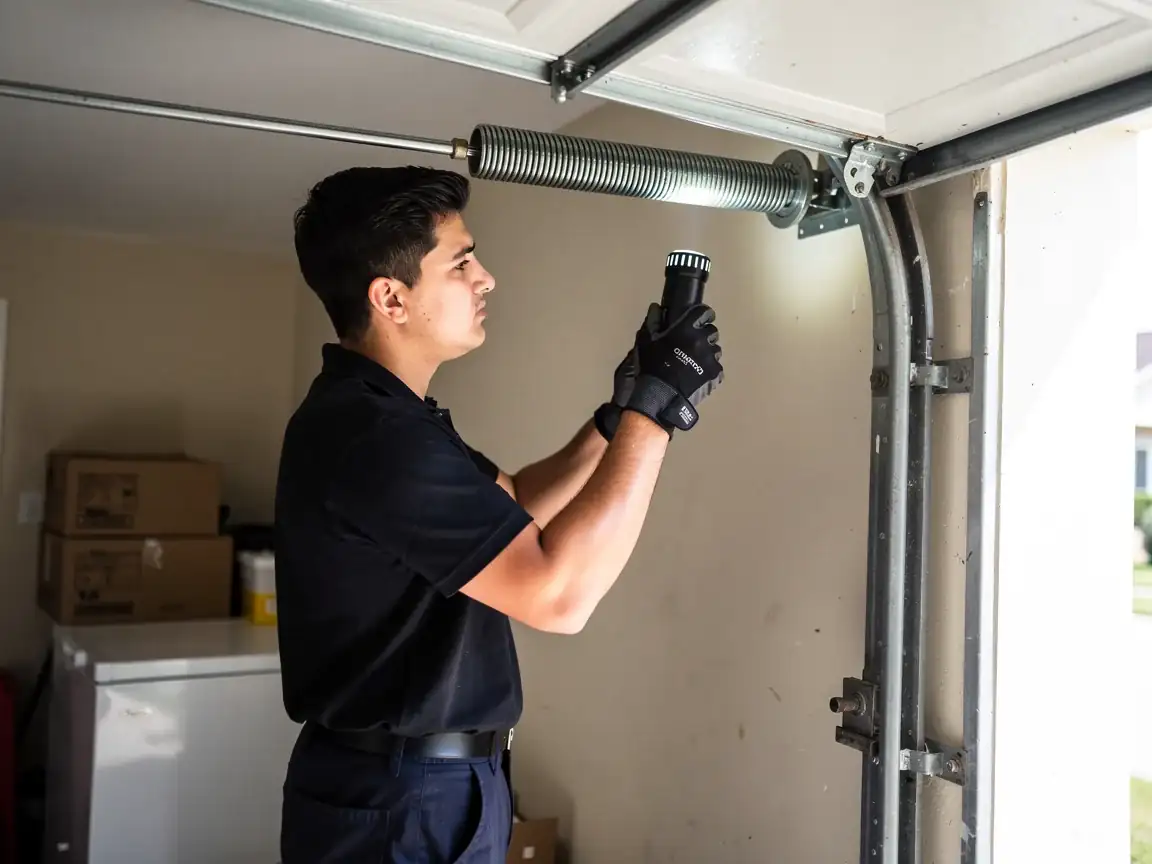
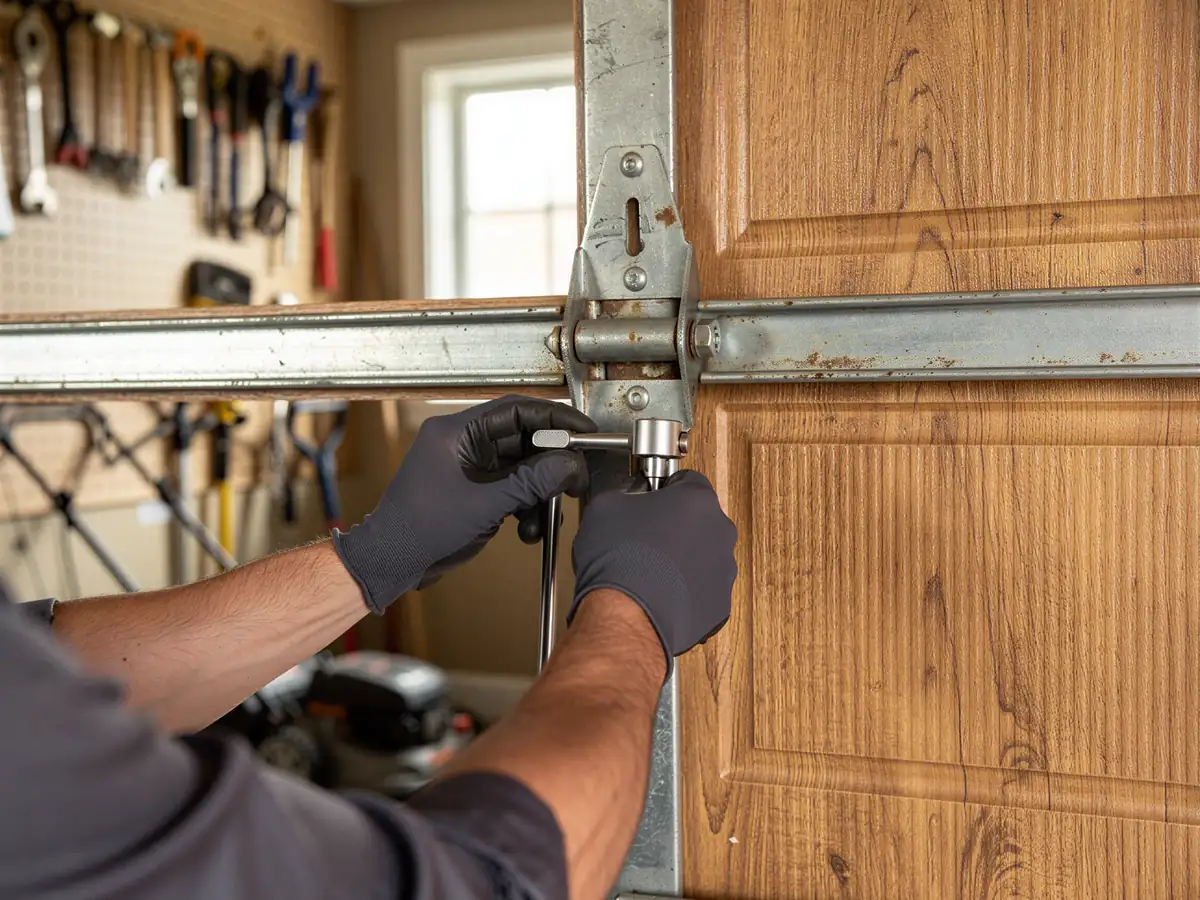
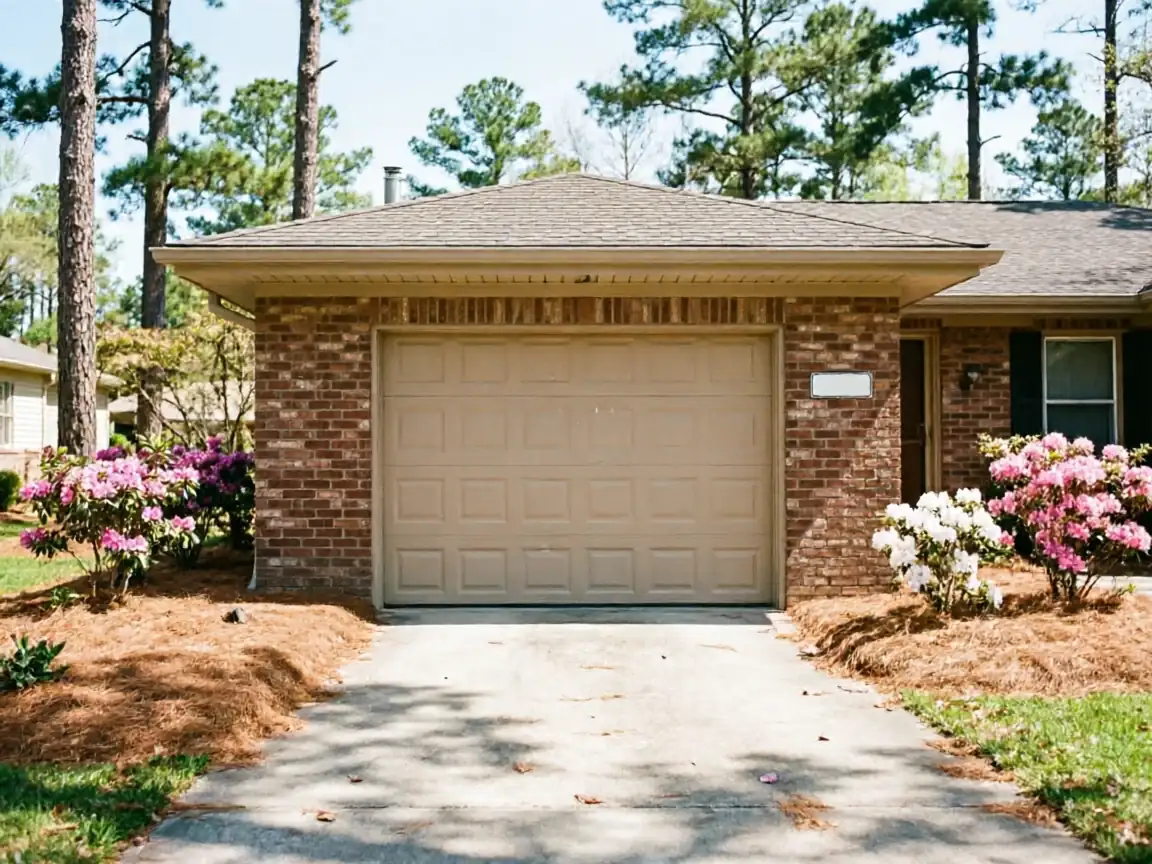
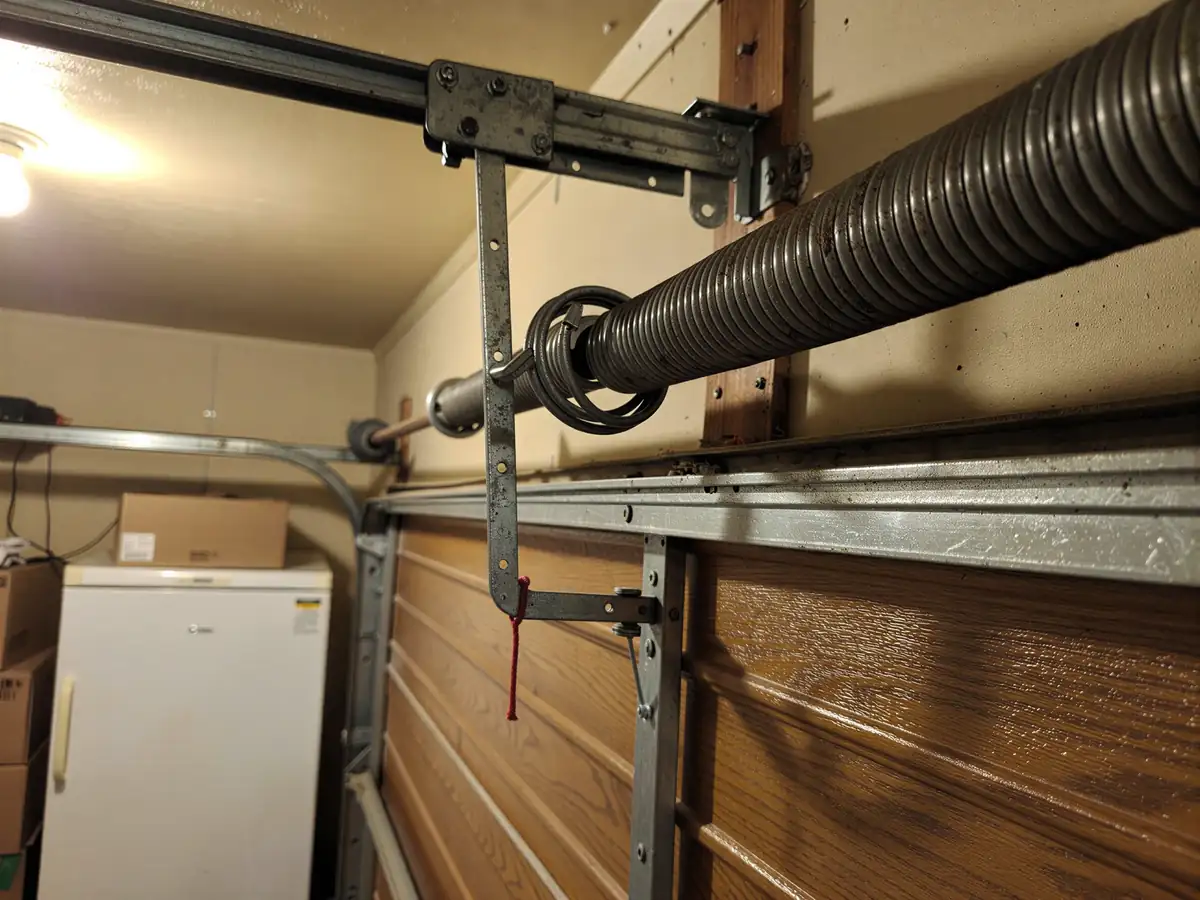
Across the roughly 5,515 households in Belvedere Park, the garages we work in tend to be original openings with newer equipment dropped in, not the other way around. That matters for opener repair specifically because the header height, the curve of the track, and the distance from the motor mount to the top panel were all set by 1961 construction standards - standards that don't match the bracket kits sold with a lot of openers today. A tech who shows up without adjustable mounting hardware ends up improvising, and improvised brackets are exactly what comes loose six months later.
Cold also plays a role. The service area sits in a moderate-cold climate band, and openers with aging logic boards or worn limit switches tend to show their first symptoms on the first real cold snap of the season - the plastic housing contracts slightly, a marginal connection opens up, and a door that worked fine in October won't close in December. We see this pattern enough across the territory that we don't treat a winter opener call as a coincidence.
Booking a Visit
We run this call from Snellville, about 16 miles out
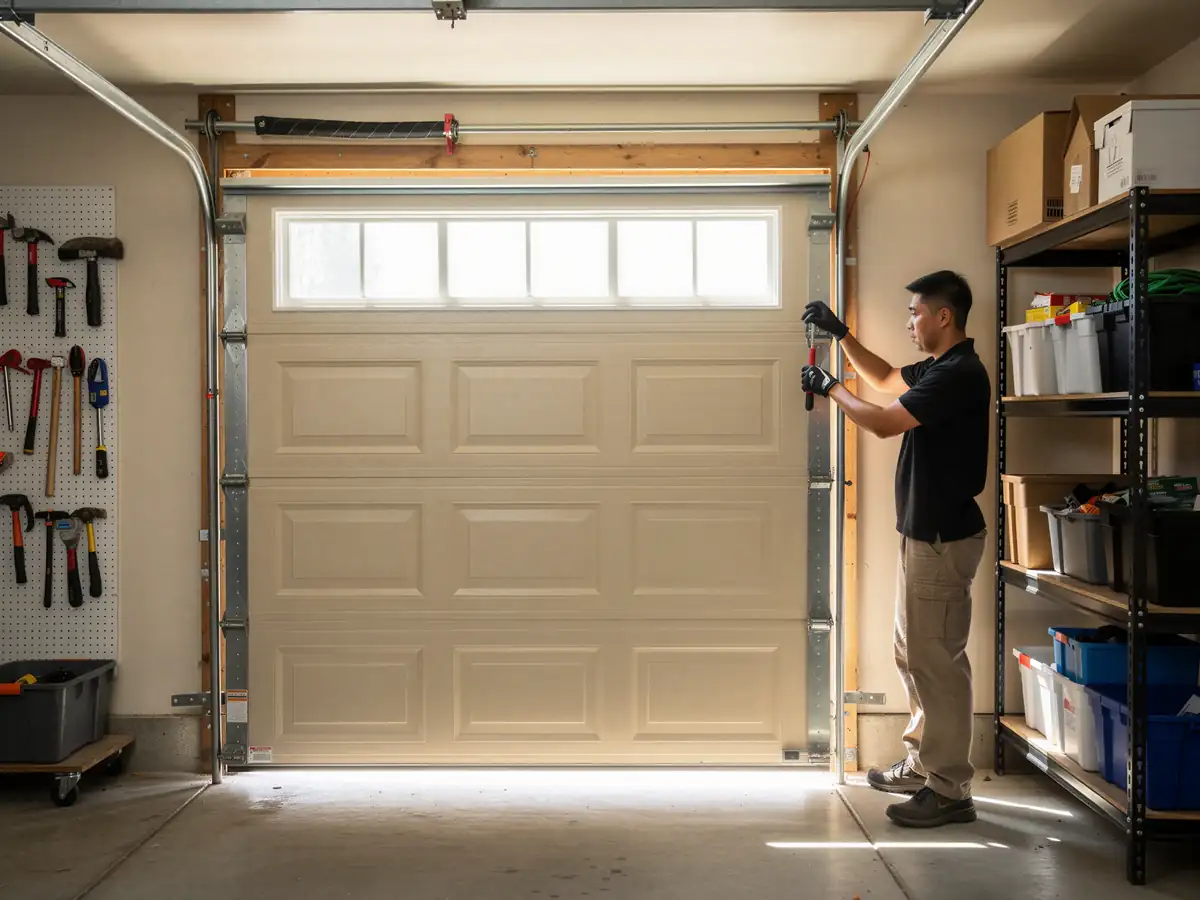
So we schedule Belvedere Park opener visits rather than treating them as a walk-up stop. When you call, tell us the opener brand if you can read it off the motor housing, and whether the door is stalling, reversing, or not responding to the remote at all - that alone tells us which parts to load before we leave the shop.
- 16 miles
We don't advertise a same-day guarantee for this area
And we'd rather say that plainly than promise something the drive time doesn't support. What we can tell you is that most opener calls here are diagnosed and, if parts are on the truck, closed out in a single visit.
What It Costs
We don't have a published price list for opener repair in this FACTS set, and we're not going to invent one. What we can tell you is how the estimate gets built: it depends on whether the fix is a logic board, a sensor, a drive gear, or a full motor unit, and whether your opener's model is one we stock parts for or one that needs an order.
Homes in this income range - Belvedere Park's median household income runs around $68,900 - often ask us to repair before replacing, and that's a reasonable instinct for an opener under 10-15 years old. Past that, a motor replacement usually costs less over time than chasing failing parts on a unit that's already worked past its expected life.
Parts We Carry
Because so much of this area's opener stock is a mix of ages - original installs from whenever the house was last renovated, plus replacements added over the decades since 1961 - we carry logic boards, drive gears, sensor pairs, and limit switches that cover a wide span of manufacture years, not just current models. That's a deliberate choice: a truck stocked only for new construction would be useless on half the calls we take here.
One honest limitation: if your opener is a discontinued model from a brand that's since left the market, we may not carry the exact board on the truck, and that part may need to be ordered rather than installed same-visit. We'll tell you that at diagnosis, not after we've already billed for the call.