How It Shows Up
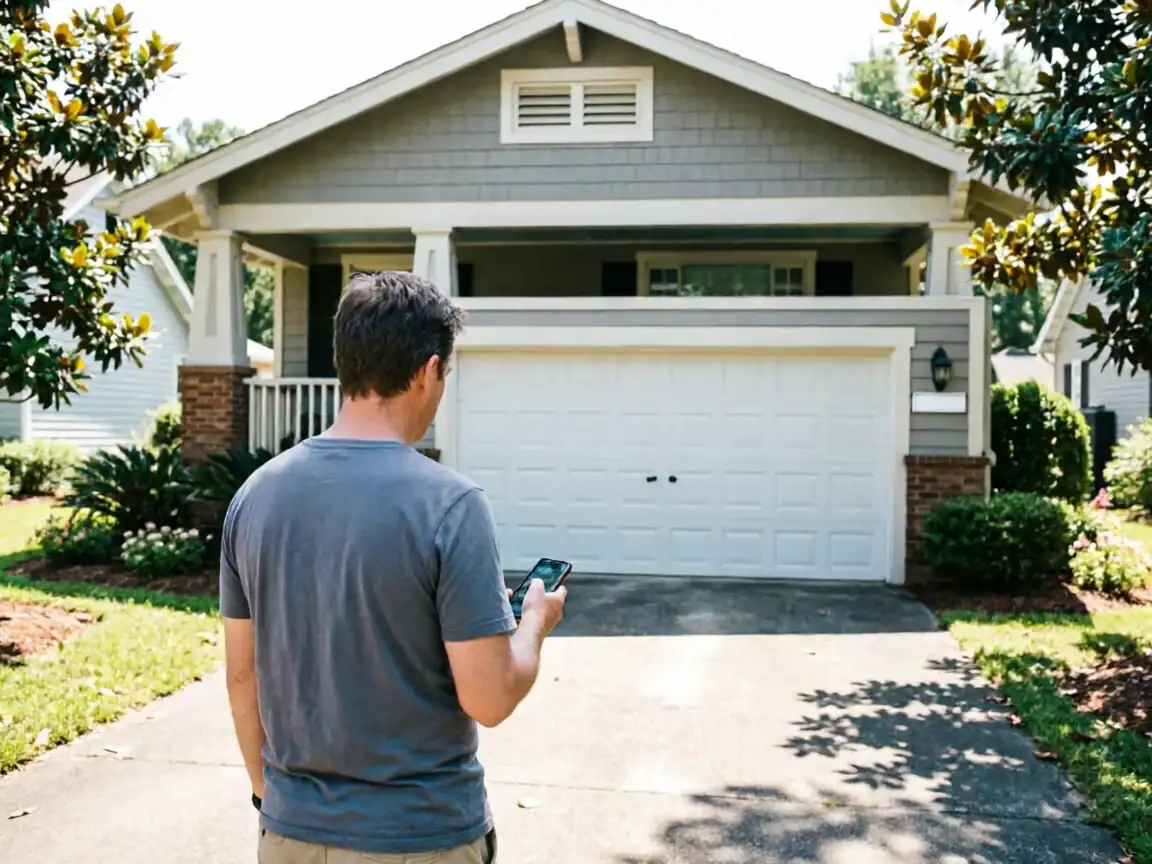
Belvedere Park sits 16 miles out from our Snellville shop, which is the longest run we make on a regular service day. That distance shapes how we schedule the call - we group Belvedere Park jobs with other stops along the way rather than treating each one as a one-off run, because a truck idling in traffic for 16 miles does nobody any good. It also means we ask a few more questions up front: what the door is doing, whether it's stuck open or closed, whether the opener still lights up. We'd rather nail down the part before we load the truck than show up and find out we need a second trip.
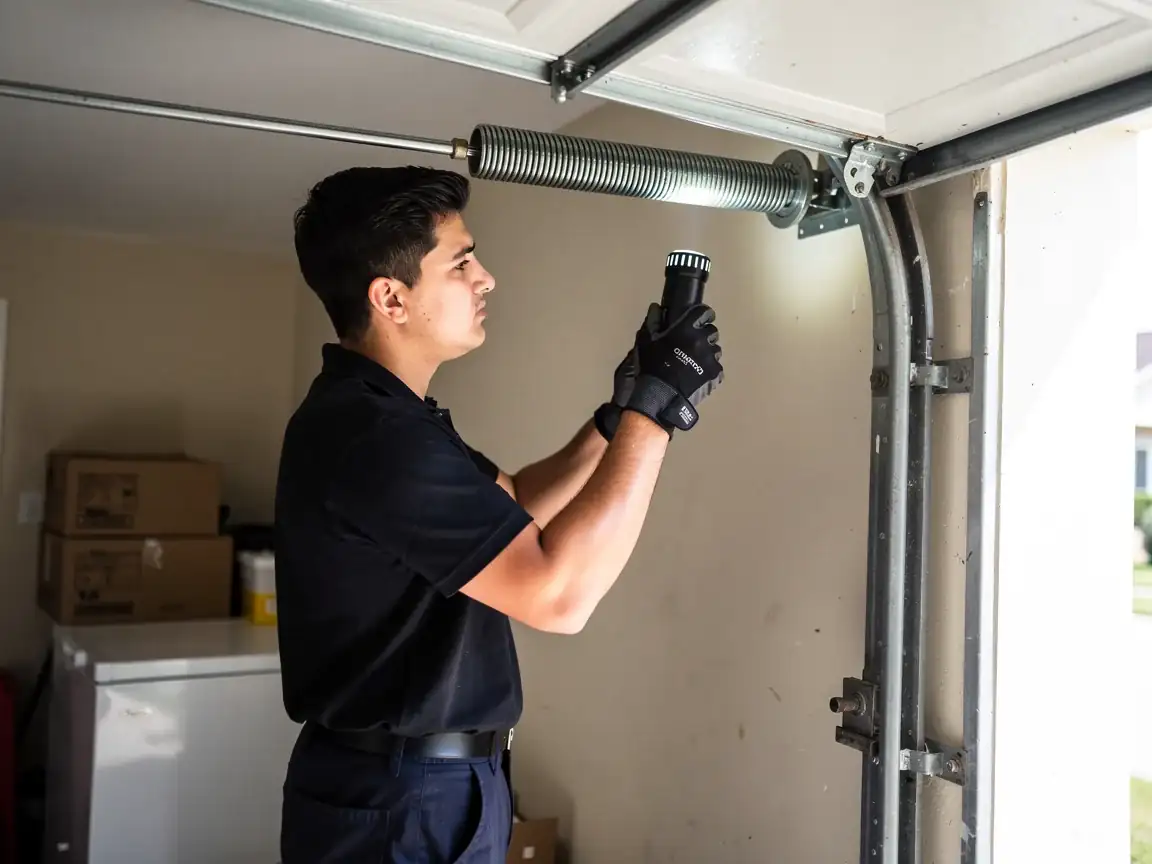
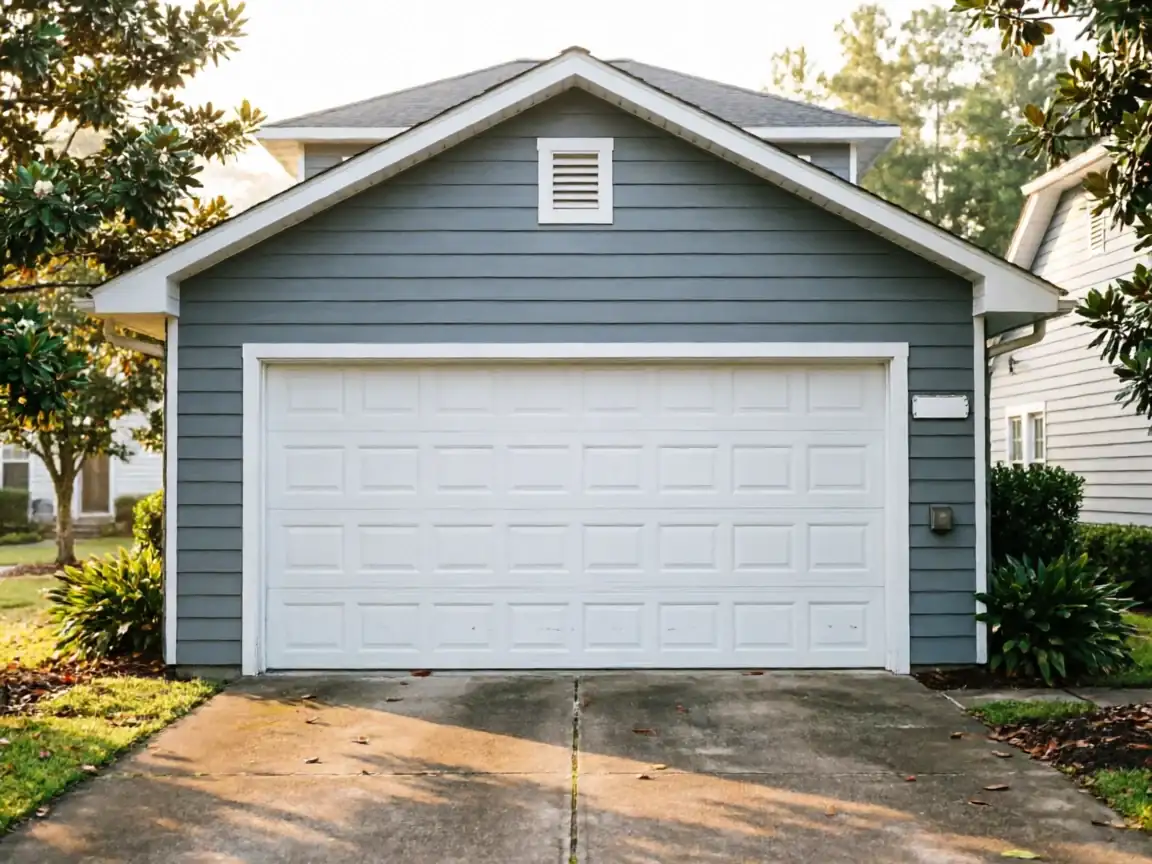
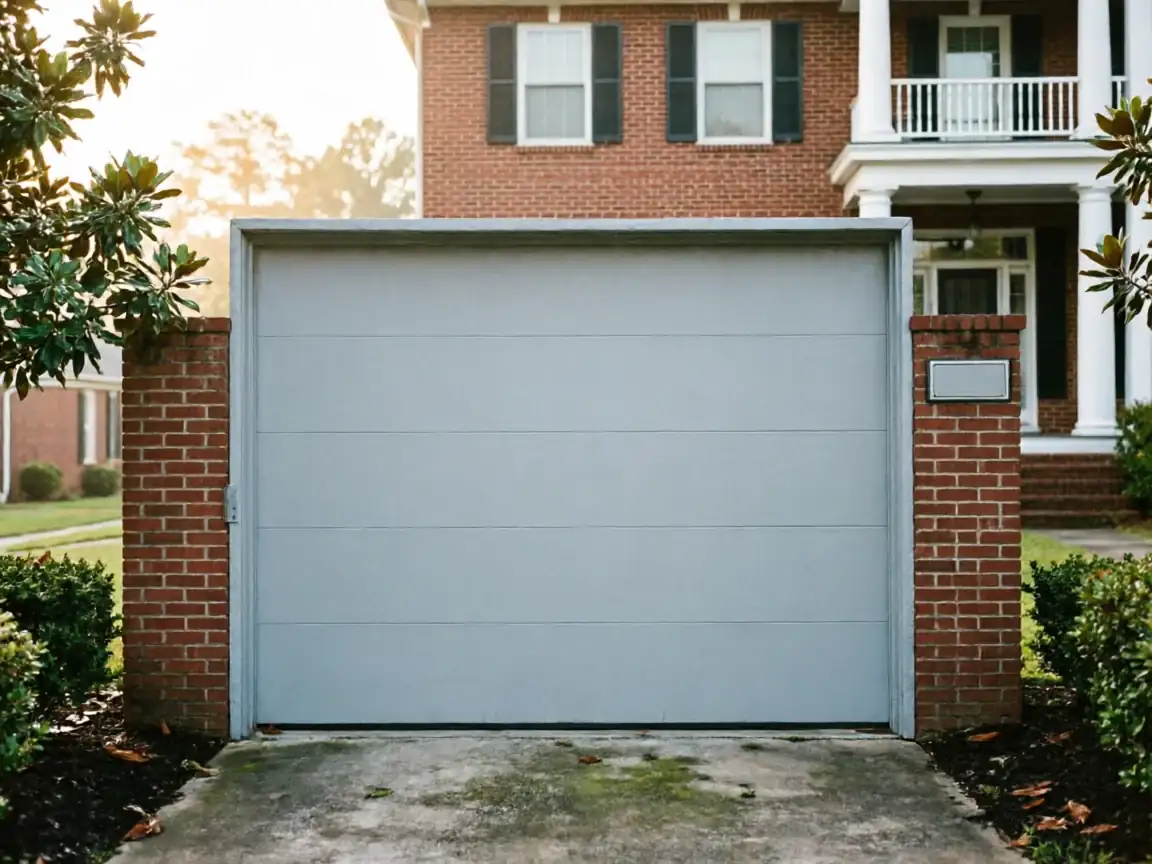
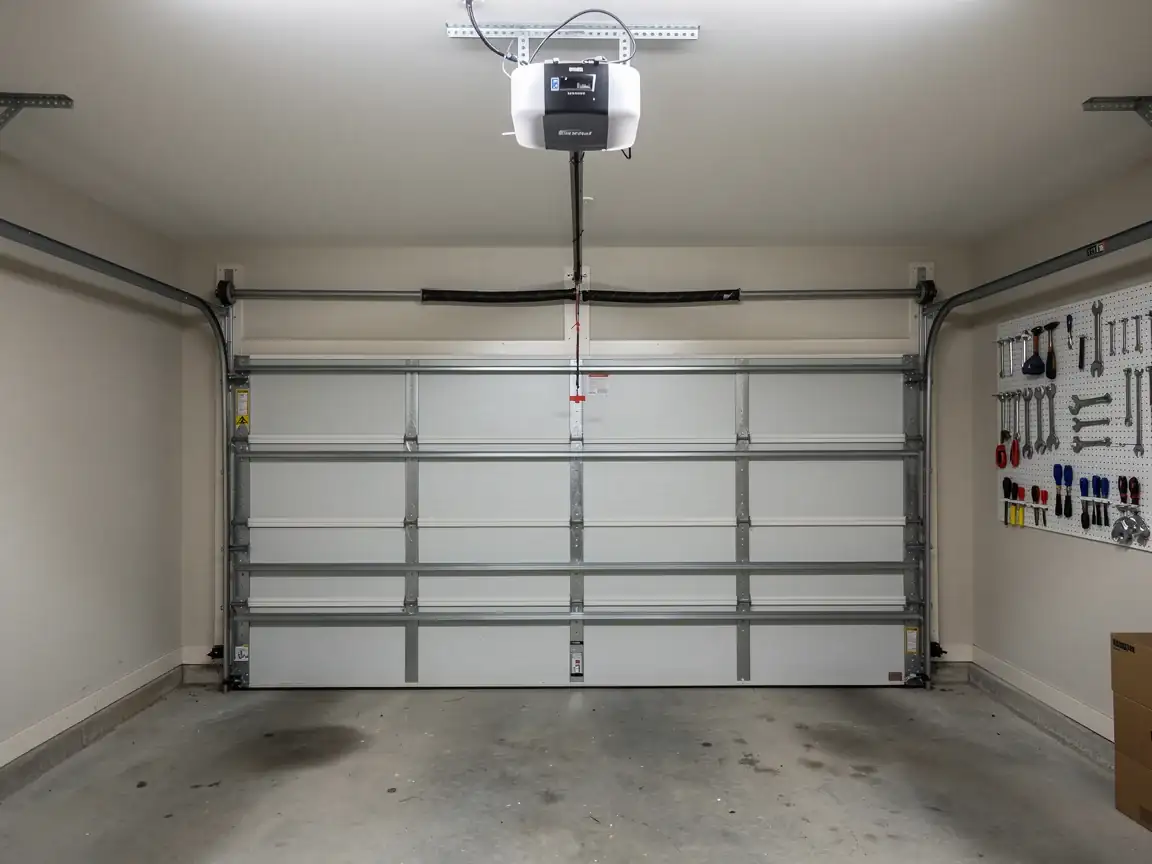
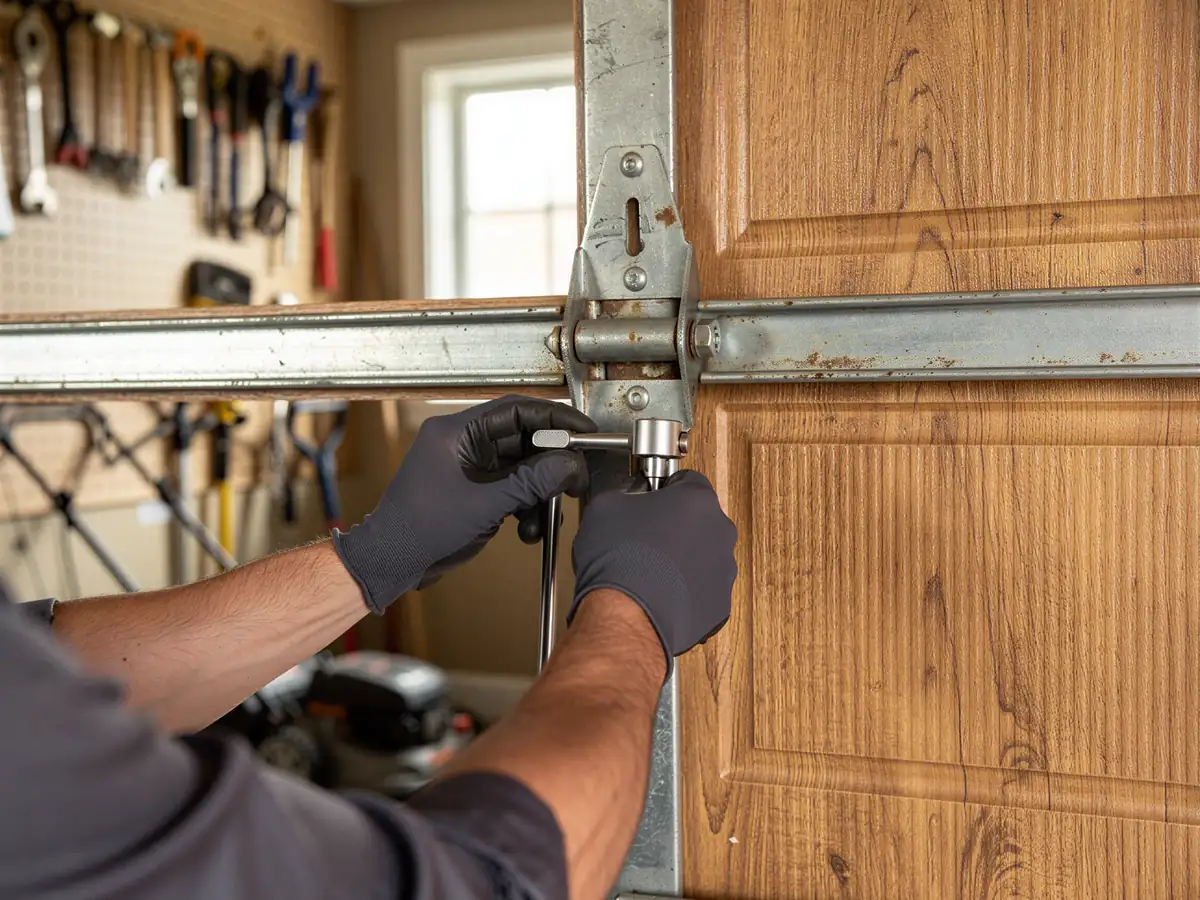
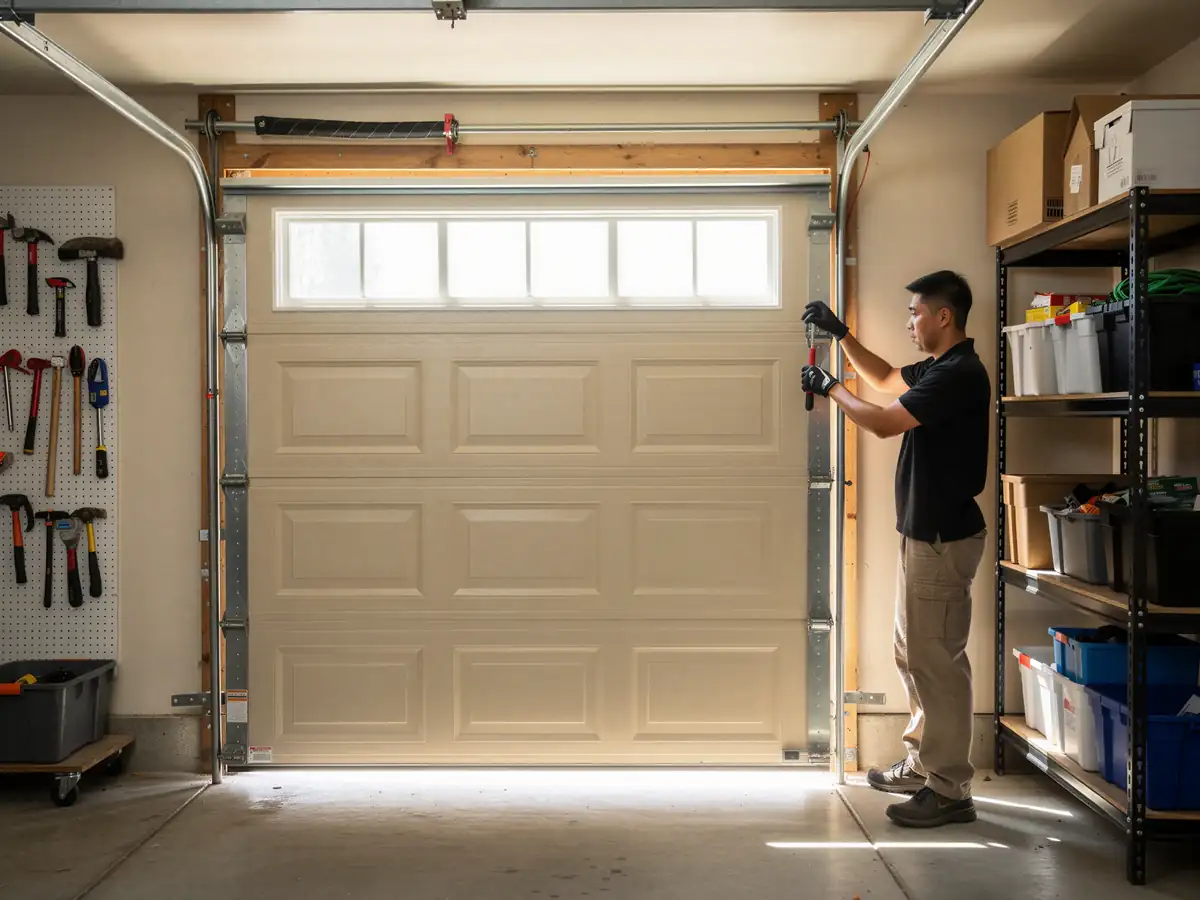
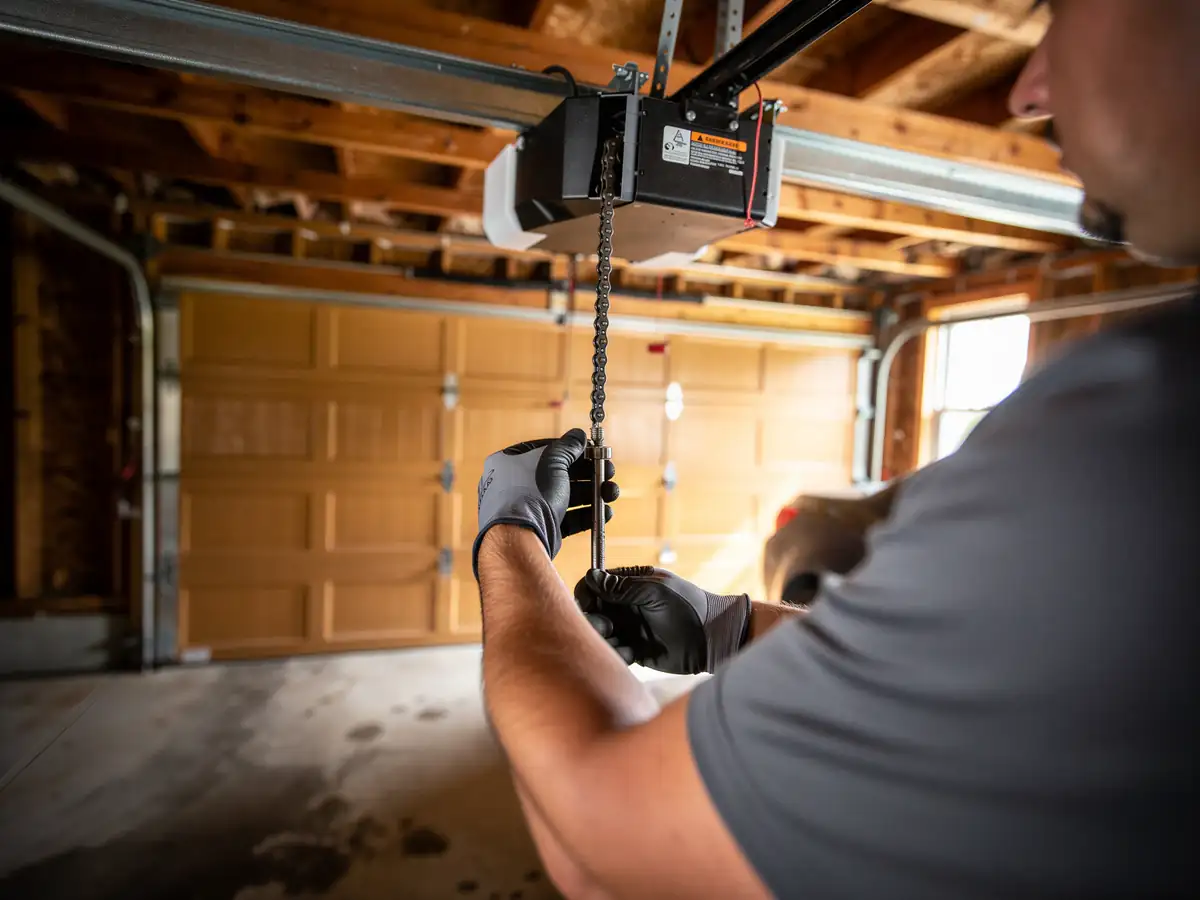
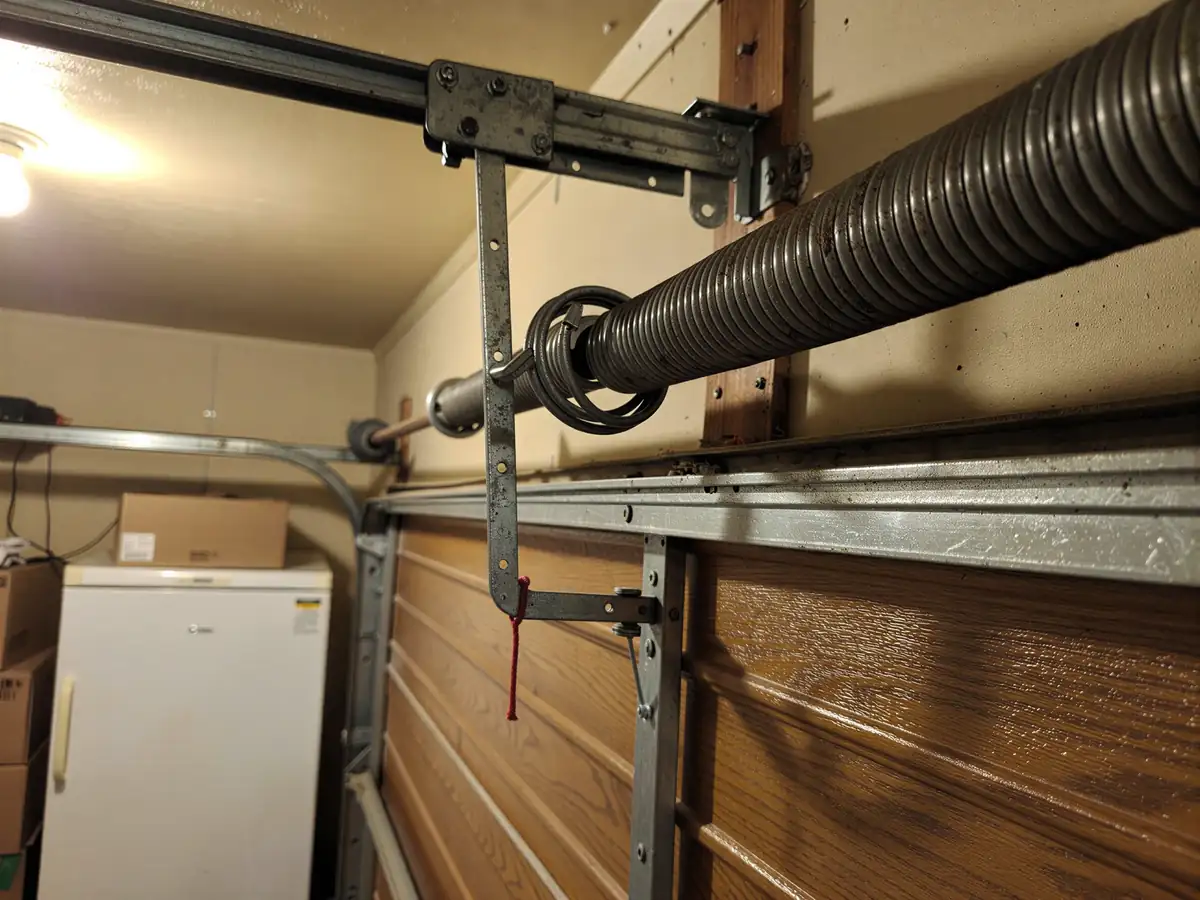
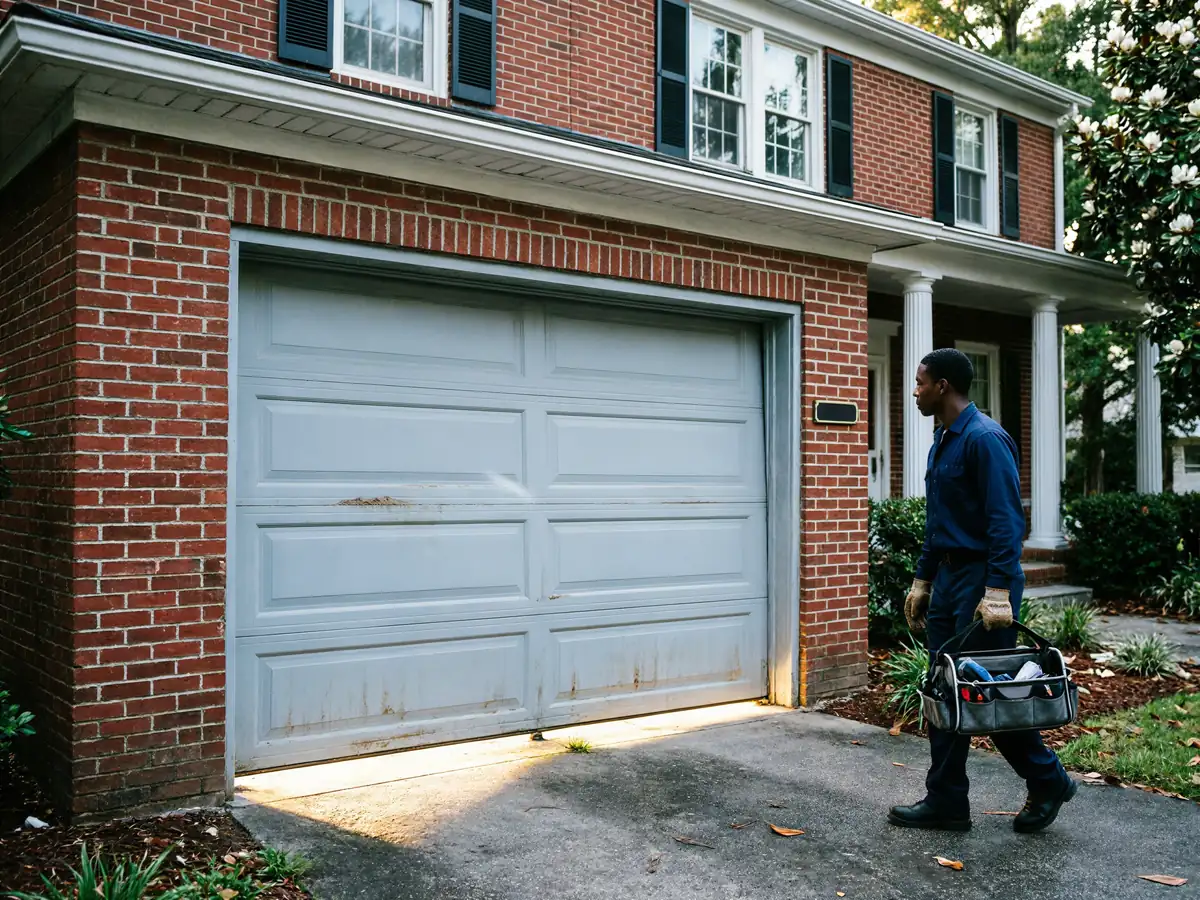
Once we're there, the work itself looks like what you'd expect from a neighborhood built mostly around 1961: original torsion springs that have outlived their wind count, steel tracks bent from decades of cars nosing in a few inches too far, and openers that are on their second or third motor but still riding the same worn track hardware from the house's first install. None of that is exotic. It's just old, and old parts fail in predictable ways once they pass the 50-60 year mark.
Why This Fails Locally
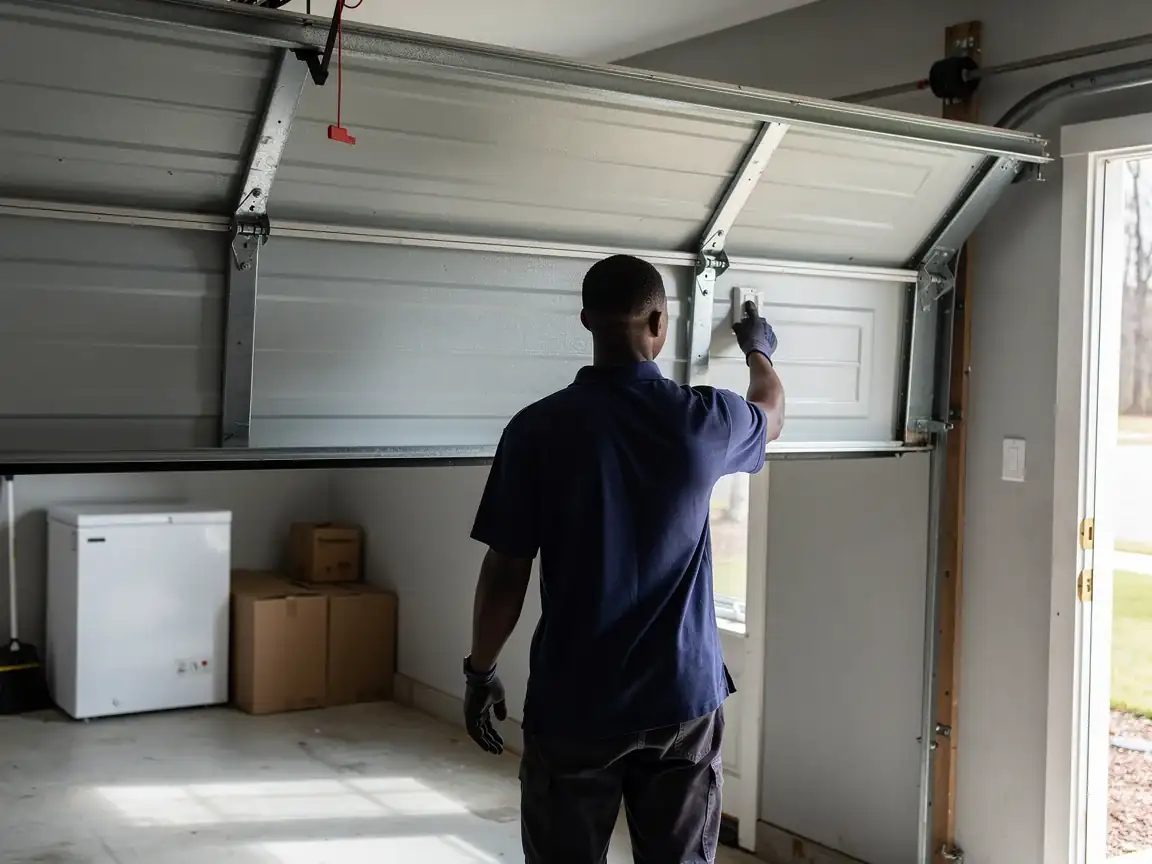
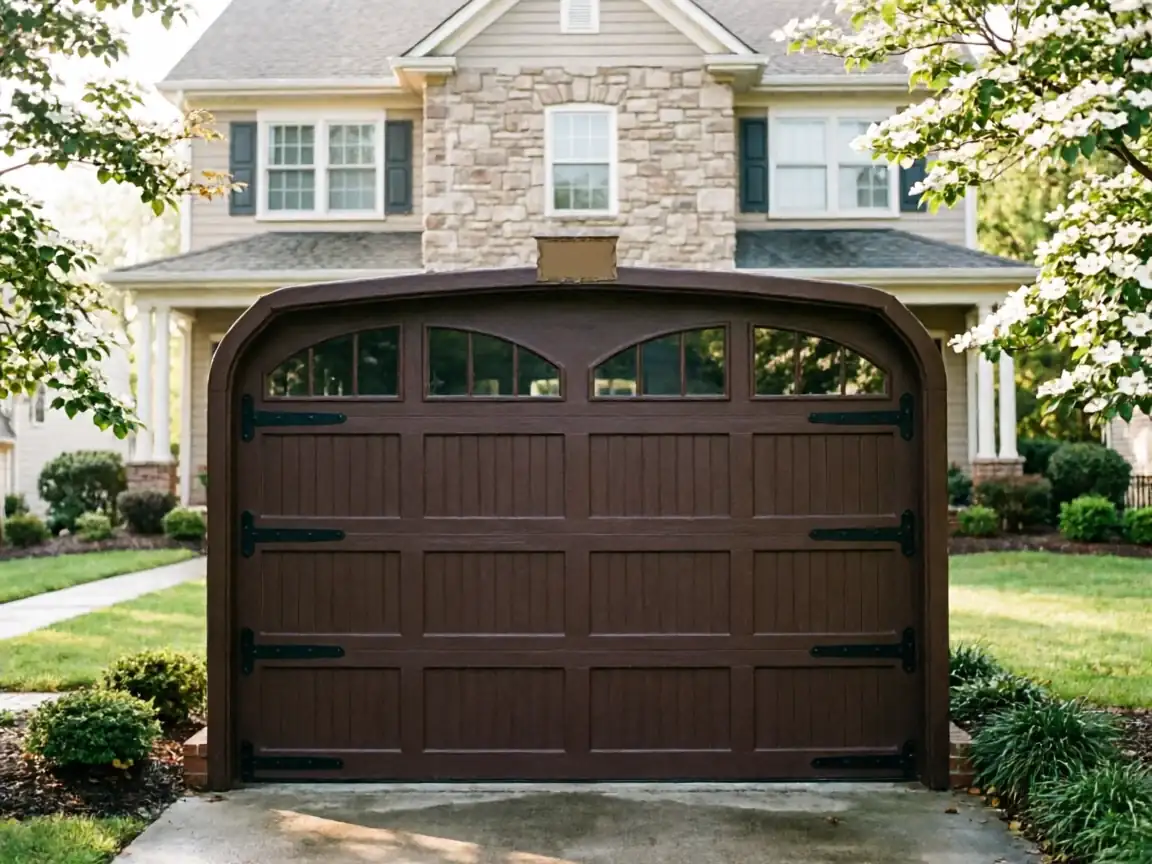
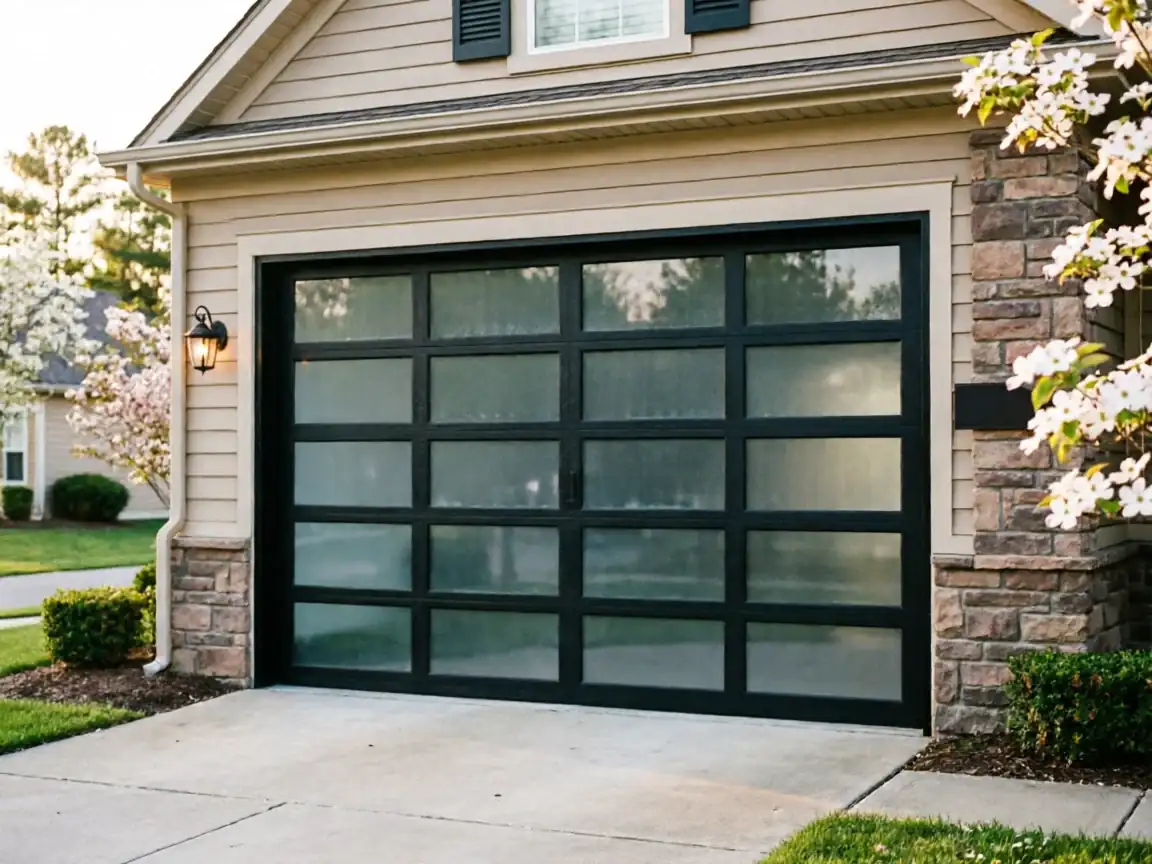
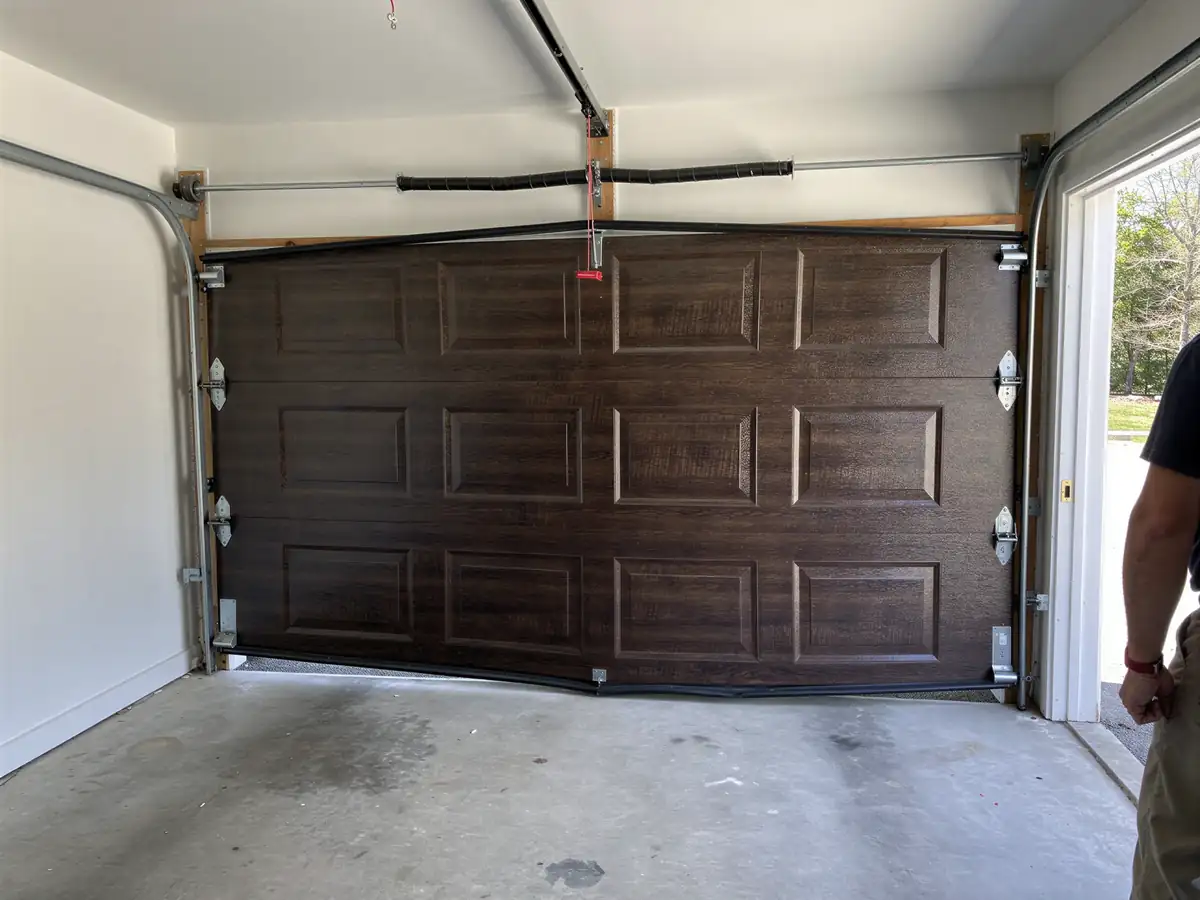
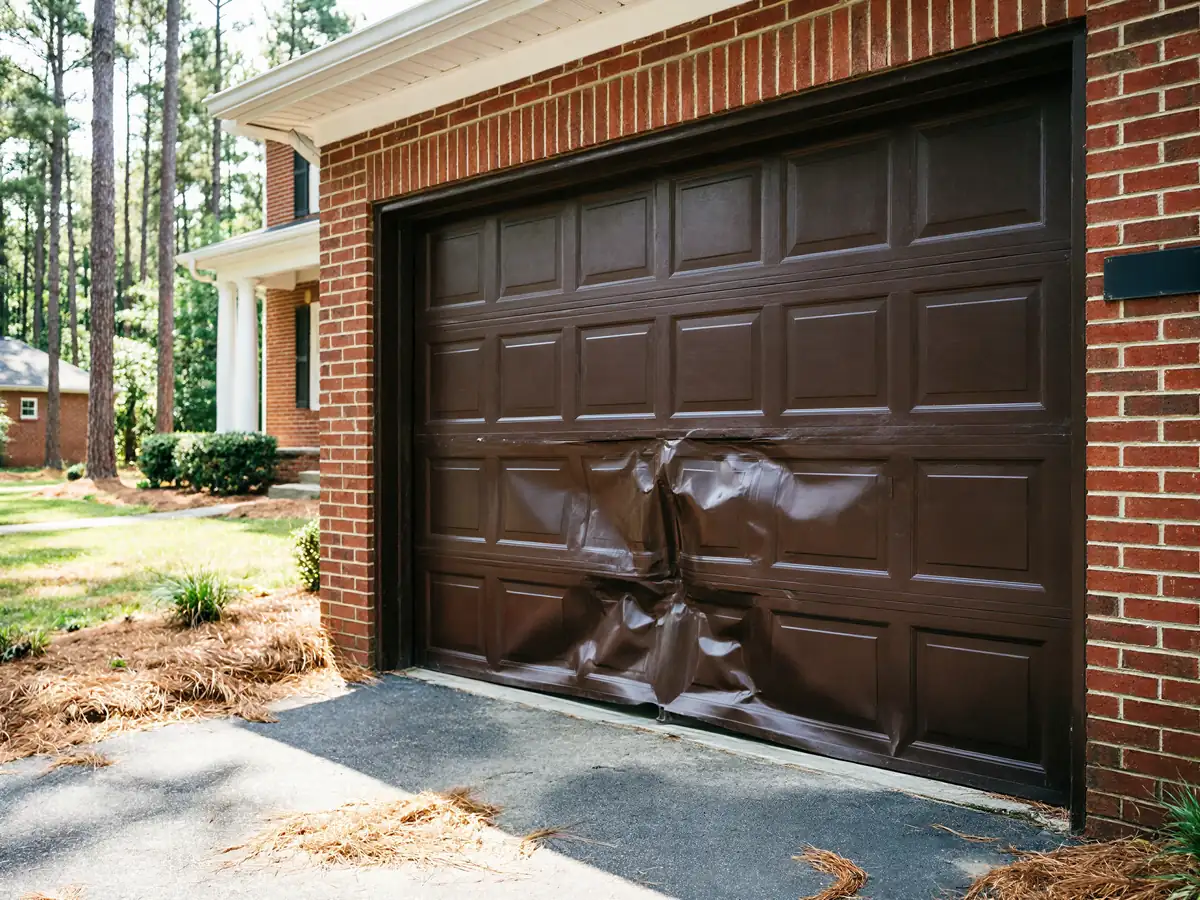
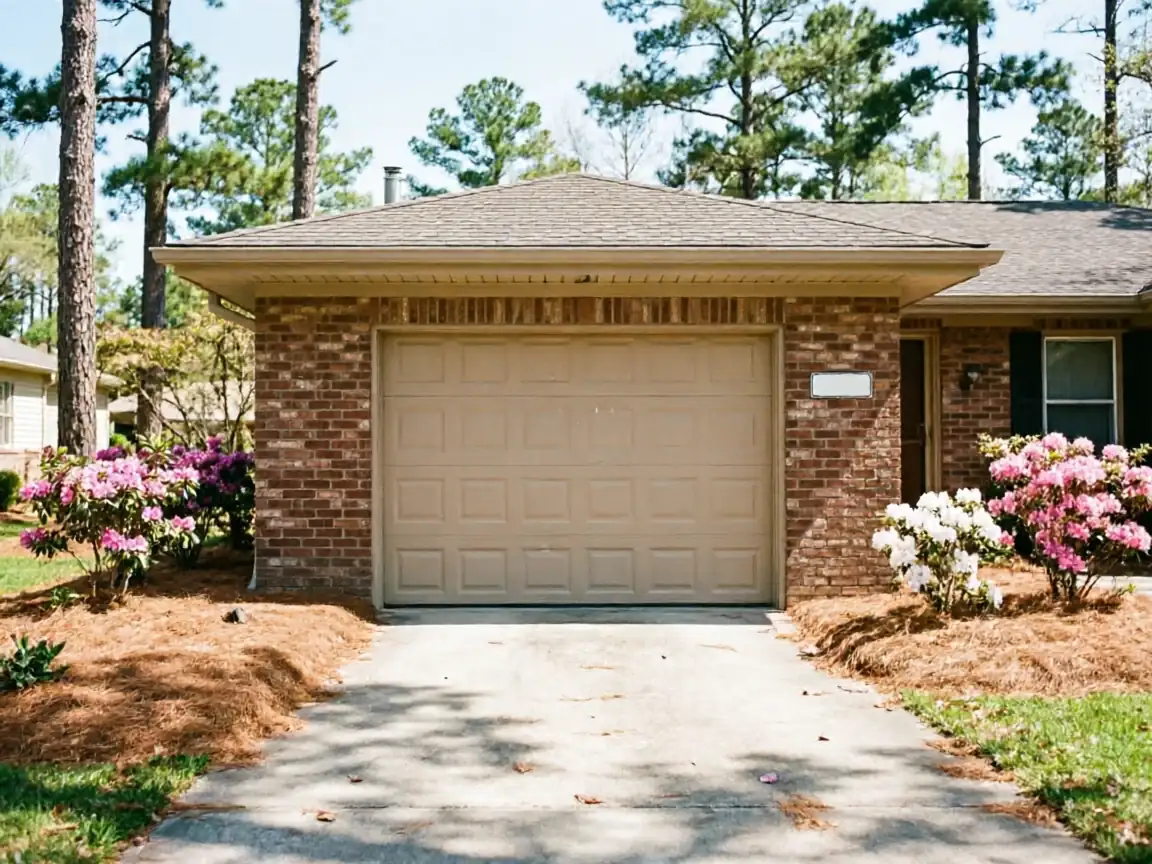
The median home in Belvedere Park went up around 1961, which puts most garages in the era of heavier one-piece or early sectional doors hung on hardware that was never built with today's insulated steel panels in mind. When a homeowner swaps in a modern door but keeps the original track brackets or jamb hardware because the new door 'fit fine,' the spring tension is often wrong for the new panel weight. That mismatch is the single biggest cause of the slow sag or sudden drop we get called out for in houses this age.
The region's climate band is cold-moderate, not the deep freeze-thaw cycling you'd get further north, but enough temperature swing through the year to work moisture into old lift cables and rust out the bottom roller brackets on doors that have never been re-lubed. Combine 60-year-old steel with that slow cycle of expansion and contraction, and the failure point is almost always the same: a cable frays at the drum, or a spring finally lets go on a cold morning after years of quiet fatigue. We don't guess at this - it's what we actually find when we open up a Belvedere Park door.
Booking a Visit
We book Belvedere Park calls the same way we book anywhere else in the service area
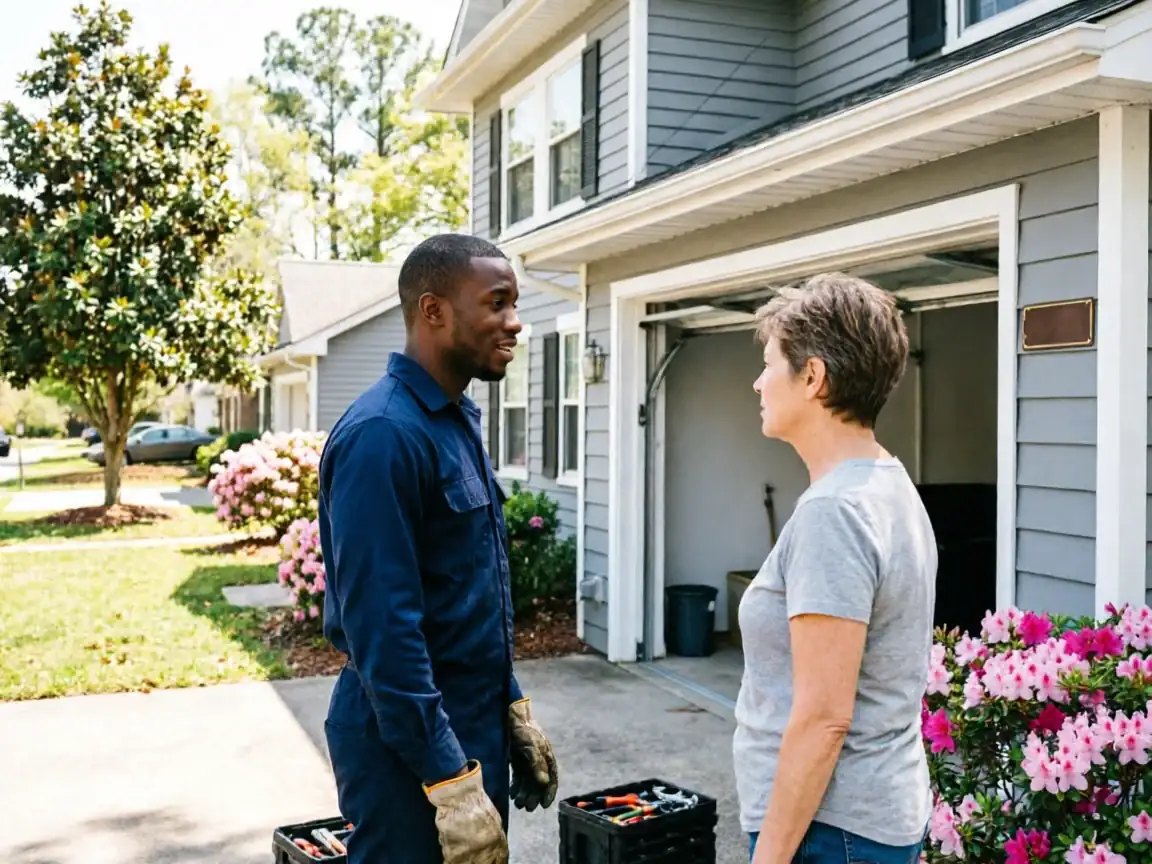
Through the request form on our Belvedere Park service page - we just plan the drive time into the slot we give you, since it's a 16-mile trip from the shop. If you can tell us the door's age, whether it's a single or double, and what it's doing (won't open, drifts shut, grinding noise) when you reach out, we can usually bring the right spring or cable sizing with us the first time instead of guessing on site.
We don't keep a crew stationed in Belvedere Park, and we're not going to pretend otherwise
What we do is treat the trip as part of the job, not an inconvenience tacked onto it, and we'd rather tell you that up front than have you assume we're around the corner.
What It Costs
We don't have a published price list broken out by neighborhood, and we're not going to invent numbers for Belvedere Park specifically. What we can tell you is that cost on a call here tracks with what we find on-site: spring replacement, cable work, and track repair all price out differently, and a door that's otherwise sound usually costs less to fix than one where the opener, track, and springs are all original from 1961 and failing together. If three things are going at once, replacement can end up cheaper than chasing repairs on parts that are all the same age.
Parts We Carry
Because so much of Belvedere Park's housing stock dates to the early 1960s, we keep stock sized for that era's torsion springs and the lighter-gauge tracks that came standard on doors from that period - the parts that a big-box supplier often doesn't carry because the newer standard sizes outsell them. We also carry common steel rollers and lift cables sized for both single and double doors, since both show up in roughly equal numbers on this side of the service area.
One honest limit: specialty panel sections for older wood or steel doors that have been discontinued by the manufacturer aren't something we stock on the truck. If your door needs a matching panel rather than a hardware fix, we'll tell you that on-site rather than stall the job pretending we can source it same-day.