How It Shows Up
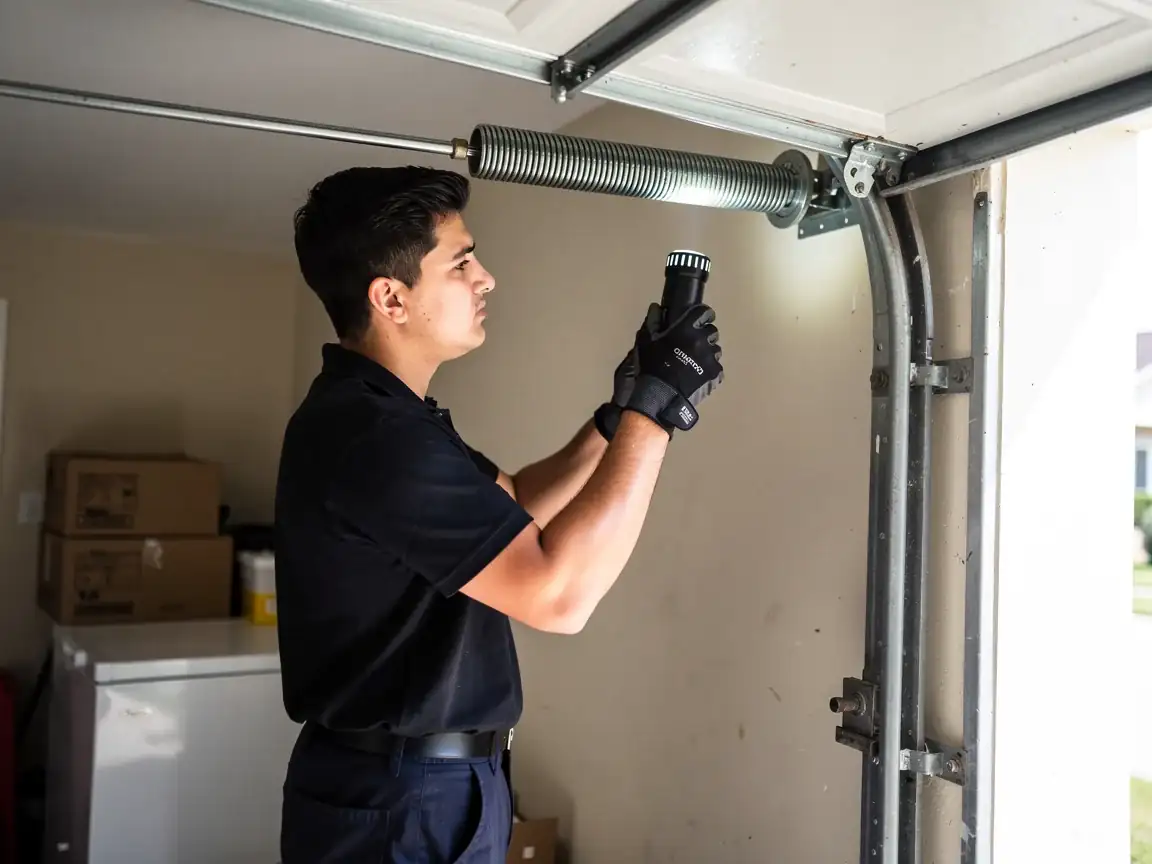
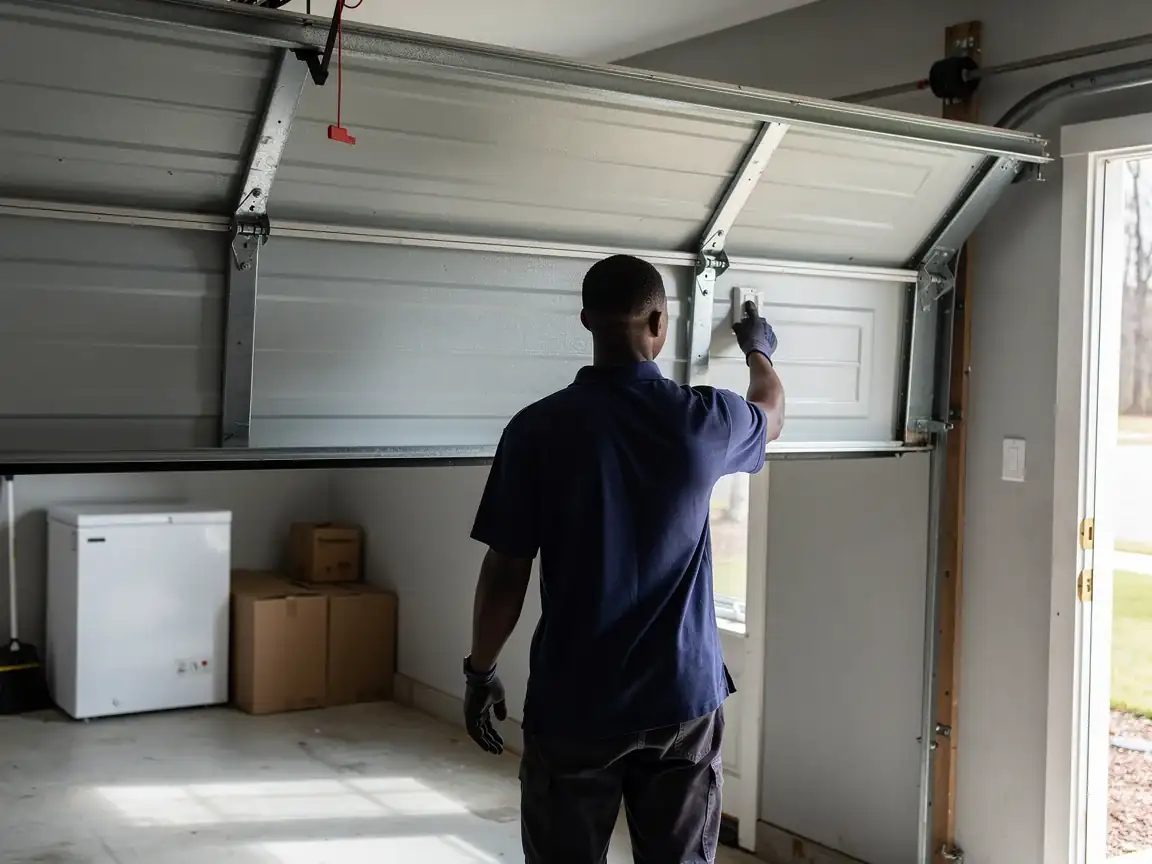
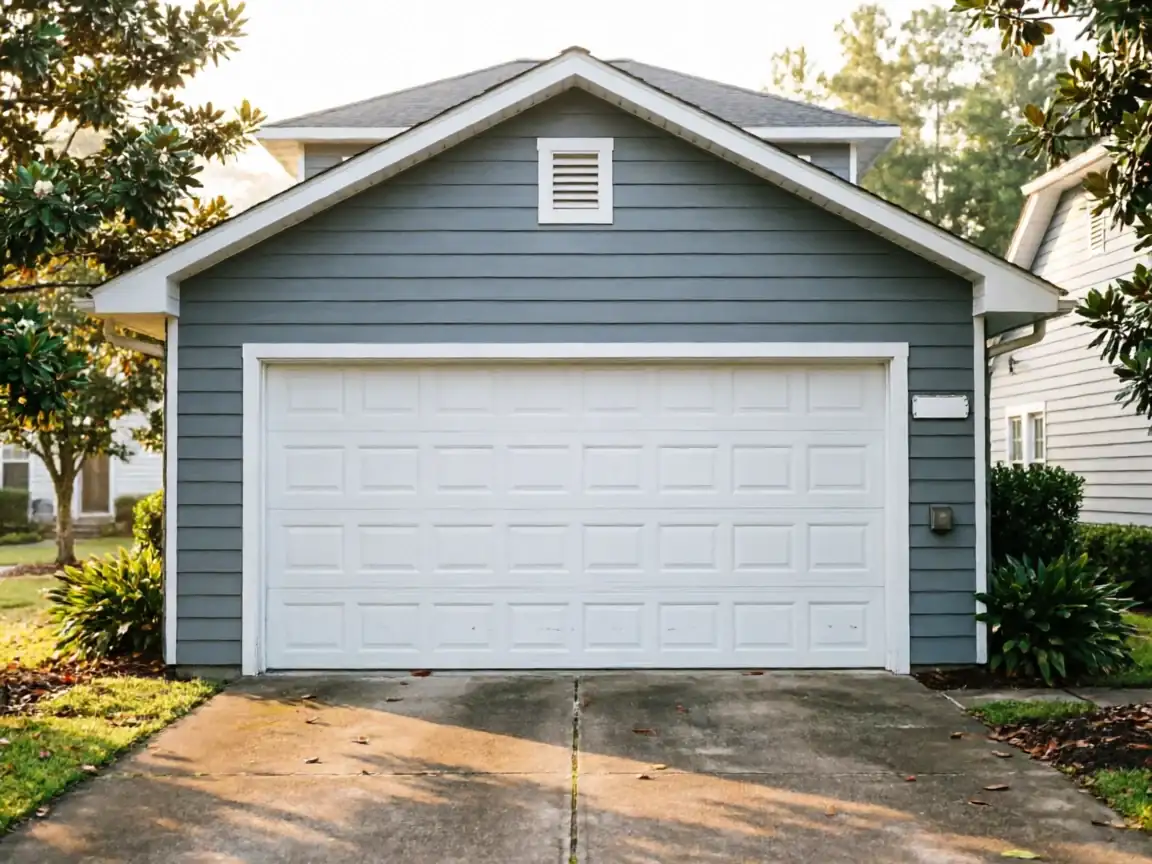
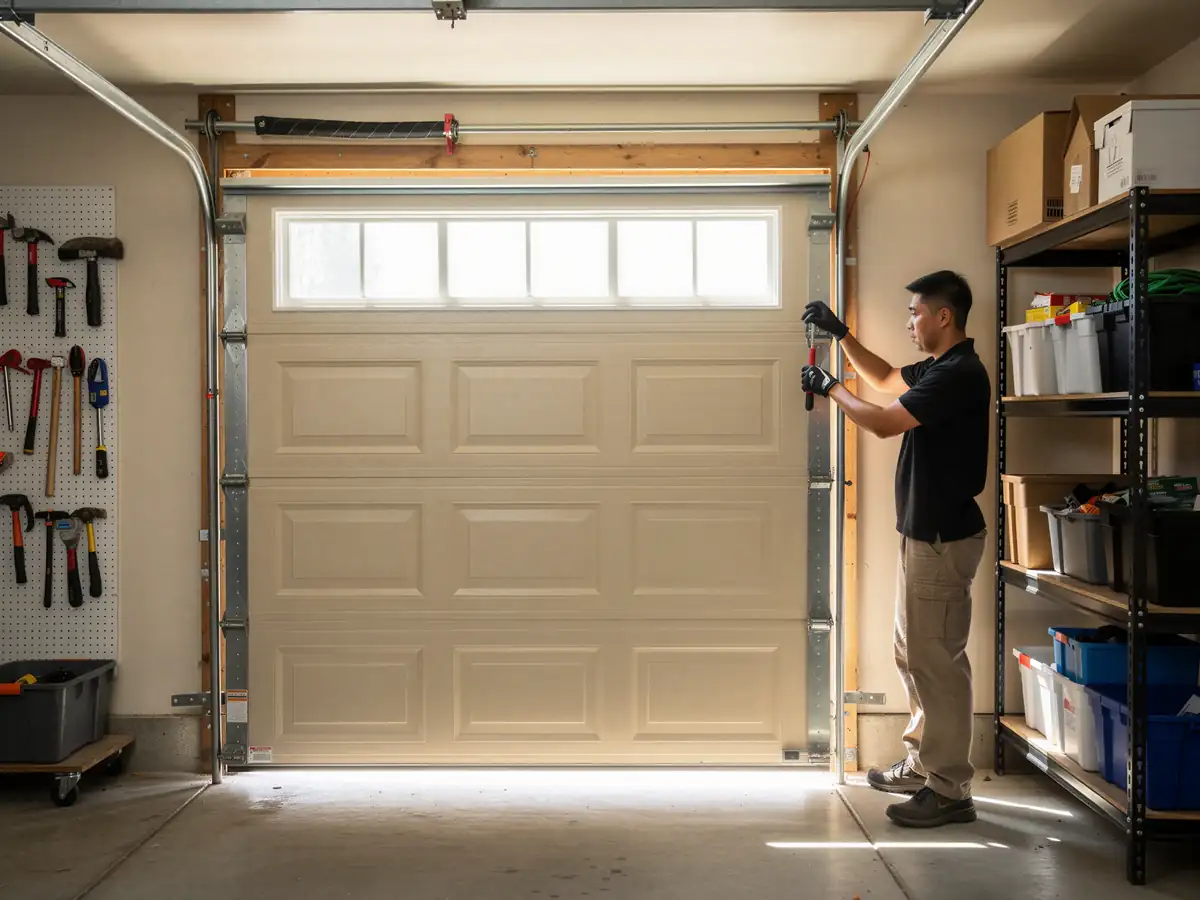
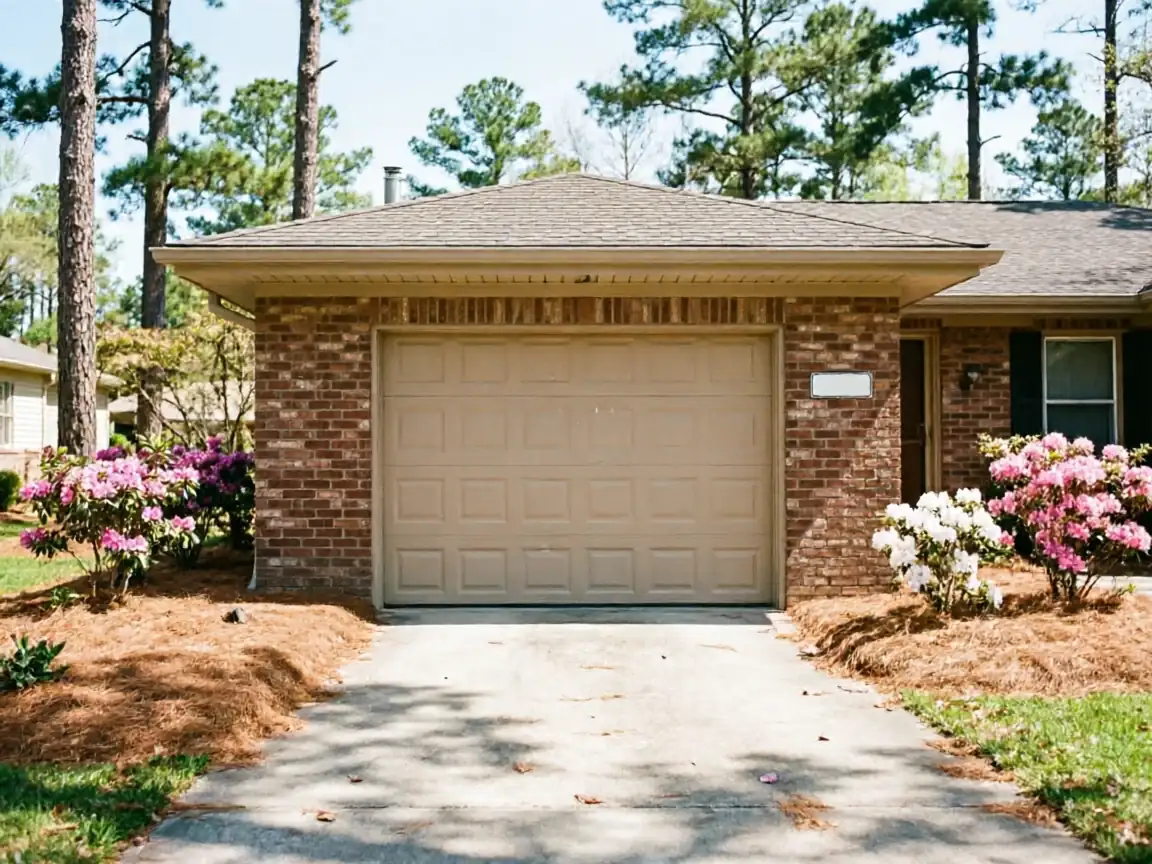
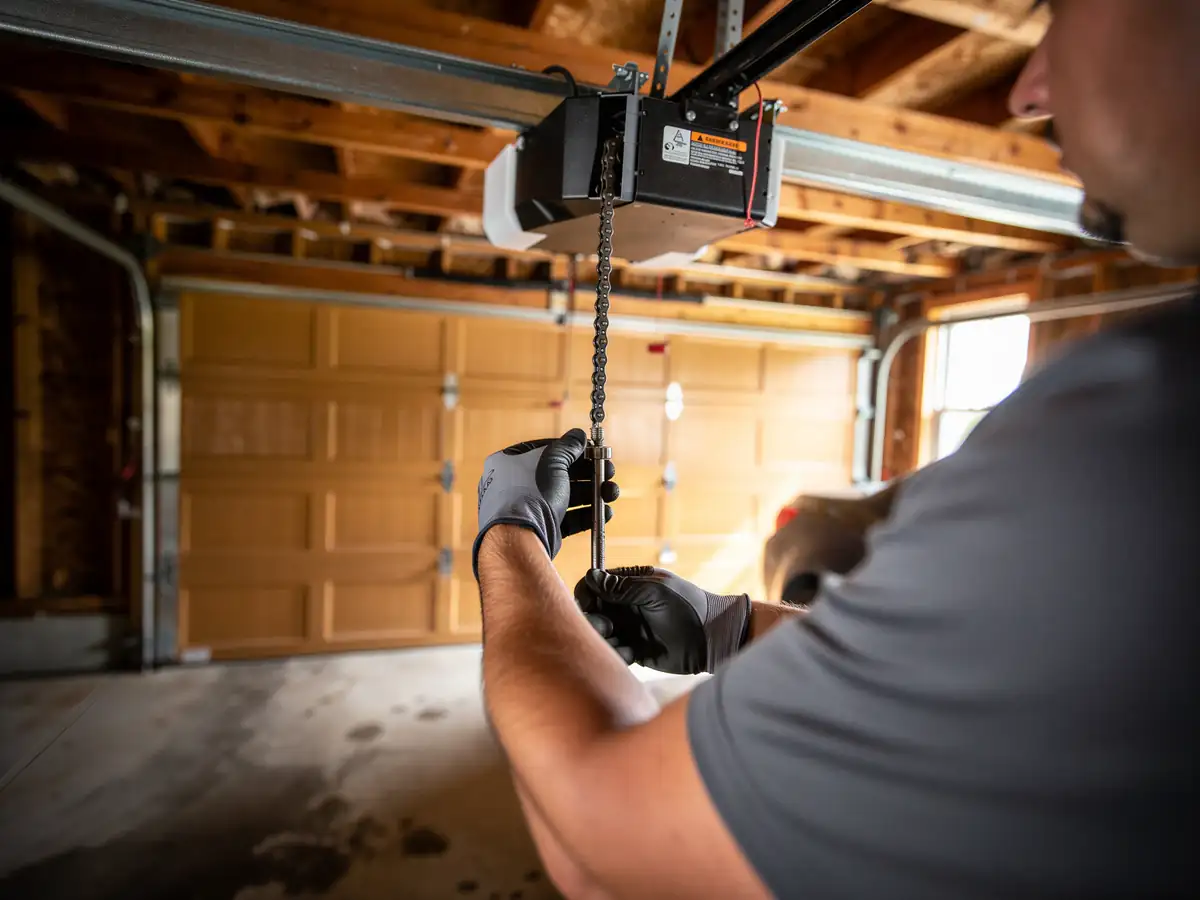
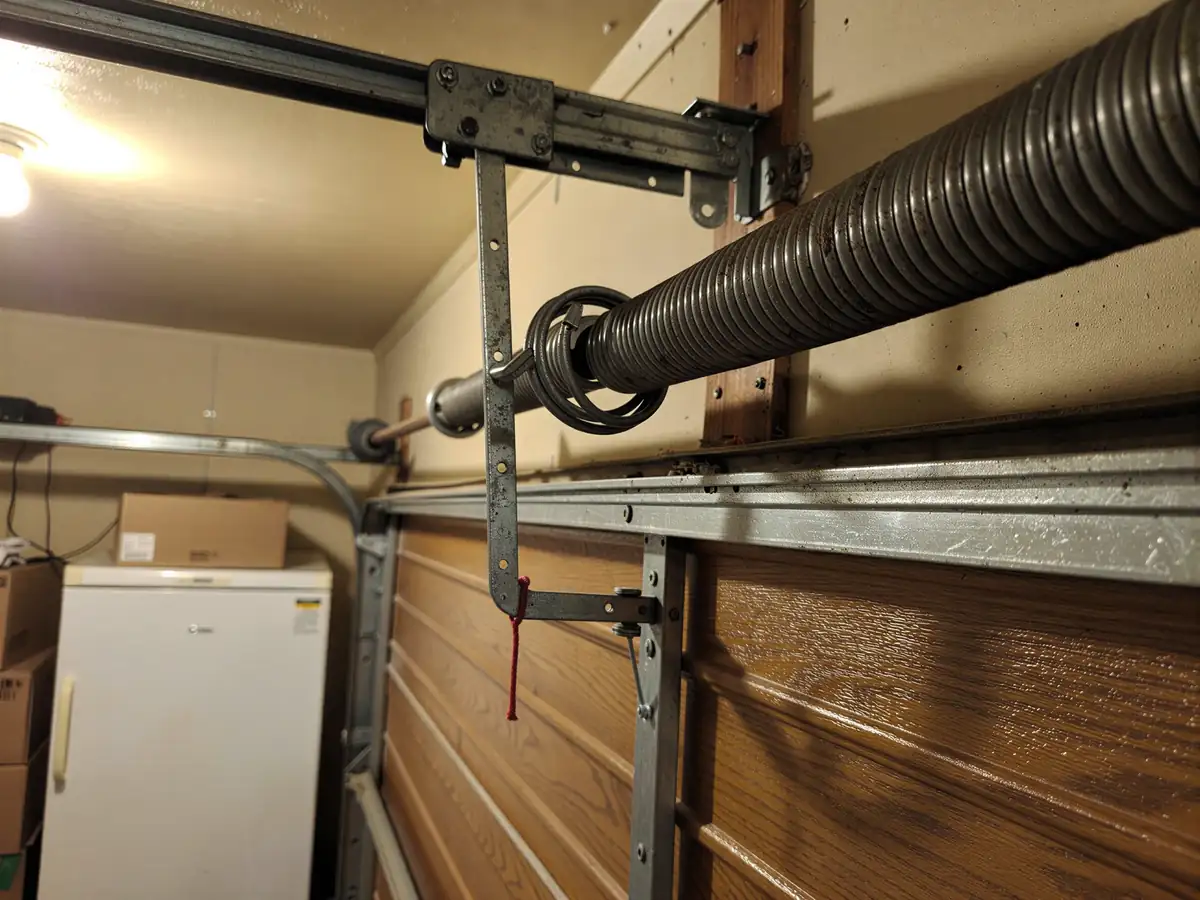
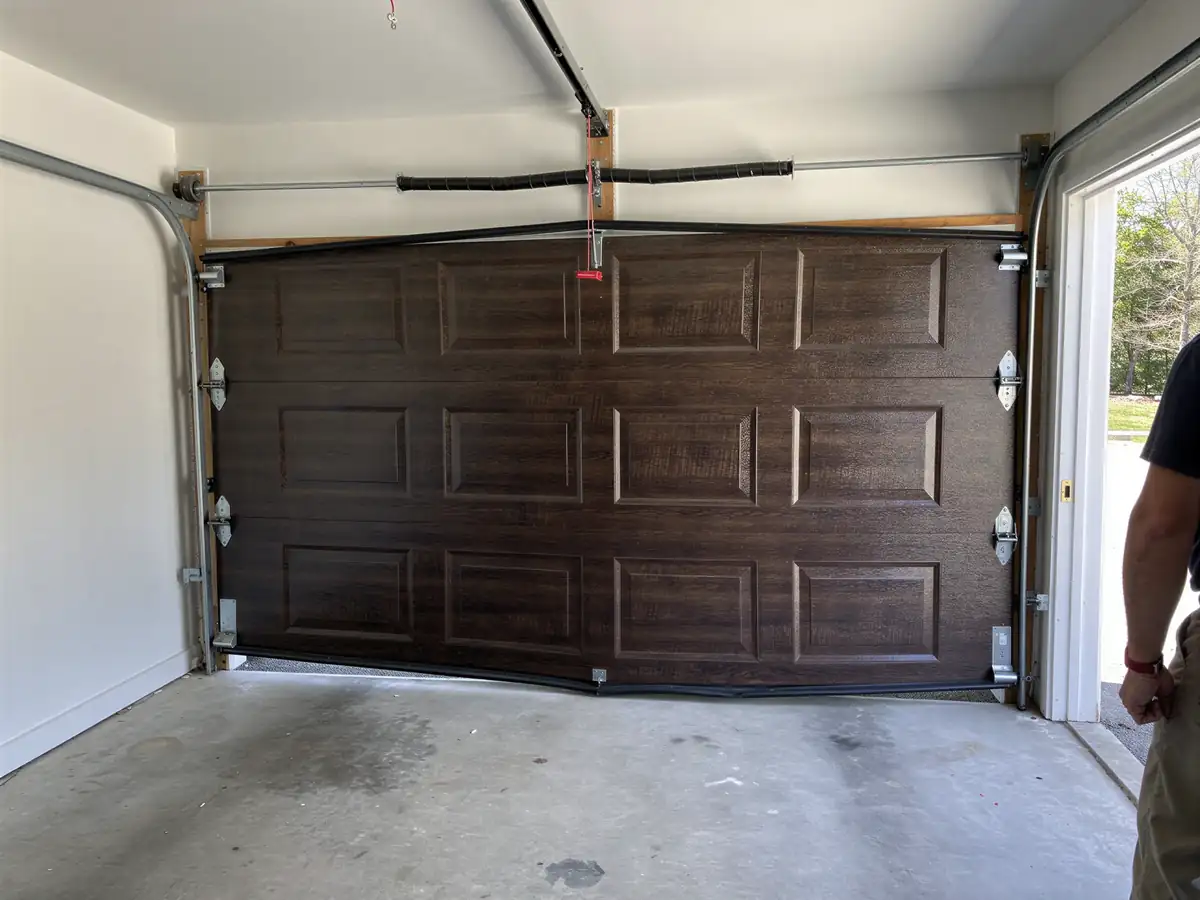
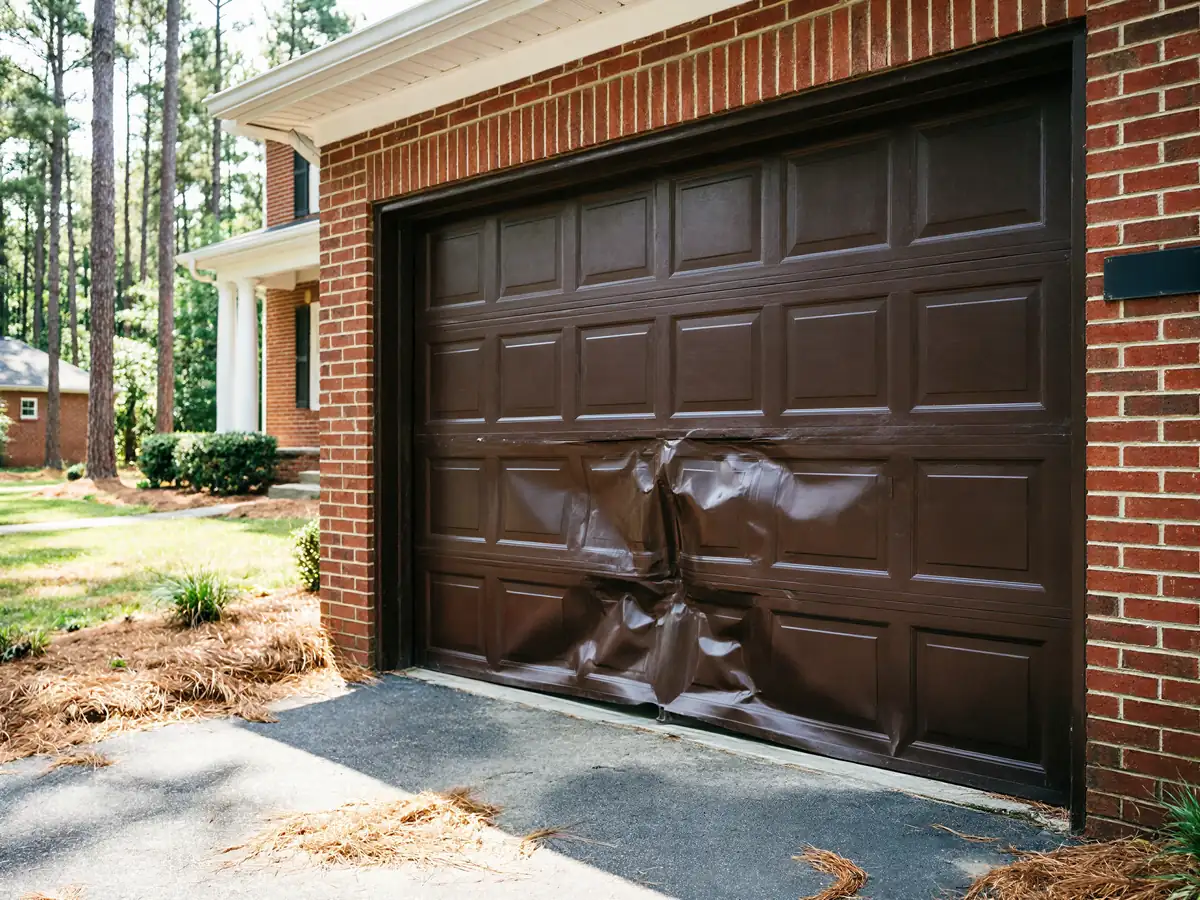
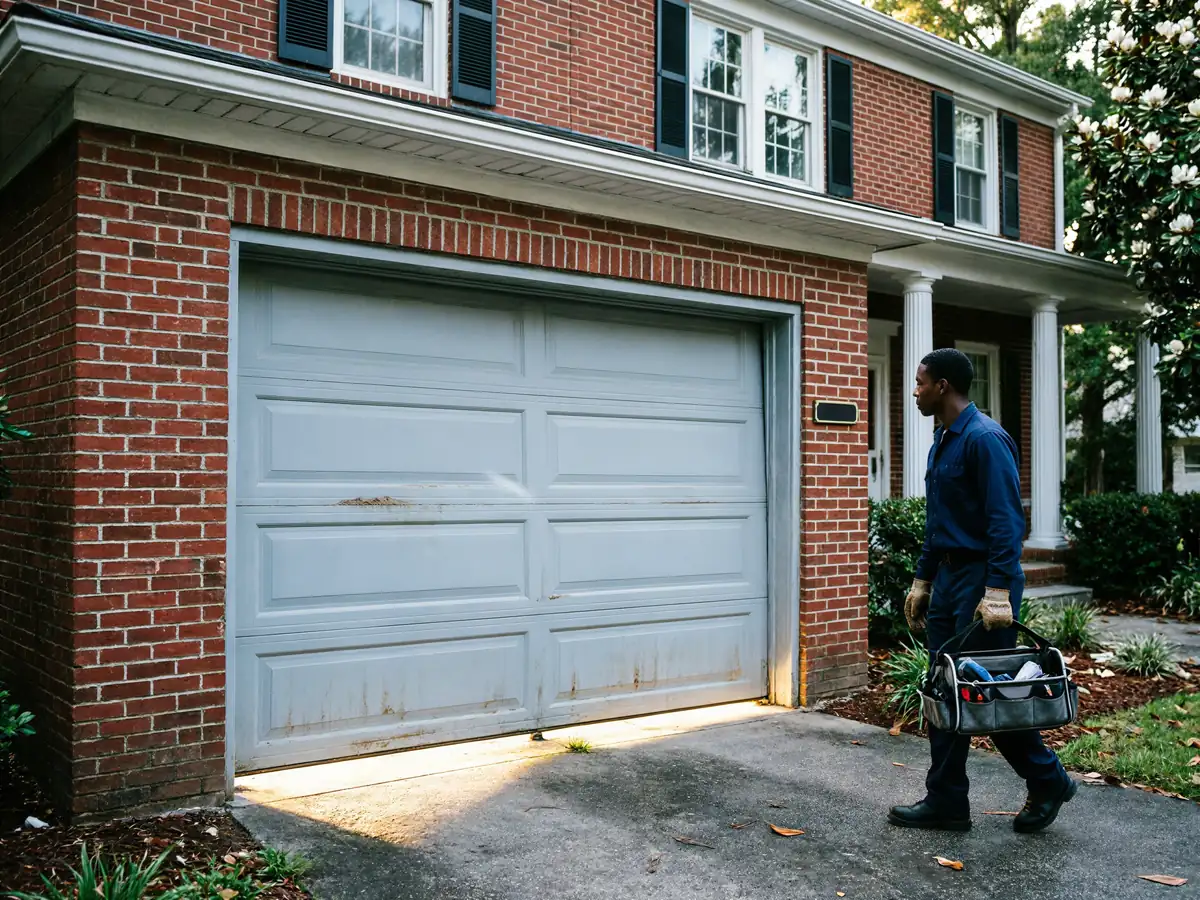
The call usually starts the same way: the door won't move, or it moves wrong. On a house built around 1961 - which is the median build year for Belvedere Park, a decade ahead of the 1978 median across the wider service area - the failure is almost always the original torsion hardware finally giving out, not a modern opener board. You'll see a spring that's let go overnight, a cable that's jumped the drum, or a door that lurches off one track because the roller brackets were sized for a lighter door than whatever's hanging there now after decades of panel swaps. Garages from this era also tend to have one opener for a two-car door, so when one side's spring goes, the whole door sits dead instead of limping along. We don't get many calls here about smart-opener glitches - the stock is older than that problem.
Why This Fails Locally
At $68,900 median household income, Belvedere Park sits a bit under the $70,625 median for the whole area this company covers out of Snellville. That number matters more than people think: it's close enough to the cost of replacing a full torsion system that a lot of owners here are deciding between a $250 spring job and a $1,200 door, not between two cheap options. With roughly 5,515 households in Belvedere Park, this also isn't a market where every size and finish gets stocked on a shelf nearby - the truck carries what fits most 1960s single and double openings and orders anything unusual. The cold-moderate climate this area sits in doesn't bring ice storms, but it's enough swing in temperature that steel springs lose tension faster on houses that have never had one replaced since they were built.
What It Costs
We're not going to print a price here that isn't backed by a fact sheet for this job, and we don't have one specific to Belvedere Park. What we can say: at this area's income level, a broken spring or snapped cable repair almost always comes in well under full replacement, and that's the call that makes sense for most houses built here around 1961 with original hardware still doing its job everywhere except the one failed part. Where it tips toward replacement is a door that's been patched more than once already, or a track so bent from age that straightening it costs nearly what a new one would. We'll tell you straight which side of that line your door is on before any work starts.
Parts We Carry
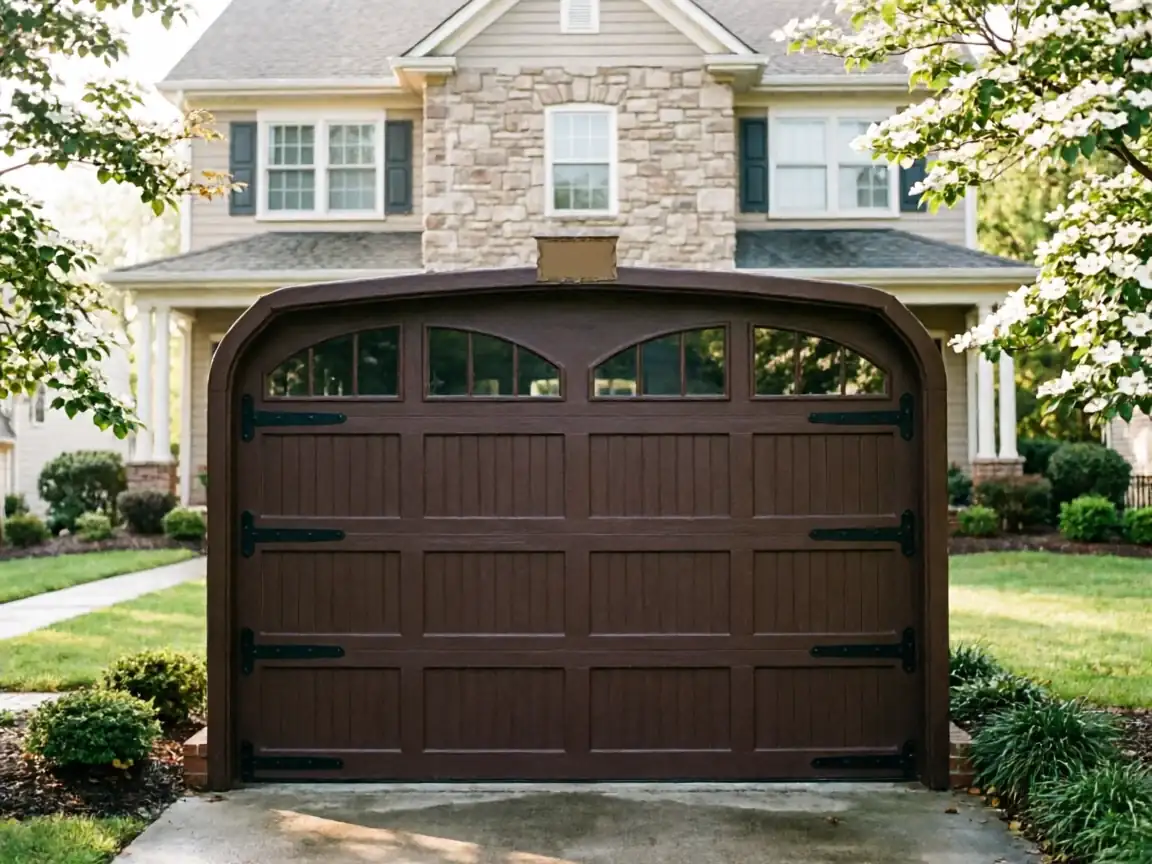
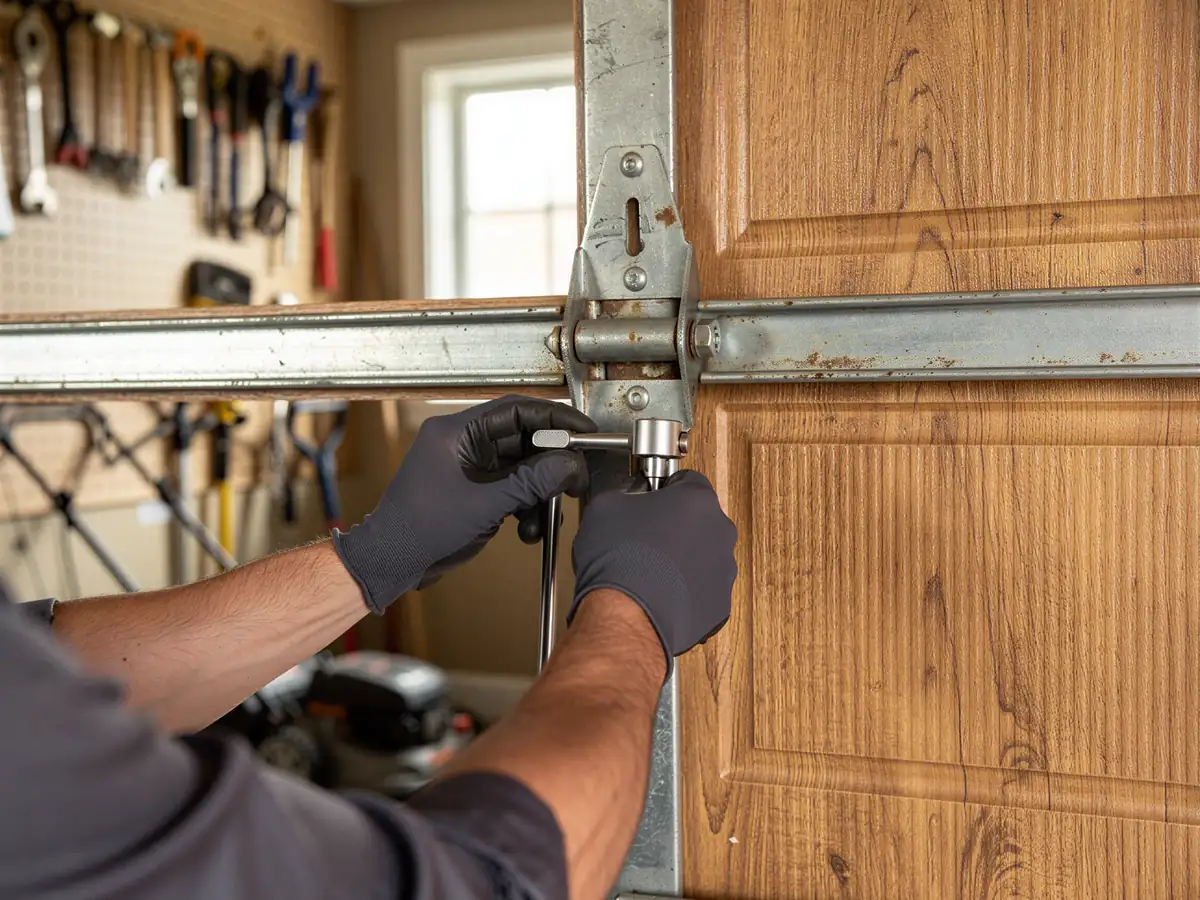
The truck stocks what matches the housing stock out this way - standard torsion springs sized for single and double doors from the 1960s and 70s building wave, common galvanized cables, and track sections that bolt to the jamb-mounted brackets typical of that era. Rollers, hinges, and bottom brackets are routine stock too, since those wear out on any door old enough to have outlived its original opener. What we don't carry on the truck is specialty or custom panel replacement - oversized, carriage-style, or anything outside standard dimensions gets ordered once we've measured the opening, and that part of the job runs on supplier lead time, not on how fast the truck can get here.