Why This Fails Locally
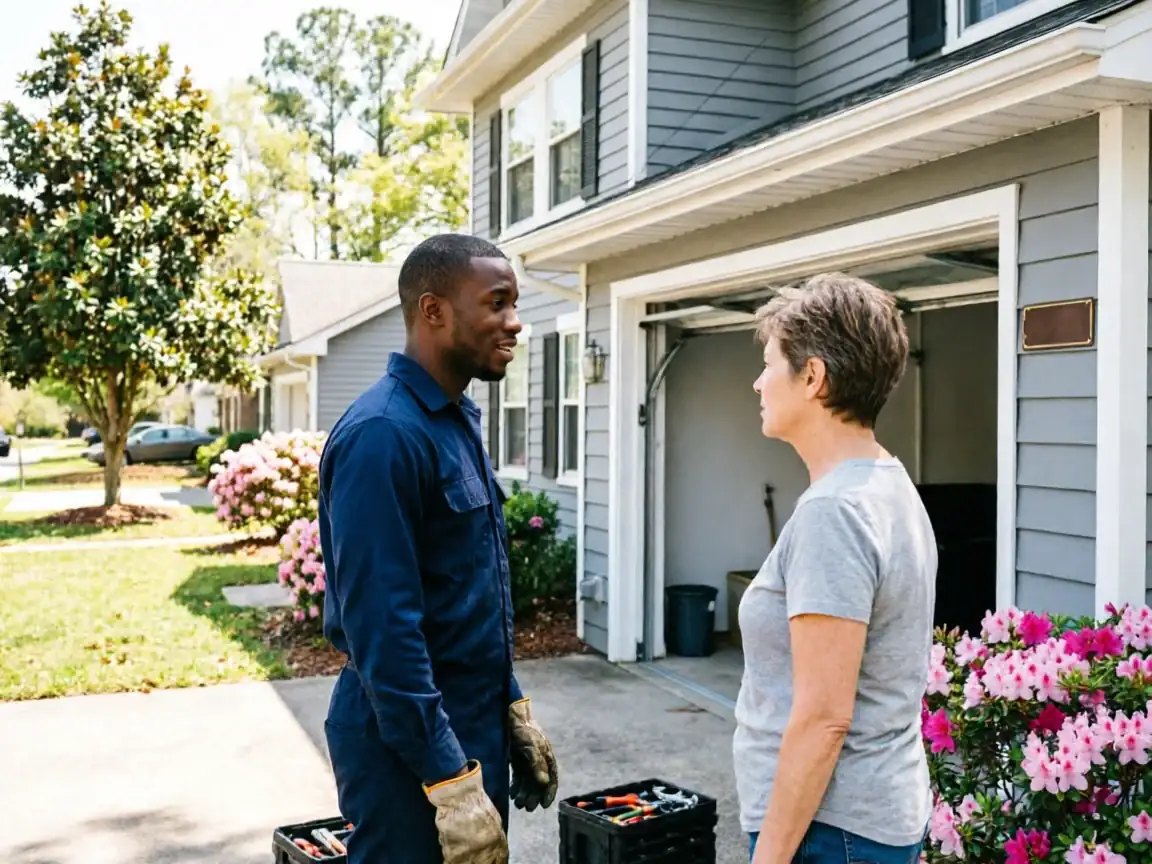
Auburn is the longest drive on our map out of Snellville - 15 miles, farther than any of the other 21 areas we cover. That number matters more than it sounds like it should. We don't keep a crew stationed in Auburn, so a call here gets built around the trip: we're not swinging back twice in one afternoon if a part turns out wrong, which is why we ask more questions up front on an Auburn job than we might on something five minutes from the shop.
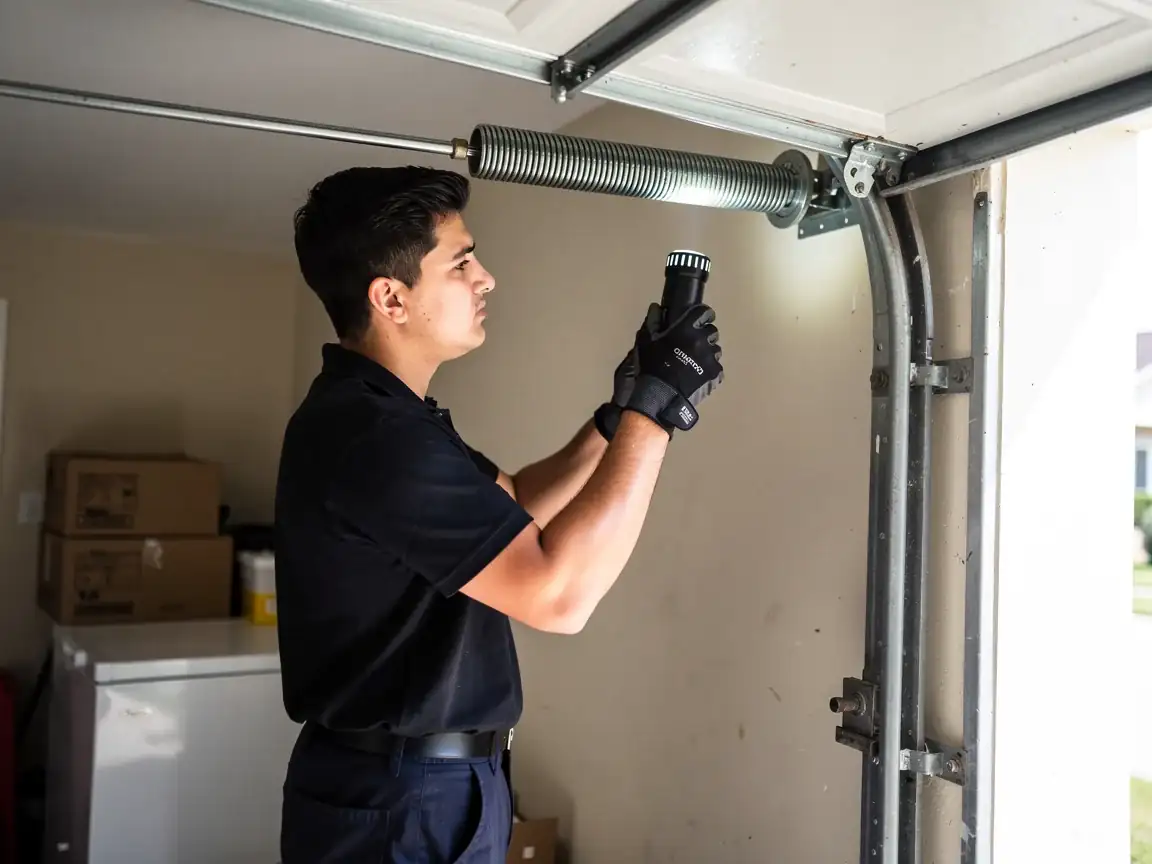
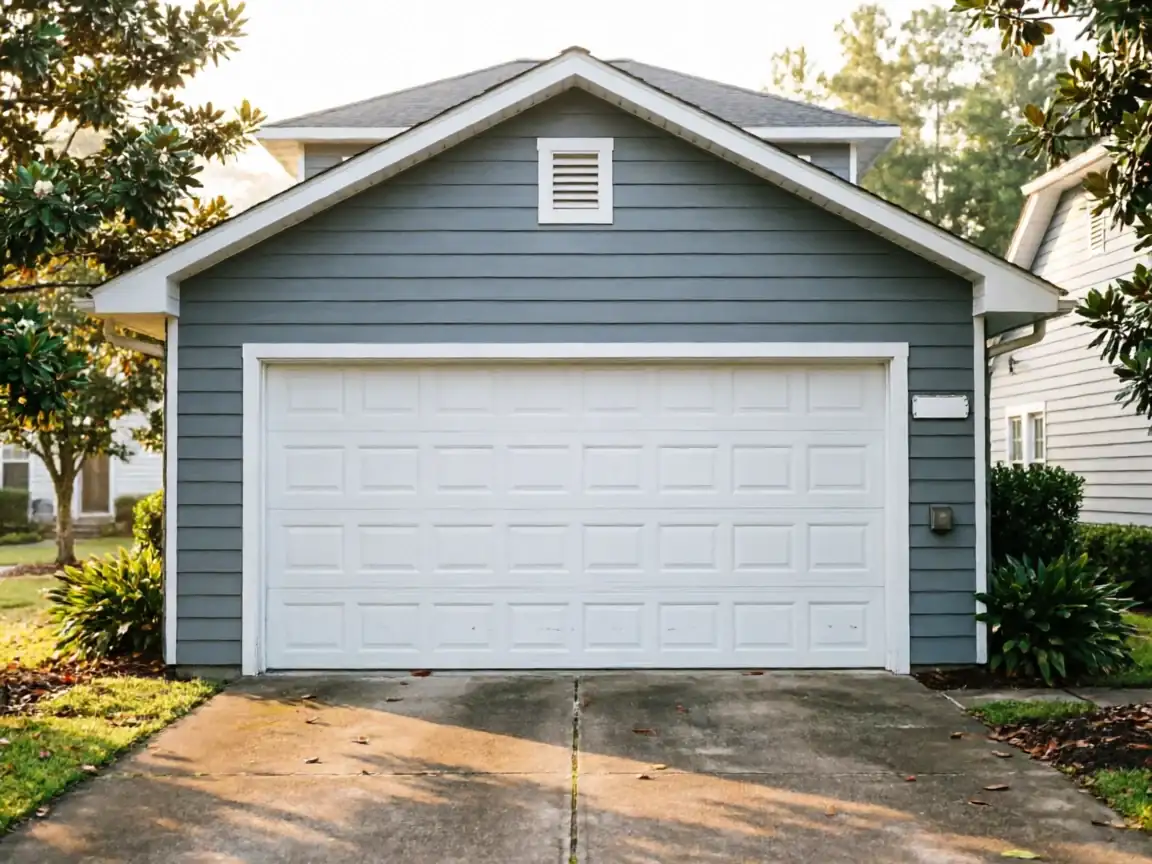
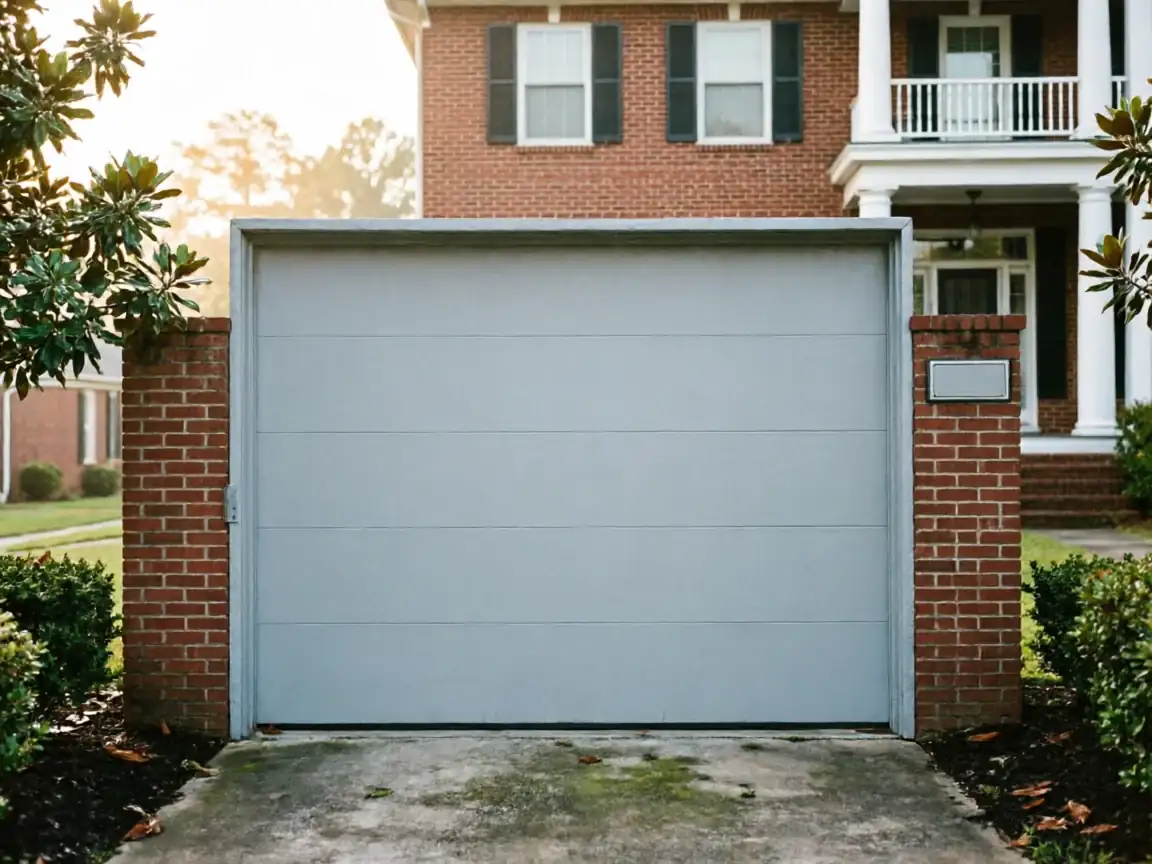
The other thing that makes Auburn different from most of the territory we run is the houses themselves. Across the wider service area the housing stock skews 1960s and 70s, older torsion setups, the kind of hardware that's been repaired a few times over by now. Auburn's median build year runs closer to 1992 - a full generation newer. That means fewer of the worn-out single-spring setups we see elsewhere and more factory steel sectional doors on torsion systems that are past their original service life but not as patched-together as the older stock nearby. The failure pattern reads differently: less "this was rebuilt wrong twenty years ago" and more "the spring that came with the house in 1992 is finally done."
Parts We Carry
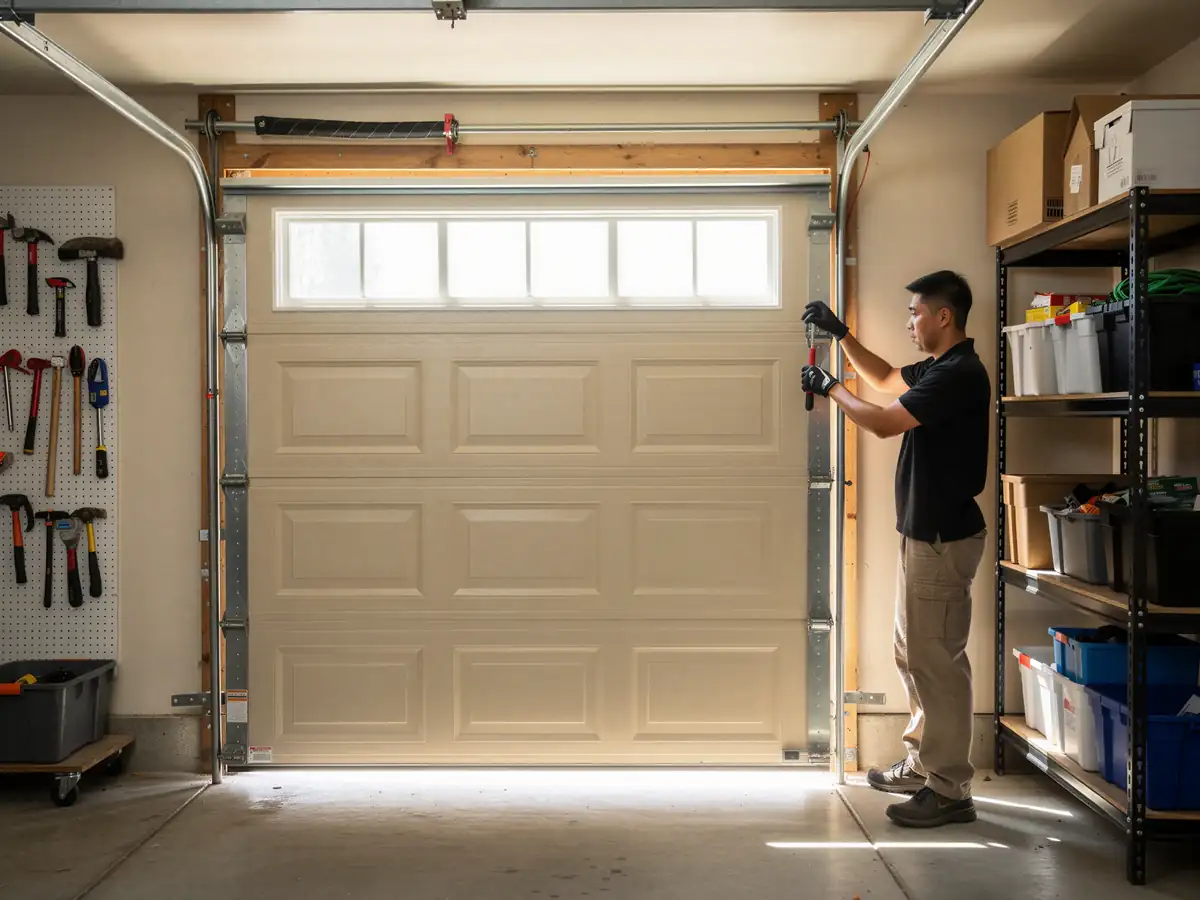
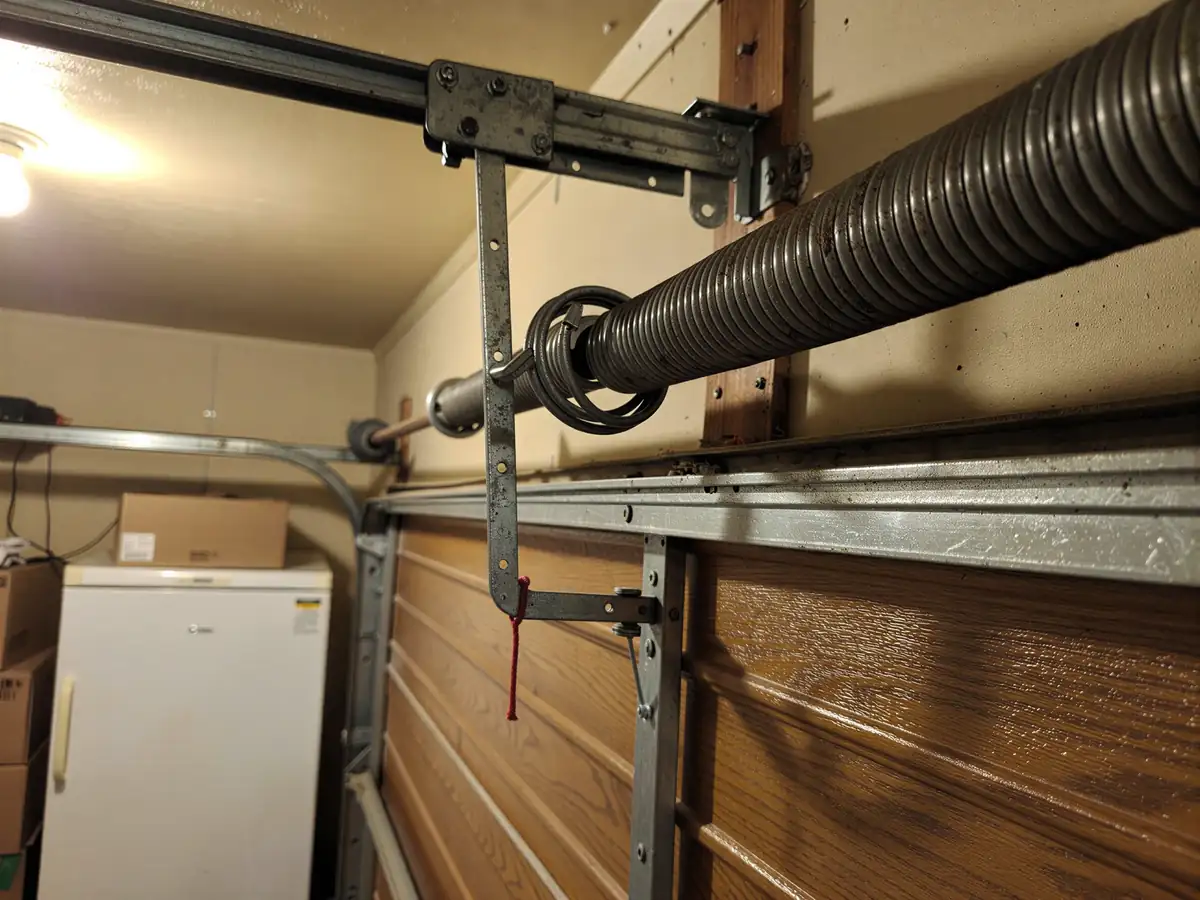
Because Auburn's homes trend newer than most of what we see day to day, the parts that fail are usually factory-spec: standard torsion springs sized for a lighter steel sectional door, nylon rollers instead of the old steel ones, and openers that are on their second or third unit rather than the original. We carry common torsion spring sizes and standard-width roller and cable stock on the truck, which covers most of what a 1990s-built door throws at us.
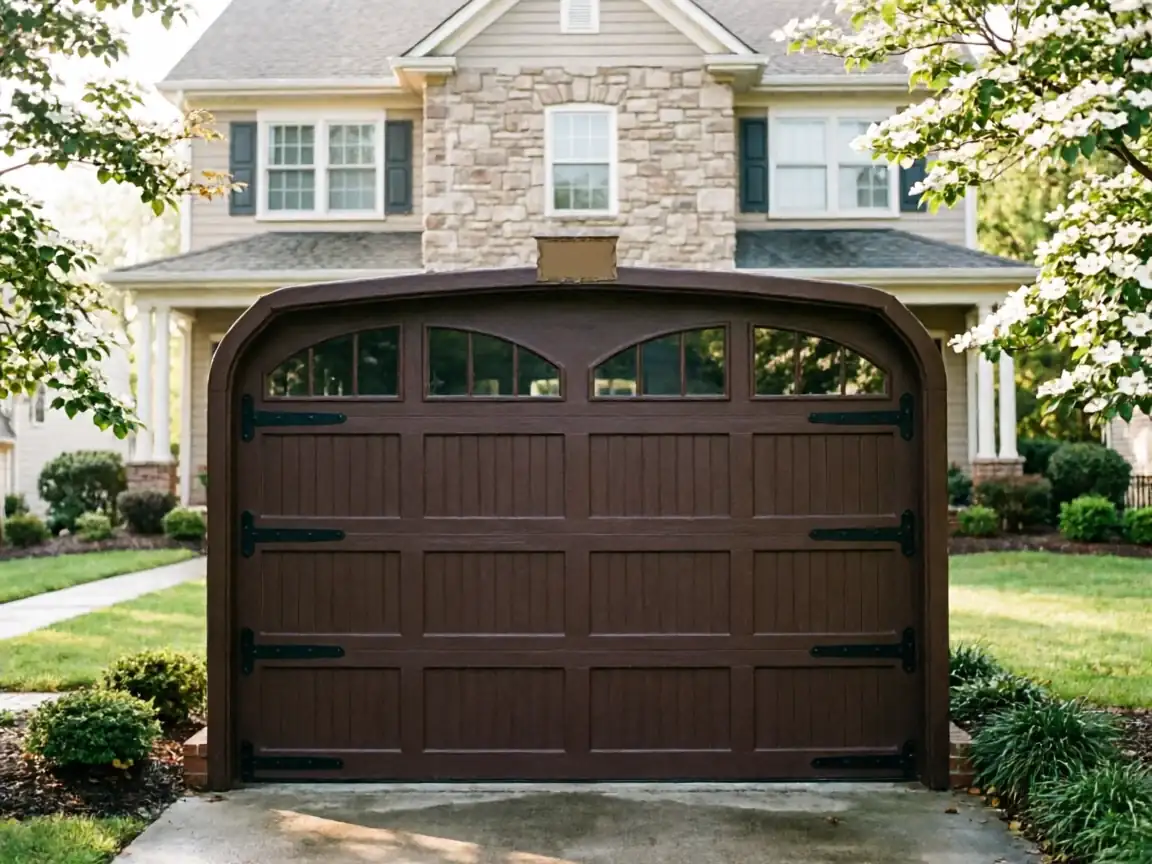
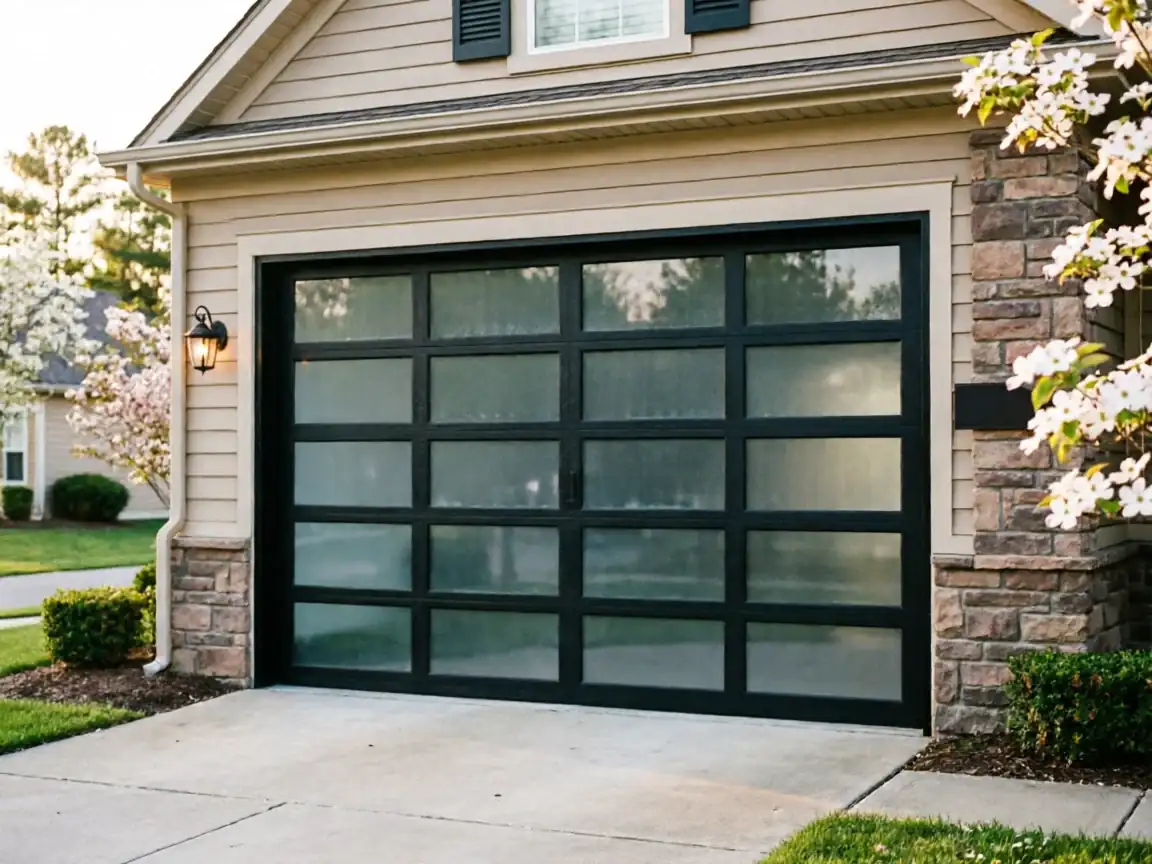
What we don't carry loaded up for every run is anything built to spec for an odd or oversized opening - custom-width doors, insulated panels in a less common size, or opener models that have been out of production a while. If a job needs one of those, we're ordering it in, which adds lead time. On the 15-mile trip out to Auburn, that's worth knowing before you book: a same-visit fix is likely for a standard spring or roller job, less likely if the door itself is a nonstandard size.
How It Shows Up
On a door built around 1992, the spring usually goes the way springs go everywhere
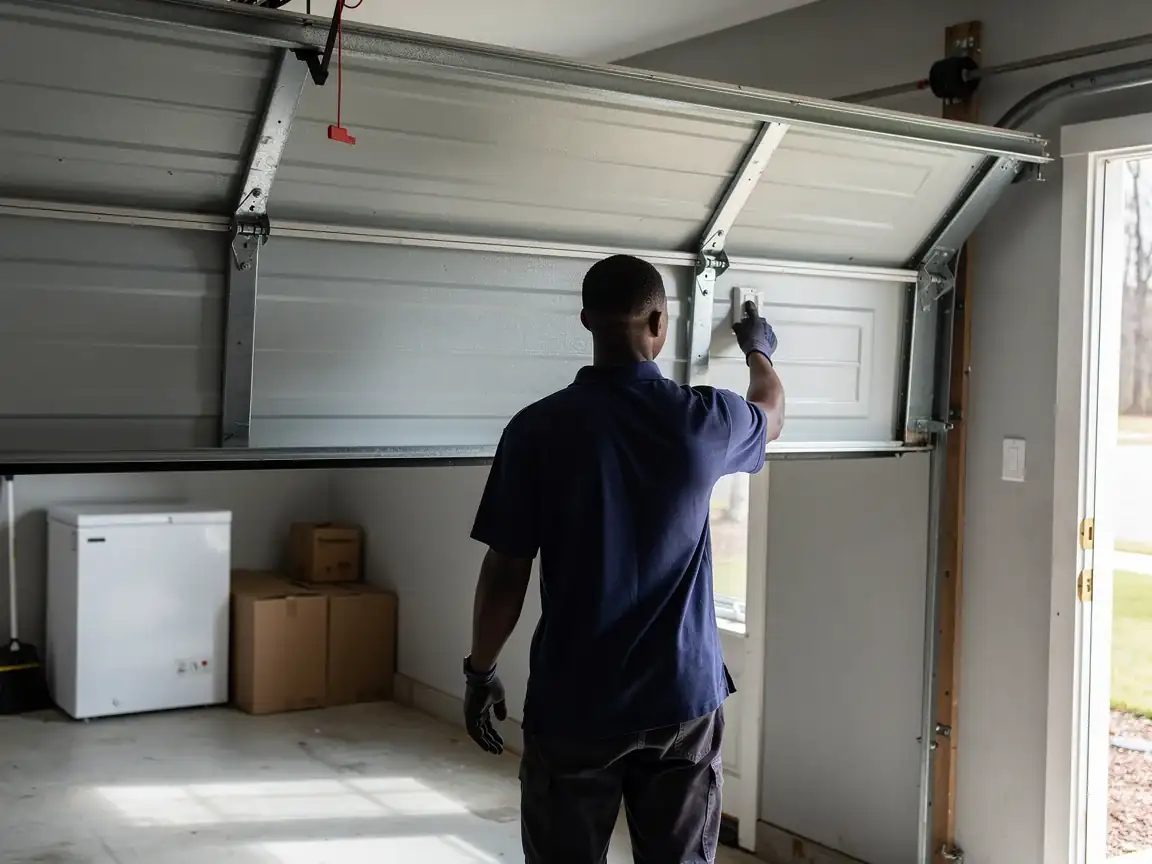
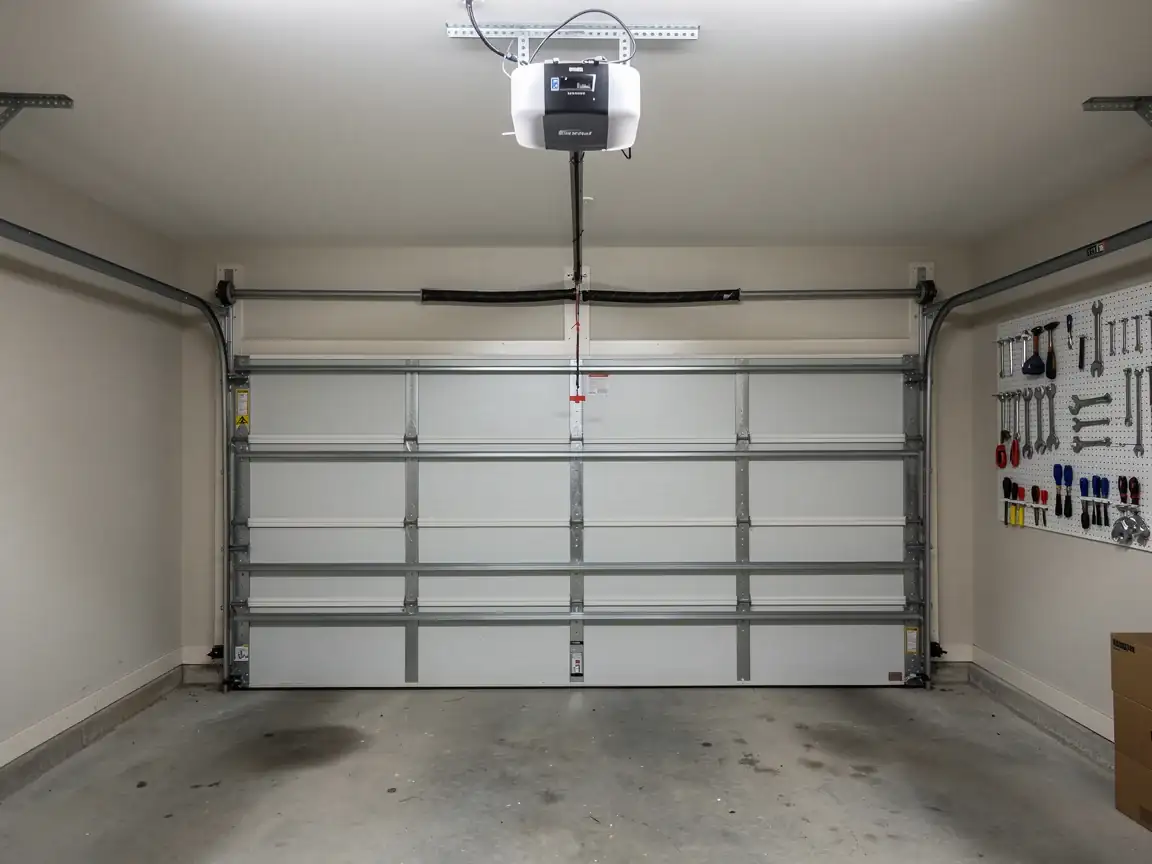
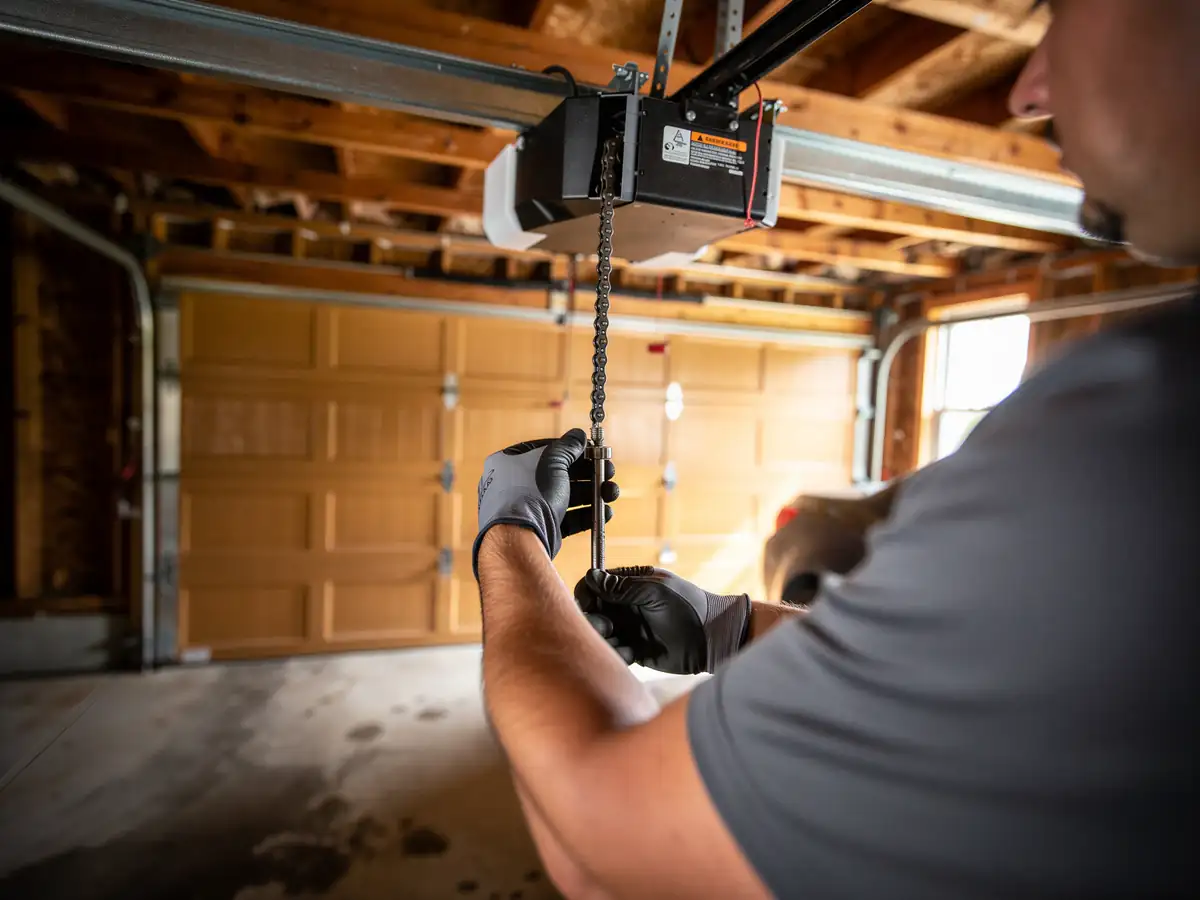
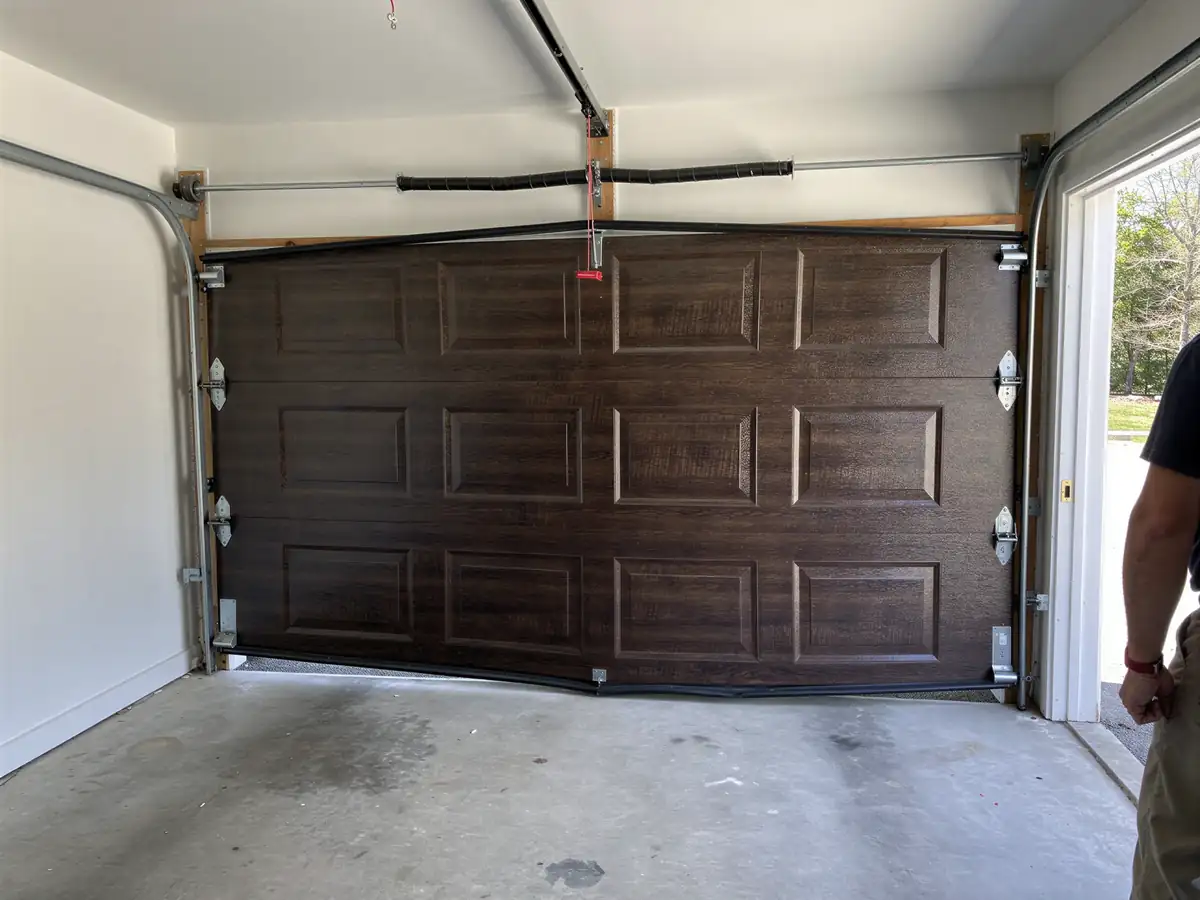
A loud bang, the door won't lift, or it lifts a few inches and stalls. What's more specific to Auburn's housing age is the opener. A unit original to a 1992 build has had three decades to wear out its gears or its logic board, and we see more opener replacements here relative to spring jobs than we do in the older, more torsion-hardware-heavy parts of the territory.
Cold-weather stiffness is a factor across this whole region
We're in a moderate cold climate band, and grease thickens, metal contracts, and a door that was marginal in October quits in January. That part isn't unique to Auburn, but combined with a 30-year-old opener board, it's often the thing that tips a slow-closing door into a dead one.
Doing It Yourself
A loose roller bracket or a chain that's slipped off an opener sprocket, you can often reset yourself if the door is a standard residential sectional - the kind common to Auburn's mostly-1990s housing. Check that the track bolts are tight and that nothing is visibly bent before you call anyone.
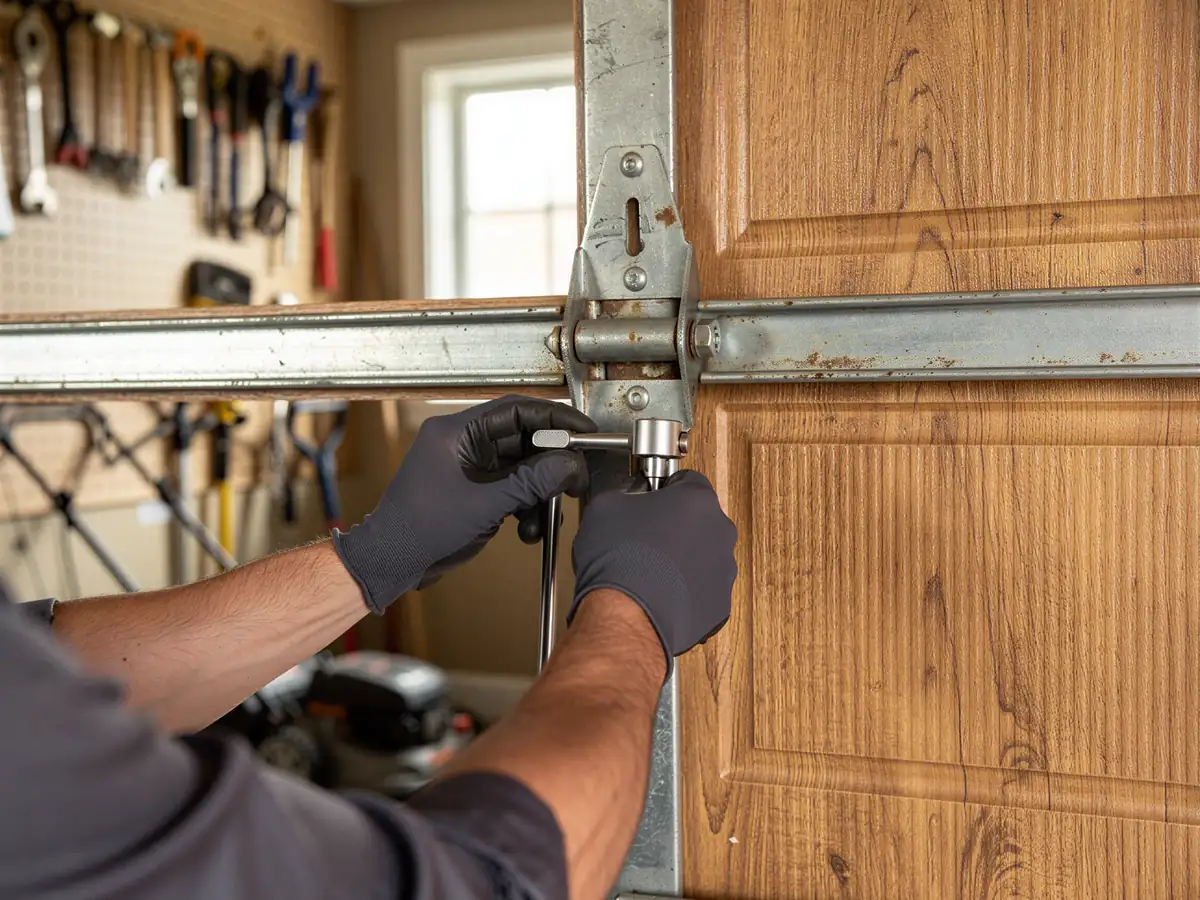
A torsion spring is not a DIY repair, here or anywhere. The spring stores enough force to cause a serious injury if it lets go while you're working on it, and on a factory-standard door like most of what's in Auburn, replacing it wrong also risks bending the shaft or the drum, which turns a $100 part into a full torsion assembly. If the door won't move, or moves and then drops, stop and call it in.
What the Repair Takes
For a standard torsion spring or roller job on Auburn's typical 1990s-built door, the parts are common enough that we're usually not waiting on anything - the limiting factor is the drive, not the inventory. If your opener is original to the house, replacing the full unit rather than chasing individual parts is usually the better call once it's over 25 years old; by that point, a logic board replacement costs close to a new opener anyway.
Given that Auburn sits at the far edge of our route, out of Snellville, we'll ask about the fault on the phone before we schedule - spring, opener, or track - so the truck that shows up has what a 1990s-era door actually needs, not a guess.