Why This Fails Locally
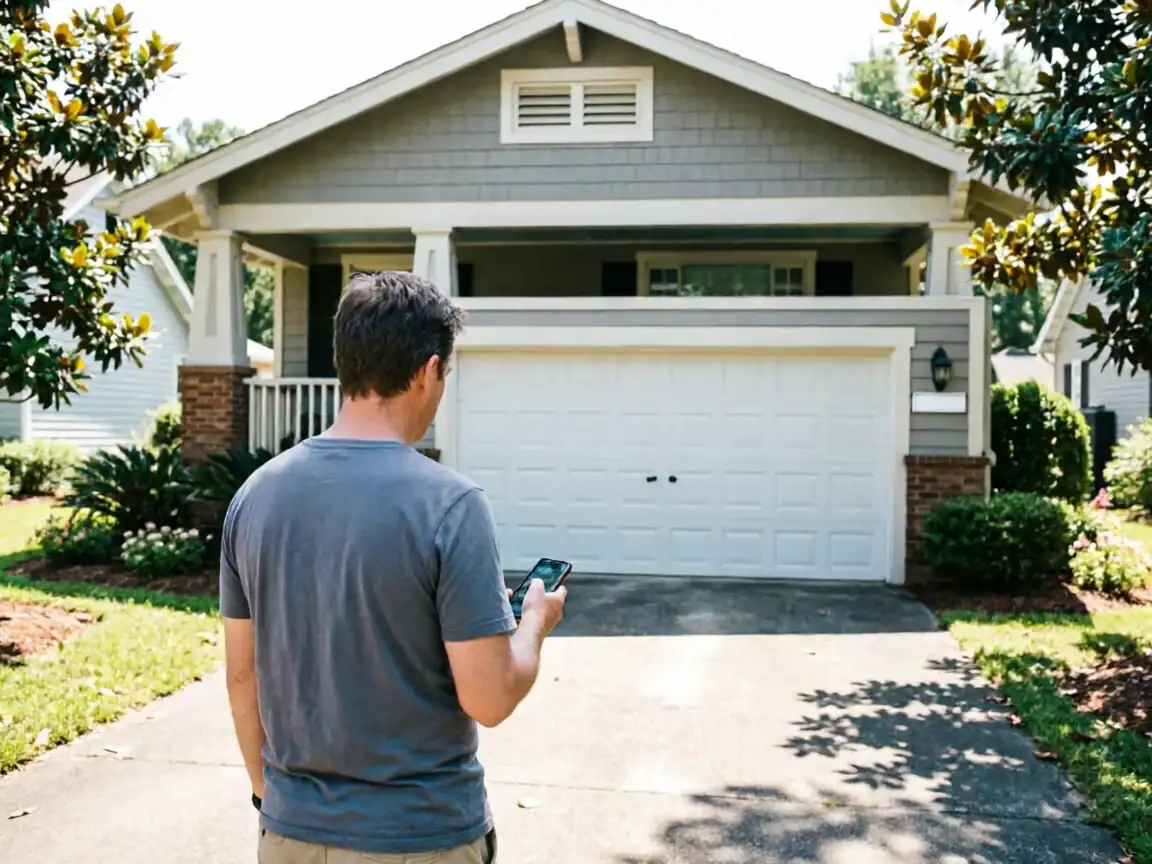
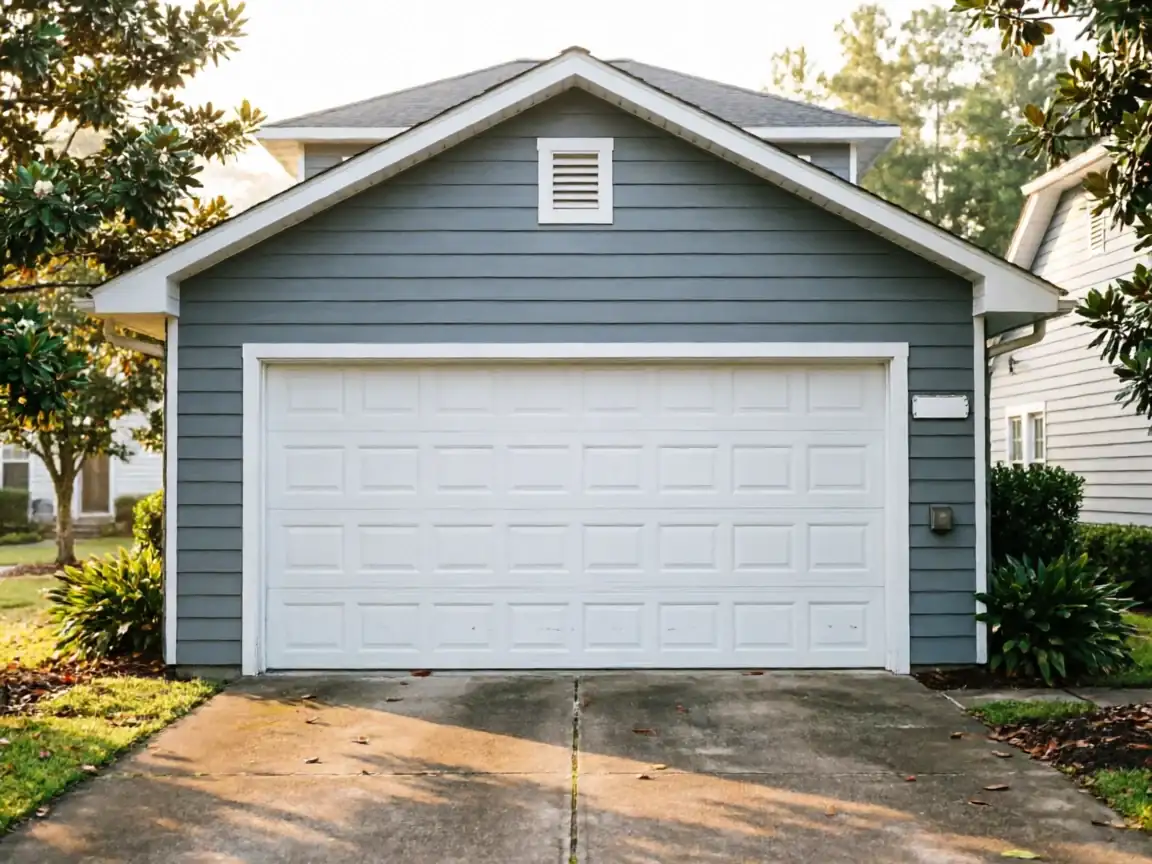
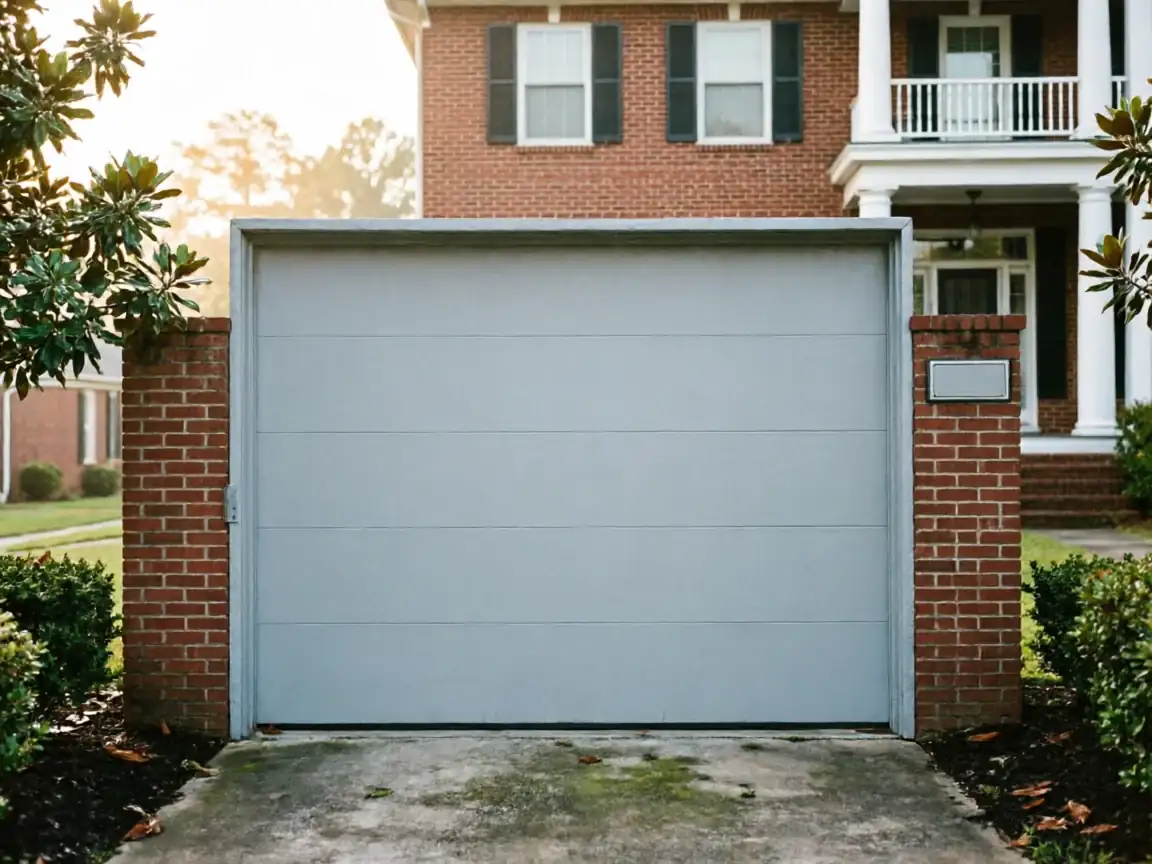
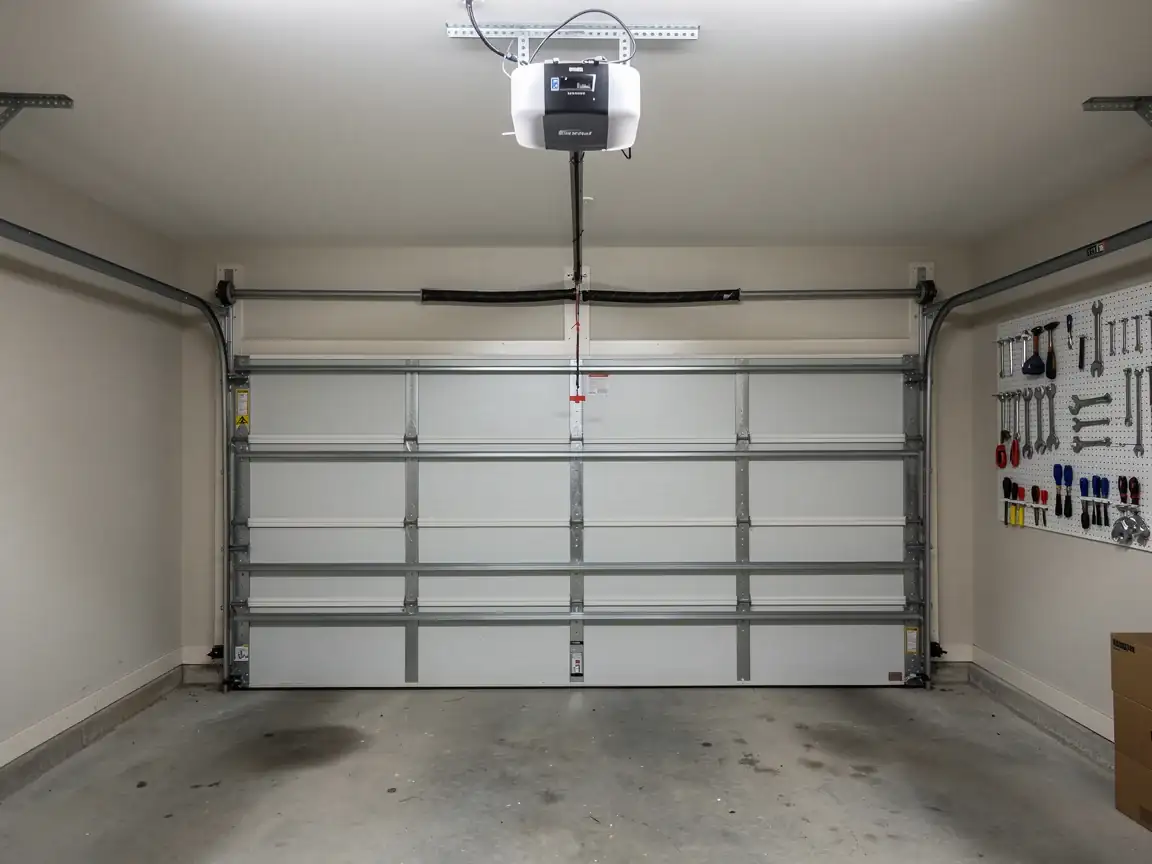
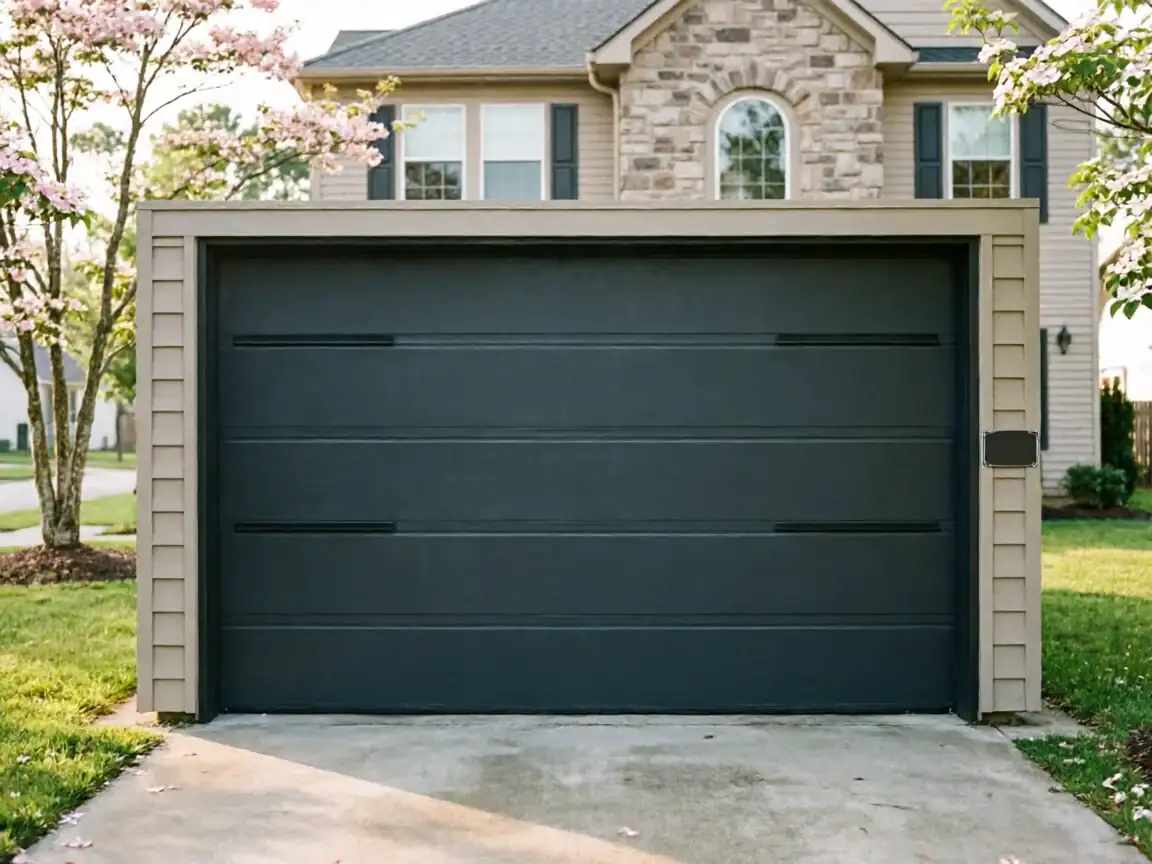
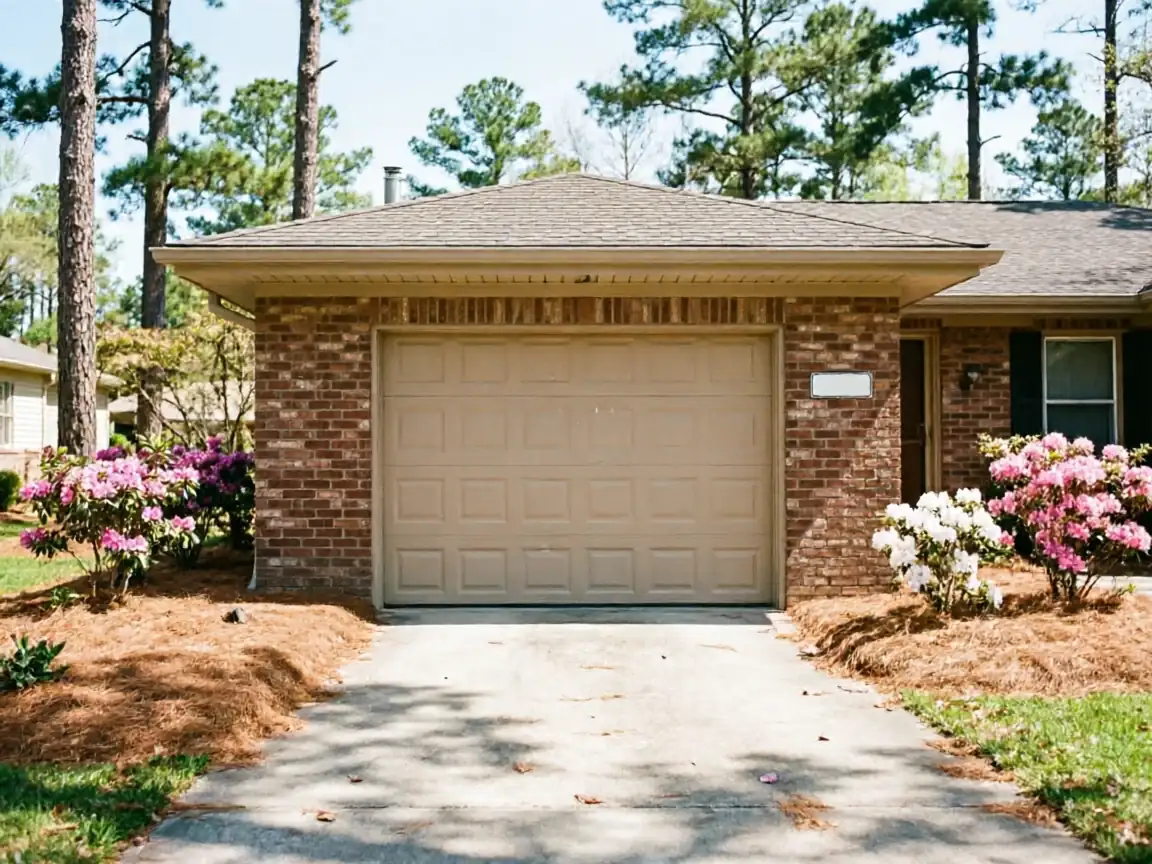
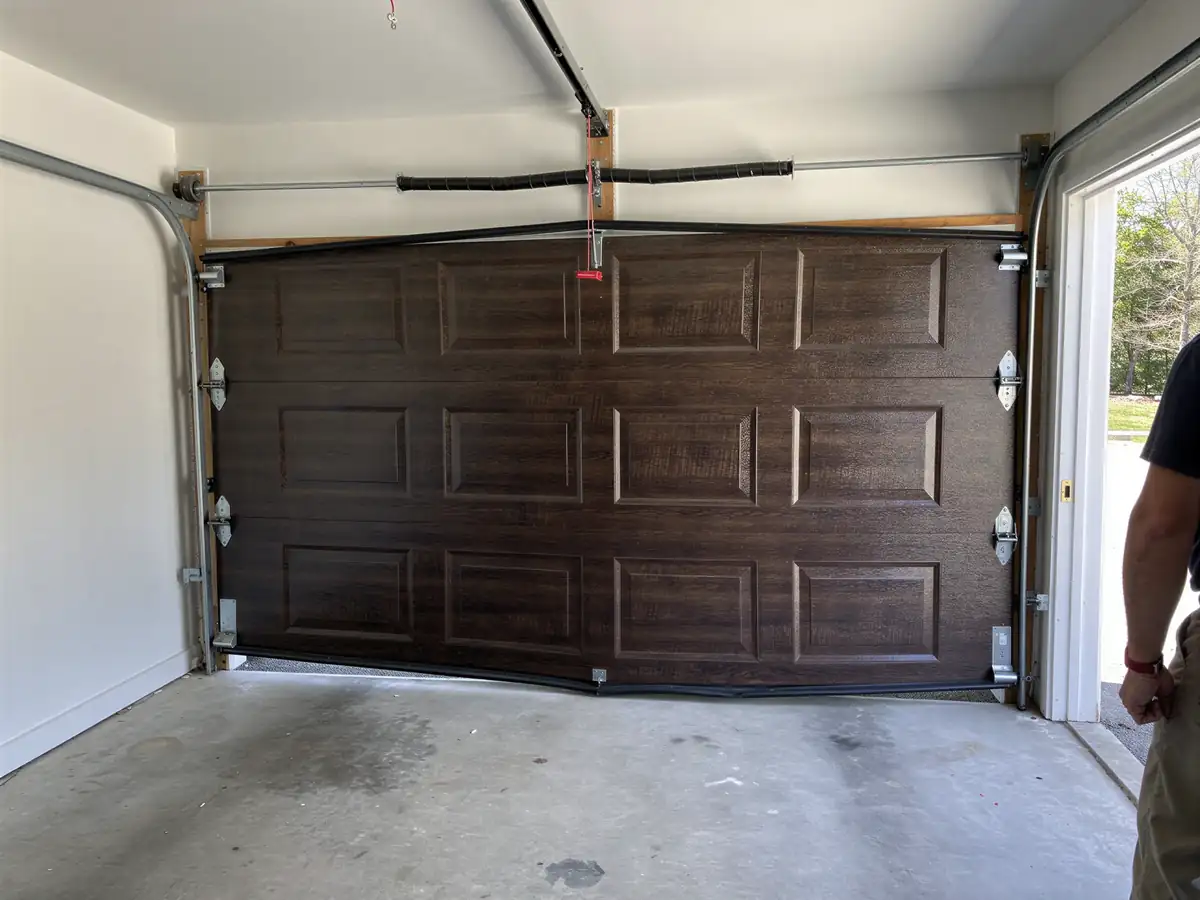
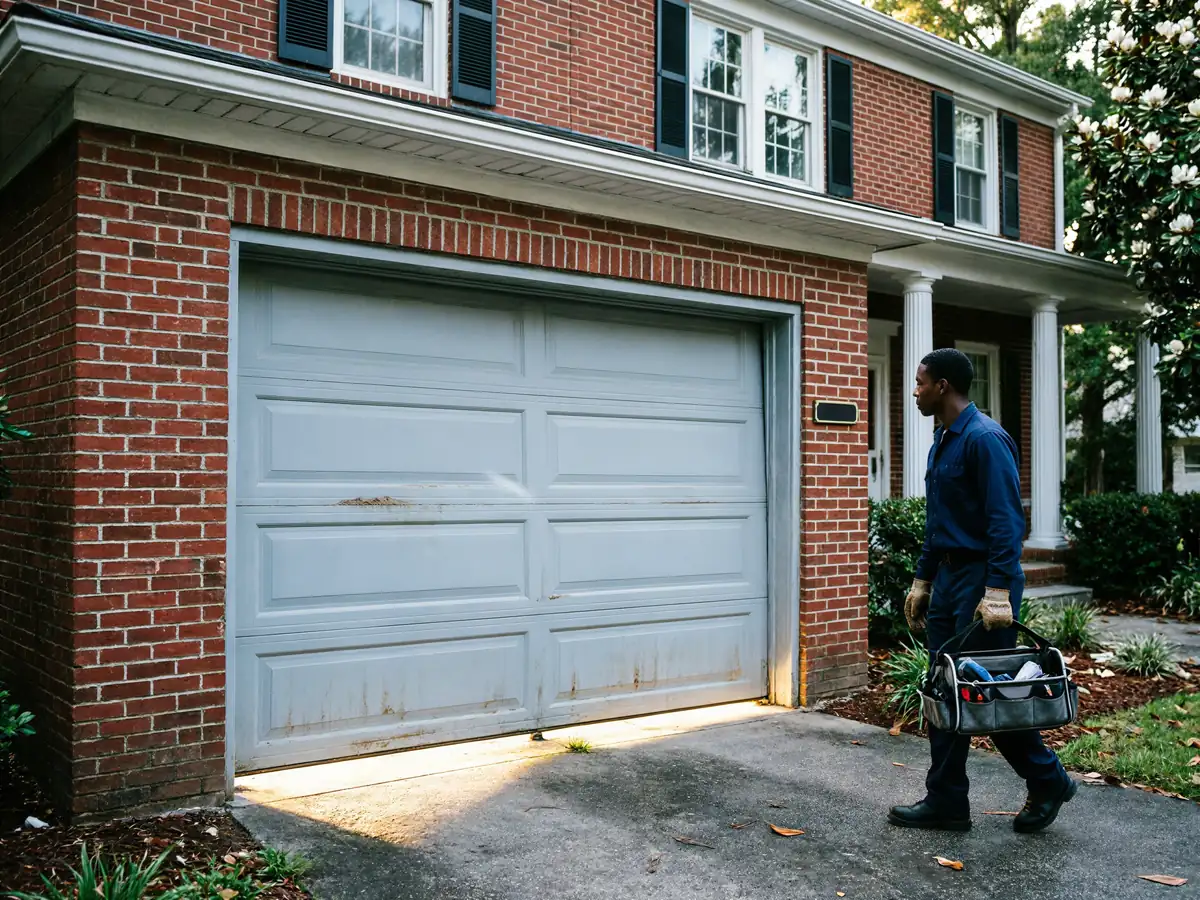
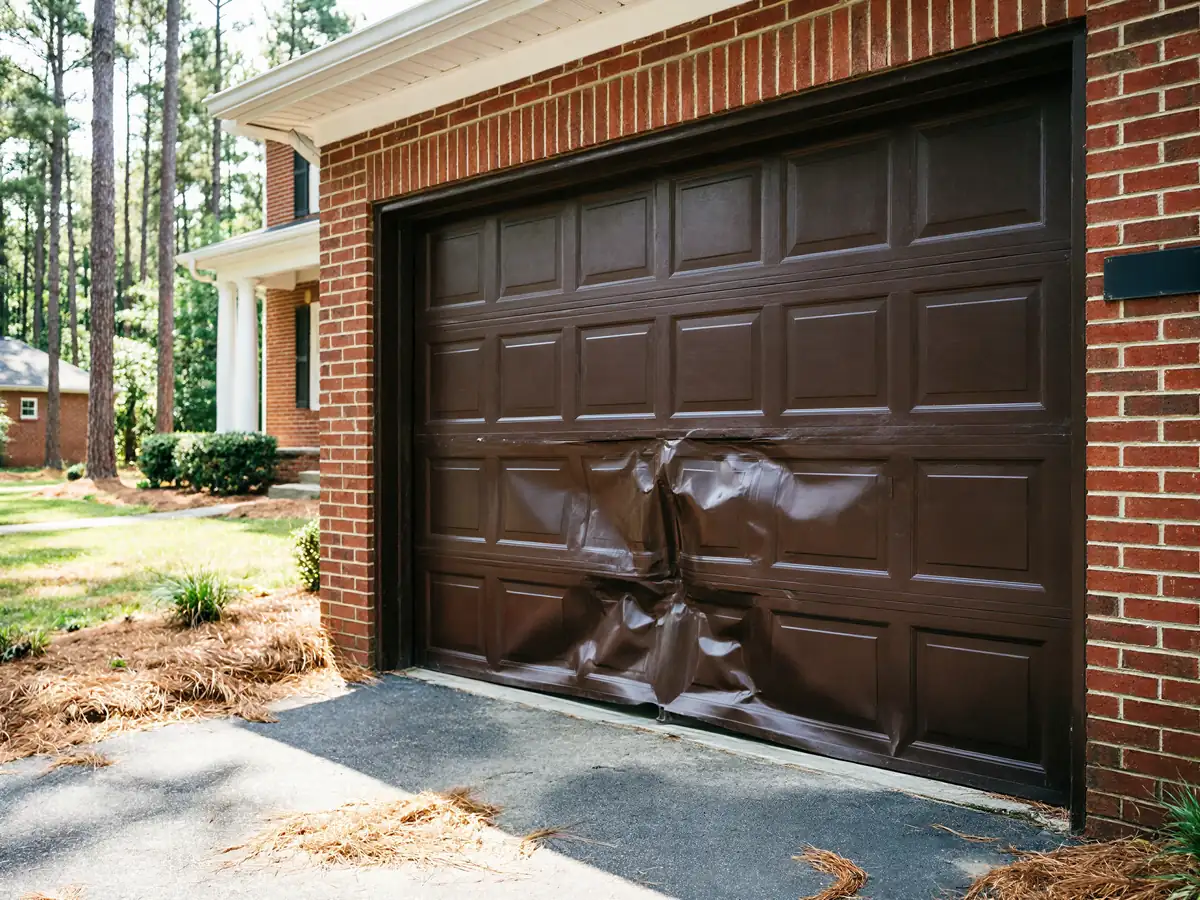
Most garage doors in Auburn date to the early 1990s, a decade after the service area's overall median build year of 1978, which means the original steel panel and factory hardware are still bolted on more often than not. That's not old by garage door standards, but it's old enough that a lot of these doors are hitting their first real dent, rust bloom, or warped section right now, and the owner is reaching for a phone for the first time since the house was built. Because Auburn skews newer than the rest of the area we cover, the failure mode here looks different than it does closer to Snellville, where plenty of doors are pushing 50 years old and the whole unit is usually due for replacement, not just a panel. In Auburn, the track, opener, and springs are often still sound. It's one section - usually the bottom one, from mower bumps and car doors - that's gone bad while the rest of the door has years left in it. That's a panel job, not a full-door job, and it's worth knowing the difference before anyone quotes you for more than you need.
Parts We Carry
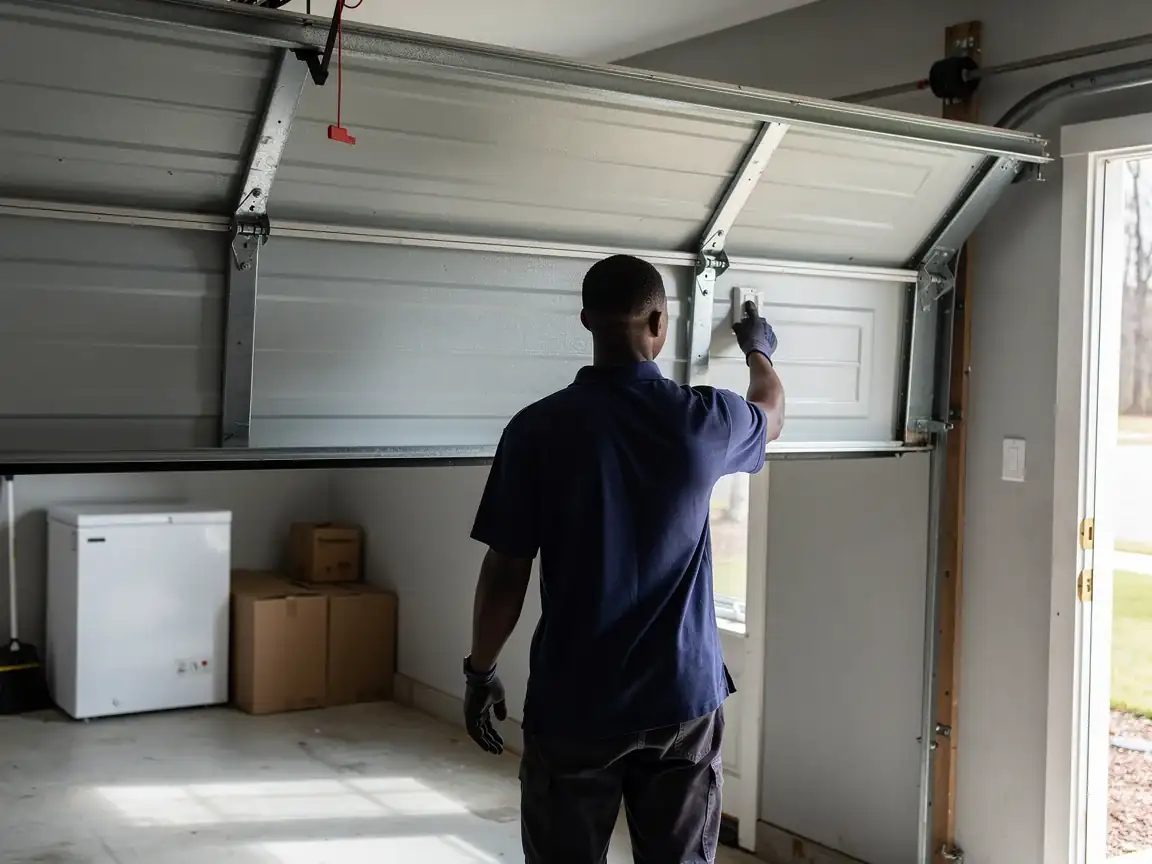
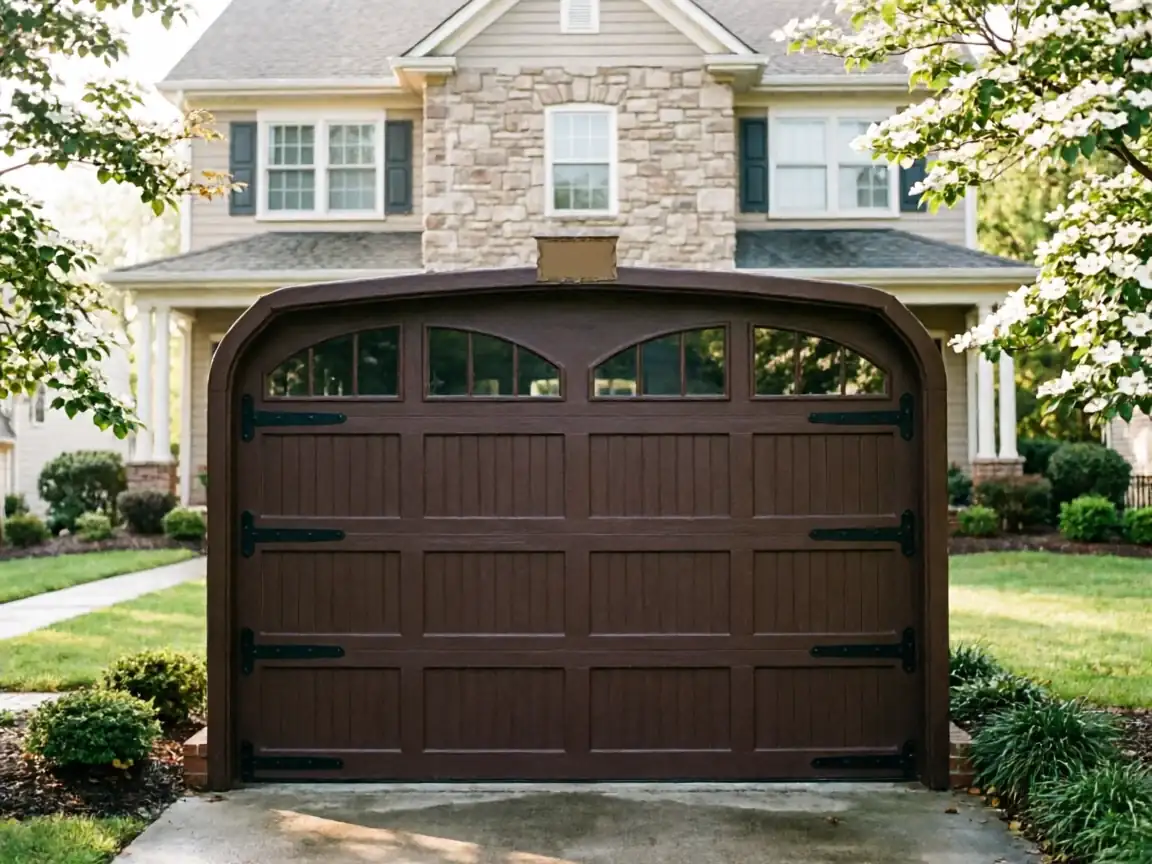
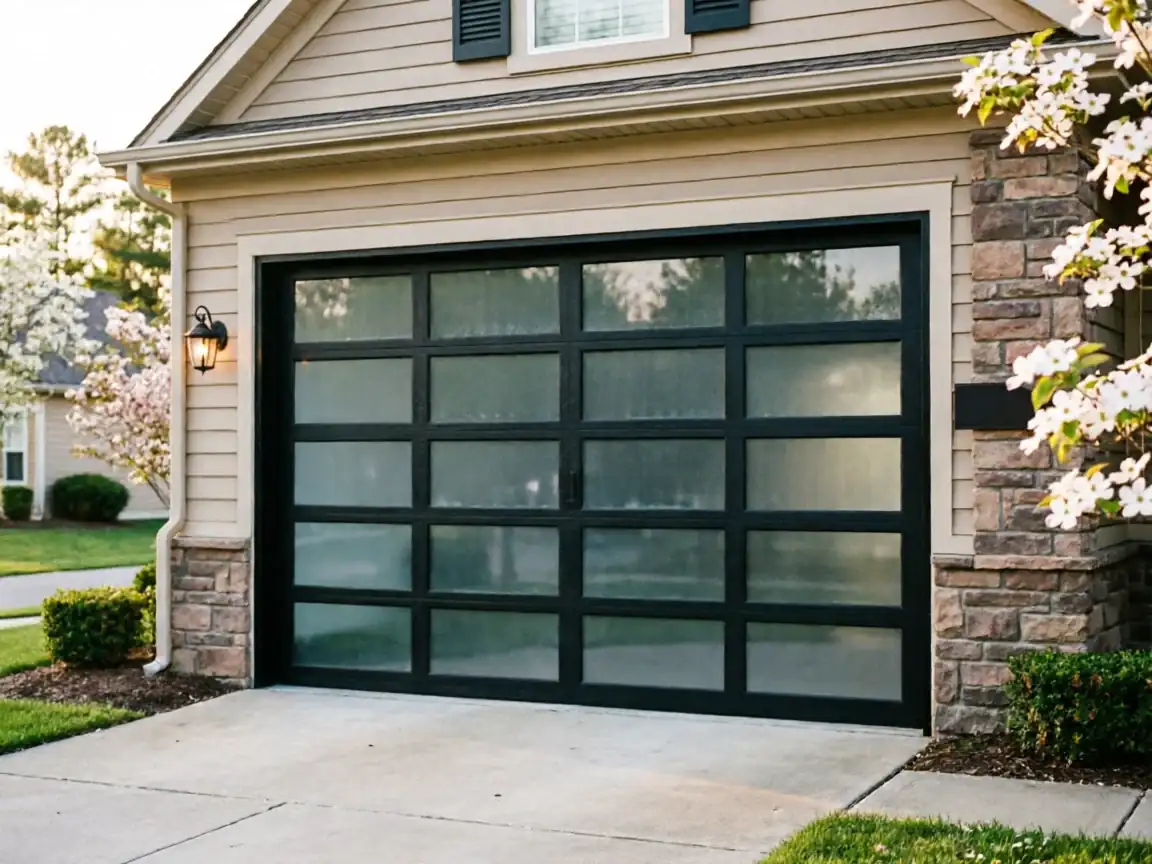
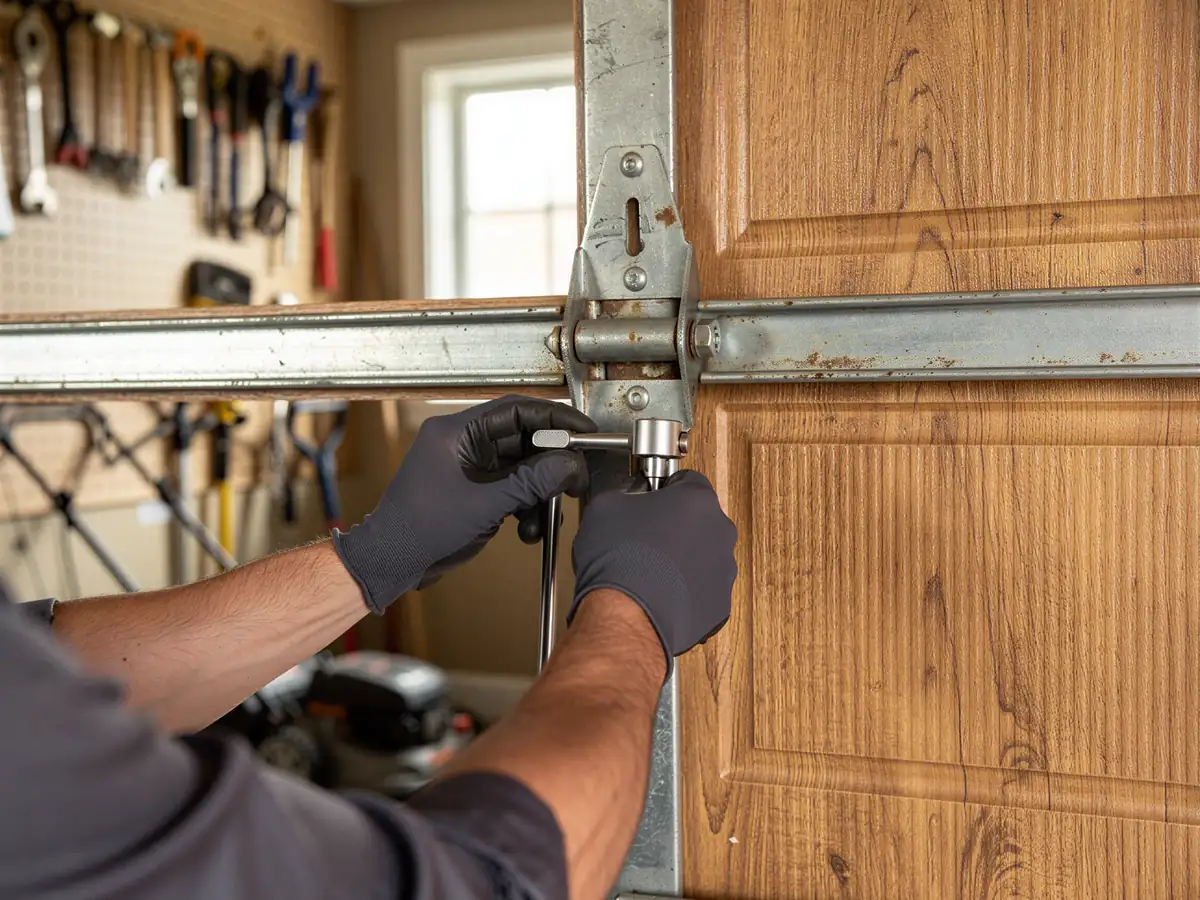
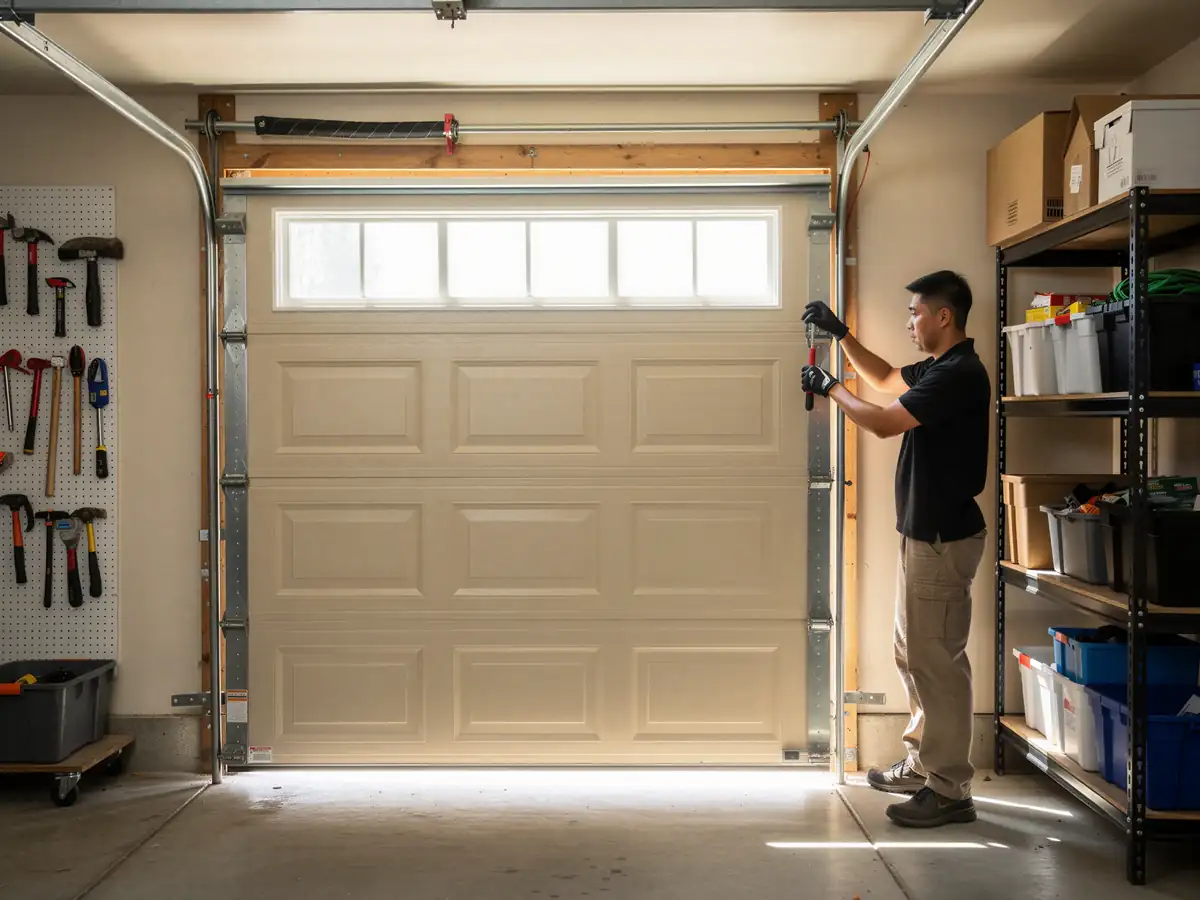
We stock common steel panel sections in the sizes and colors that show up most across the doors we service, plus the fasteners, end stiles, and hinge hardware that come with a section swap. What we don't carry on the truck is a match for every discontinued color or embossed panel pattern a manufacturer has retired since 1992 - some of those runs are gone for good, and a close match is the honest answer, not an exact one. If your door uses a panel profile that's no longer made, we'll tell you that on site rather than order something that won't line up right. For doors still inside a common production run, the swap is straightforward: pull the damaged section, transfer the hardware, set the new panel, and check the balance before we leave. We don't carry wood or custom-clad panels - those get special-ordered, and that adds lead time we can't shorten.
Doing It Yourself
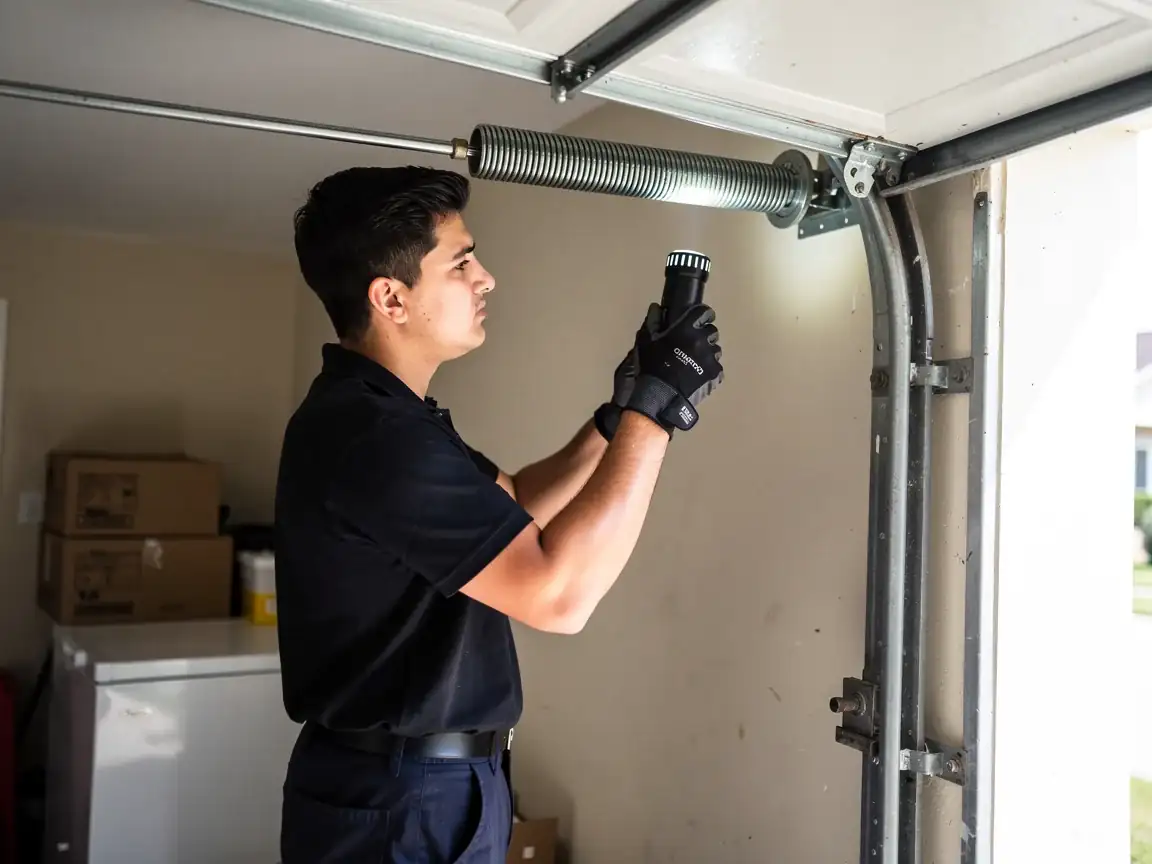
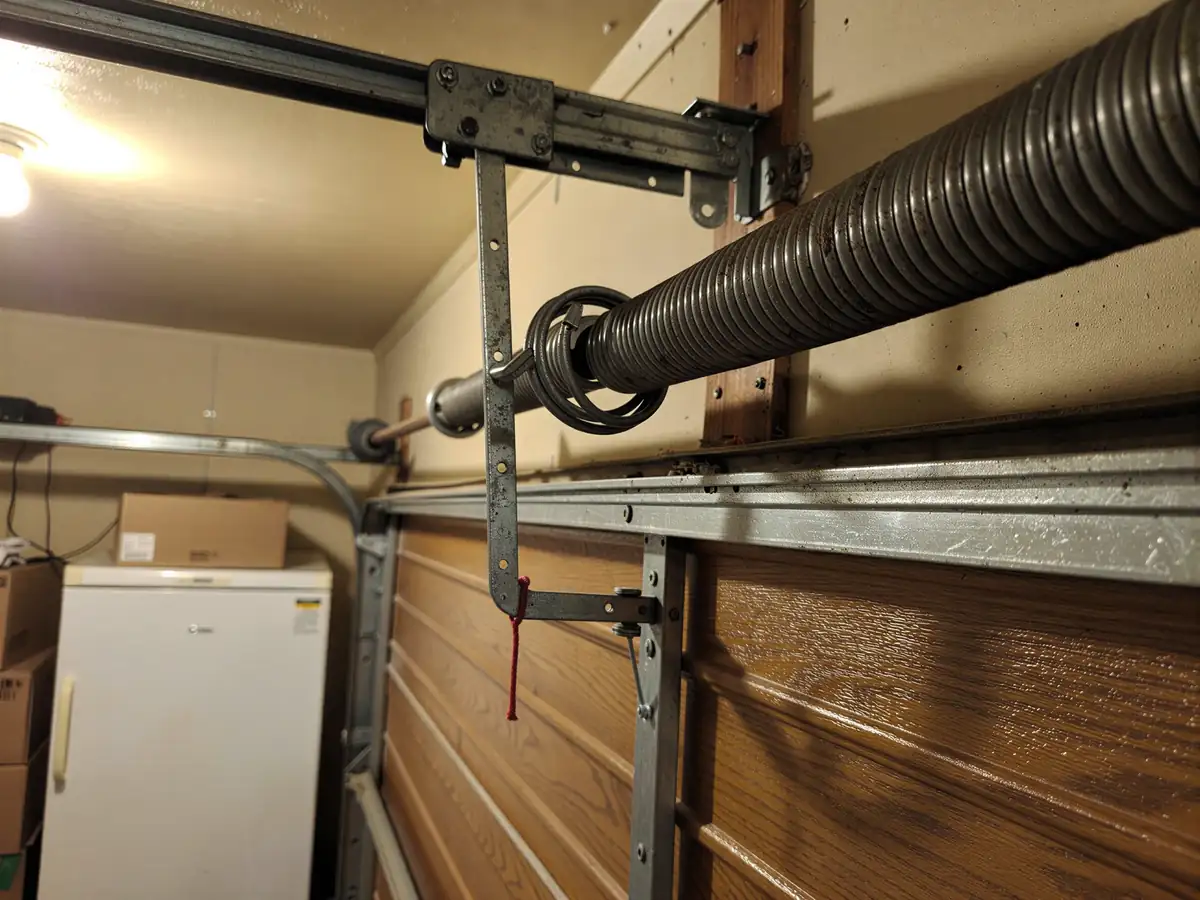
Swapping a single panel is within reach for someone comfortable with hand tools, provided the door uses a standard section and the hardware isn't seized. The hard part isn't the mechanical work - it's sourcing a panel that matches your door's year, profile, and color close enough that it doesn't look patched. With roughly 2,733 households in Auburn, most built in the same narrow stretch of years, the matching problem comes up constantly: the exact panel your 1992 door needs may simply not be in production anymore, and a close substitute from a different manufacturer won't align with the existing hinge spacing. If you go this route, don't force hardware that's rusted into place - stripped screws or a cracked end stile turn a one-hour job into a full afternoon. And if the door is torsion-spring operated, leave the spring side alone regardless of how confident you feel.
What the Repair Takes
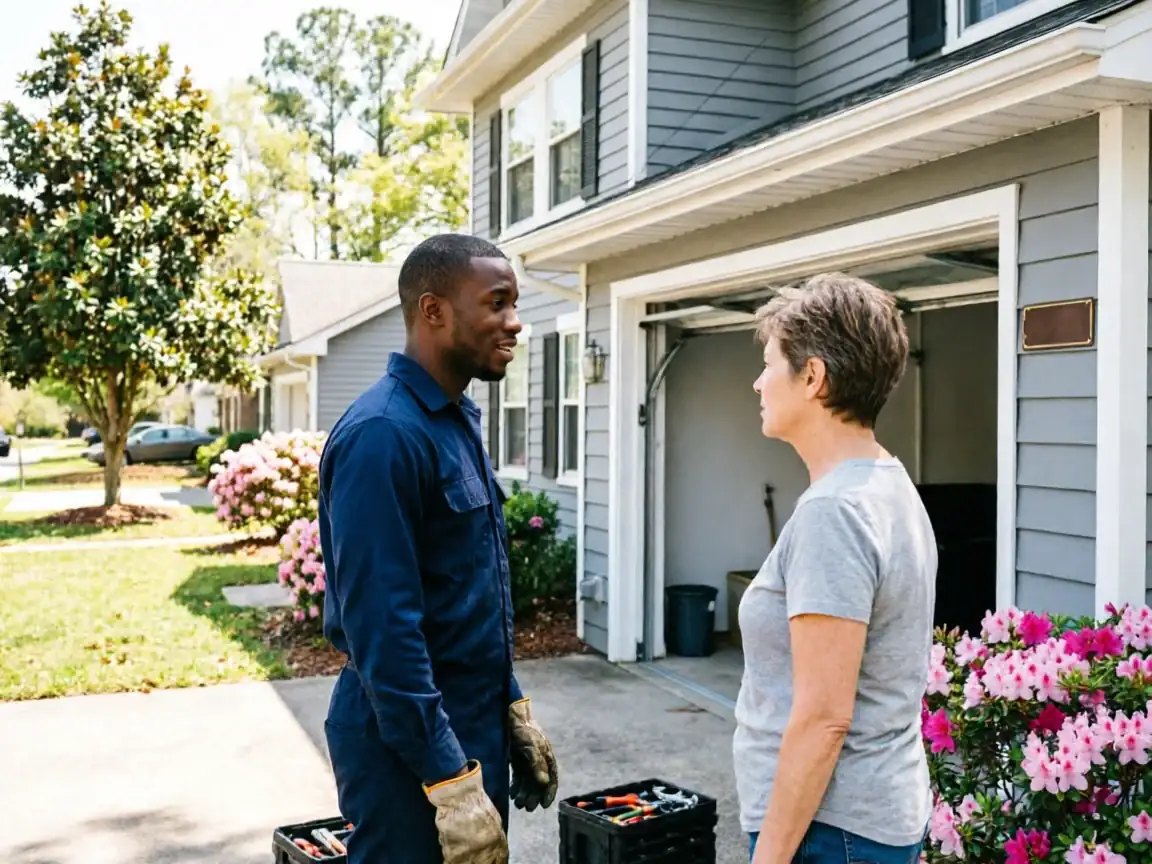
At 15 miles from Snellville, Auburn is the farthest of the close-in suburbs we work, so a panel swap here gets scheduled as a dedicated trip rather than squeezed between nearby jobs - that's worth knowing when you're picking a time window. Once on site, a single-panel replacement with hardware already in stock usually runs under two hours. Auburn's median household income of $78,317 runs higher than the $70,625 median across the wider service area, and it shows in a pattern we see here more than elsewhere: owners who could patch a panel choosing a full matched replacement instead, often because they're planning to repaint or re-side the house and want the door to match going forward rather than later. Either way works mechanically - it's a budget call, not a safety one, and we'll quote both so you're deciding with real numbers in front of you.