Why This Fails Locally
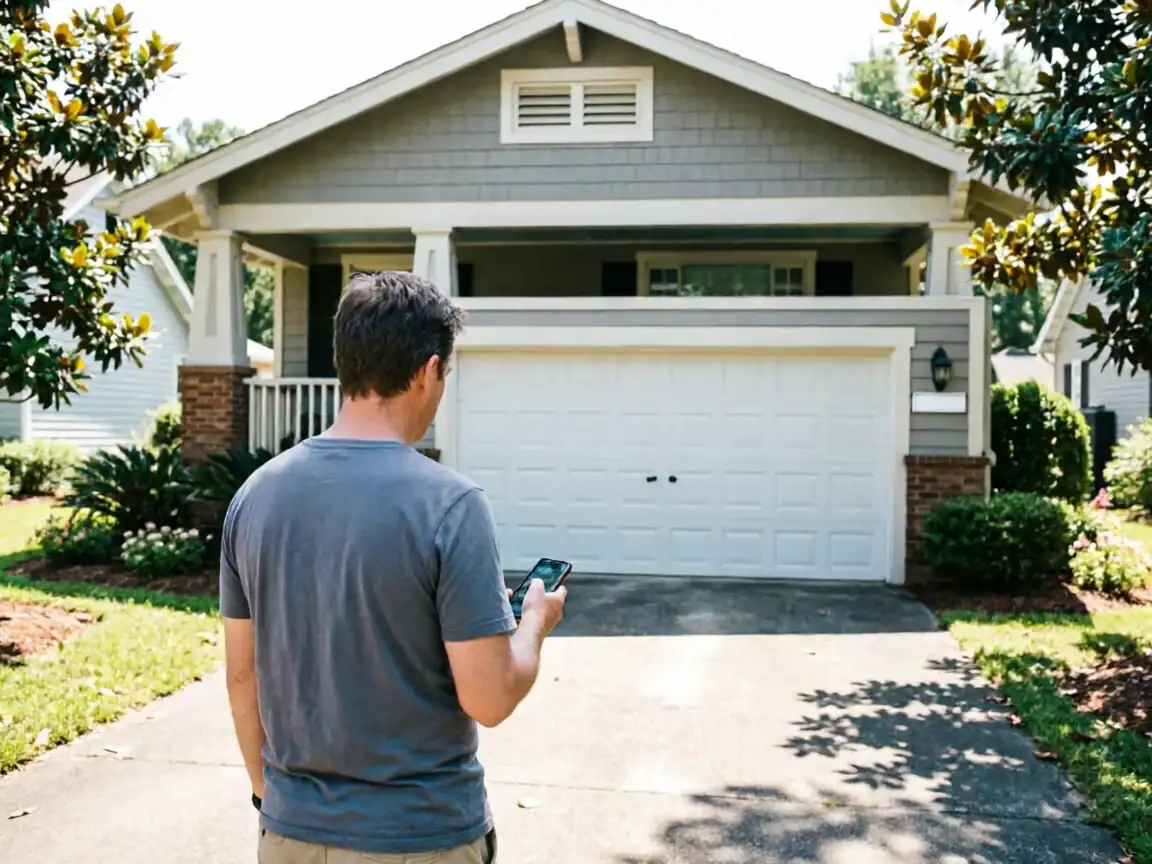
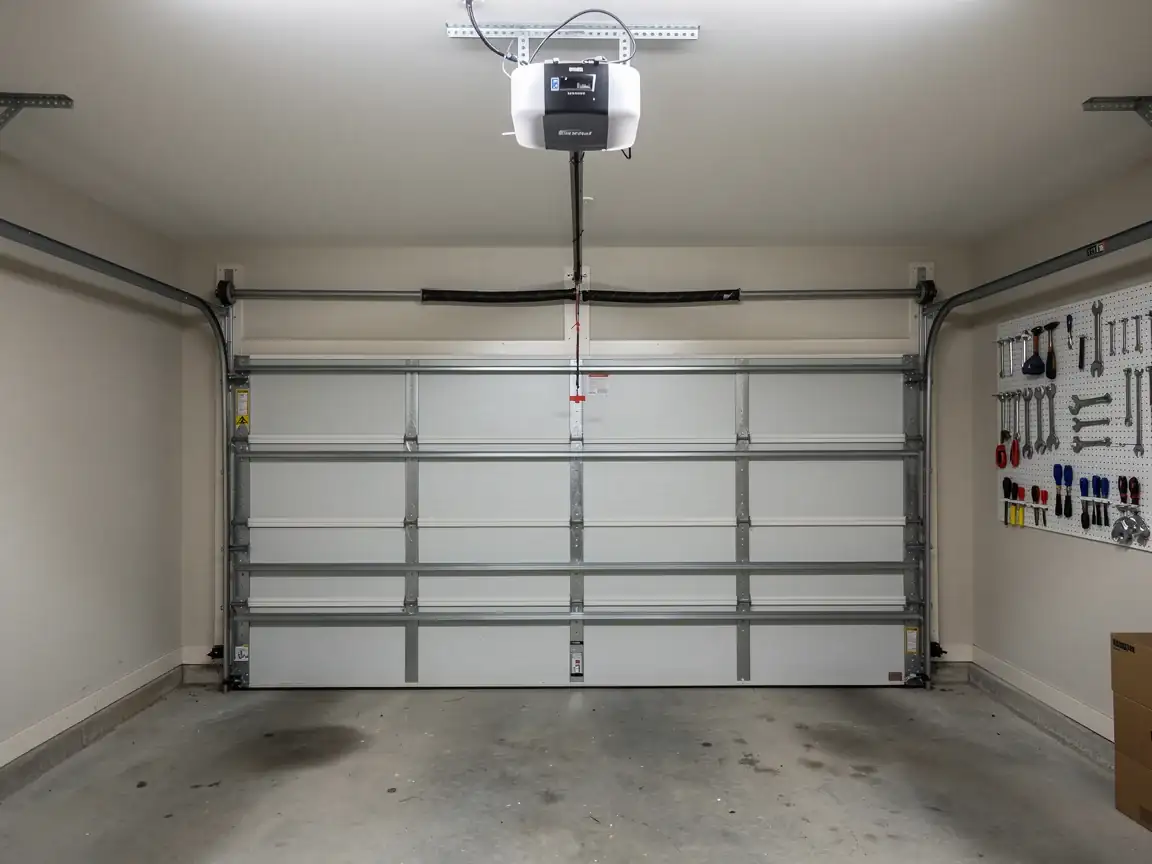
Auburn's housing stock centers on a median build year of 1992, which puts most of this town's garage doors on their second opener, sometimes their third. An opener installed when a house was new in the early '90s has long since worn out its gears and been swapped for whatever model was on sale at the time - which means a lot of mismatched logic boards, learn buttons that don't match the remote in the glovebox, and travel limits set by whoever did the last install.
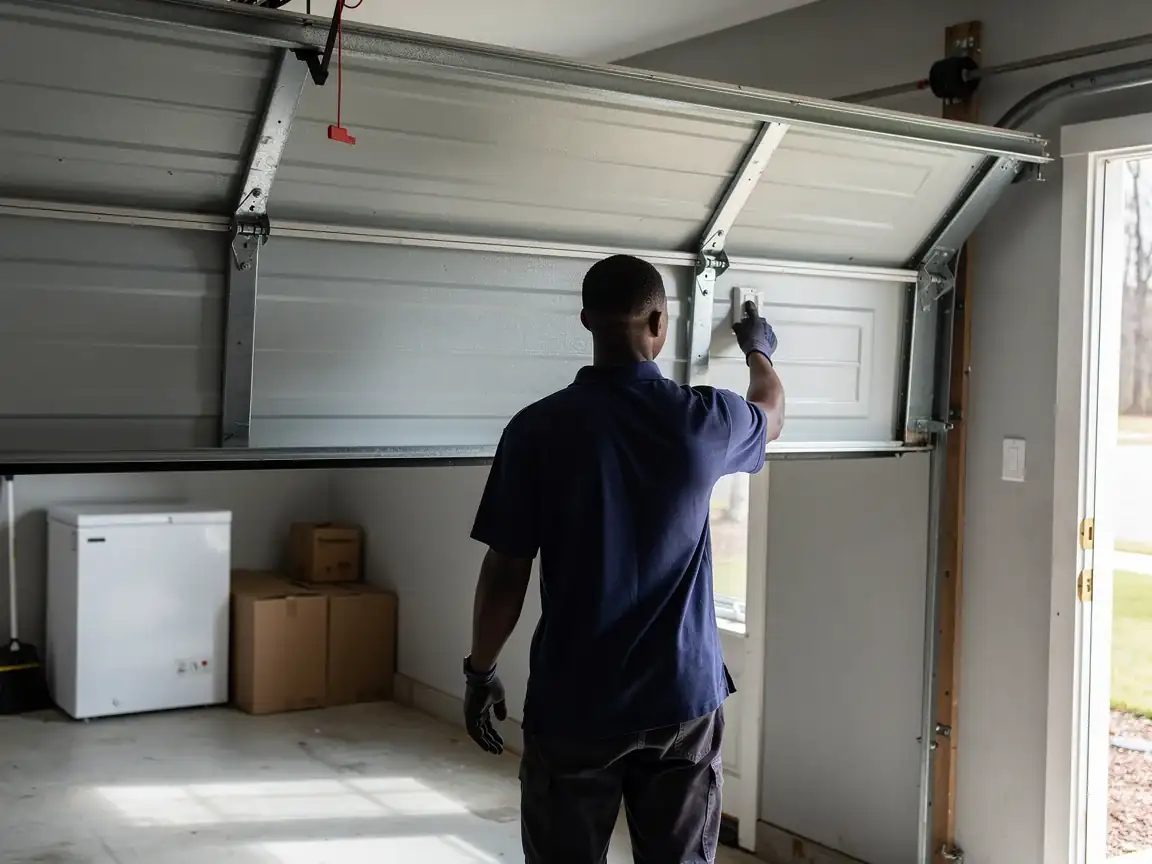
That mismatch is the actual fault pattern we see out here, more than any single part failing. The opener itself might be five years old or fifteen; the wall console might be original to the house. When the two don't talk to each other cleanly, you get a door that reverses for no reason, a remote that works from the driveway but not the street, or a unit that runs the motor but never engages the chain. None of that is a mystery once you're standing under it, but it's also not something you fix by guessing at a universal remote off a shelf.
Parts We Carry
We carry the parts that actually fail on openers of the age mix you get in a neighborhood built out mostly in the 1980s and '90s: drive gears and sprockets for chain and belt units, logic boards for the more common opener brands, safety sensor pairs, trolleys, and the capacitors that cook themselves after a decade of running a motor in cold starts.
What we don't stock on the truck is every control panel or keypad ever made. Opener electronics changed enough through the '90s and 2000s that a wall console from one generation won't pair with a logic board from another, and ordering that exact match sometimes means a short wait rather than a same-visit fix. We'll tell you straight if that's the case rather than bolting on something that'll fail again in a month.
How It Shows Up
The most common call is a door that opens but won't close all the way
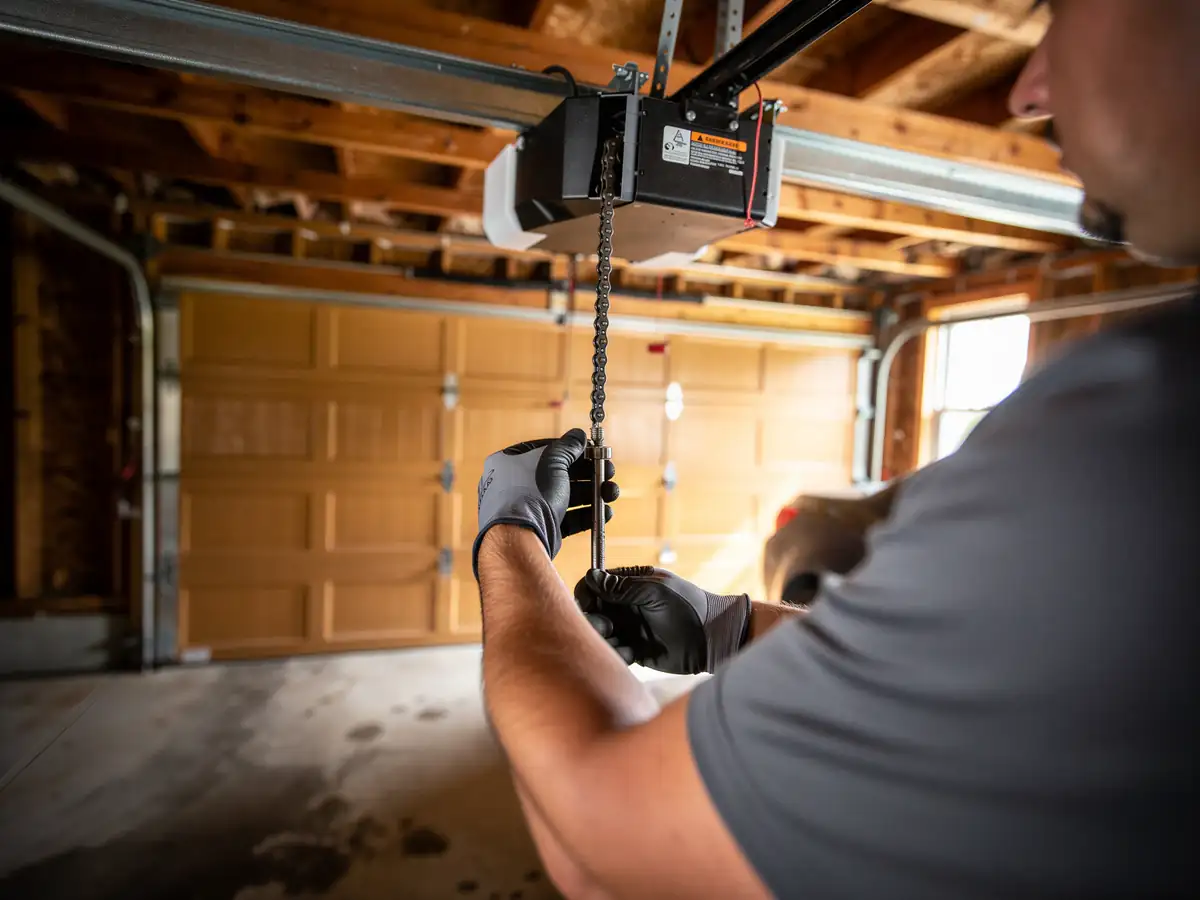
Or reverses an inch off the floor - usually the safety sensors, sometimes just one knocked out of alignment, but on an older unit it can be a sensor pair that's simply died after years of running. Close behind that is a motor that hums and does nothing, which on a house this age is almost always a stripped gear, not the motor itself.
Colder stretches add a second pattern
Openers that run slow or stall partway up when the temperature drops, because grease in an aging gear case thickens and the motor has to work harder to push it. In a moderate-cold climate like this one, that shows up seasonally rather than constantly - fine in October, sluggish by January.
Doing It Yourself
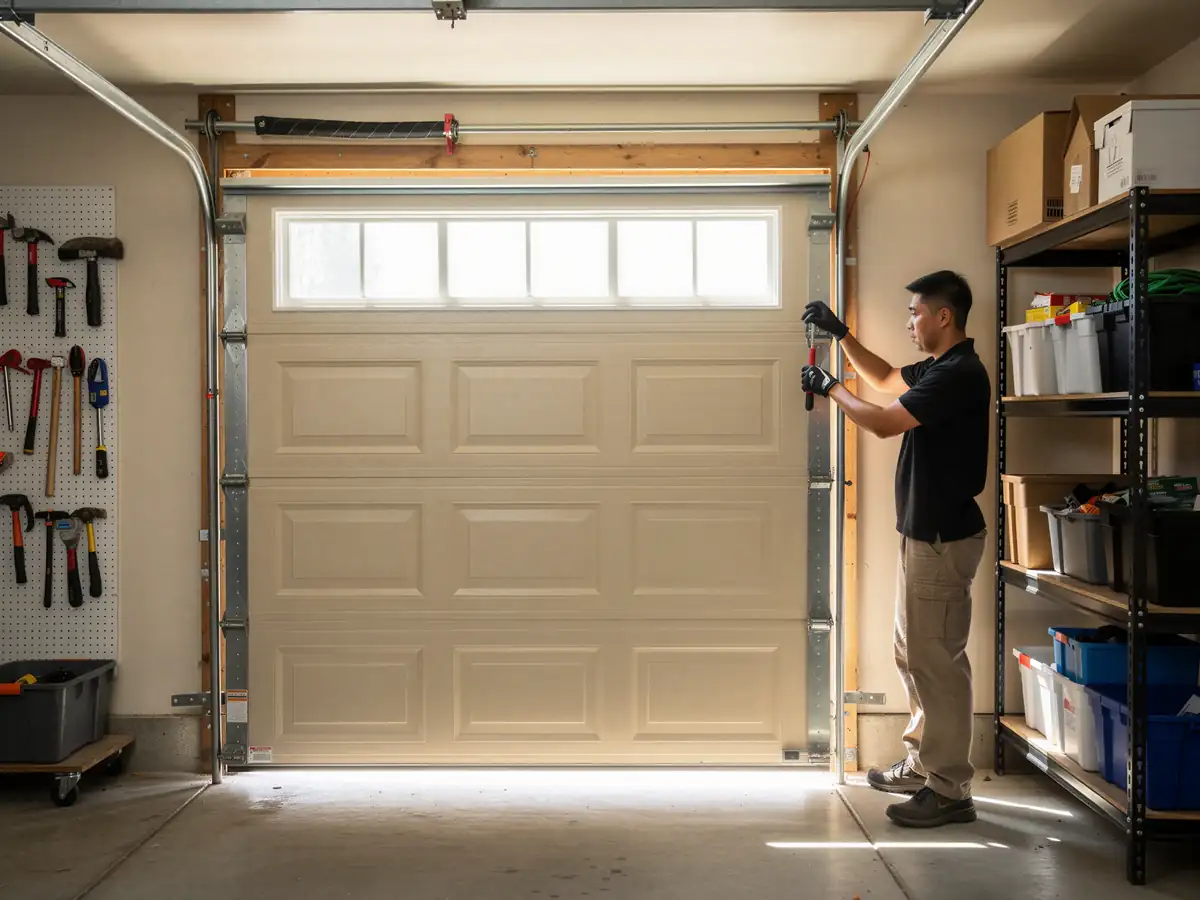
Check the sensors first. If the door won't close, look at the two small boxes near the floor on each side of the track - a cut beam, a spider web across the lens, or sun hitting one directly will all stop the door from closing, and that's a five-minute fix with no tools. Vacuum dust off, nudge them until the light goes solid, and try again.
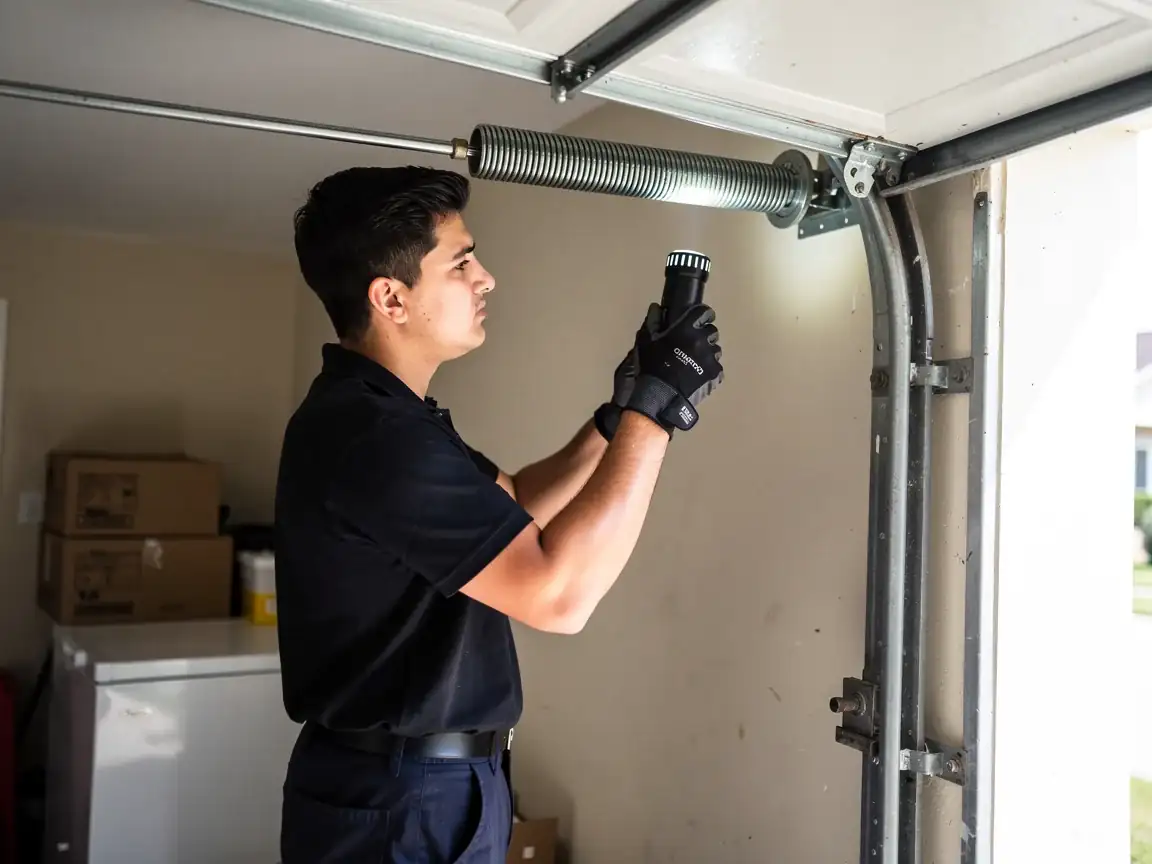
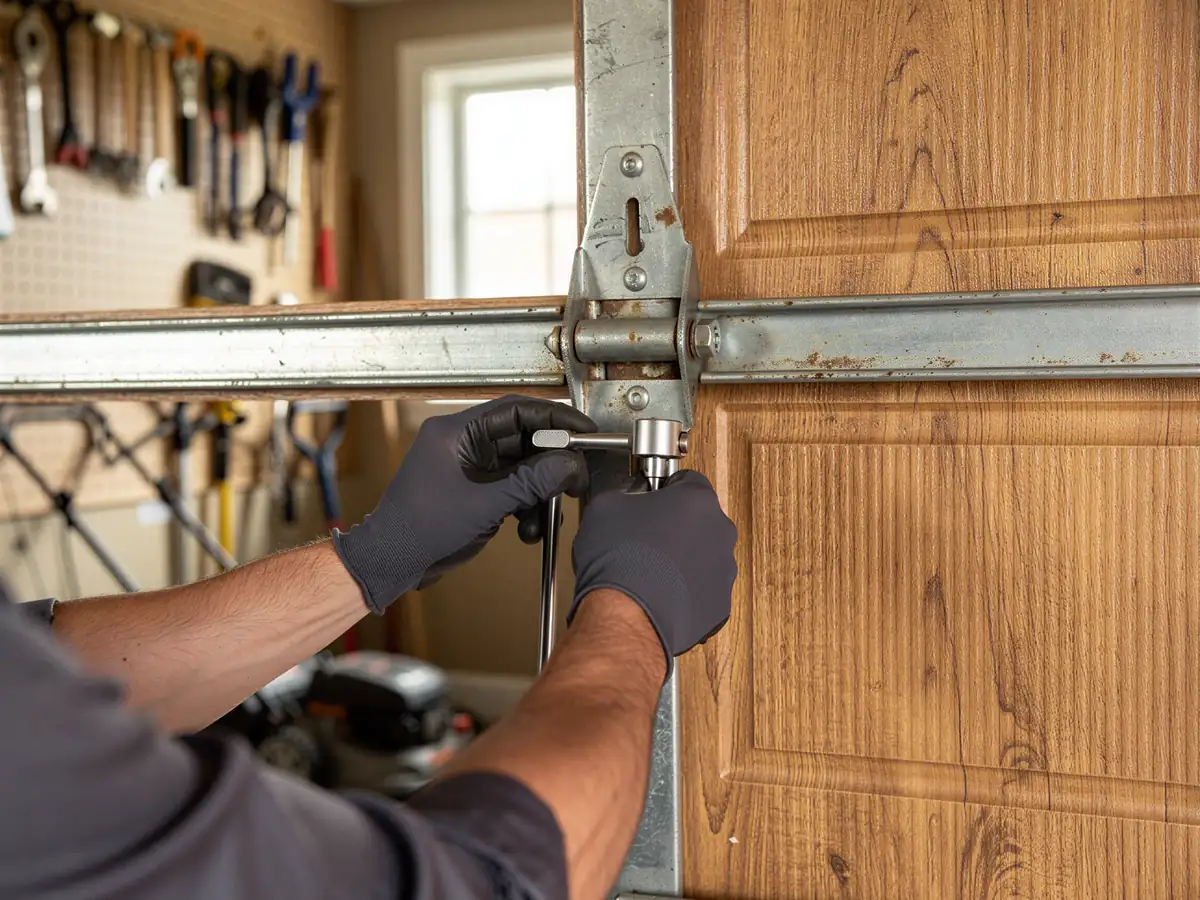
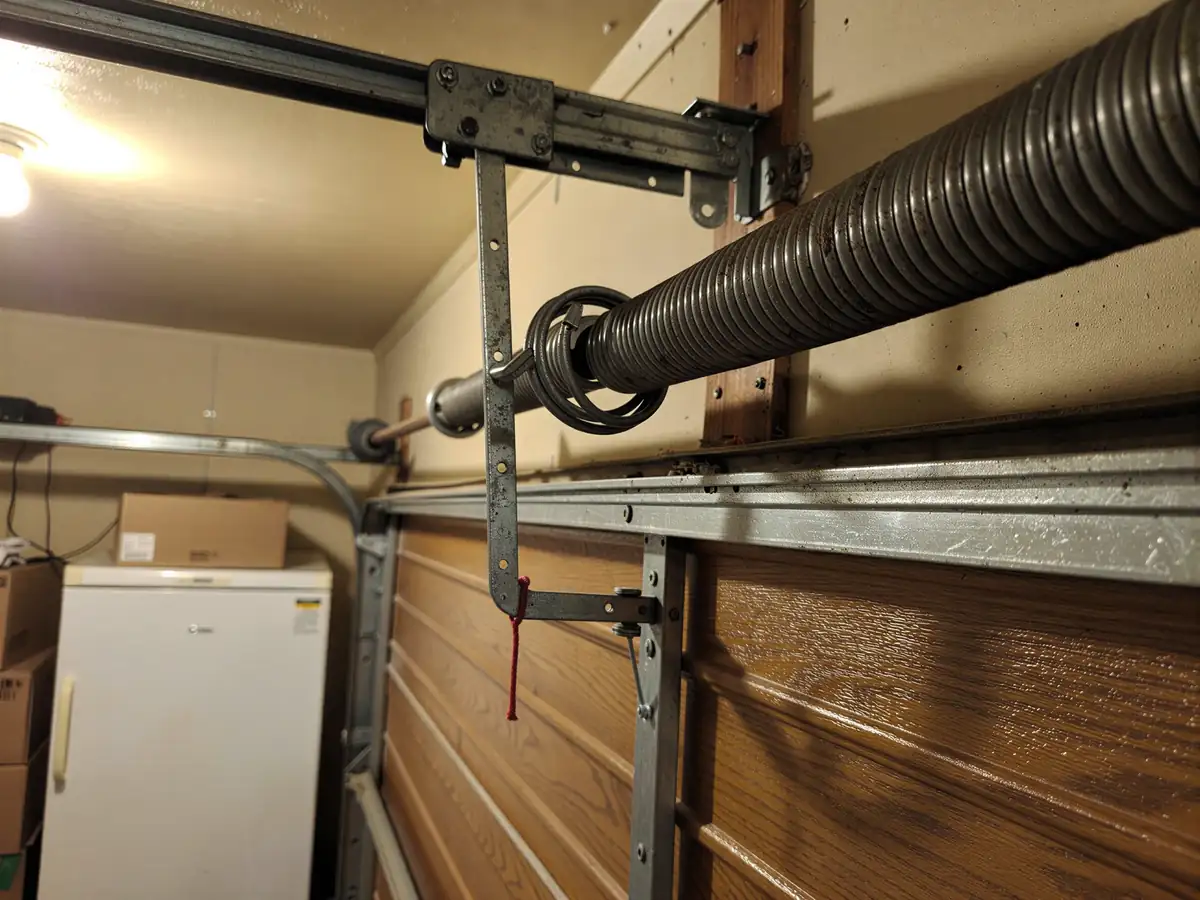
Beyond that, be careful. If the motor runs but the door doesn't move, the gear is likely already stripped and running it more just chews up the housing around it. And if you're hearing a loud bang followed by the door not responding at all, that's spring territory, not opener territory - a different repair, and one where you should get hands off the door until it's looked at.
What the Repair Takes
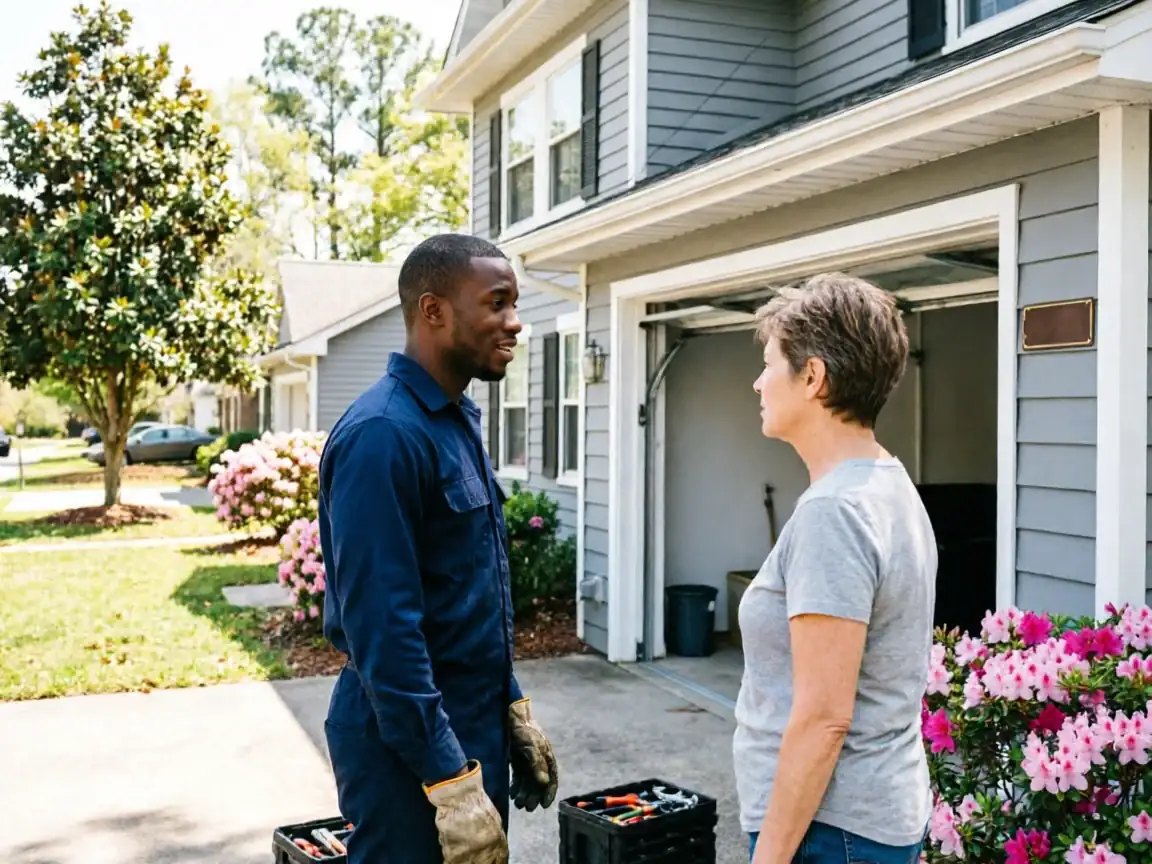
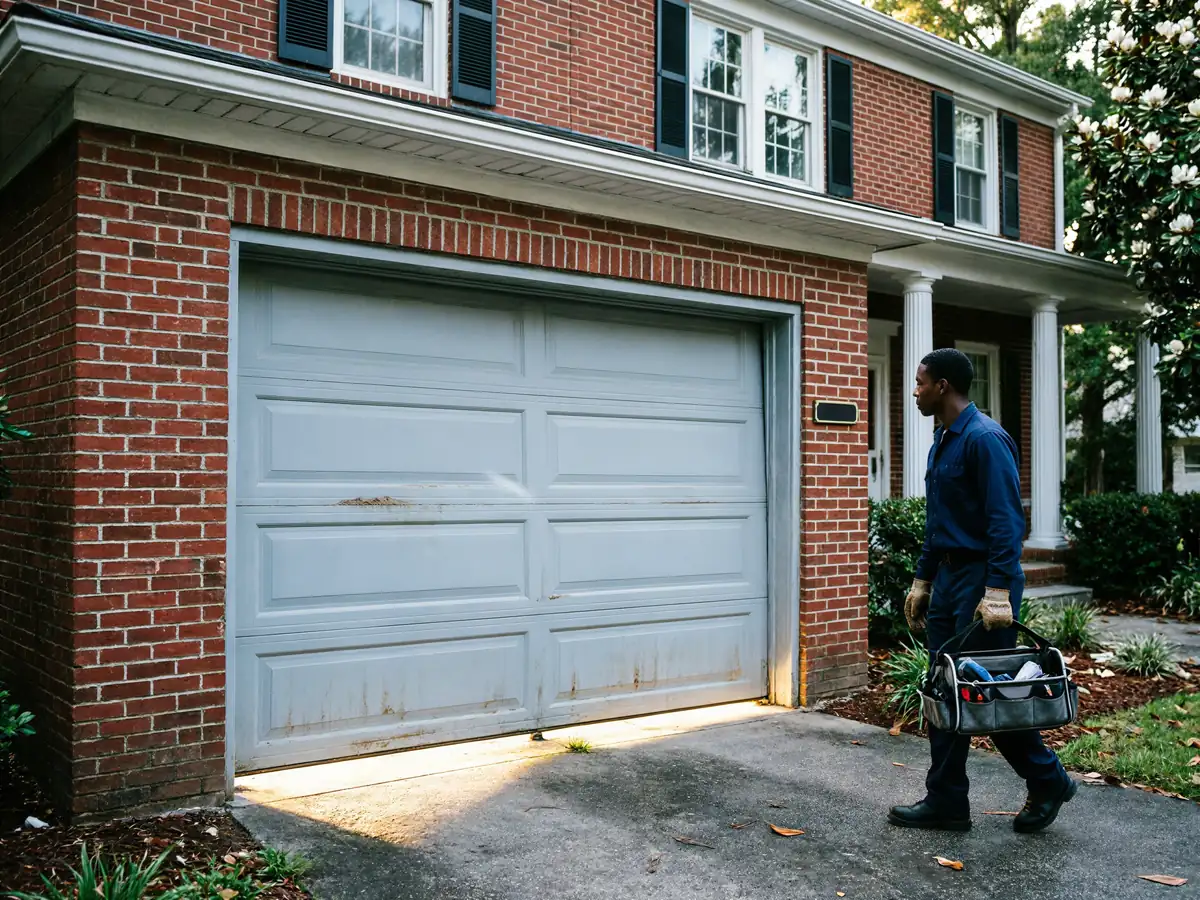
Most opener calls out here come down to one of three jobs: a sensor realignment or replacement, a gear and sprocket kit, or a logic board swap when the opener's brain has failed but the motor and rail are still sound. We come from Snellville, about 15 miles out, so the visit itself isn't instant - but once we're on site, the common failures are same-visit repairs with parts off the truck.
Where it isn't same-visit is a mismatched wall console or keypad from an older opener generation - that sometimes needs a specific part ordered rather than guessed at. And if the opener is original to a house built in the early '90s and the motor's worn through, we'll say so: at that age, replacing the unit usually makes more sense than chasing parts for one that's done its 30 years of work.