Why This Fails Locally
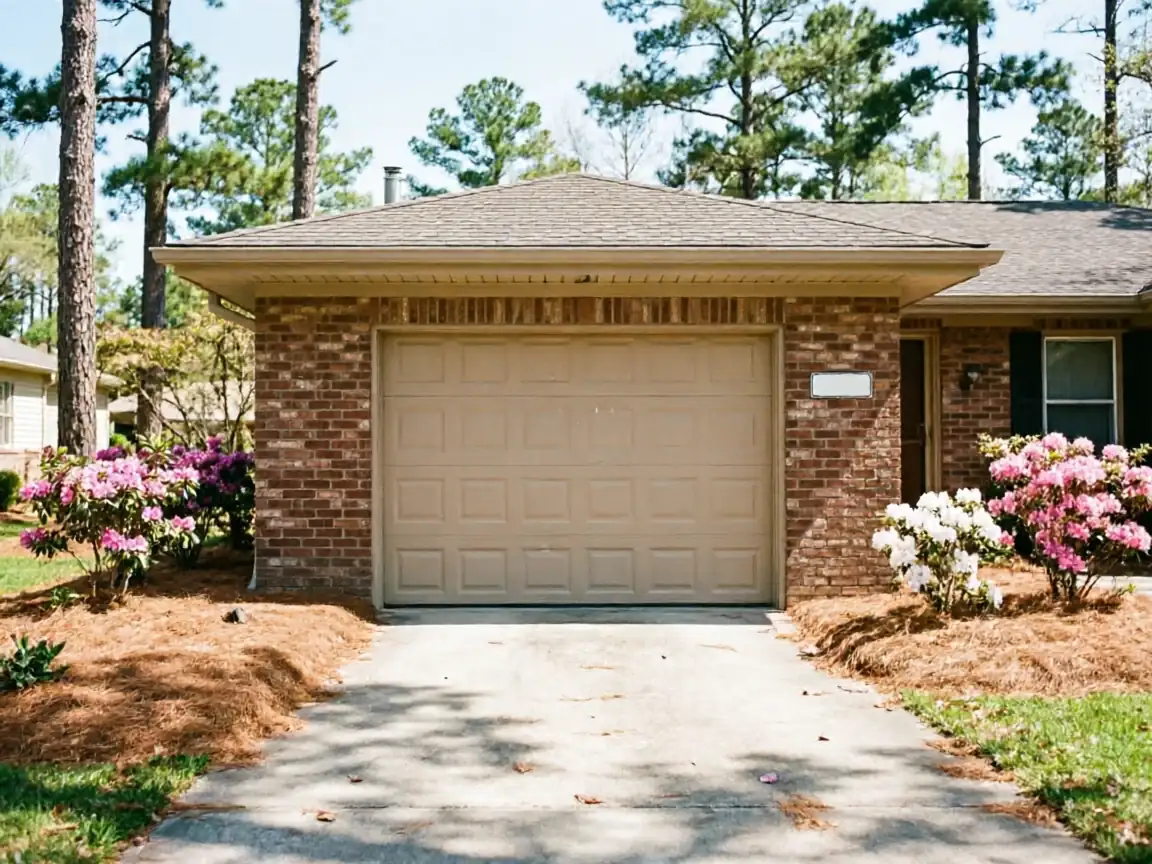
Auburn has 2,733 households, which is a small slice of the roughly 56,295 households we cover out of Snellville. A town this size doesn't generate a lot of new-install calls in any given month, but when it does, the doors tend to come from the same stretch of years. The median year built here is 1992, a good 14 years newer than the 1978 median that covers the broader service area's mix of 1960s and 70s construction.
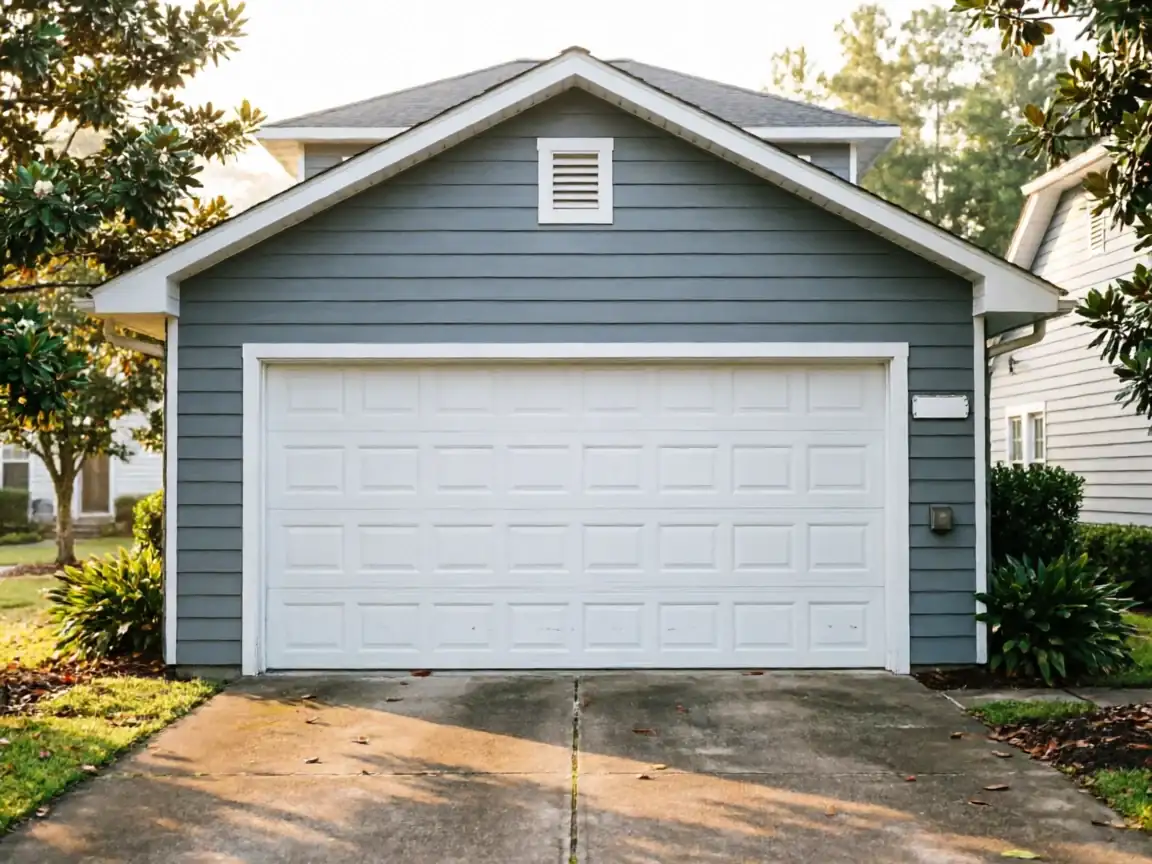
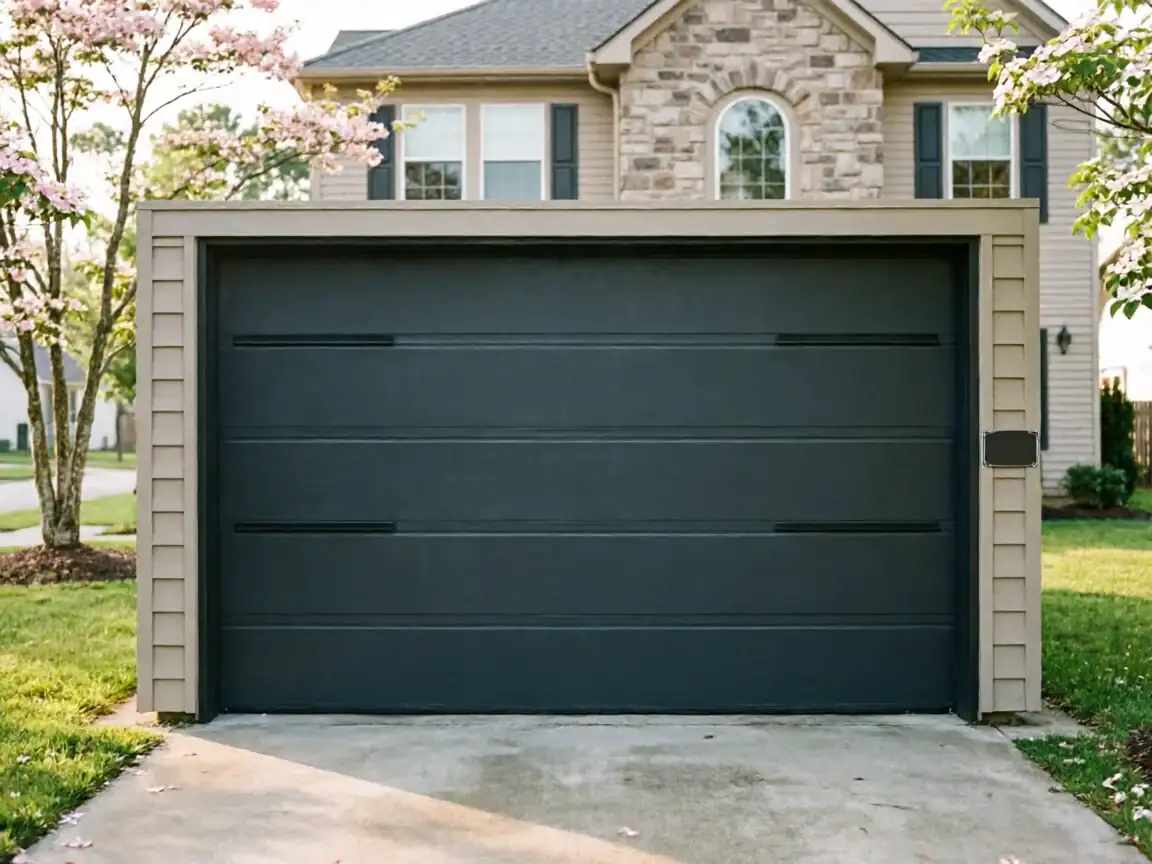
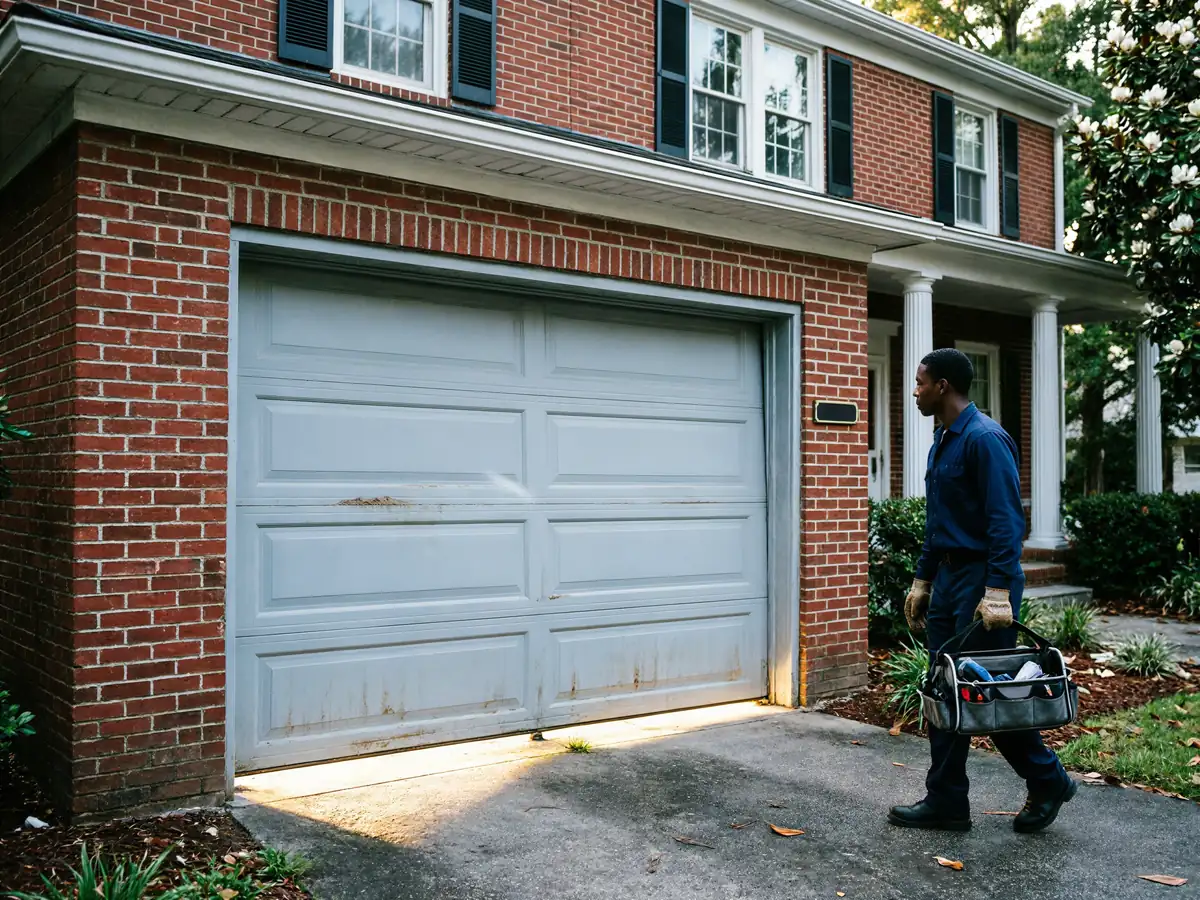
That gap matters. A door that went up in 1992 was likely a steel sectional panel on torsion hardware sized for the taller openings builders were using by then, not the older one-piece or light-gauge doors common on the earlier stock elsewhere. When one of those 1992-era doors fails now, it's failing from three decades of cycles, not from being an odd original holdover. The failure pattern is consistent across Auburn because the houses went up in a tighter window than most of the towns we serve. That's useful information when we're pricing a replacement sight unseen over the phone.
Parts We Carry
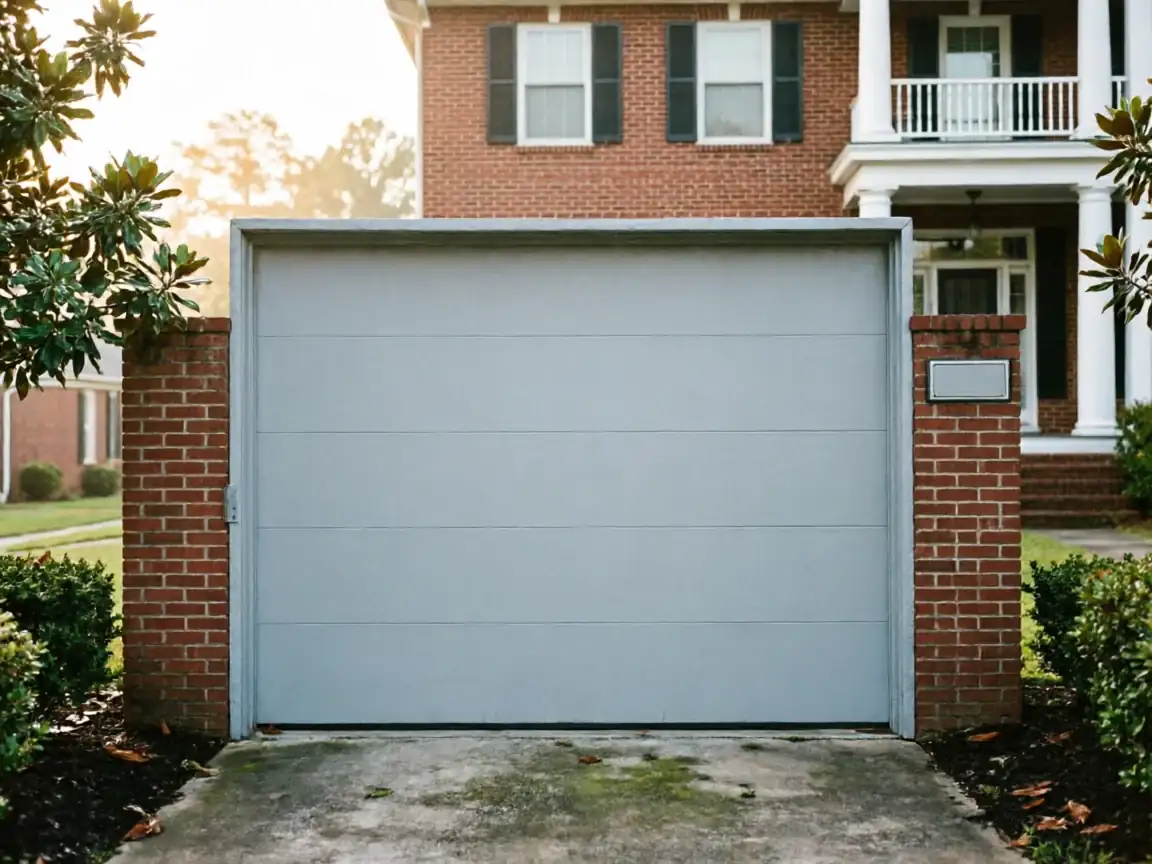
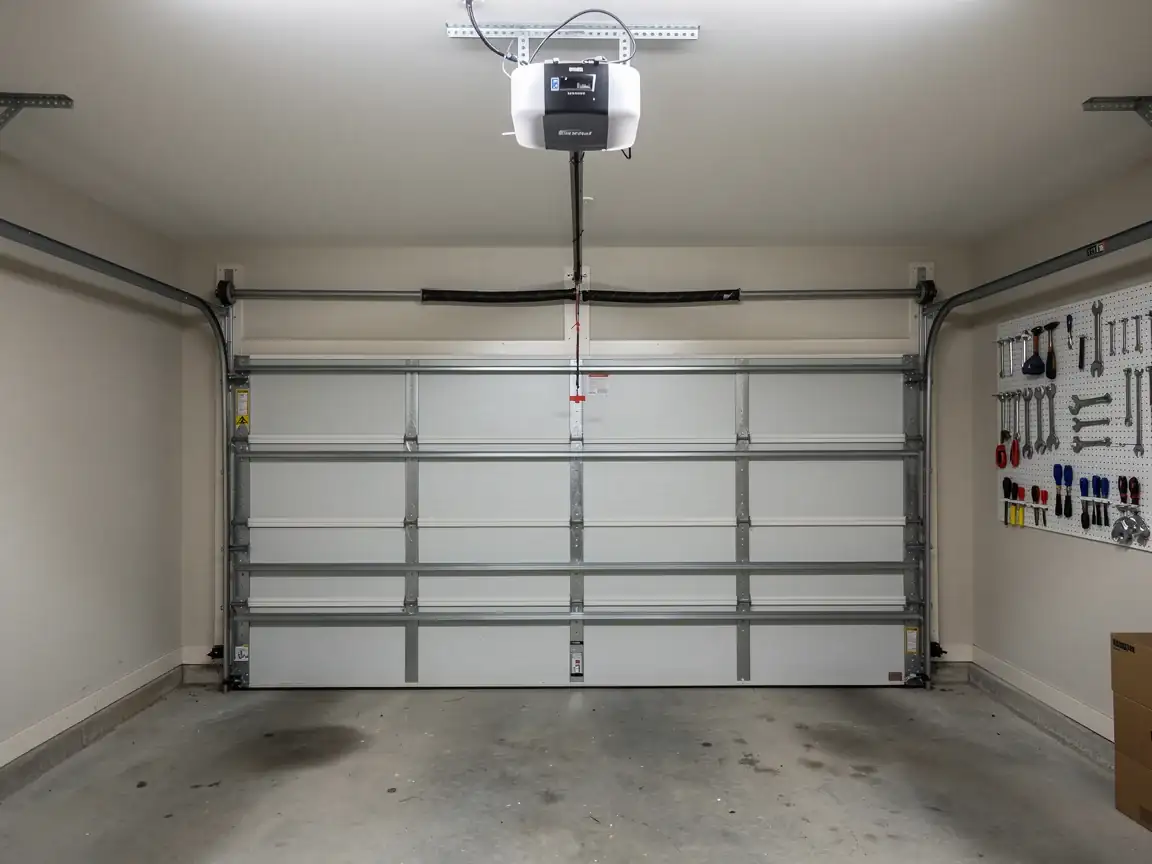
For a door from the early '90s window, we carry steel sectional panels in the standard widths that era of construction used, along with torsion springs sized for taller 7-foot openings, which started showing up more in that period than in older stock. We stock standard-gauge tracks and both nylon and steel rollers, since homeowners in this age bracket usually have one or the other depending on who built the original door.
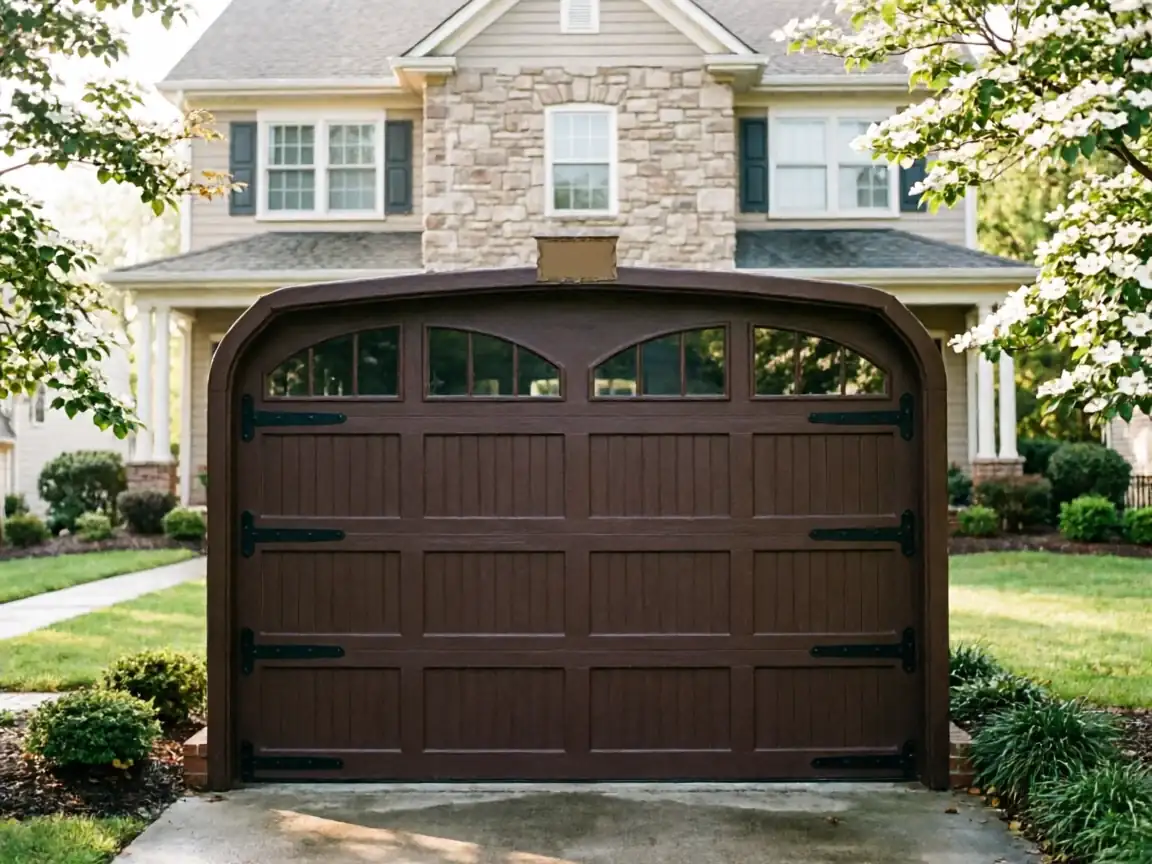
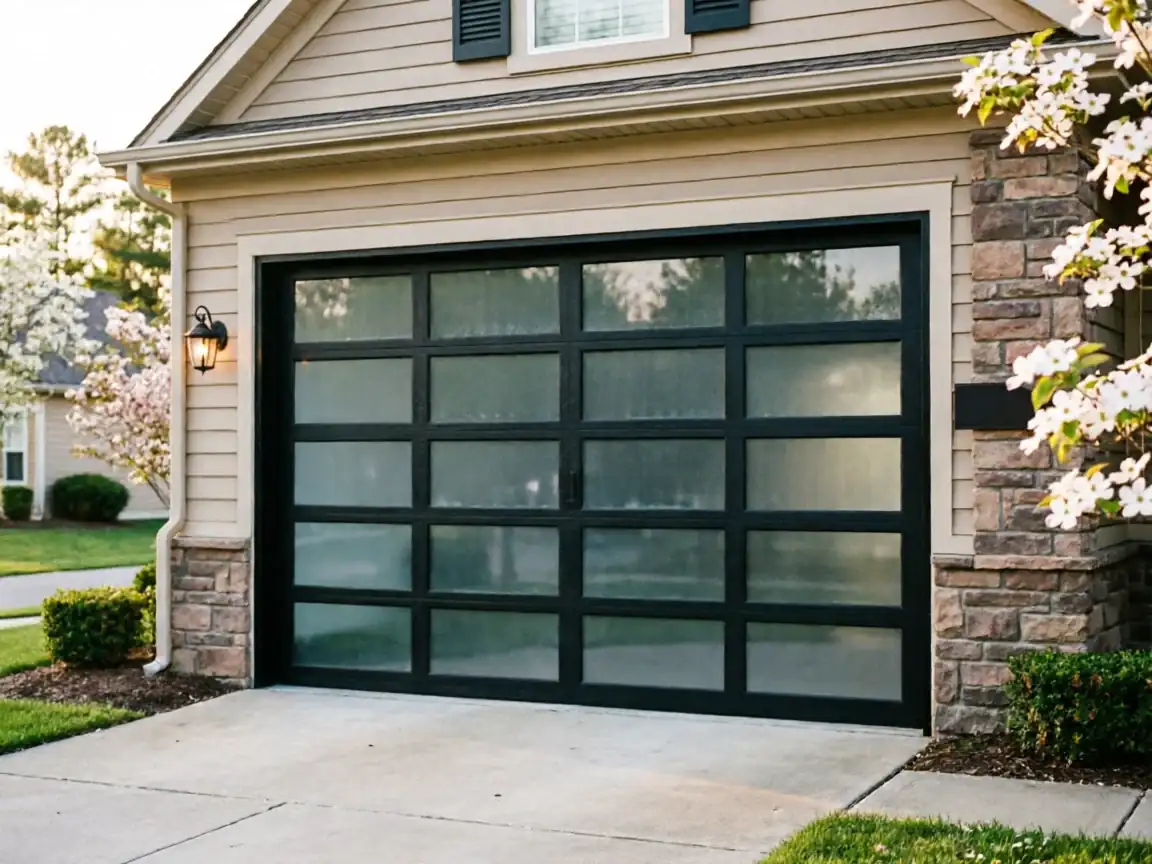
Given the cold moderate climate band this whole area sits in, we lean toward insulated steel panels with vinyl weatherstripping rather than uninsulated single-layer doors - the kind of door that's fine in a mild winter but leaves a gap you'll feel every January. We don't carry every color and panel style off the truck; some finishes are special order and add lead time. That's the one honest limit worth saying up front: if you want a specific wood-grain finish or a nonstandard window insert, expect to wait on it rather than get it same week.
How It Shows Up
On a door that's roughly 30 years old now, the most common call we get isn't total failure
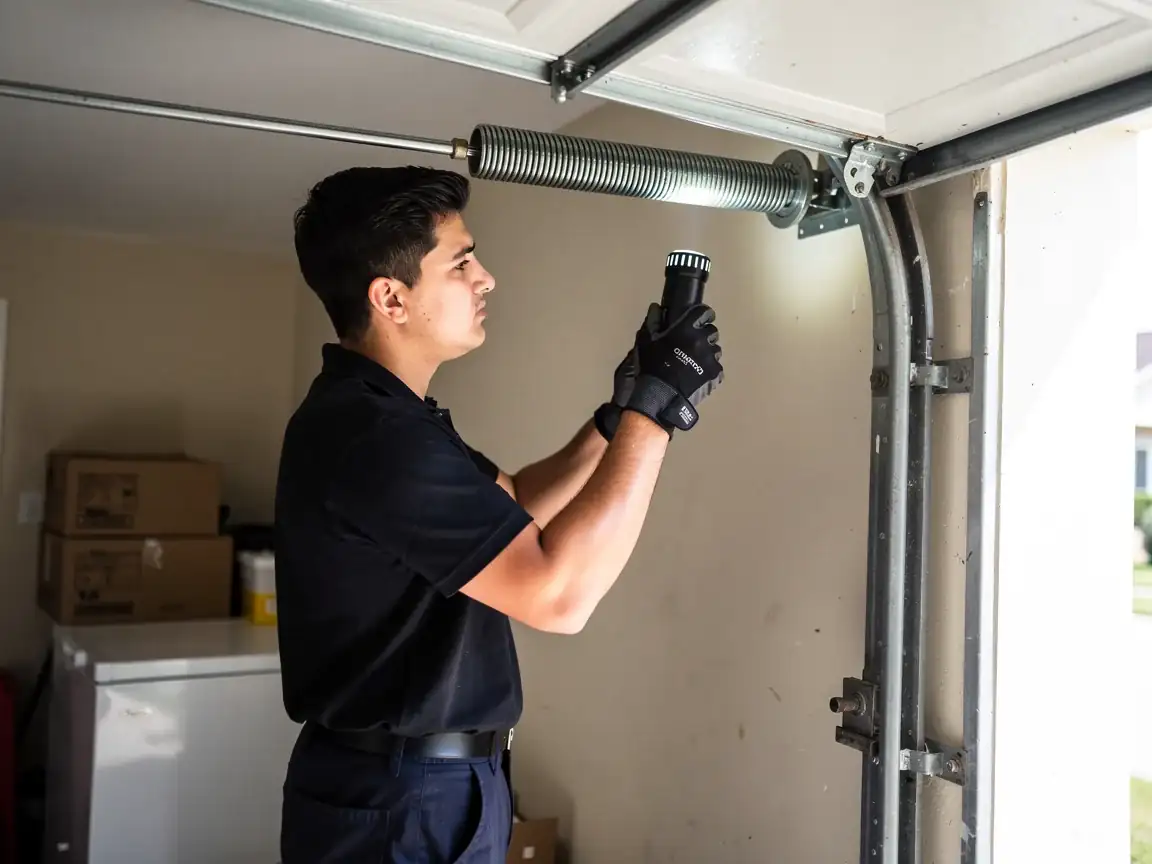
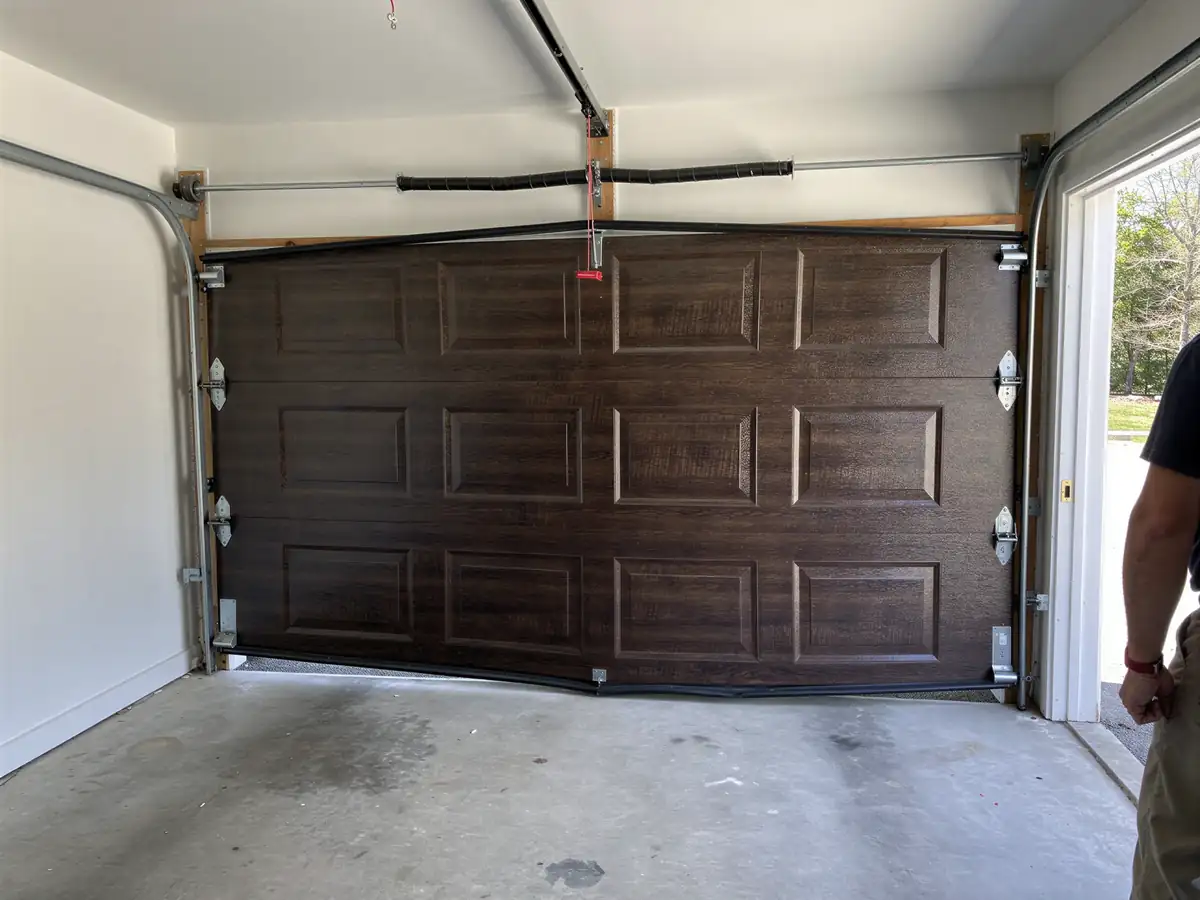
It's the door getting noisier, slower, and harder to trust. Springs rated for the original door weight start to fatigue around this age, so the opener strains and the door drops unevenly on one side. Tracks that were fine for twenty years start showing wear where rollers have worn a groove, and the door walks off-plumb when it opens.
- 30 years
In Auburn specifically
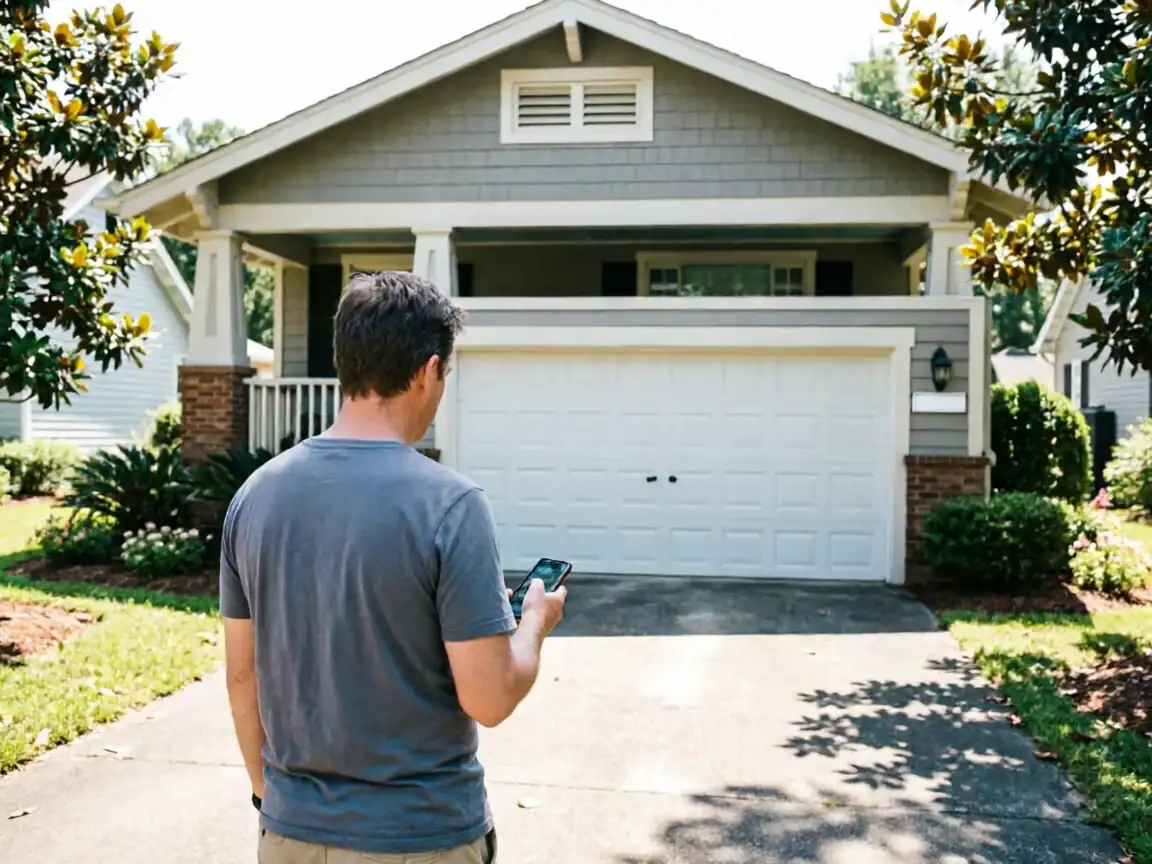
Because most houses share that same early-1990s build window, we see these symptoms cluster: several calls in the same season for doors of the same vintage hitting the same failure points. It's less about any one house having bad luck and more about a whole generation of garage doors reaching the end of their rated cycle count around the same calendar years. When a homeowner calls describing a door that's started sagging on the left and groaning on the way up, age is usually the first thing we ask about before anything else.
Doing It Yourself
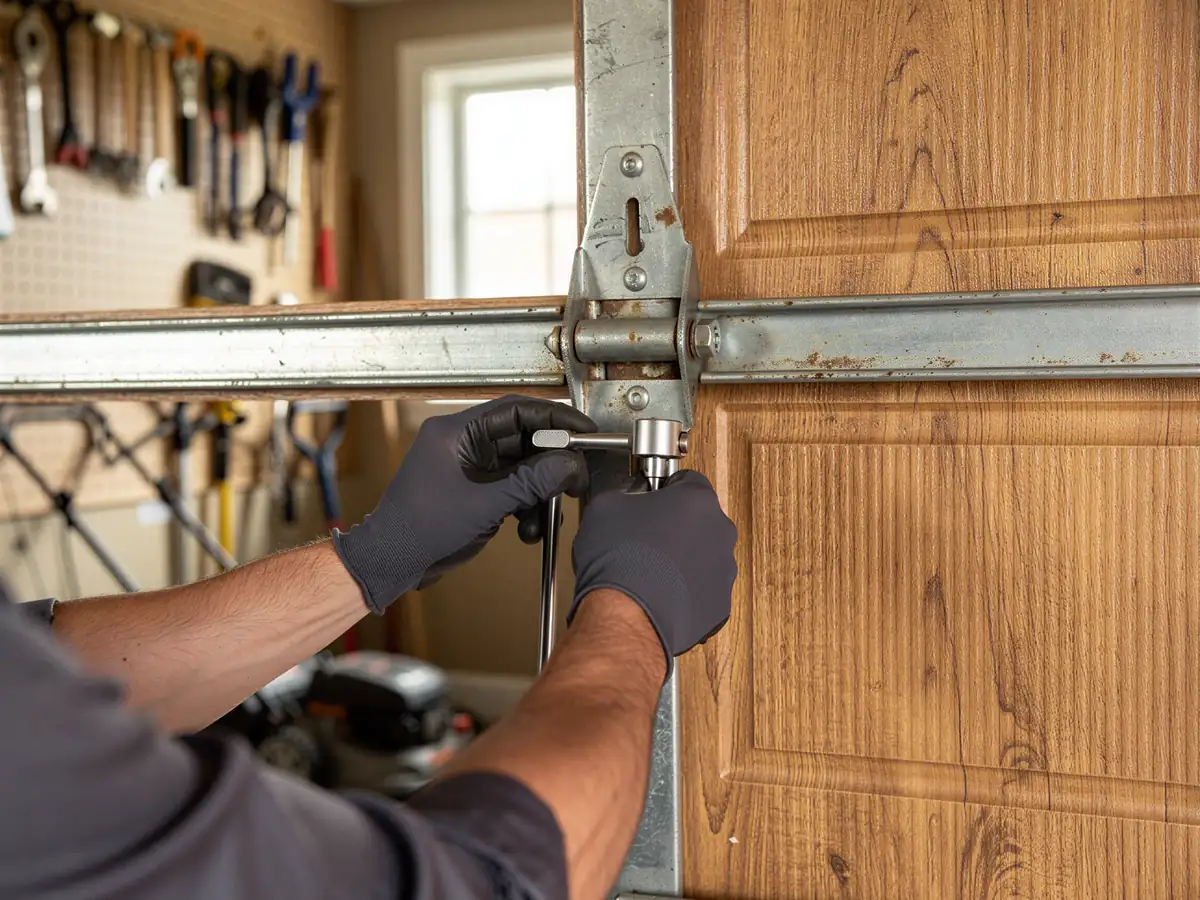
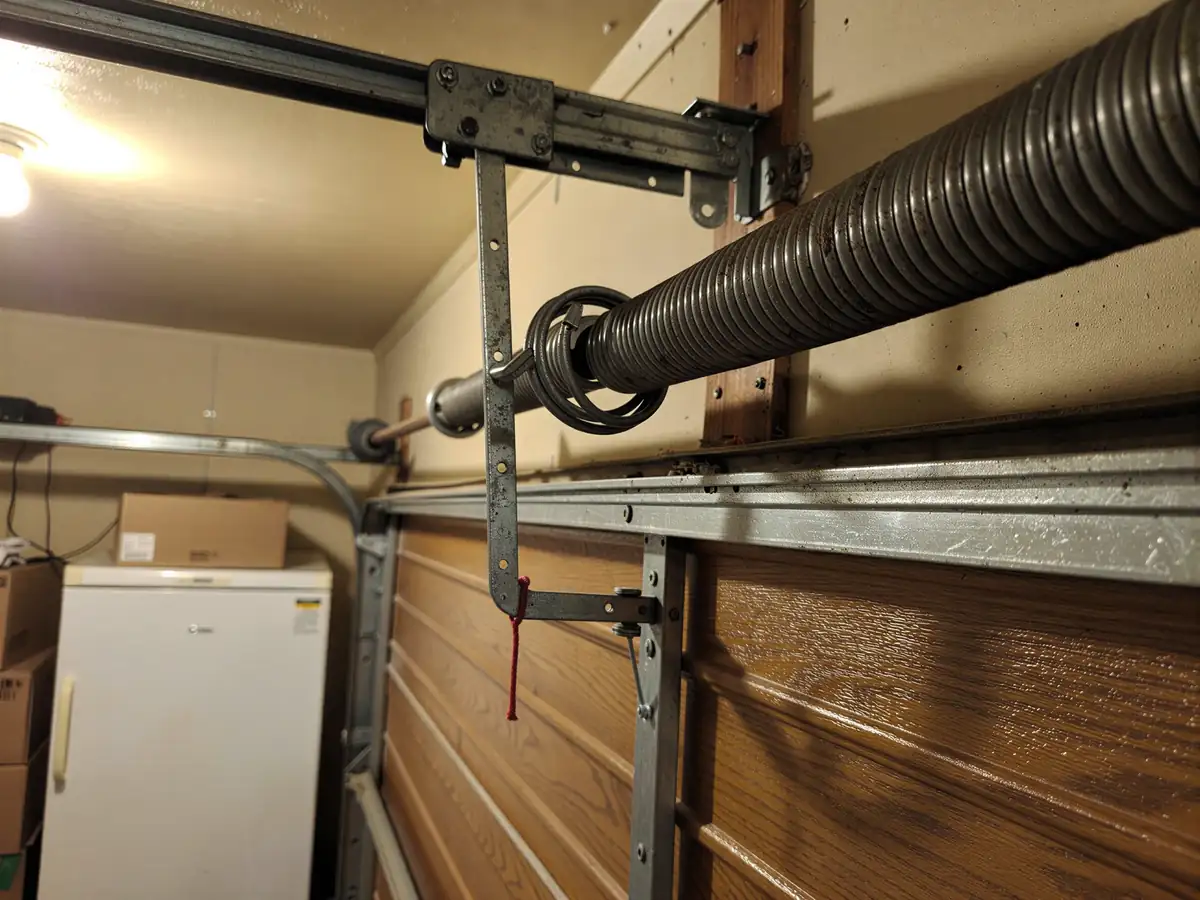
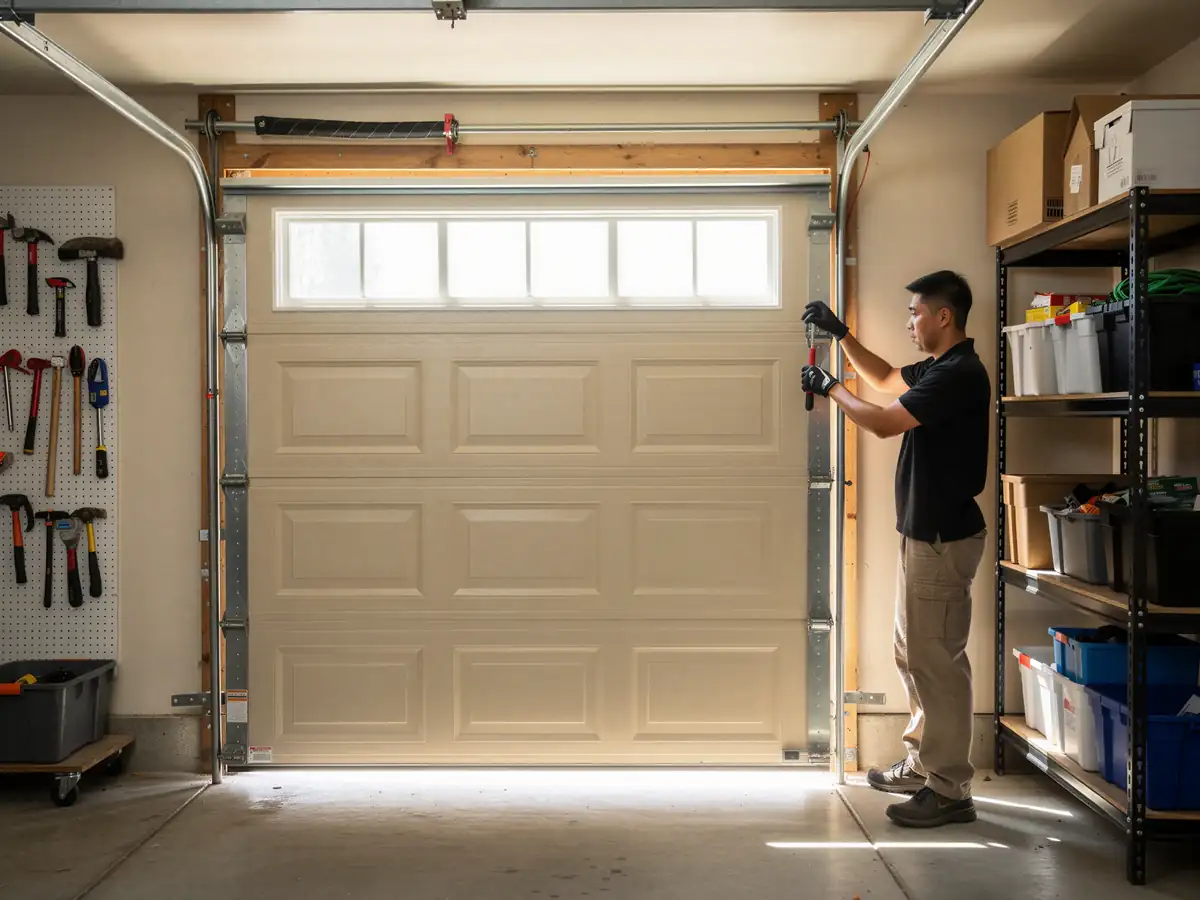
Measuring your own opening and ordering a door online is doable if you know the rough opening width and height and the headroom above the track. Where it gets dangerous fast is the spring. A torsion spring sized for a door built in the early '90s holds real tension, and winding or unwinding it without the right bars is how people end up in the ER, not just frustrated.
If you're comfortable with tools and want to swap rollers or weatherstripping yourself, that's low-risk work. Full door replacement - matching panel height to your opener's travel, setting new track plumb, balancing spring tension to the actual door weight - is where we'd tell you to call it in rather than guess. We won't pretend there's a shortcut on the spring step. There isn't one.
What the Repair Takes
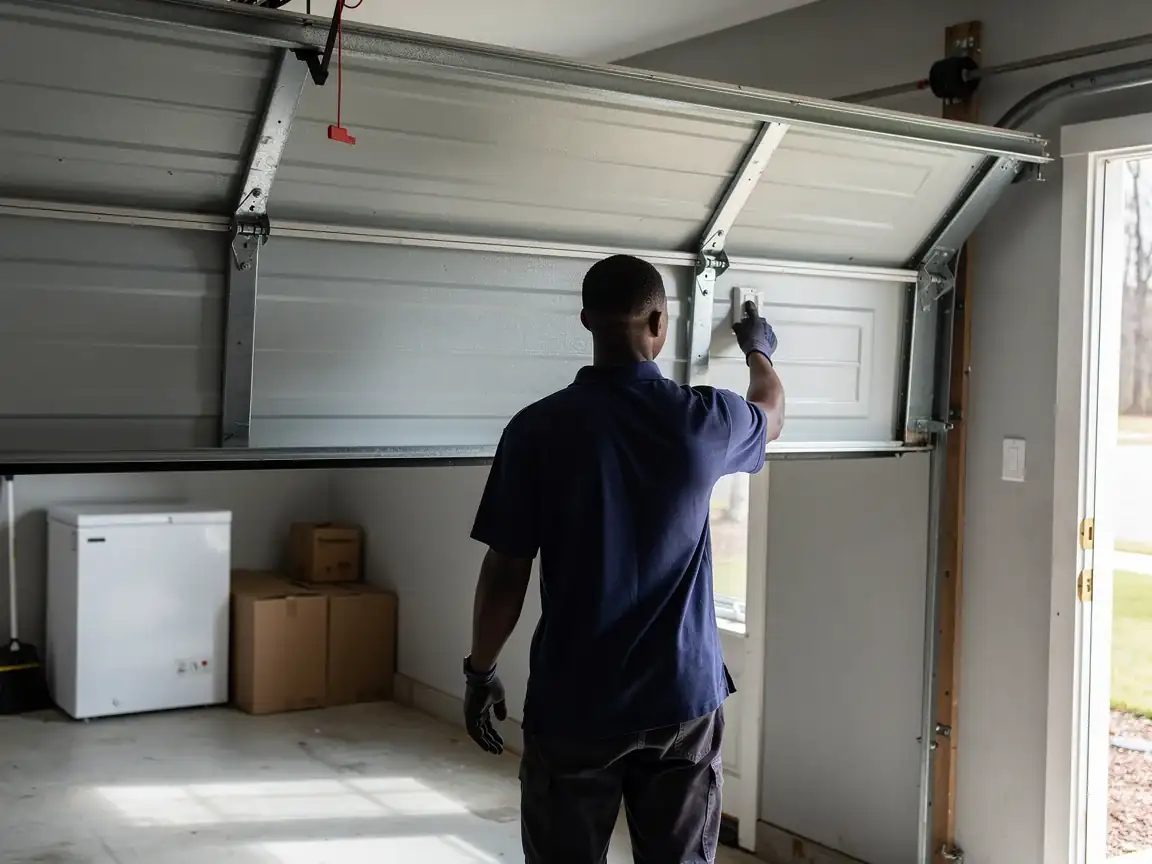
A straight swap - same size opening, new steel sectional door, standard torsion spring - is usually a one-day job once the door itself is on the truck. What stretches the timeline is anything outside standard stock: a nonstandard width, an insulated panel line that isn't the one we carry by default, or a color match that has to be special ordered. We'll tell you on the phone whether your opening is standard before we quote a date.
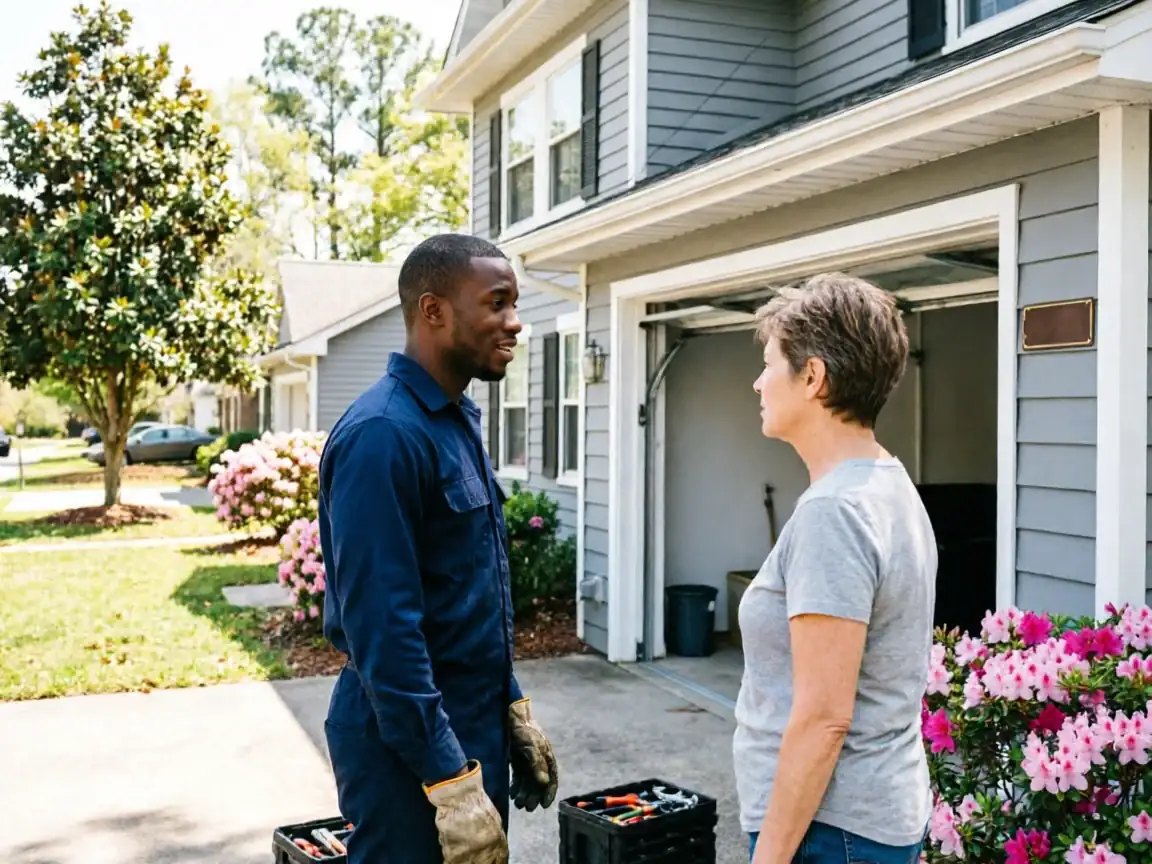
Because we run out of Snellville, Auburn is about 15 miles out, which we factor into scheduling rather than into the price of the door itself. Given the household count here, we don't keep Auburn-specific inventory separate from the main truck stock - what we carry for the wider area, sized for incomes and build eras averaging out around $78,317 and 1992 respectively here, is what shows up on your driveway. For more on what we handle day to day in town, see our Auburn garage door service page, or compare against the main Snellville installation page.