Why This Fails Locally
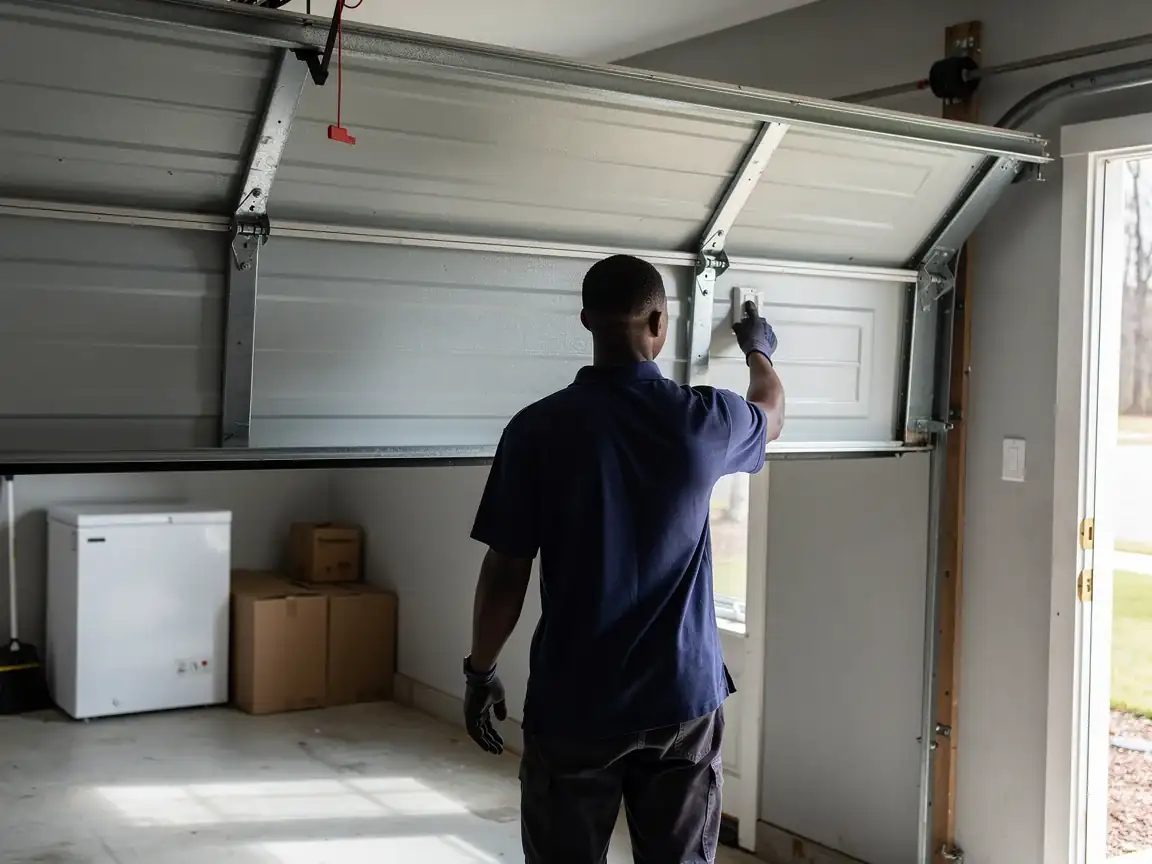
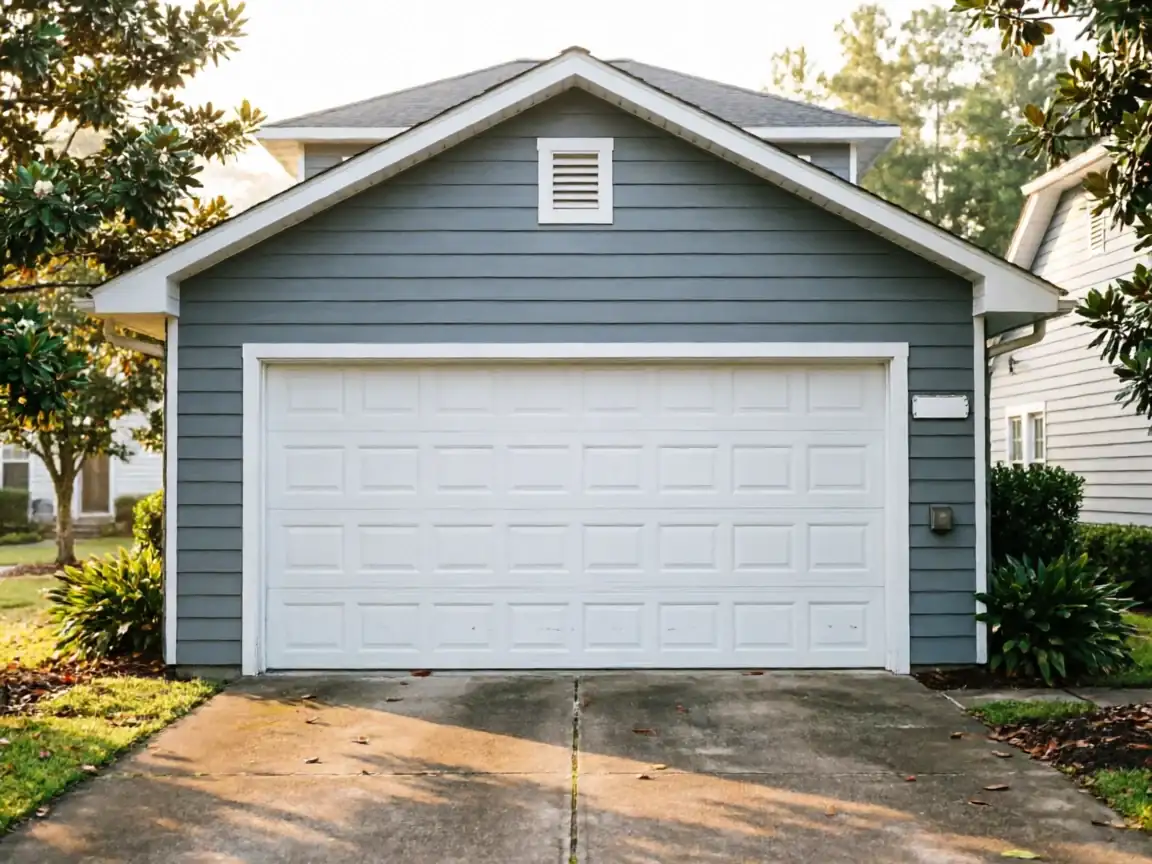
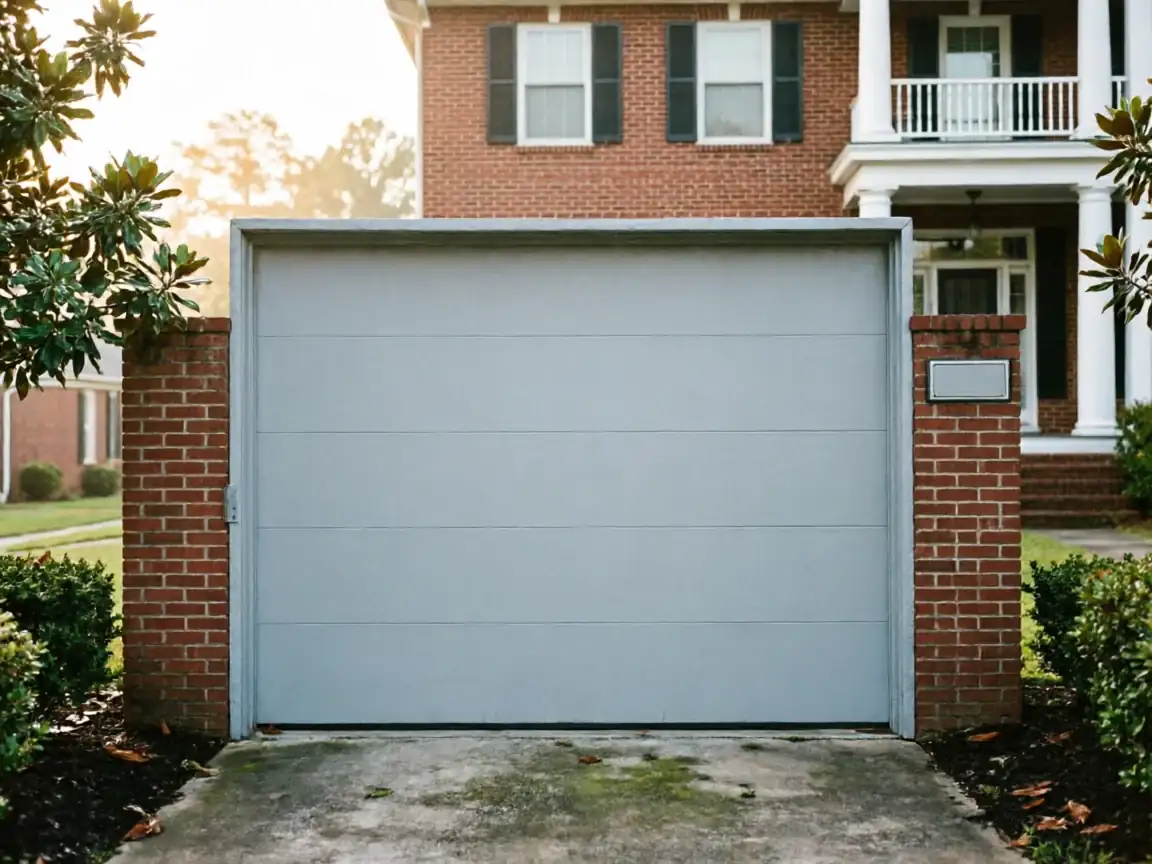
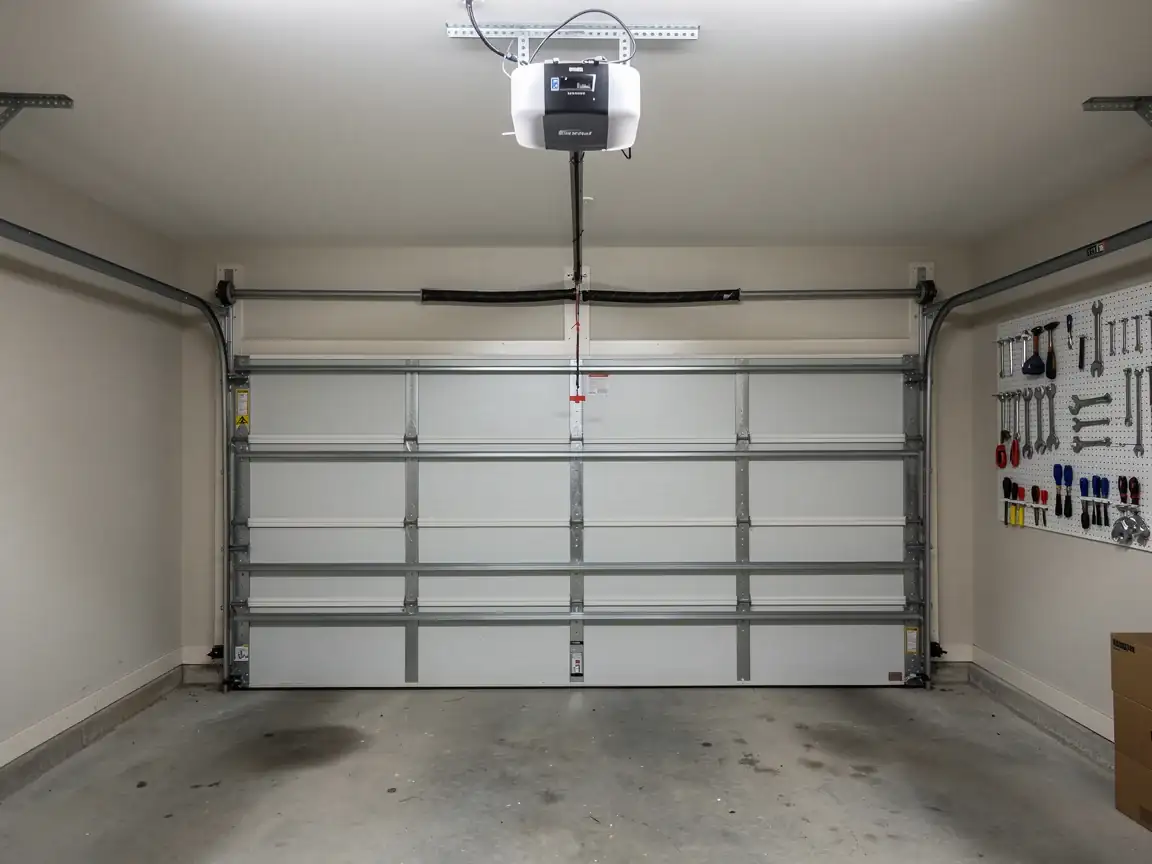
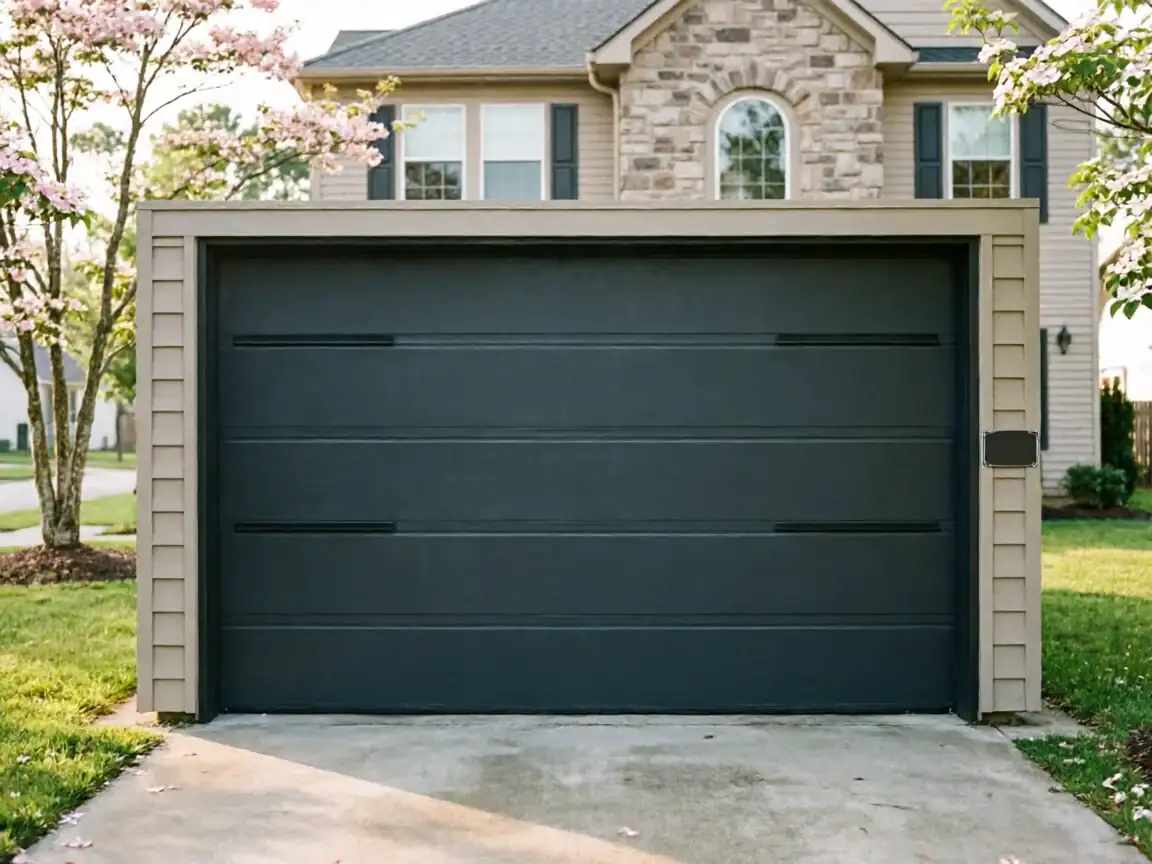
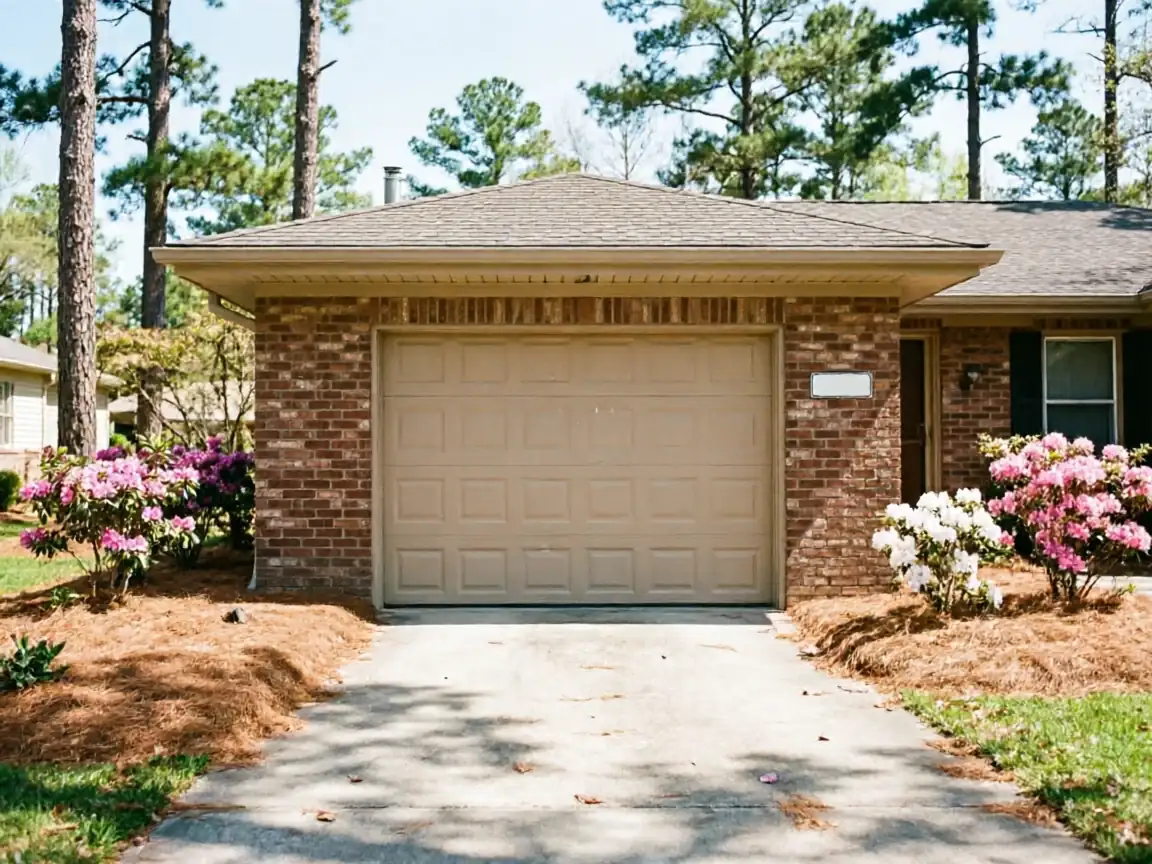
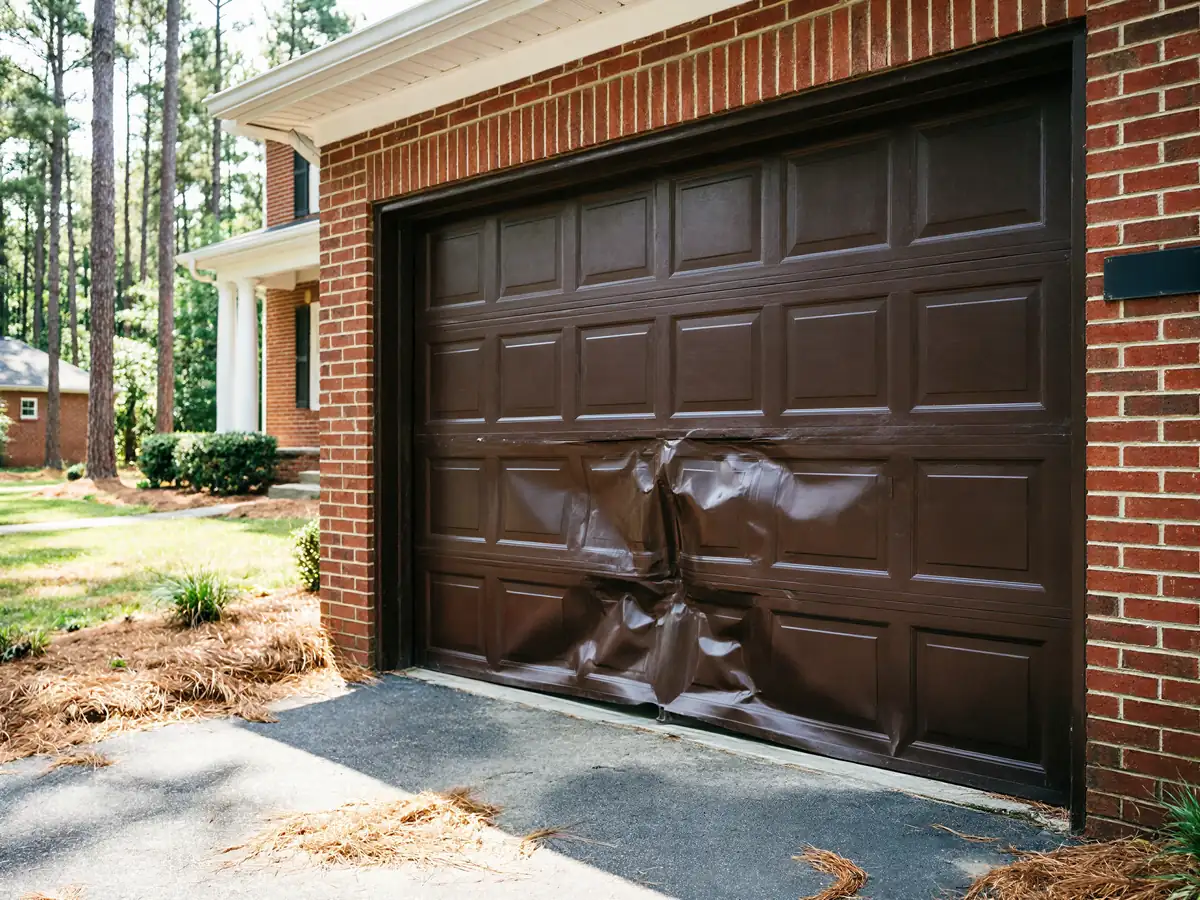
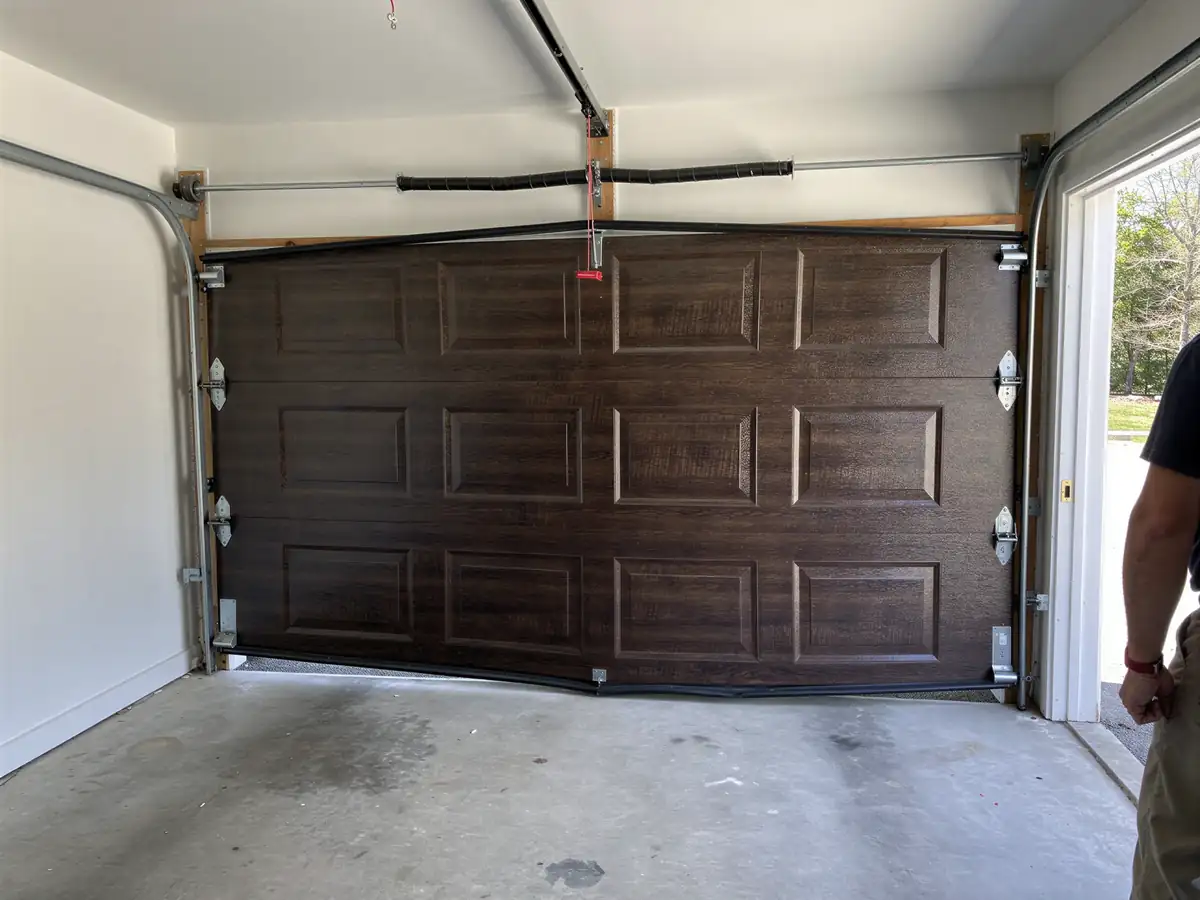
Auburn sits about 15 miles out from our Snellville shop, and the housing stock here skews newer than most of the areas we cover. Across the wider service area the median build year lands around 1978, with houses going back to 1951. Auburn's median is 1992 - a solid gap, and it matters for off-track doors. Houses built in the early '90s mostly came with galvanized roll-formed track and nylon rollers on steel hardware, not the heavier gauge steel track you see on 1960s and '70s builds elsewhere in the territory. That lighter track holds its shape fine under normal use, but it bends easier when a roller jumps the rail, and once it's bent, the door doesn't just come off track once - it comes off again at the same spot every time until the track gets replaced, not just re-seated. A door that's 20 years newer than its neighbors three towns over still gets the same cold-snap stress, but the failure point is different: track deformation rather than worn-out original hardware giving up.
Parts We Carry
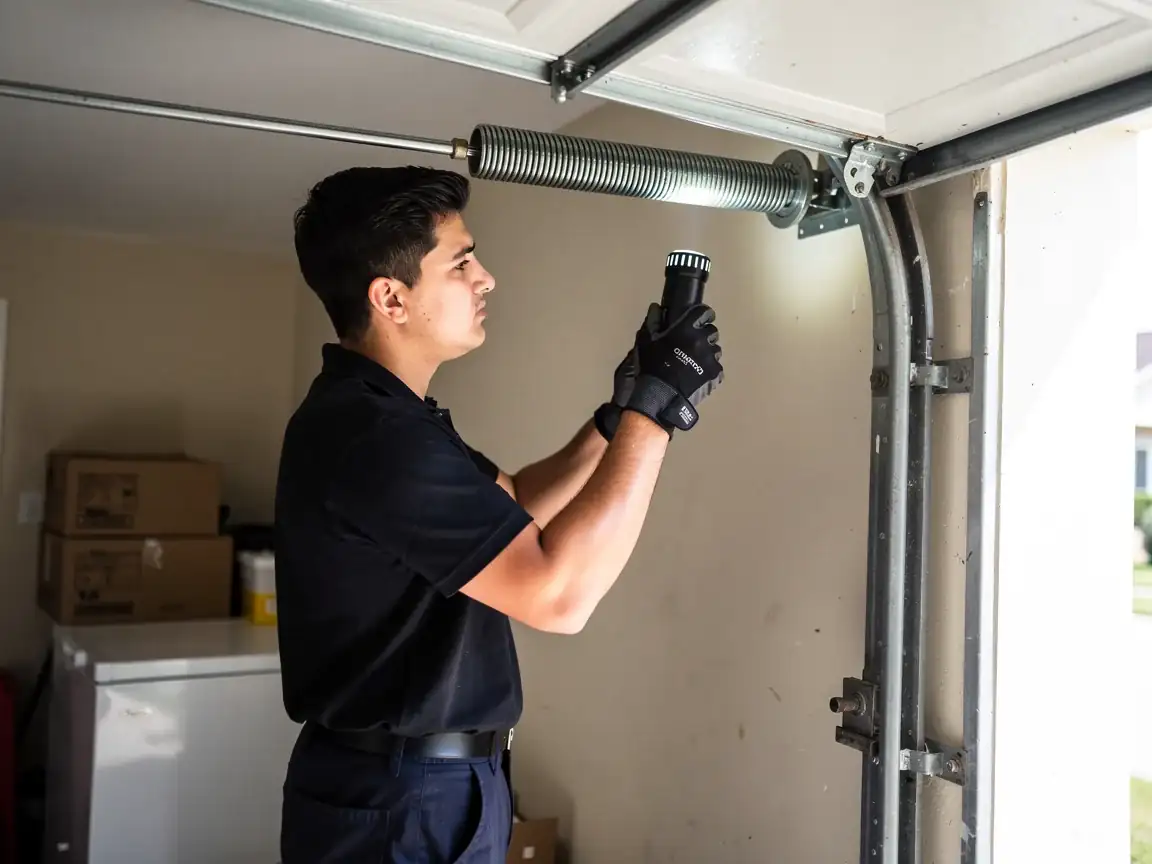
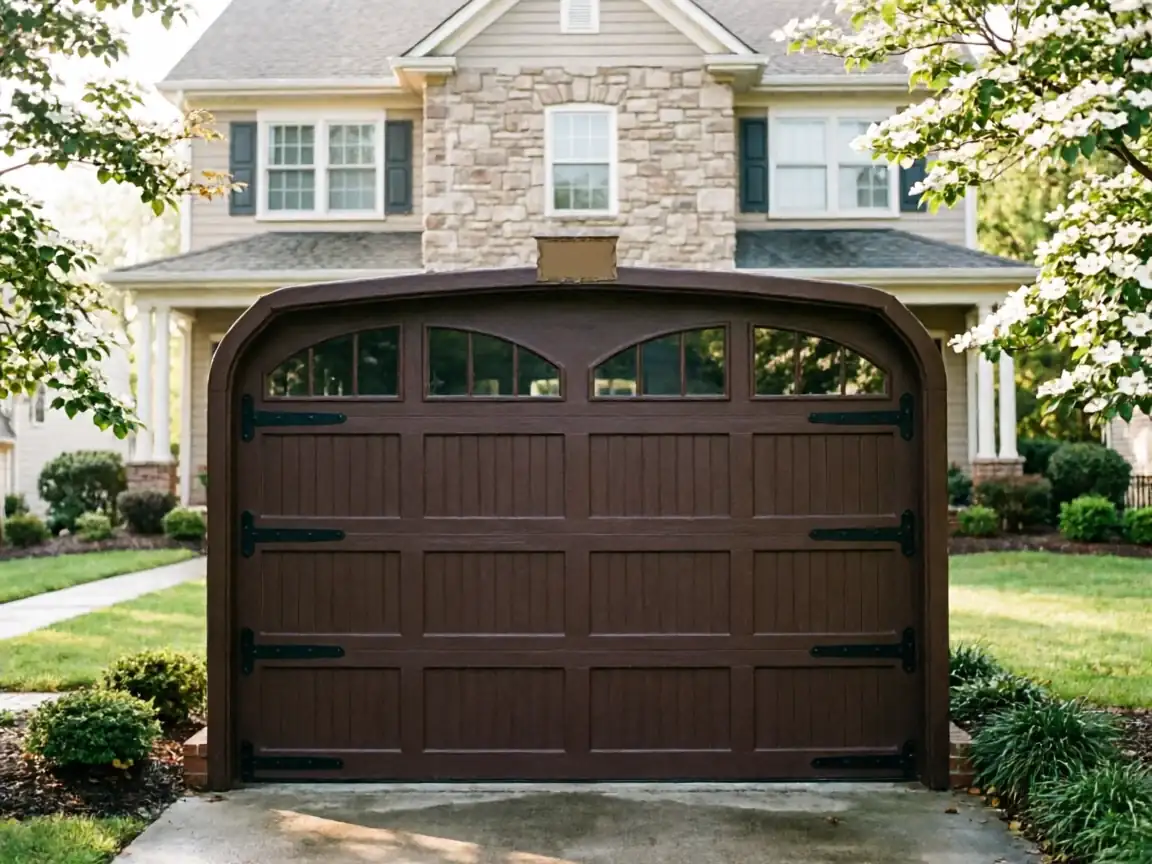
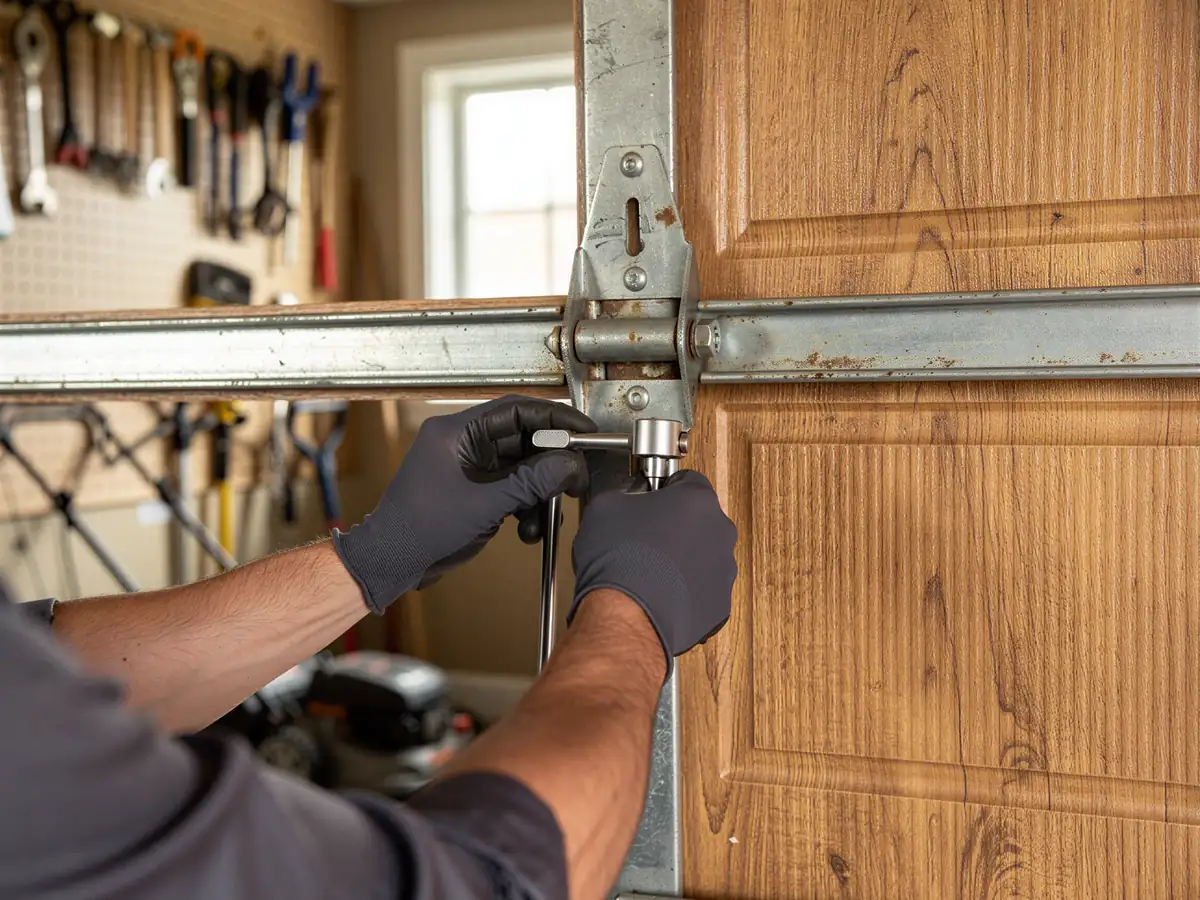
For Auburn's era of door we carry standard 2-inch roll-formed track sections, nylon rollers, and the lift cables and end bearing plates sized for early-90s steel sectional doors. These are common parts - we stock them because most of the houses out this way, and across the broader 22-area territory, use the same handful of track widths and roller types. What we don't keep on the truck is anything custom: wood doors, odd widths, or track cut to a non-standard radius. If a door here needs that, it's an order-in part and we'll tell you the lead time before we start, not after.
Doing It Yourself
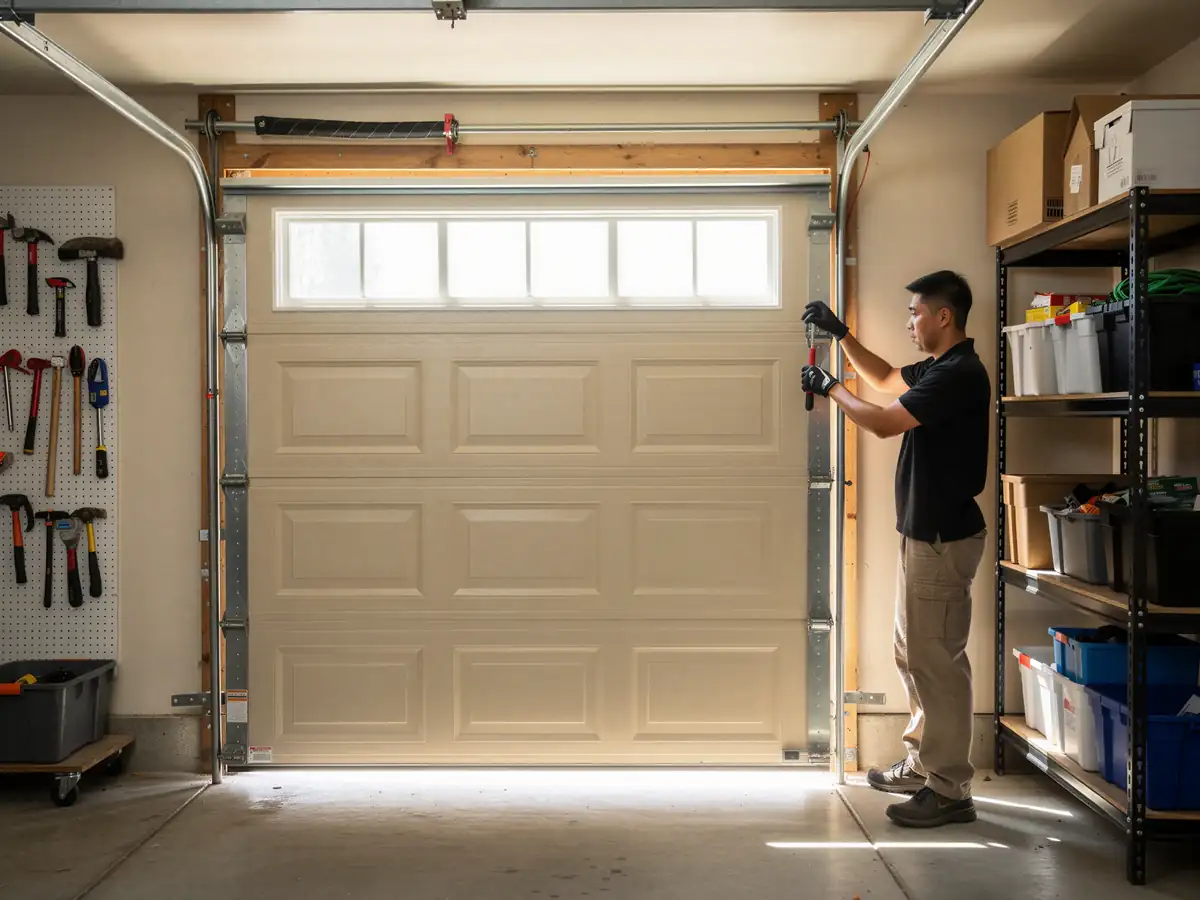
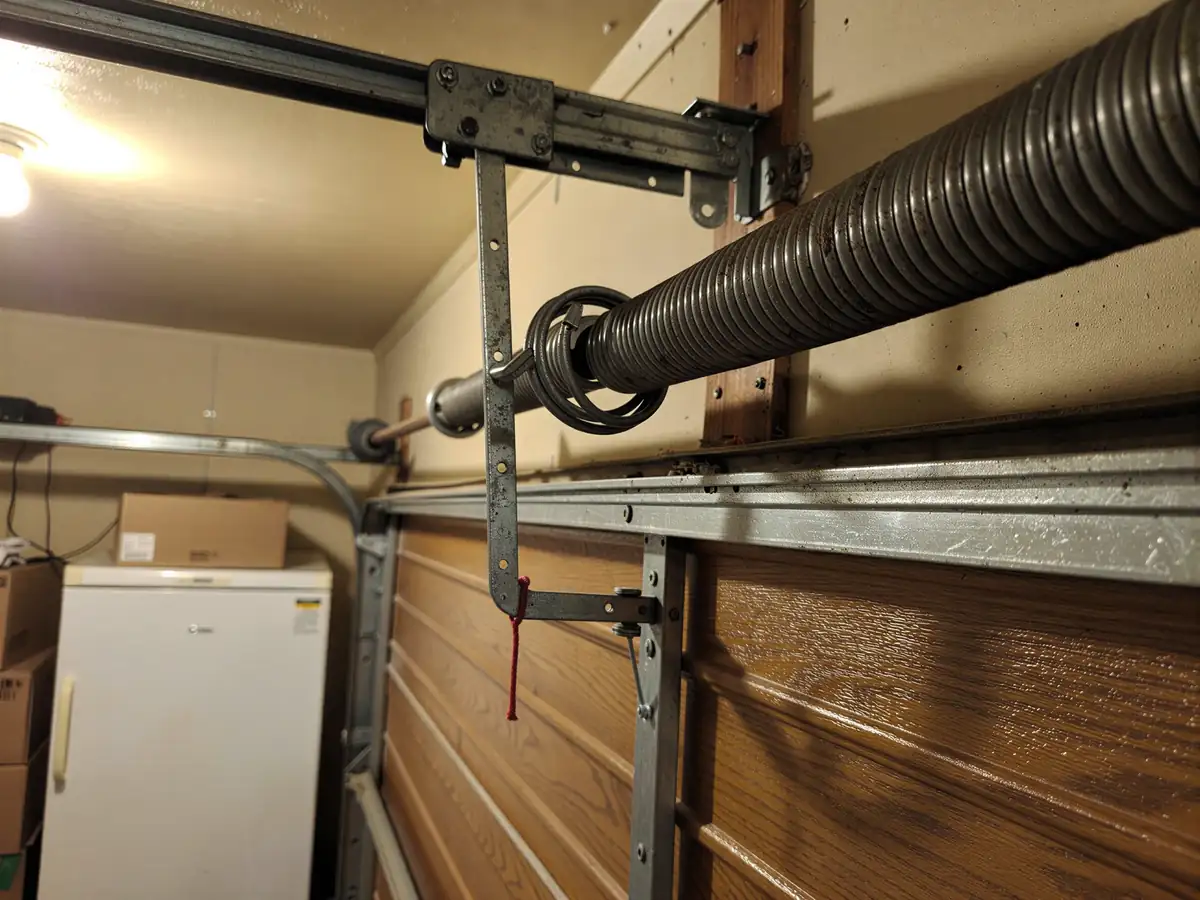
If the door is only a couple inches off at the bottom and the track above looks straight, you can sometimes walk it back onto the rail by hand with the opener disconnected - pull the release cord first, always. But if the track itself is bent, bowed, or pulled away from its mounting brackets, leave it. Forcing a door back onto bent track usually just rebends it the other way, and a spring under tension plus a door that's already partway off its rail is not a safe combination to be working alone. That's the honest limit here: this is a two-person, right-tools job past the point of a simple re-seat.
What the Repair Takes
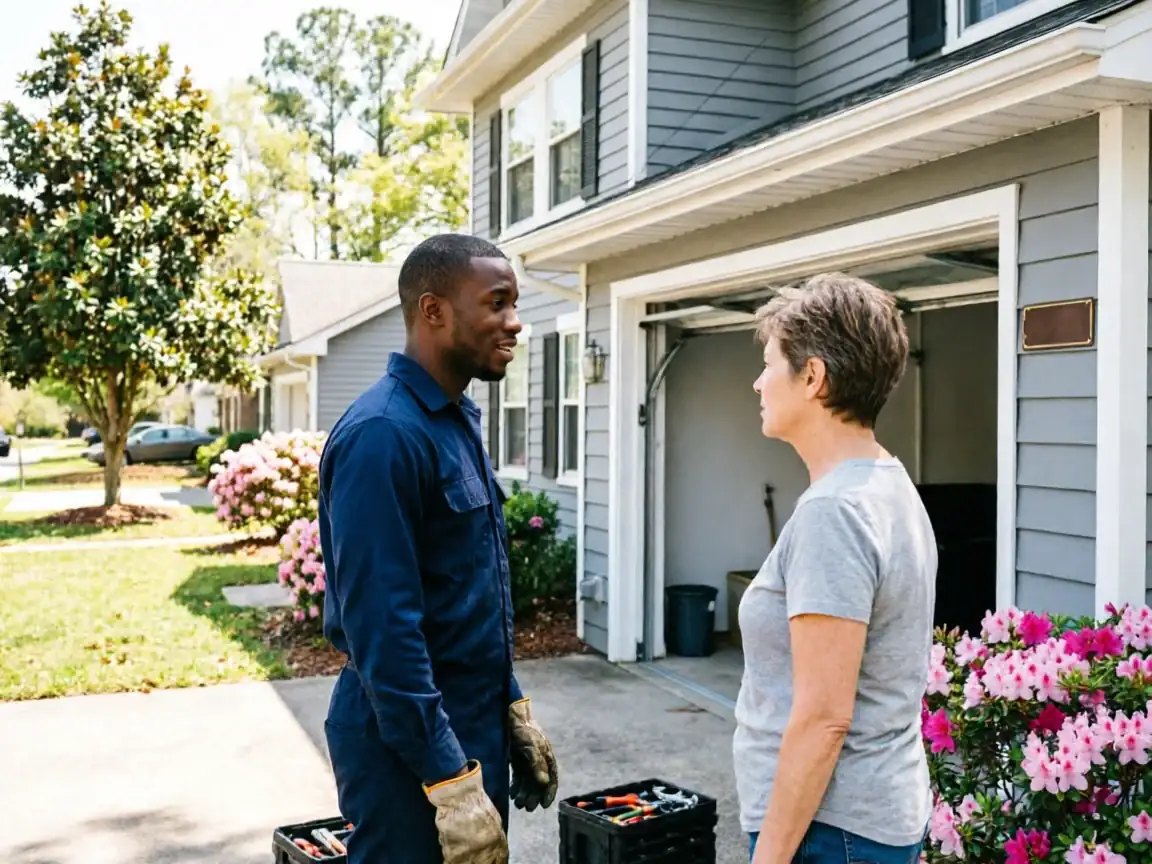
A straightforward re-seat with roller replacement is usually a short visit. A bent-track repair runs longer, since it means pulling the damaged section, checking the brackets for square, and resetting the whole run so the door tracks straight on both sides - not just where it failed. Because we're coming from Snellville, we schedule the Auburn trip in before we load the truck, so let us know on the call if the door is still partway open or stuck, since that changes what we bring.