Why This Fails Locally
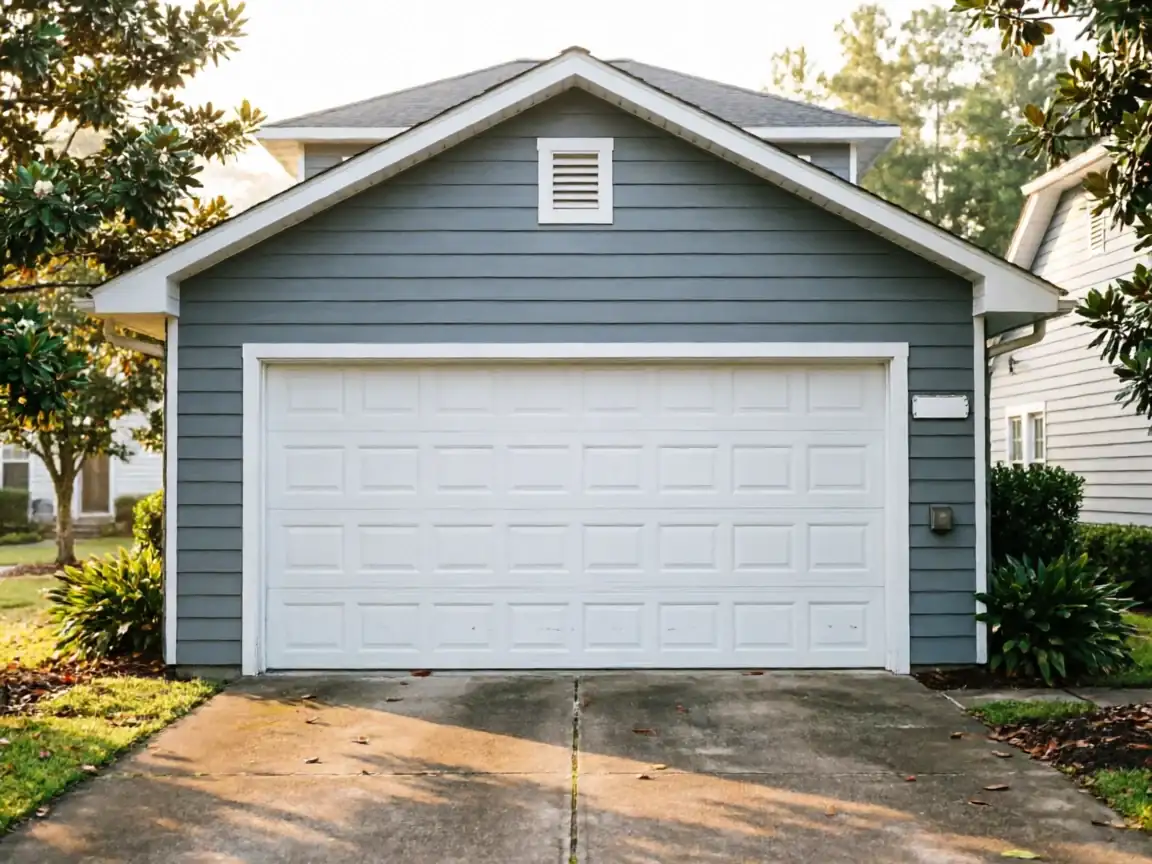
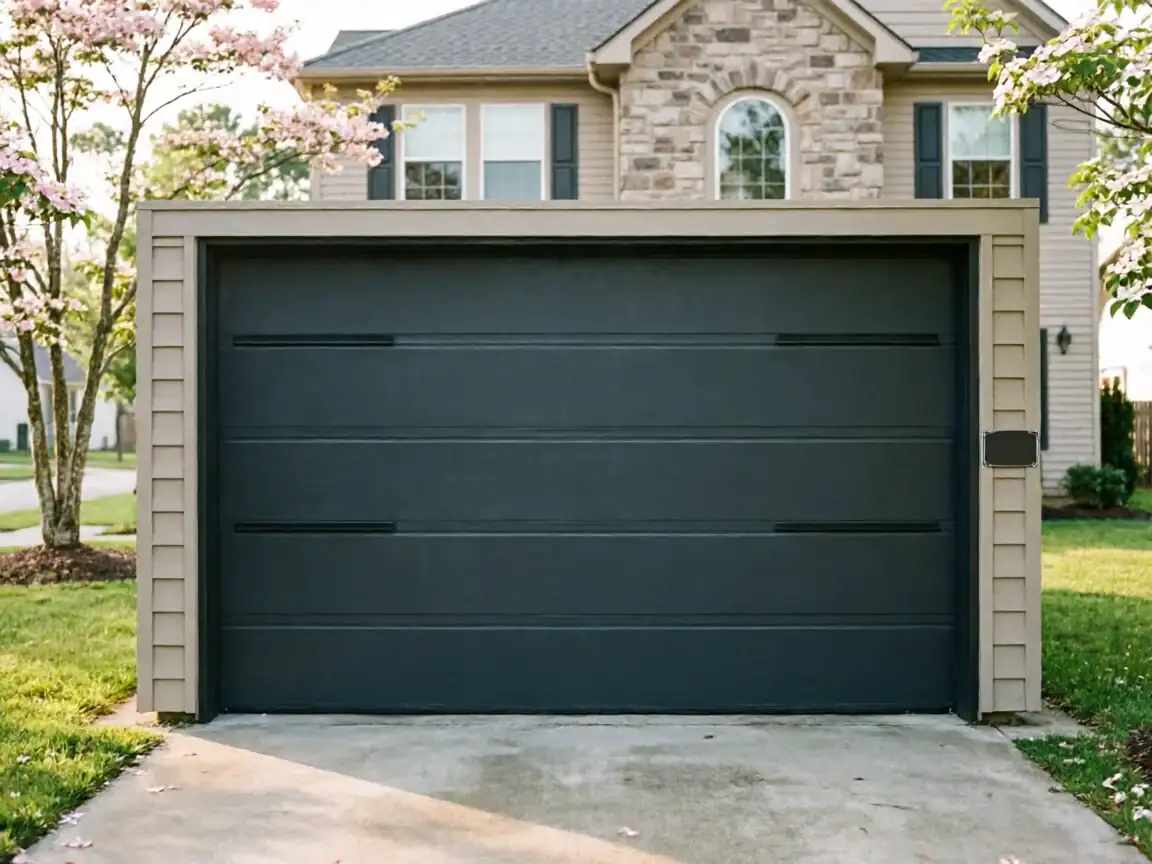
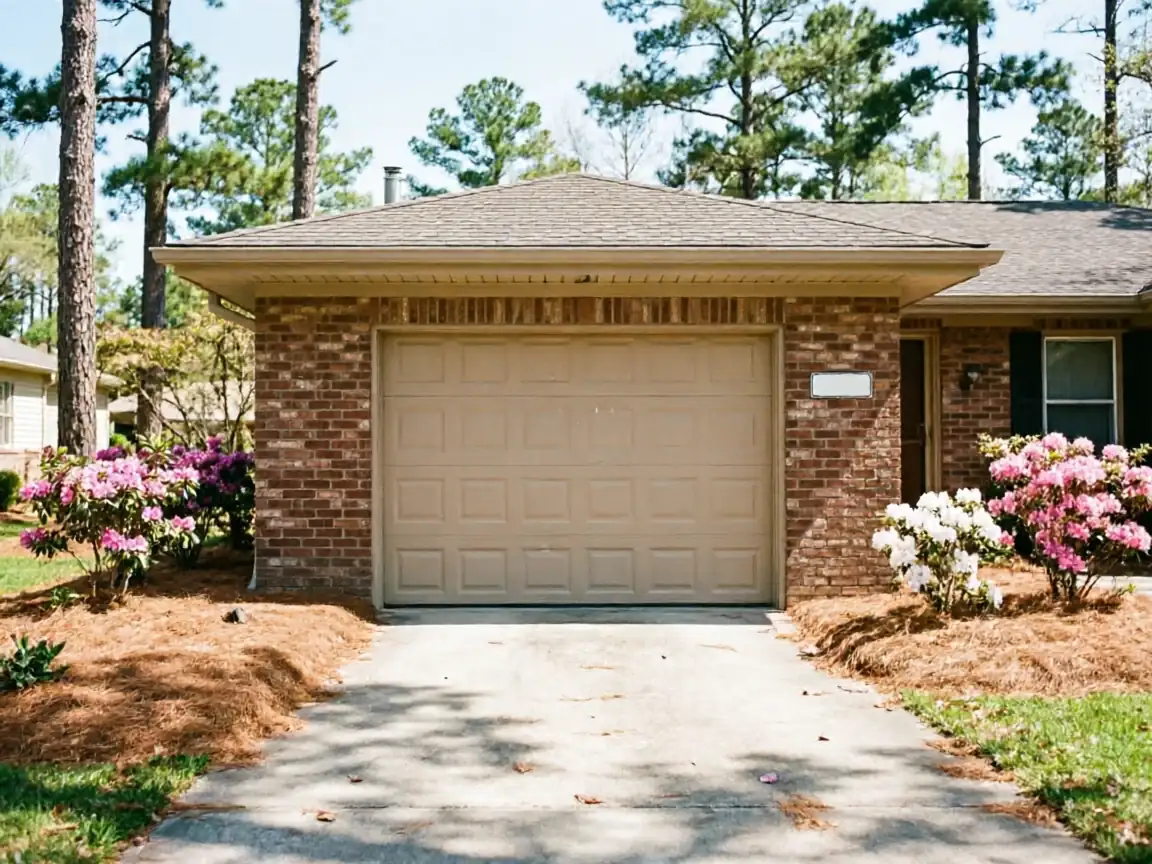
Auburn's median household income sits at $78,317, well above the $70,625 average across the rest of our service area, and that number matters more than it sounds like it should. At that income level, a $400-$700 spring or opener repair on a door that's 15-20 years old is almost always worth doing. The house isn't old enough for the door to be the weak link in the whole system the way it is on a 1960s build. Most of Auburn went up around 1992, decades newer than the 1960s-70s stock that makes up the bulk of the areas we cover from Snellville, 15 miles away. That gap matters: a door installed in the 90s is still on parts that are in current production, not hardware a supply house stopped stocking twenty years ago. The failures we see out here tend to be wear and tear on a door that still has life left in it - not a door that's fighting its own frame. That's good news for the repair-vs-replace call, but it doesn't mean nothing breaks. Openers from that era are aging out, torsion springs rated for 10,000 cycles have usually hit that number by now, and a lot of these garages were built with a single 7-foot opening that leaves less margin for a sagging track than wider modern bays.
Parts We Carry
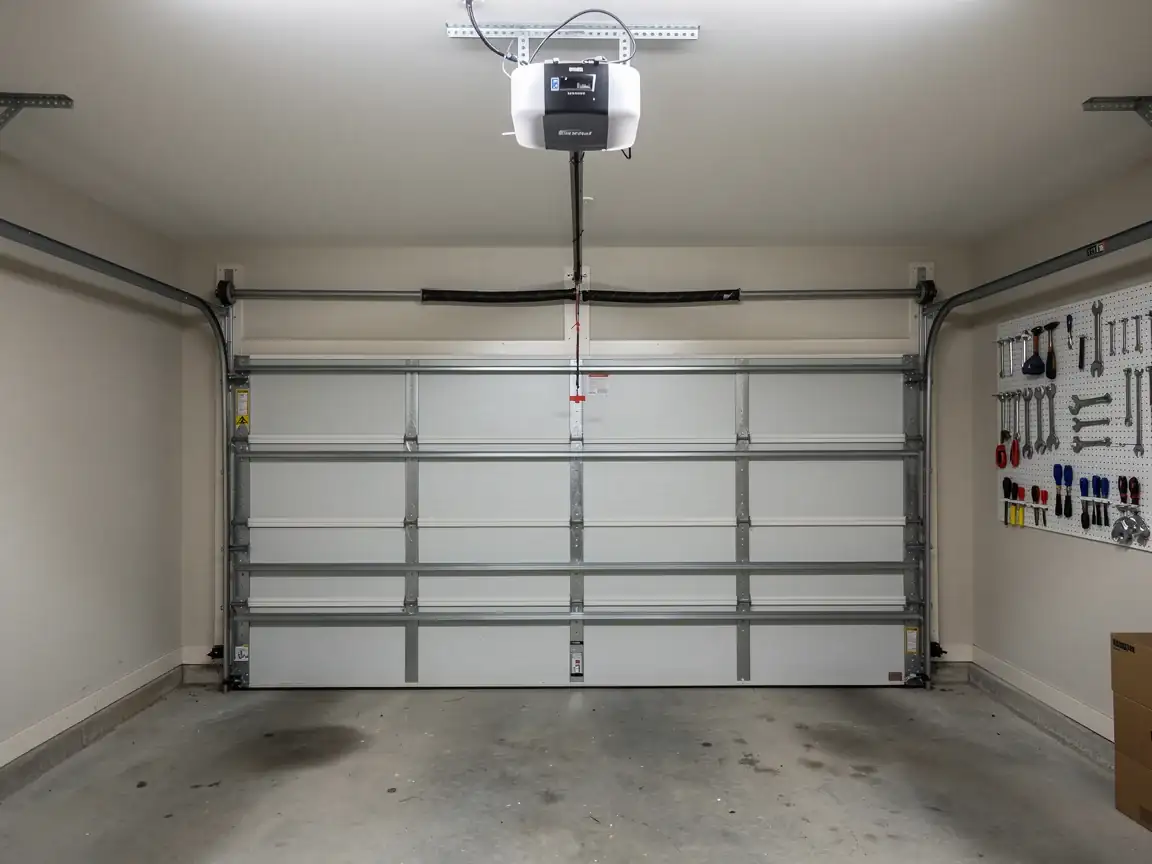
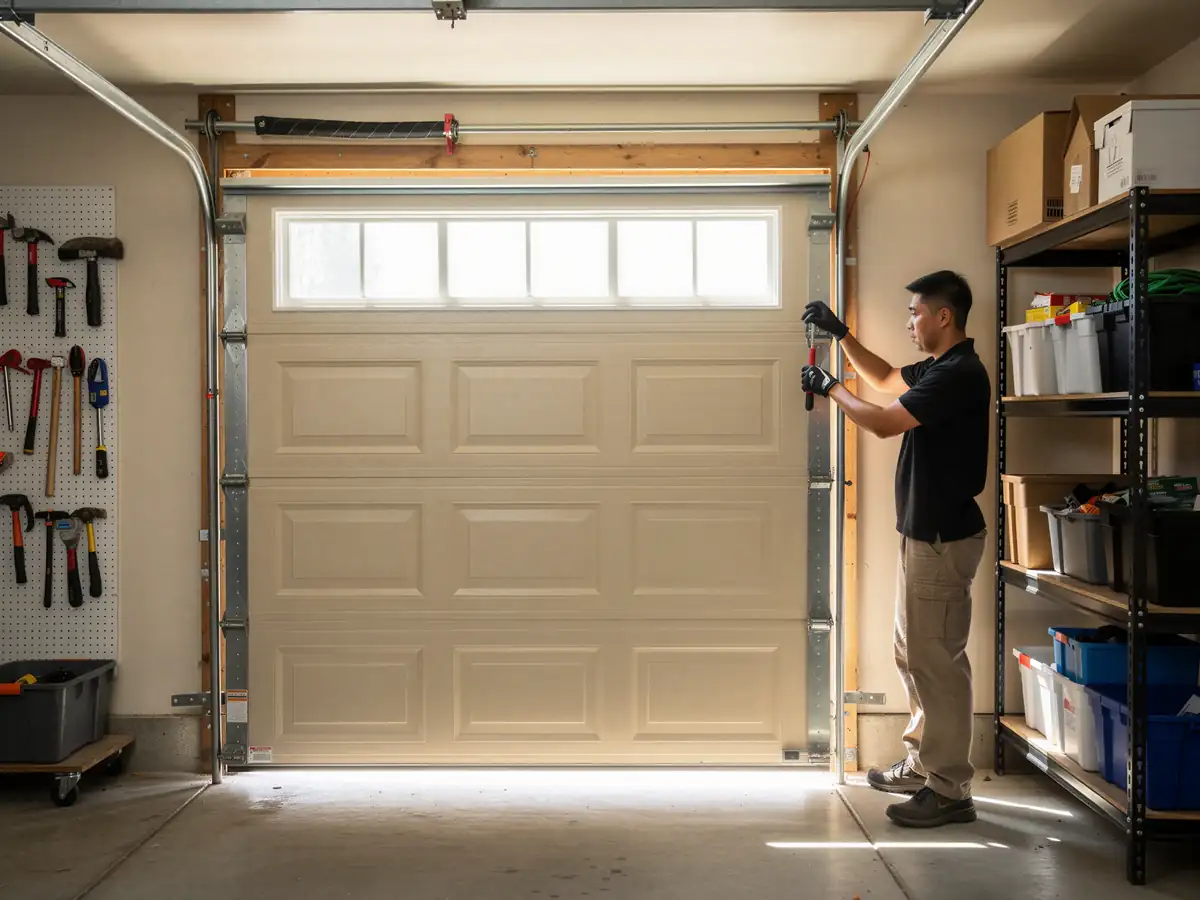
Because Auburn's housing dates mostly to the 1990s and 2000s, the parts call here is simpler than on the older stock closer to Snellville. We carry standard torsion springs sized for residential sectional doors, ball-bearing rollers, galvanized lift cables, and the common opener drive gears and belts that fail on openers from that build era. We also stock the center and end bearing plates that wear out on doors that have run 20-plus years of daily cycles without ever being serviced. What we don't keep on the truck is anything custom-sized for an older one-piece or odd-track door - those jobs, when we hit them, take an order. On a 1990s-build door that's rare; it's far more common on the older pockets of our territory. For Auburn, the parts that move are the ones that wear out from use, not the ones that are obsolete by design.
Doing It Yourself
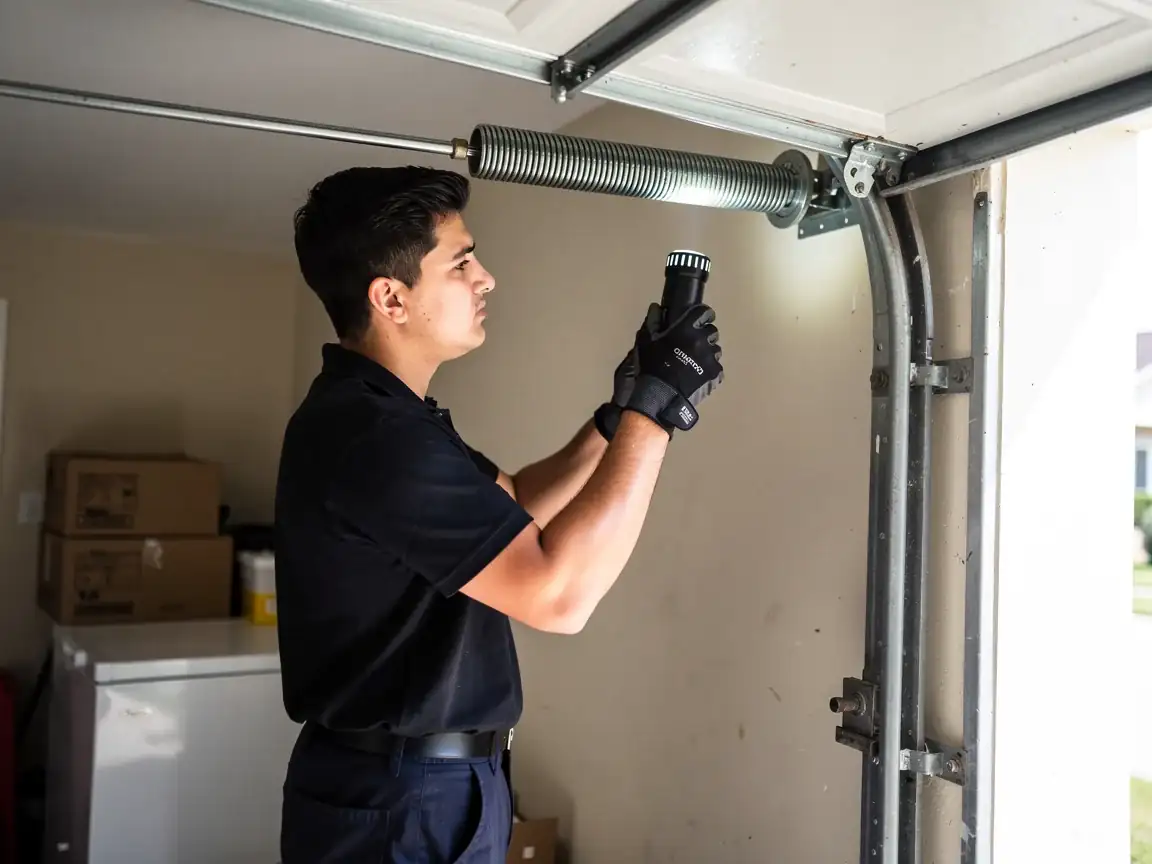
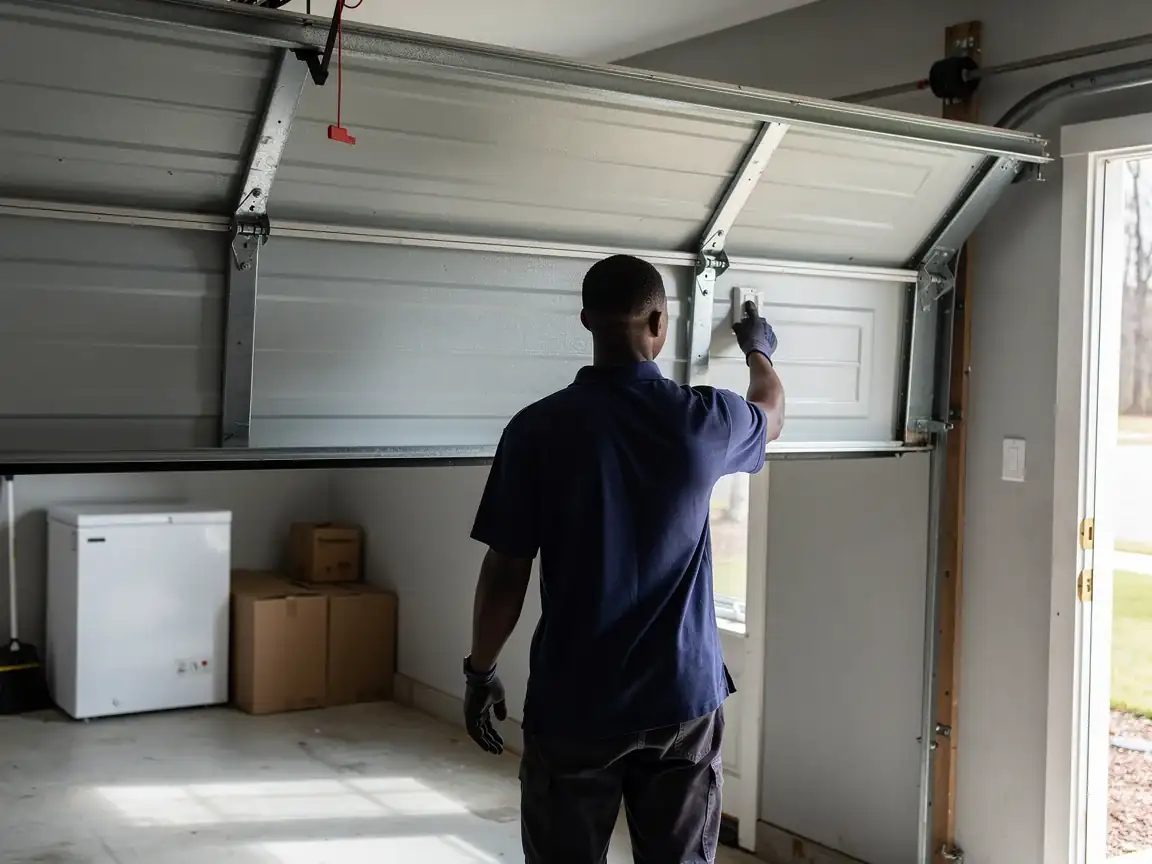
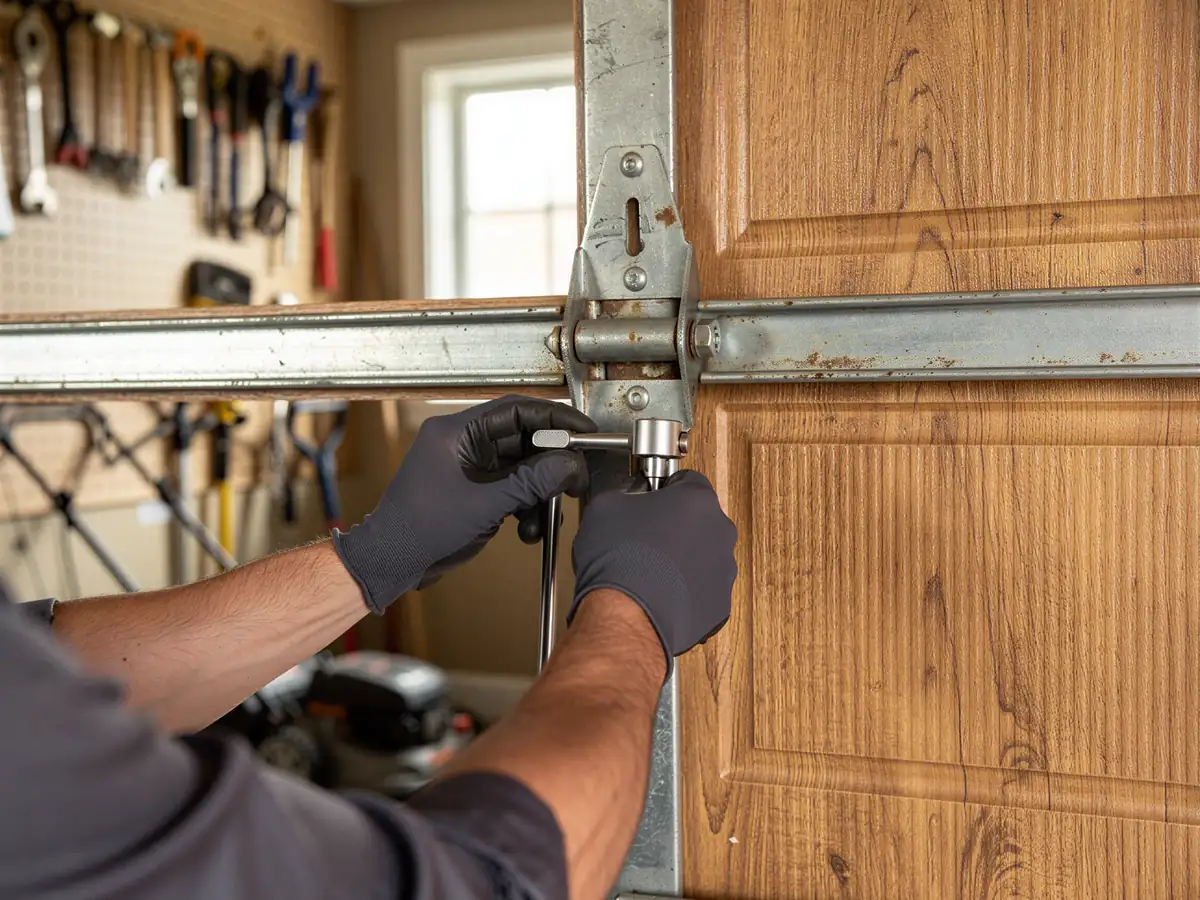
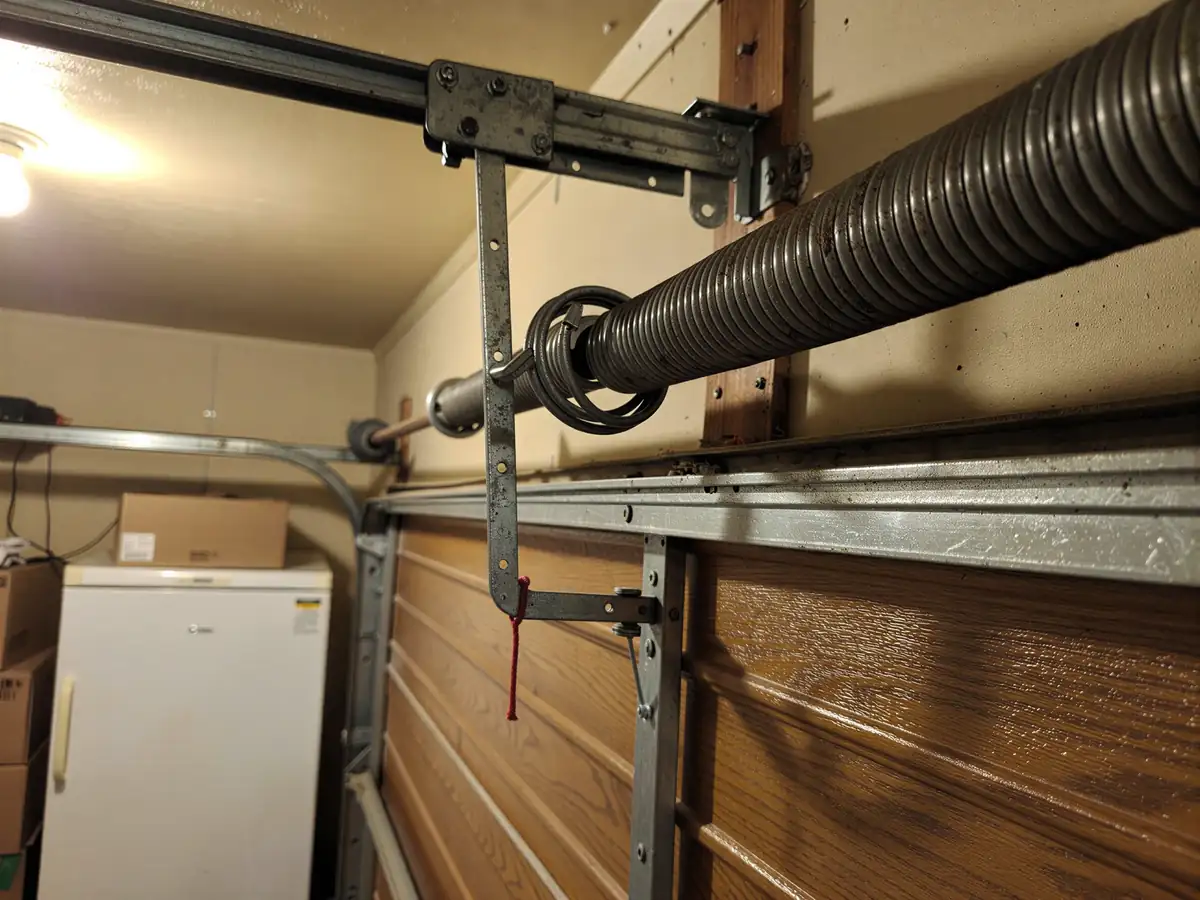
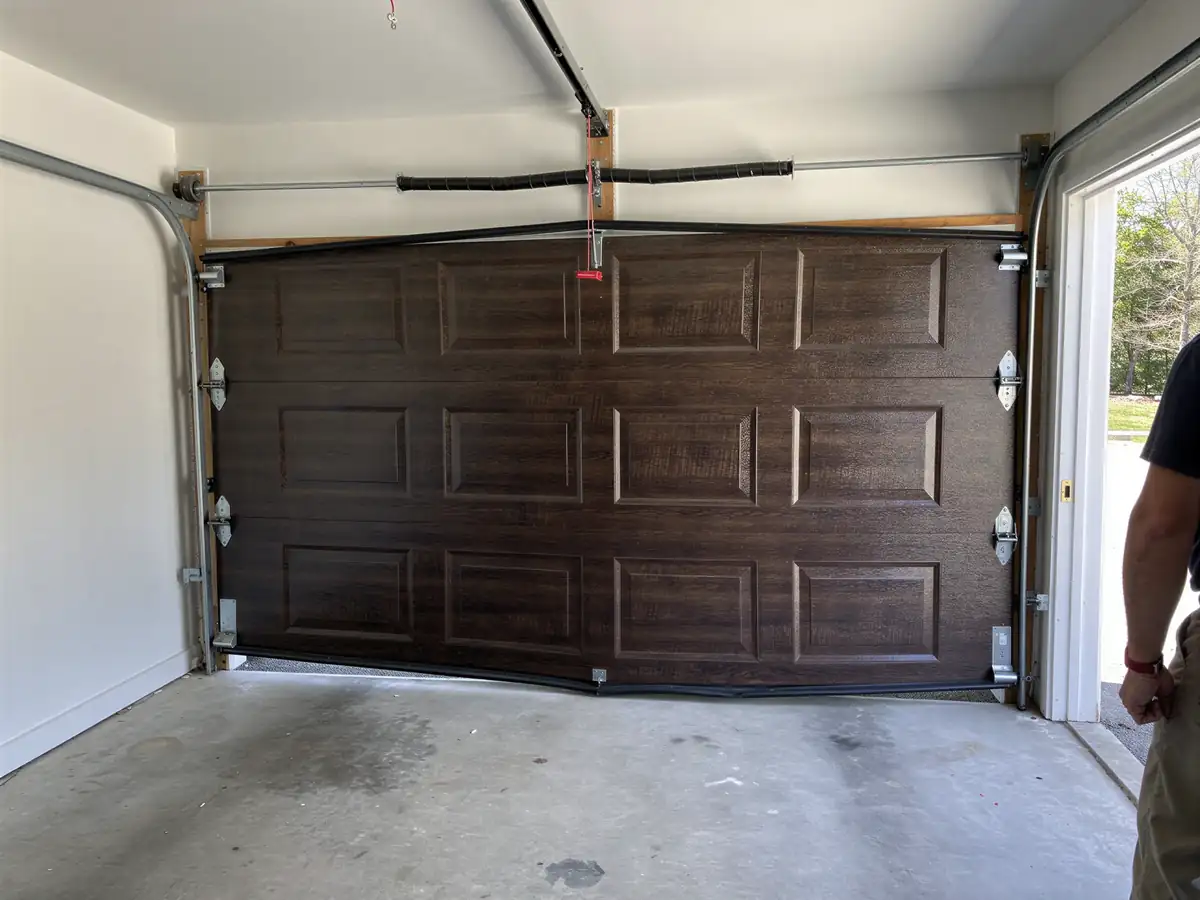
A loose bolt on a track bracket, a roller that needs grease, a sensor that's gotten knocked out of alignment - those are fair to handle yourself, and on a 1990s-era door they're the most common small fixes. What isn't worth doing yourself: anything involving the torsion spring. It's under enough tension to break a bone or worse, and on a door this age the spring has usually never been replaced, which means it's closer to failure than it looks. If the door won't move at all, or moves and drops suddenly, stop and call - don't keep hitting the opener button hoping it clears itself, because that's how a cable finishes snapping instead of just fraying.
What the Repair Takes
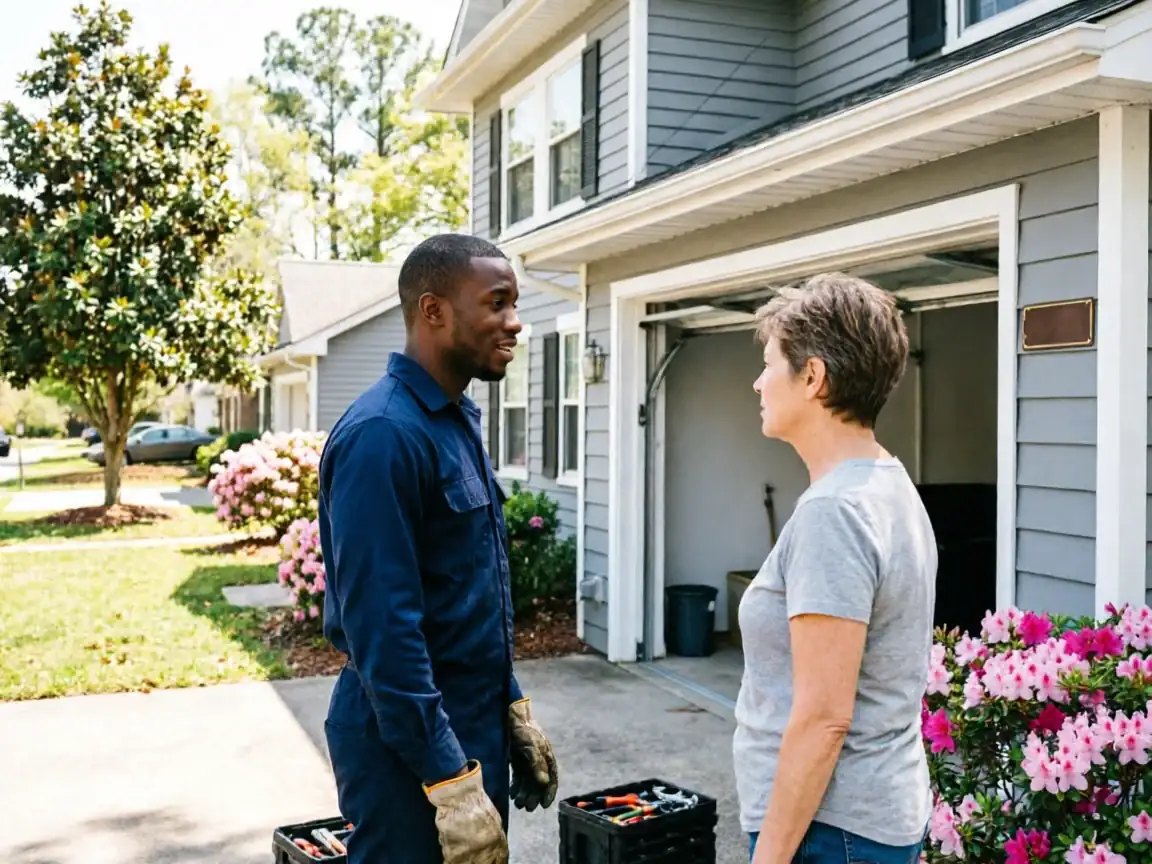
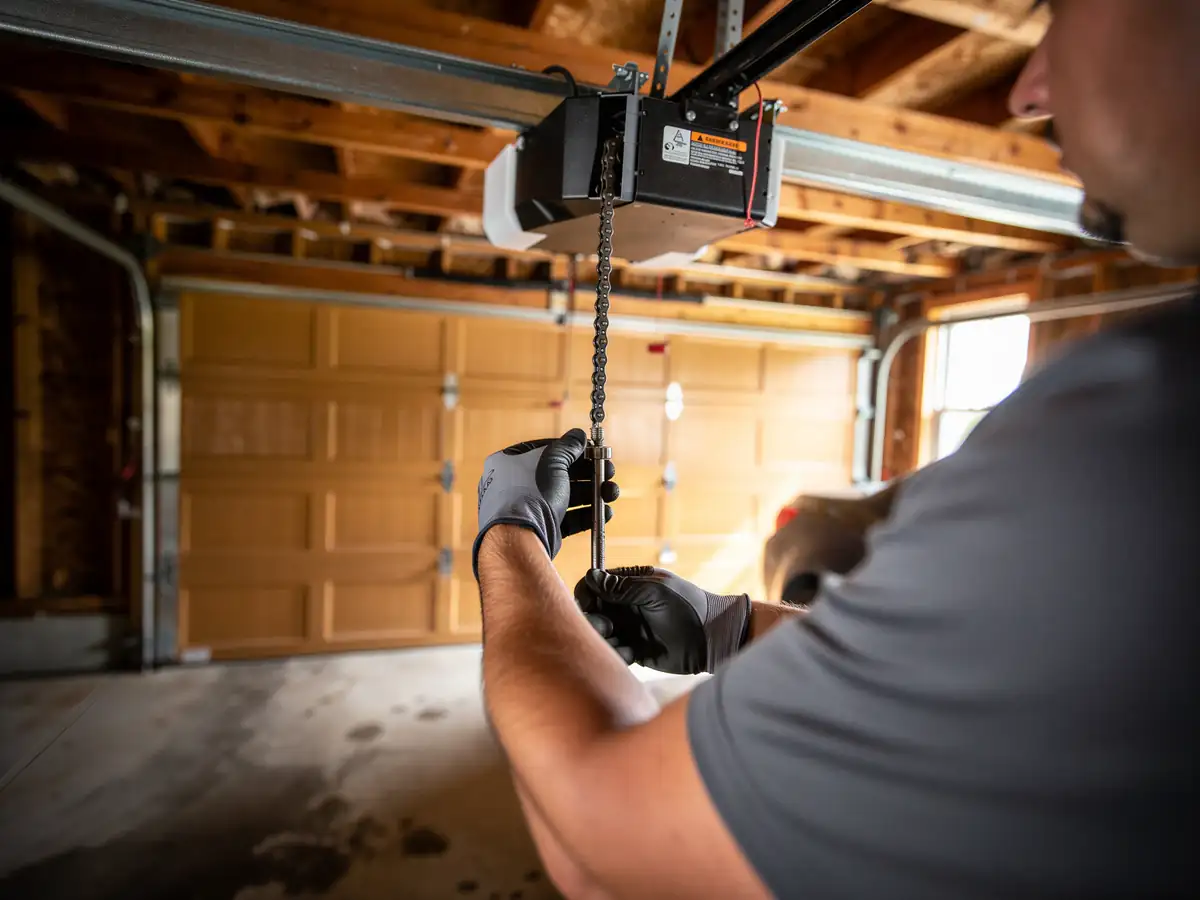
Most Auburn calls are straightforward: a spring swap, a cable replacement, or an opener repair on hardware that's still a known, current part. We don't carry a local stock point in Auburn itself - we run the 15 miles from Snellville, so the parts we bring are what's on the truck, sized for standard residential doors common to builds from the 90s onward. If a job turns out to need something outside that - an odd-width door or a discontinued opener board - that's an order-in part and a second trip, which is the one limitation worth saying plainly up front. For the typical Auburn repair, though, the door's age works in the homeowner's favor: parts exist, the frame is square, and the fix tends to be the repair itself, not a fight with a house that's fighting back.