Why This Fails Locally
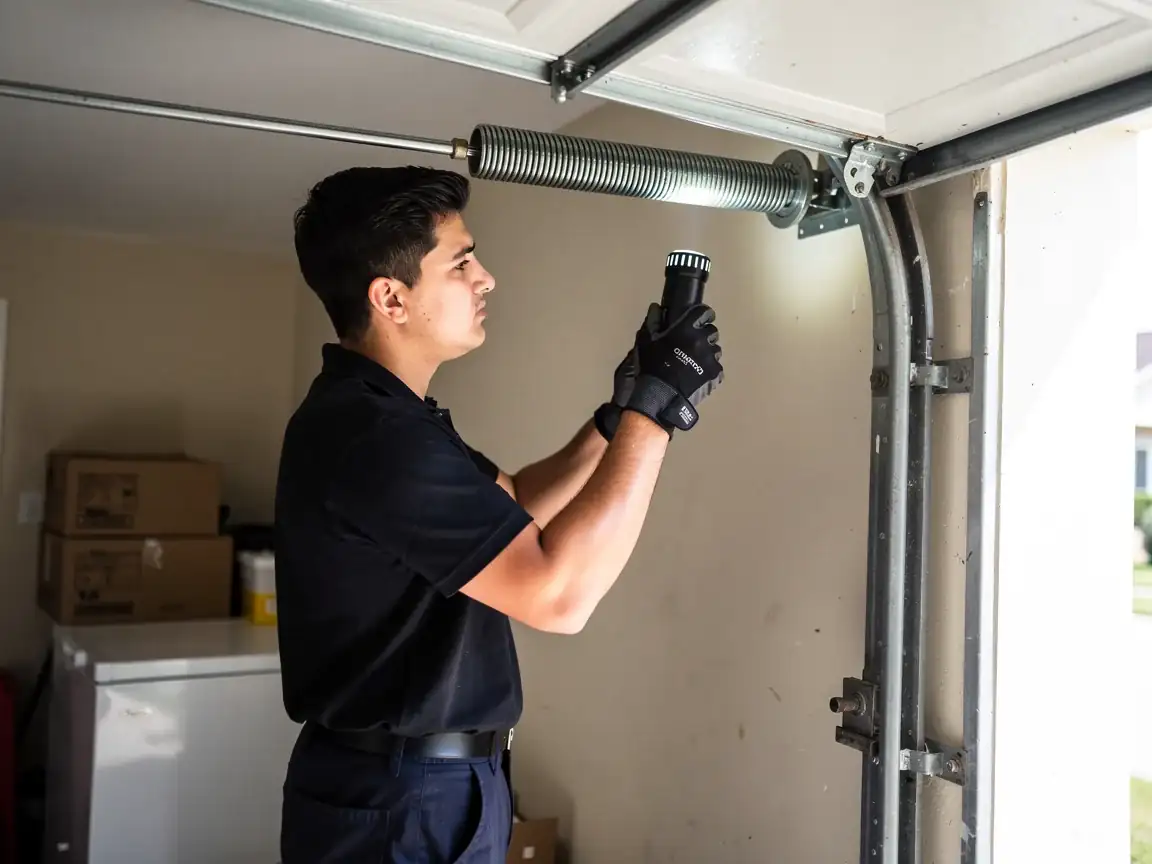
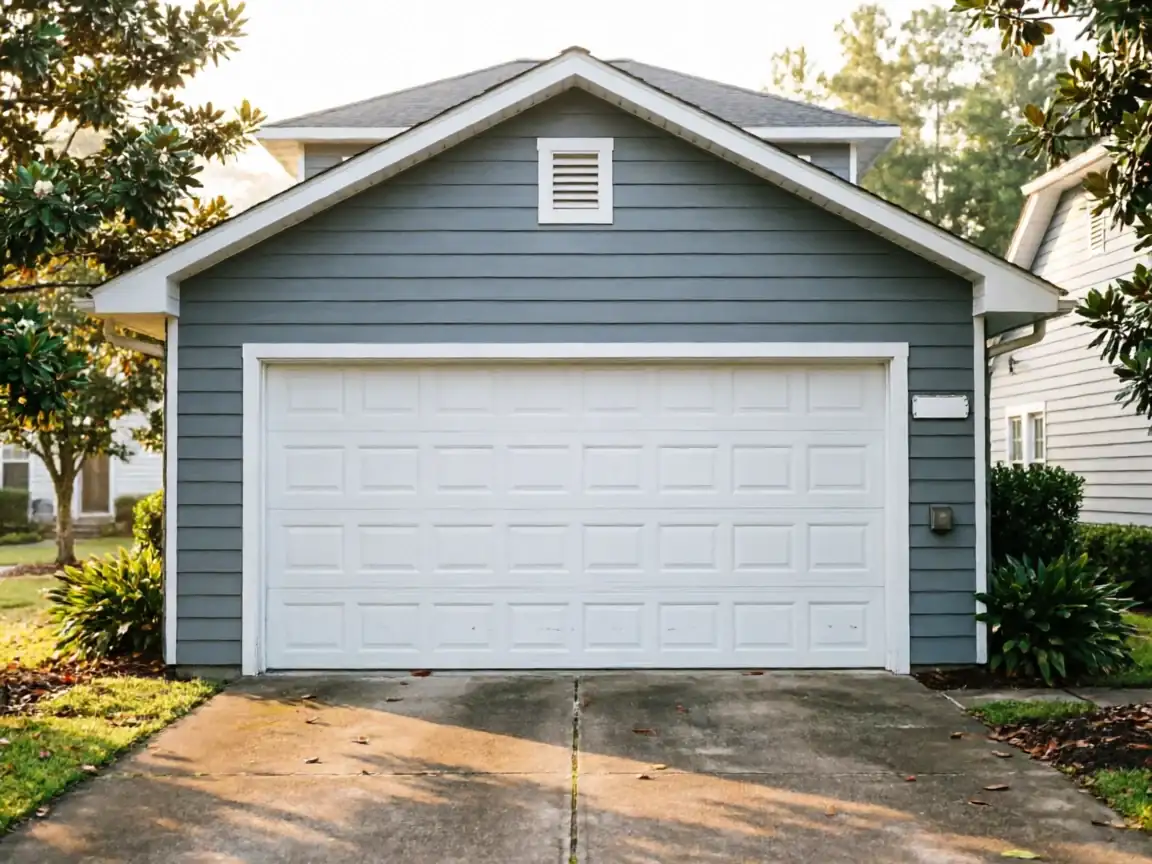
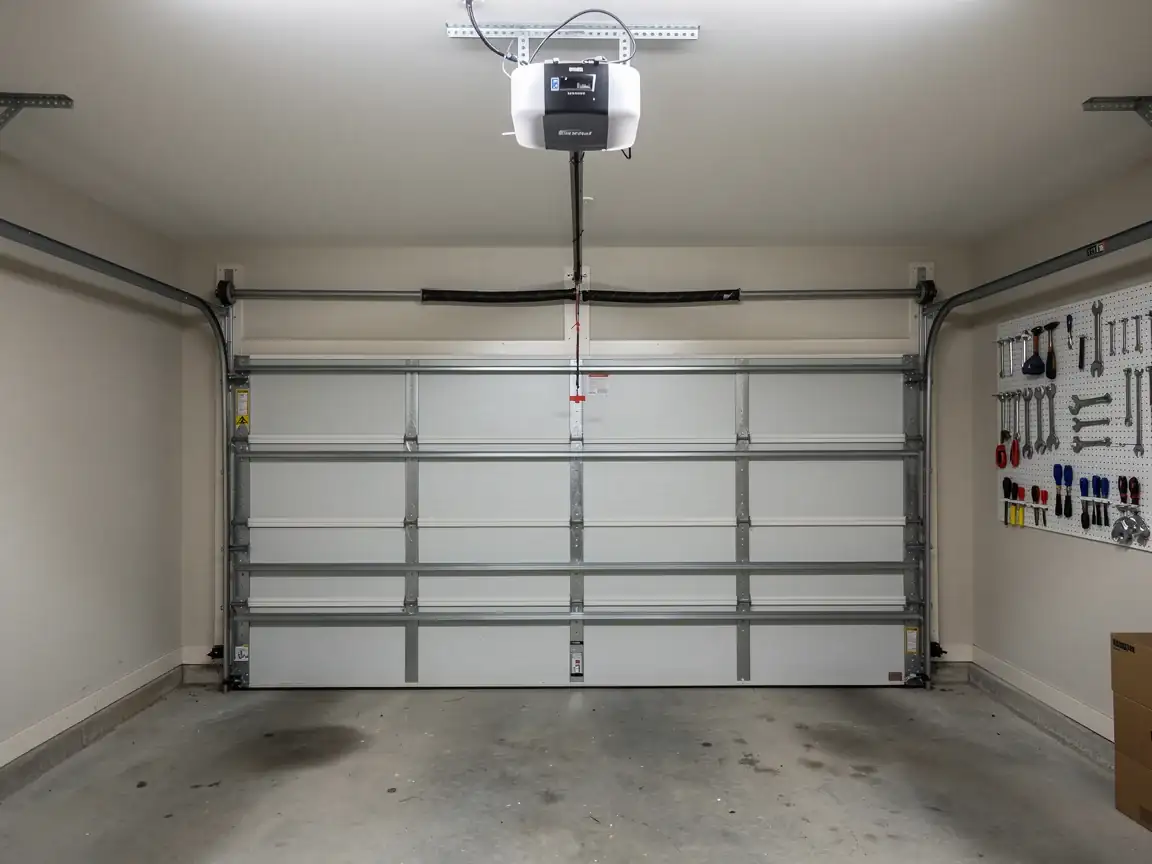
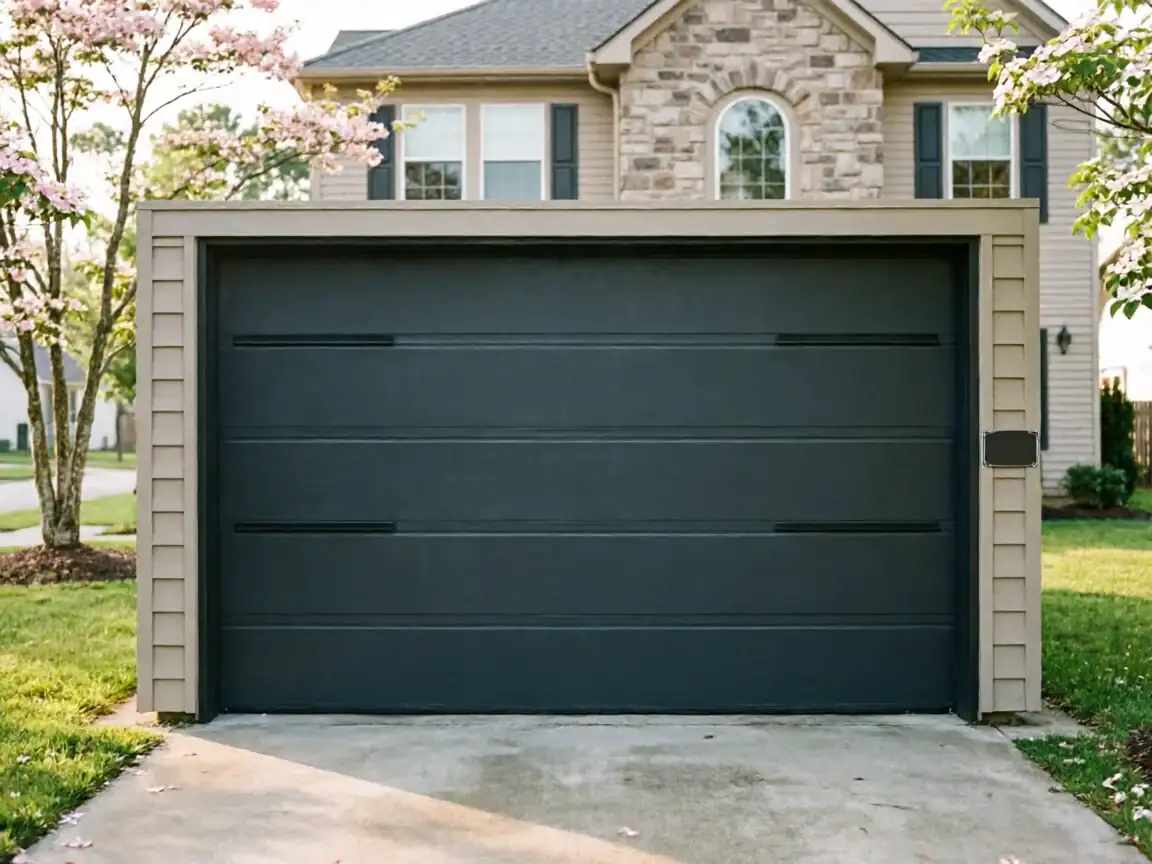
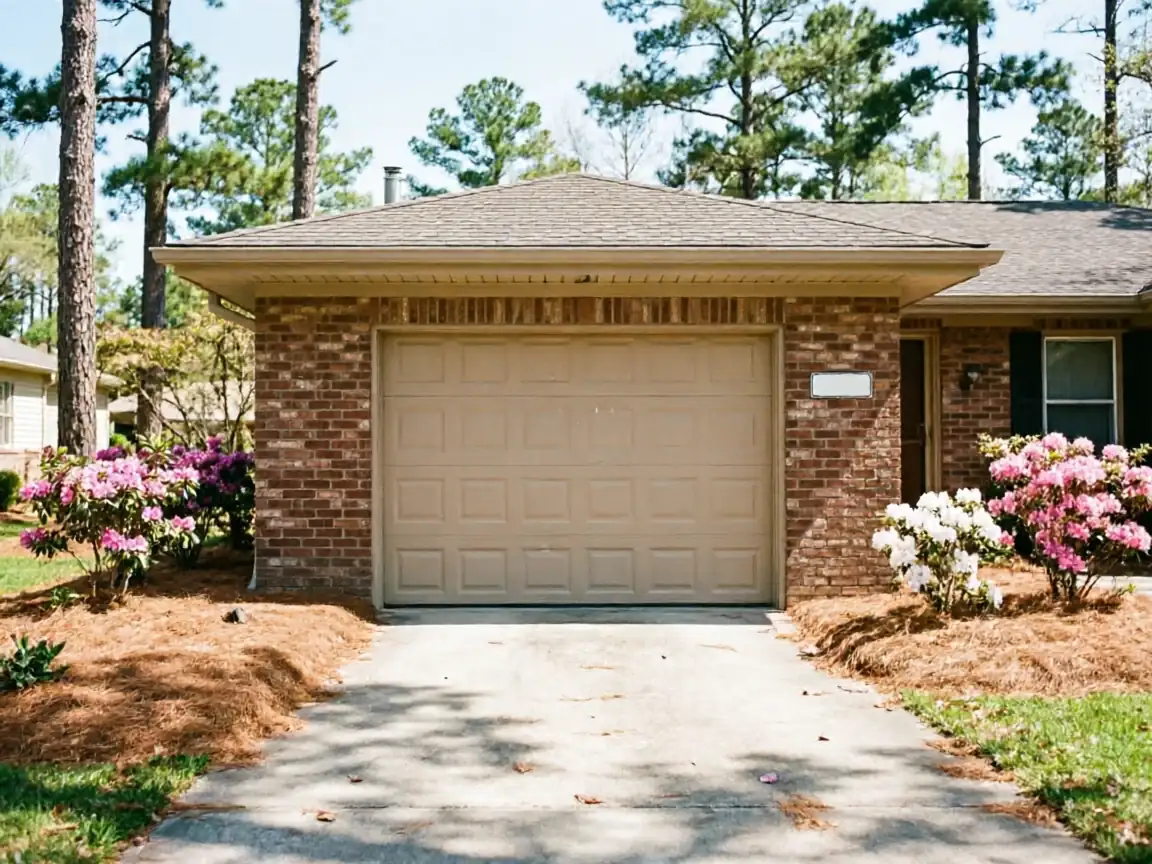
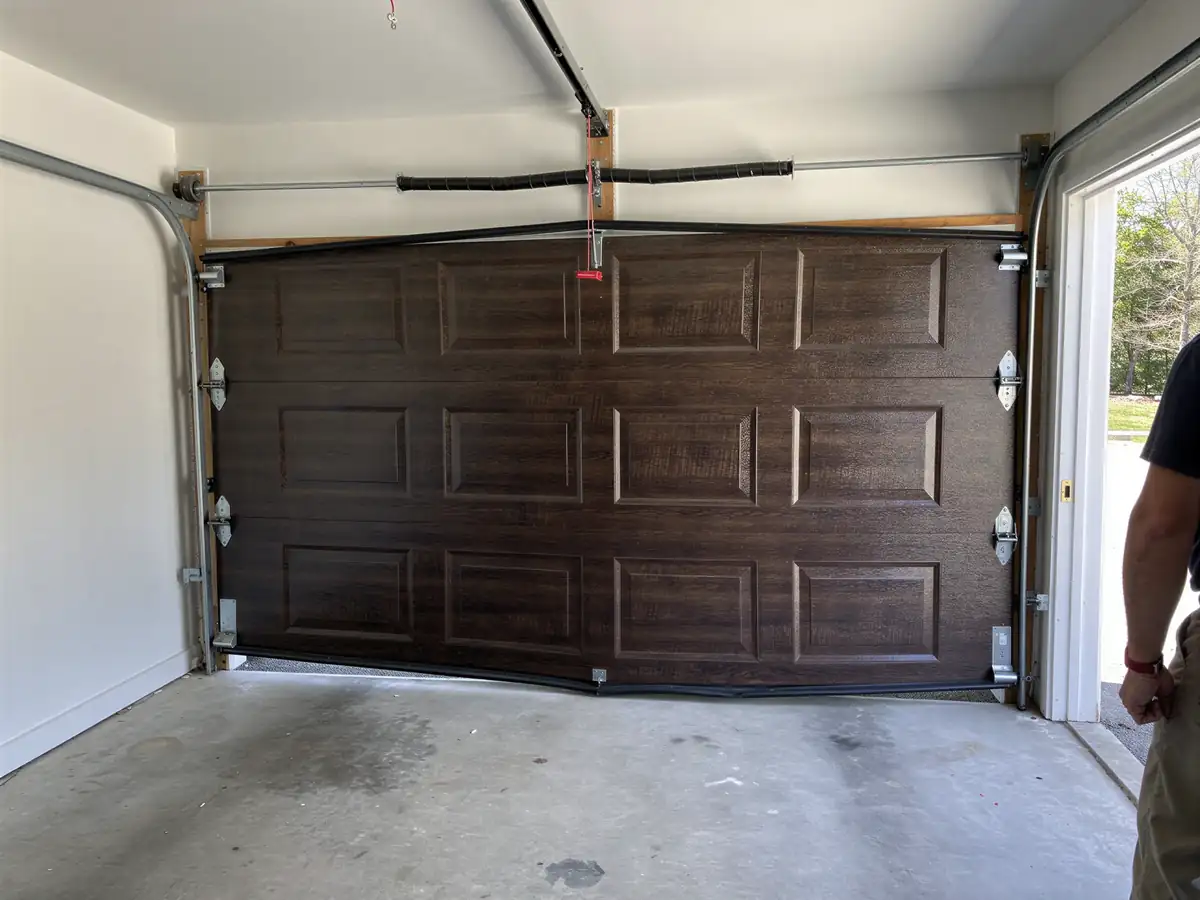
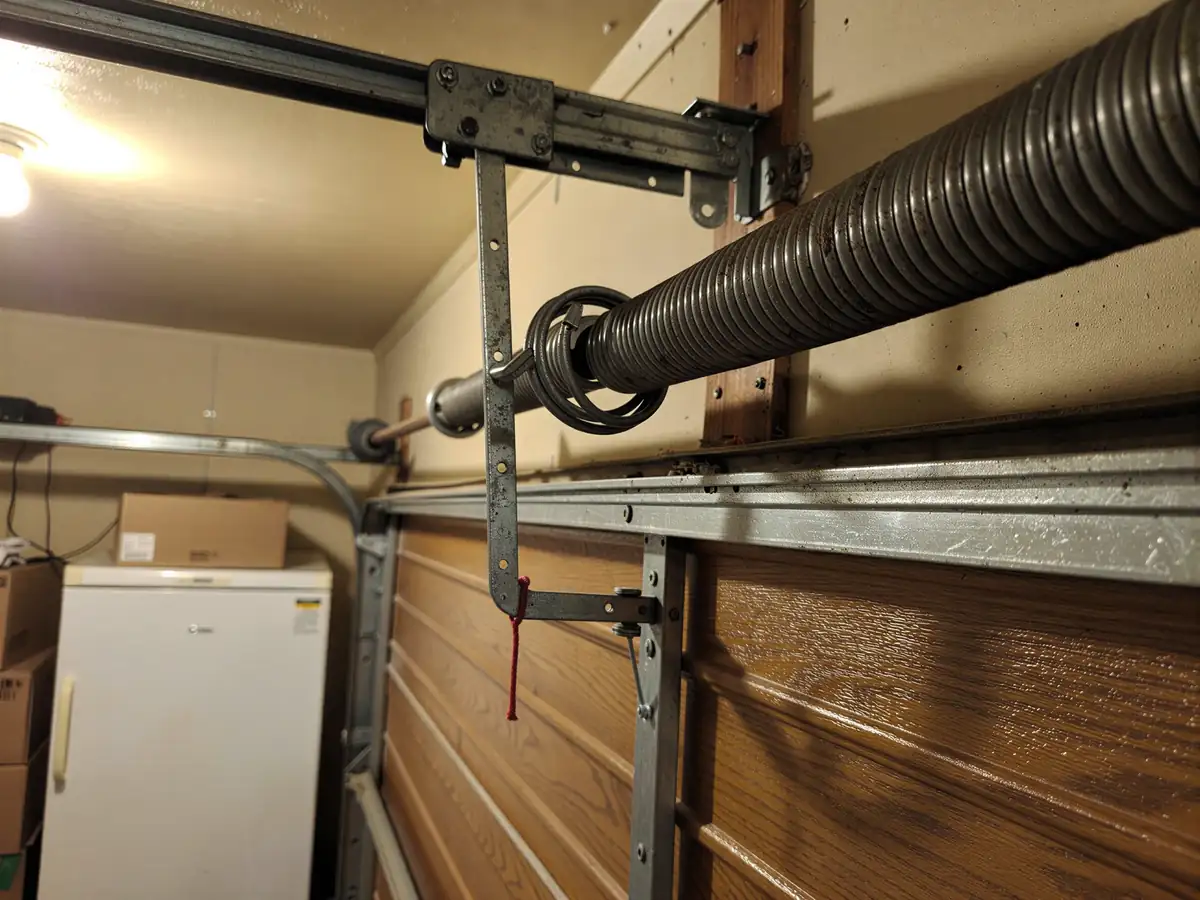
Most of the garages we work on around the wider service area date back to the 1960s and 70s, sometimes earlier, with housing in the region stretching from 1951 up through 2012. Auburn sits on the newer end of that range, with a median build year closer to 1992. That matters for what's actually hanging over your car. A door from that era is almost always a factory steel sectional, wider than the old one-piece slab doors, built for a two-car opening, and running on a standard torsion spring mounted on a shaft above the header. It's not exotic hardware, but it's also not the same spring you'd find on a house built in 1965. The fault that shows up first is usually straightforward spring fatigue - the spring doing thousands of lift cycles over three decades, not a mismatched or obsolete part. In this cold-moderate climate, the steel coil tightens and loosens with temperature swings year to year, and that cycling is what eventually snaps it, often on the coldest morning of the stretch rather than gradually.
Parts We Carry
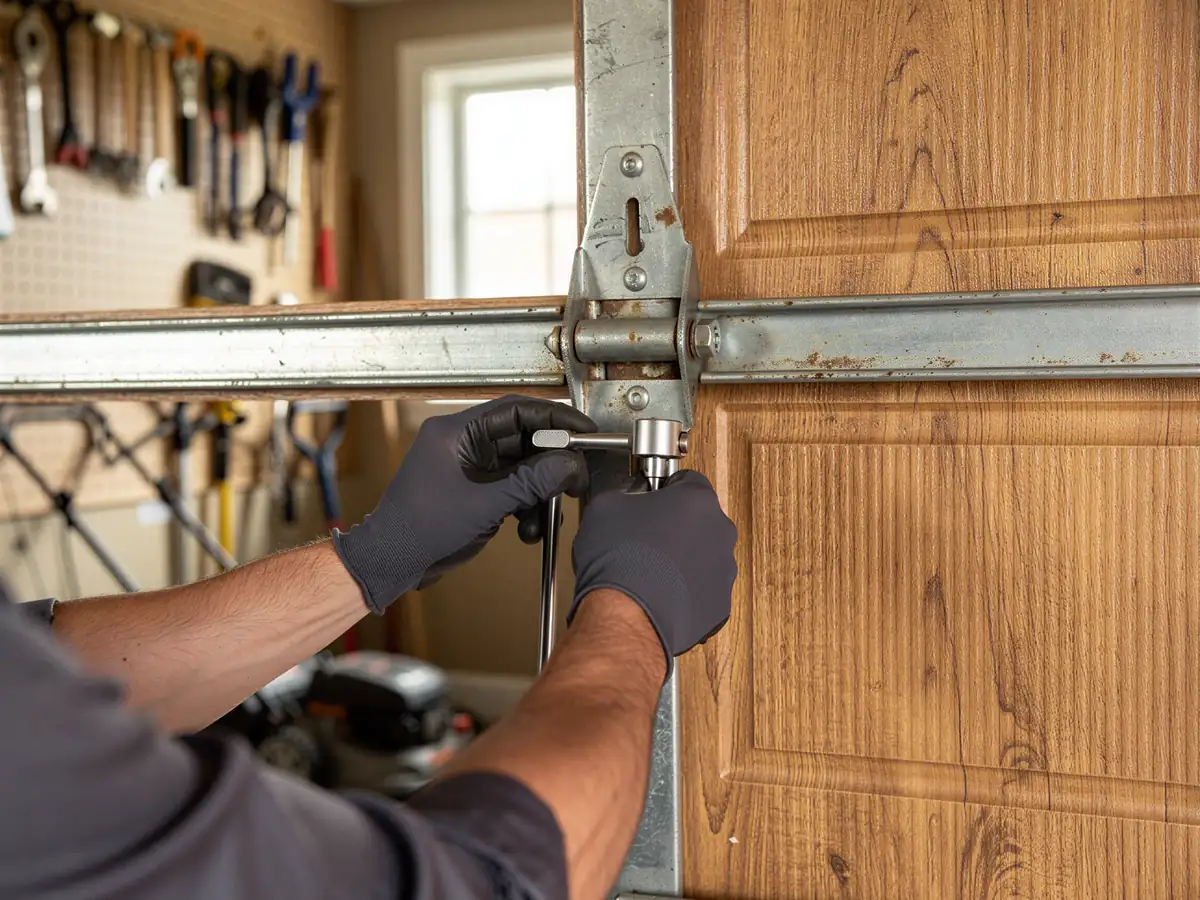
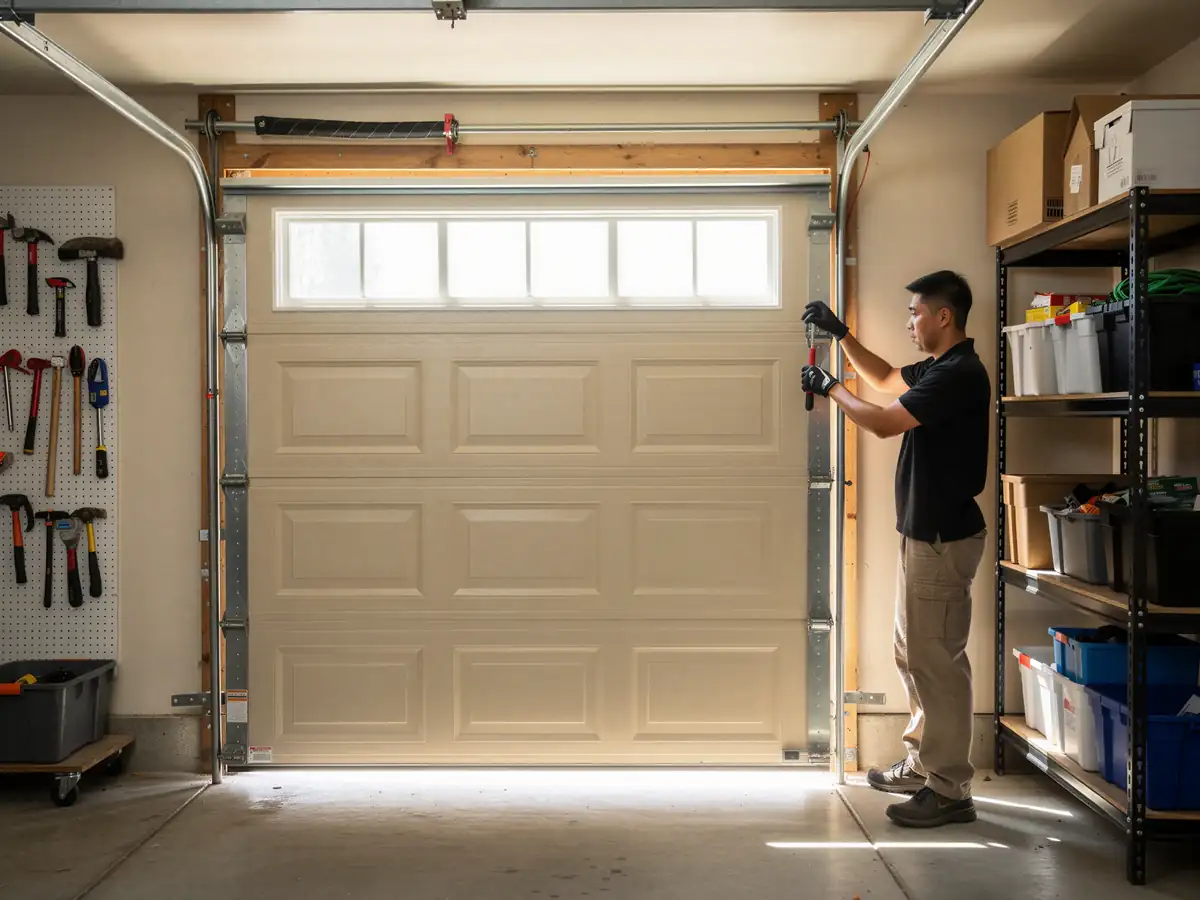
For a door built in the 1990s or later, we're almost always dealing with standard torsion springs sized for a sectional steel door, plus the matching cable drums and bearing plates that wear alongside them. We carry common sizes on the truck because these are the doors most people in this part of the service area actually have. What we don't stock, and won't pretend to, is anything built for the older one-piece or side-mounted hardware that's more typical of houses from the 1960s elsewhere in the area - if your house is an exception to the newer build pattern here, that part may need to be ordered, and we'll tell you that up front rather than guess at the shelf.
Doing It Yourself
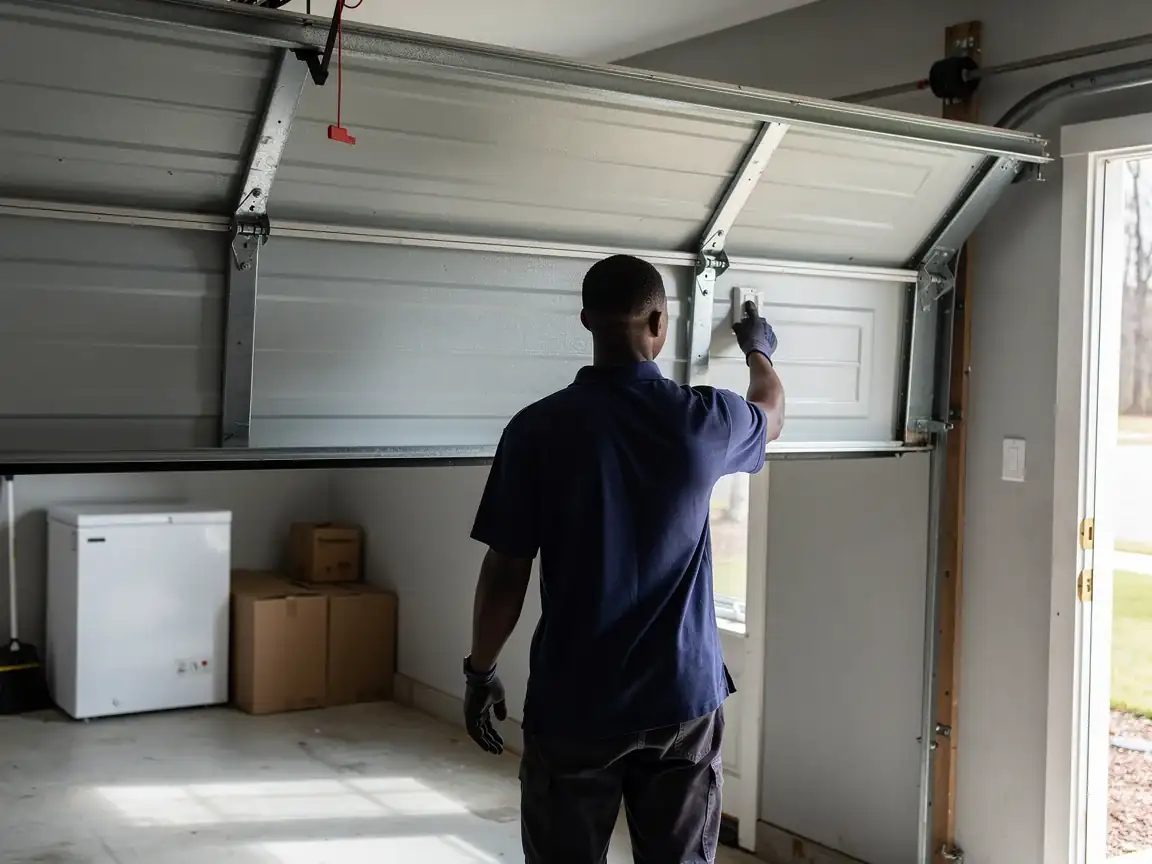
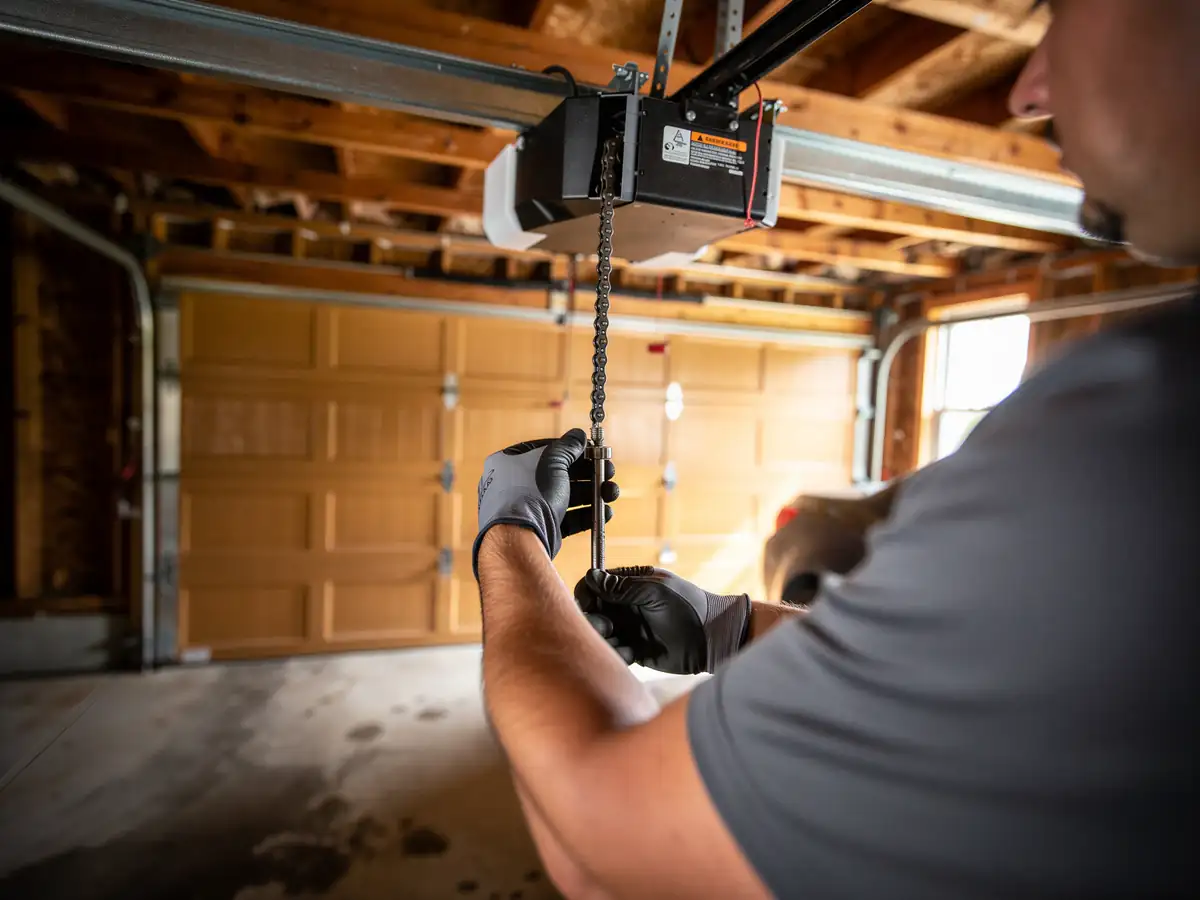
We'll say this plainly: don't. A torsion spring on a standard steel sectional door is wound under enough tension to break bones if it lets go while you're working on it, and the tools to wind and unwind it safely aren't something most households own. This isn't a judgment call based on skill - it's physics. Where you can save yourself a call is in diagnosis. Check whether the door is binding on the tracks or dragging on a roller before assuming it's the spring; sometimes what looks like a spring failure is a track that's knocked out of alignment. If the door is dead weight and won't hold position unassisted, that's the spring, and it's a job for a torsion bar and winding bars in someone else's hands.
What the Repair Takes
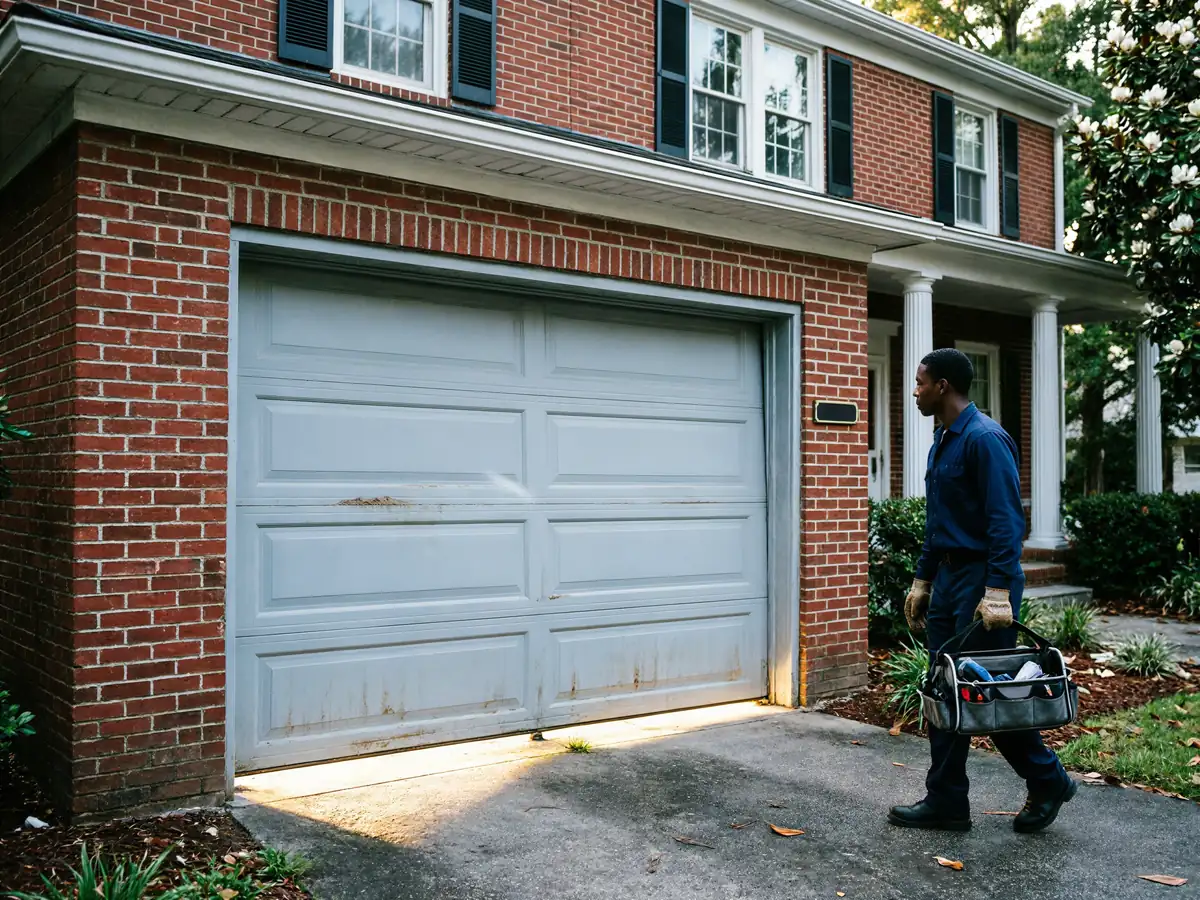
Snellville Garage Door Pros covers Auburn from Snellville, about 15 miles out. For a standard torsion spring replacement on a two-car steel door, the job itself doesn't take long once the right spring is on the truck - sizing it correctly for the door's weight and the drum setup is most of the work. We won't quote a time slot or price here since that depends on what's actually on your door, but a standard sectional door of this era is the kind of job we size up fast because it's the most common configuration in Auburn and across the broader area. If your door turns out to be older or oddly configured, we'll tell you before any work starts, not after.