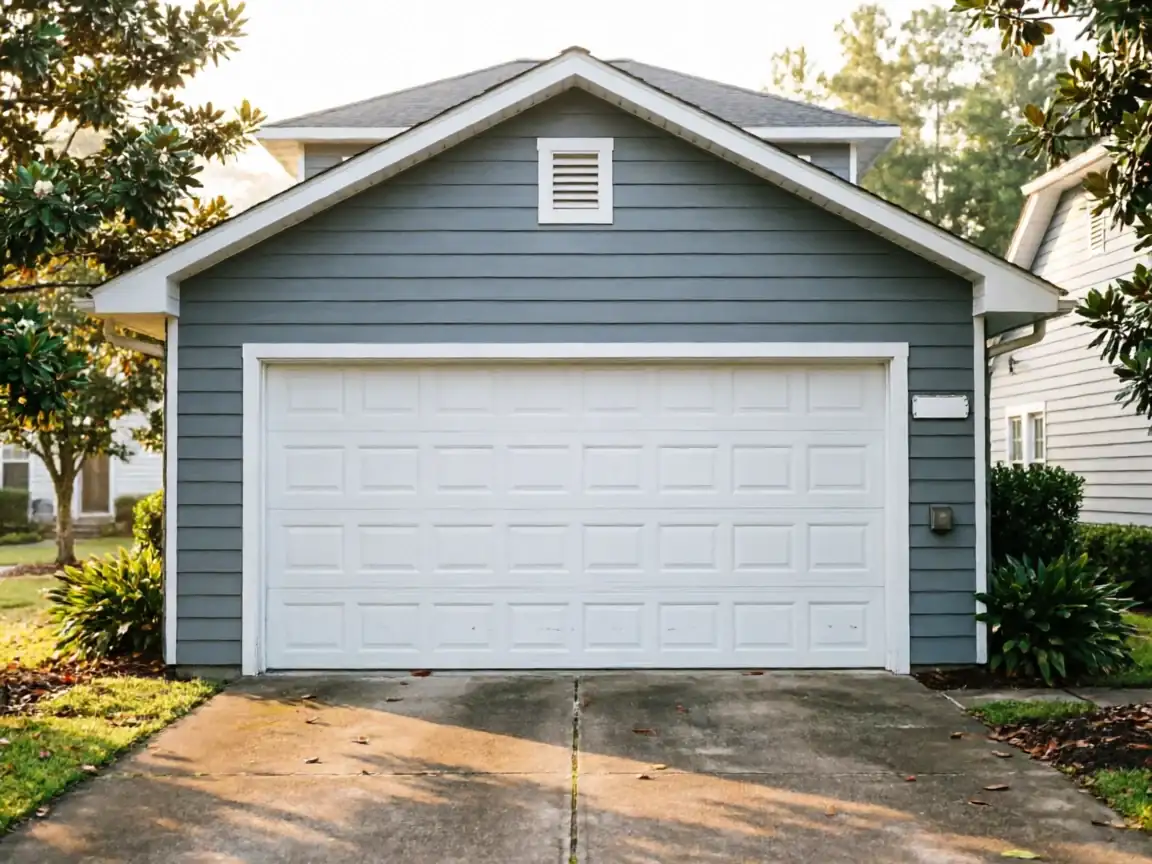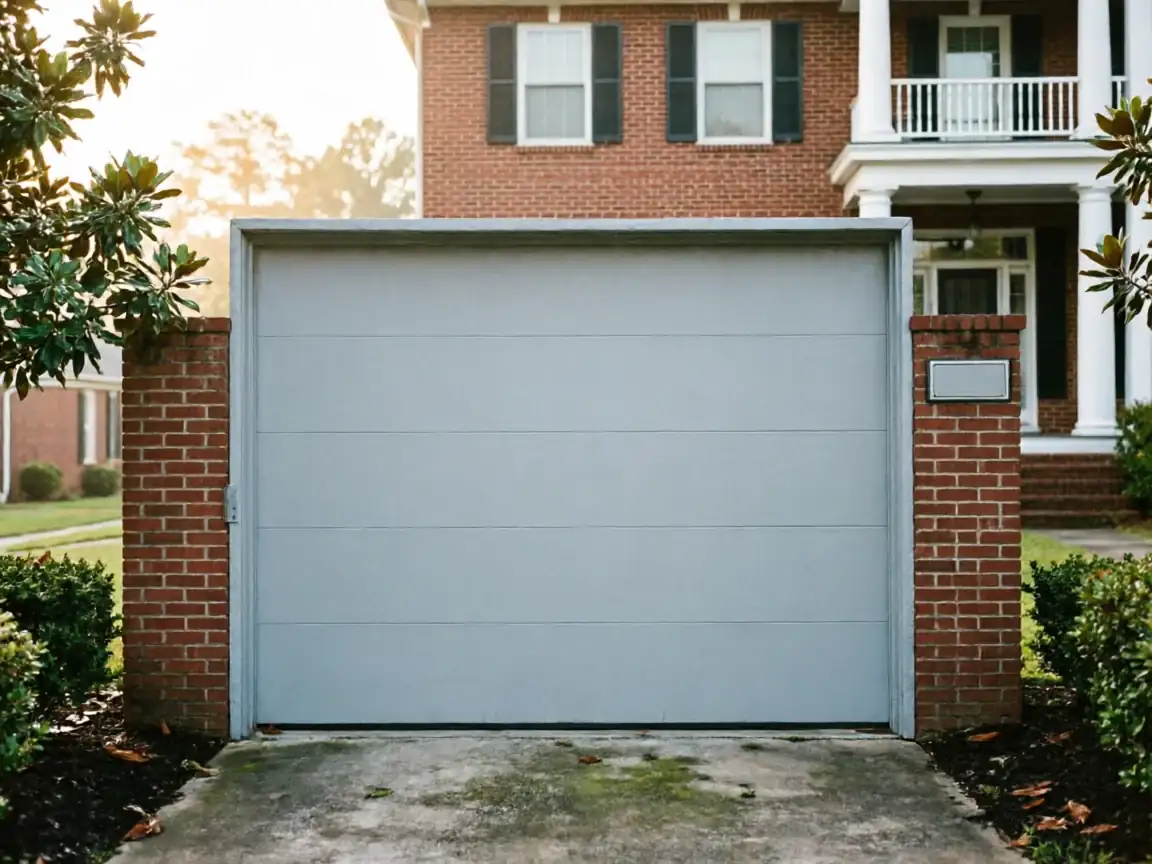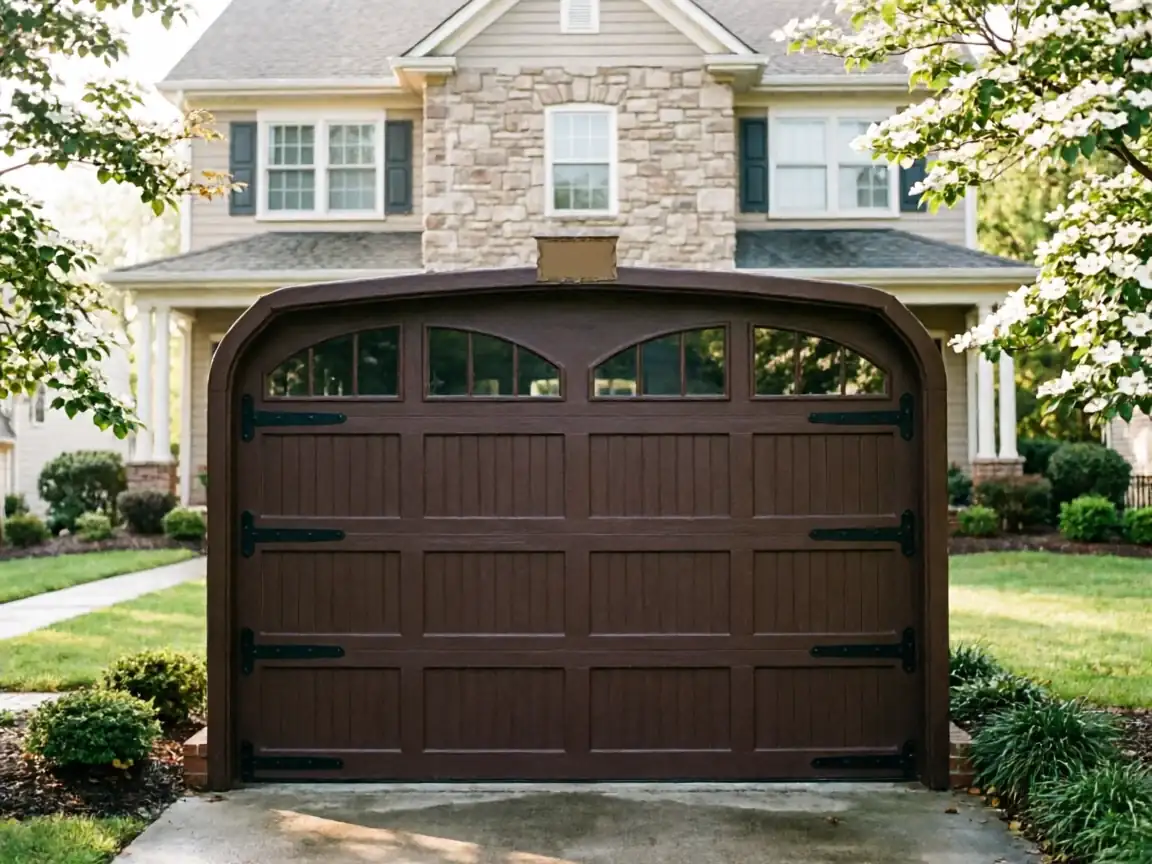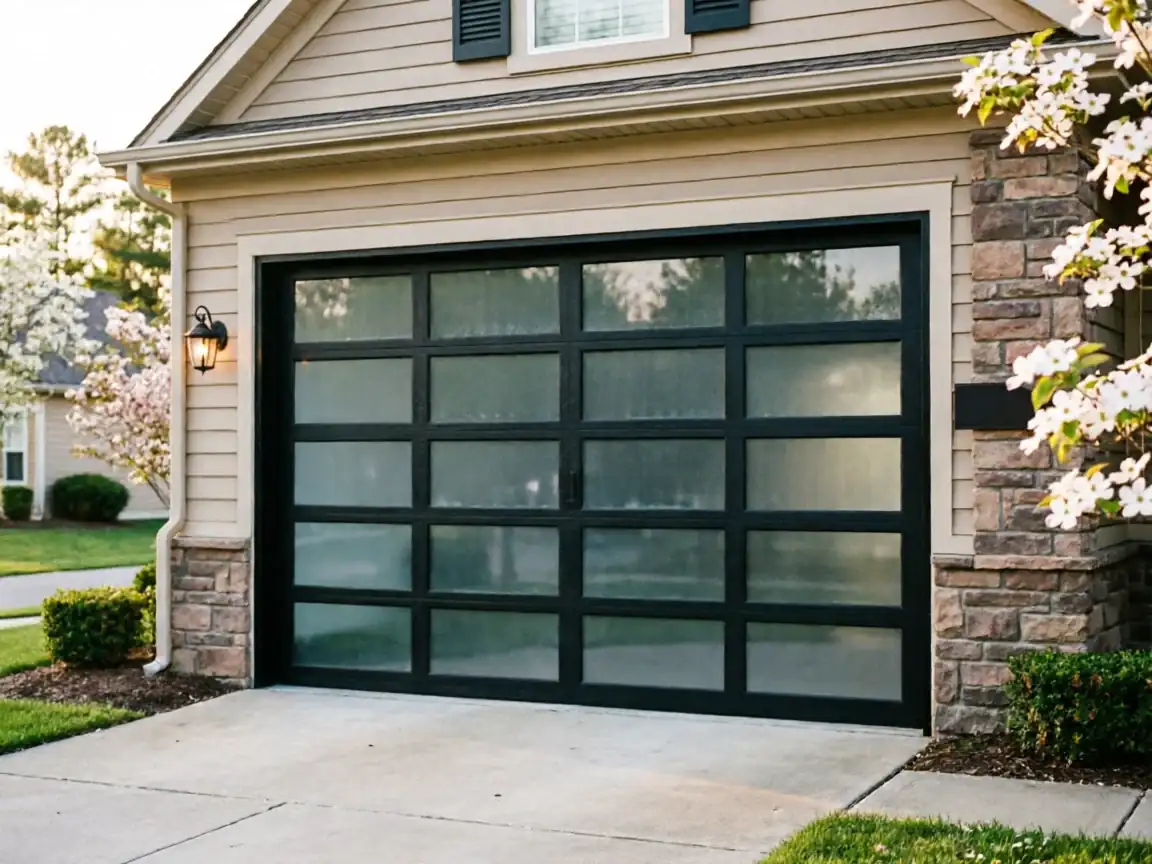
Why This Fails Locally
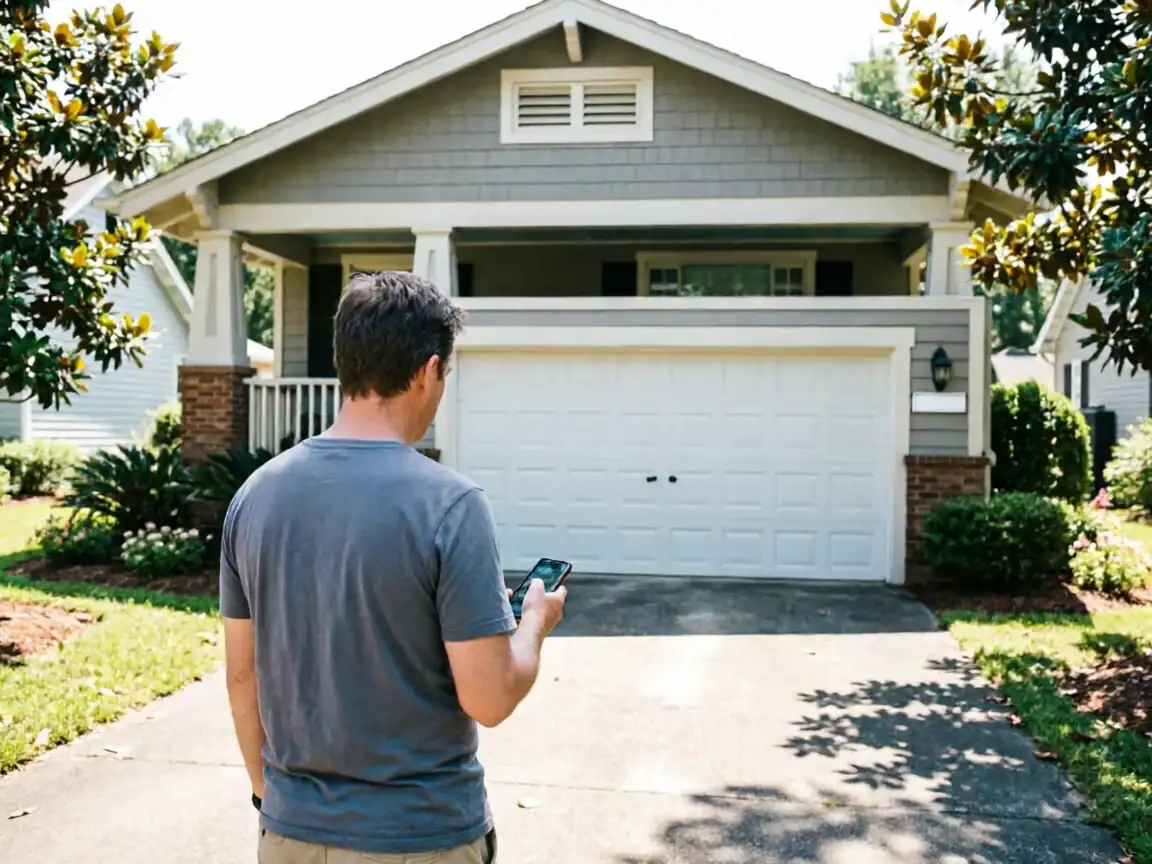
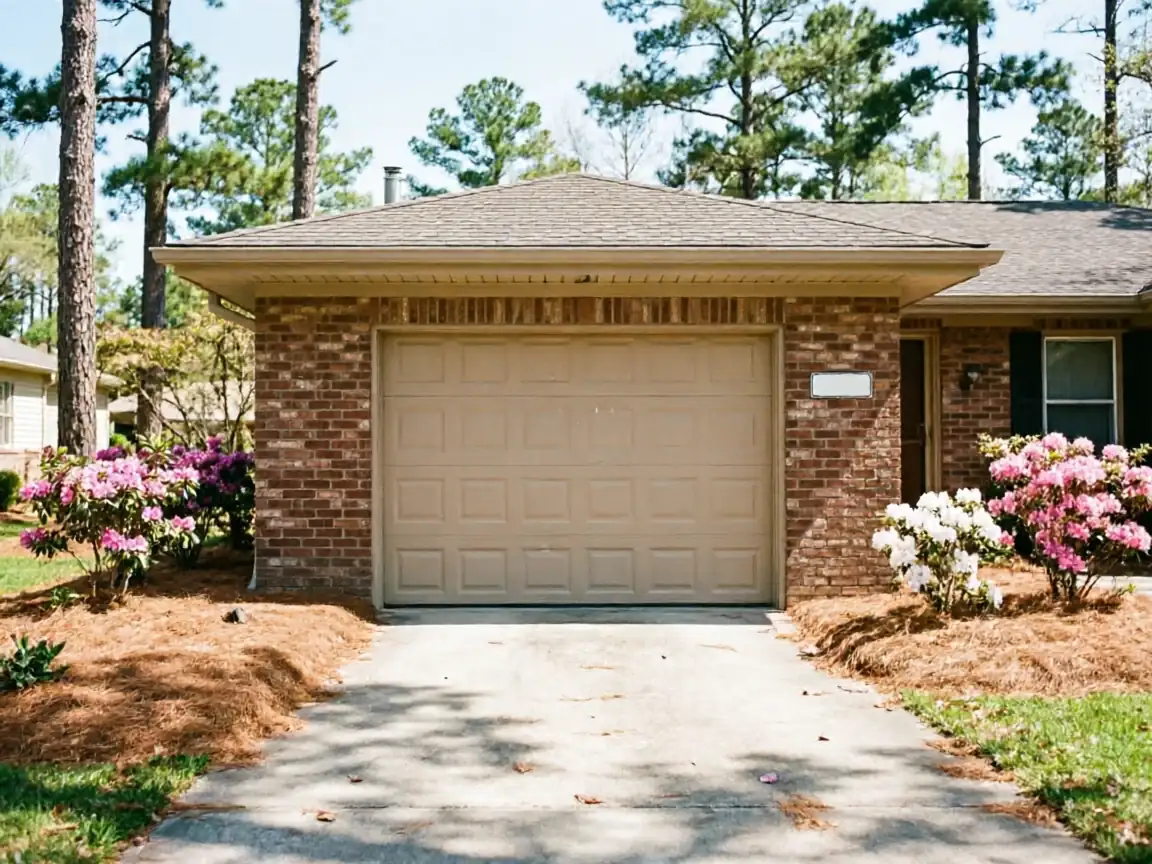
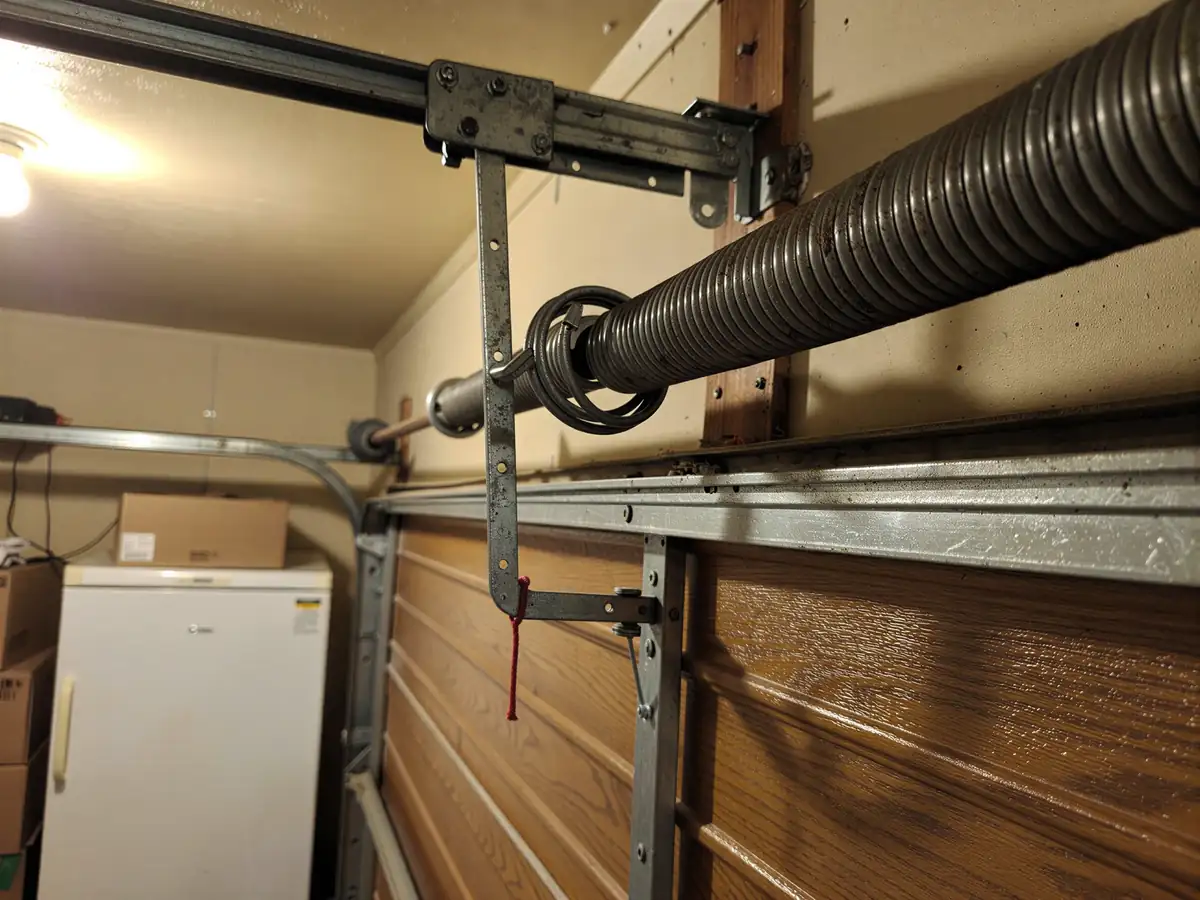
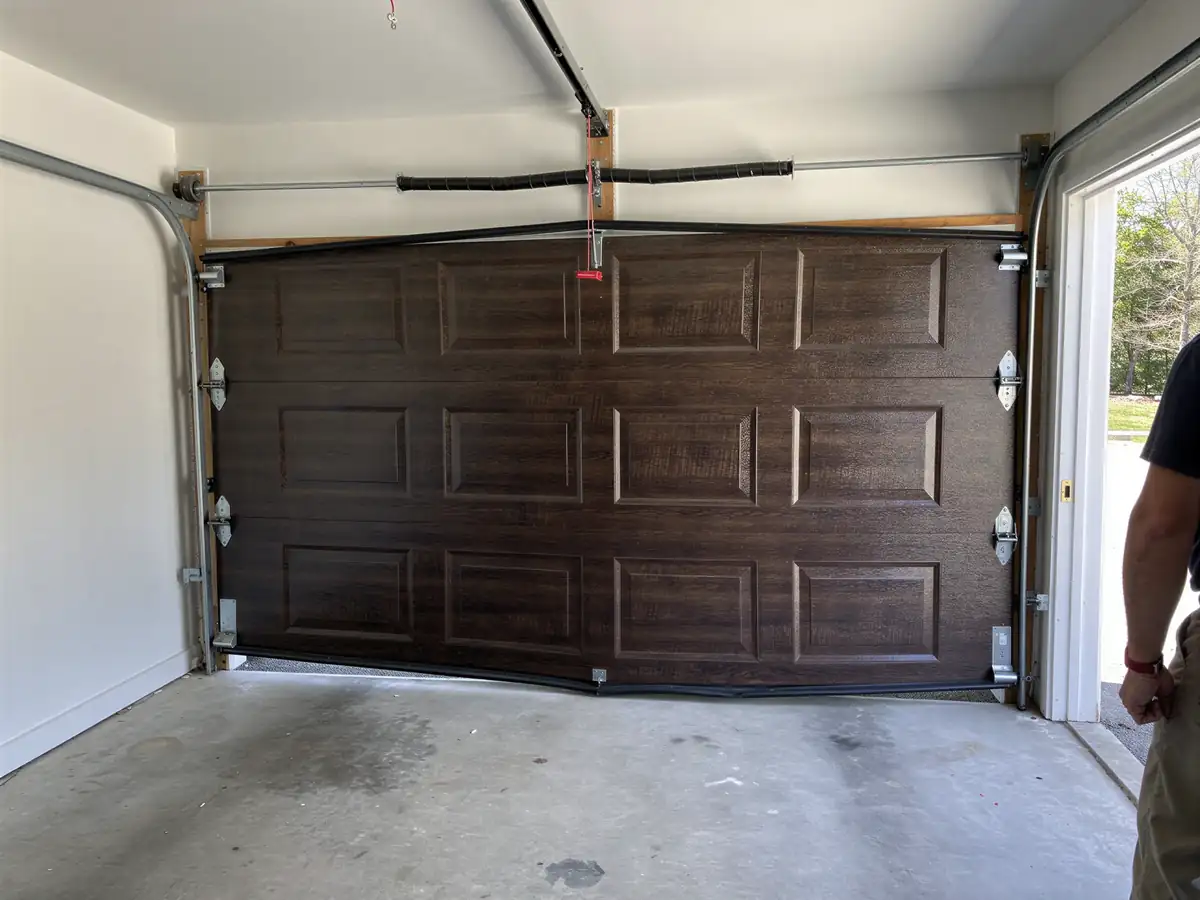
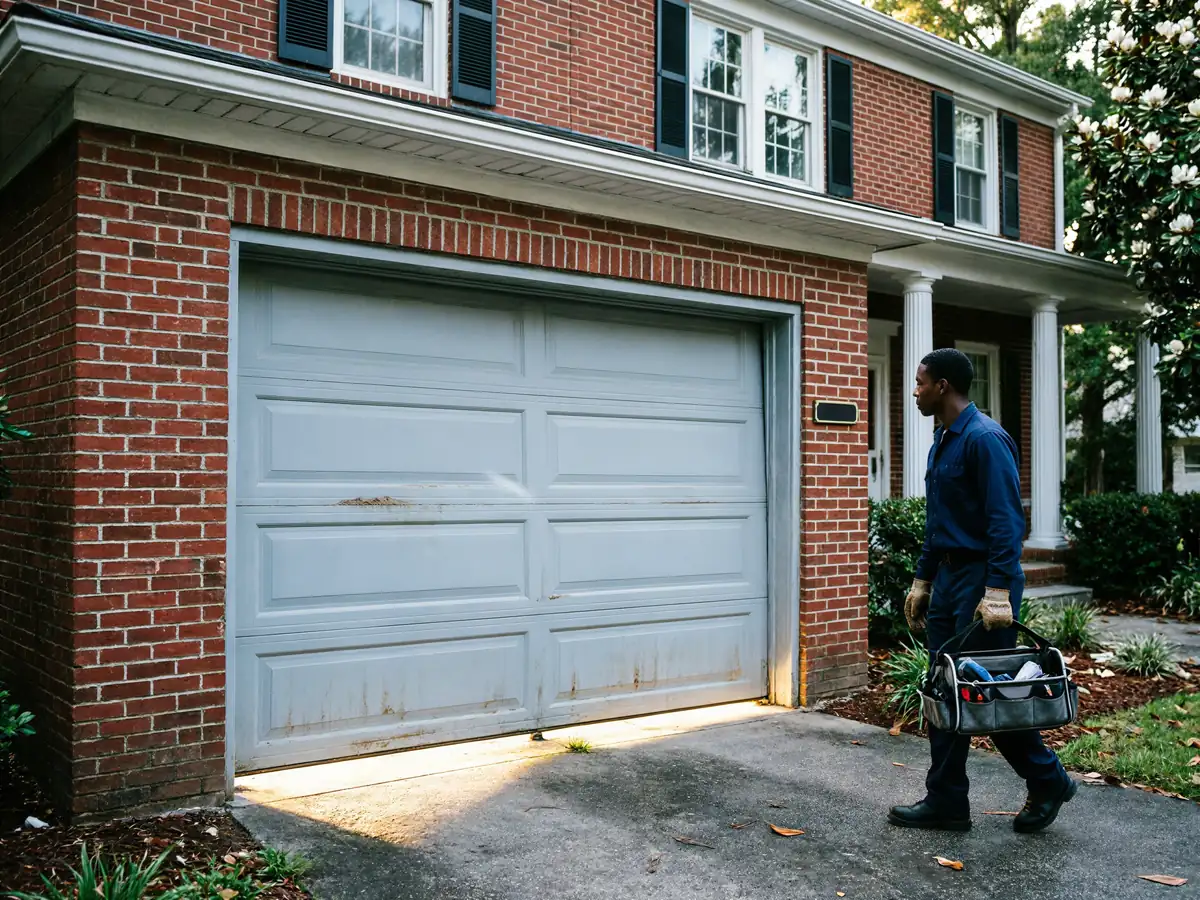
Most houses in Auburn went up around 1992, a full generation newer than the 1960s-70s stock that makes up much of the rest of the service area we cover out of Snellville. That matters more than it sounds like it should. A door installed in the early '90s came with a torsion spring rated for a lighter steel panel than what's common today, a standard-width 16-footer or 9-footer, and an opener pulled from whatever chain-drive or early belt-drive line was being sold that year. Thirty-plus years on, that spring has done its cycles. It doesn't fail because the house is old in the way a 1960s house is old - it fails because the spring has simply worn out its steel, and the opener gears that were fine for a lighter door are grinding against a sag that's crept in over three decades. The service area's median household income runs $70,625, but Auburn's own figure sits higher at $78,317, which tends to mean more owners replacing the whole unit rather than nursing a repair along. Add in a cold-moderate climate band where winter cold snaps stress a spring that's already near the end of its rated cycles, and a door that was fine in October can fail hard in January.
Parts We Carry
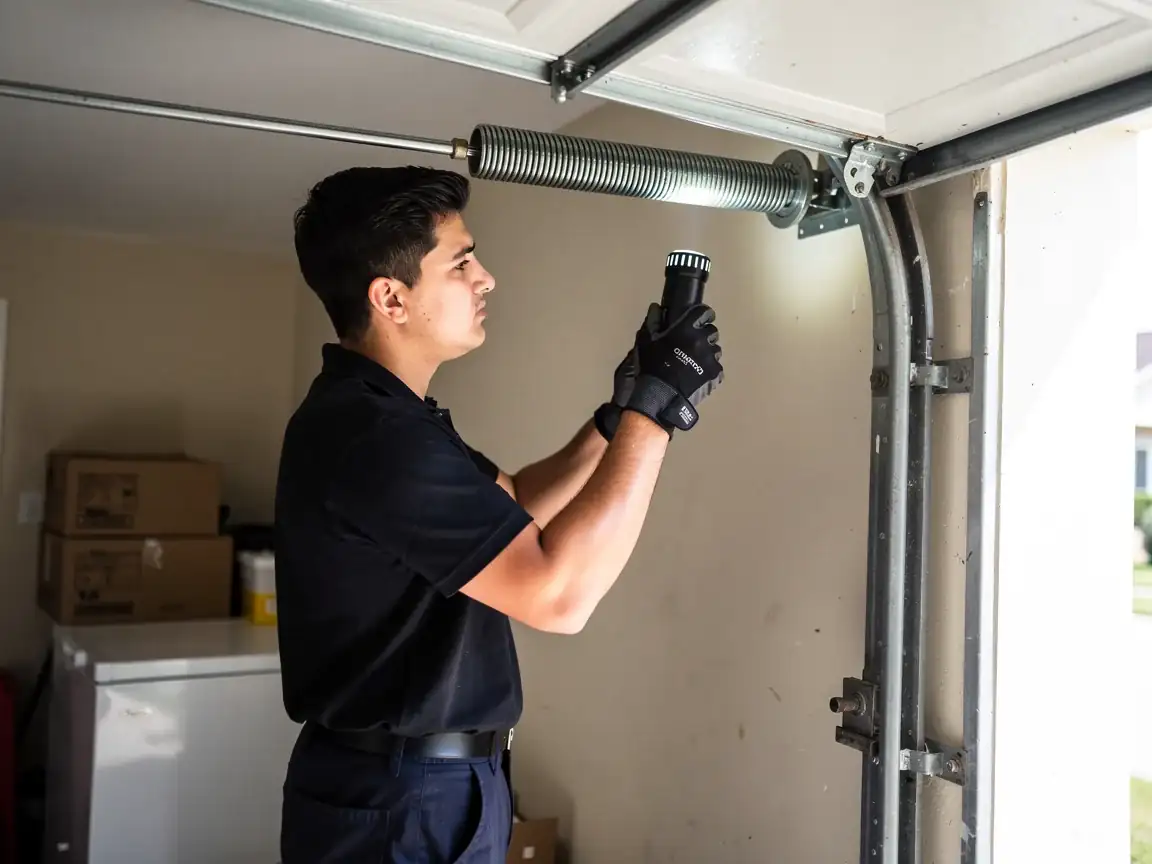
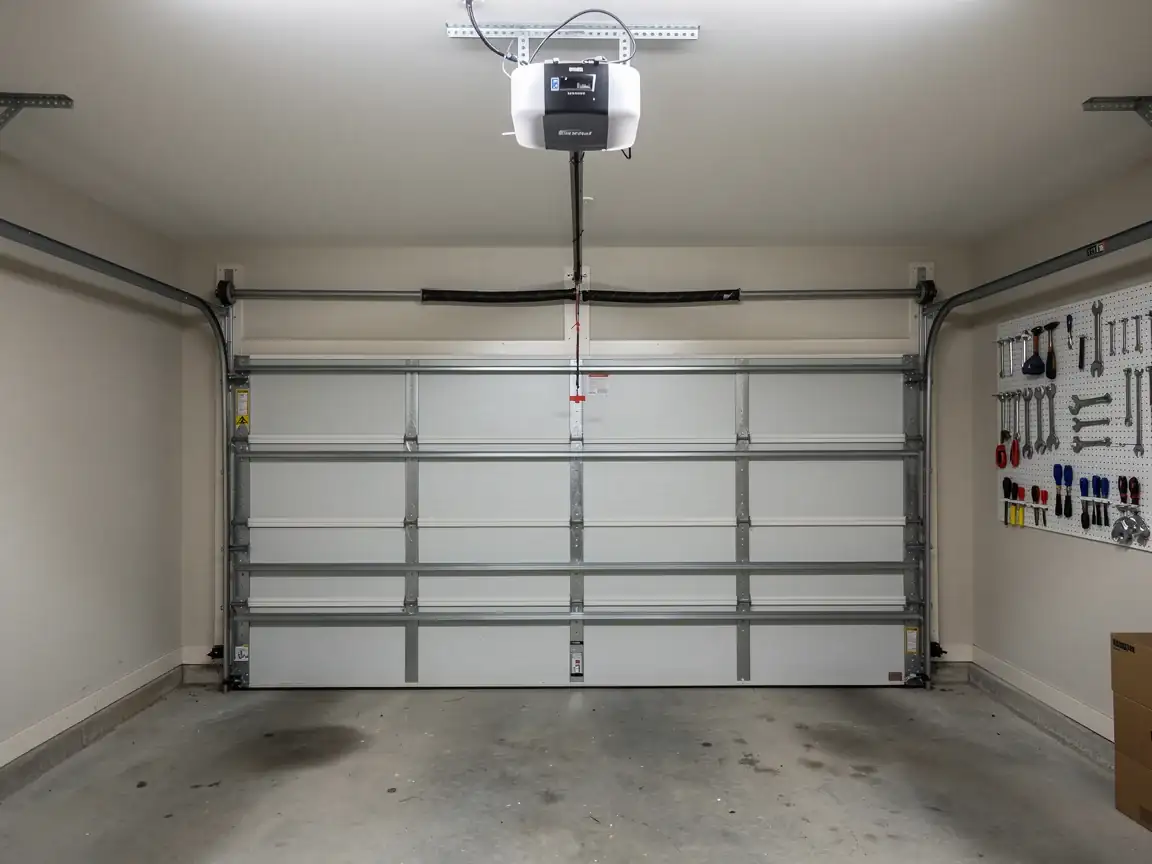
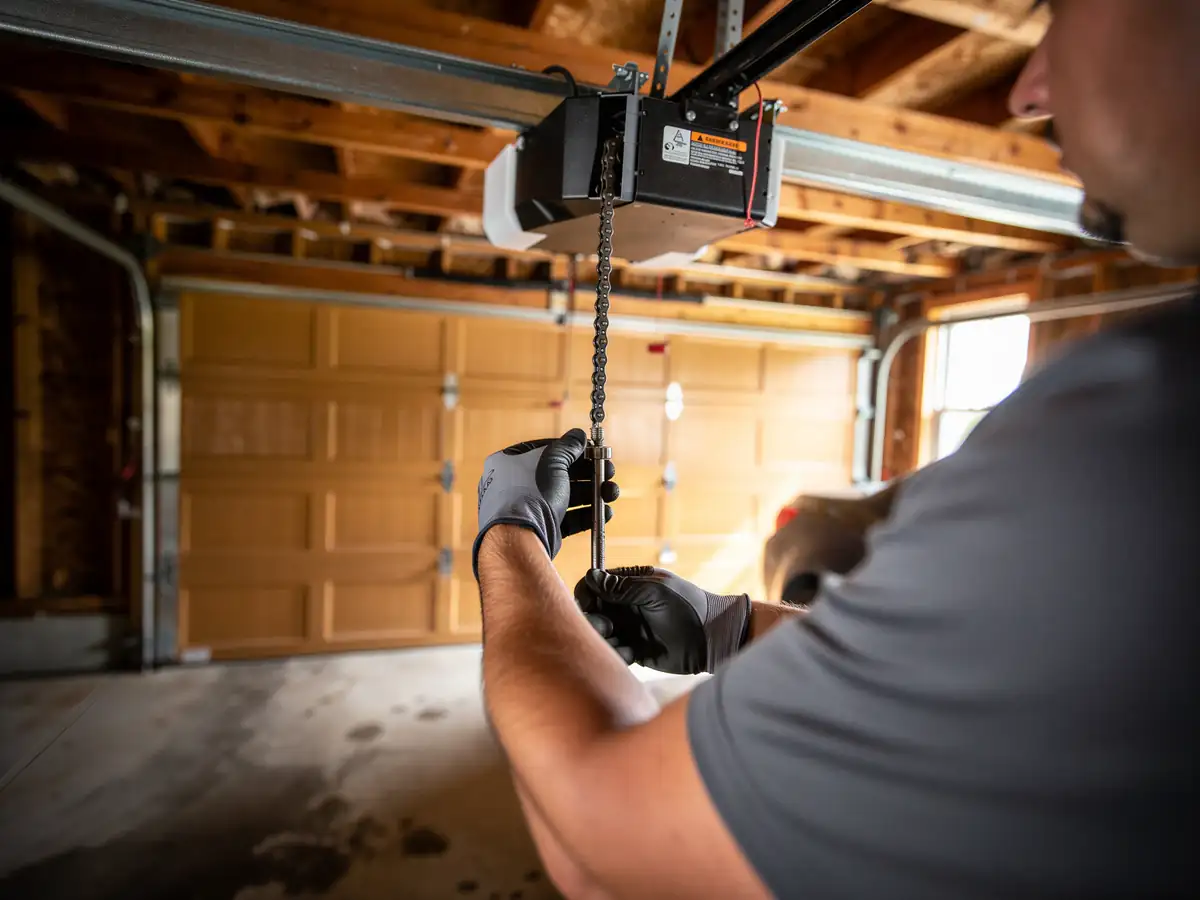
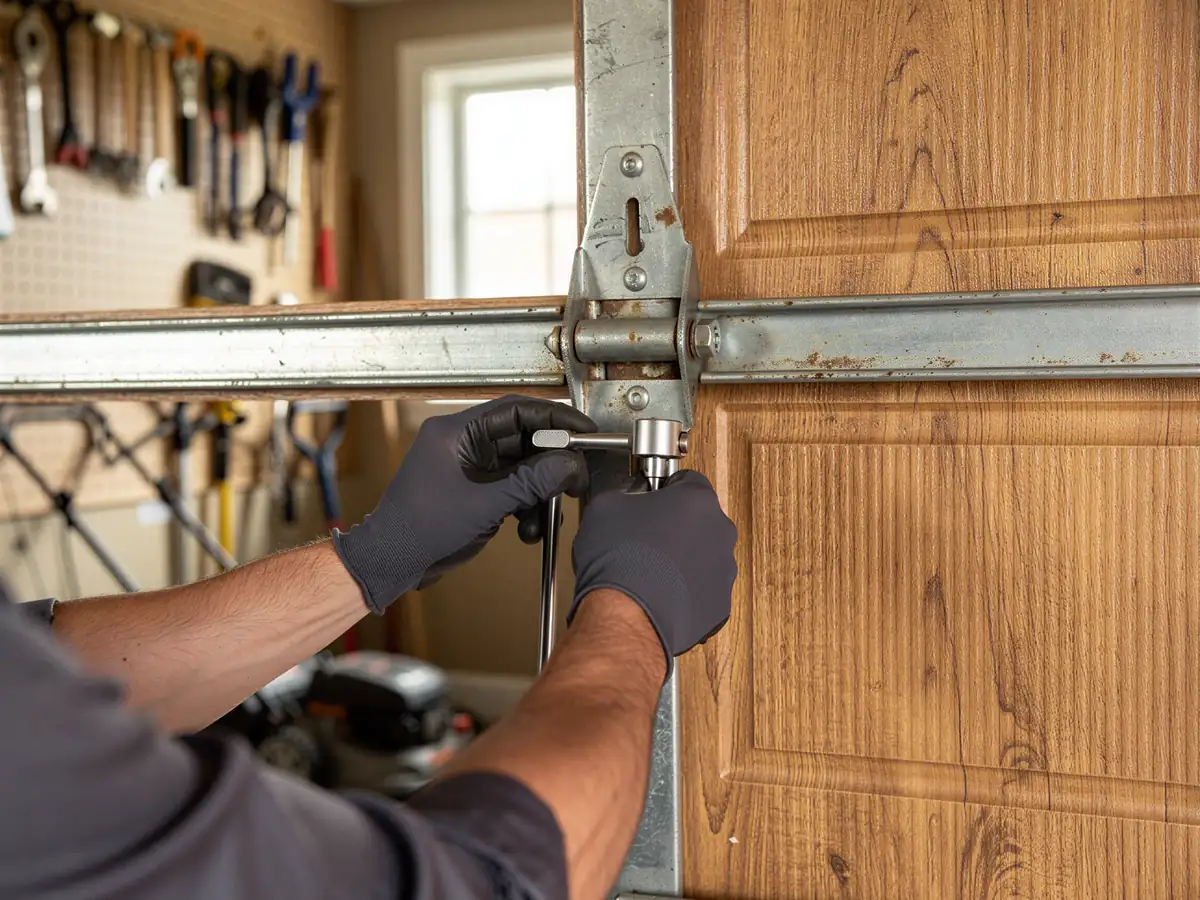
For a 1992-era build, the parts that come up most are torsion springs sized for a standard steel sectional door - not the heavier insulated or carriage-style doors some owners add during a remodel, but the lighter-gauge panels that were production standard when these houses were framed. We stock standard torsion spring sizes, nylon and steel rollers, and galvanized lift cables sized for a single-car or double-car door at typical early-90s track heights. Openers from that build era are usually chain-drive, and when a gear set or sprocket has stripped, we carry replacement kits rather than requiring a full unit swap in most cases. One honest limit here: if the opener is a discontinued circuit board model from that period and the board itself has failed, we may not have an exact replacement board on the truck, and a logic board swap can mean a short wait on a part or a recommendation to replace the opener outright rather than chase a part that's hard to source.
Doing It Yourself
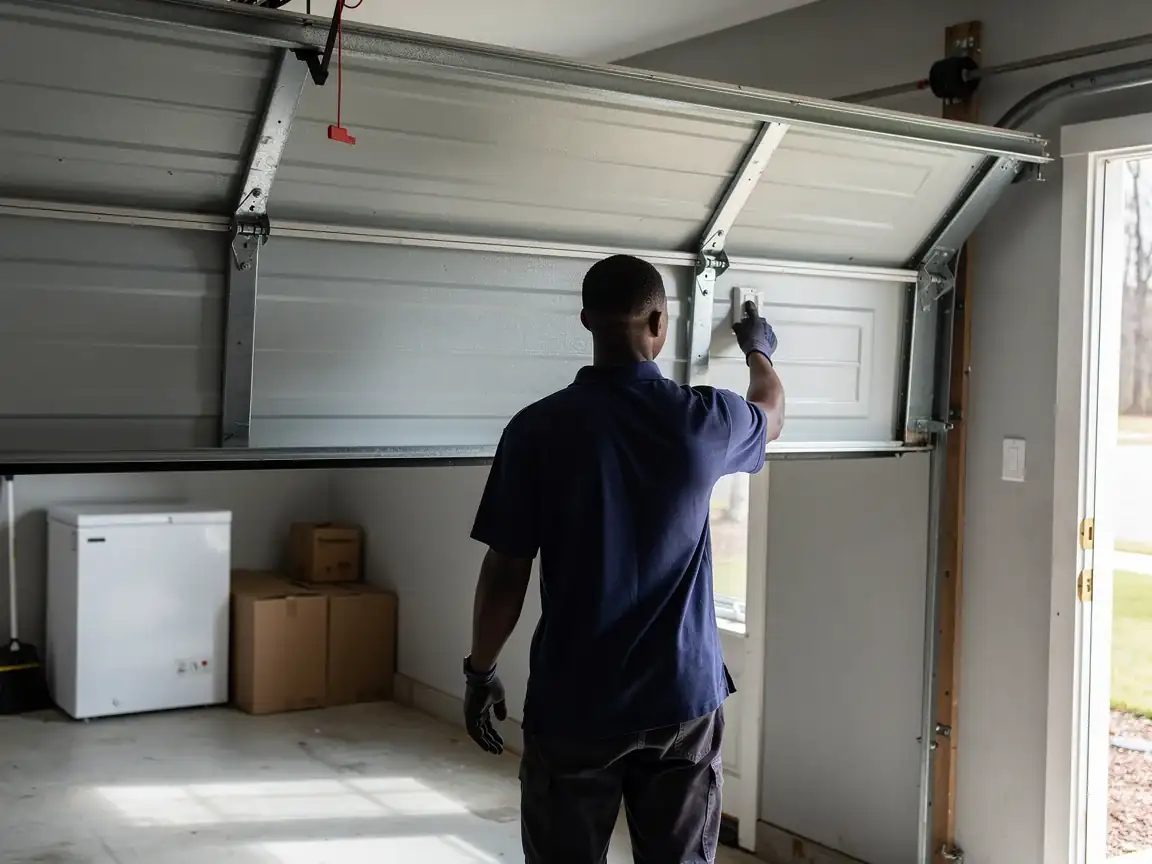
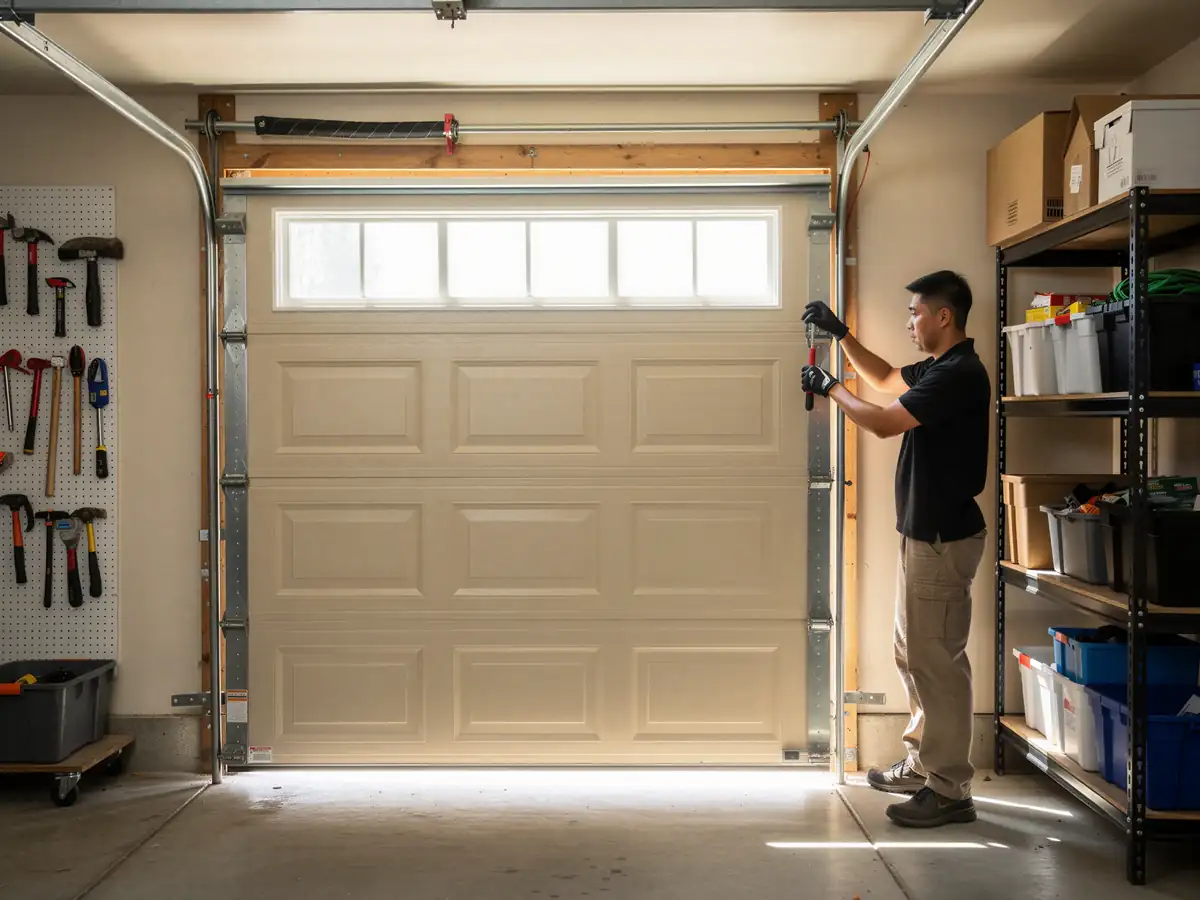
Lubricating rollers and hinges with a garage-door-specific spray, and checking that the track bolts haven't backed out, are both safe and worth doing twice a year. Replacing or adjusting a torsion spring is not a homeowner job - it's under enough tension to cause serious injury, and we'd rather you call than try it with a cheap winding bar from a hardware store. If your opener is reversing or grinding, unplug it and operate the door by hand until someone can look at it; running a failing gear set to the point of total failure usually turns a $150 gear kit into a full opener replacement.
What the Repair Takes
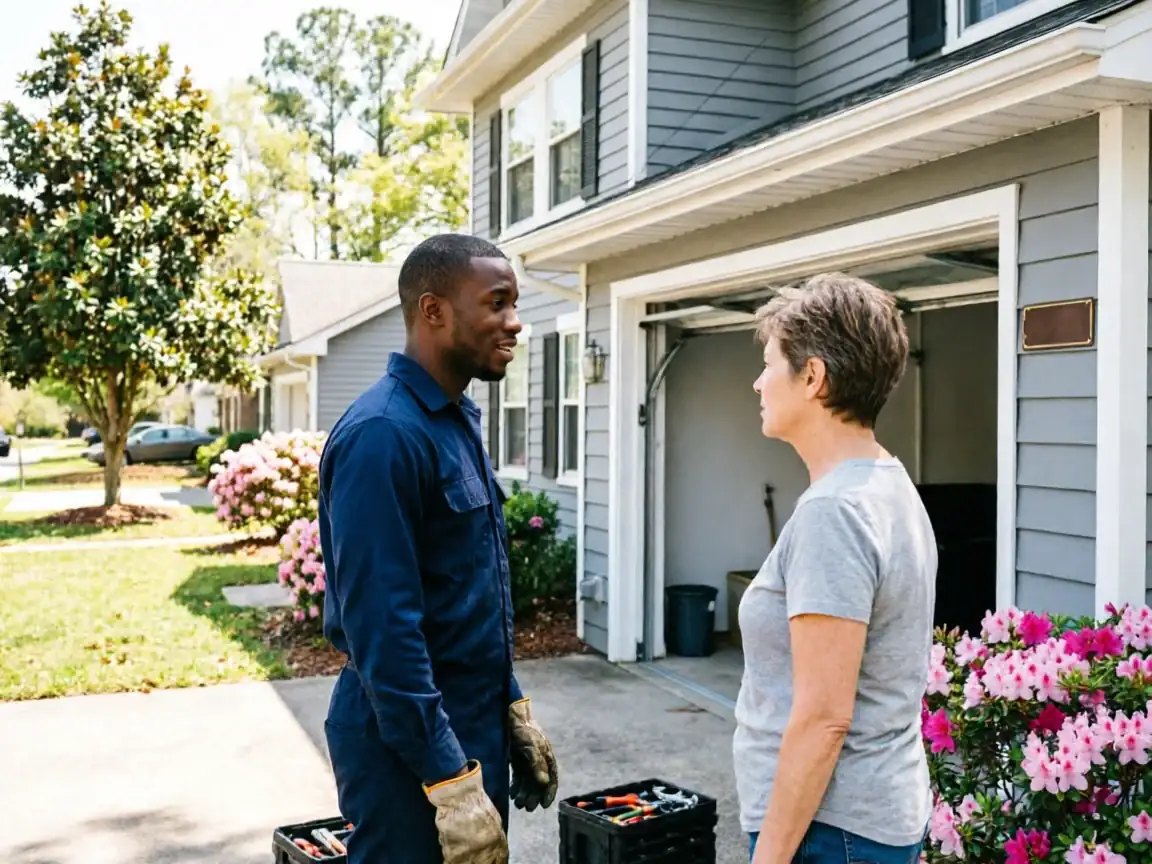
Auburn sits about 15 miles out from Snellville, so a service call here is built into the route, not a special trip, though it does mean a bit more drive time than jobs closer in. For a straightforward torsion spring swap or roller replacement on a door this age, we're usually working with parts we carry on the truck. If the job turns out to need a specific opener board for a discontinued model, that part may need to be ordered, and we'll tell you that up front rather than make you wait at home for a truck that's waiting on a part.