How It Shows Up
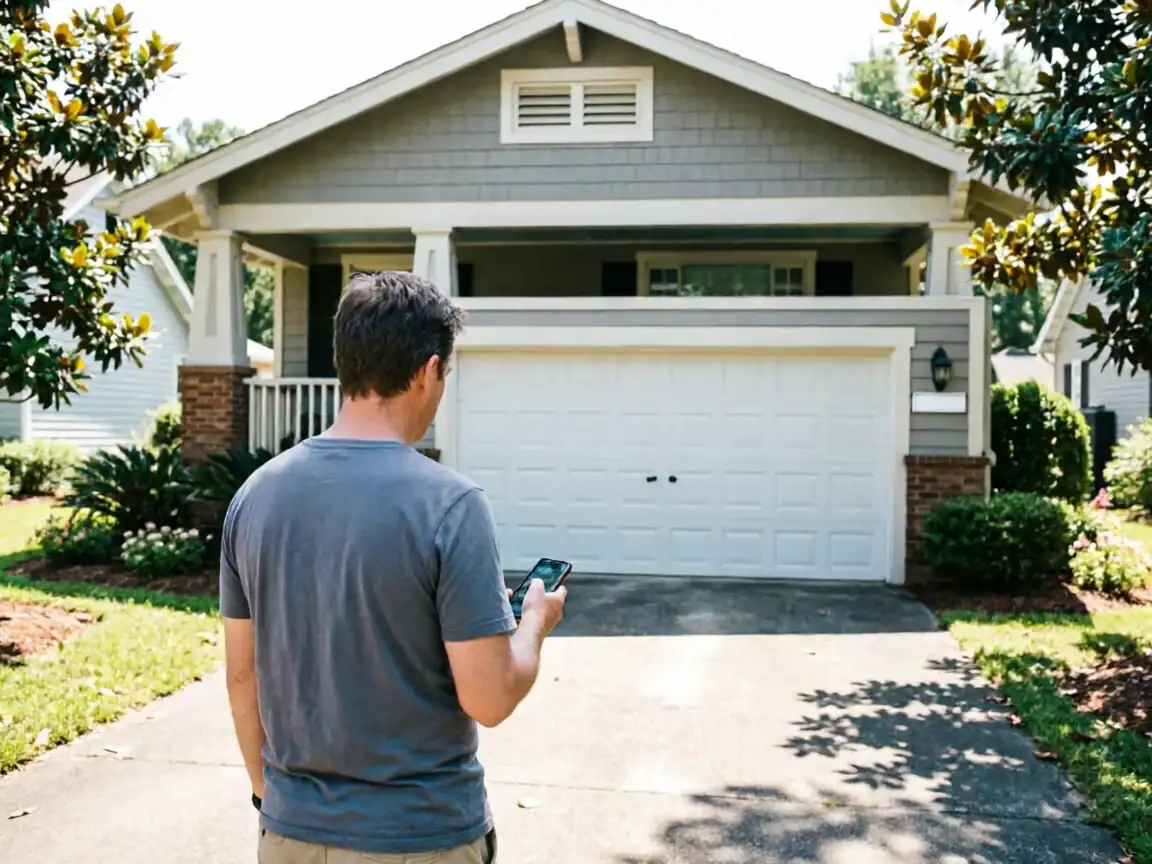
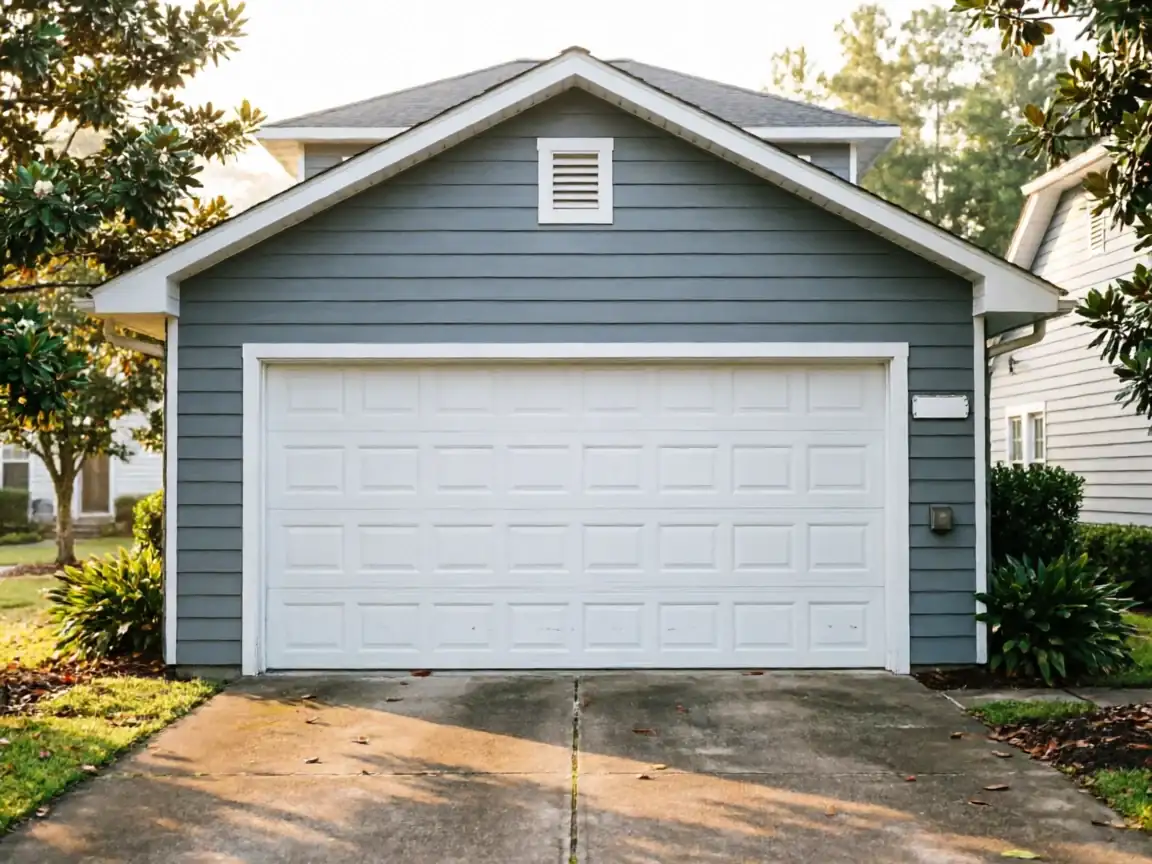
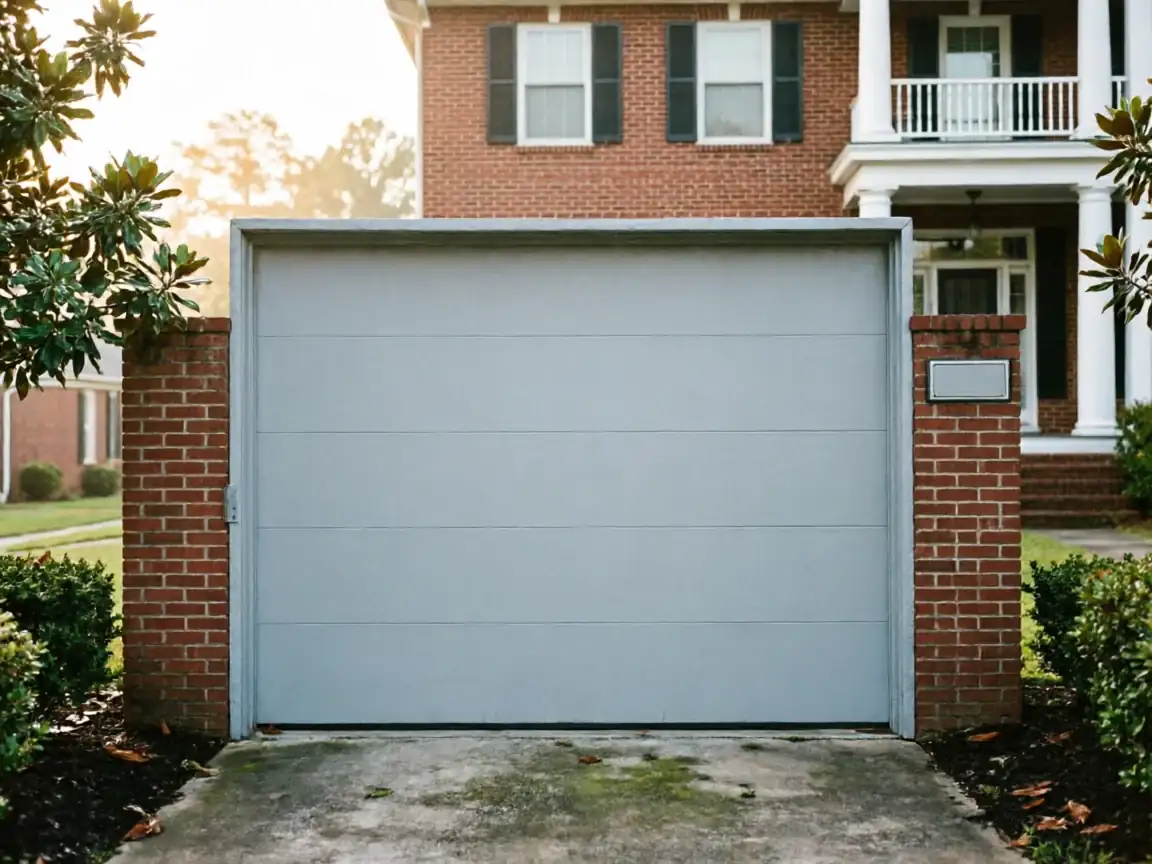
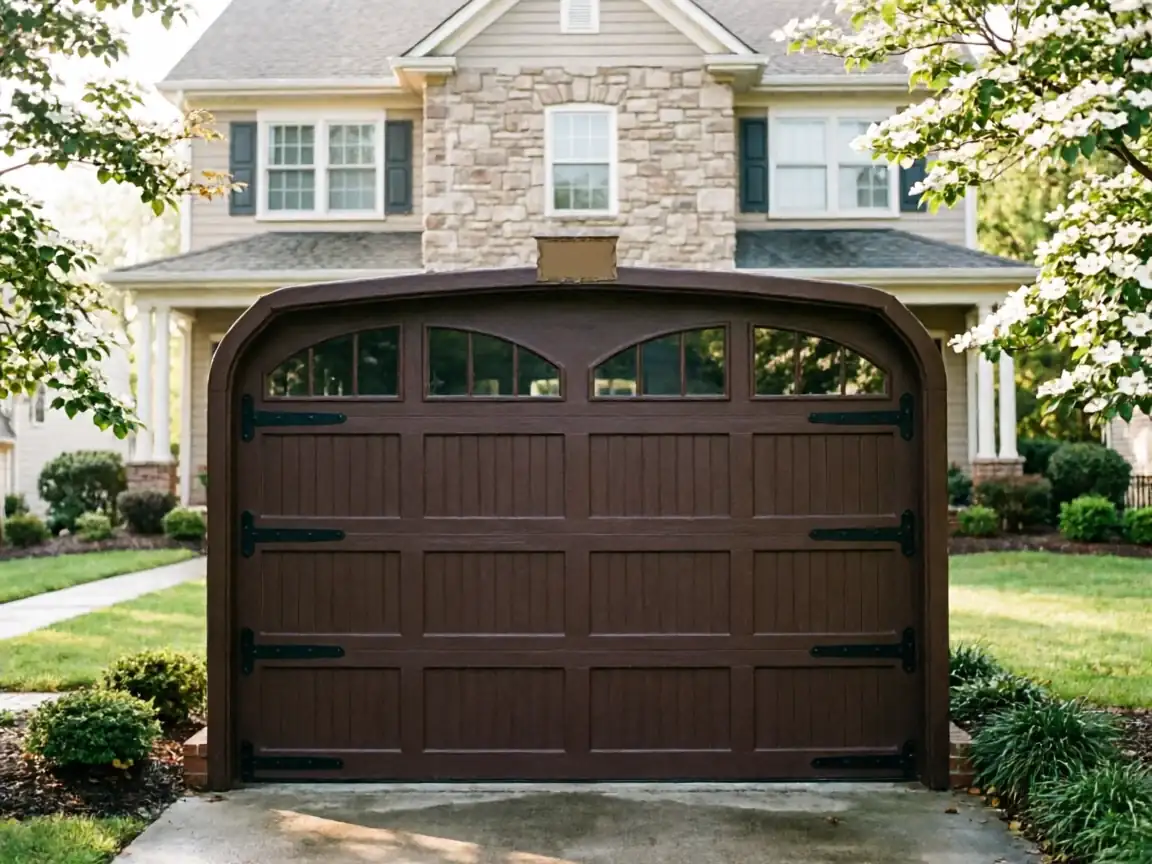
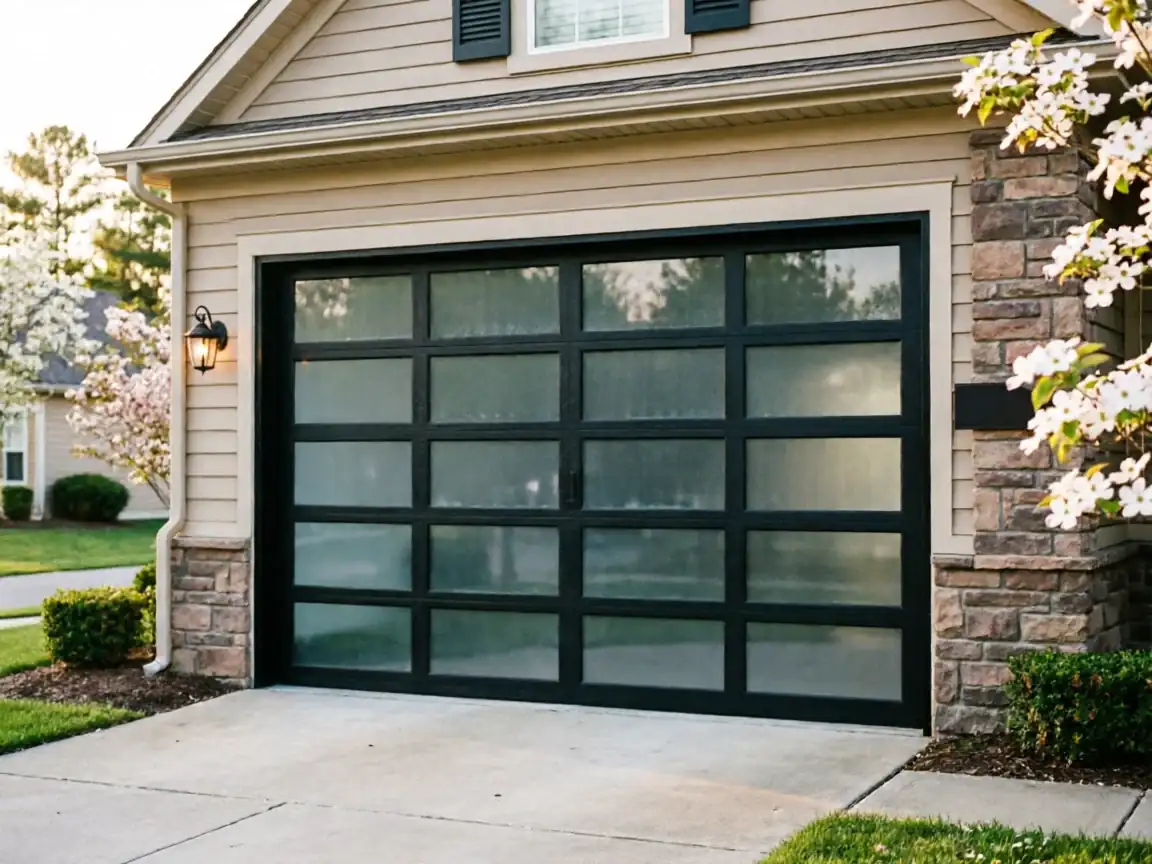
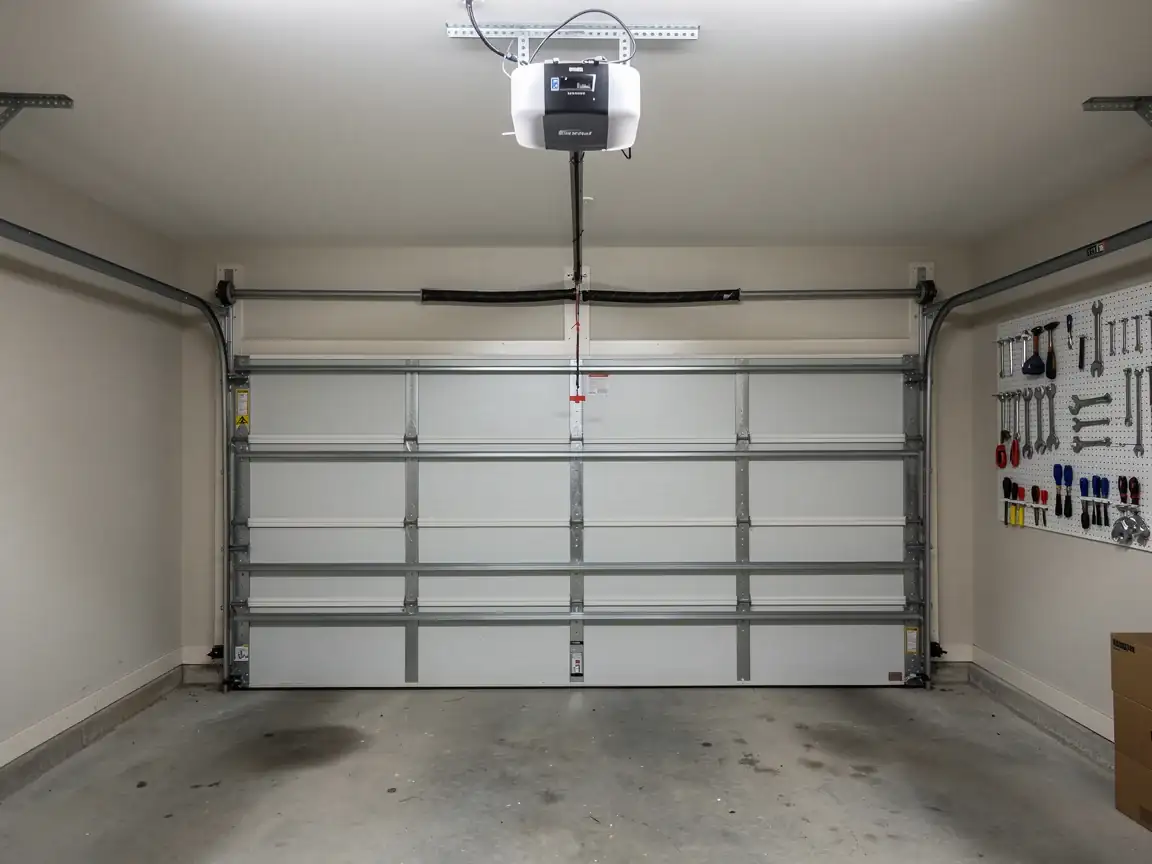
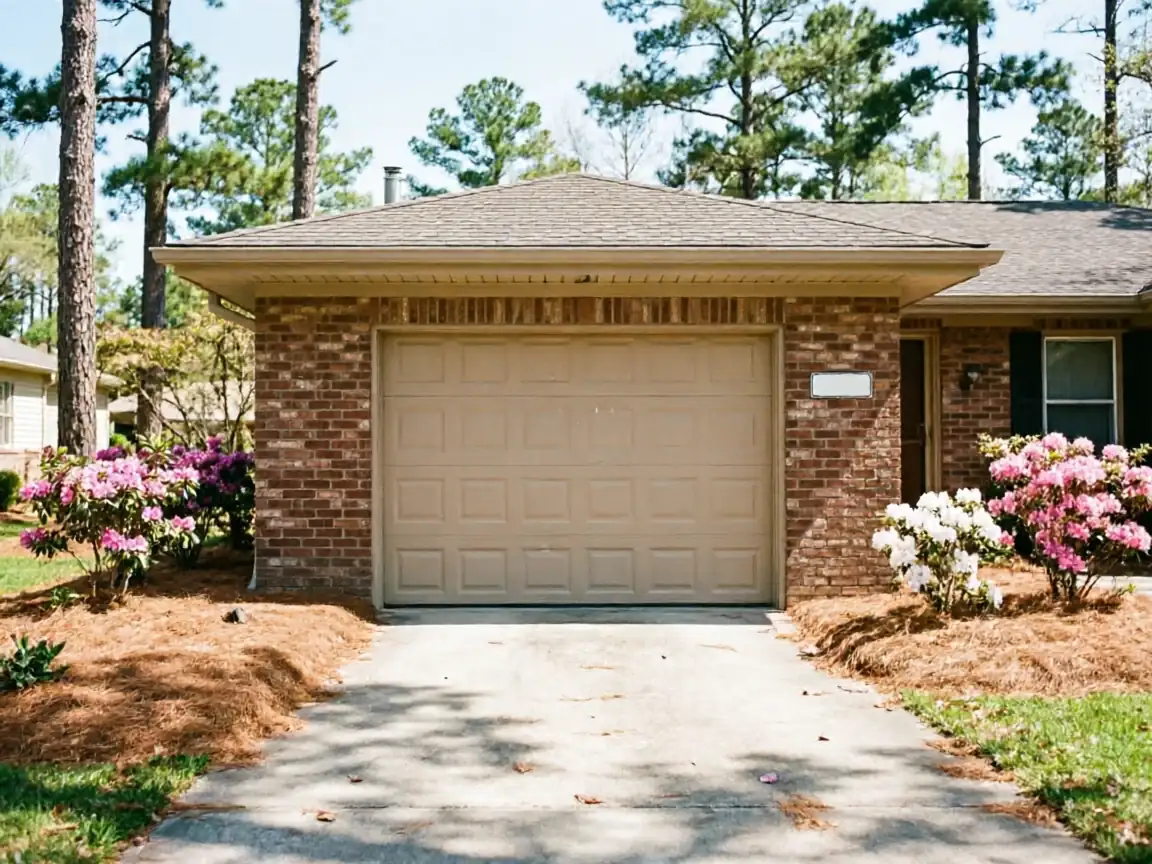
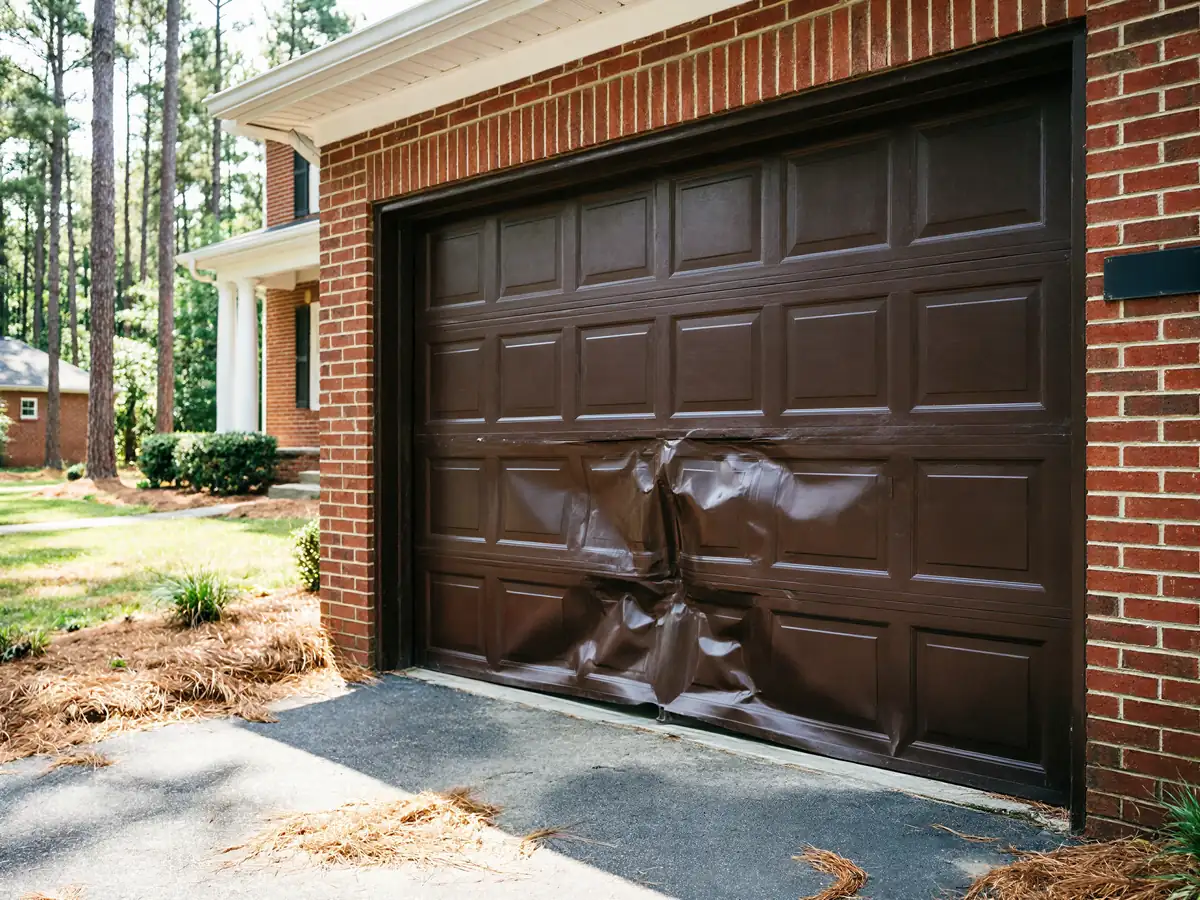
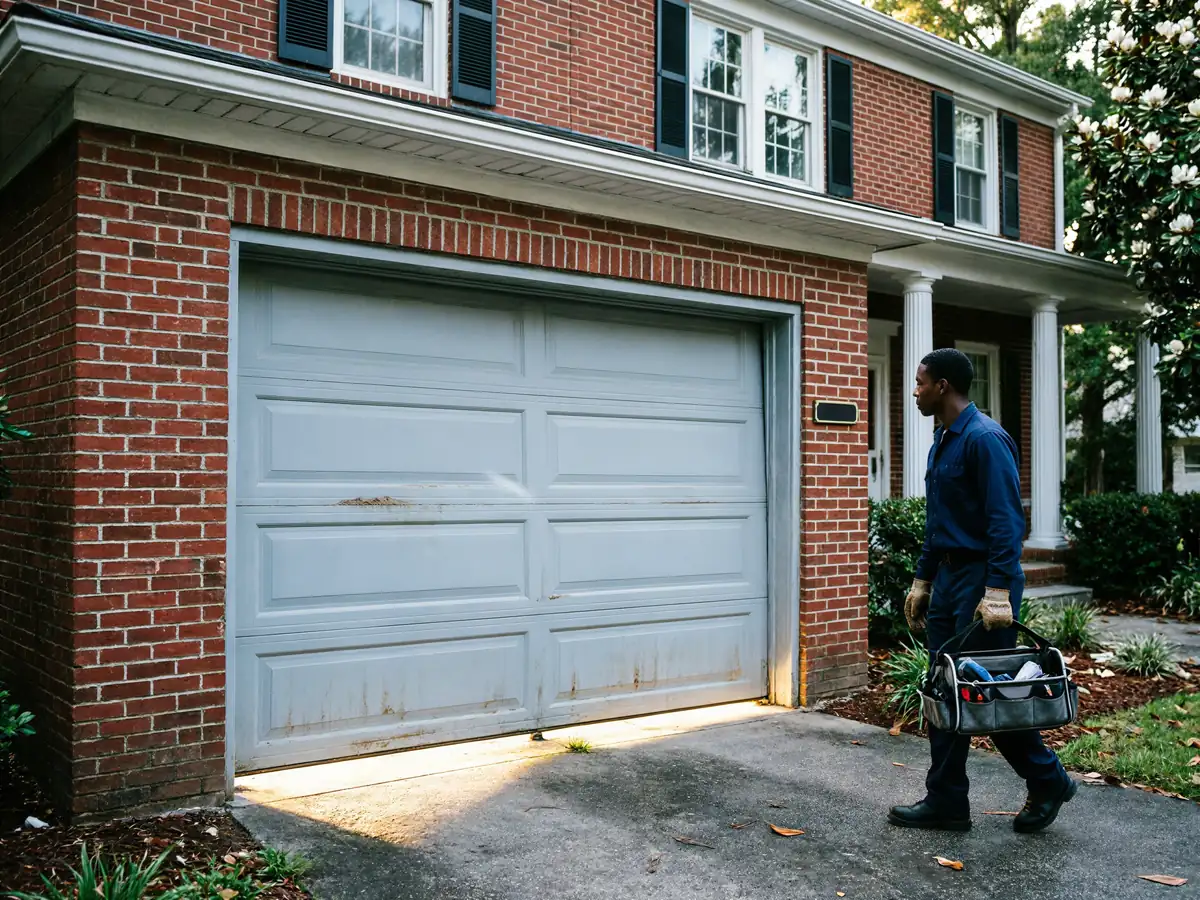
Grayson sits at a median build year of 2012, which is a different animal from the 1978 median across the rest of the Snellville service area. Most of the 1,223 households here are living with their original door and opener, not a 1970s replacement someone bolted on later. That changes what breaks first. Older stock across the wider area tends to fail at the hardware level: worn rollers, corroded hinges, a torsion spring that's simply outlived its cycle count on a door installed decades ago. A Grayson door built in the last 15 years is more likely to fail at the electronics or the sensor alignment, or because a newer steel-reinforced panel took a direct hit and bent the track with it. Builder-grade springs on newer construction also tend to be sized tight, so when one goes, the door drops hard and fast rather than sagging slowly. If your door won't open and the opener motor is still humming, that's usually a newer-house symptom: the trolley has disengaged or the limit switch has drifted, not a spring that's simply worn out. We ask what the house is like before we ask what the door is doing, because the age of the build tells us where to look first.
What the Repair Takes
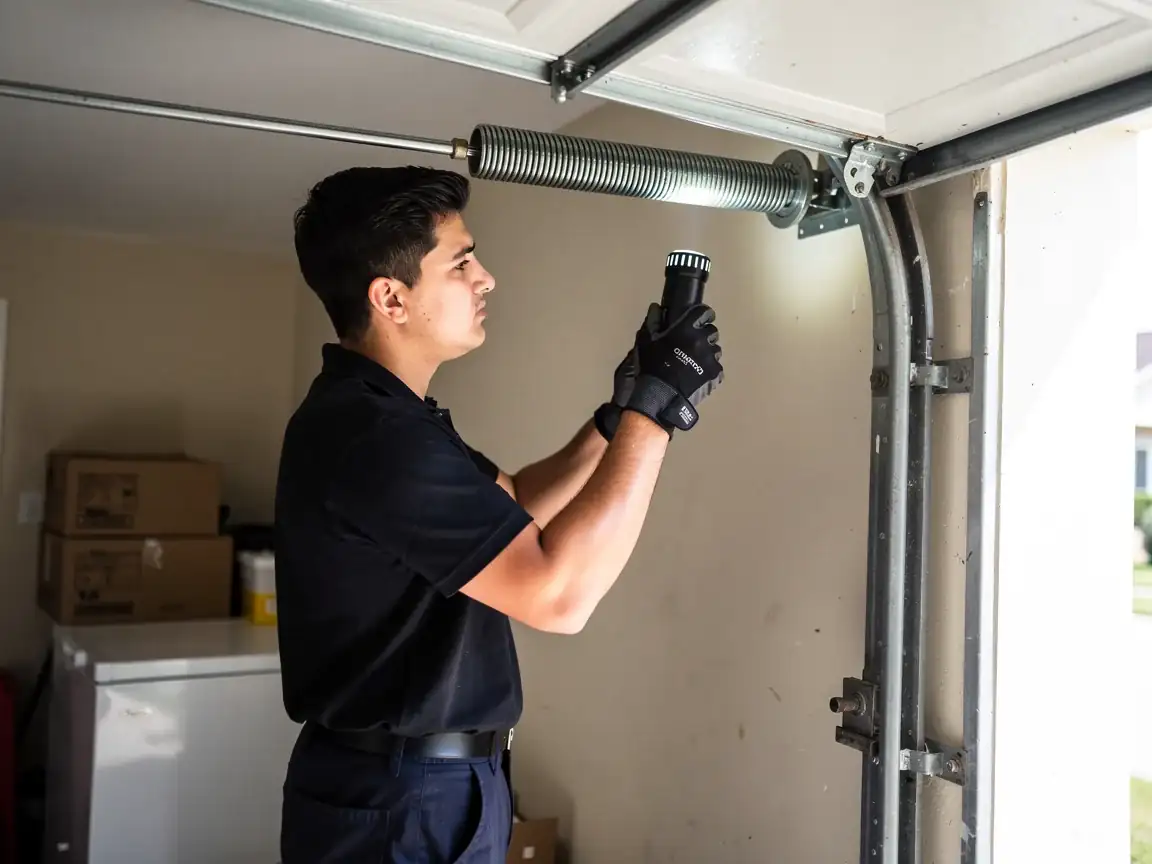
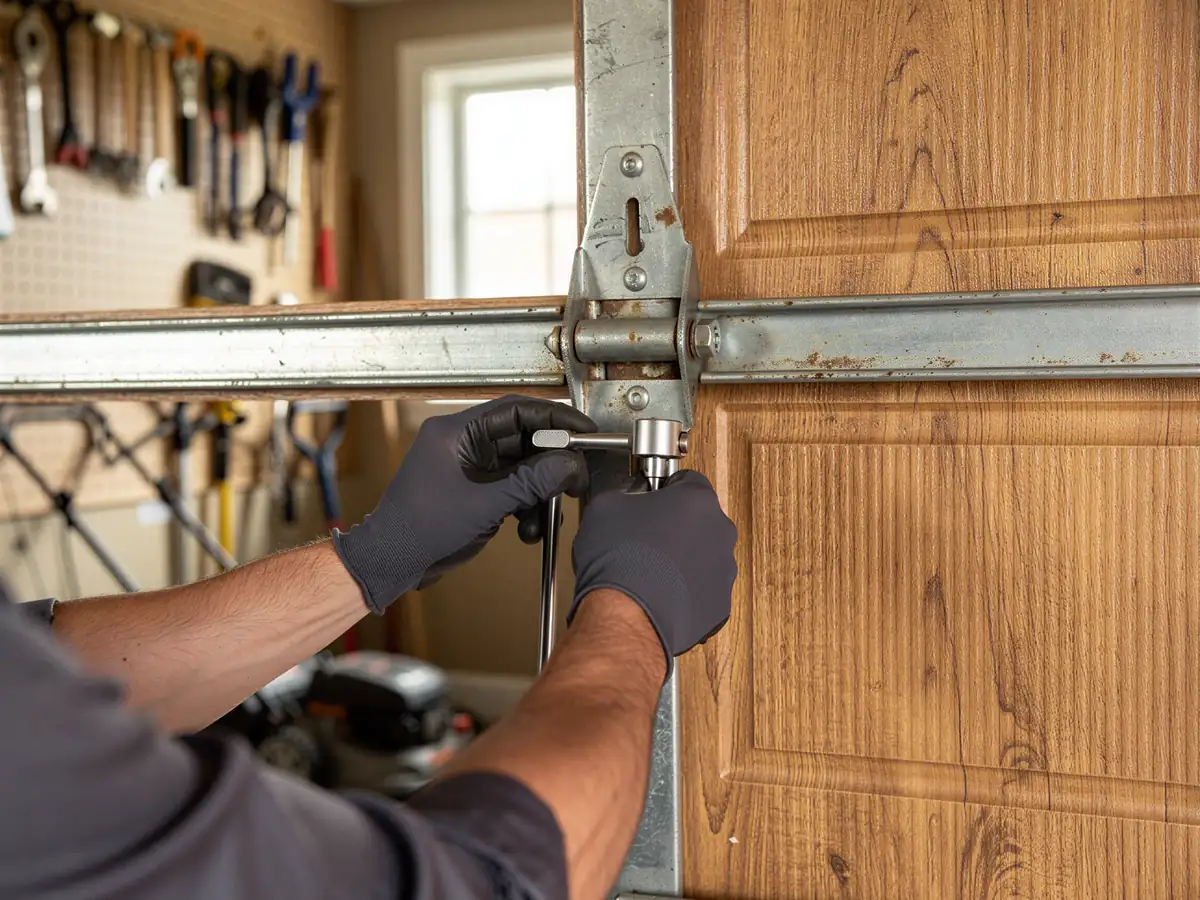
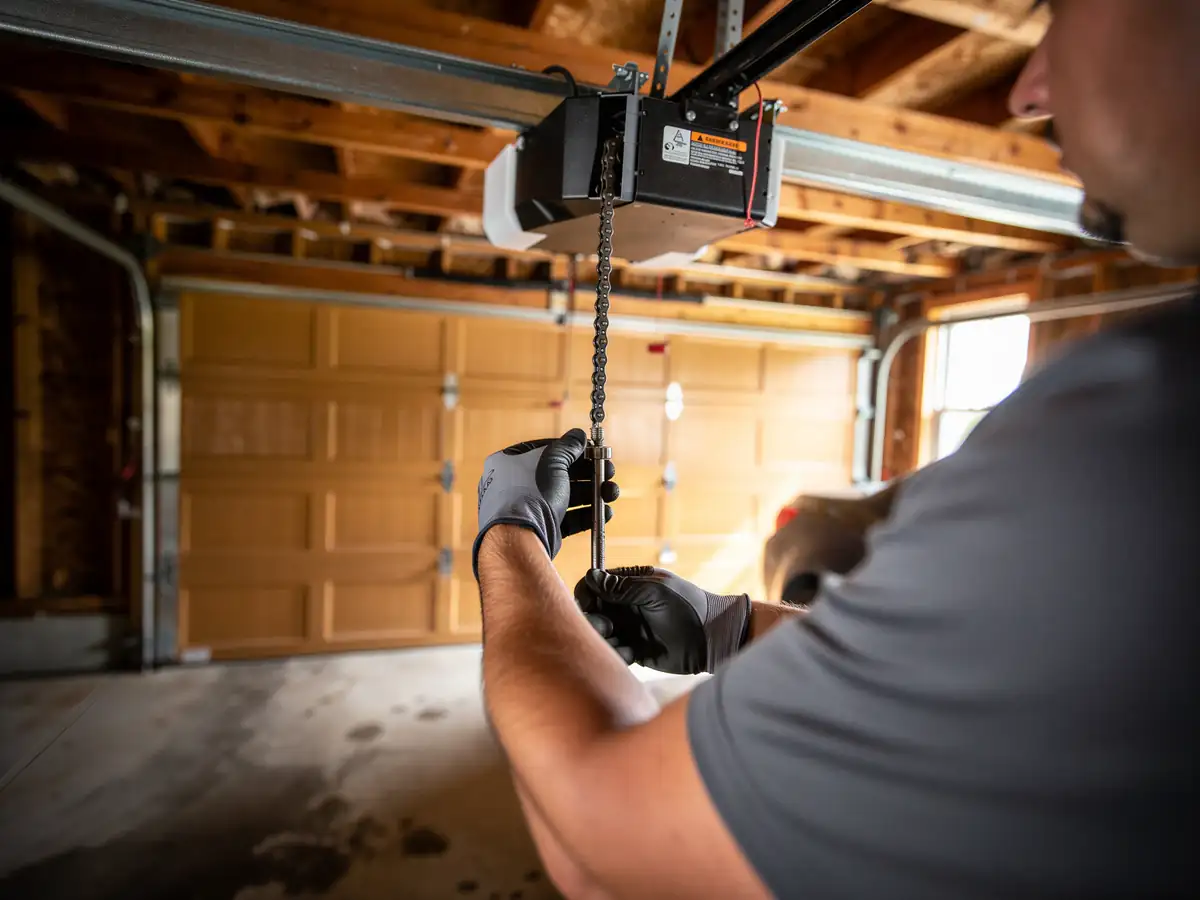
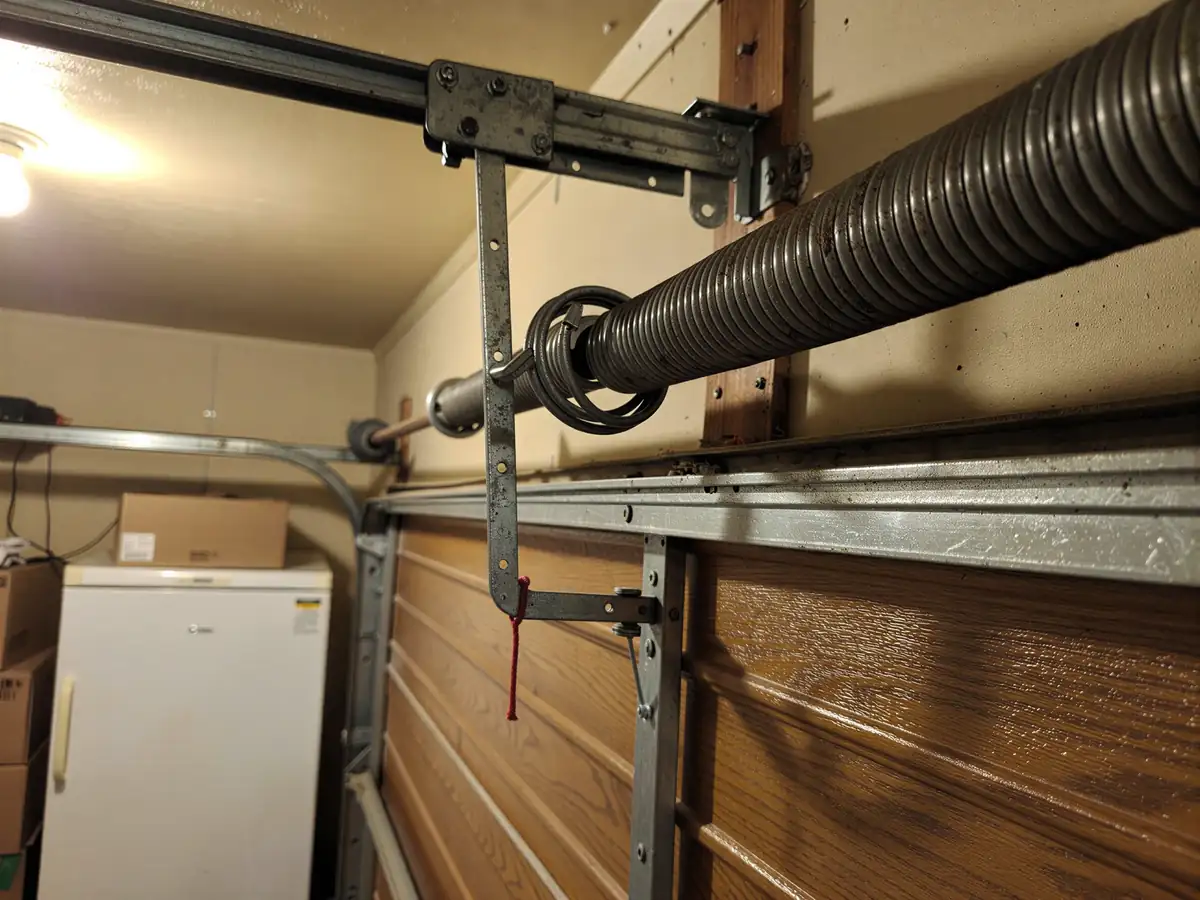
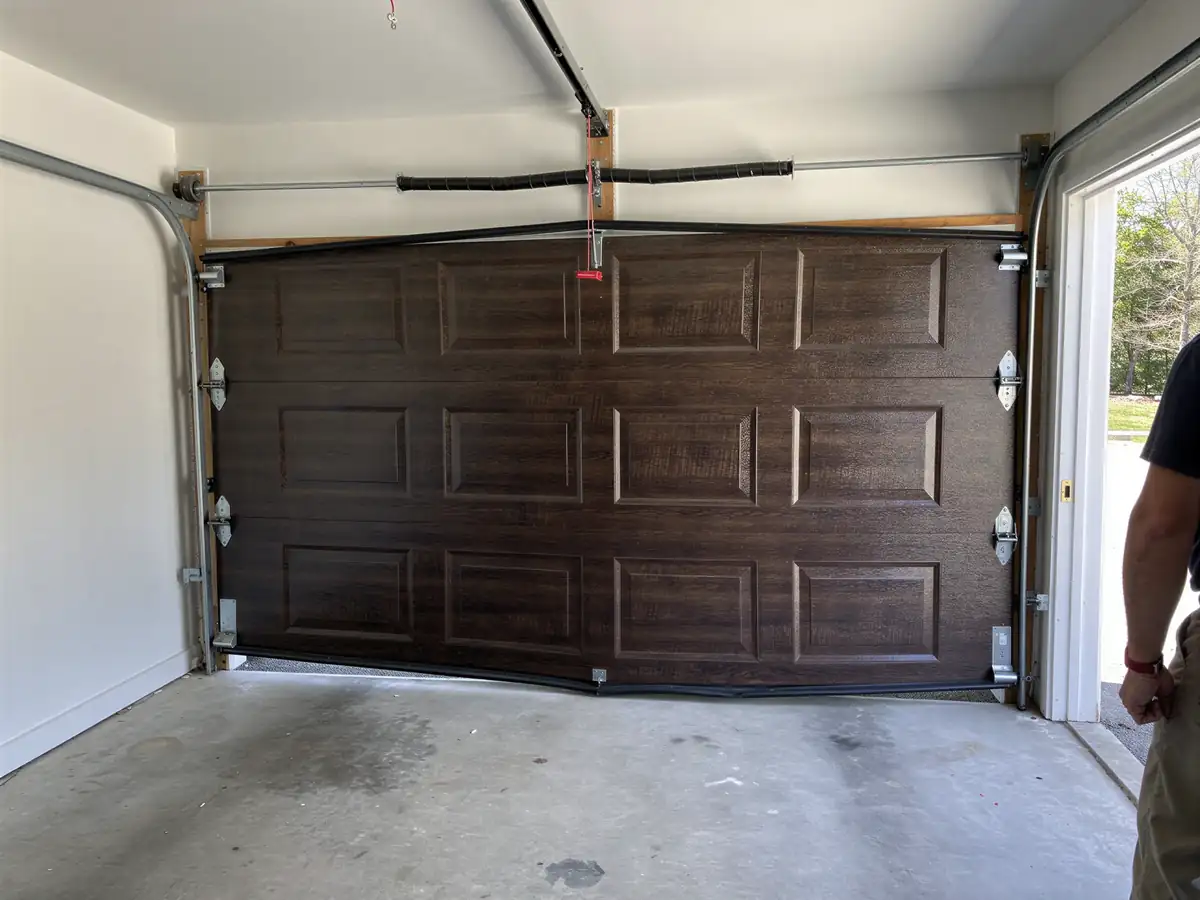
On a 2012-era build, the first thing we check is whether the opener logic board or safety sensors are the actual problem rather than the spring or cable. Newer doors in this part of the service area are more likely to be insulated steel panels on nylon rollers, which run quieter but also mean a bent track from an impact is a track-and-roller job, not just a panel swap. Torsion springs on newer construction are usually sized to the door weight specified at build, so we don't guess cycle life off age alone, we check wind and gauge against what's actually hanging. Cables and drums on a house this age are rarely the failure point unless something's been run over or the door's been forced while jammed. We're honest that if a panel is cracked through on a door still under its original warranty window, calling the builder or installer first can save you money we can't match. That's not a sale we chase.
How Long You Are Without the Door
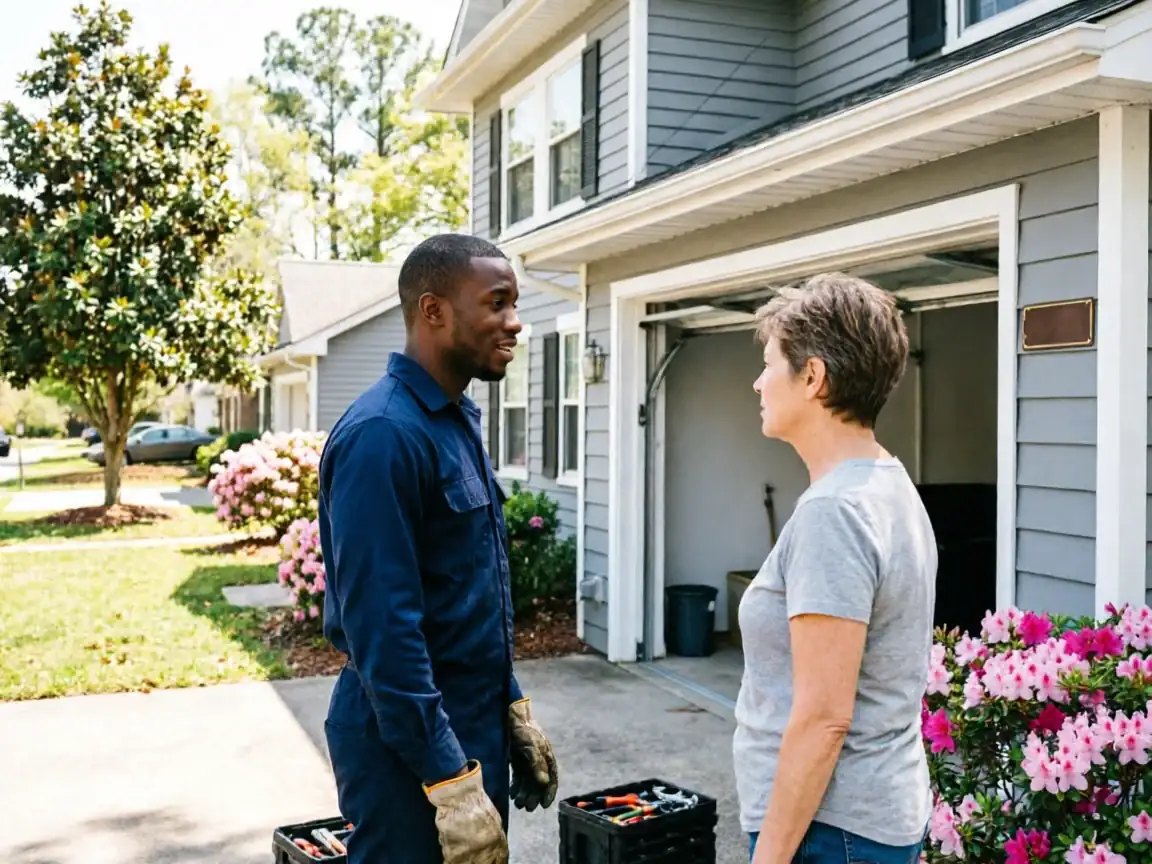
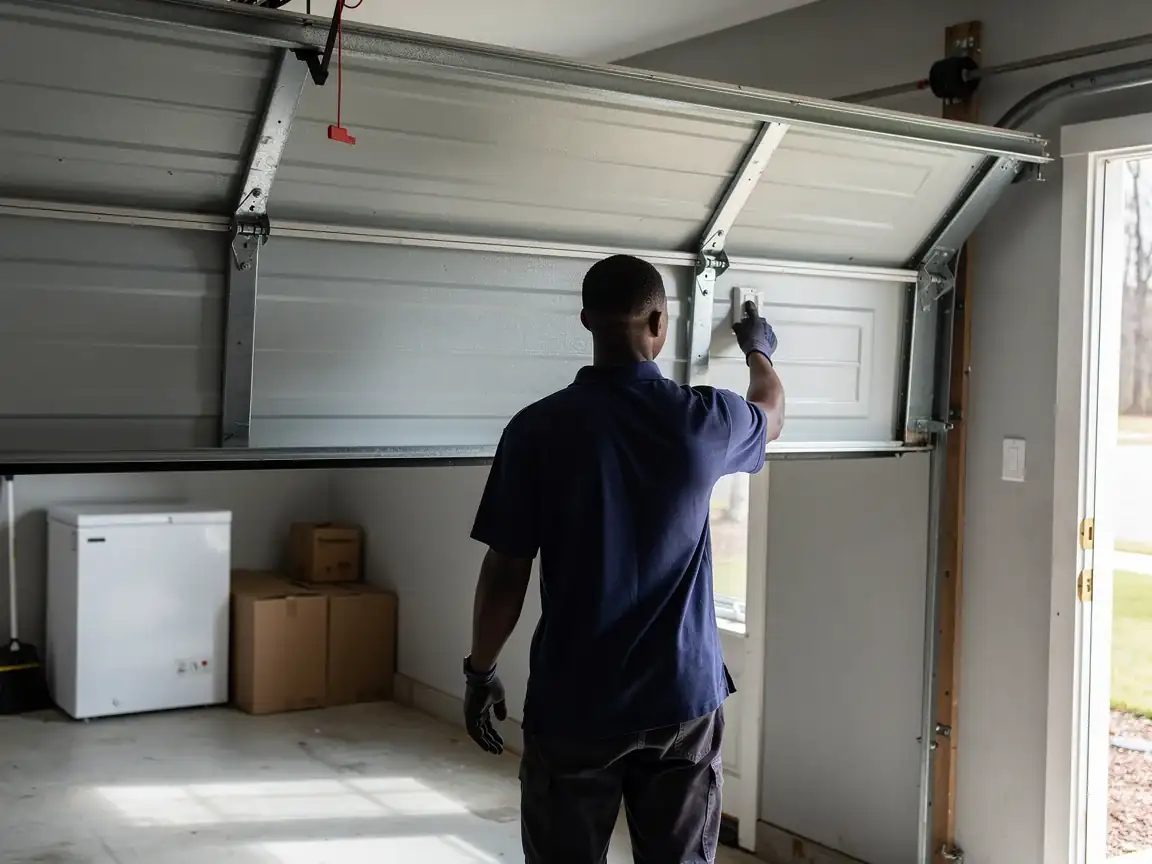
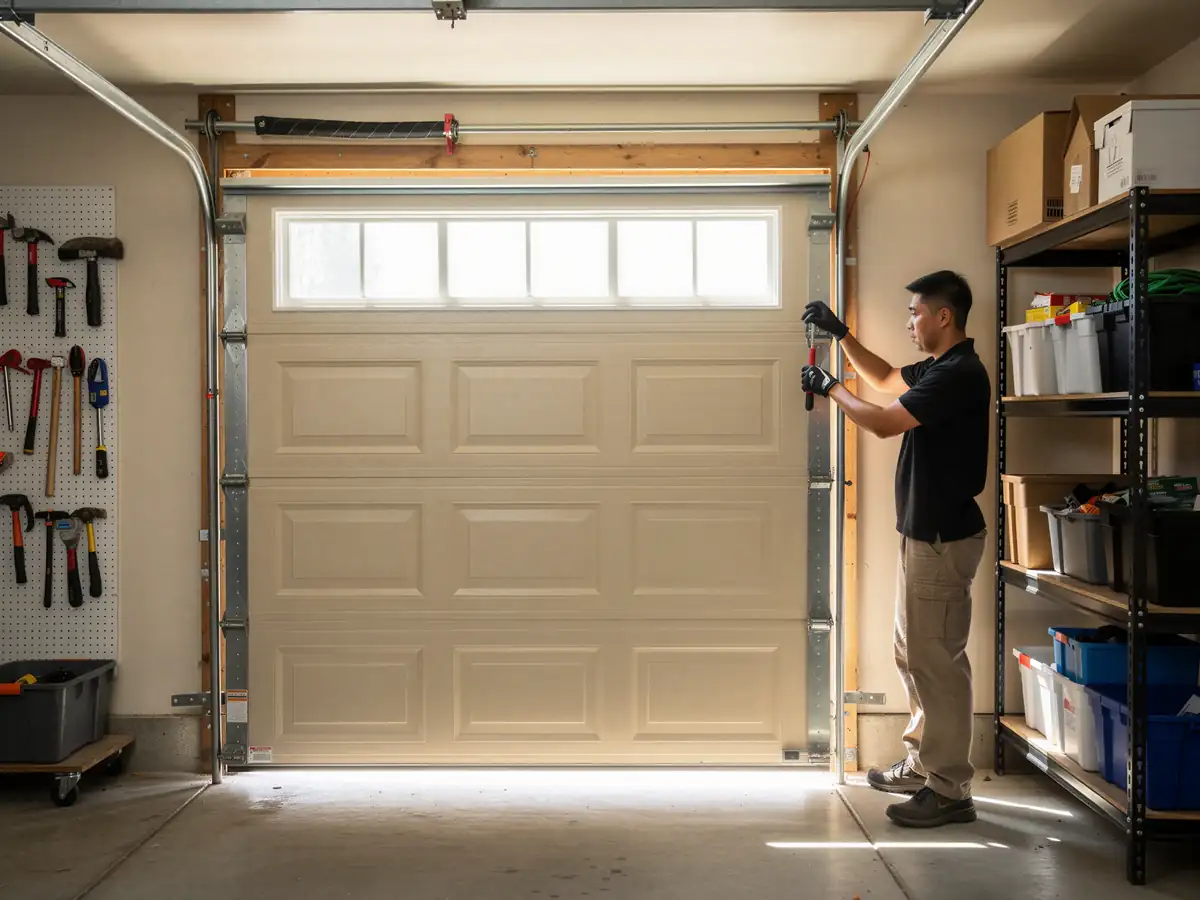
A broken spring or a disengaged opener on a 2012-built door is usually a same-visit fix once we're on site, the parts are standard stock. A bent track or a panel that's been hit hard enough to crack is a longer conversation, because matching an insulated panel on newer construction sometimes means a special order rather than something we carry on the truck. We'll tell you on site which one it is before we start, not after. Cold-moderate winters here don't stress these doors the way older hardware gets stressed, so weather isn't usually the reason for the breakdown on a house this age, it's wear on moving parts or an impact.
Parts We Carry
We stock standard torsion springs, rollers, cables, and common opener sensors on the truck, which covers most of what fails on a newer build. What we don't carry standing inventory for: panel sections matched to specific builder-grade insulated doors, since those vary by manufacturer and a mismatch looks worse than the damage it's replacing. If that's the job, we'll order the exact match rather than force a close-enough panel onto your door.