How It Shows Up
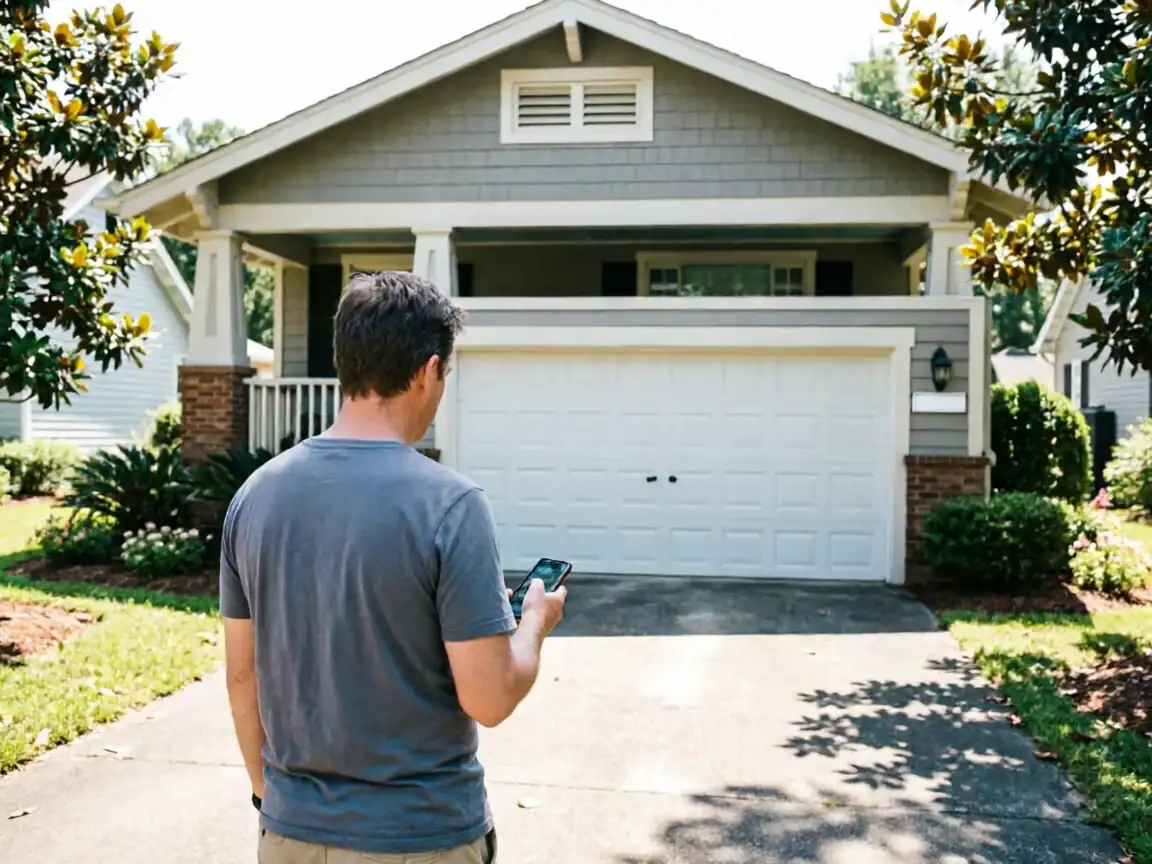
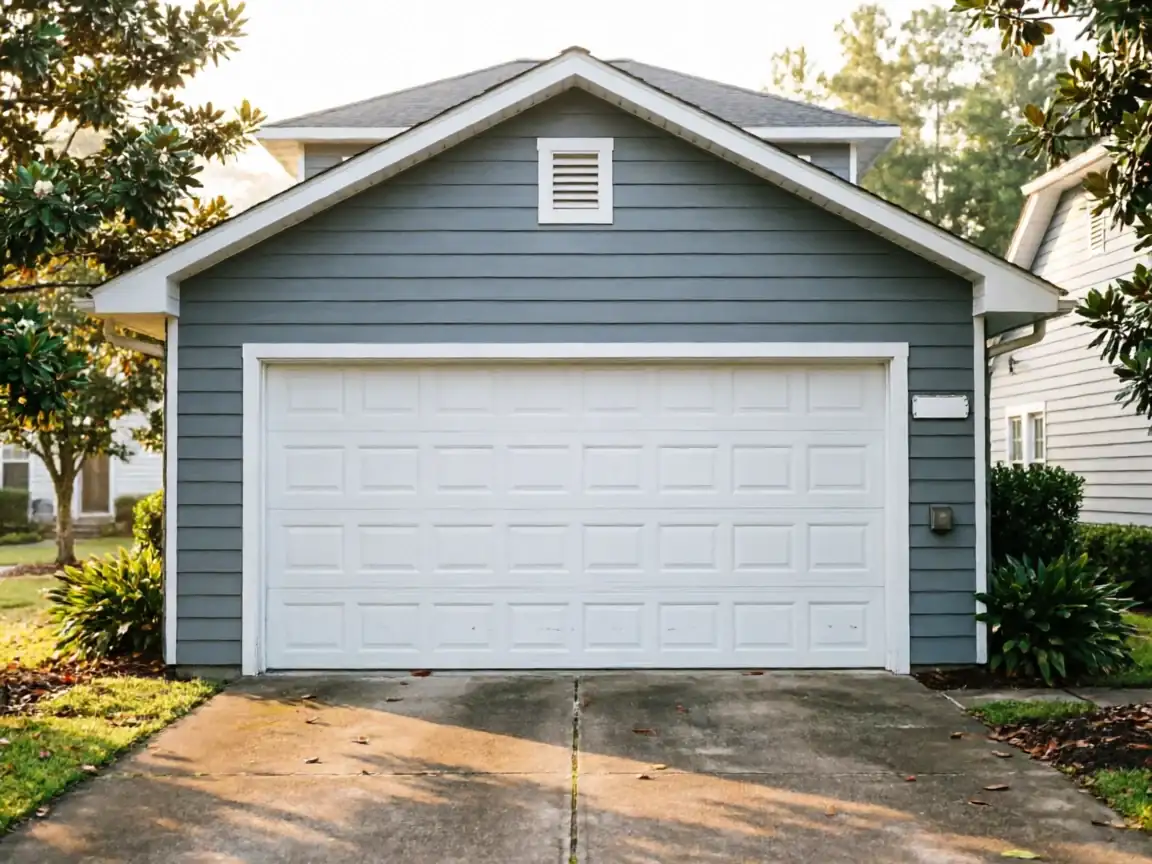
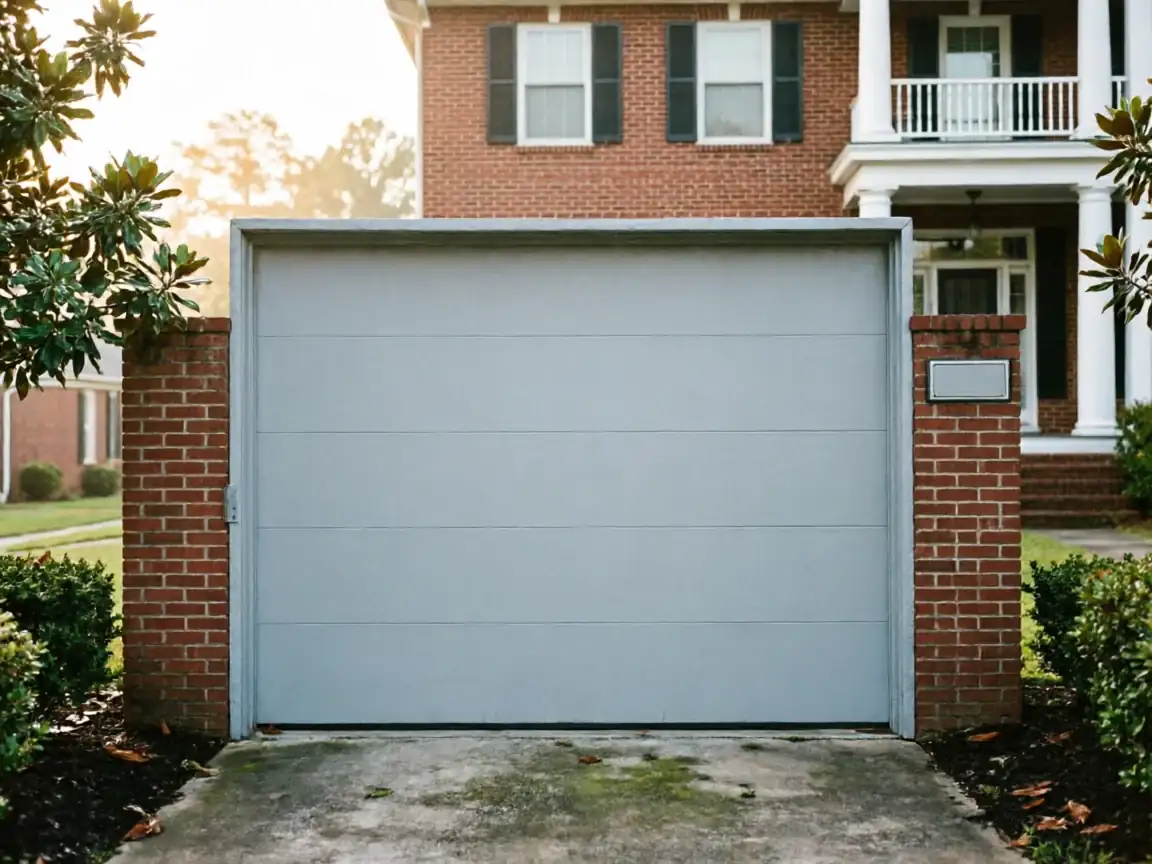
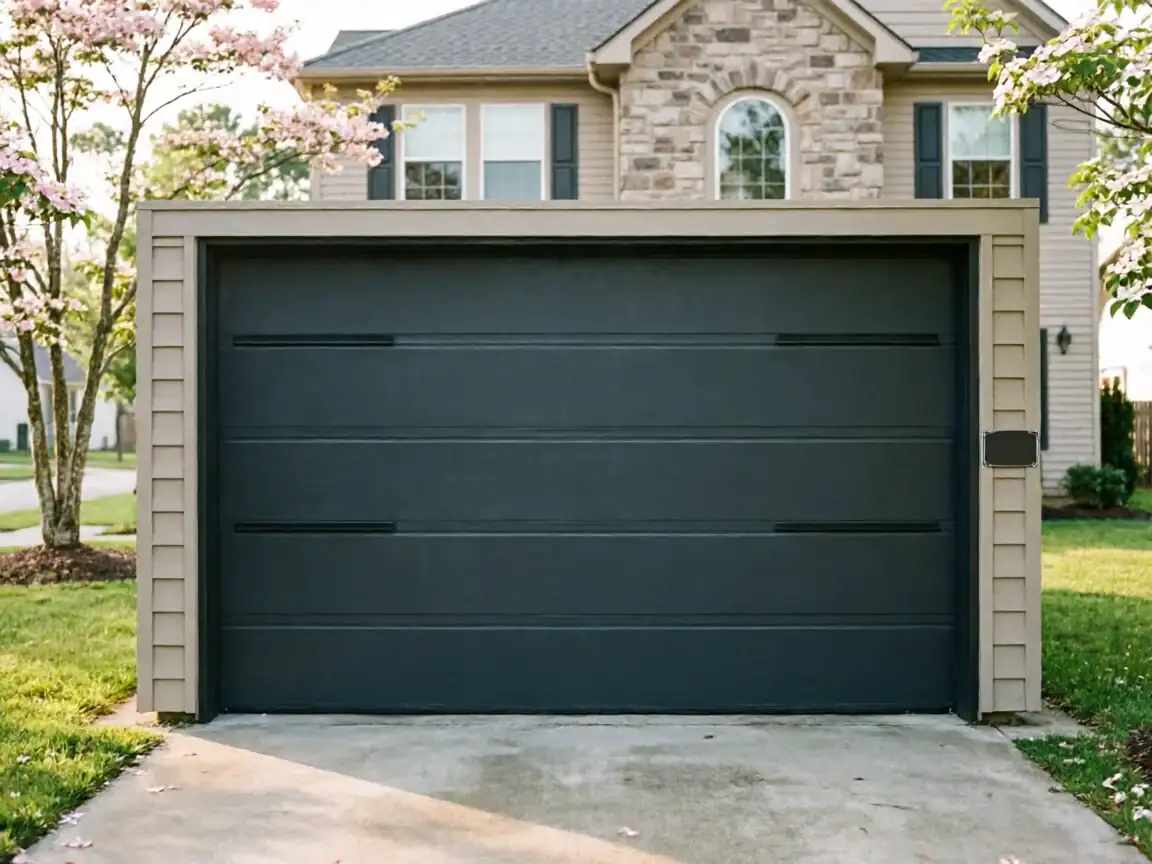
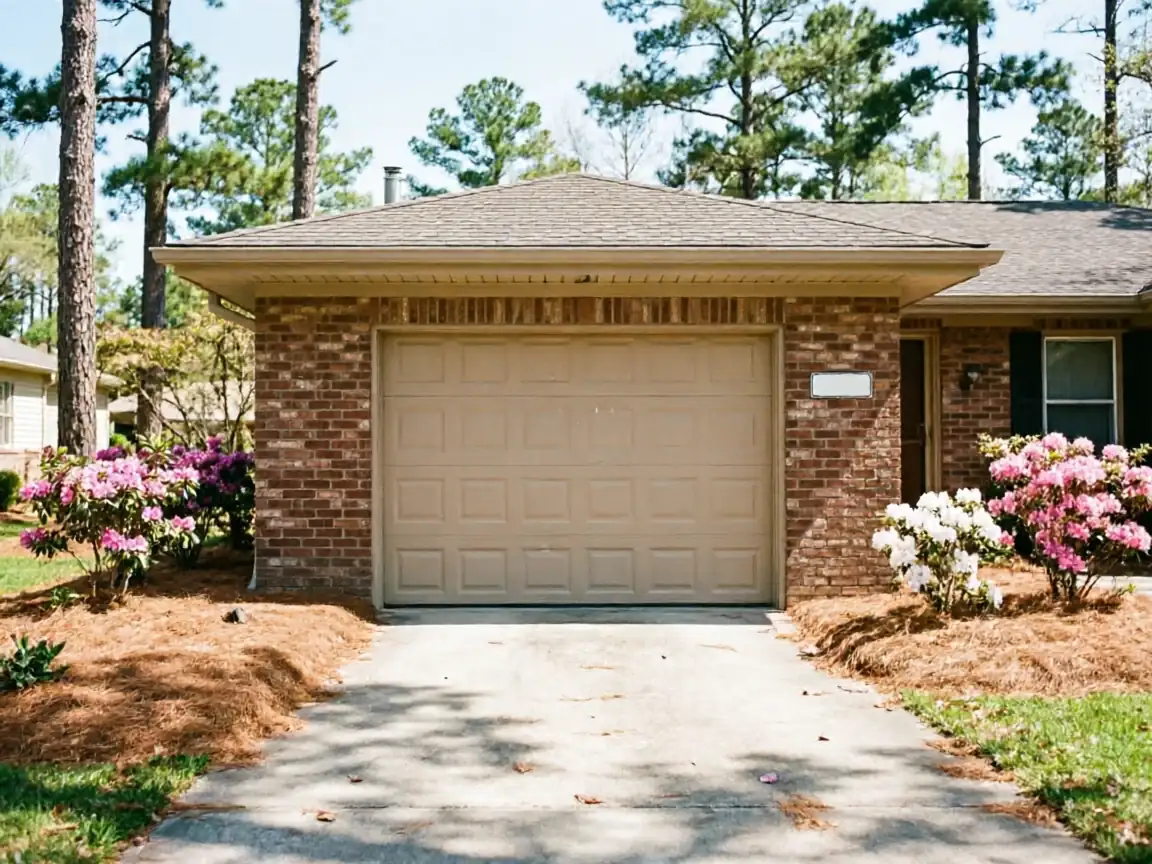
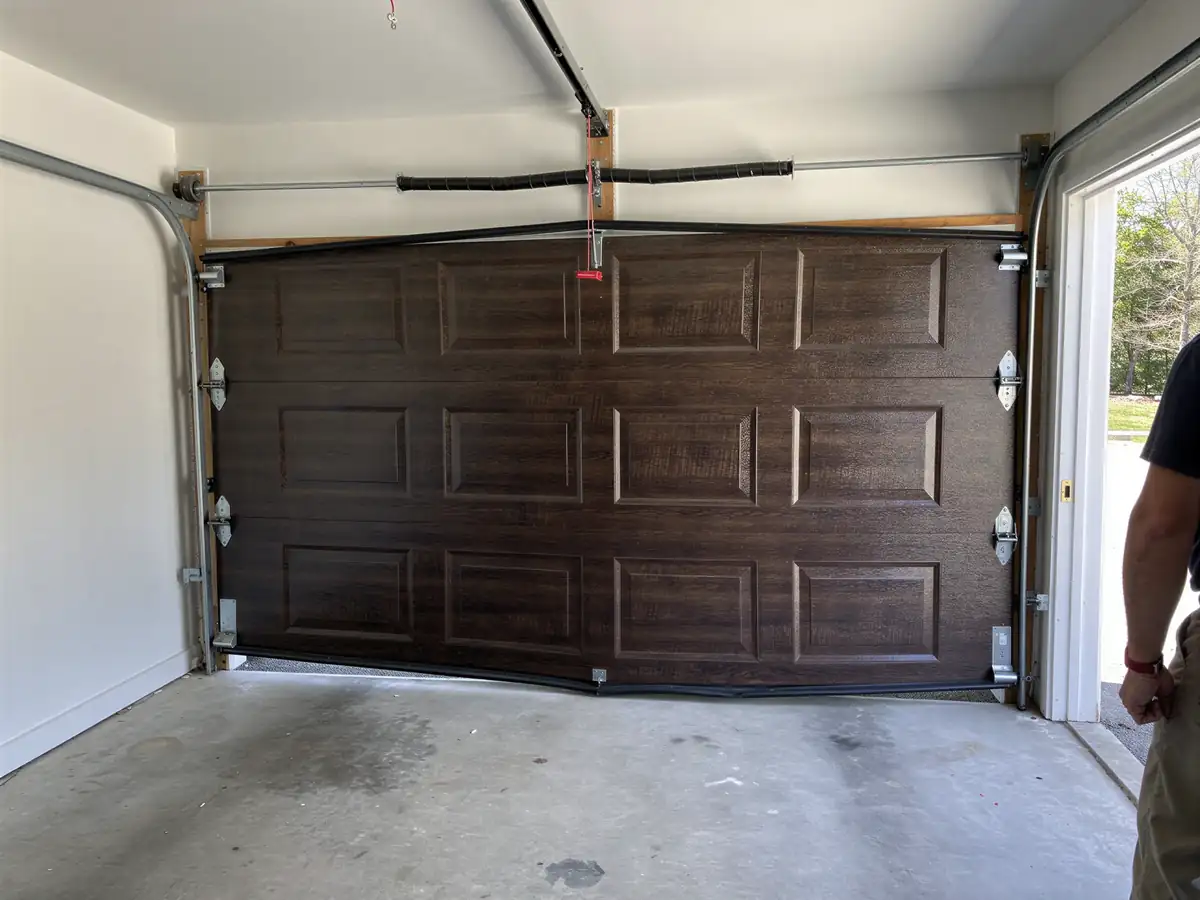
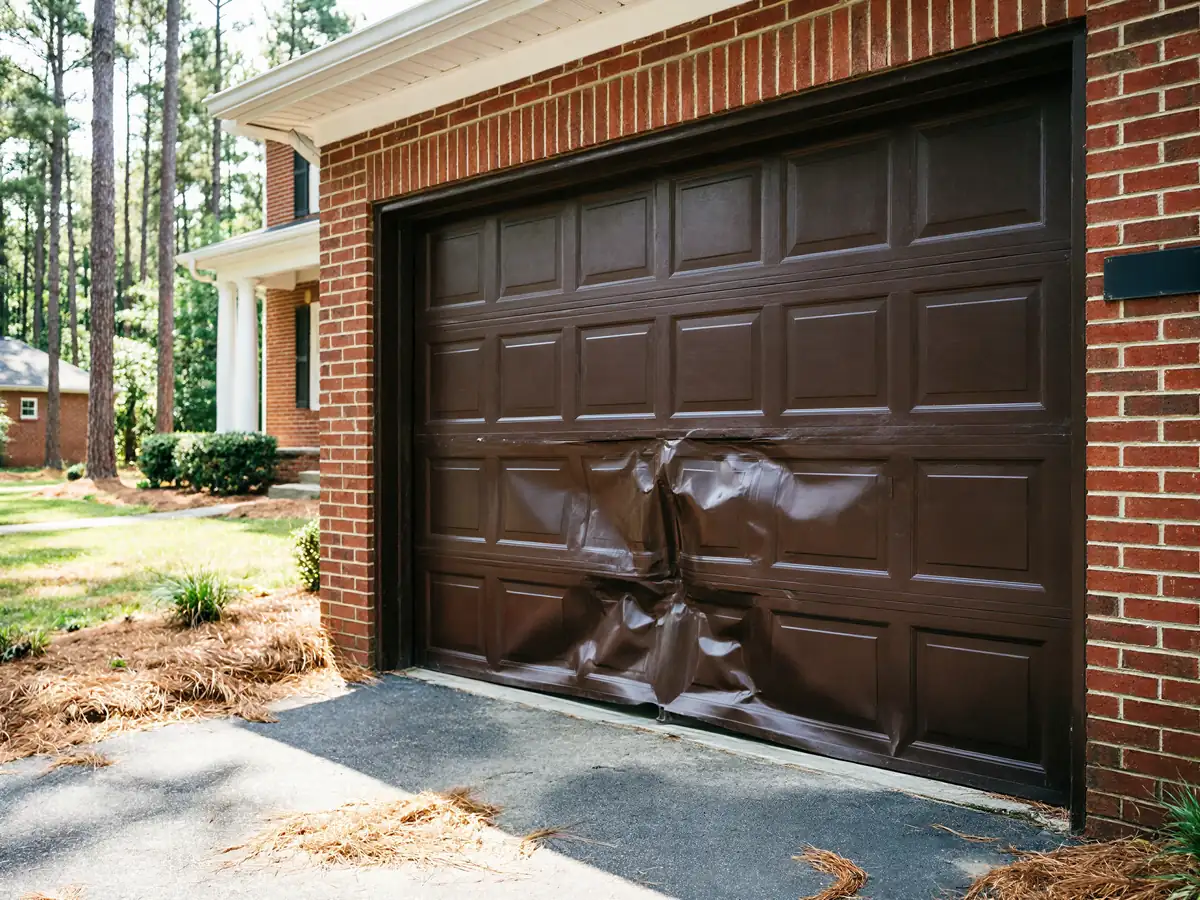
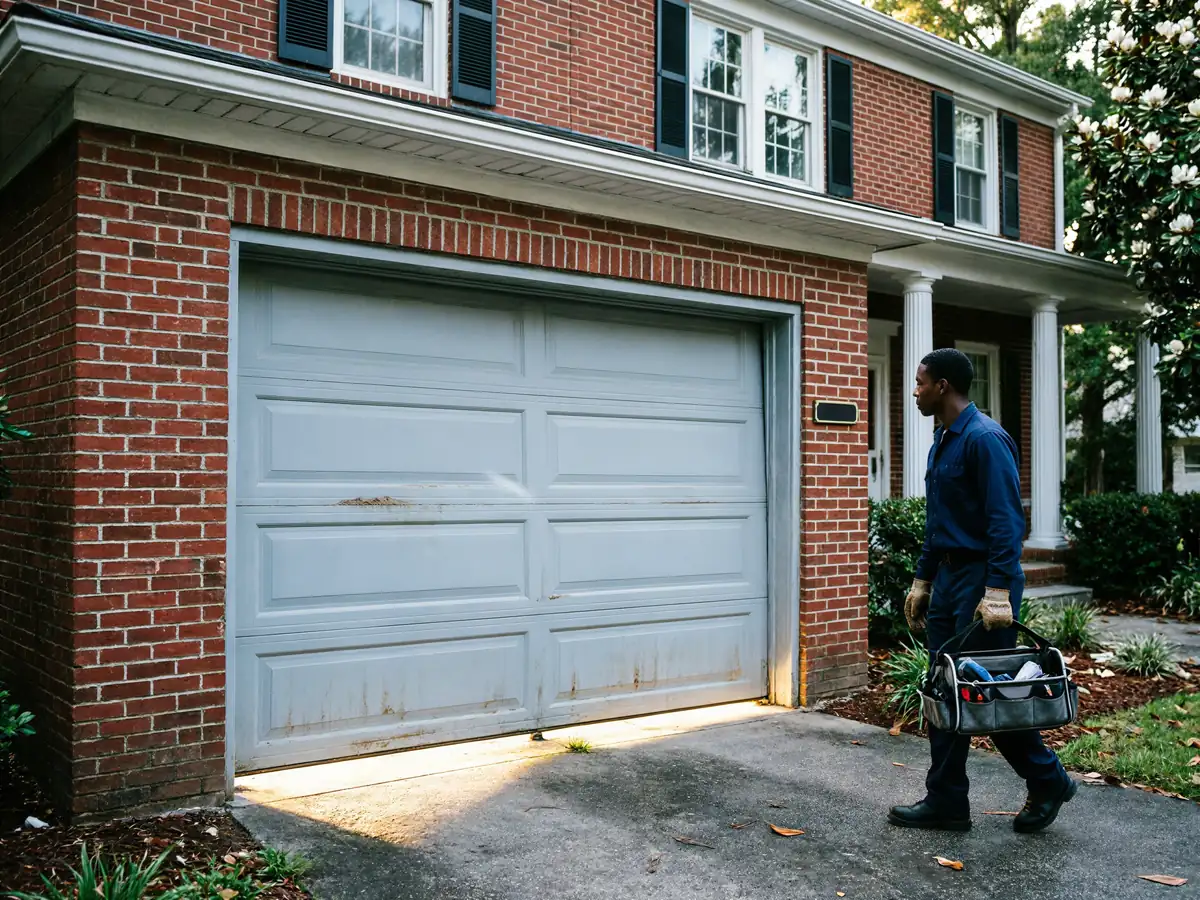
Grayson's median household income of $125,704 sits well above the $70,625 median across the rest of the service area, which changes the math on repair versus replace. When a torsion spring snaps or an opener board fries on a door that's maybe a decade old, a lot of owners here don't want a patch job - they want the thing done right and done once, and the budget usually backs that up. That's a different conversation than the one we have in neighborhoods full of 1960s and 70s houses where a cheap fix can still make sense.\n\nThe other piece is the housing stock itself. Most houses here went up around 2012, newer than the 1960s-70s stock that fills much of the rest of the service area, so openings run wider and doors heavier - builders were already putting in double-wide garages with taller openings standard. If you're replacing a door that came with the house, you're not shopping for a narrow single or an old low-headroom setup. You're shopping for a modern 16-foot double or a pair of 9-footers, sized for a build that's barely old enough to need its first real door replacement.
What the Repair Takes
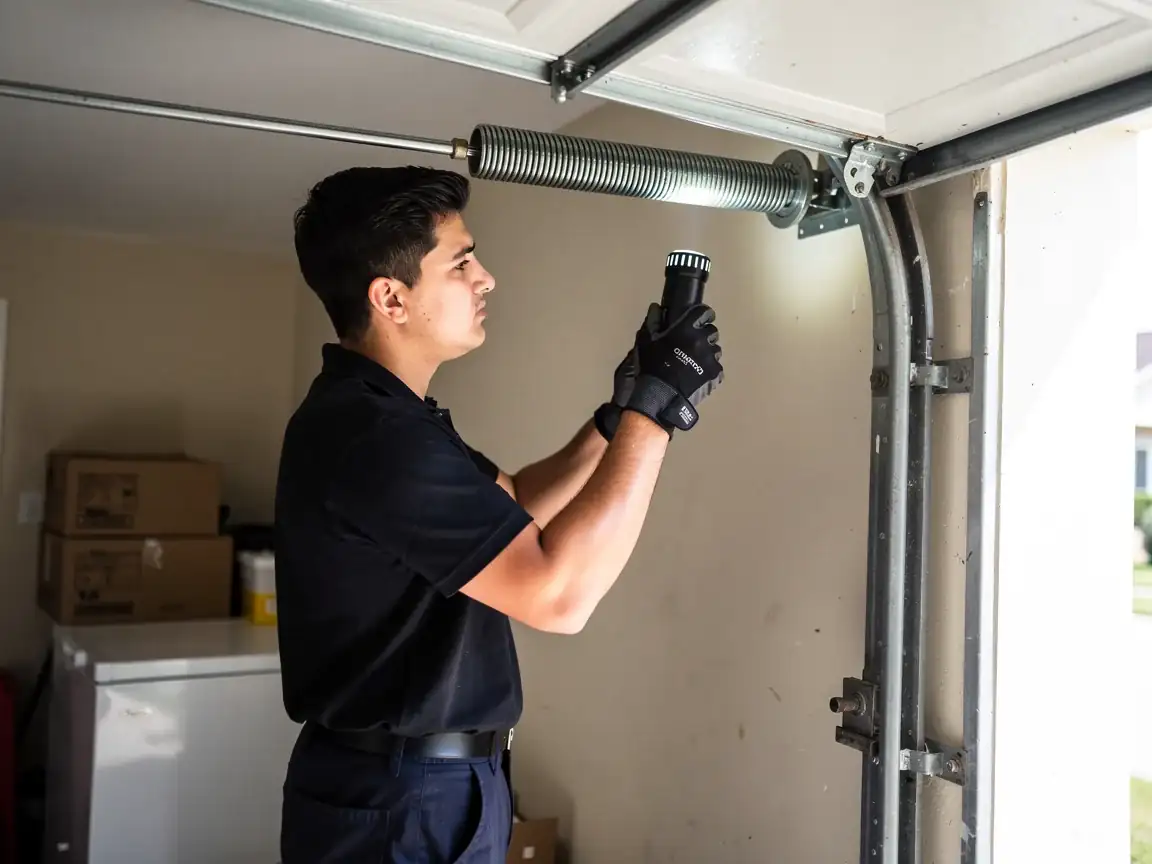
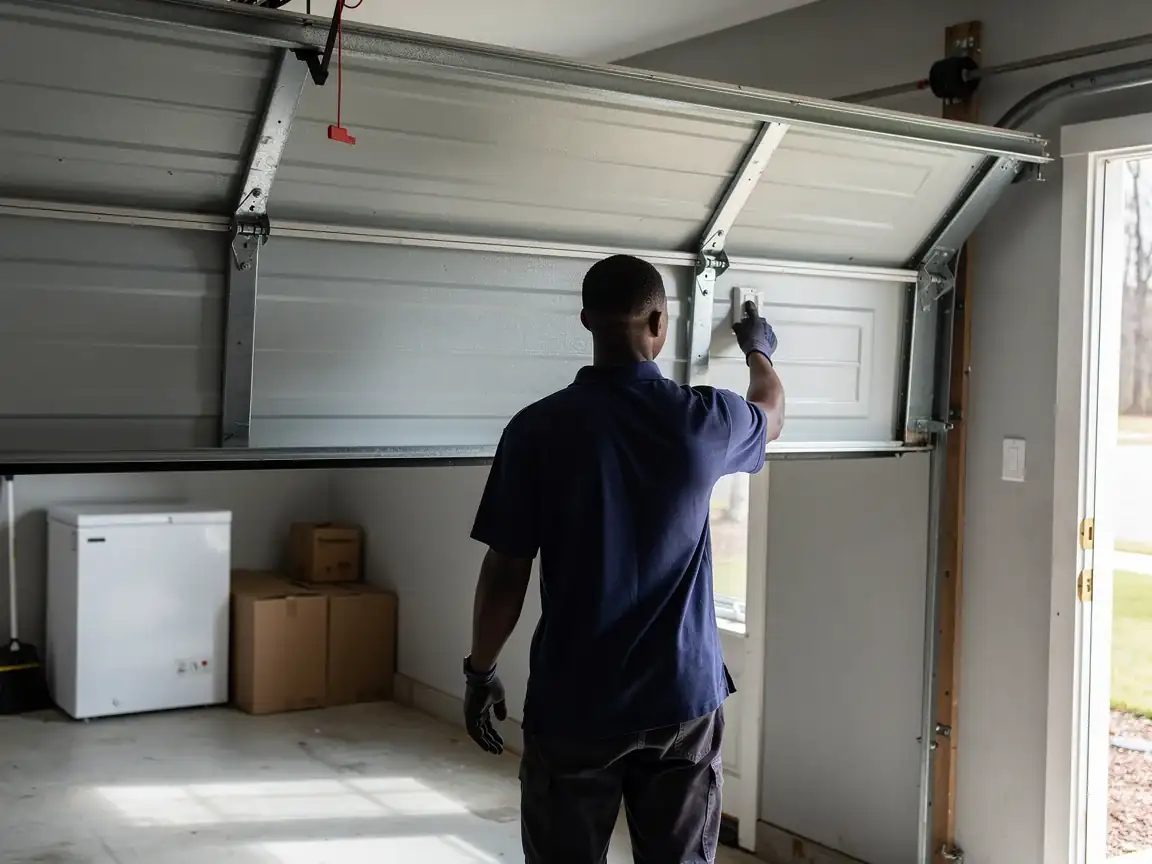
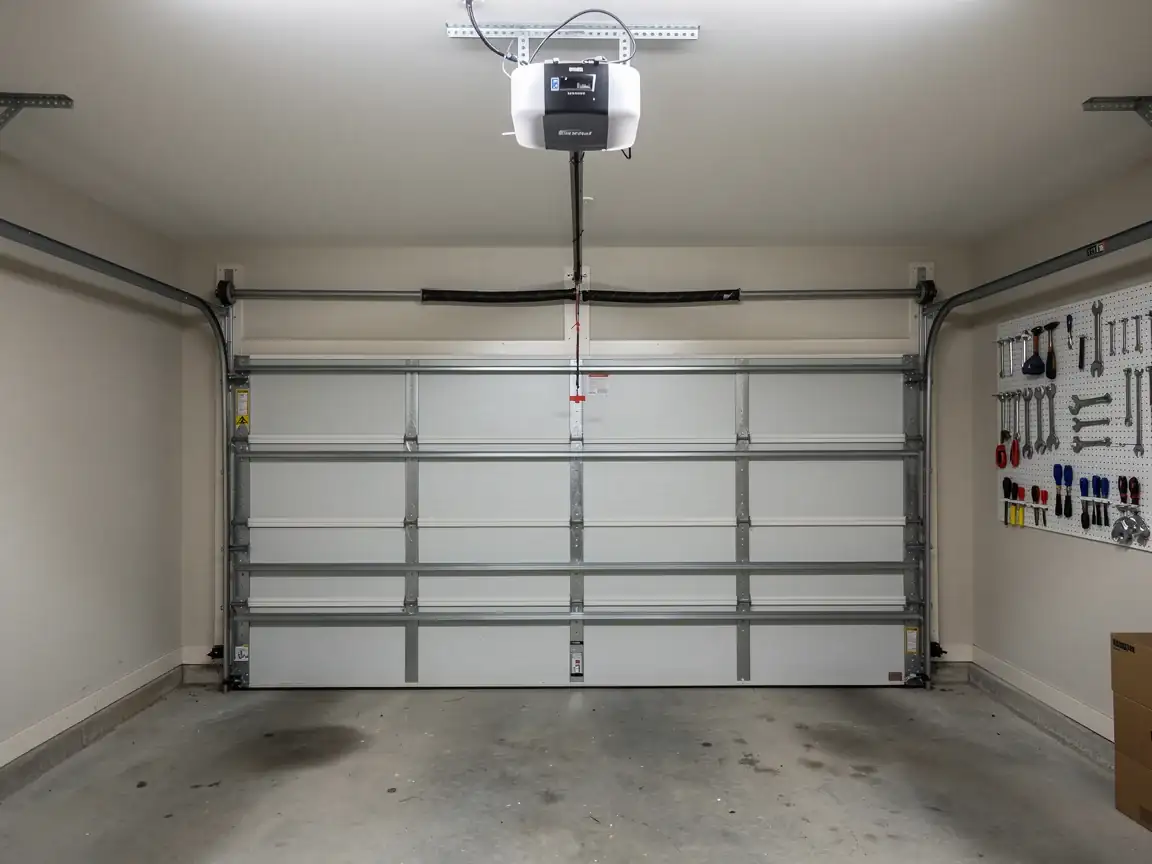
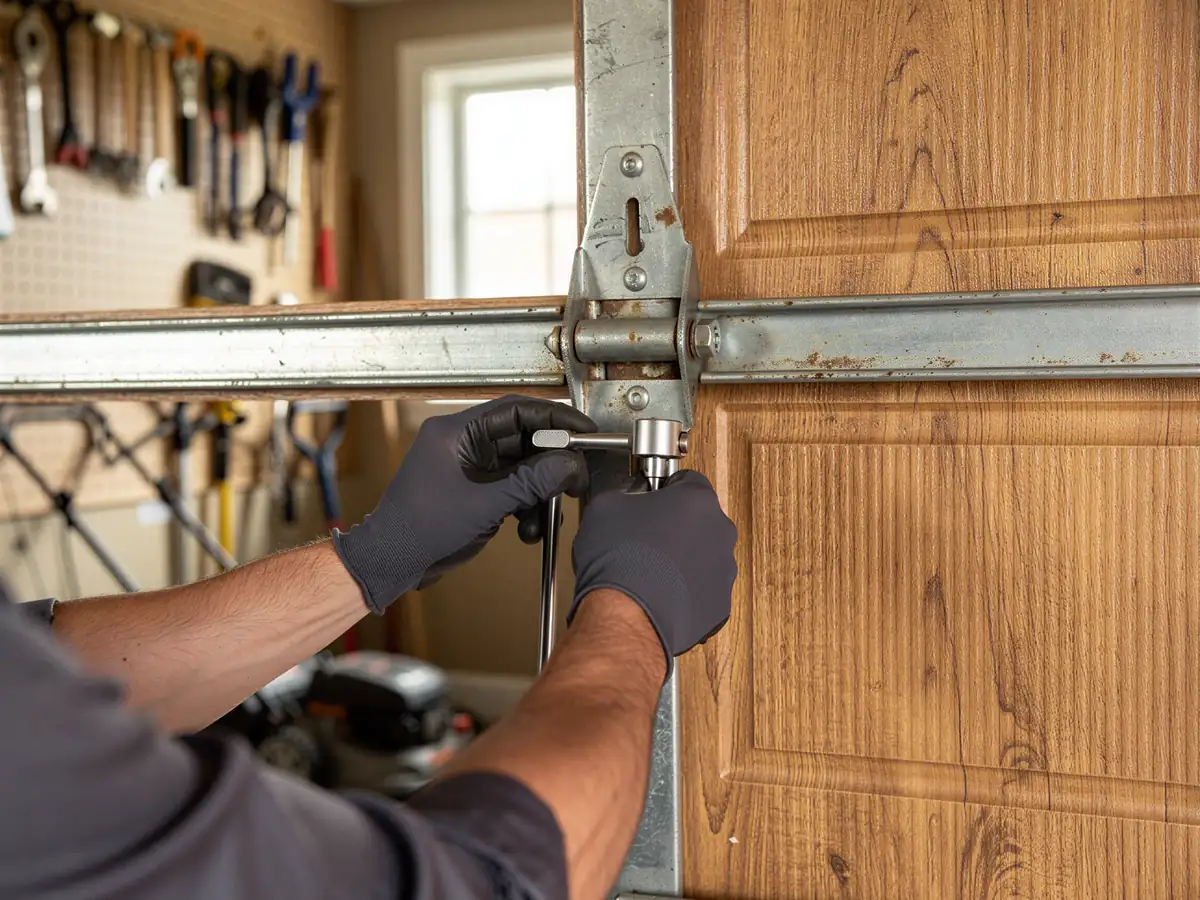
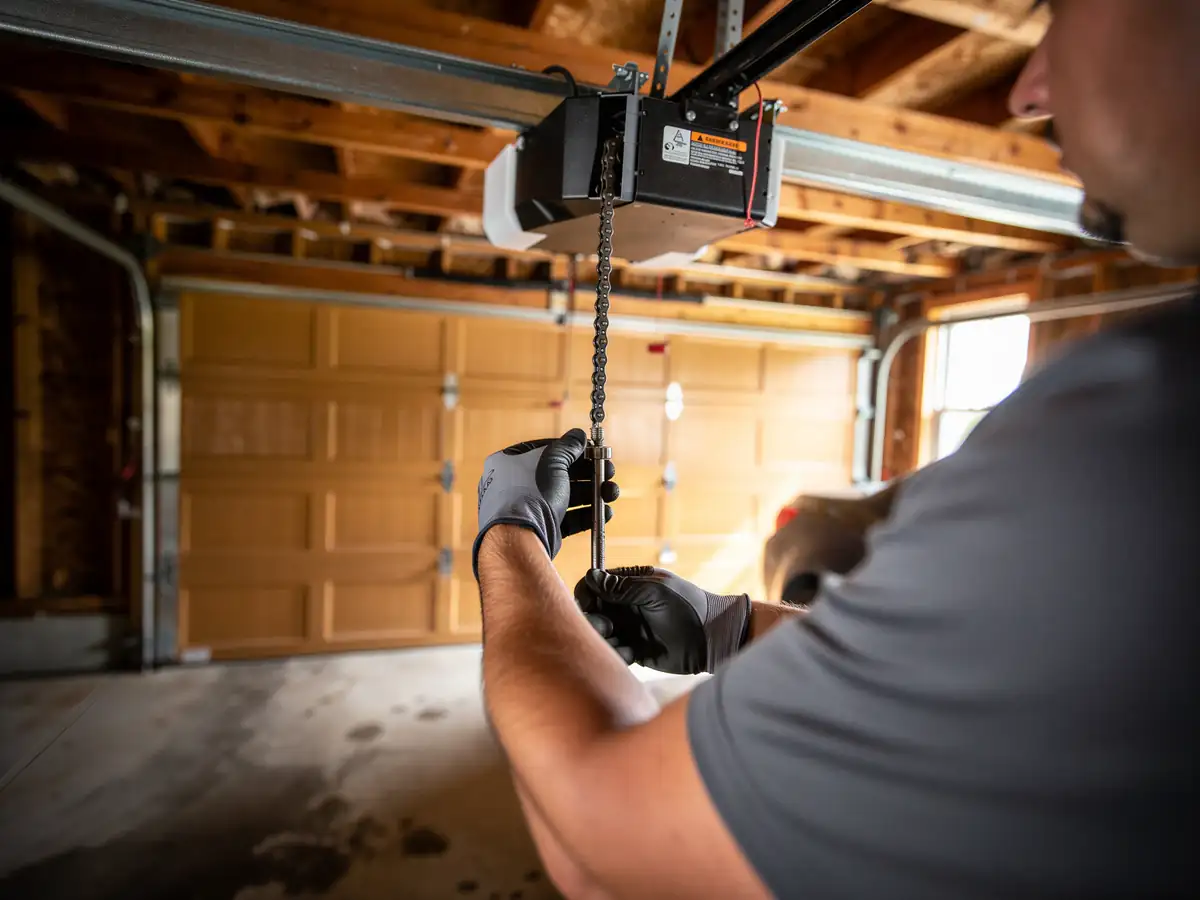
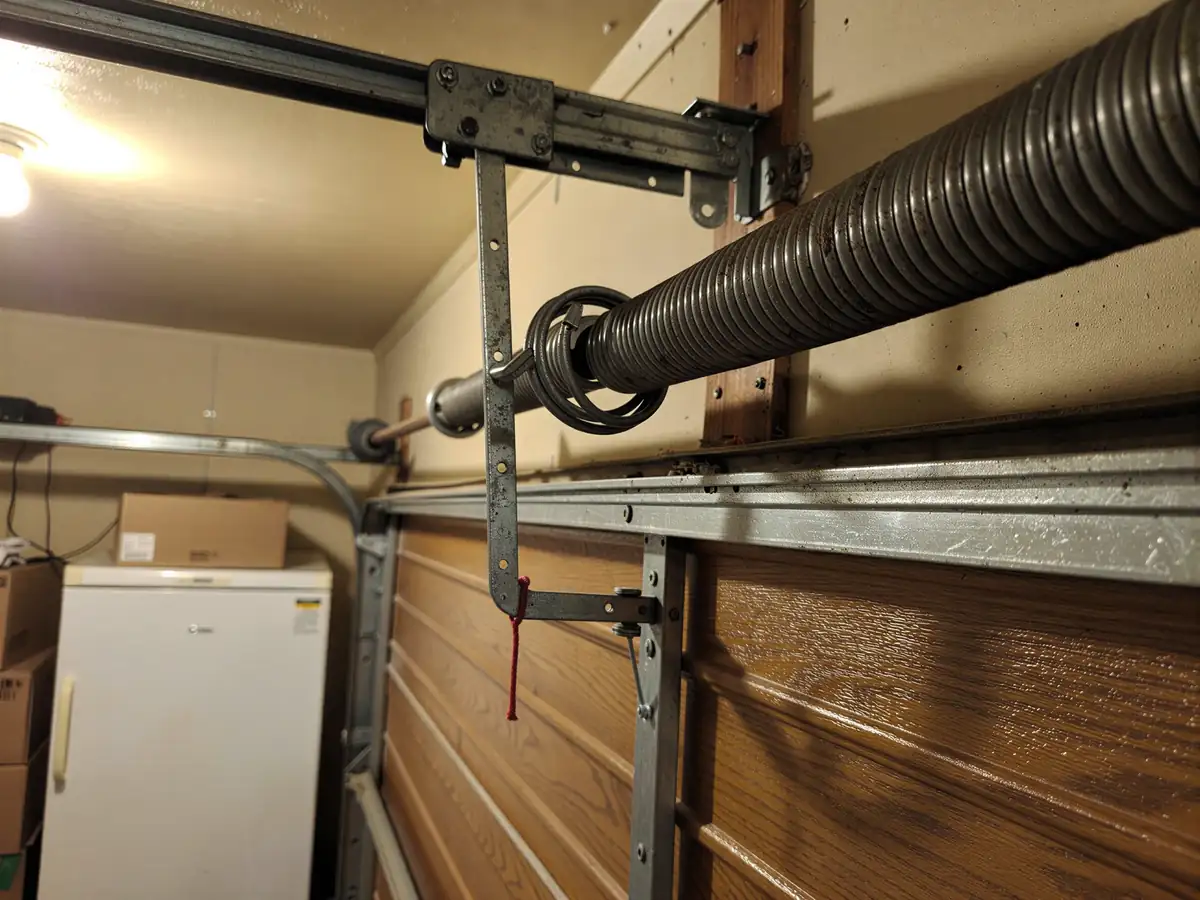
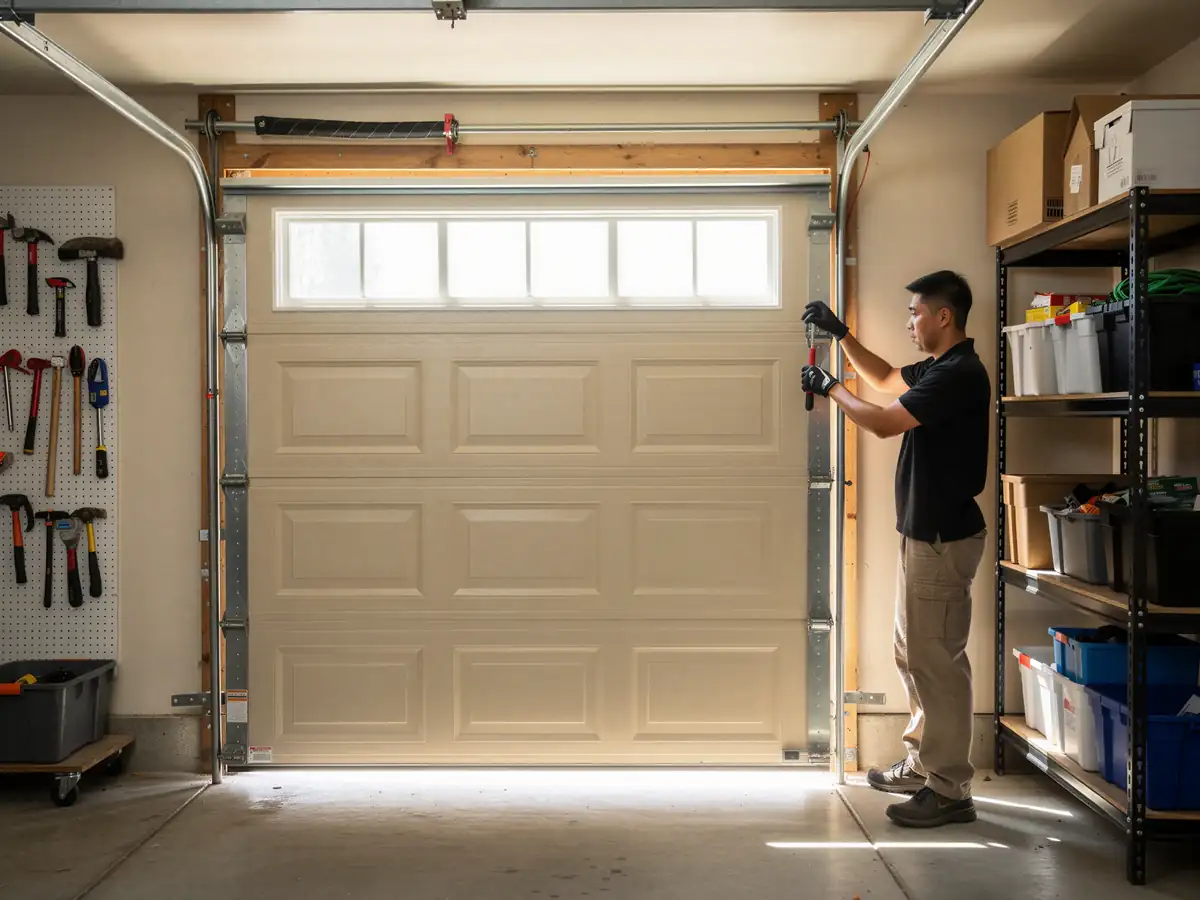
An install job on a 2012-era house is mostly straightforward measuring and matching - opening width and height, headroom for the track, and whether the opener's lift capacity matches a heavier insulated panel door instead of whatever thin steel came standard from the builder. Where it gets slower is spring sizing. A heavier door needs a torsion spring rated for that weight, and guessing wrong means a door that slams down or won't lift past head height.\n\nWe also check the opener itself. A lot of builder-grade openers from that era are still fine mechanically but don't have rolling code security or a battery backup, so if you're putting in a new door, it's worth deciding now whether the opener gets replaced too rather than bolting a new door to an old unit and finding out later it can't handle the weight. We'll tell you straight if the existing opener can carry the new door - sometimes it can, and we're not going to sell you one you don't need.
How Long You Are Without the Door
A straight swap - same opening, new door, same opener - is usually a one-visit job. Where it stretches out is the door itself: with 1,223 households in Grayson pulling from the same regional supply as the other 55,000-plus households in the service area, a specific panel style or a wider double in a less common color can be a special order, not something sitting on a shelf.\n\nWe'll tell you up front at the quote whether what you picked is in stock or has to be ordered, and we won't promise a date we can't back up. That's the honest limitation here: we control the install day, not the manufacturer's build schedule. If the door's in stock, you're looking at a few hours start to finish. If it's a special order, the wait is on the supply side, not on us standing around.
Parts We Carry
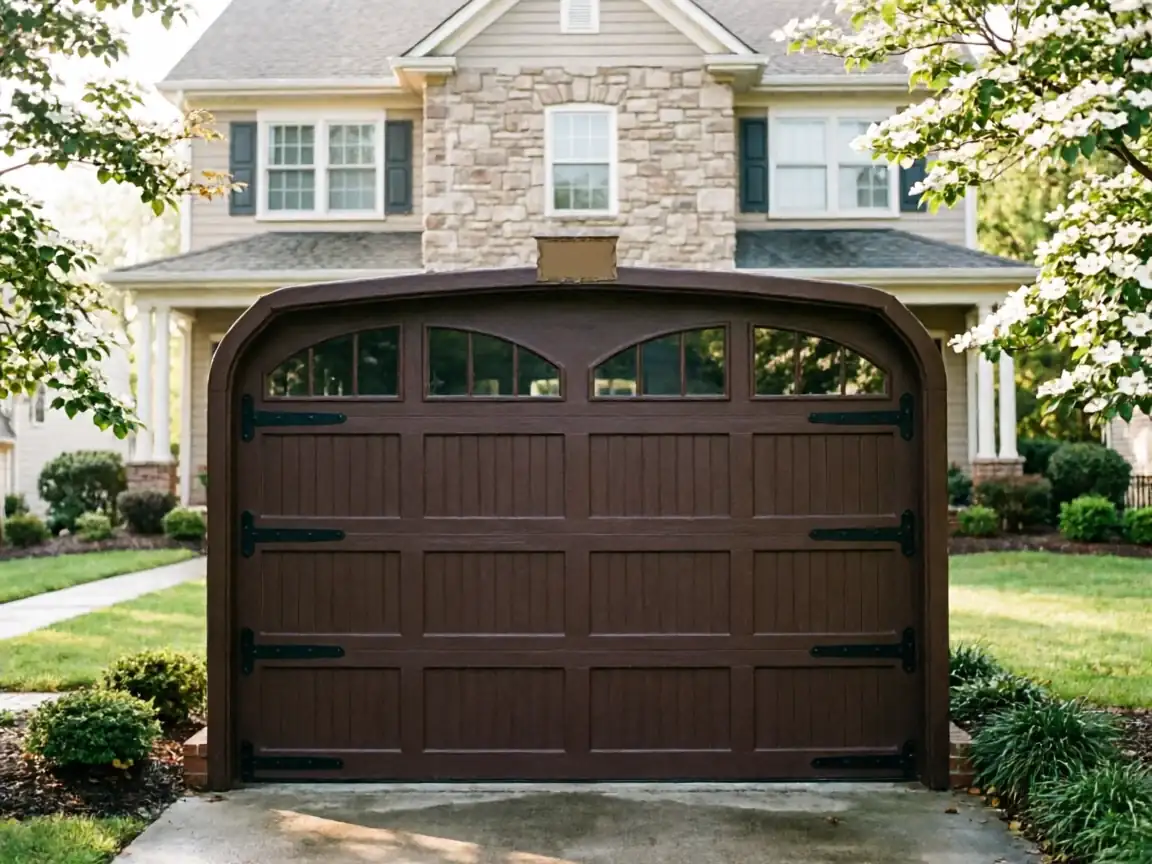
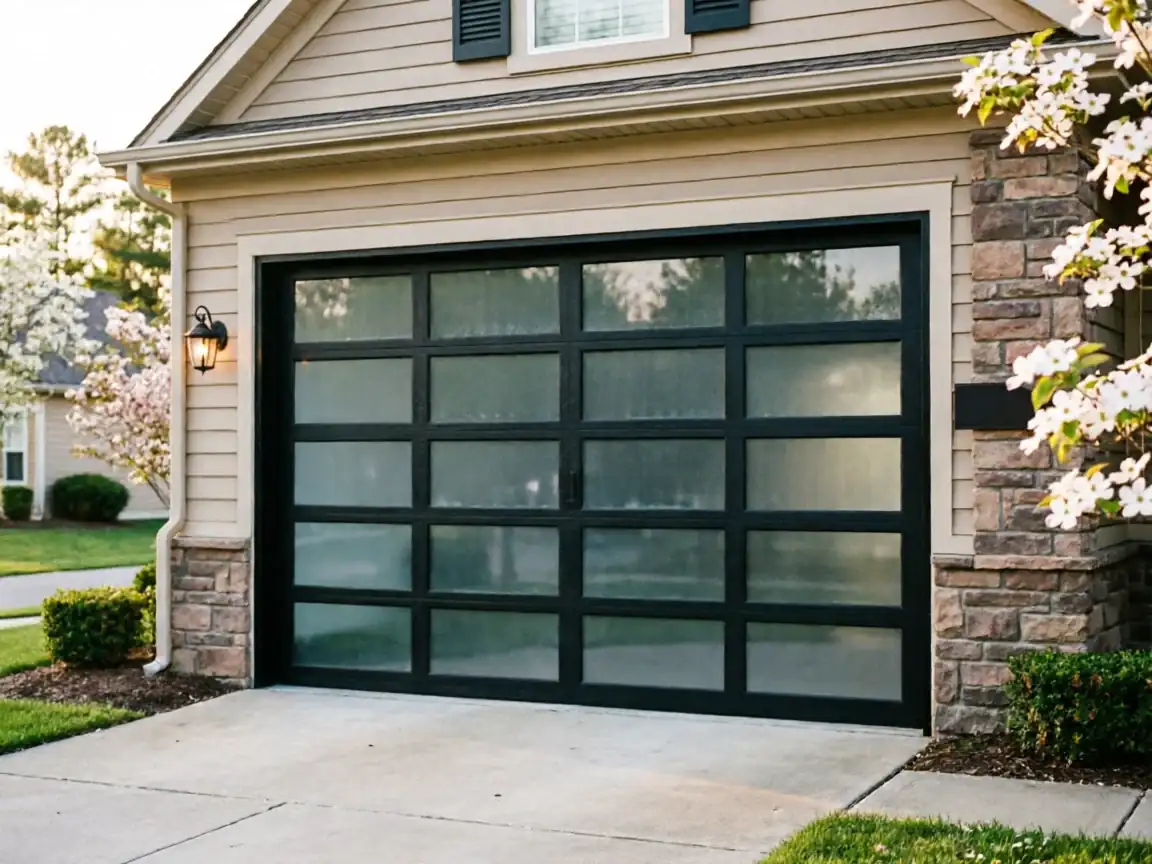
We stock steel sectional doors in a few standard widths that match what's common on 2012-era construction - wide double openings and taller single-car bays - along with torsion springs sized for insulated panels, not just the lighter uninsulated ones. The service area sits in a cold-moderate climate band, and on a house where the garage backs onto living space, a door with a real insulation core instead of a thin foam skin actually does something useful here beyond looking good.\n\nWhat we don't carry is every custom finish or carriage-house style on a truck - those come from the manufacturer on order. And we're not going to install a door that doesn't match your opener's lift rating just to get the job done faster; if the opener needs upgrading too, we'll say so before we start, not after the door's already hung.