How It Shows Up
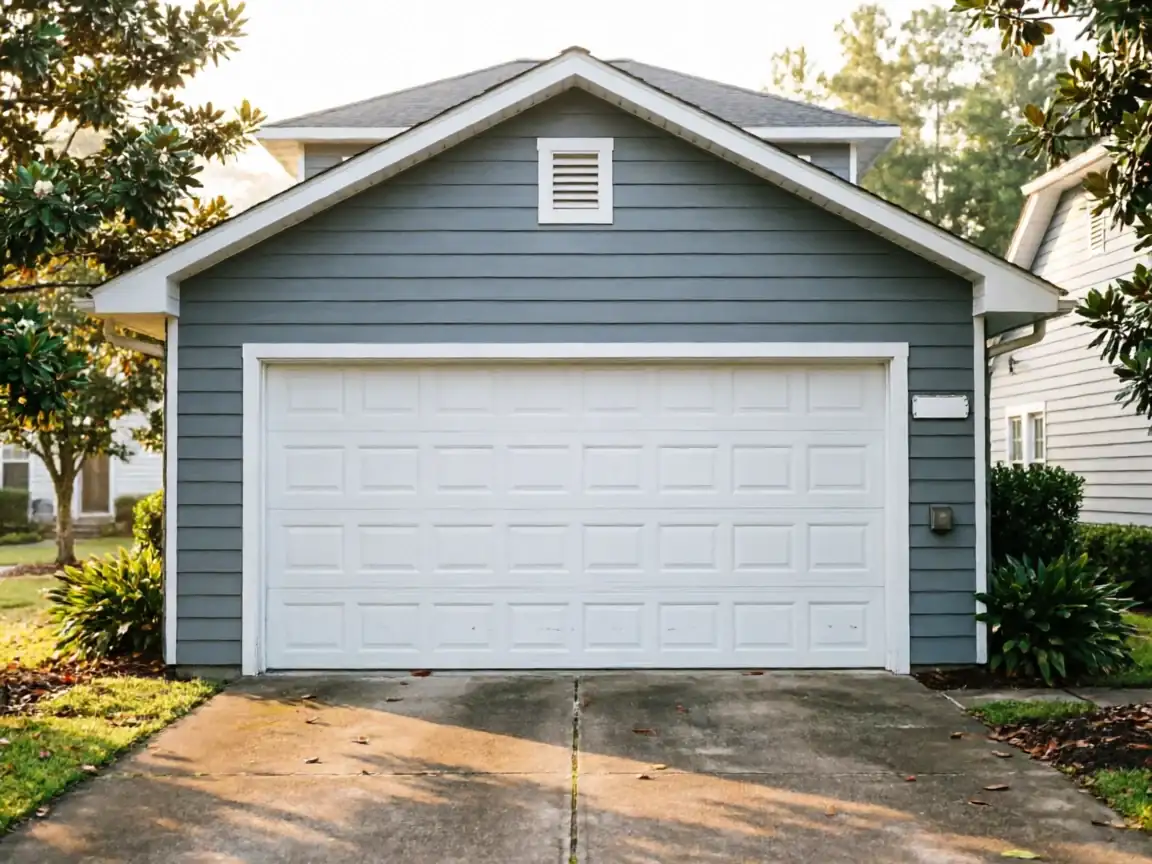
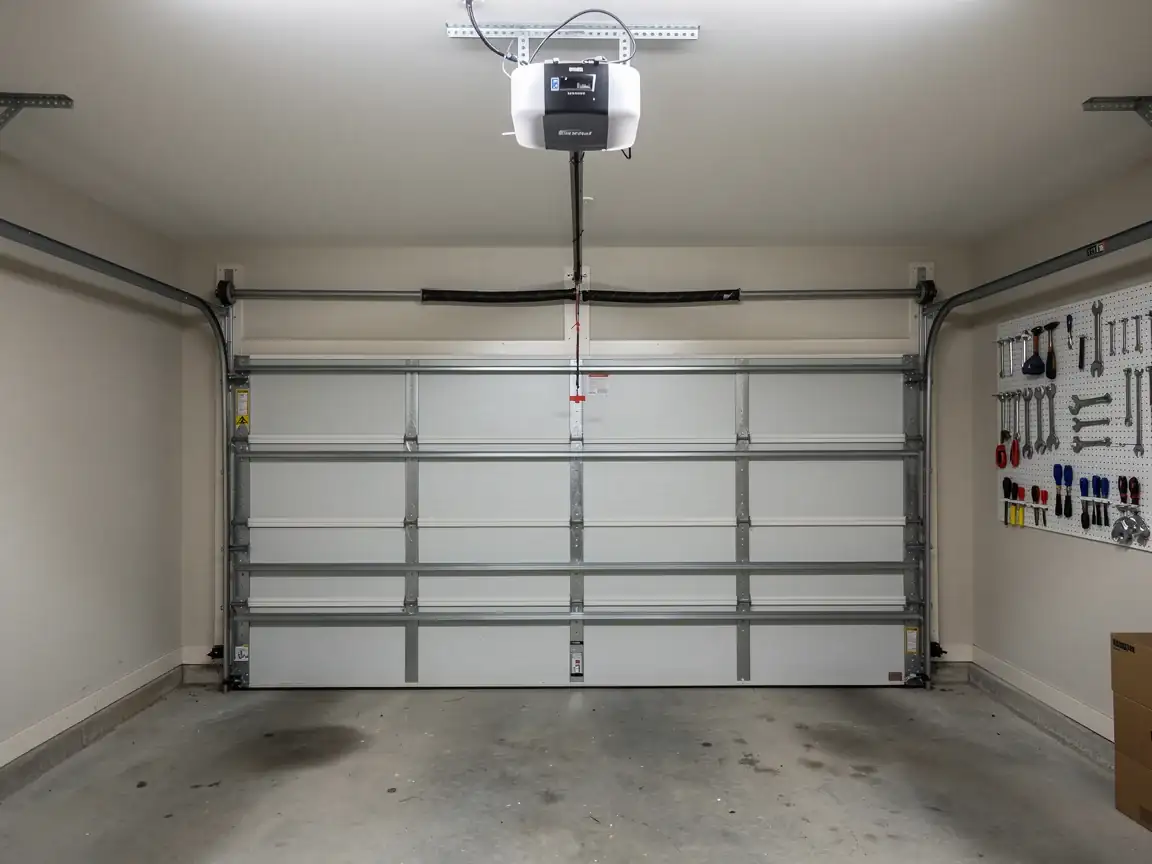
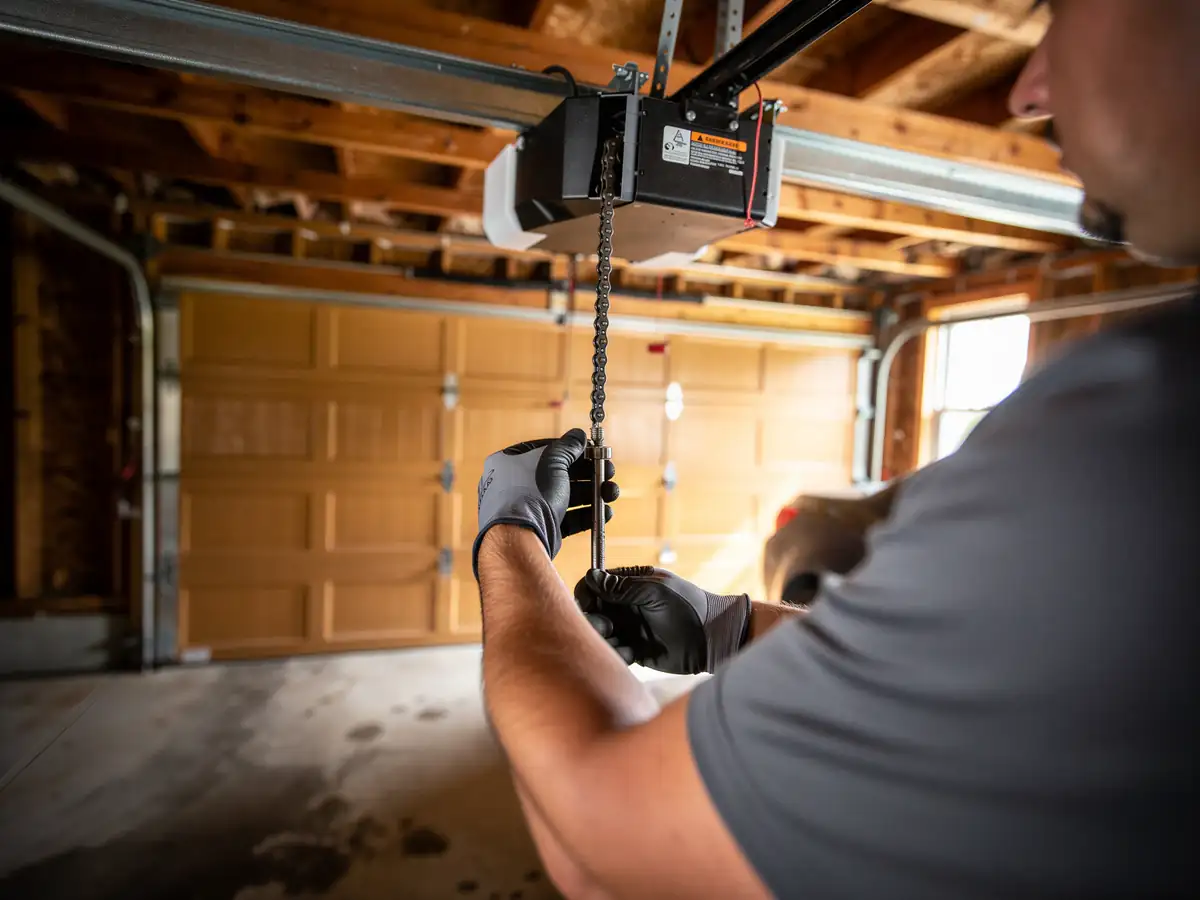
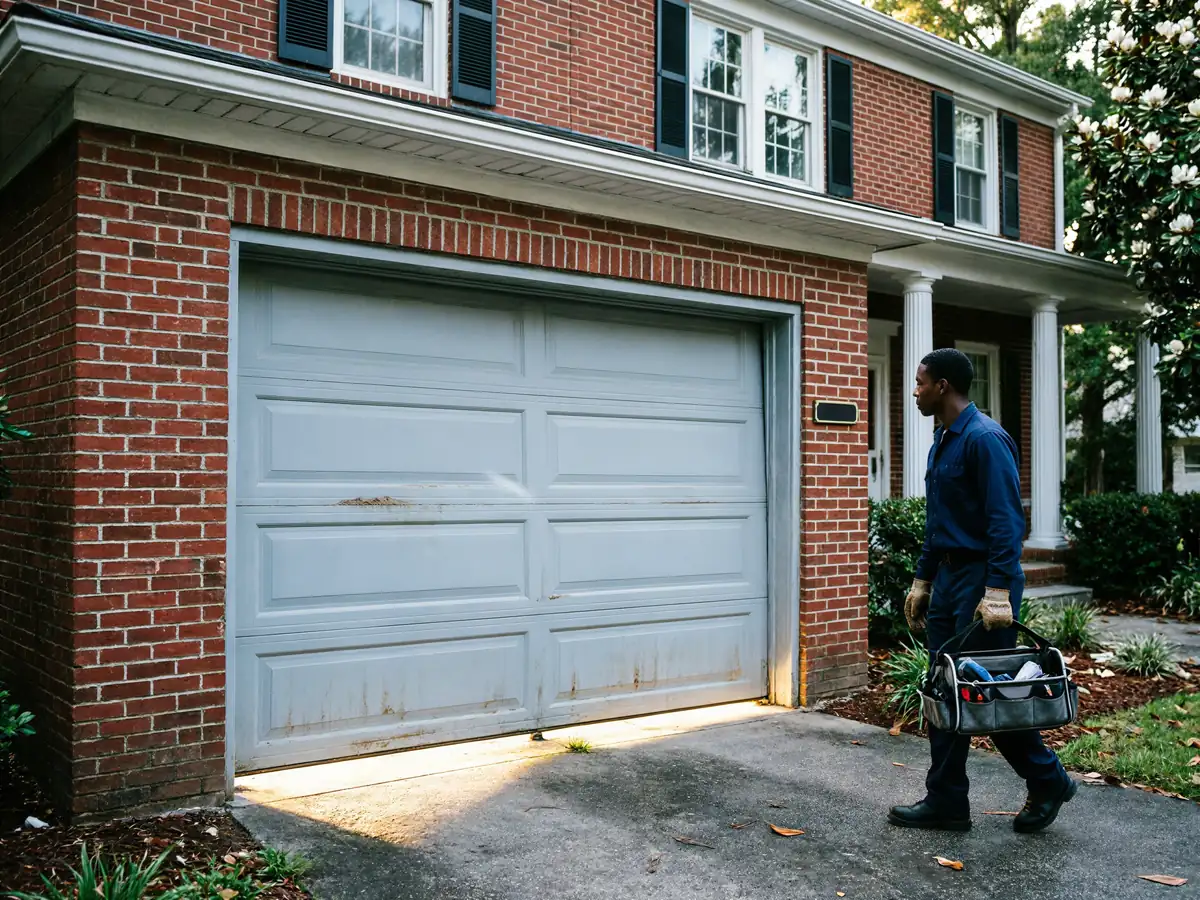
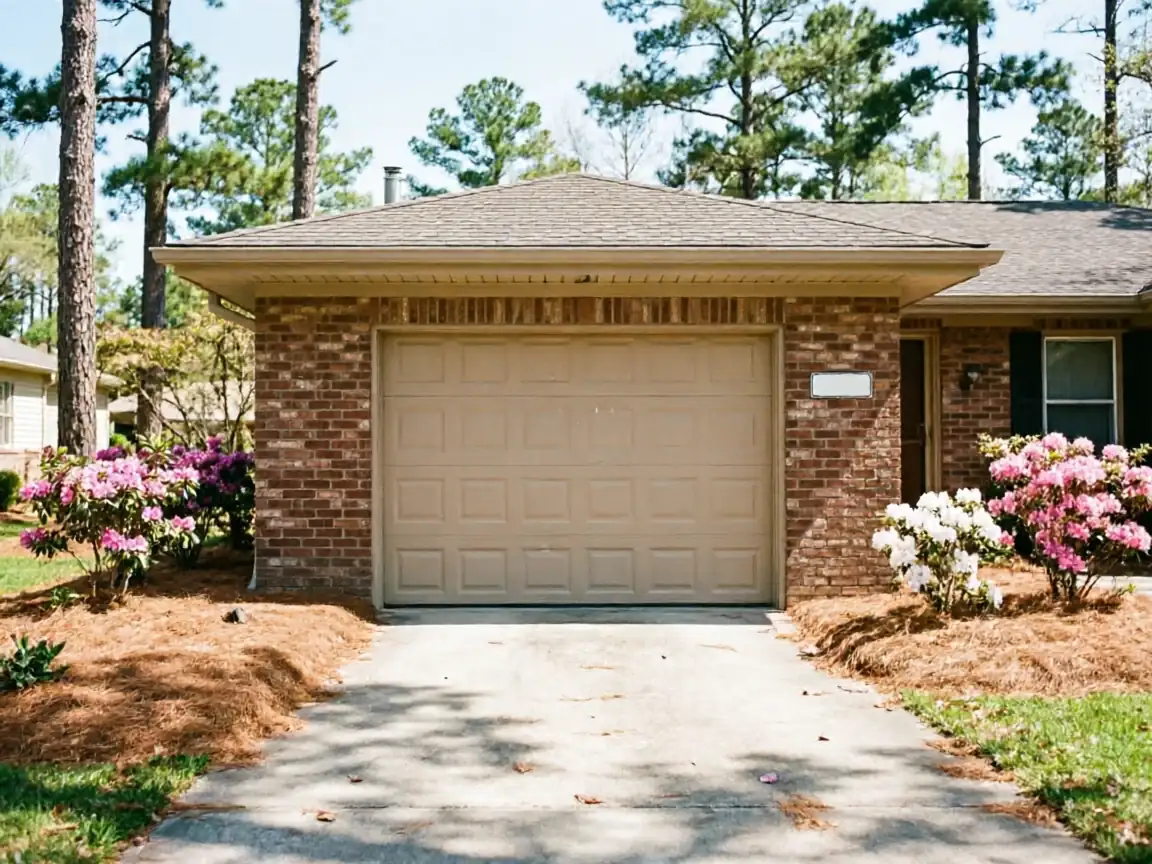
Grayson is a small slice of the service area - about 1,223 households, a fraction of the total 56,295 we cover. That size matters for how the work comes to us: it's not enough call volume to need a crew stationed here, and it's not spread across decades of mixed housing stock either. Most of what's built in Grayson went up around 2012, well after the 1951-1978 wave that defines a lot of the rest of the territory. That means the openers we see here are mostly chain or belt drive units from the last fifteen years, not the stripped-down models from the 70s and 80s that show up elsewhere. The failures look different too. Instead of a worn-out one-piece door on old side-mount hardware, we're more often looking at a modern sectional door where a roller has worn through its sleeve, a safety sensor has drifted out of alignment, or a belt-drive opener's circuit board has started acting up. Cold-weather stiffening still happens here same as anywhere in this climate band, but it tends to show up as a slow-closing door rather than a frozen track, because newer seals and weatherstripping hold up better than what you'd find on a house from 1965.
What the Repair Takes
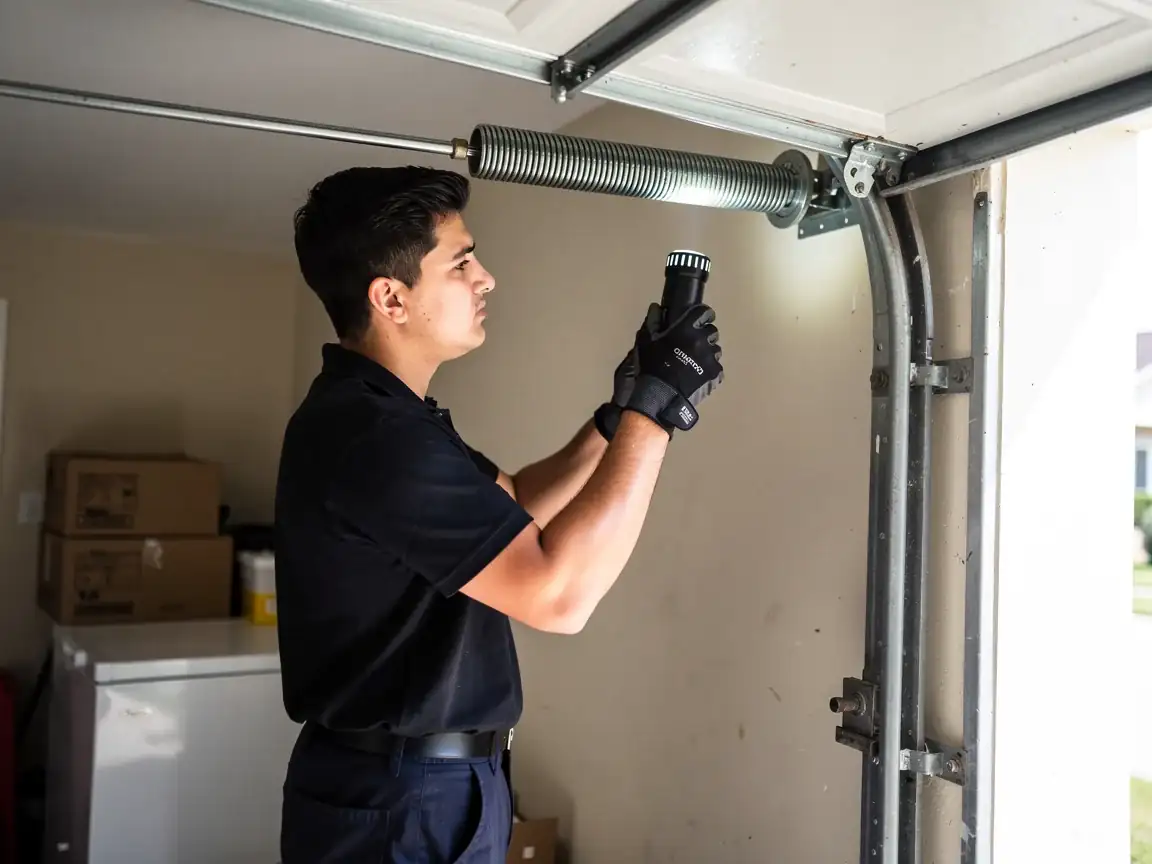
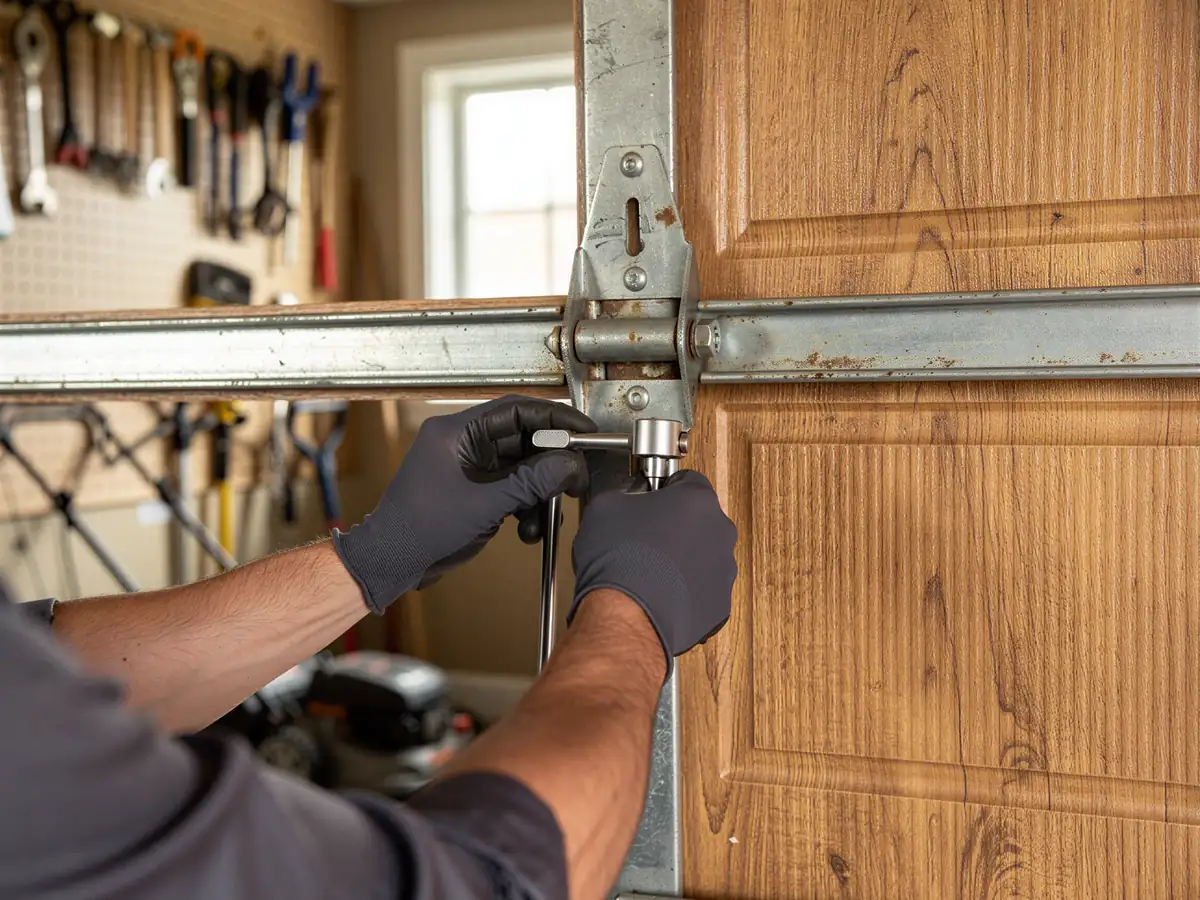
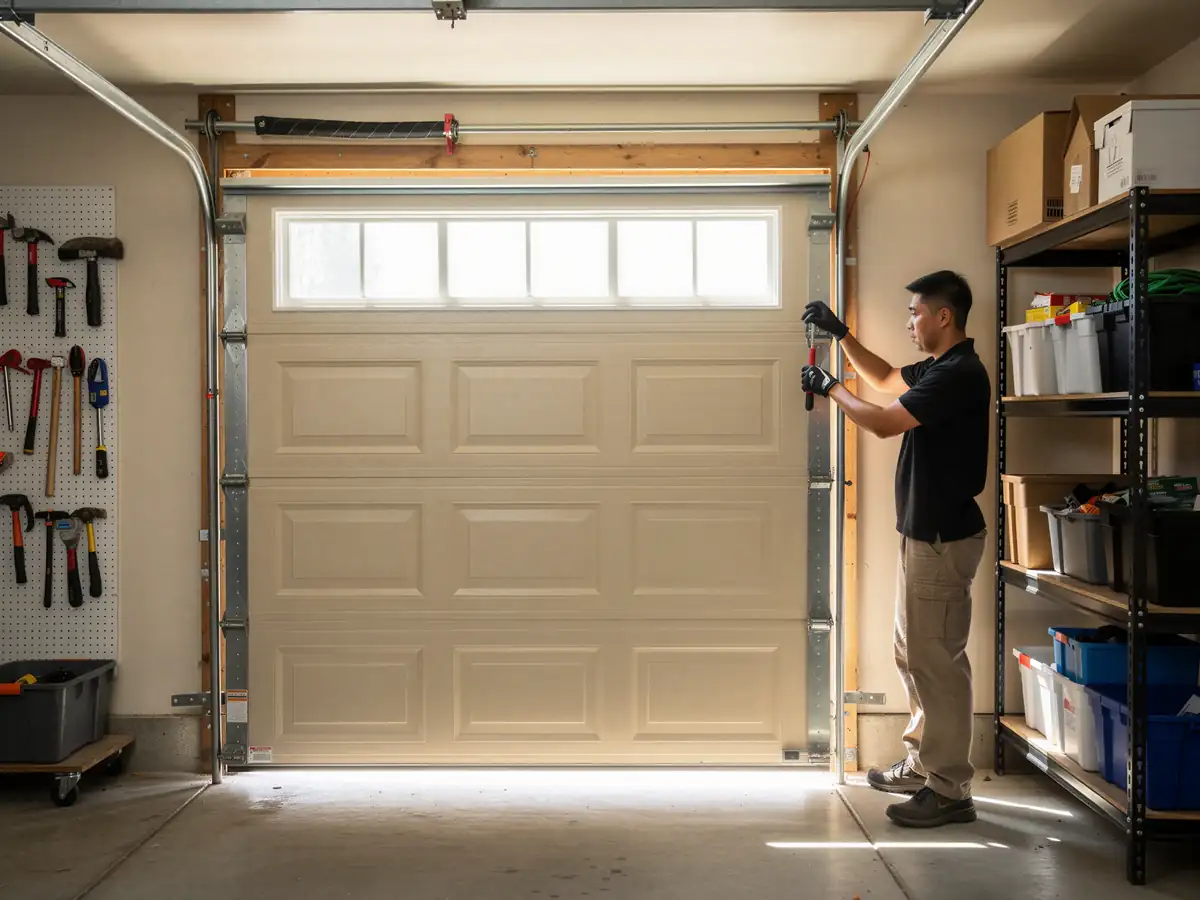
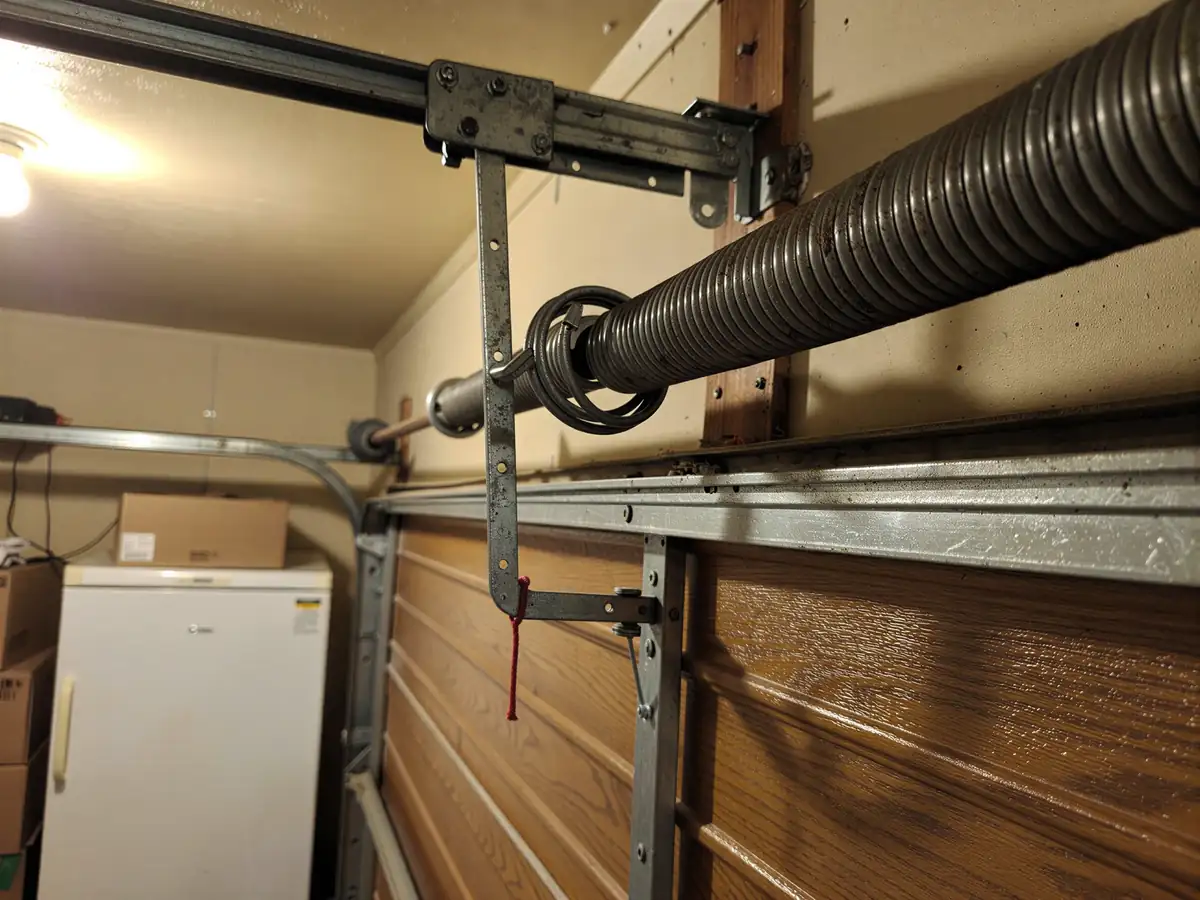
On a 2012-era door, most repairs come down to parts that have simply worn from use rather than parts that have outlived their design. Rollers, hinges, and cables wear out on a schedule regardless of the house's age, and a door opened twice a day for over a decade has put real miles on that hardware. What we don't usually find in Grayson is the mismatched or obsolete hardware that turns up on older builds - the torsion springs sized for doors nobody makes anymore, or brackets that don't match anything on the truck. Newer doors use more standardized parts, which usually makes the job faster and the parts easier to source. The honest limitation: if a specific opener model is newer or less common, we may need to order a part rather than carry it on the truck, and that can push a repair out a day or two. We'd rather tell you that up front than promise same-day on something we're not sure we can get.
How Long You Are Without the Door
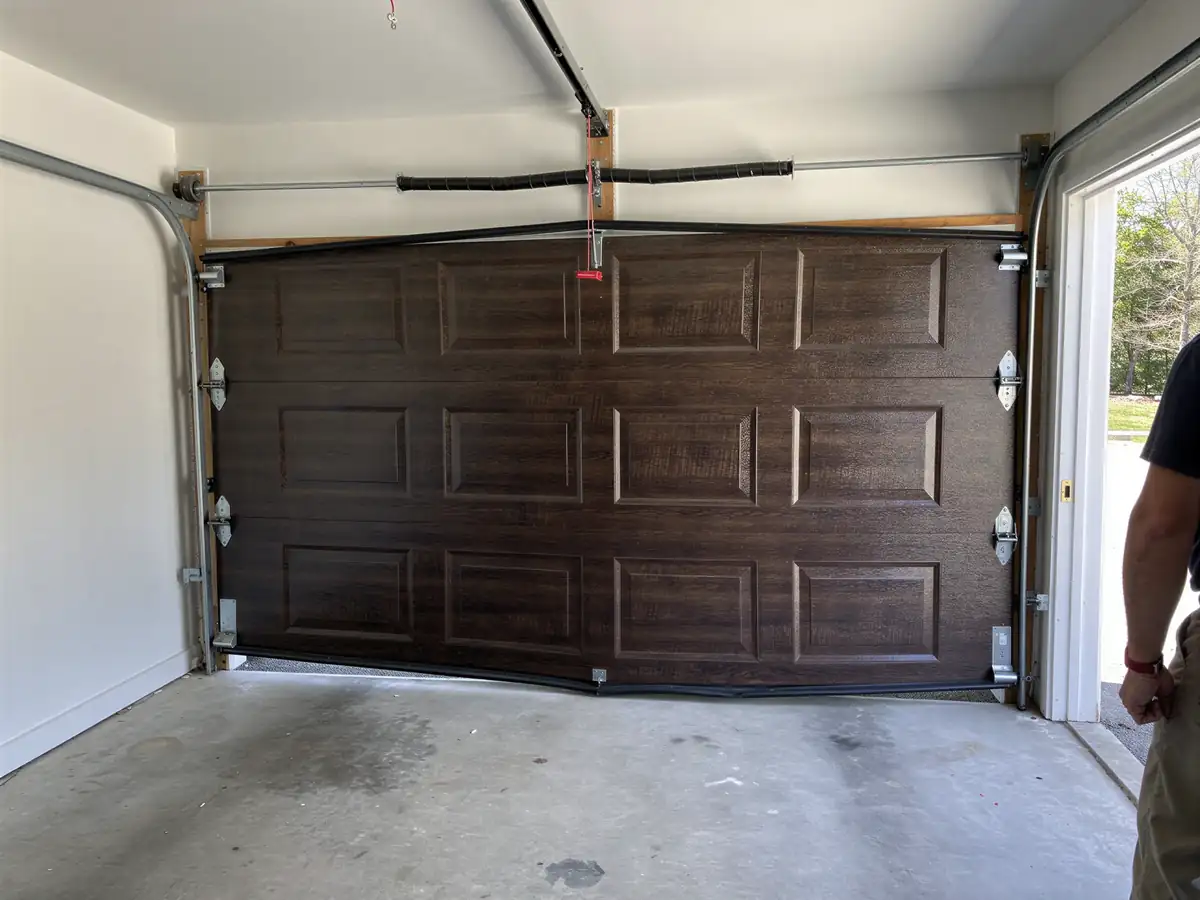
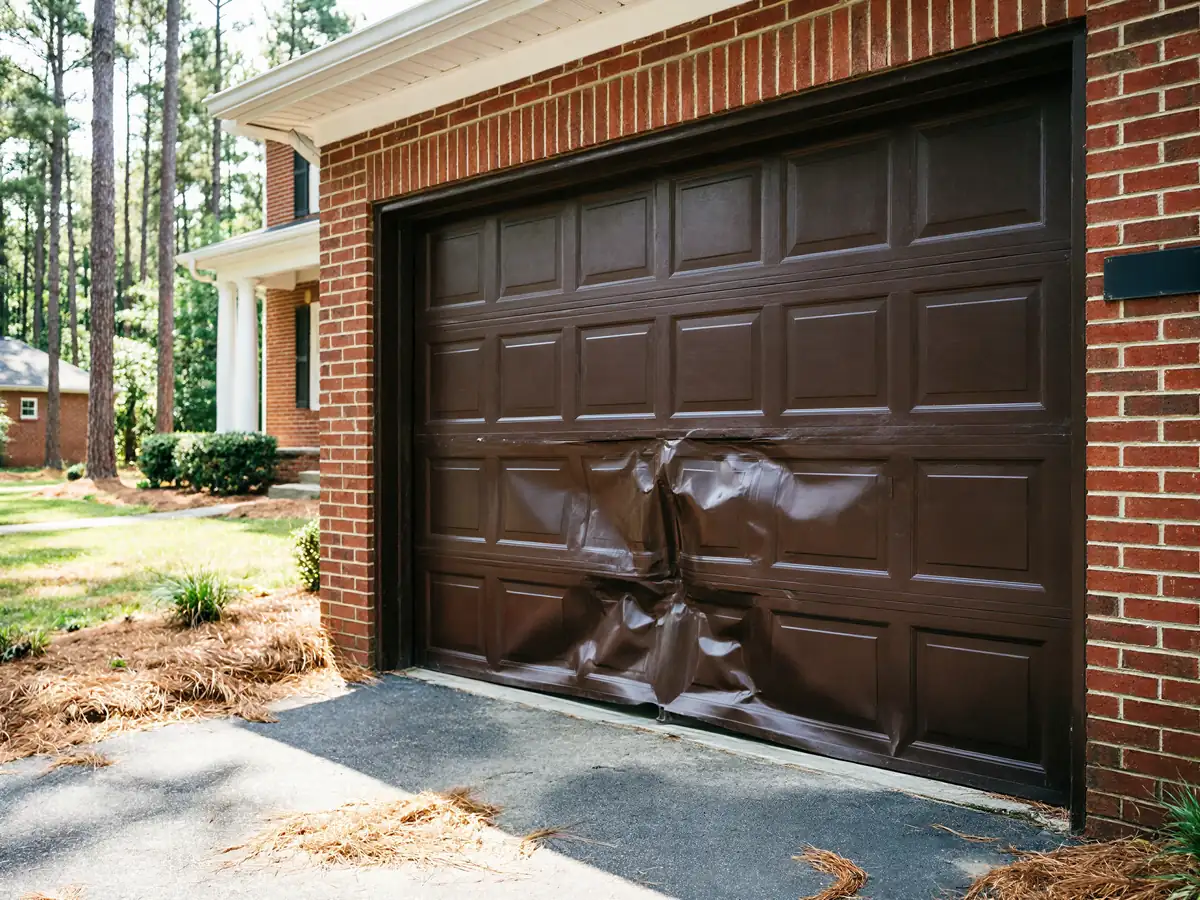
A single bad roller or a sensor out of alignment is usually a same-visit fix - nothing to order, nothing to wait on. Spring replacement on a double door, which is common across the whole service area regardless of a home's age, is also typically handled in one visit since springs are a part we stock in standard sizes. Where Grayson's newer builds can actually work in your favor: because the openers are more recent, circuit boards and logic boards are more likely to still be in production, so a board swap doesn't always mean a long wait. Where it can go the other way is a less common opener brand or a door panel with a specific finish - those sometimes need to be ordered, and that's a matter of days, not hours.
Parts We Carry
The truck carries what covers the bulk of calls across the service area: standard torsion and extension springs, rollers, cables, hinges, and the sensors and drive components for the common chain and belt-drive opener brands. For a neighborhood like Grayson, built mostly after 2012, that stock lines up well with what's actually installed - we're not showing up with parts sized for 1970s hardware that doesn't exist here. What we don't keep on hand is less common opener boards or specialty panel finishes; those get ordered once we've confirmed the exact model on site.