Doing It Yourself
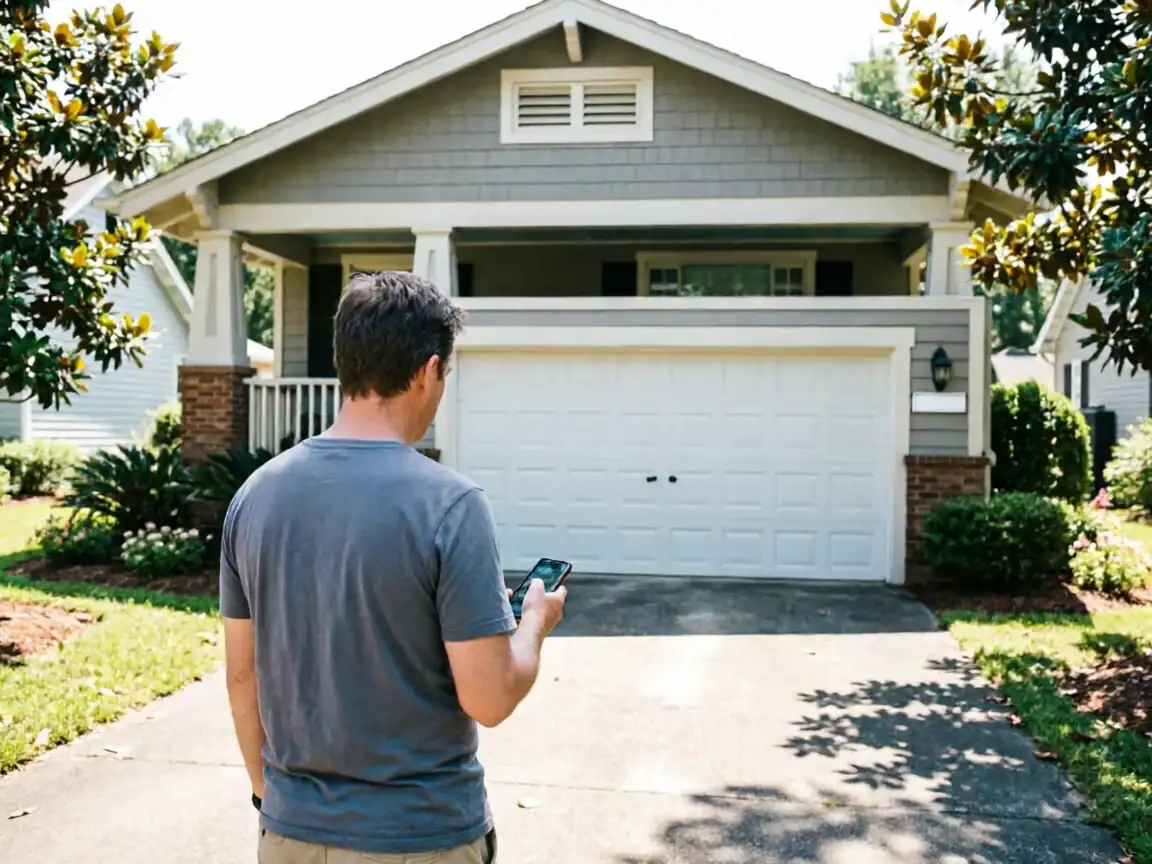
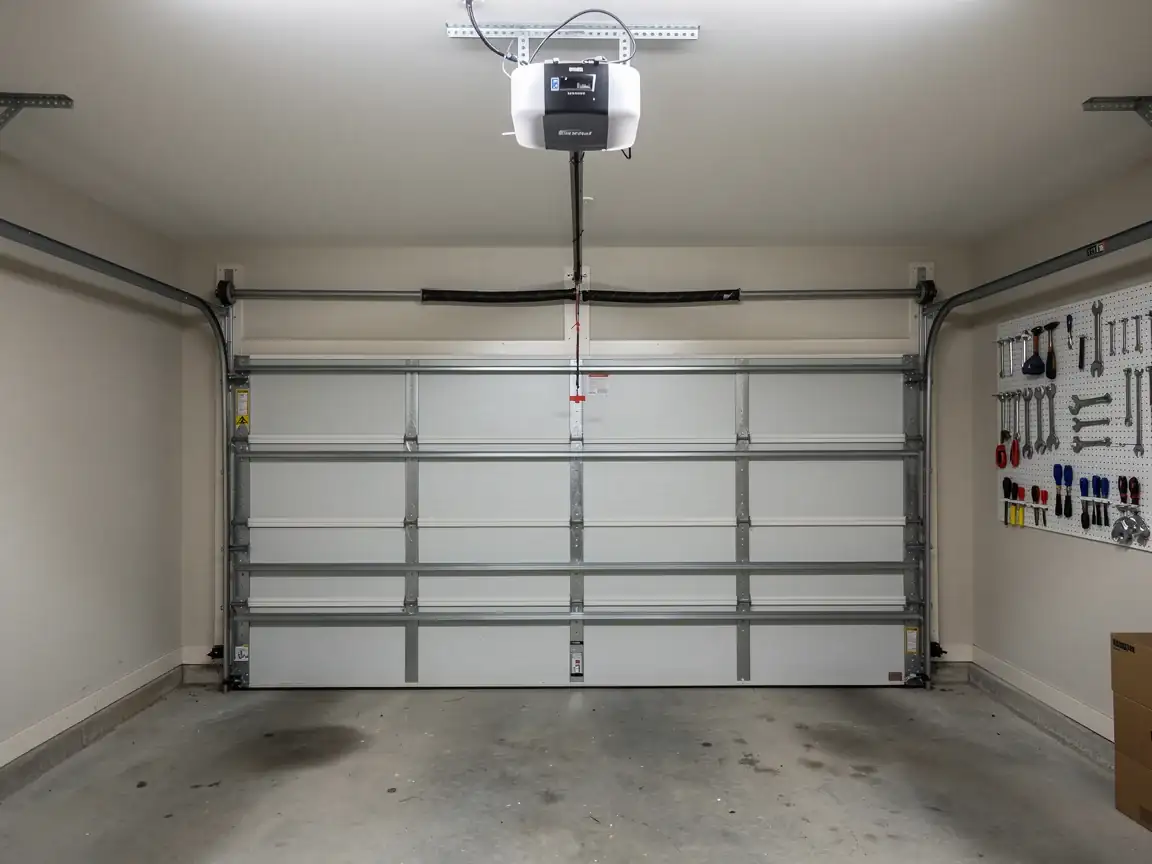
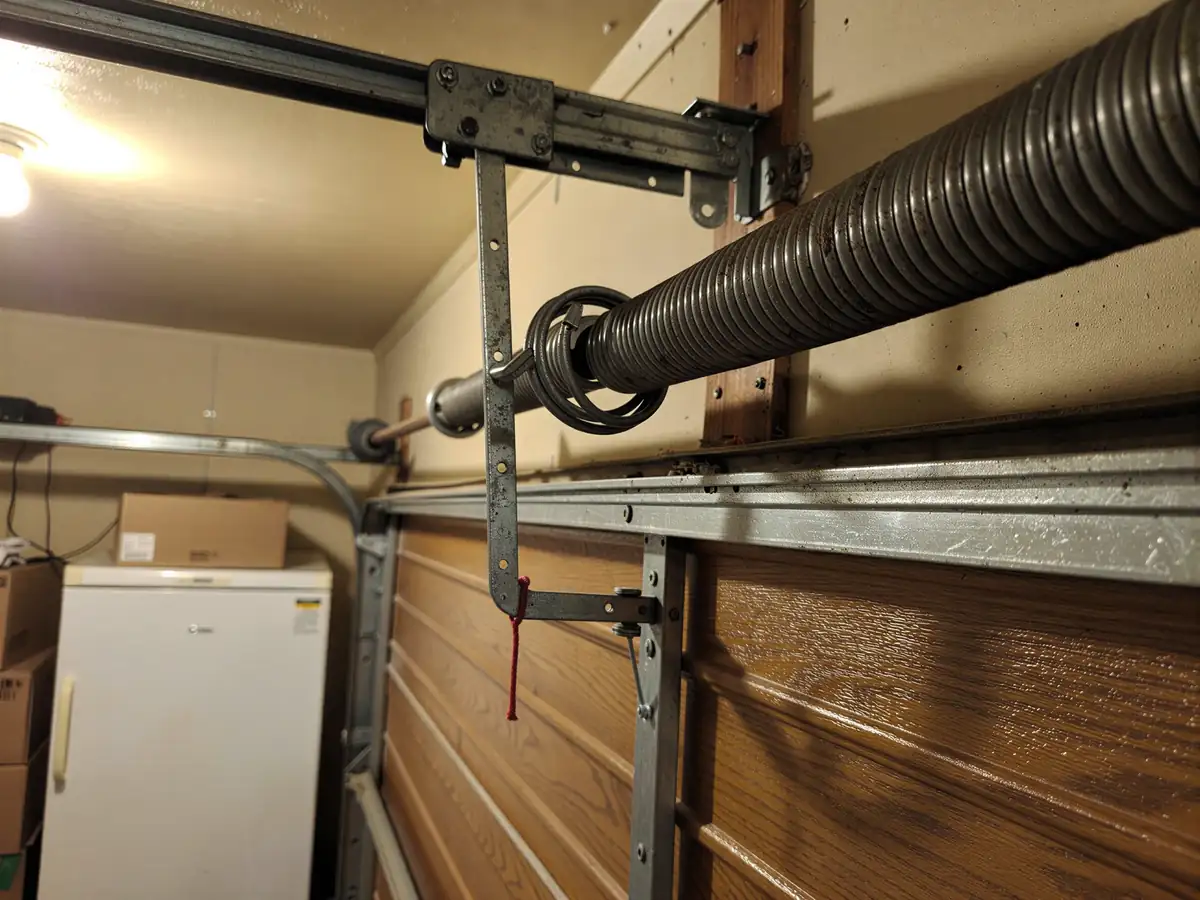
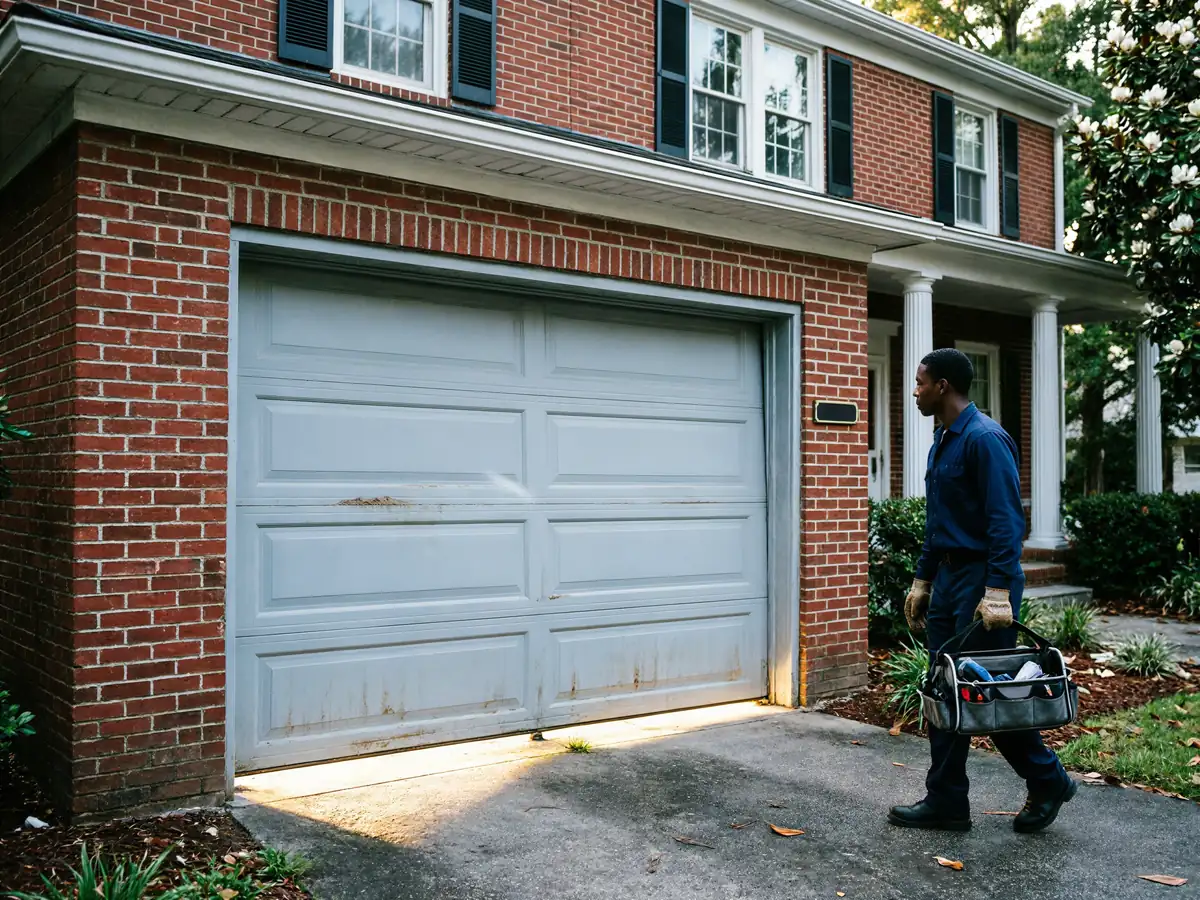
Most houses in Druid Hills went up around 1964, and a lot of them still have whatever torsion spring and track setup the builder put in. That's close to sixty years on steel that was never meant to last that long. If your door is from that era and nobody's touched it, the spring is probably original, the cable has seen six decades of cycling, and the bottom brackets are the kind you can't just grab at a hardware store anymore.
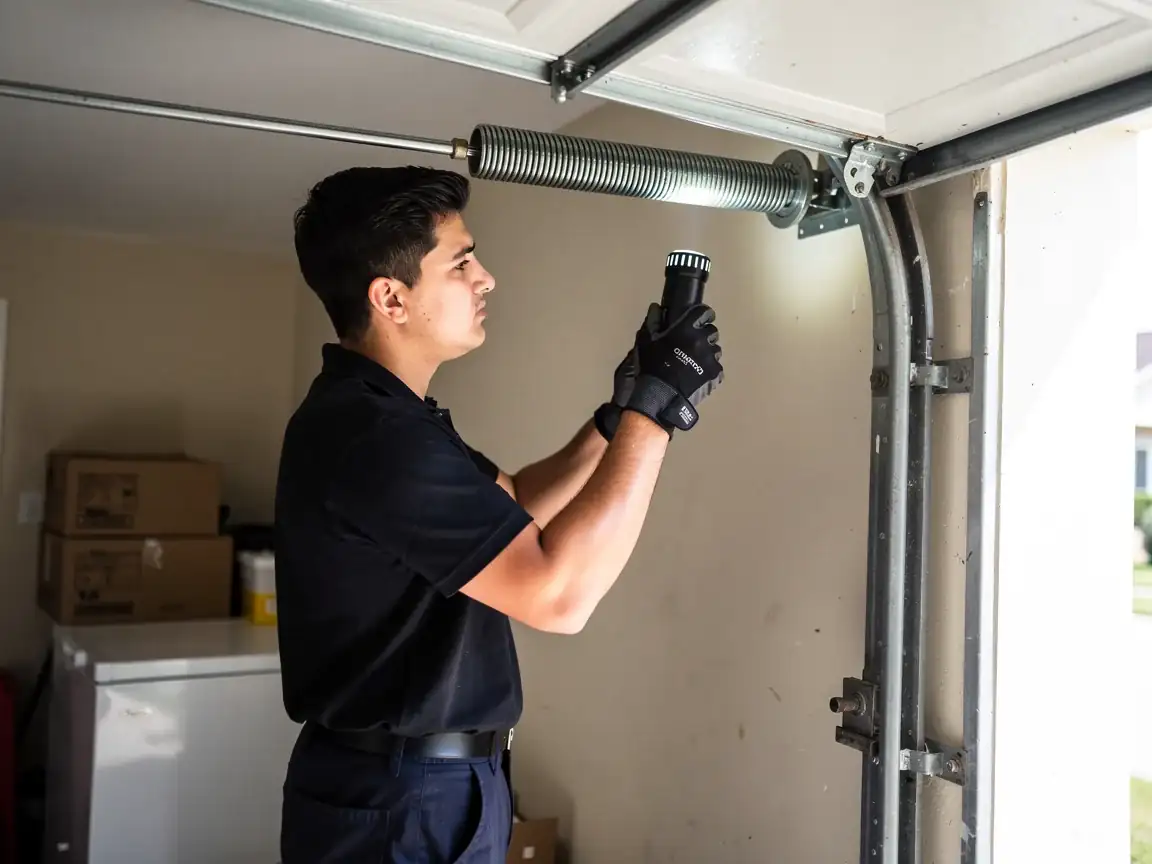
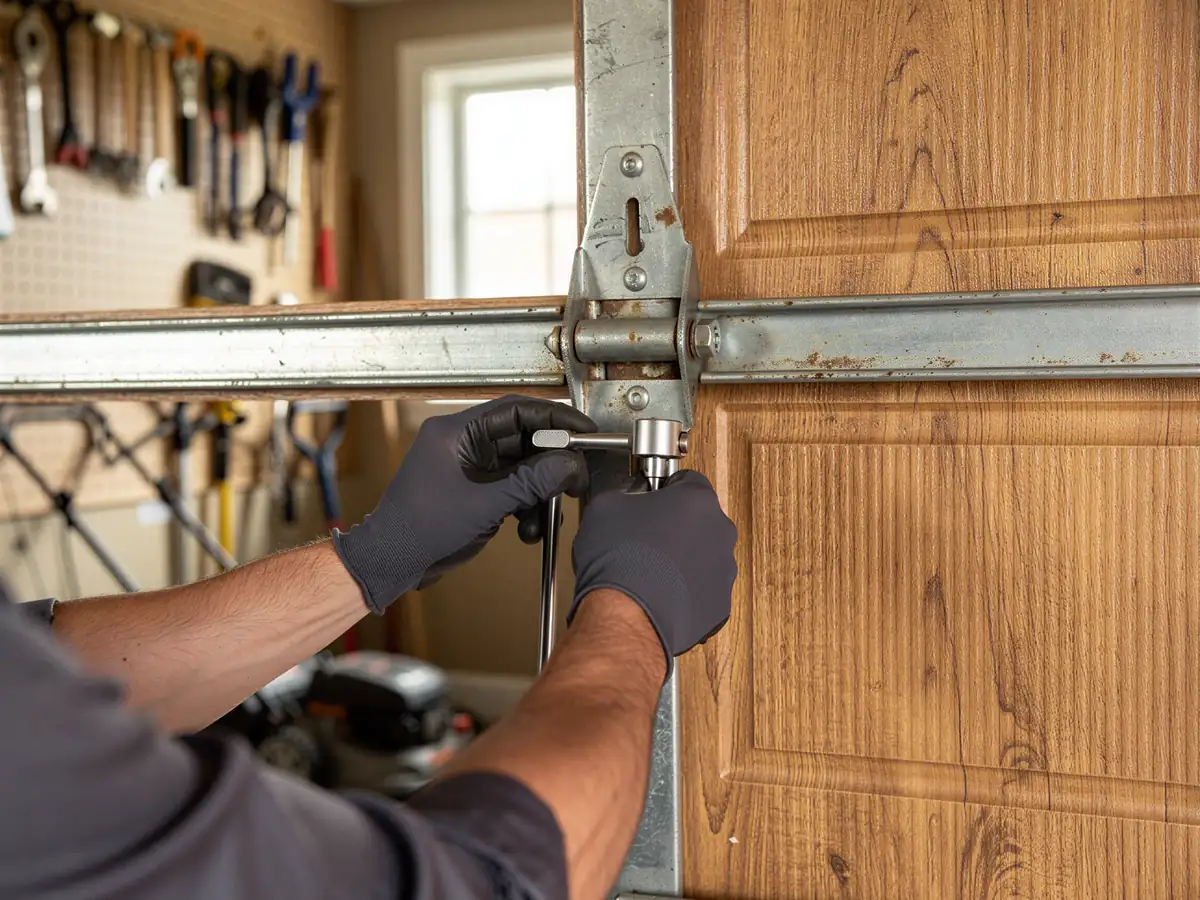
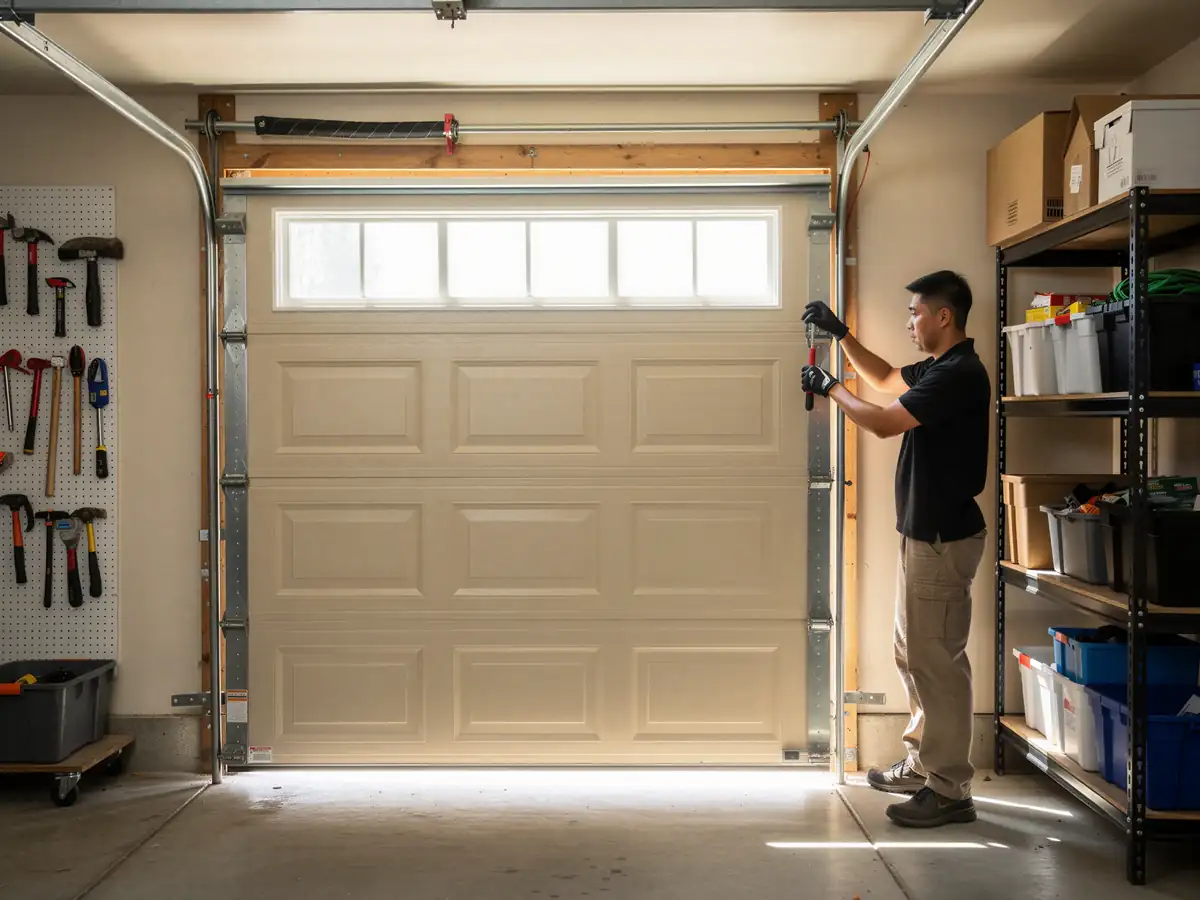
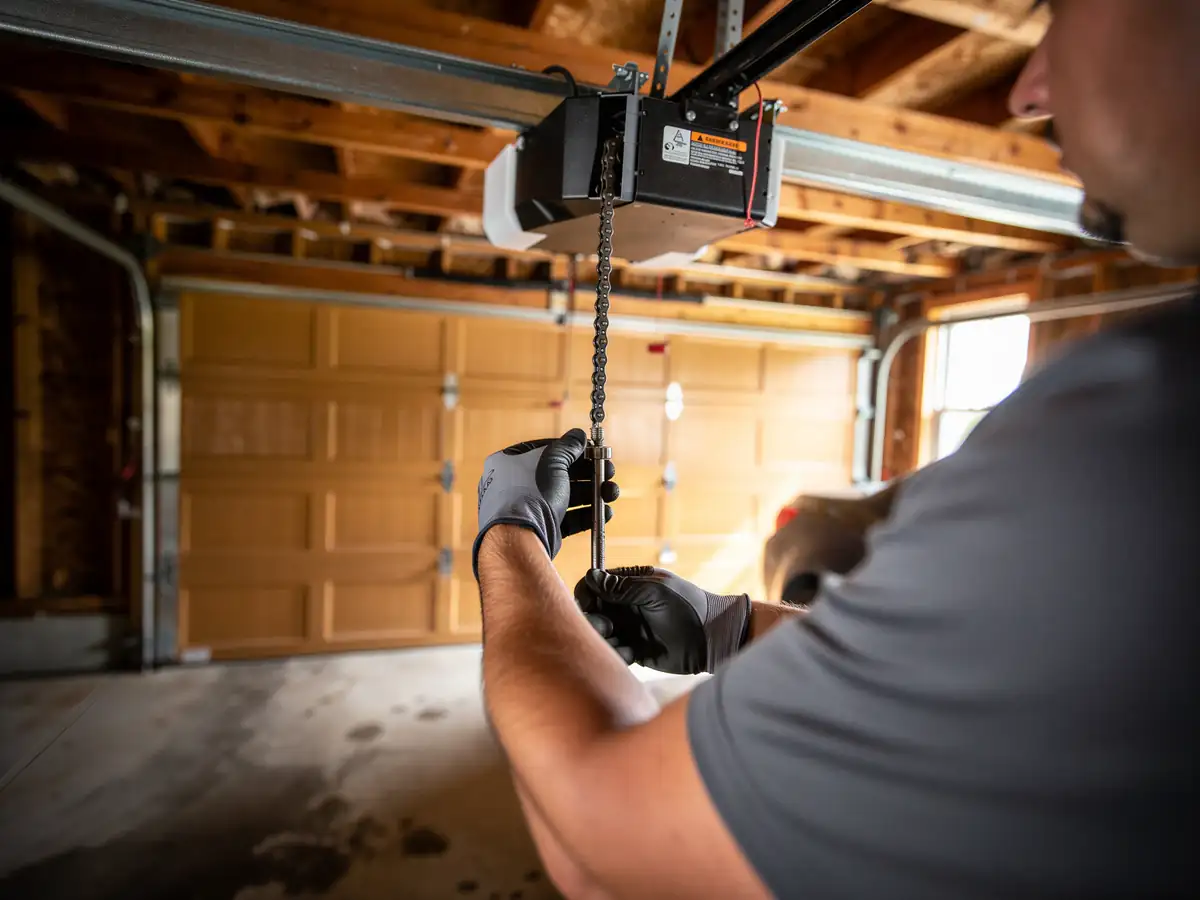
You can replace rollers and tighten hardware yourself if you're comfortable on a ladder and you unplug the opener first. What you should not touch is the torsion spring itself - it's wound under enough tension to break a wrist or worse, and that's true whether the door is five years old or fifty. If the door is noticeably harder to lift by hand than it used to be, that's the spring telling you it's near the end, not a job for a Saturday afternoon.
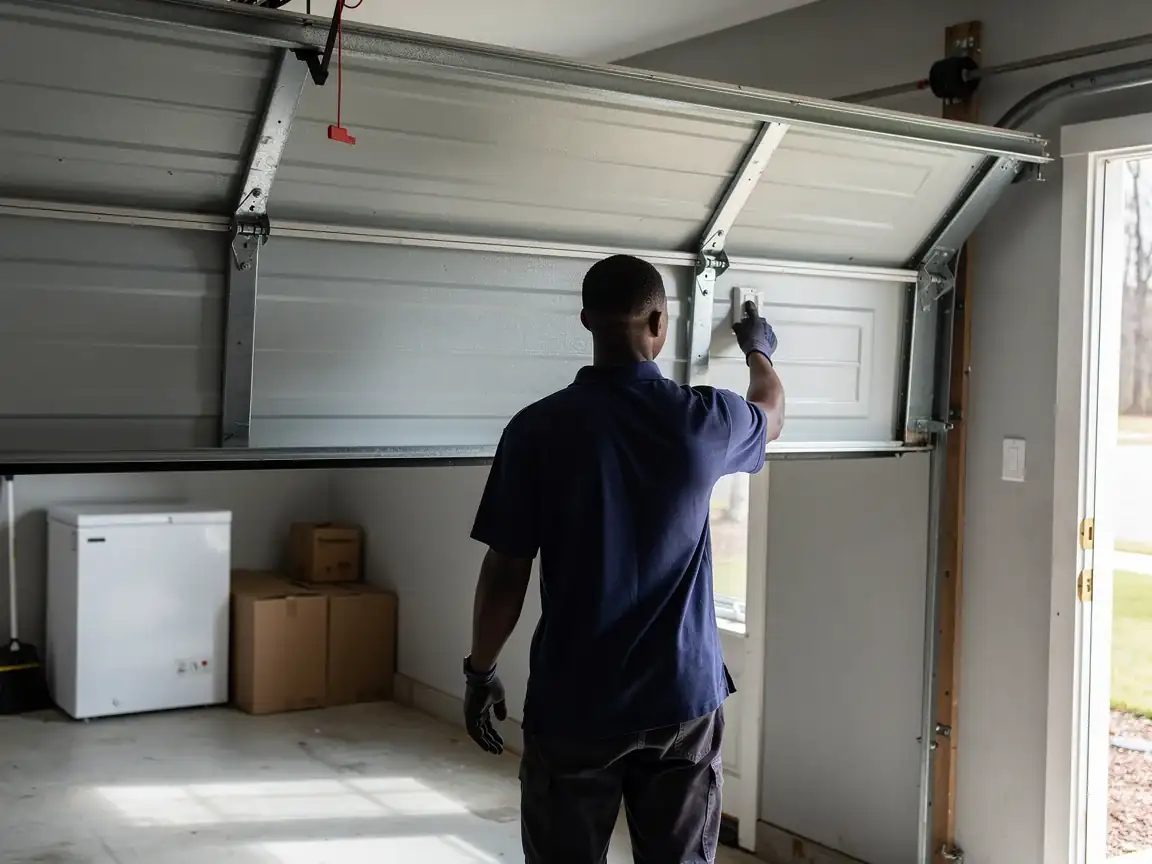
Wiring on openers from this period is also worth a second look before you start swapping parts - safety sensors weren't standard on everything installed before the 1990s, and a door without them isn't one you want to guess on.
How It Shows Up
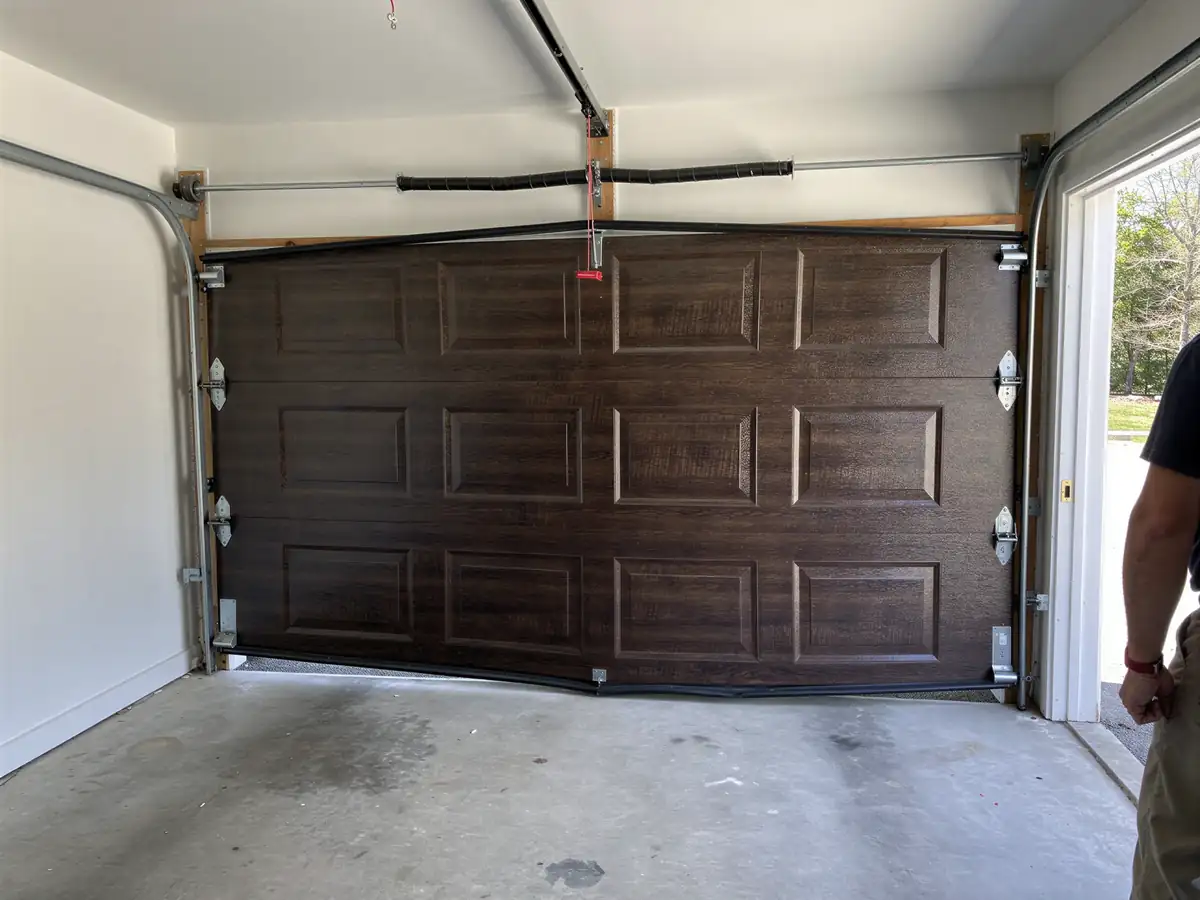
In a neighborhood with housing this age, the common call isn't a dead opener - it's a spring that finally lets go after decades of use, or a track that's slowly bent out of true from a door that was never quite balanced right to begin with. Climate here runs cold-moderate, enough that steel contracts and expands season to season, and on hardware that's forty-plus years old that cycling adds up.
We also see doors where someone added a newer opener to original 1960s track and drums, which can work fine for years and then bind all at once when the mismatch finally catches up. If your door groans, hesitates partway, or reverses on its own, that's usually the hardware underneath telling you it's not keeping up with a motor it was never matched to.
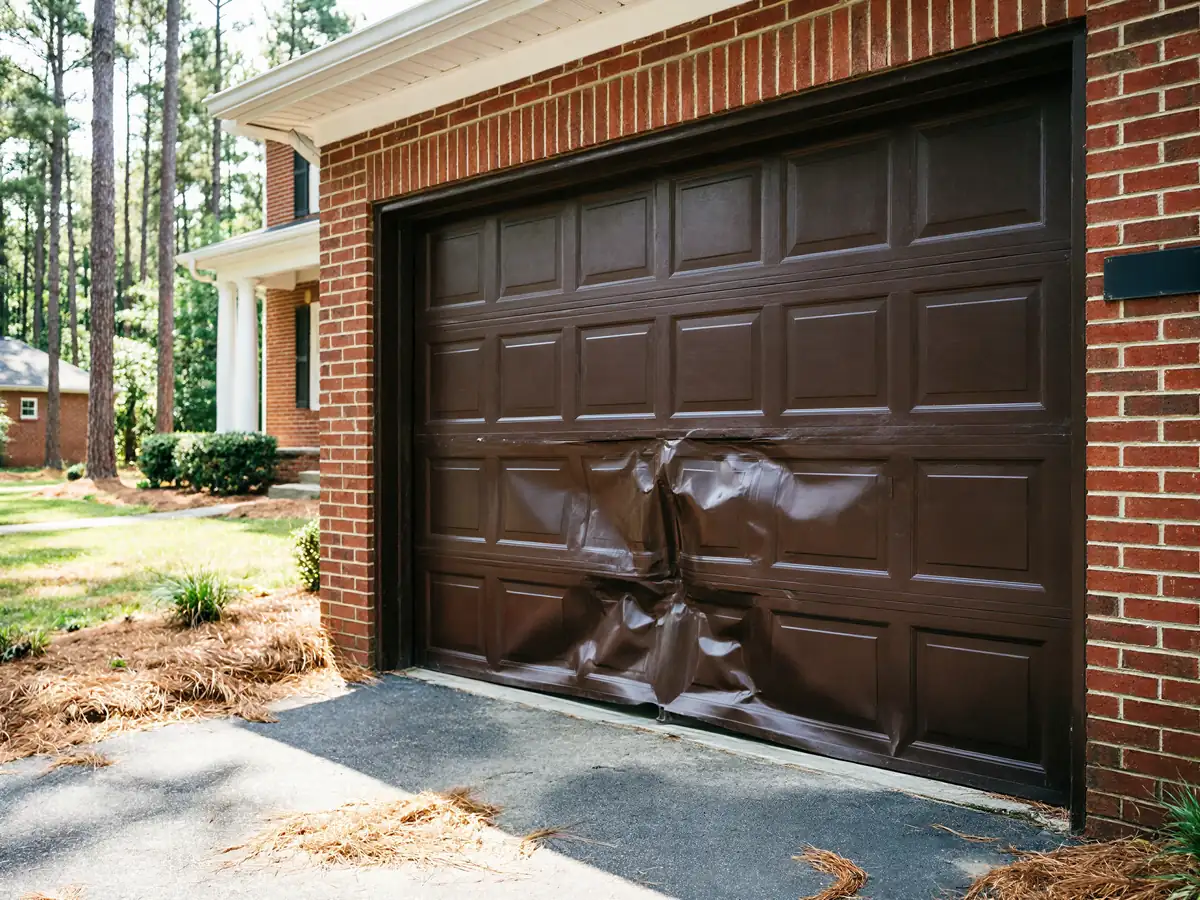
Panel damage shows up less often here than hardware failure - these are mostly original doors, not the lightweight steel panels that dent on a bad day. When something fails in Druid Hills, it's more likely the parts inside than the skin outside.
Booking a Visit
We run out of Snellville, about 19 miles from Druid Hills
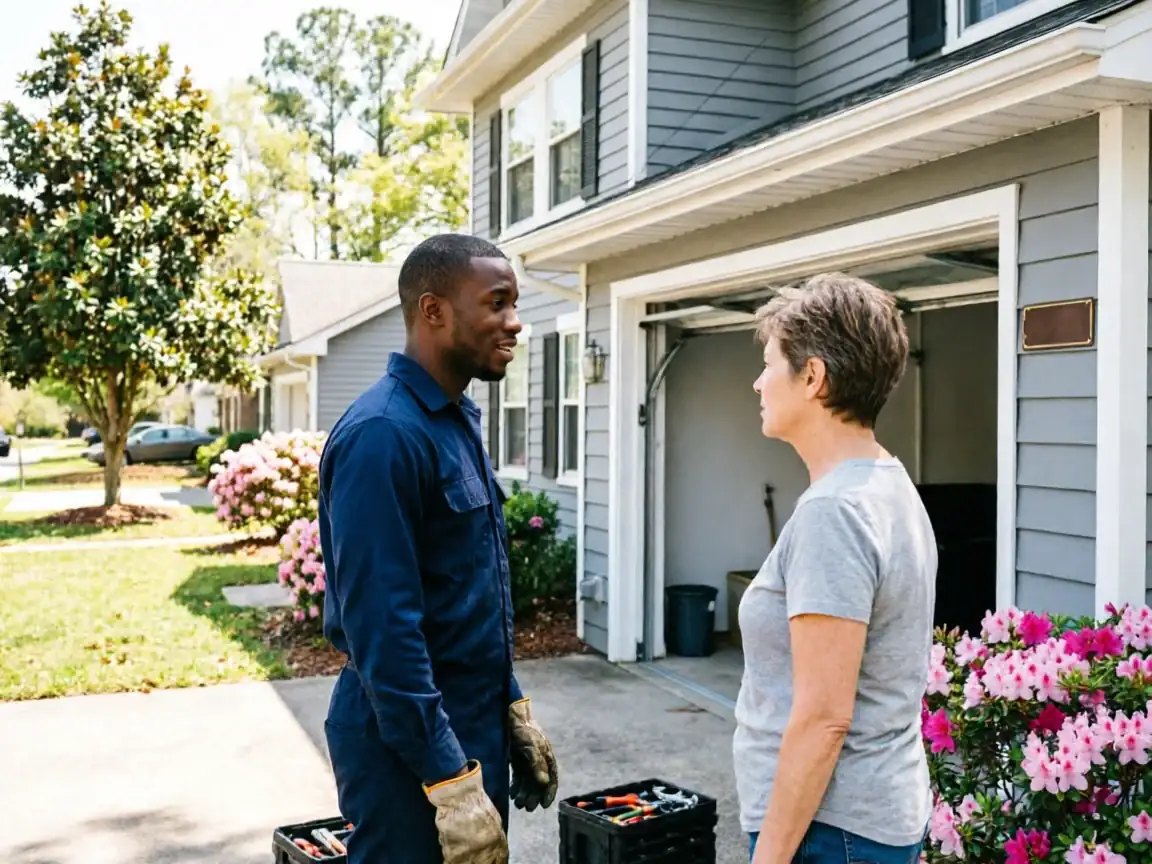
So a visit here gets scheduled rather than dropped in on same-hour. Tell us the age of the house and what the door's doing - grinding, stuck halfway, opener running but door not moving - and we can usually guess what we're bringing before the truck leaves.
- 19 miles
Because a lot of the service area's households in Druid Hills are sitting on original or near-original hardware
We try to carry parts sized for that era rather than assuming everything's a current-stock part. That's not guaranteed on every call - some brackets and drums from the 1960s are genuinely hard to source and may need to be ordered - but we'd rather tell you that up front than show up and discover it on your driveway.
If you know the door hasn't been serviced since the house was built, say so when you call
It changes what we load before we leave Snellville.
How Long You Are Without the Door
A straightforward spring swap or cable replacement is usually a same-visit fix once we're on site - an hour or so of work, door back down and running before we leave. What stretches that out in Druid Hills specifically is hardware age: if a bracket, drum, or shaft from the original 1964-era install is cracked or seized rather than just worn, that part may not be sitting on the truck and we'd need to order it.
That's the honest limitation - we don't pretend every original part on a sixty-year-old door is something we can hand you same-day. For a full door and opener replacement, rather than a repair, you're looking at scheduling a return trip once the new unit is in, not a one-visit job.
If the door is salvageable - most are, even at this age - we'll say so rather than push a replacement you don't need. If the track or frame has shifted enough that repair is just delaying the same call in a year, we'll tell you that too.