Doing It Yourself
Druid Hills counts about 3,579 households, a small enough base that most of the openers we see came installed with houses built close to 1964. That matters because a lot of those first units got swapped once already, probably in the 80s or 90s, and some owners are now on their second or third opener without ever touching the original hardware above the door.
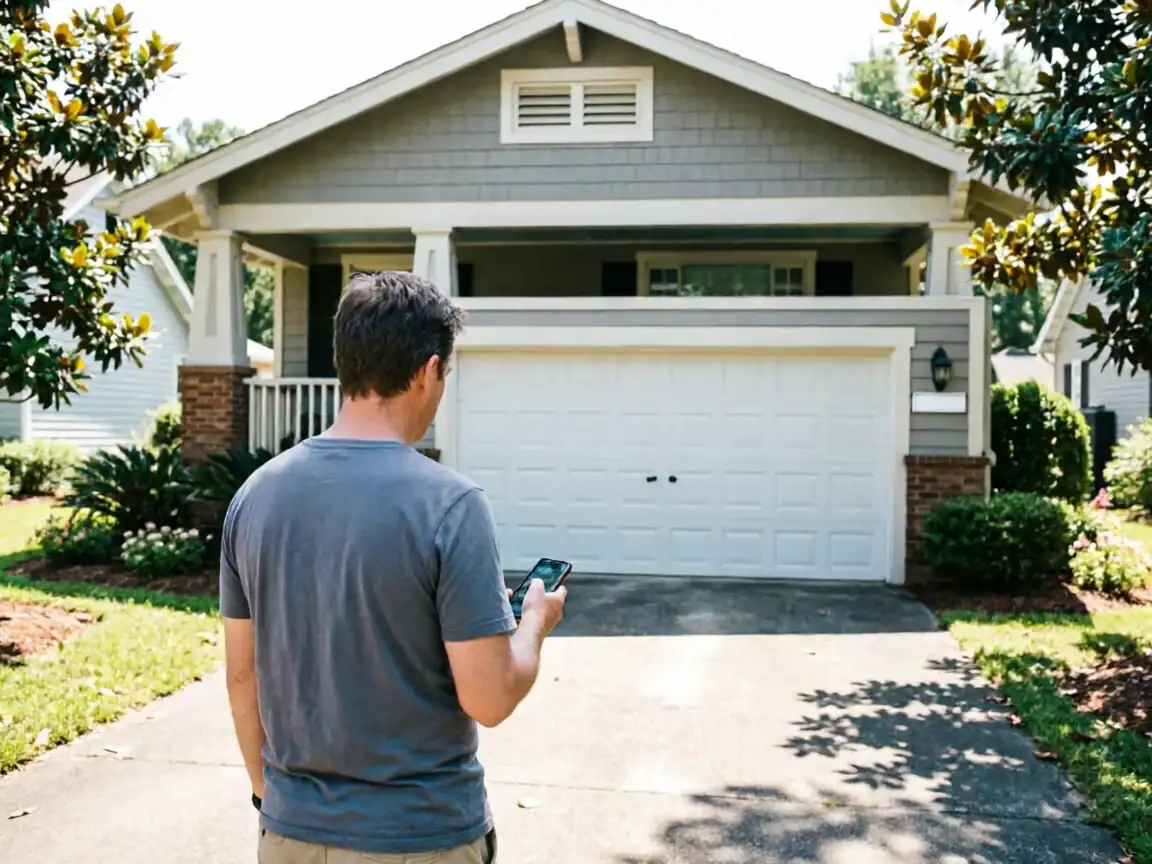
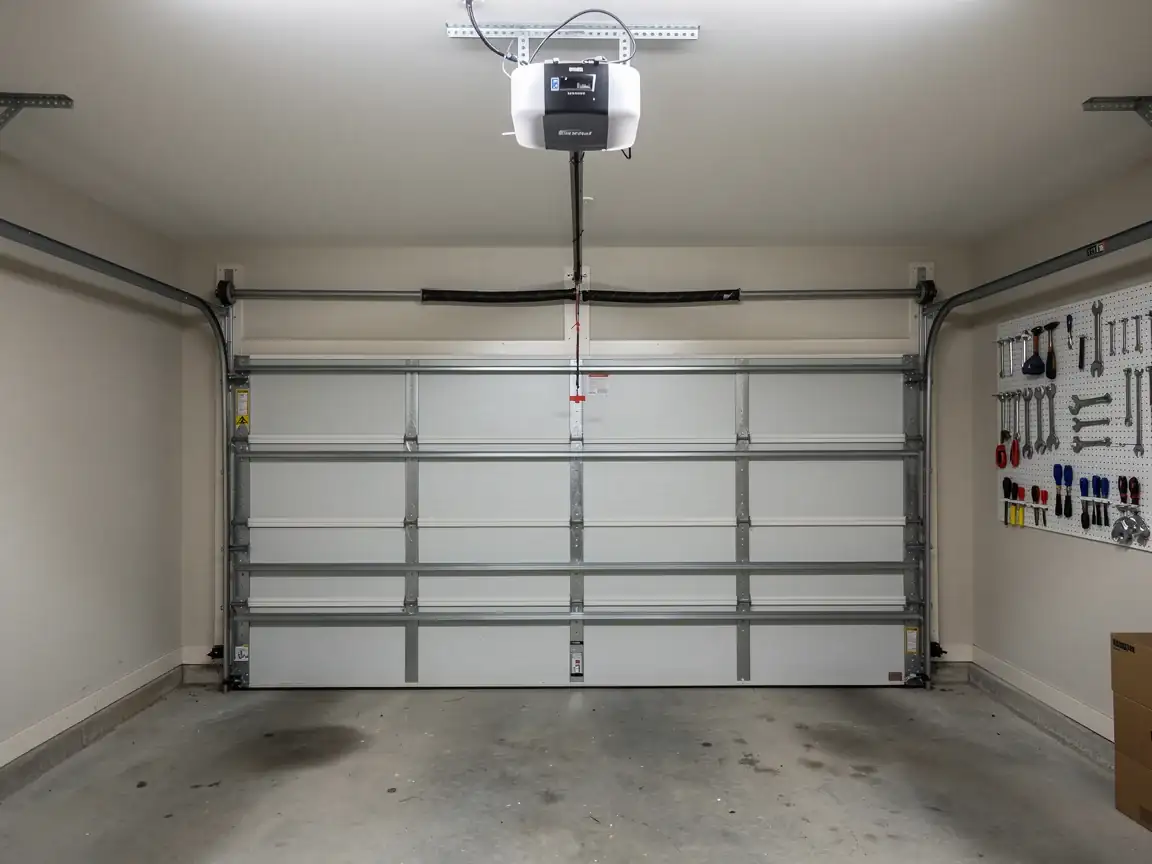
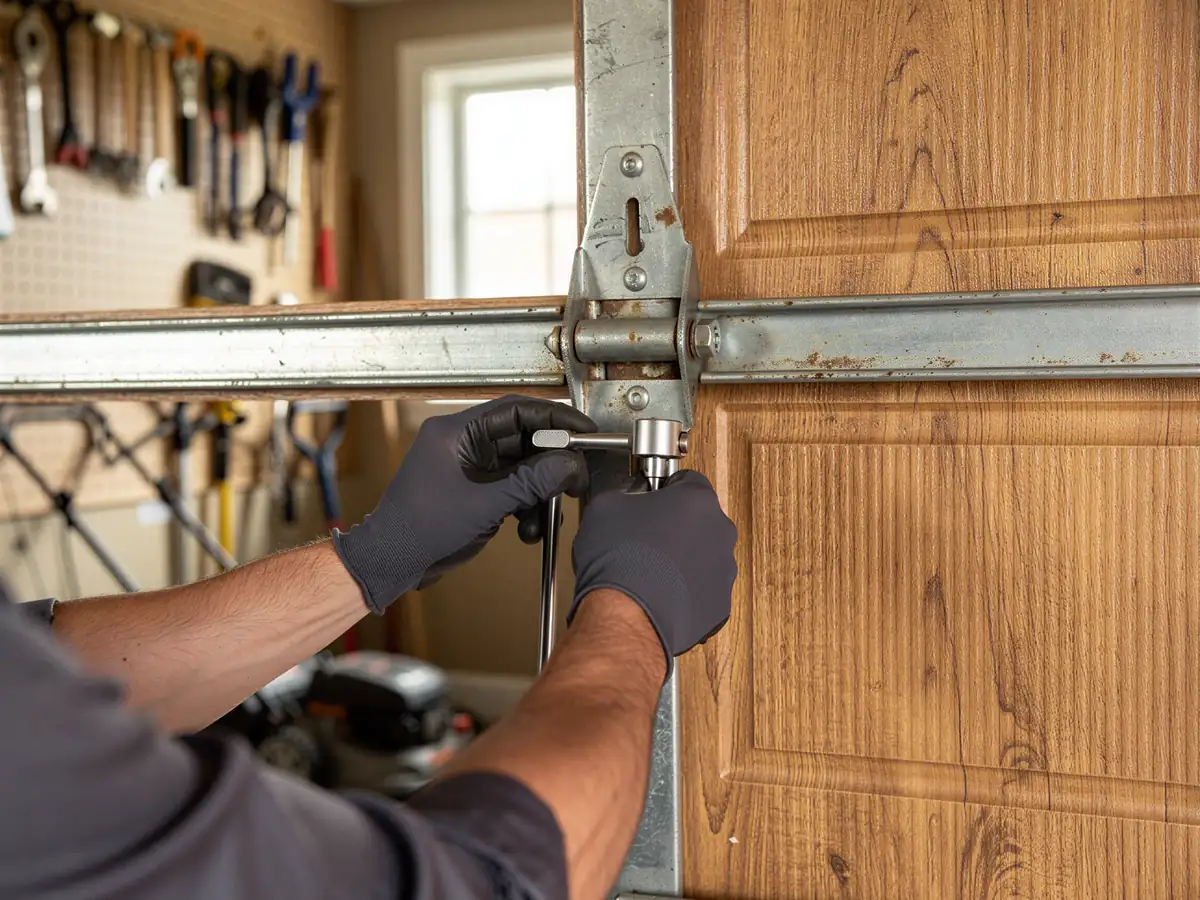
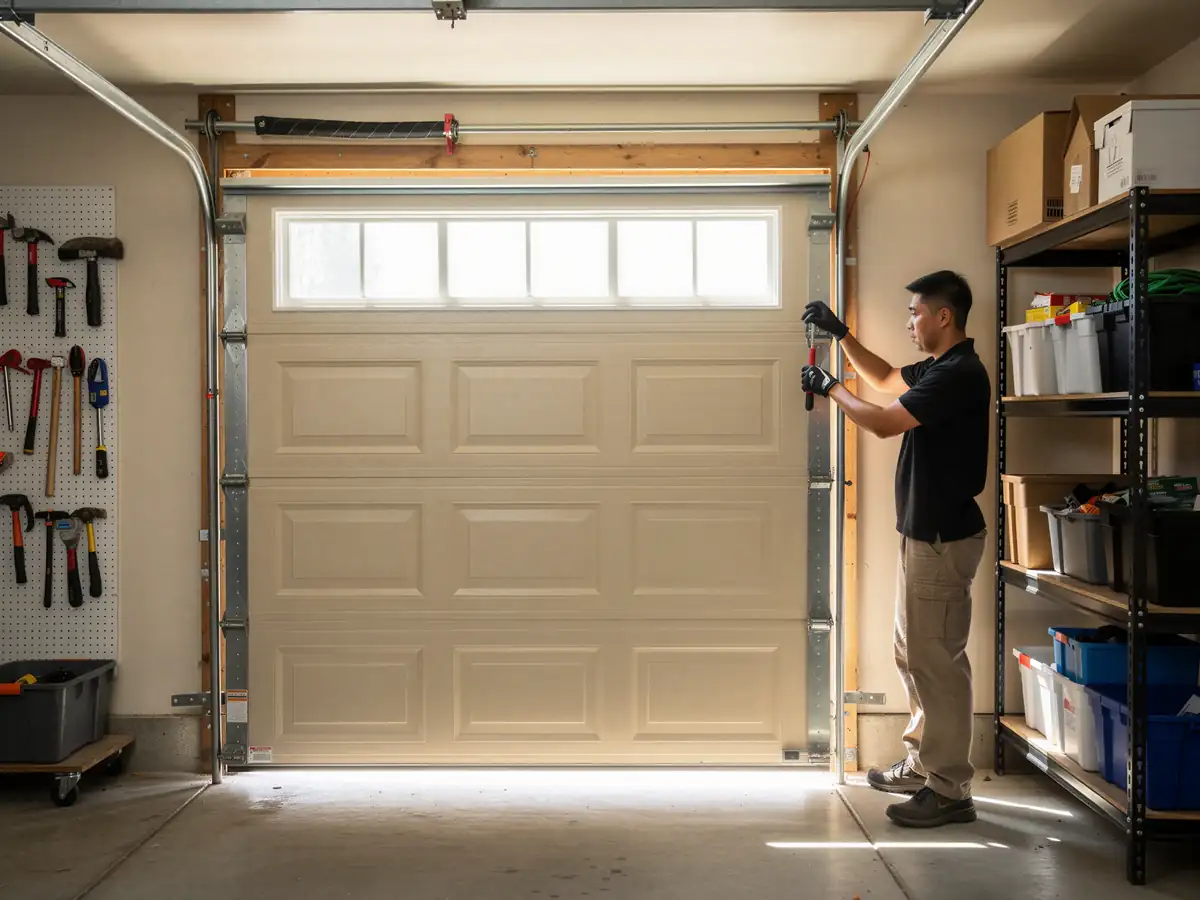
There's plenty you can check yourself before calling anybody. Pull the manual release cord and see if the door moves freely by hand - if it's heavy or binds, the opener isn't your real problem, a spring or track is. Check the wall button and the remote batteries. Look at the safety sensors near the floor for a blinking light that means they're out of alignment.
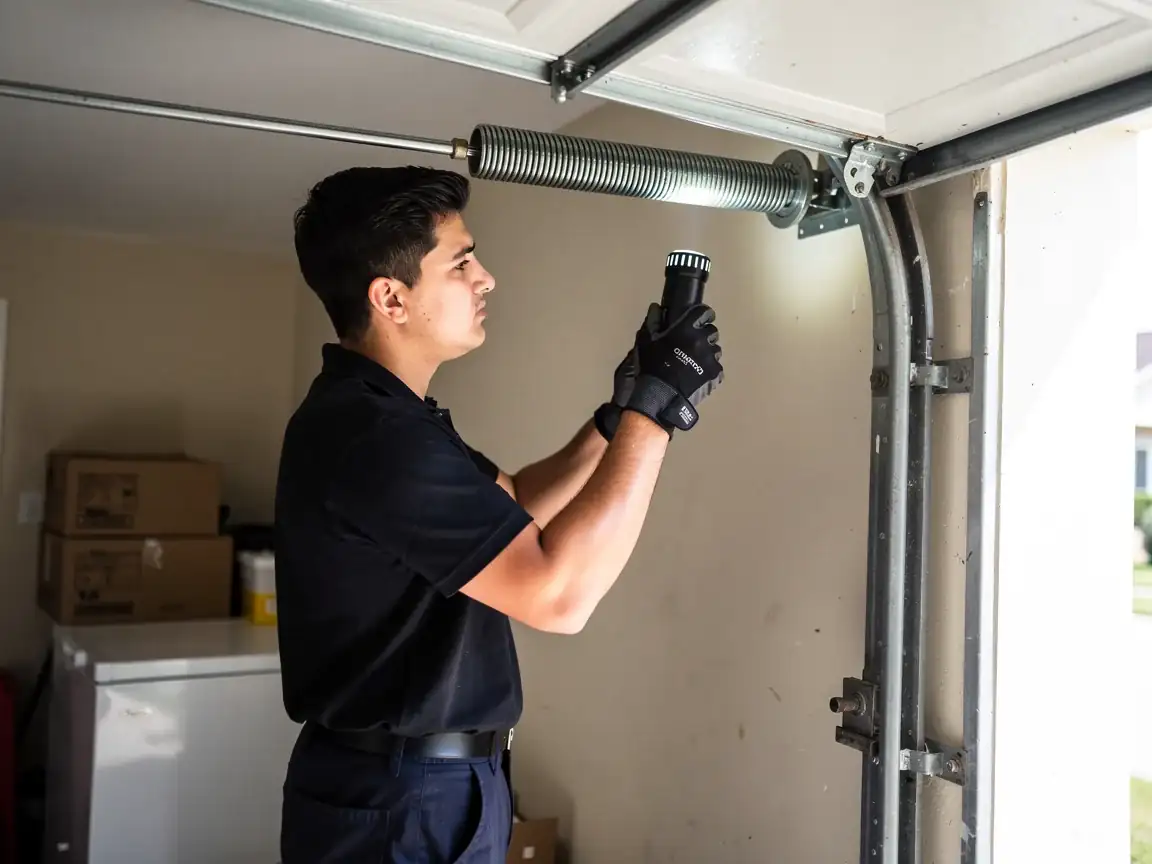
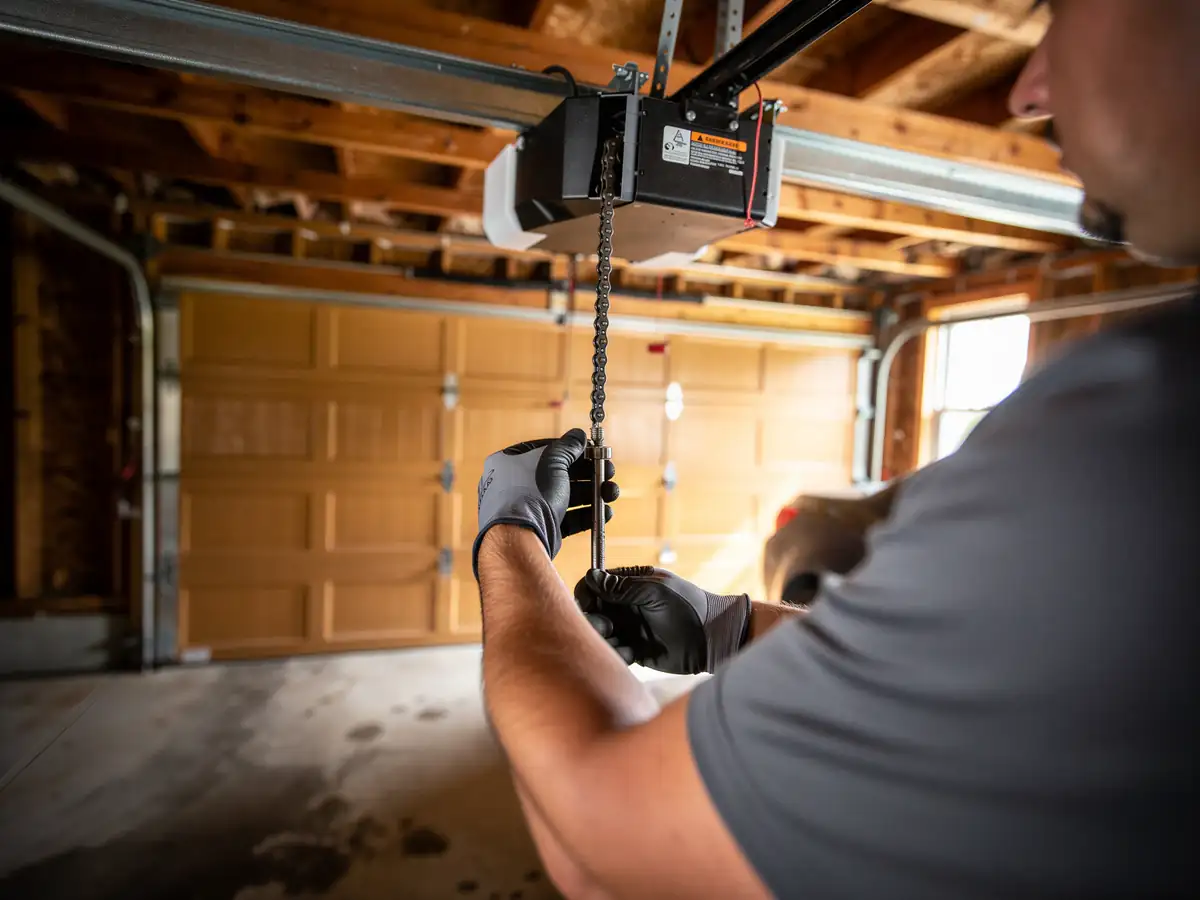
What you shouldn't do is open the opener housing and start swapping the circuit board or logic unit yourself. On older units especially, the board, the drive gear, and the wiring harness are matched to that specific motor, and a part from a newer unit often won't seat right even if the connector looks the same. We don't stock every discontinued board for every brand - some of these older openers are past the point where the manufacturer still makes parts, and replacement ends up cheaper than chasing a part nobody carries anymore.
How It Shows Up
With a median build year of 1964 here, a lot of garage doors still run openers from the first replacement wave of the 1980s and 90s, long past factory support. The failure pattern on those units is pretty consistent: the motor runs but the door doesn't move, which usually means a stripped drive gear inside the housing, a part made of nylon that wears out after enough open-close cycles regardless of how well the rest of the unit held up.
Cold winters in this part of Georgia stiffen trolley grease and strain worn drive gears every year, which is when a lot of these 1960s-era openers finally quit. You'll notice it as a door that hesitates on the first cold mornings, or a motor that hums for a second before catching.
On newer openers, the more common call is a sensor that's drifted out of alignment, a remote that's stopped syncing, or a wall button that's lost power. Those are quicker fixes and don't usually mean replacing the whole unit.
Booking a Visit
We make the 19-mile drive out from Snellville for opener calls here
Same as we do for the rest of the territory. Because it's a drive and not a local branch, we ask a few questions up front - brand, age if you know it, whether the door moves by hand, whether it's the motor or the hardware - so the truck that shows up has the right parts on it the first time.
At $140,466, median household income in Druid Hills runs well above the wider Snellville service area
Which is part of why owners here more often choose to replace an aging opener outright rather than keep nursing a worn drive gear or a dying capacitor along for another season. Either way works, and we'll tell you honestly which one makes more sense for the unit you've got once we've looked at it.
How Long You Are Without the Door
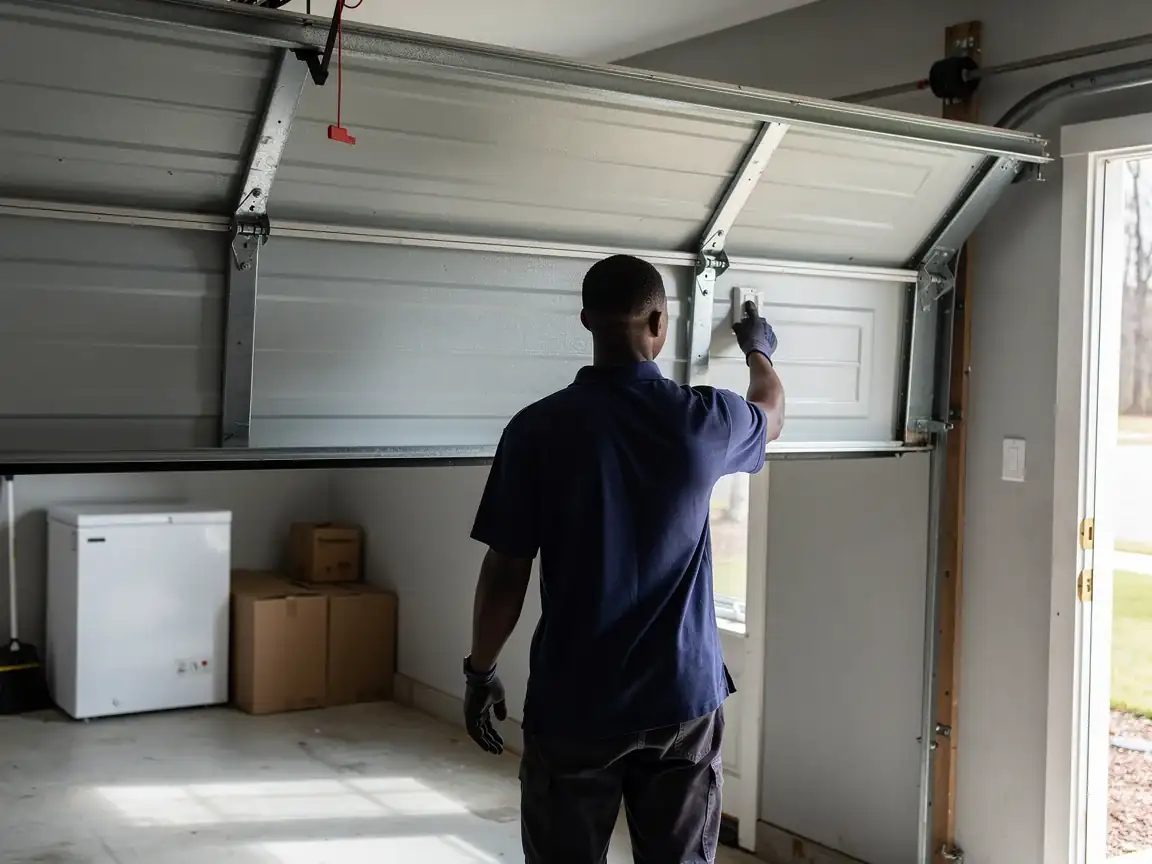
Most opener repairs are a same-visit fix once the truck is there - a new drive gear, a sensor realignment, a logic board swap if the unit still has parts available. The door itself keeps working by hand with the manual release in the meantime, so you're never stuck unable to get the car out.
Where it stretches out is replacement parts for an opener old enough that the manufacturer doesn't carry them anymore, which happens more than you'd think on a street of houses built around 1964. In that case we'll tell you straight that waiting on a back-ordered part isn't worth it and a new opener gets you back to normal faster and for less total cost than chasing down the old one.