Doing It Yourself
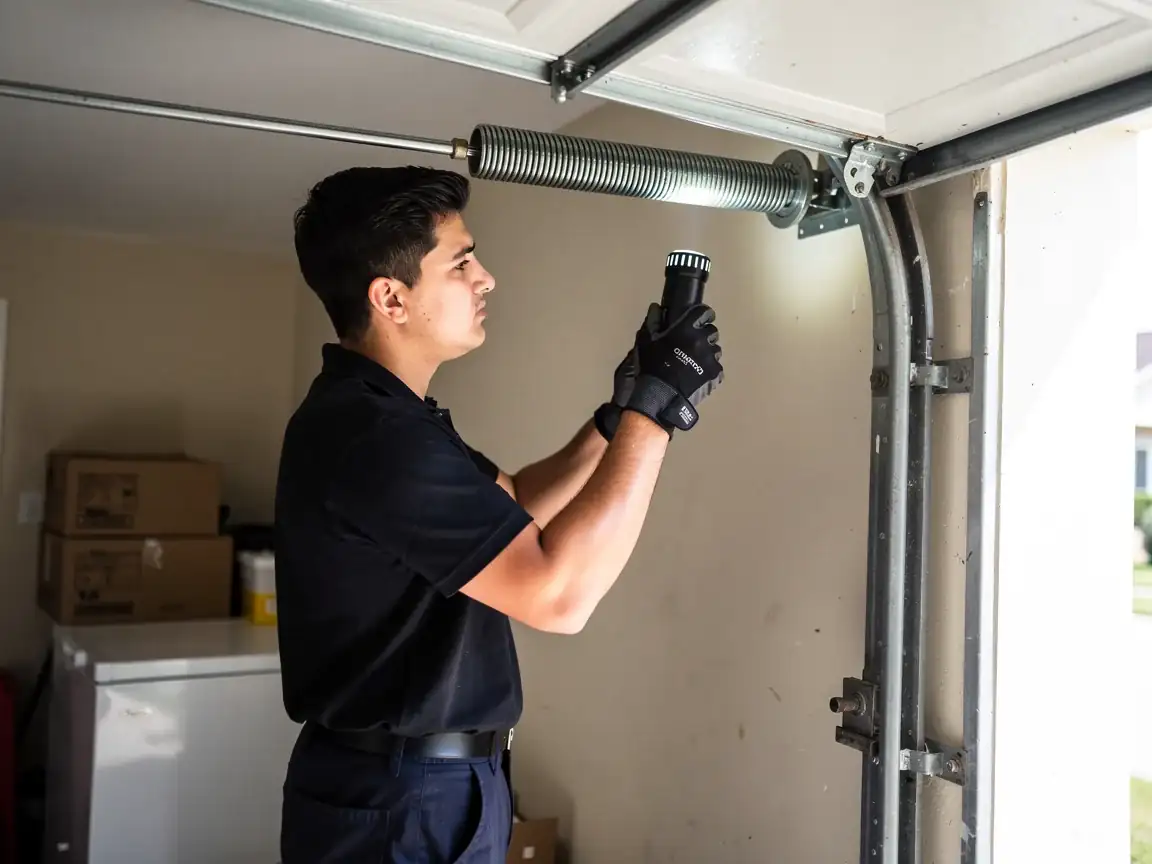
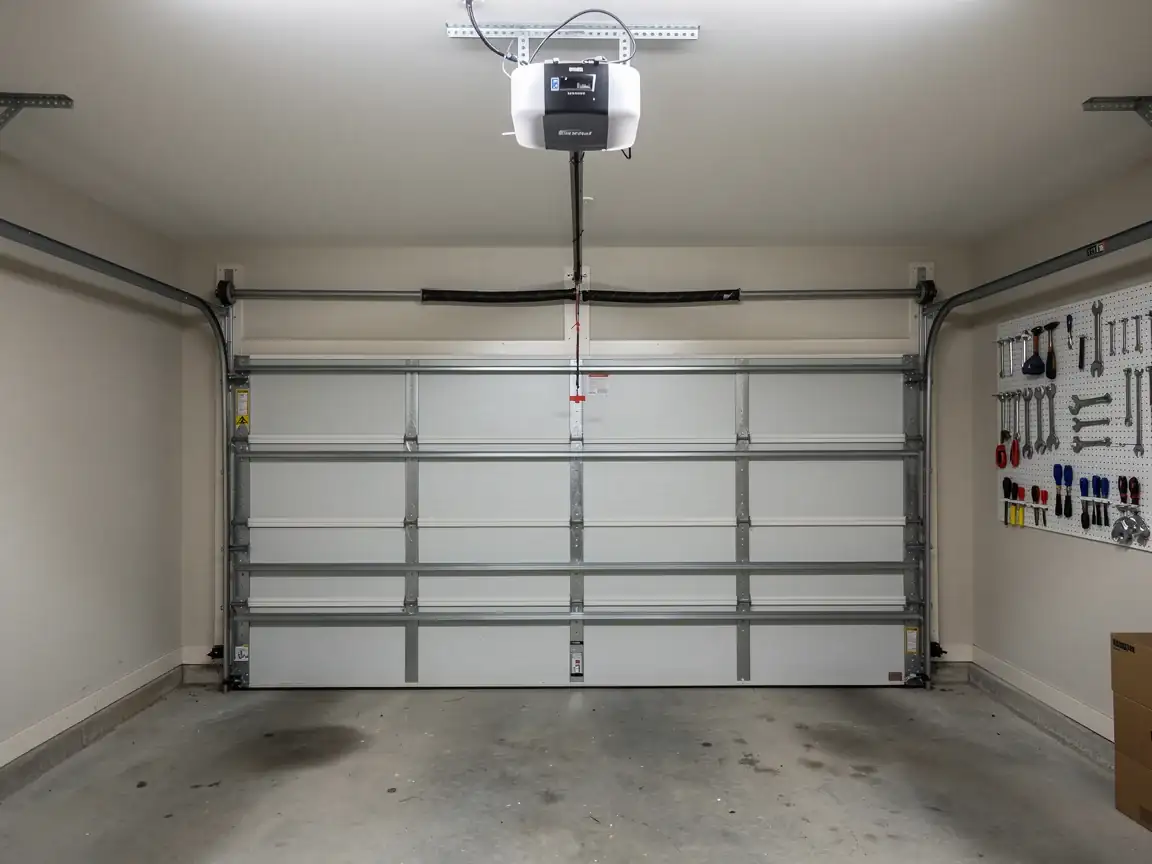
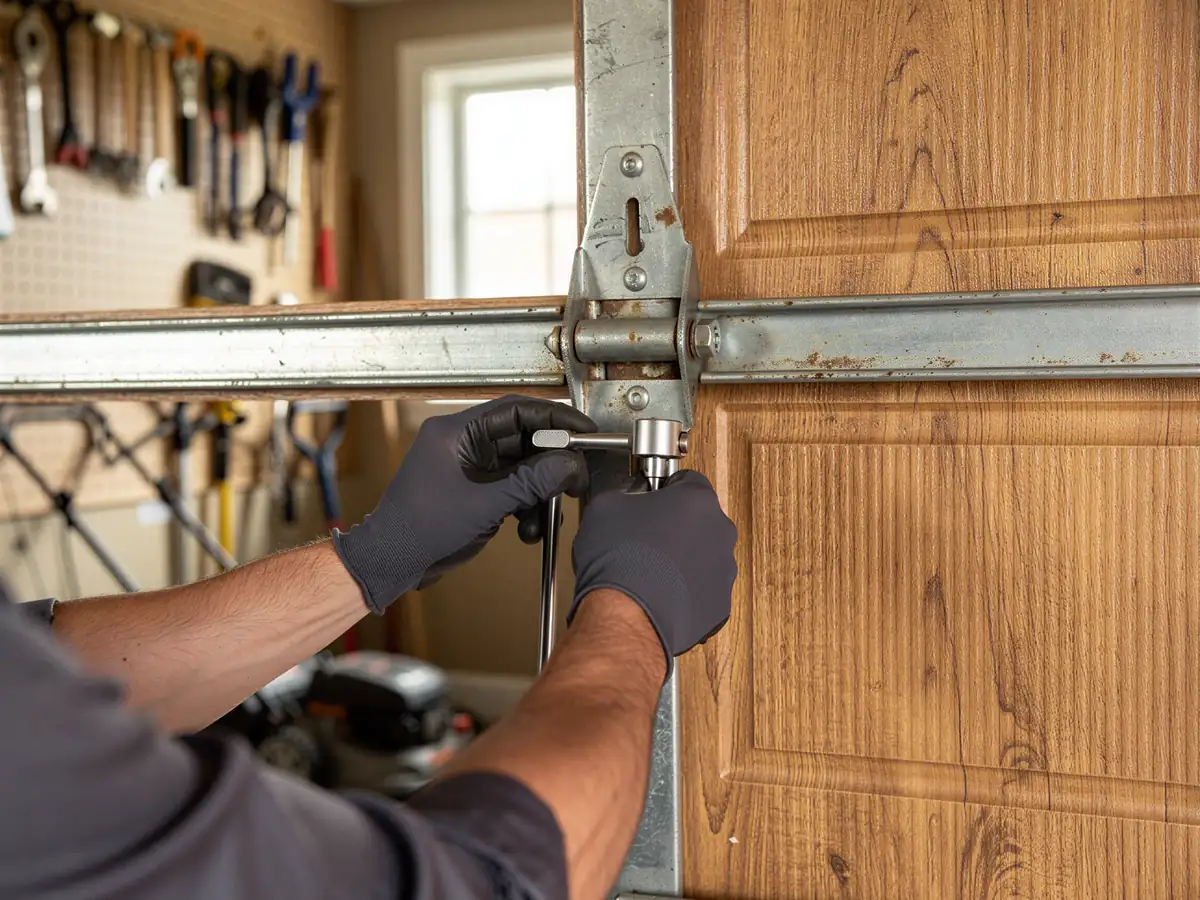
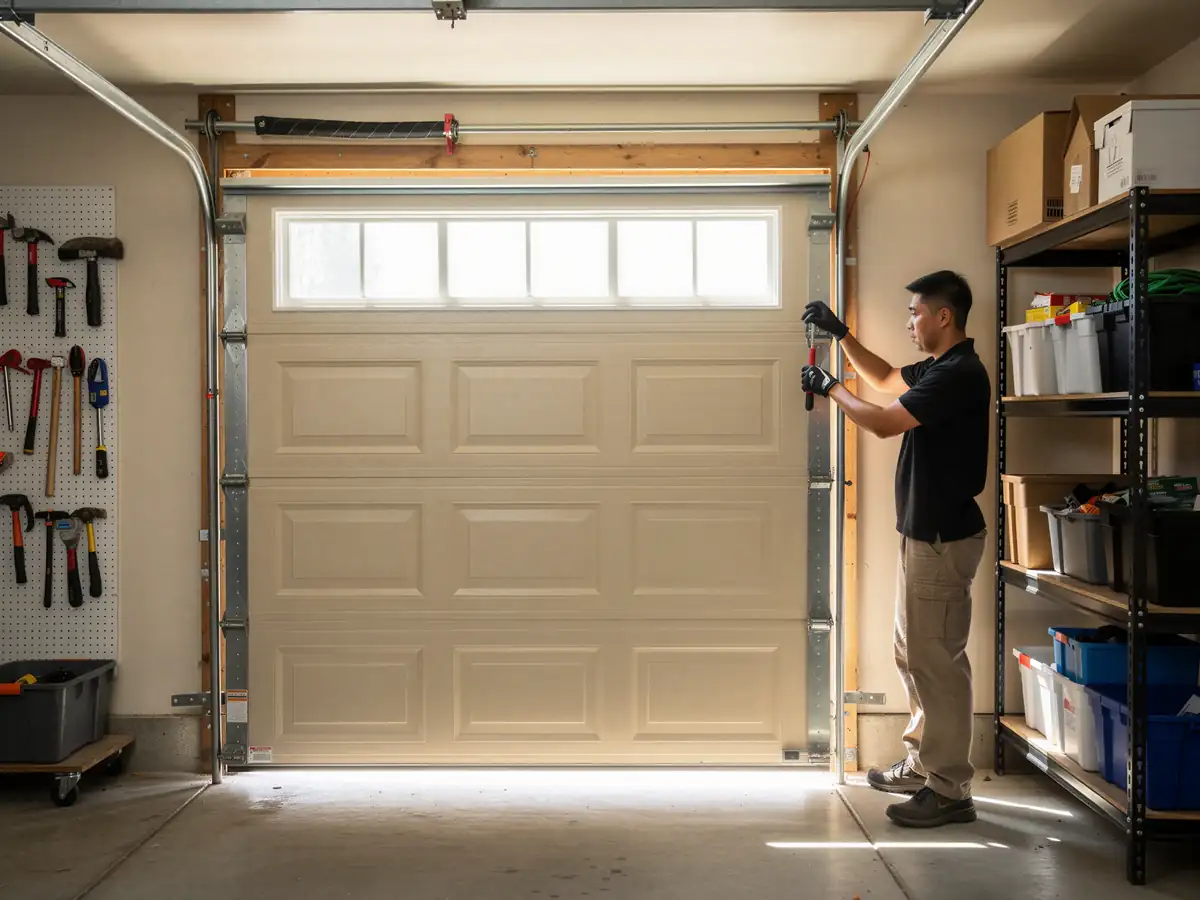
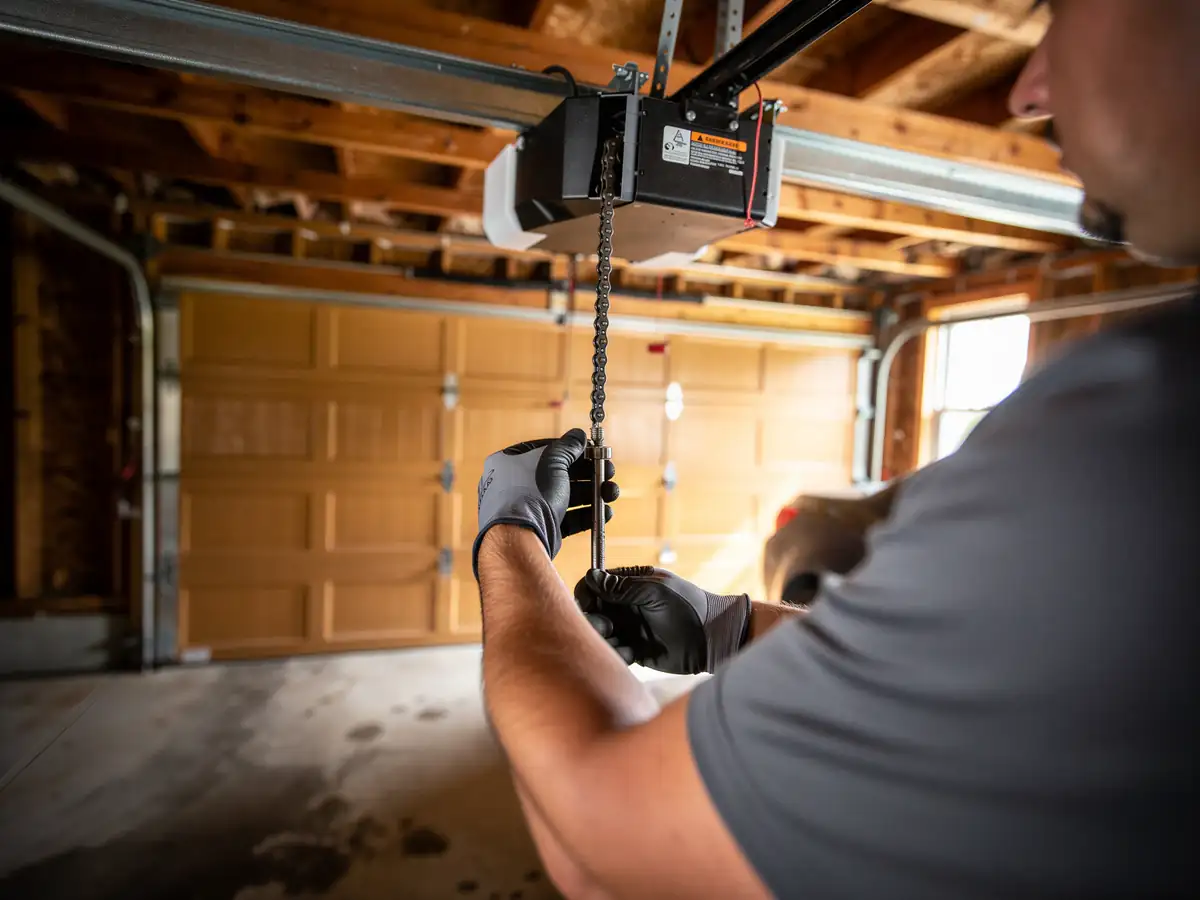
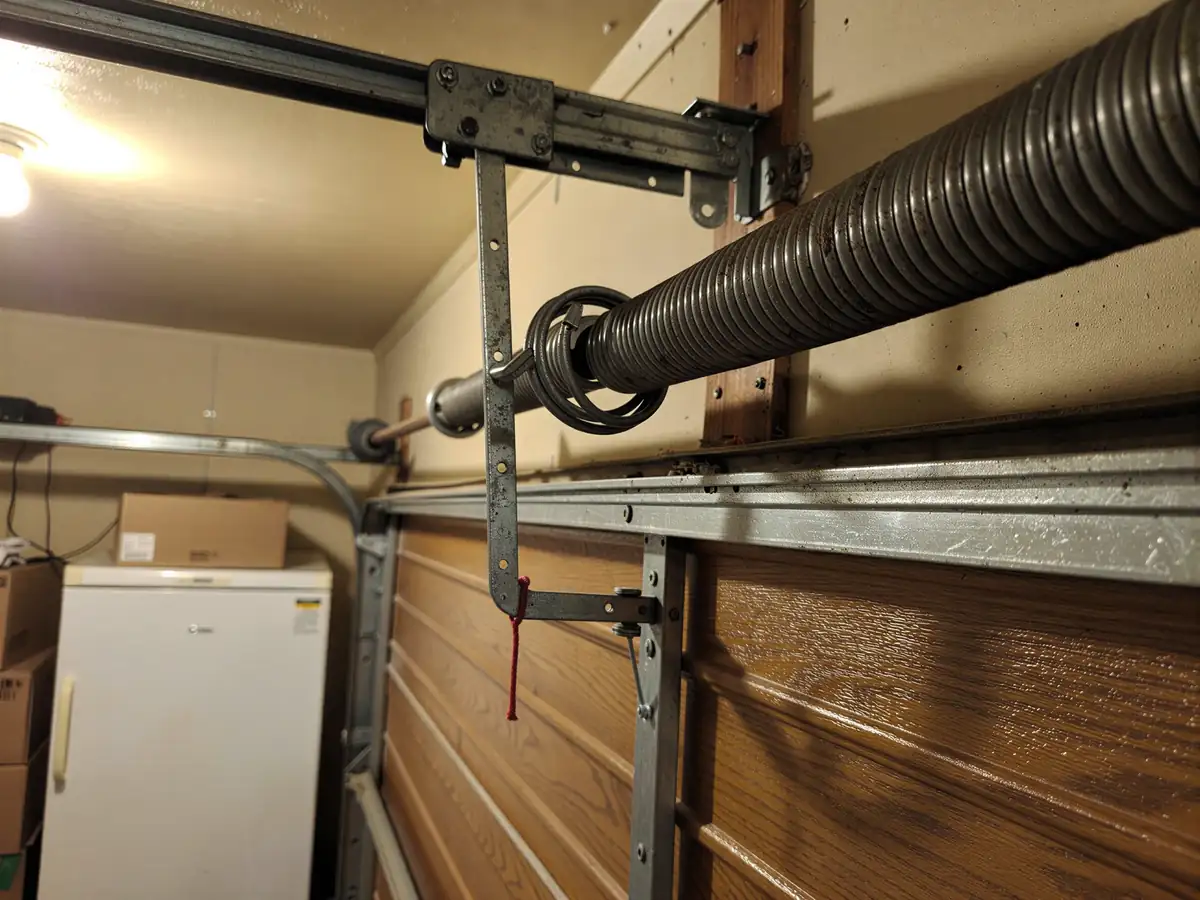
Druid Hills sits at a median build year of 1964, which puts it ahead of the broader service area's 1951-2012 spread and its 1978 median. That eight-to-fourteen-year gap matters because a torsion spring sized for a lighter, earlier door is not the same part as one sized for a door built in the 1990s, and guessing wrong on wire gauge or wind count is how people get hurt. Torsion springs store enough force to snap a bar or take off a finger, and that risk doesn't drop because the house is nicer or the neighborhood is older. If you're set on doing it yourself, at minimum use winding bars, not screwdrivers, and never work under a door held only by the springs. We'd rather talk you through what you're looking at on the phone than read about it in an incident report. The honest limitation here: we don't walk people through spring replacement as a DIY project over the phone step by step, because the margin for a bad outcome is too high for us to feel good about it. If the spring is already broken, the door is dangerous to move at all - leave it down, leave it alone, and call.
How It Shows Up
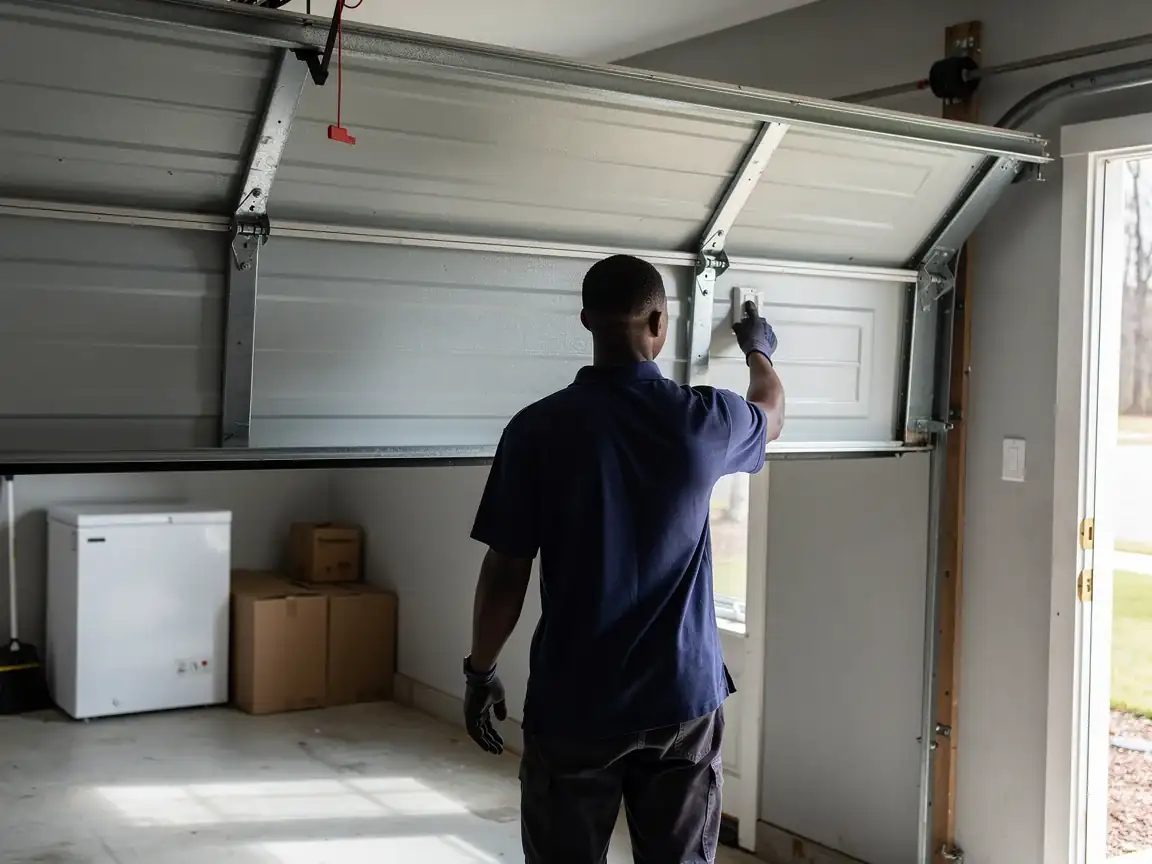
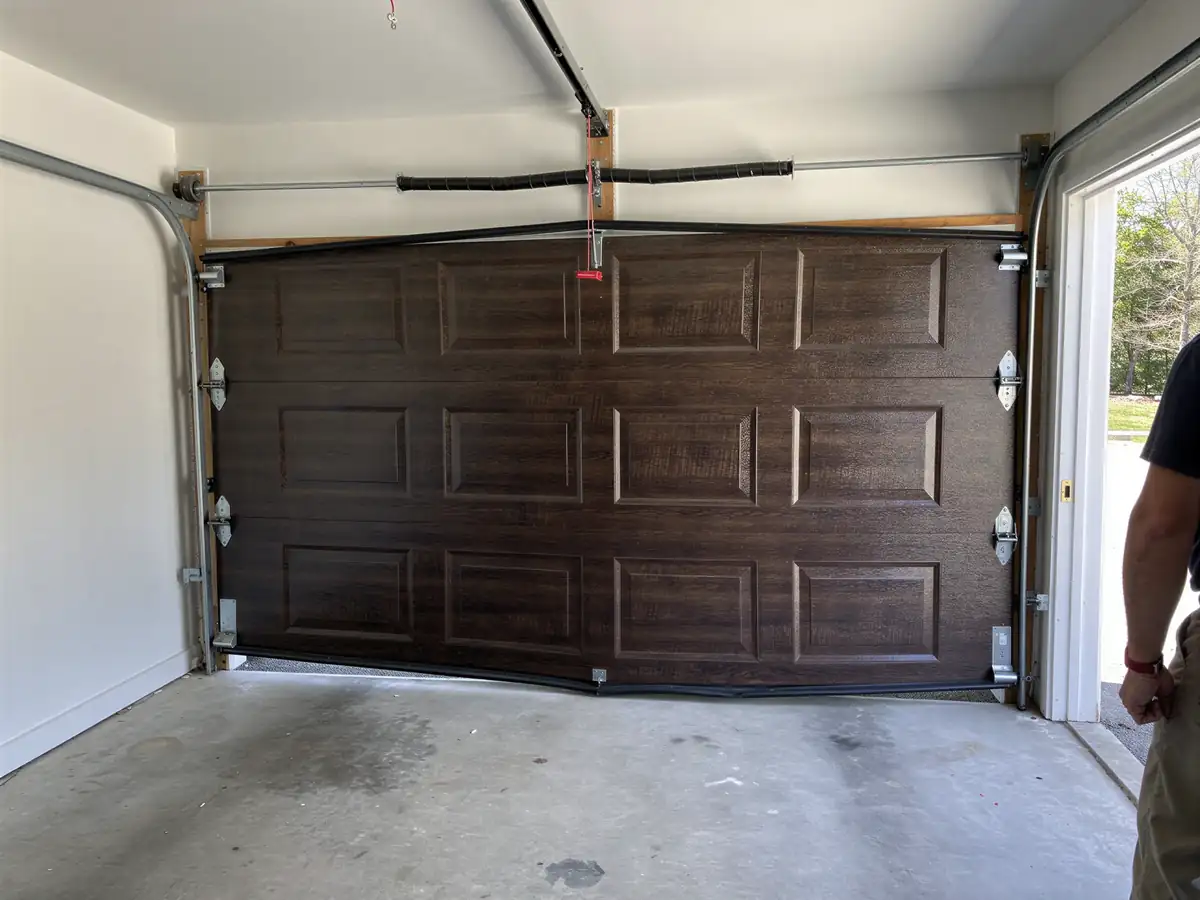
In a neighborhood built mostly around 1964, the springs failing now are either original replacements from decades back or a second or third generation of the same wrong-sized part. The usual signs: the door feels twice as heavy when you lift the release handle, it drops fast instead of gliding down, or you hear a loud bang from the garage - that's the spring itself letting go, not the opener. On older single-spring setups common to this build era, one failure stops the door completely, where a newer double-spring door might still limp along crooked for a day. Cold weather in this climate band makes steel more brittle, so failures tend to cluster when temperatures swing hard rather than spreading evenly through the year. If the opener motor runs but the door doesn't move, or moves and reverses itself, that's almost always a spring, not the opener - don't replace the motor first.
How Long You Are Without the Door
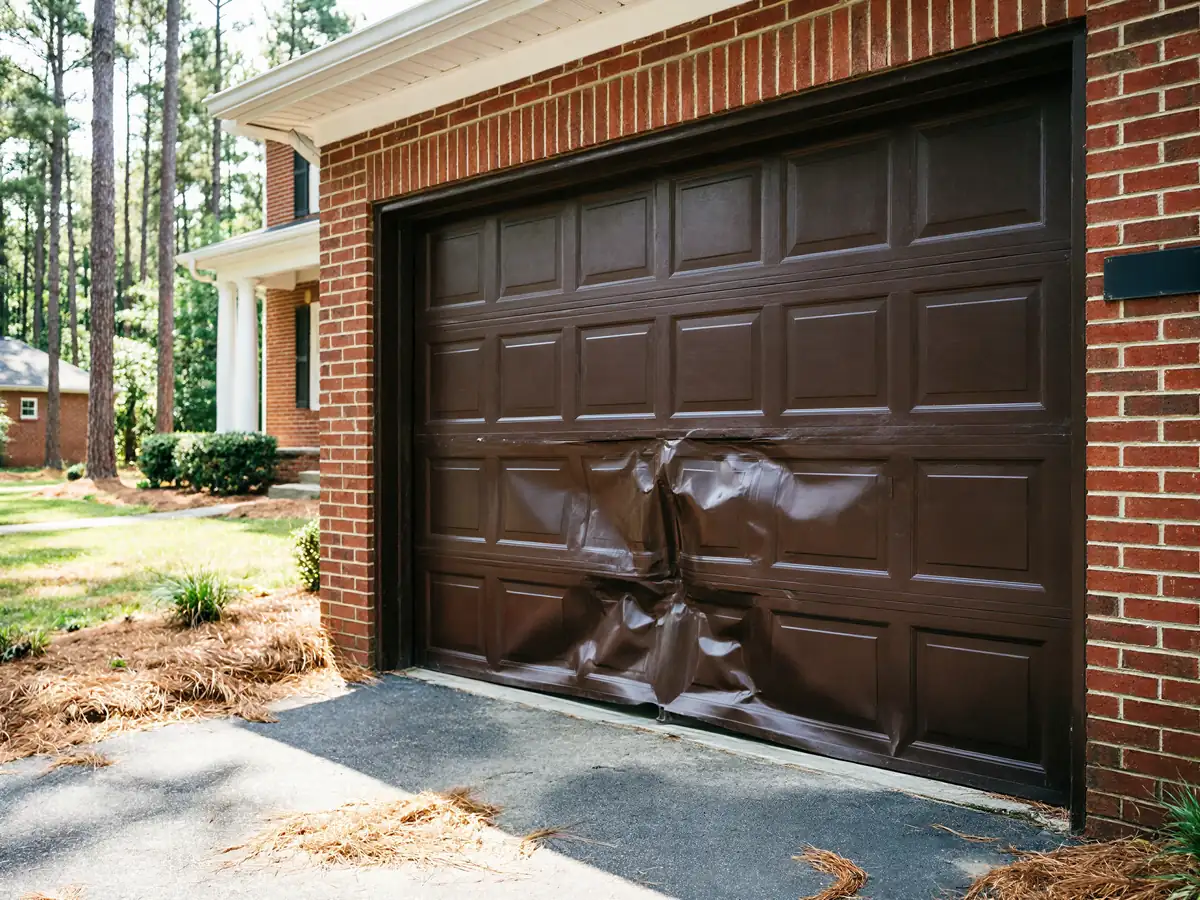
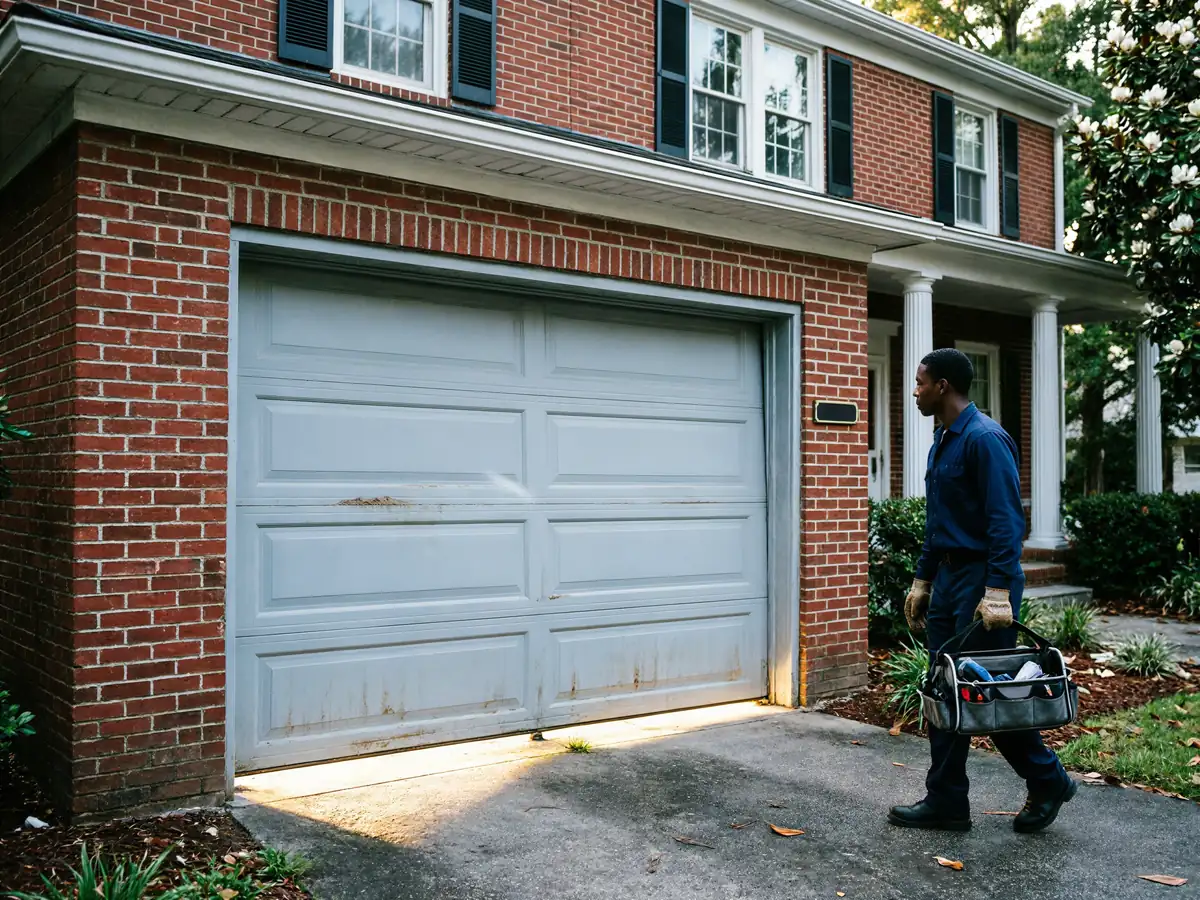
Most spring jobs here are a same-visit fix once we're on site, because standard torsion springs fit the great majority of doors built in this era. Where it runs longer is when the door itself is a nonstandard size or an older heavy wood panel door that needs a spring we don't carry on the truck - that's less common in a neighborhood with a median income of $140,466, where doors have often already been upgraded or replaced, but it still happens on original 1964-era doors nobody's touched since. If that's the case, we'll tell you on site rather than string you along, and we'll give you a real timeline for the part instead of a guess. One thing worth knowing up front: a broken spring on an otherwise worn-out door is sometimes the point where replacing the door costs less over time than keep repairing hardware built for a panel that's outlived its finish.