Why This Fails Locally
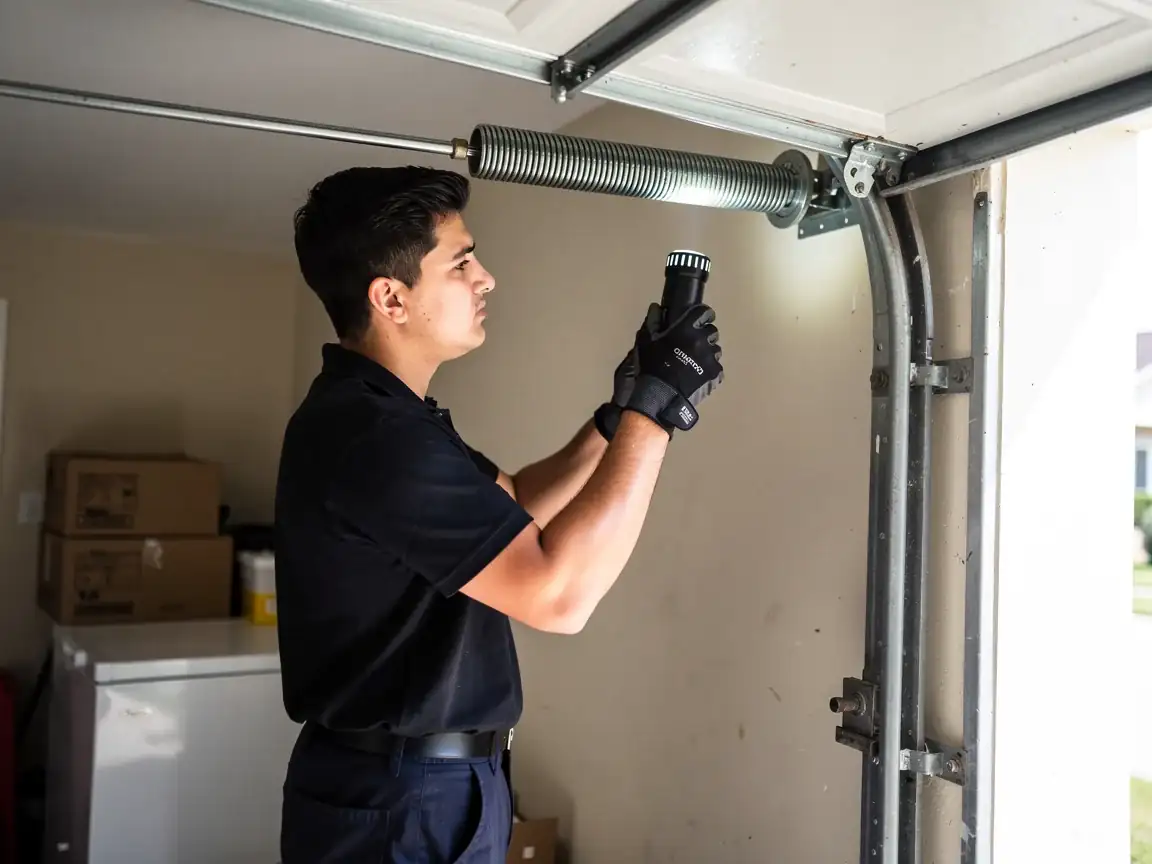
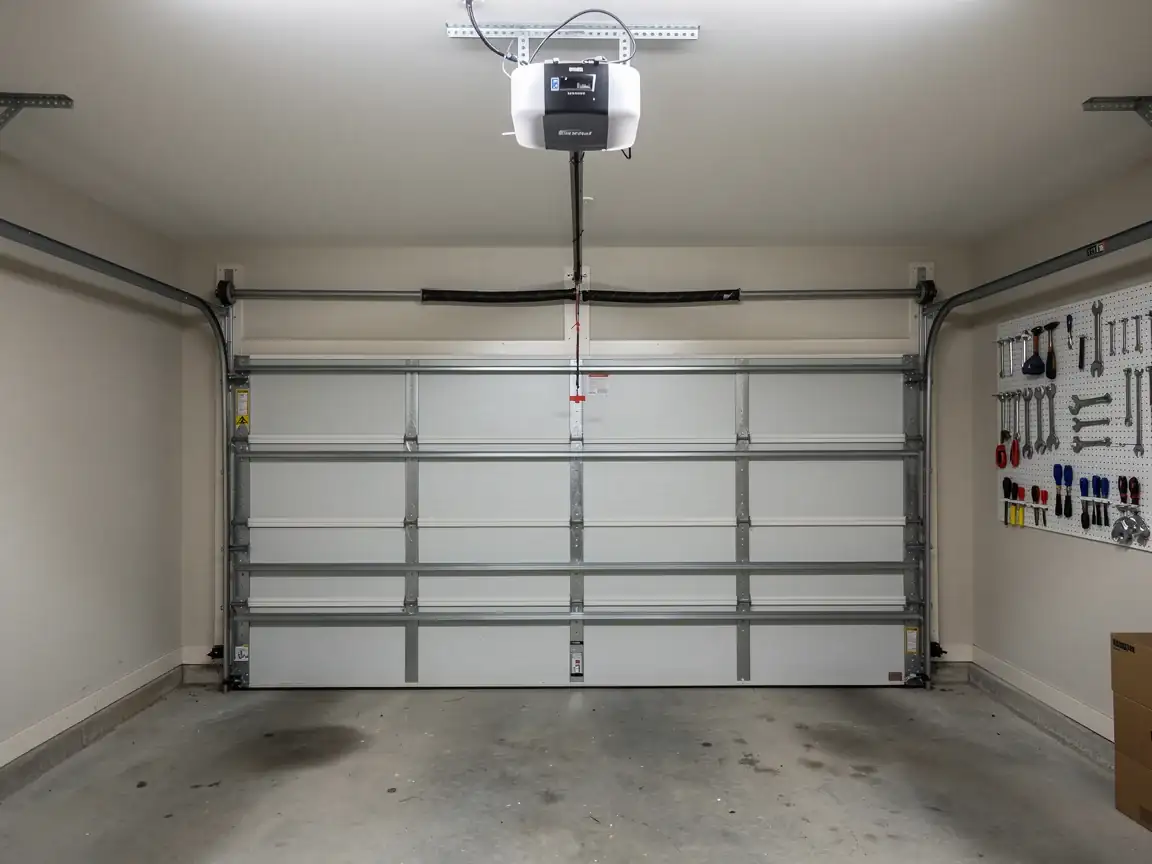
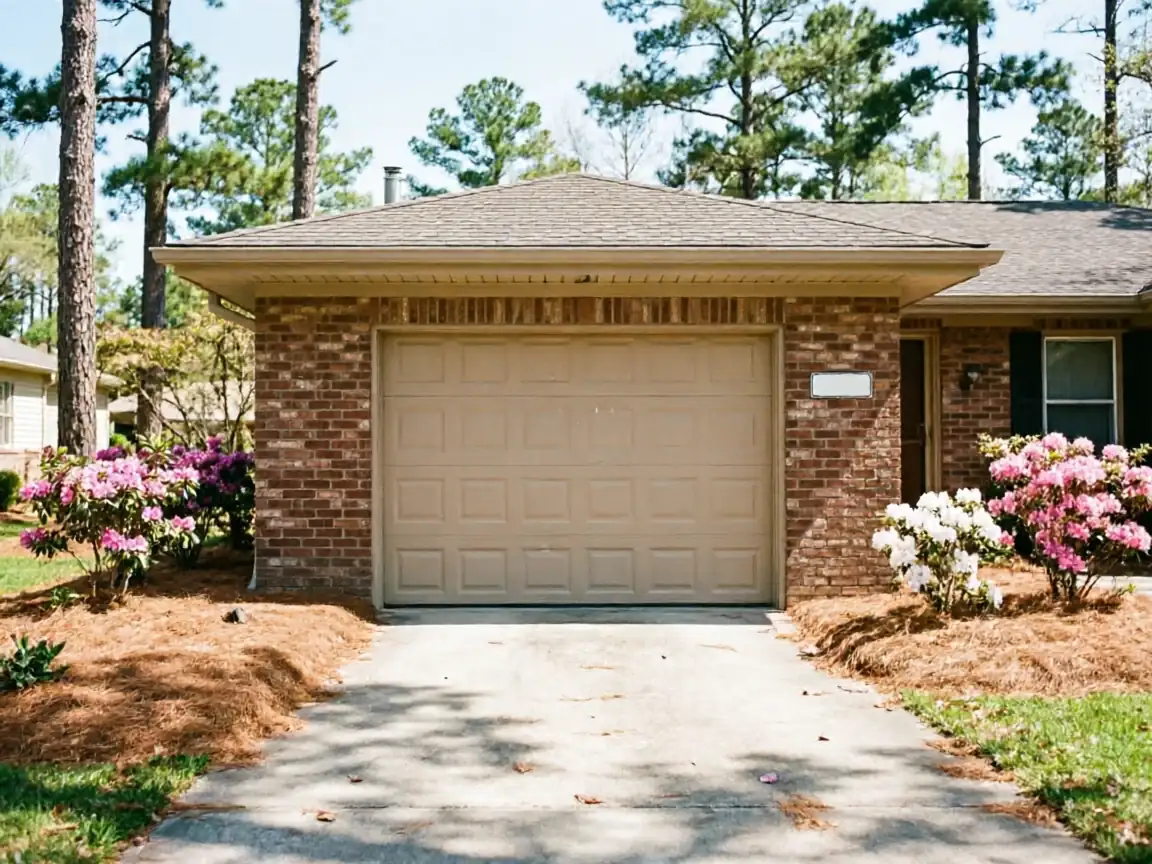
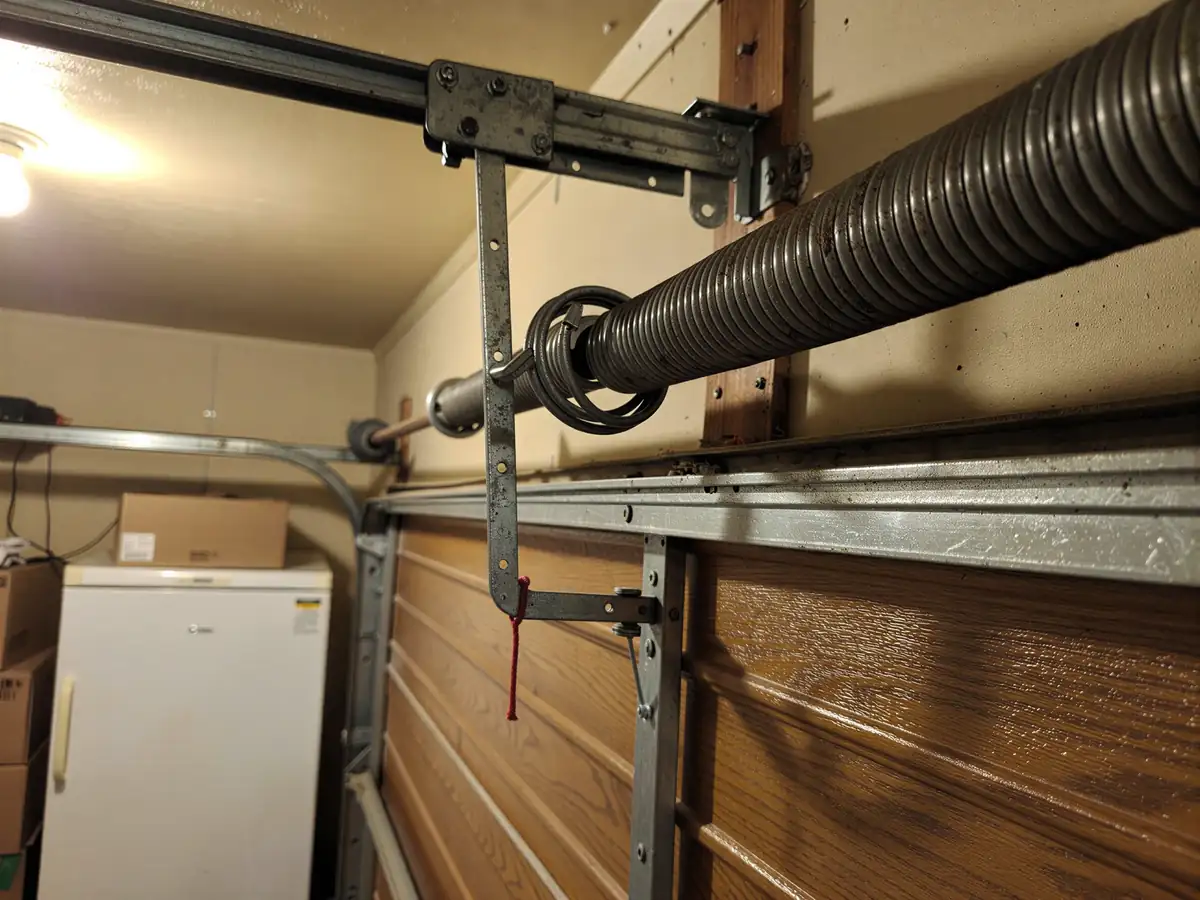
Most houses in Mountain Park went up around 1979, right in the middle of this area's wider 1951-2012 build range. That means a lot of original steel panel doors - single layer, no insulation core, hung on torsion springs mounted on a steel tube above the opening. Builders rate that spring for somewhere around 10,000 cycles, which works out to a service life most of these doors have already blown past.
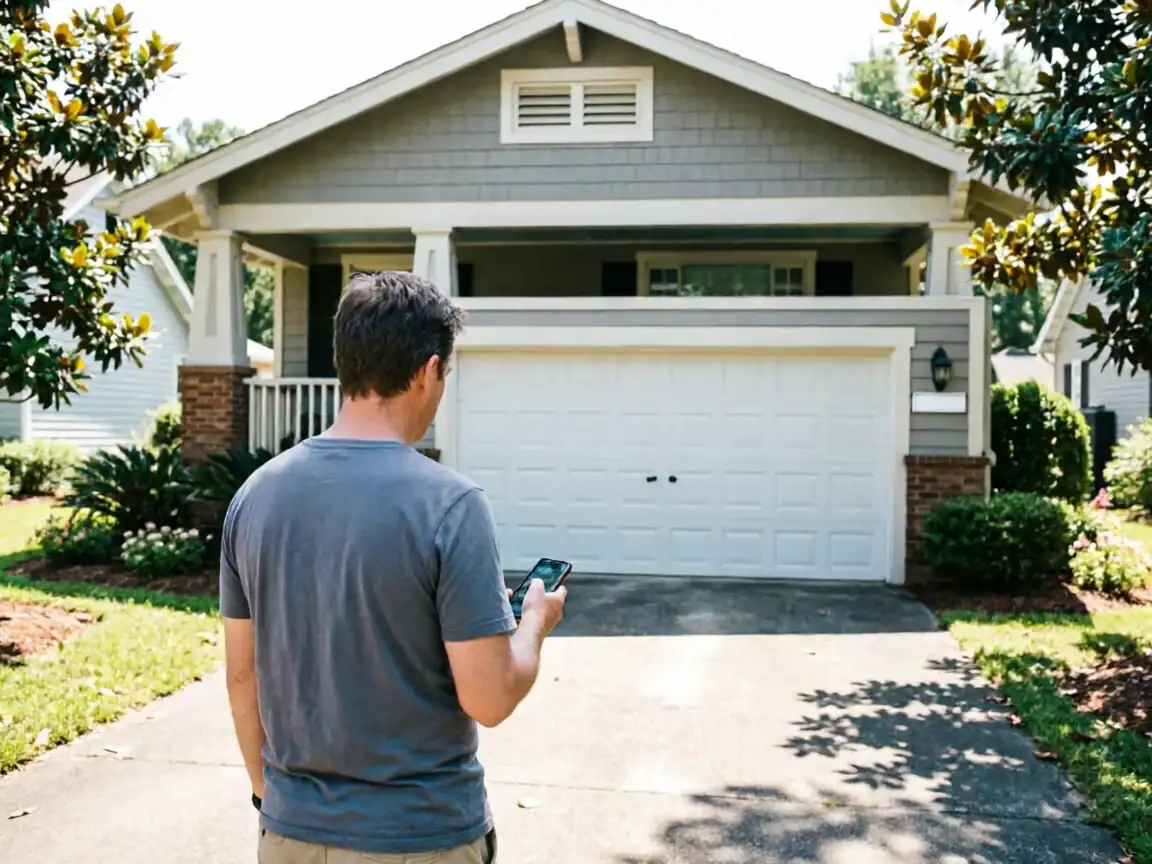
The failure looks the same every time: the door gets heavy to lift by hand, or it slams the last foot of travel instead of settling. That's the spring losing tension, not the opener losing power, though plenty of owners call about a 'dead opener' when the opener is fine and the spring is the problem.
This area sits in a cold-moderate climate band. On a 40-plus-year-old door, winter mornings stiffen the grease on the original rollers and hinges before the spring ever lets go, so you often get noise and drag for a season or two before the real failure. Fix the lubrication early and you buy the spring more time. Ignore it and the two faults hit together.
What It Costs
We don't have a flat number to quote for Mountain Park, and we're not going to make one up. Cost on an emergency call depends on what's actually broken - a single torsion spring is a different job from a snapped cable or a bent track, and a door that's been forced open with a broken spring sometimes costs more because something else gave way trying to compensate.
What we can tell you: homes here run a higher median income than the broader service area, and we see more owners in Mountain Park choosing to replace both springs on a double door at once, or upgrade to heavier-duty torsion hardware, rather than patch the one that failed. That's a choice, not a requirement - a single spring swap on a 1979-built door is a reasonable repair on its own.
We price the job after we see the door, not before, because quoting blind on 40-year-old hardware is how you end up either overcharging or getting surprised halfway through.
Booking a Visit
There's no Snellville Garage Door Pros branch sitting in Mountain Park
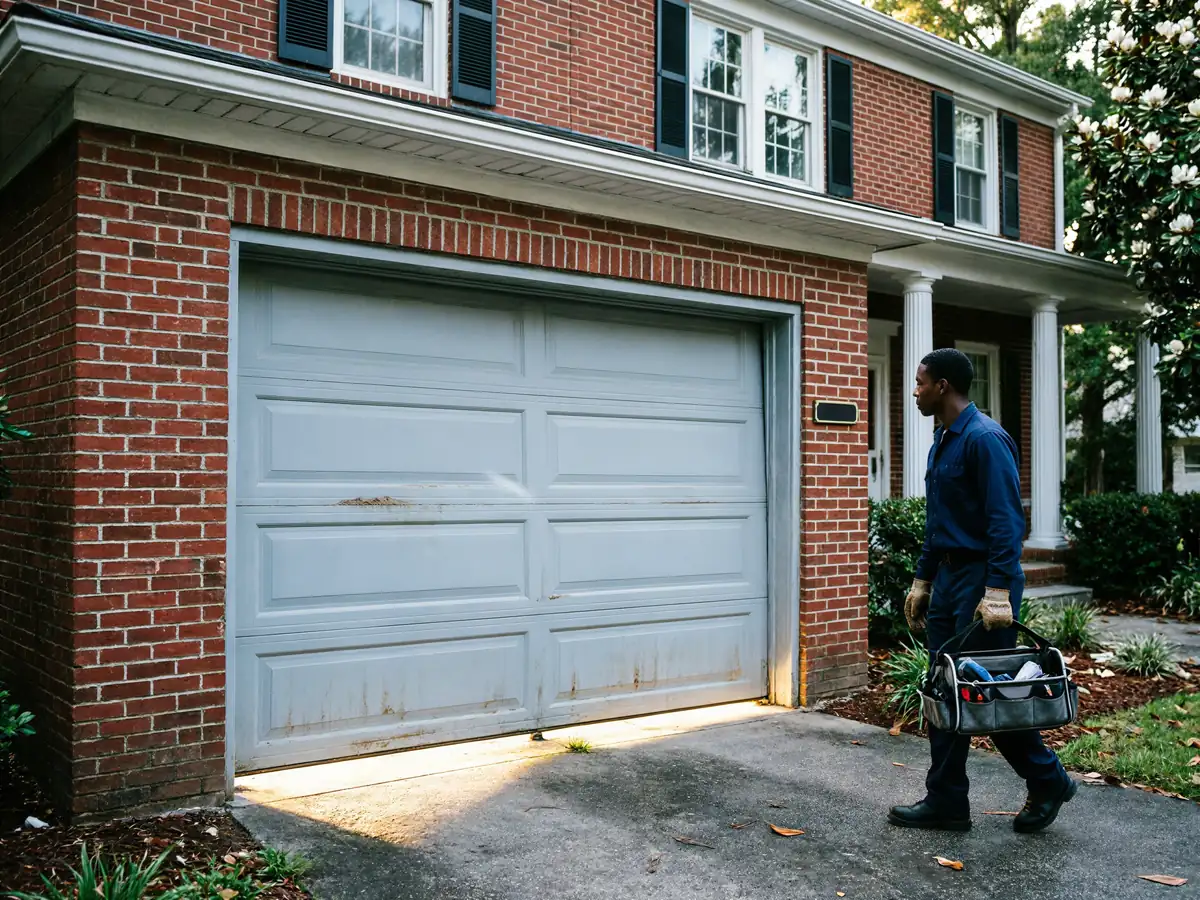
The truck comes from Snellville, seven miles out, and that's the honest answer every time someone asks if we're local to the town itself. We cover Mountain Park as part of the wider service area that stretches out past Grayson and Stone Mountain, and the call gets routed the same way regardless of which of those towns you're in.
When you call, tell us what the door is doing
Won't open, opens but won't close, cable hanging loose, spring visibly snapped - because that changes what gets loaded on the truck before anyone drives out. A spring call and a cable call need different parts, and guessing wrong means a second trip.
If your opener still has power but the door won't budge by hand either, don't force it
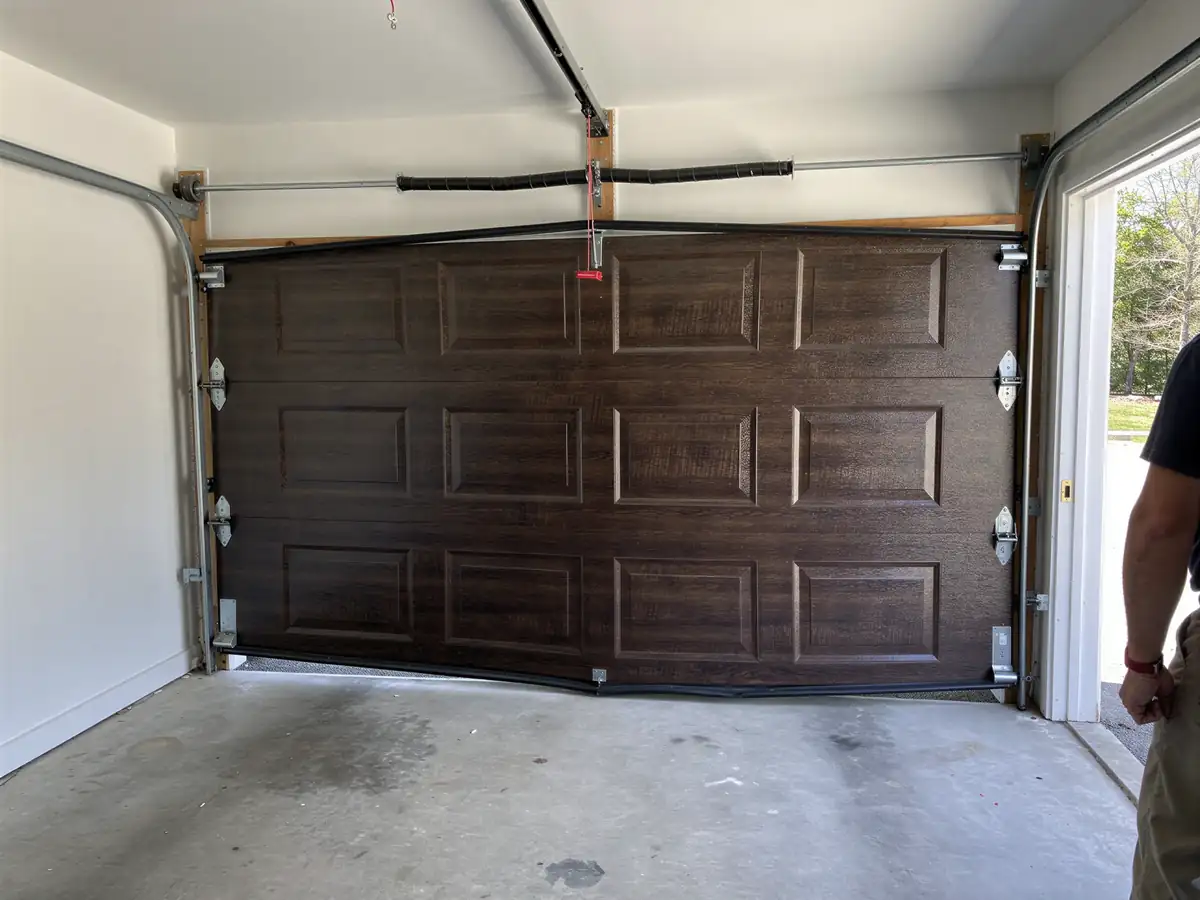
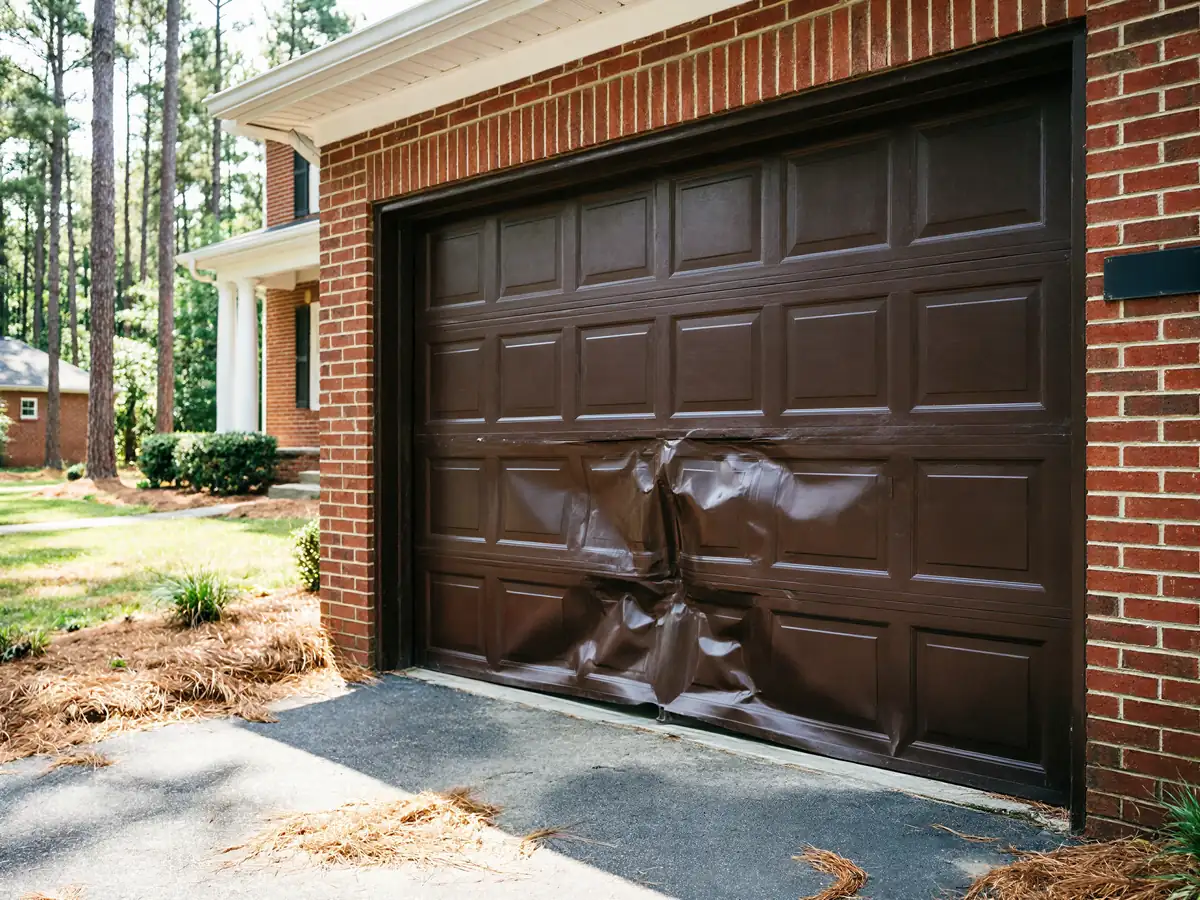
That's usually a spring under tension that's found a new way to fail, and forcing the door can turn a parts-and-labor job into a bent track or a cracked panel.
How Long You Are Without the Door
We're not going to promise a response window we can't back up, and we don't have a published one for this area, so we won't invent one here. What we can say is what actually drives the timeline: whether the part on your door is common stock or something we have to source, and whether the fix is a spring or cable swap versus a full section replacement on a door with a bent track.
On a 1979-built door, the springs and rollers are usually standard sizes - the kind of hardware that's been produced the same way for decades, so stocking it isn't the hard part. What slows a job down is a bent track from someone forcing a stuck door, or a panel that's cracked enough that matching it means ordering from the original run, which isn't always possible on a door this old.
The honest limitation: if your door is original to the house and one section is badly damaged, we may tell you replacement beats trying to match a 40-year-old panel. That's not an upsell, it's what the parts situation actually allows.
Parts We Carry
For houses built around Mountain Park's 1979 median, the truck carries the hardware that fails most on doors of that age: torsion springs in the common residential sizes, galvanized lift cables, steel rollers, and the hinges that take the brunt of year after year of lifting a heavy steel panel door.
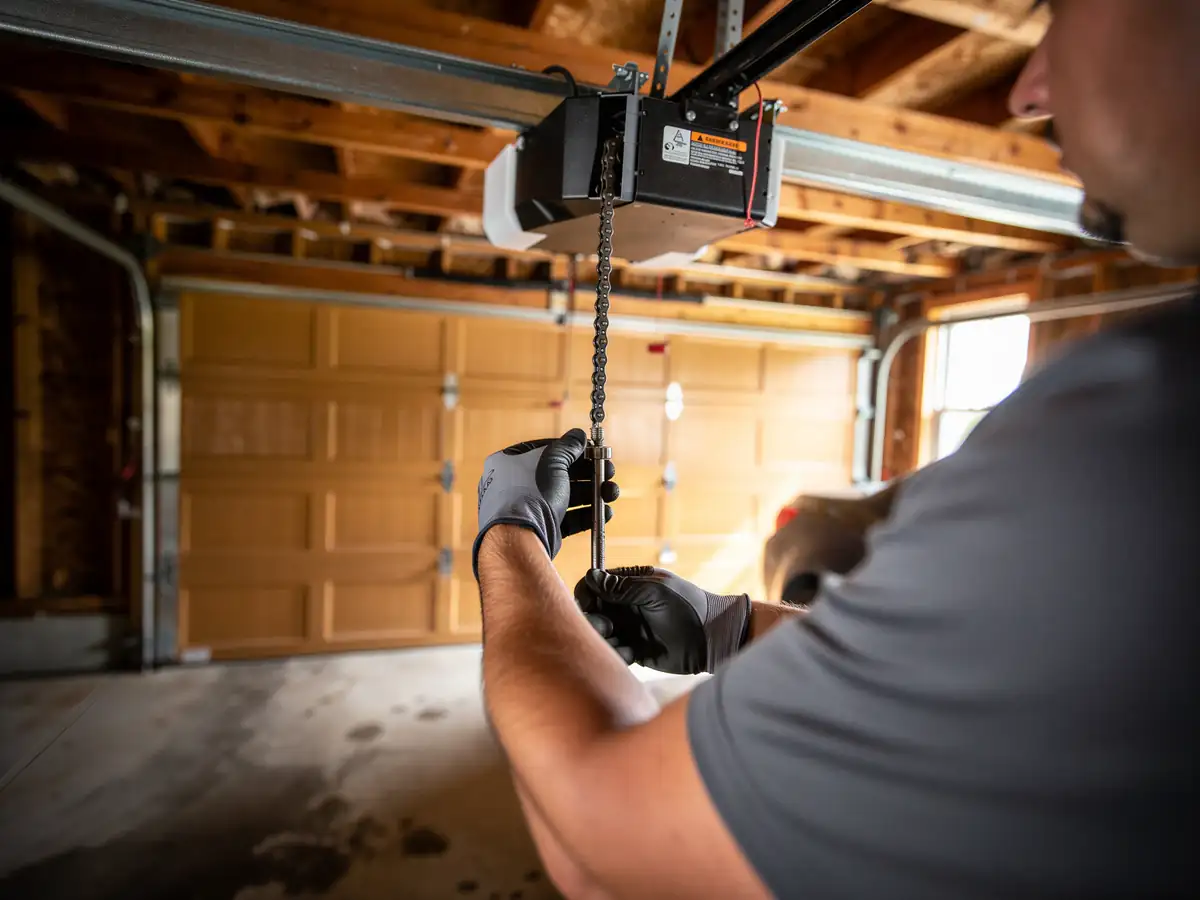
We also carry standard torsion tube bearing plates and center brackets, since on a door this old those wear alongside the spring rather than after it. If your opener is original too, we carry common drive gears and belts, though opener brands have changed enough over 40-plus years that some units need an order rather than a same-day swap.
What we don't carry on the truck: replacement steel panels matched to a specific original paint run or profile. On a door old enough to be out of production, panel matching sometimes means a full door swap instead of a patch, and we'll tell you that up front rather than promise a match we can't deliver.
What the Repair Takes
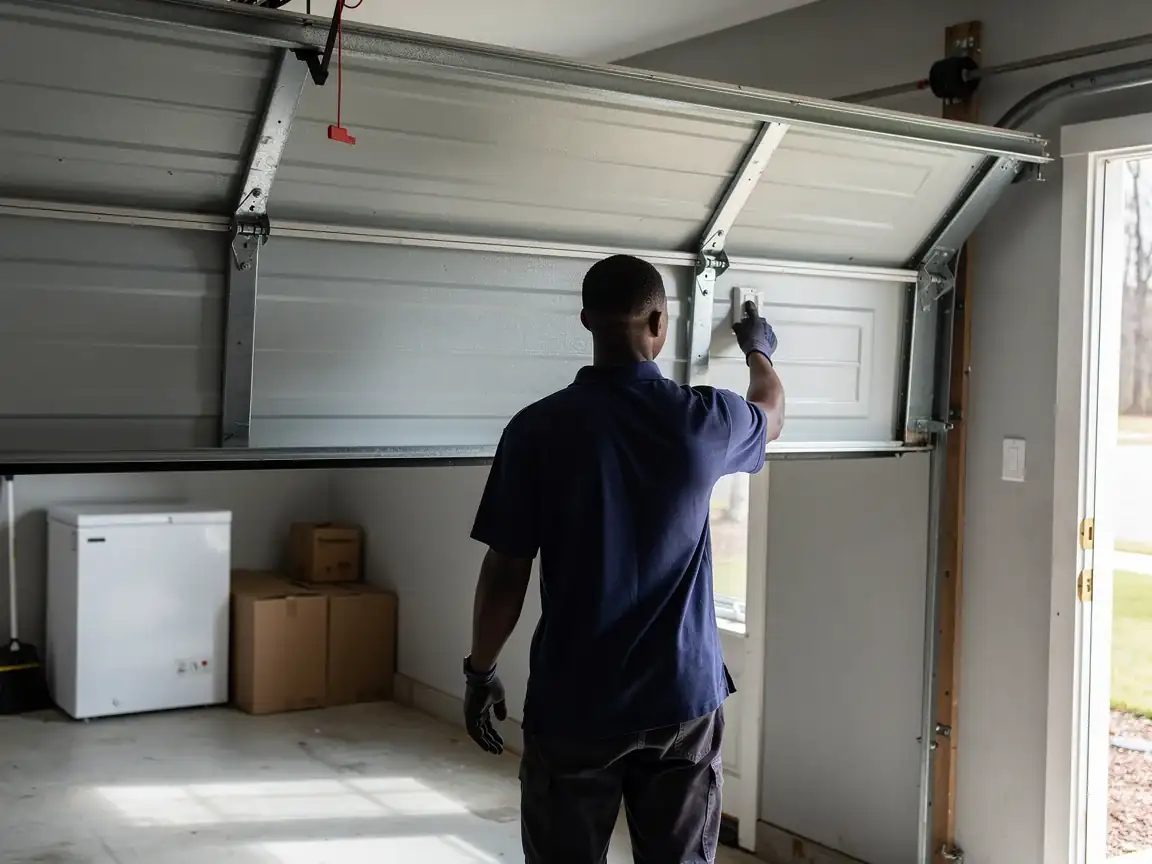
First step on any emergency call is confirming it's actually the spring and not the opener's travel limits or a sensor issue
A surprising number of 'the door won't open' calls on older houses turn out to be a misaligned photo-eye sensor, which is a five-minute fix, not a spring job.
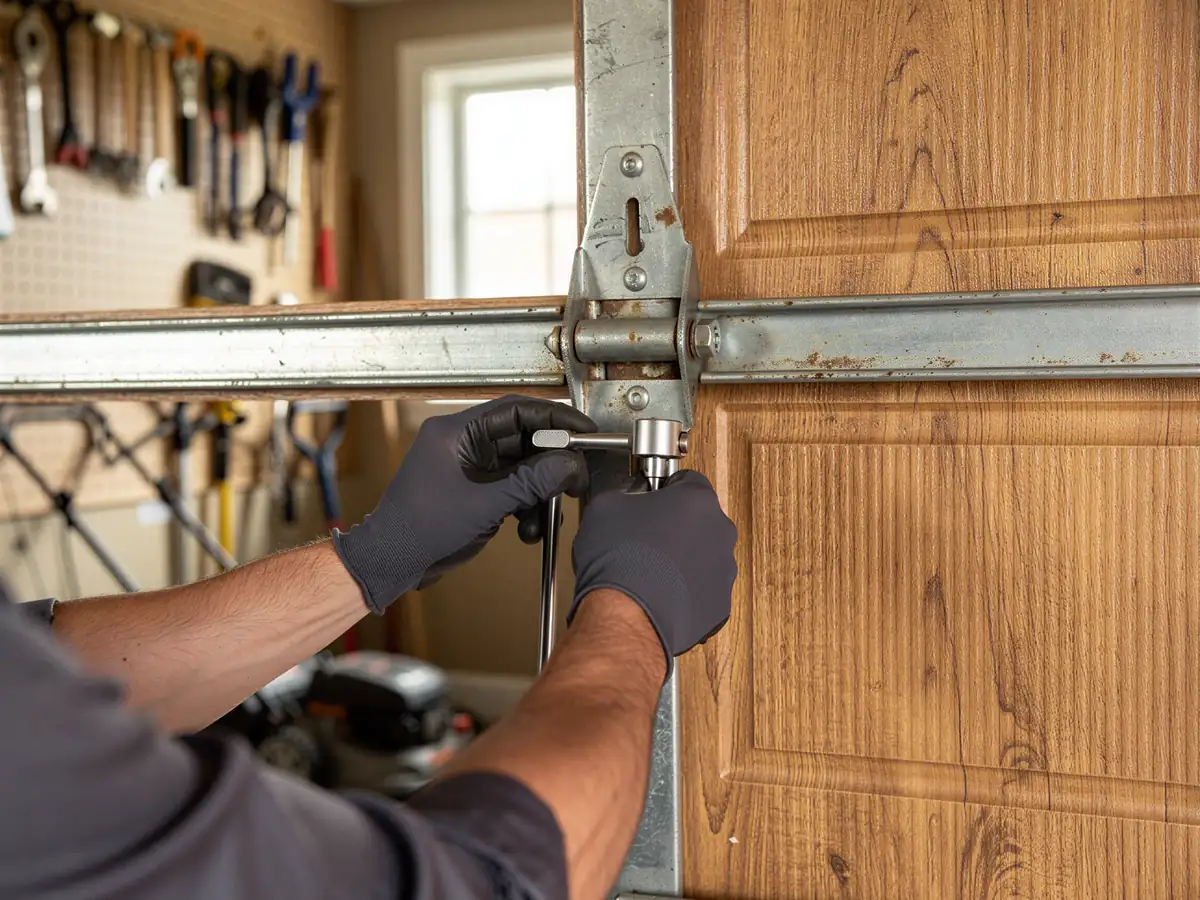
If it is the spring, we release the remaining tension safely, pull the old spring off the torsion tube
And wind in the replacement to the correct turn count for your door's weight and size. On a standard steel panel door built in this era, that's a controlled process because the hardware is well understood - it's just not a job to do without the right winding bars.
Cable and roller work follows a similar pattern
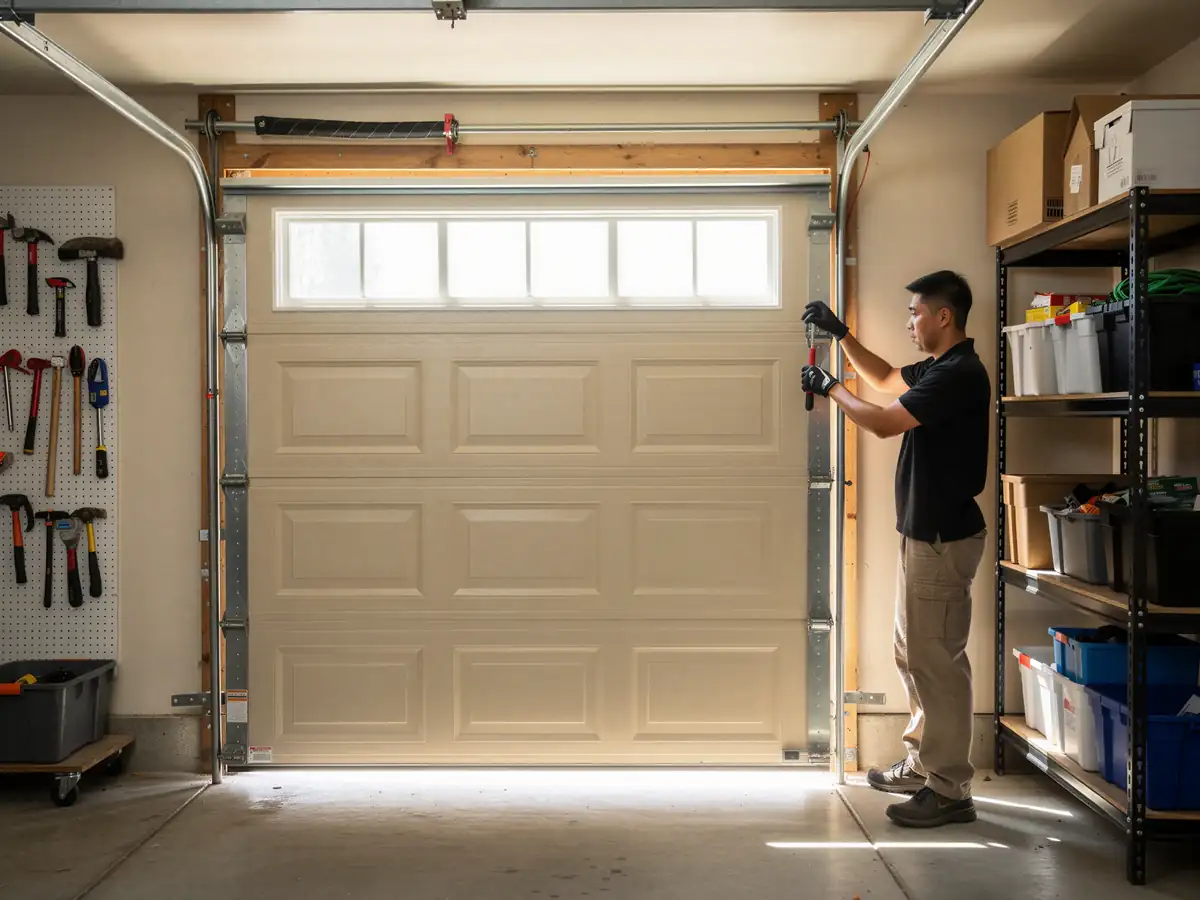
Isolate the door safely, swap the worn part, check the track alignment while everything's apart, since a 40-year-old track on a house like these has usually taken some knocks over the decades. We test the full open-close cycle before we call it done, because a door that works once under watch and fails the next morning isn't actually fixed.