Why This Fails Locally
Mountain Park's median household income sits at $95,678, well above the $70,625 median across the wider Snellville service area, and that number matters more than it sounds like it should. At this income level, a $300-$450 spring job is a Tuesday errand, not a decision that gets put off for six months. So when a torsion spring lets go here, the owner tends to call the same week, before the opener motor burns out trying to lift a door with no spring tension left.
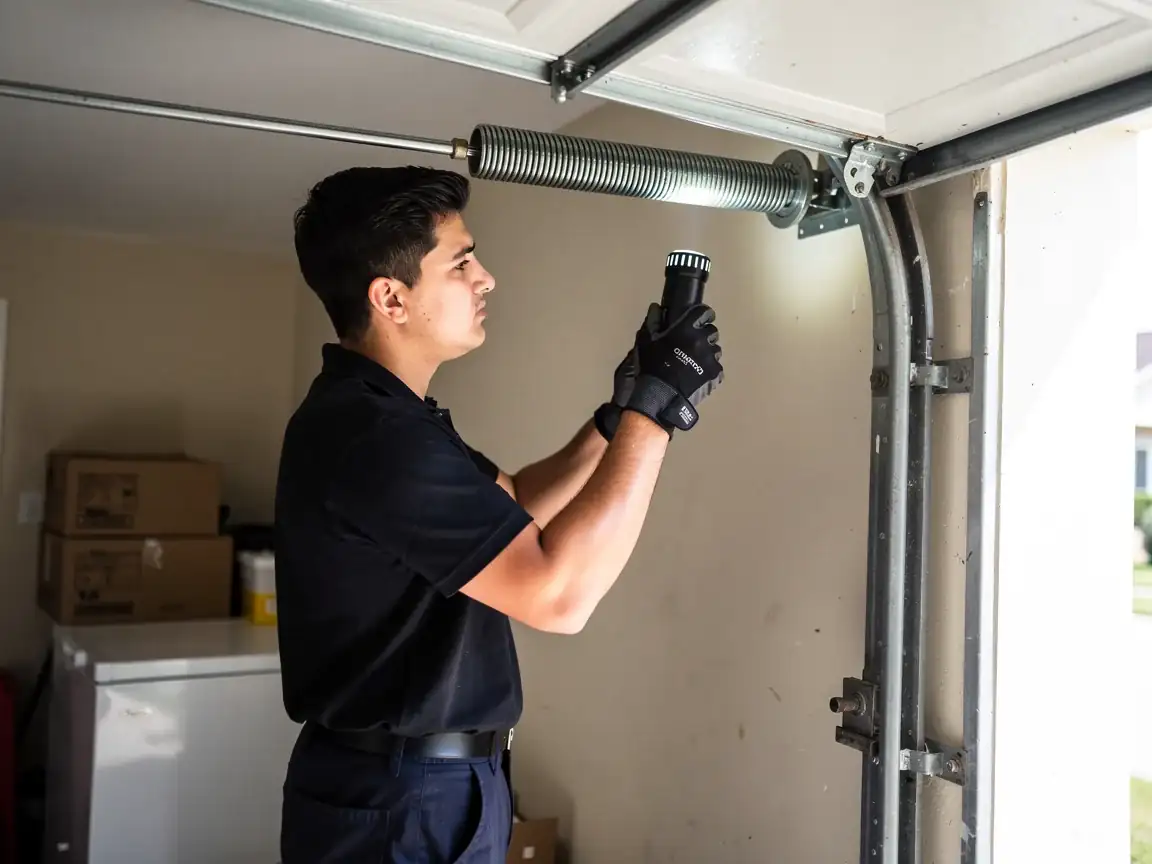
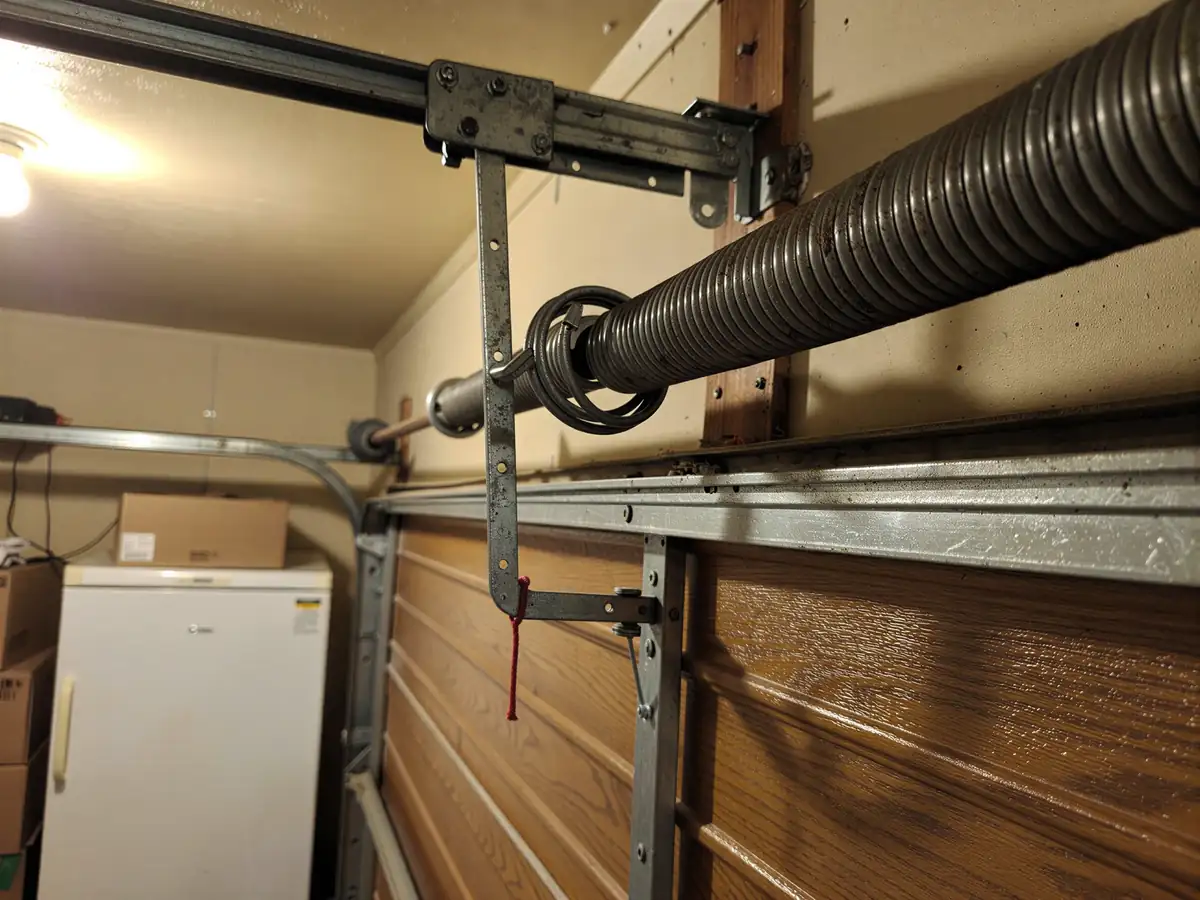
Most houses in Mountain Park went up around 1979, which puts the bulk of the stock on standard torsion-spring systems rather than the older extension-spring setups you still find on pre-1965 construction elsewhere in the area. That's a cleaner repair in most cases - torsion springs wear predictably and fail on cycle count, not on age alone. The failure you'll actually see is a spring that's done its 7,000-10,000 cycles and simply snaps, usually on a cold morning when the steel is stiffest. Cold-moderate winters here put extra strain on the coil right at the point it's already fatigued, so late fall and winter are when these calls spike.
What It Costs
A single broken torsion spring on a standard double door runs toward the lower end of what you'll pay for garage door work - it's parts and labor, not a structural job. Two springs replaced together, which we recommend since they wear at nearly the same rate, costs more but avoids a second truck trip a few months later. We don't have a fixed number to quote you here without seeing the door, the spring wire size, and the drum setup, because 1979-era doors in this area show up with a mix of original hardware and later replacements.
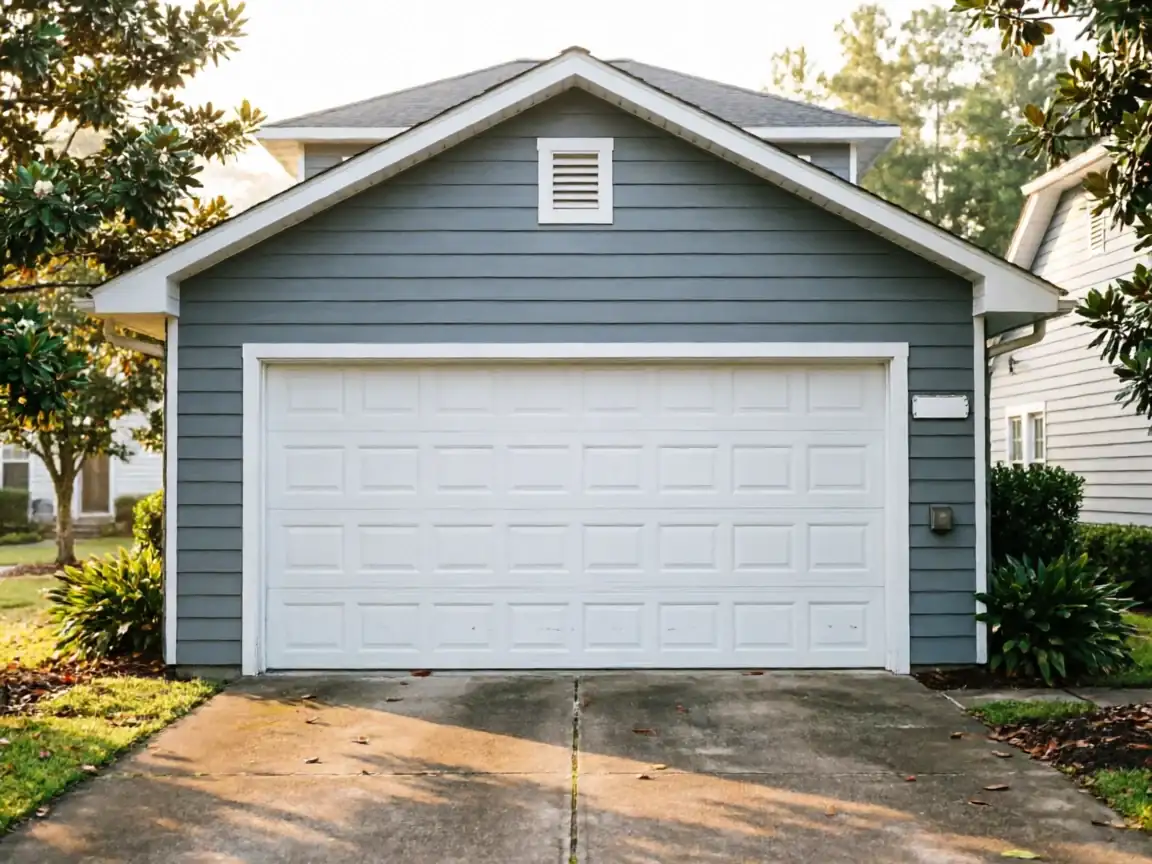
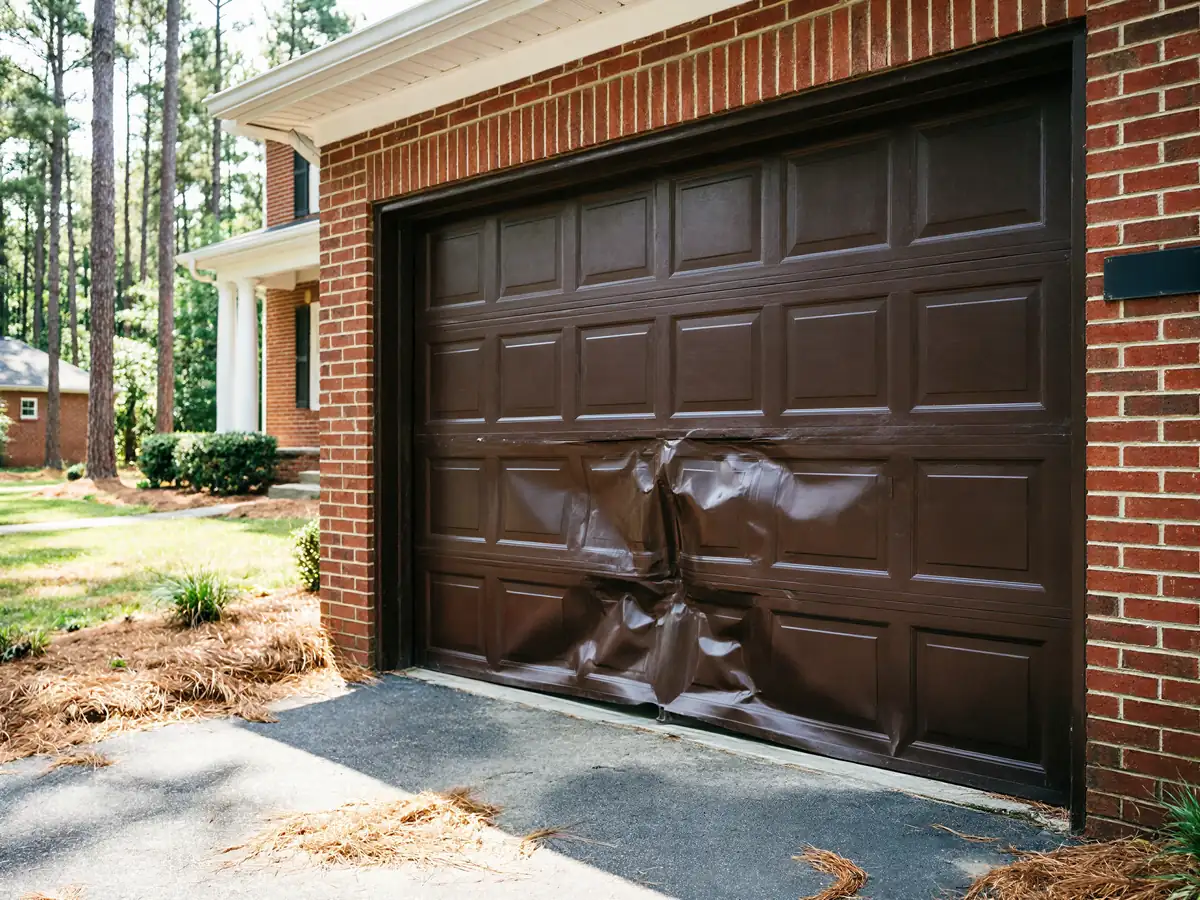
At Mountain Park's income level, the repair-versus-replace line usually falls on the door itself, not the spring. If the spring is the only problem and the panels and track are sound, repair is the right call almost every time. If the door is original to a 1979 build and the bottom panel is rotted or the track is bent from a car backing into it, that's a different conversation - replacing the whole door can make more financial sense than patching a door that's going to need the next repair in a year anyway.
How Long You Are Without the Door
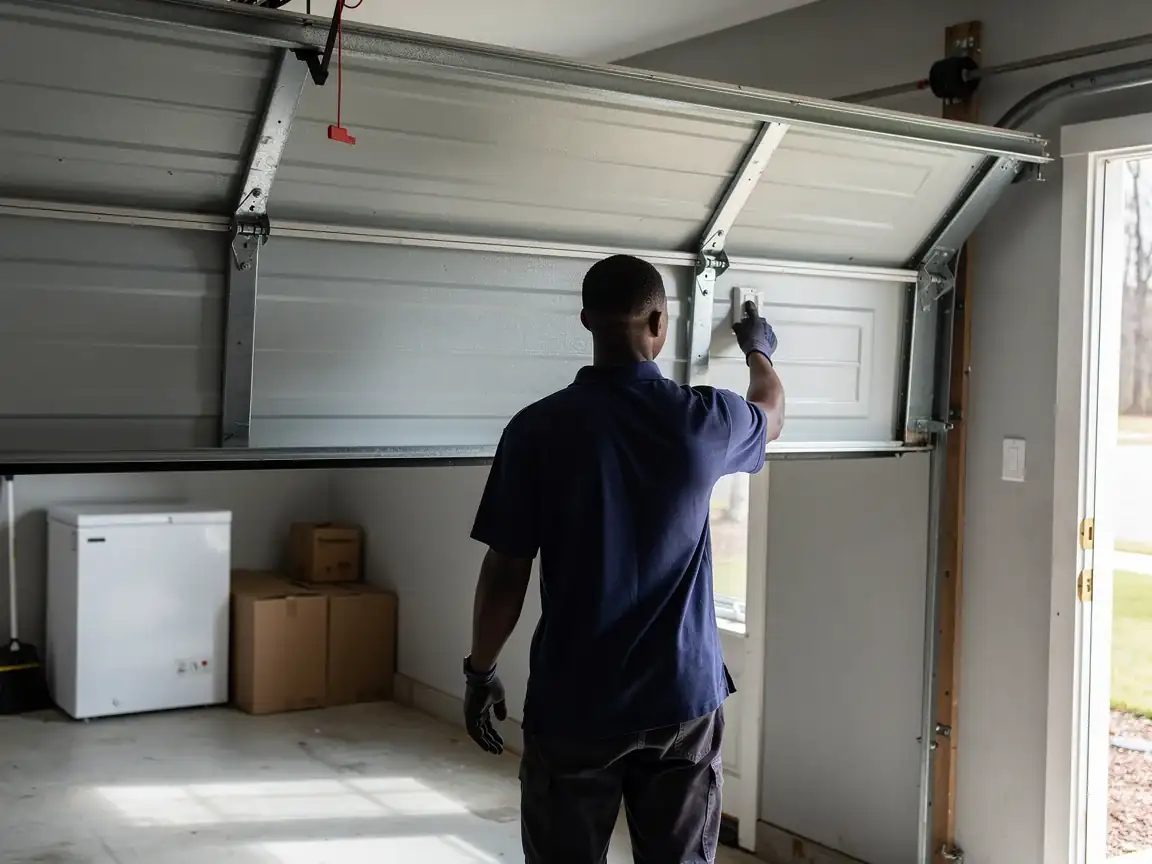
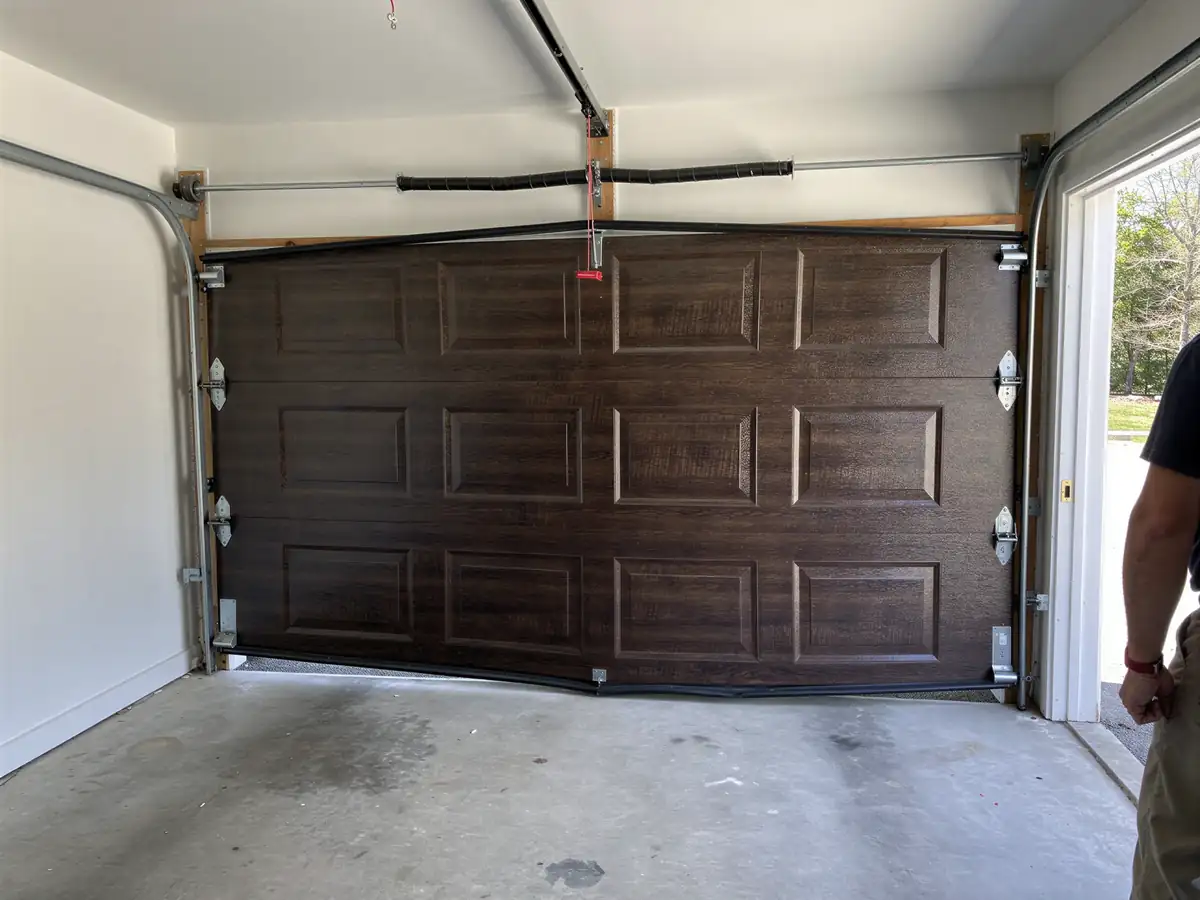
A broken spring doesn't usually mean the door is stuck shut - it means it's dangerous to force open by hand, because there's nothing holding the weight anymore. Don't try to muscle it up or run the opener repeatedly; that's how openers burn out and how fingers get caught in a door that drops without warning.
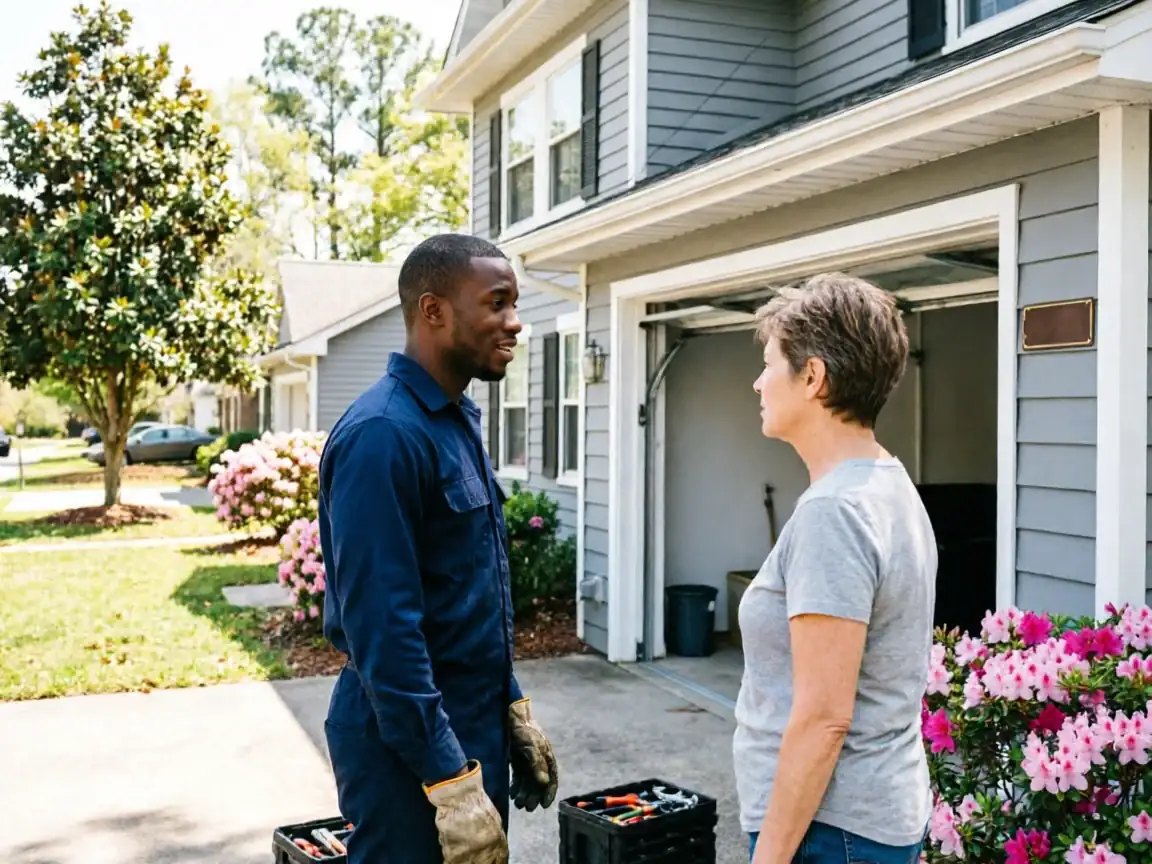
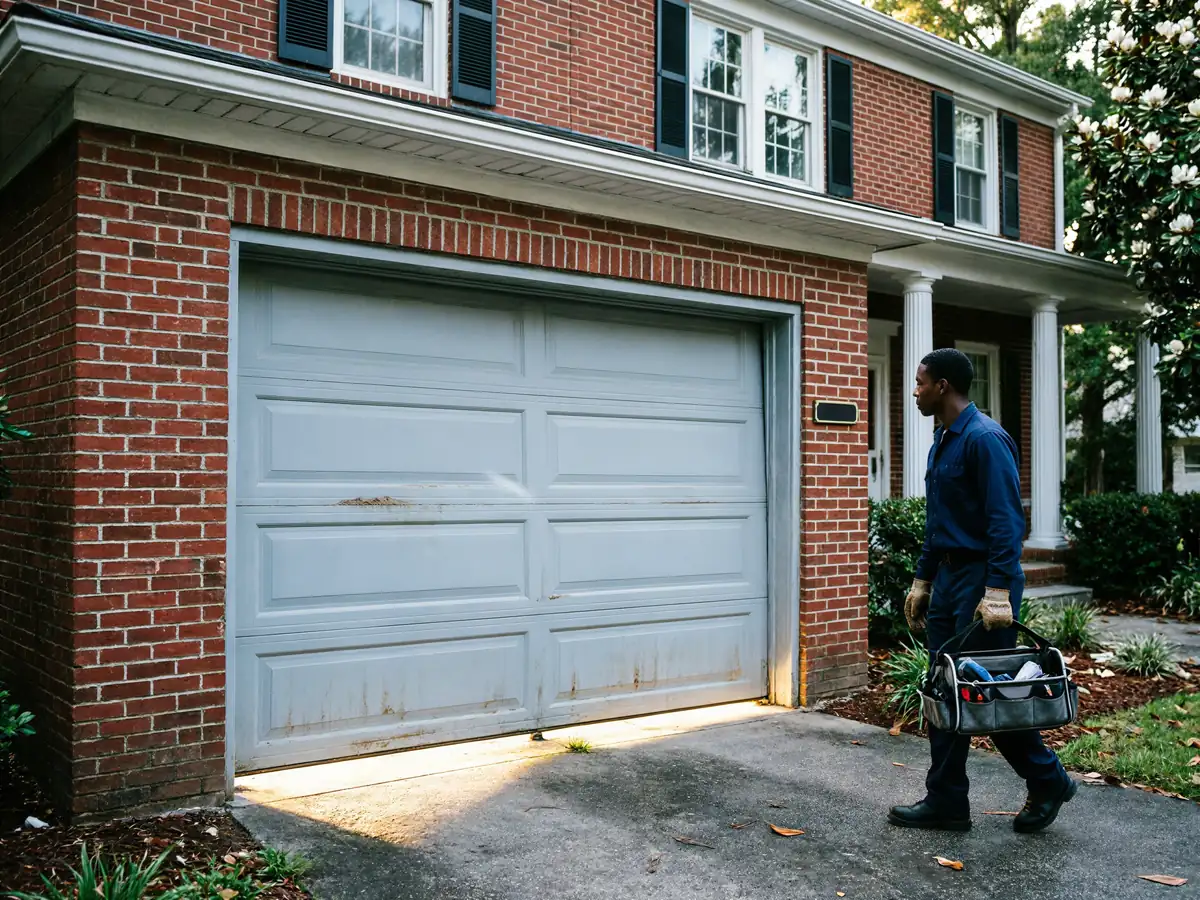
Once we're on site, a standard spring replacement on a single door is typically an hour or two of work, done the same visit. We carry common torsion spring sizes on the truck, so most Mountain Park calls don't need a second trip. The exception is a non-standard spring size or a door old enough to have a drum or shaft configuration that's been discontinued - those sometimes need a part ordered, and we'll tell you that on site rather than guess.
Parts We Carry
For the 1979-and-around housing stock that makes up most of Mountain Park, we stock the standard torsion spring sizes that fit that era's doors, along with matching cables, standard-width drums, and center bearing plates. These are the parts that fail most often on a 40-plus-year-old torsion system, so we keep them on the truck rather than ordering them per job.
What we don't always carry on the truck is spring wire sized for unusually heavy doors - insulated steel doors or oversized double doors sometimes use a heavier gauge than standard - or shaft hardware for openers and spring setups that were discontinued more than a decade ago. If your system falls into either category, we'll identify it on the visit and tell you honestly whether it's a part we can get quickly or one that takes longer, rather than quote you a same-day fix we can't deliver.
What the Repair Takes
The job itself is mechanical and it's not complicated for someone who does it daily
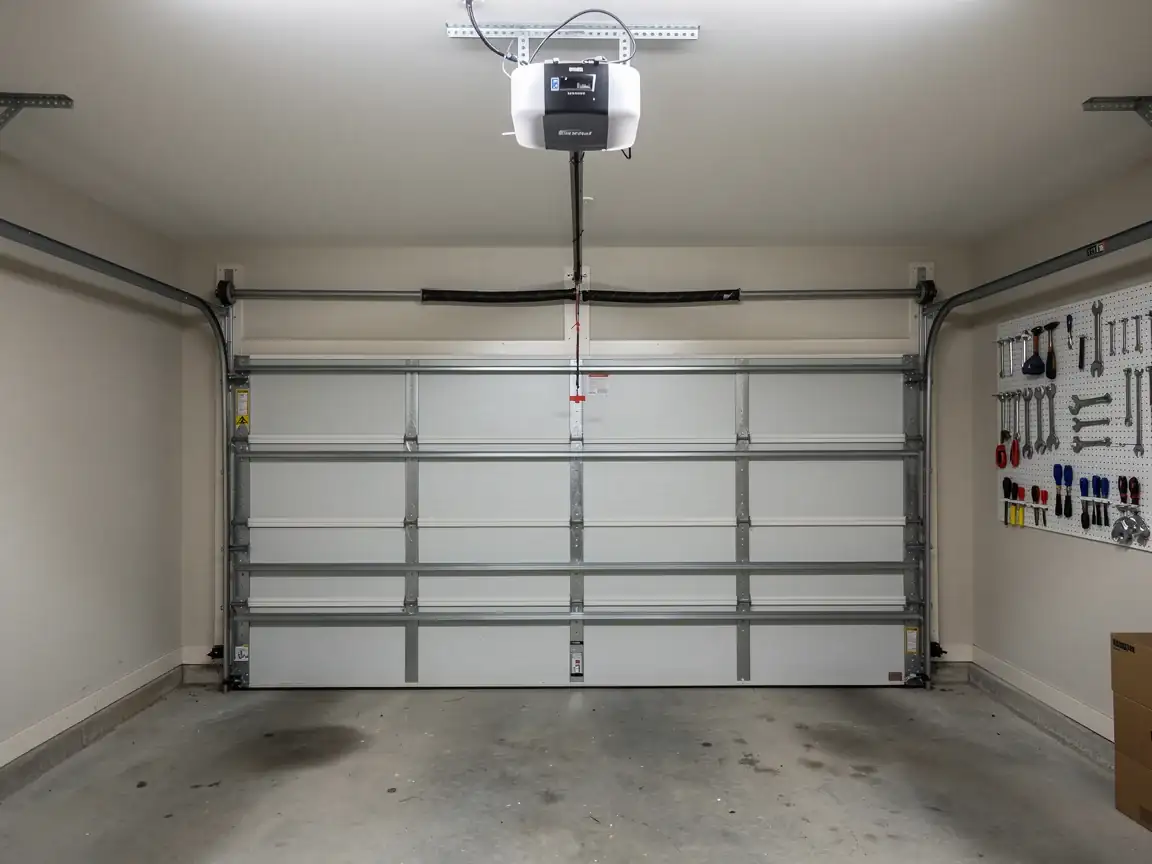
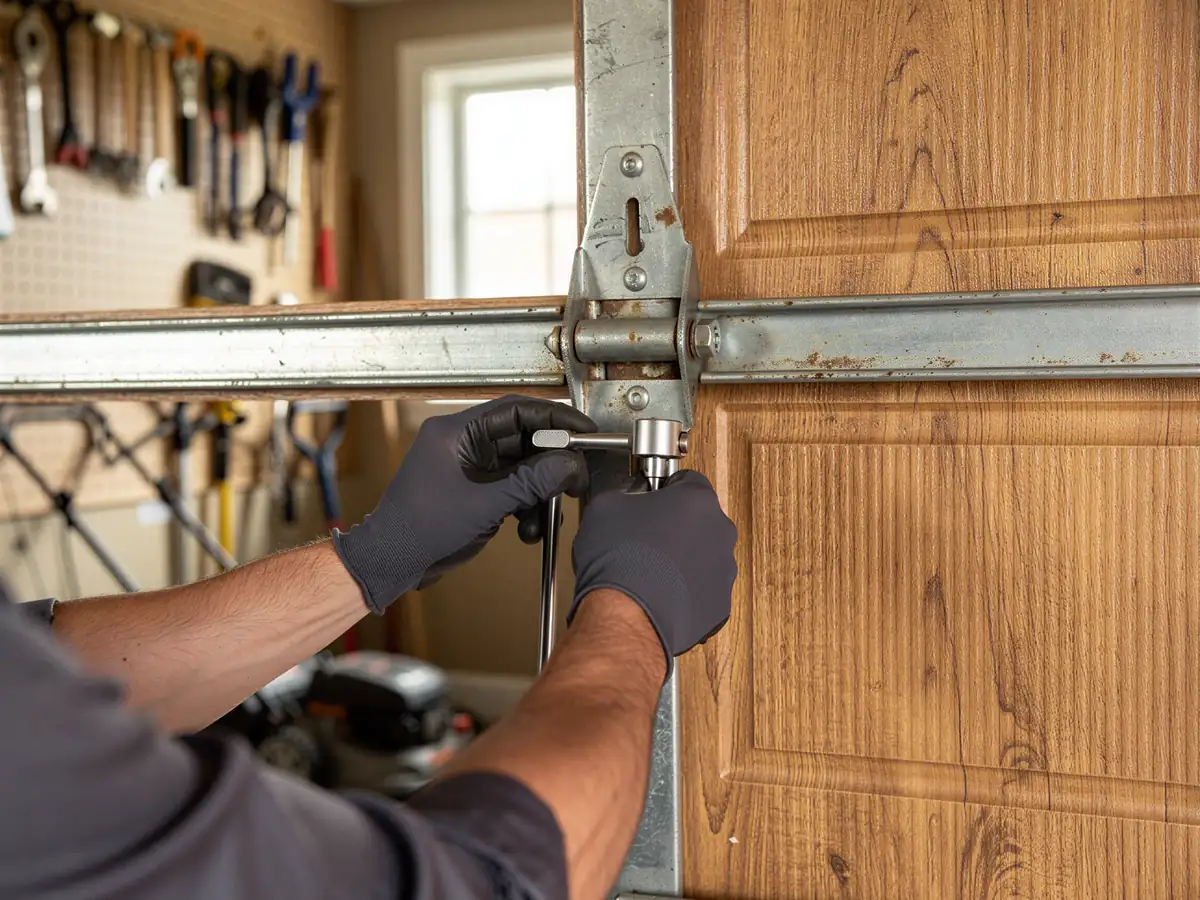
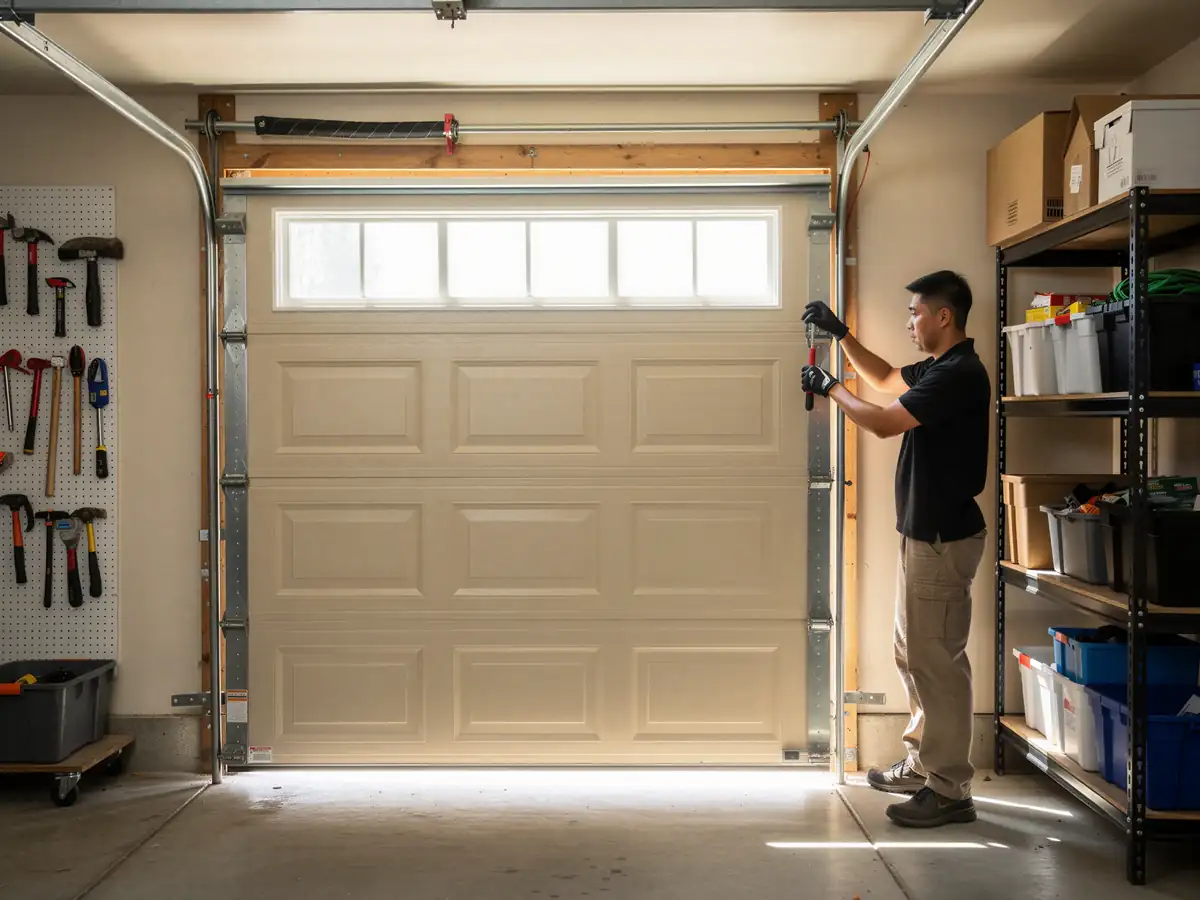
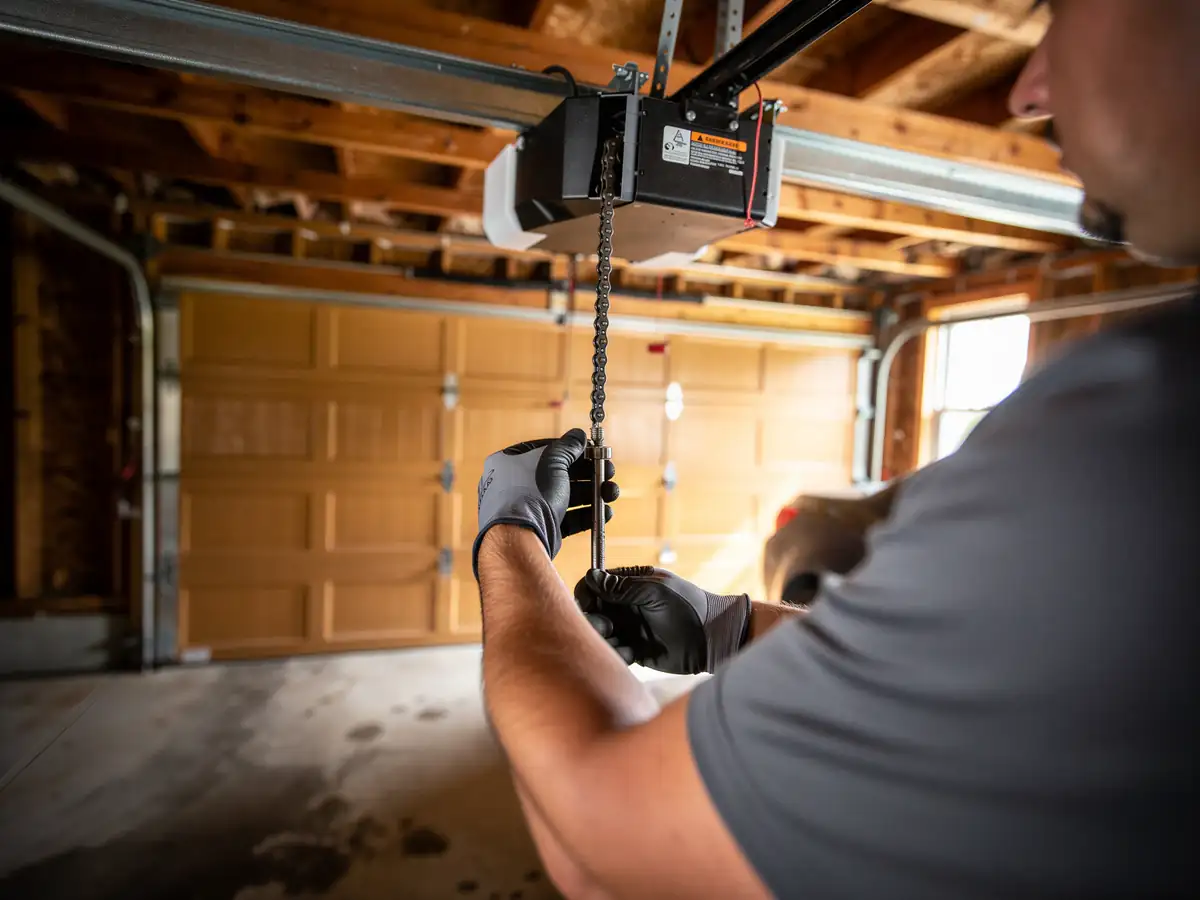
Release tension on the old spring safely, pull the broken coil off the shaft, slide the new spring on, set the winding cones, and wind it to the correct turn count for your door's weight and height. Get the turn count wrong and the door either won't stay down or slams shut - so that step is where the skill actually matters, not the part-swapping.
We also check the cables, rollers, and bottom brackets while we're in there
Because a spring rarely fails in isolation on a door that's been running 40-plus years without other wear showing up. If we find a cable fraying or a bracket rusted through, we'll point it out and price it separately - we won't fold it into the spring job without telling you first.