Why This Fails Locally
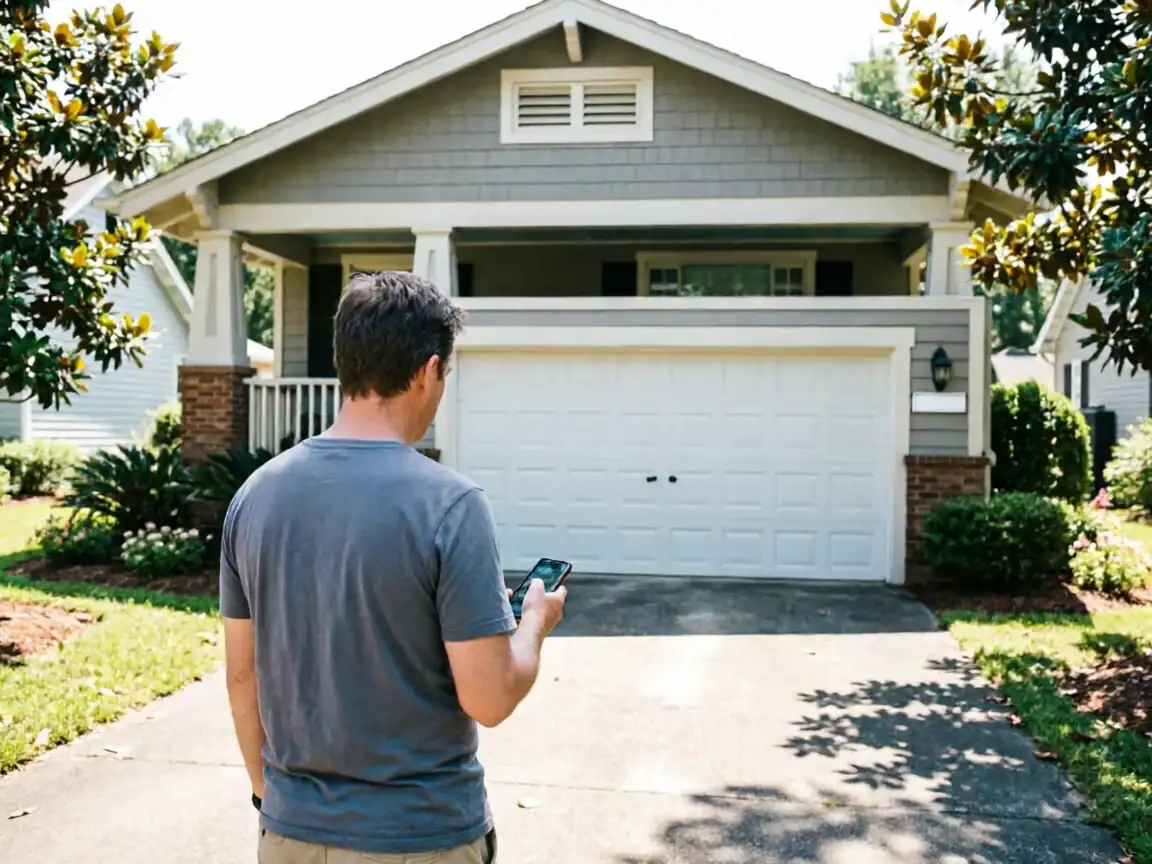
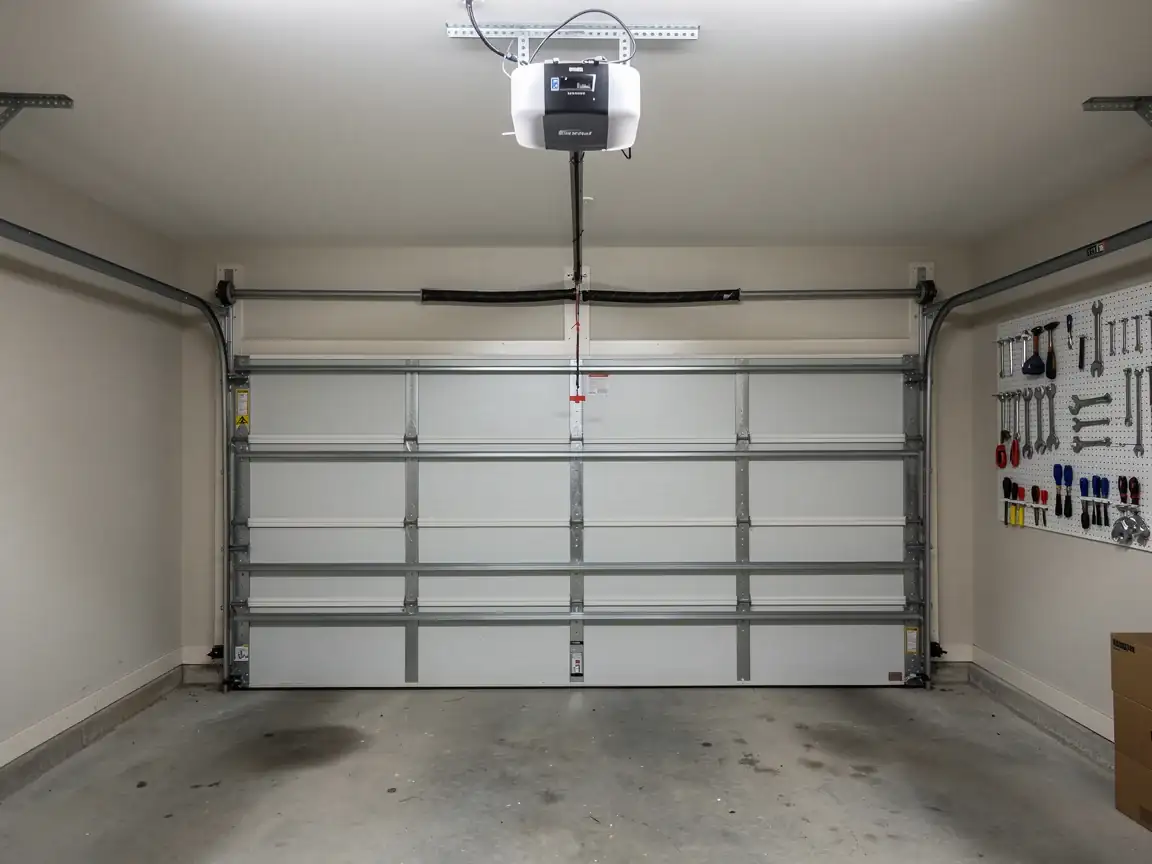
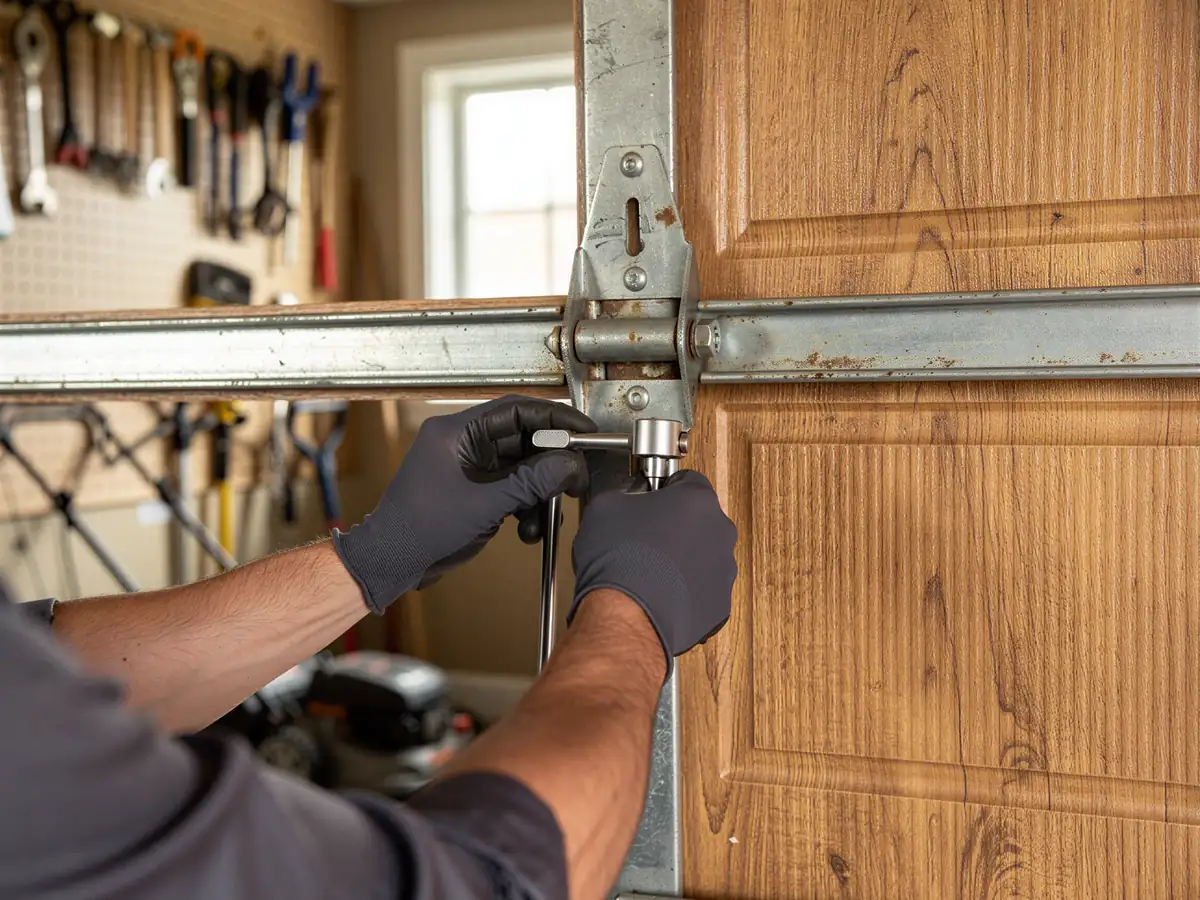
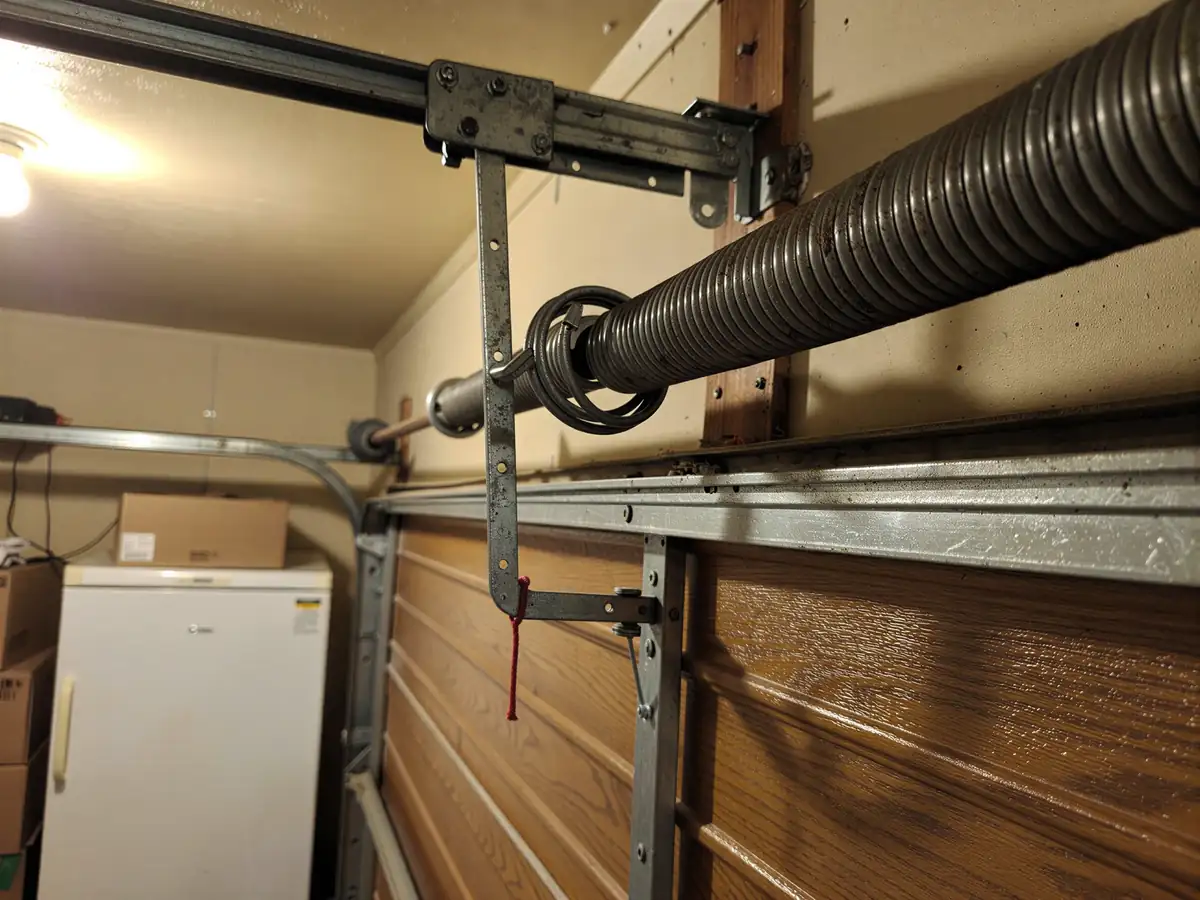
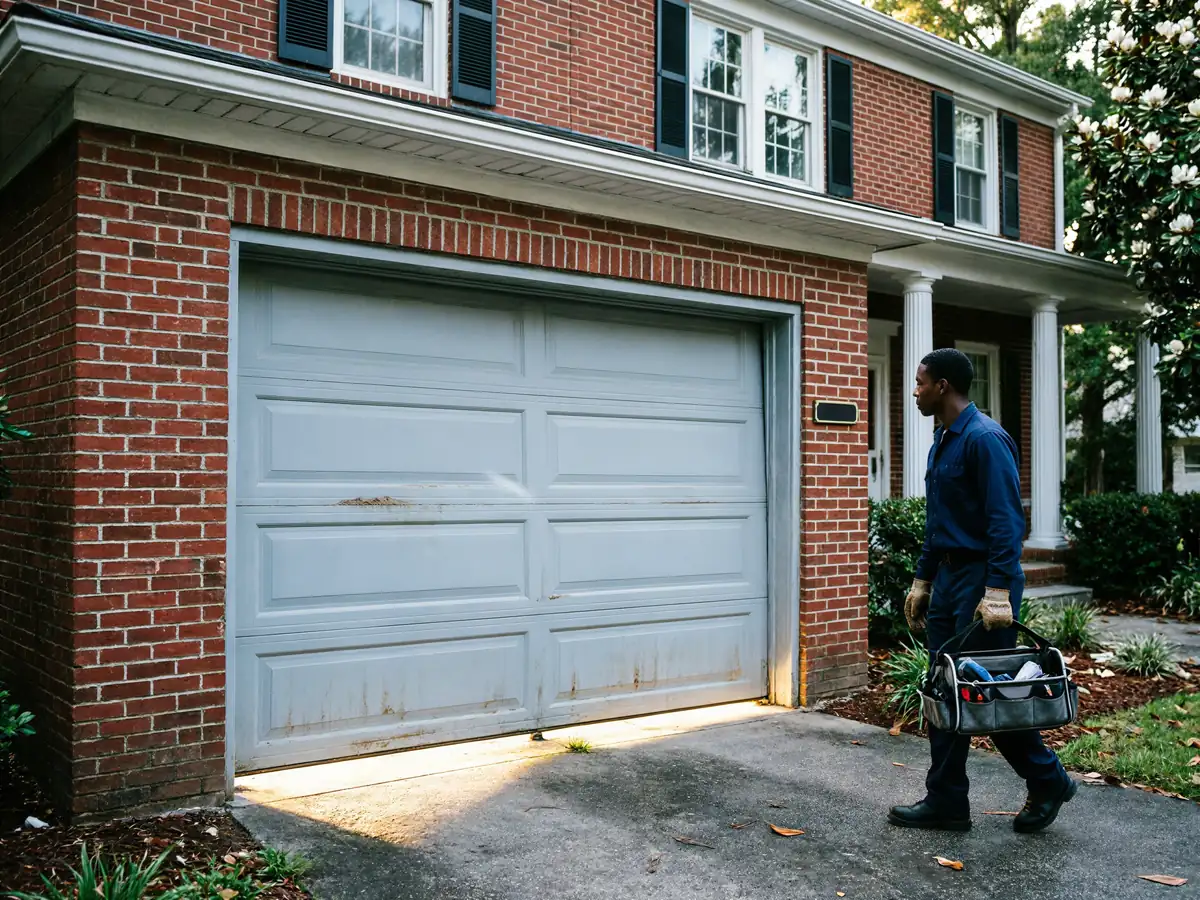
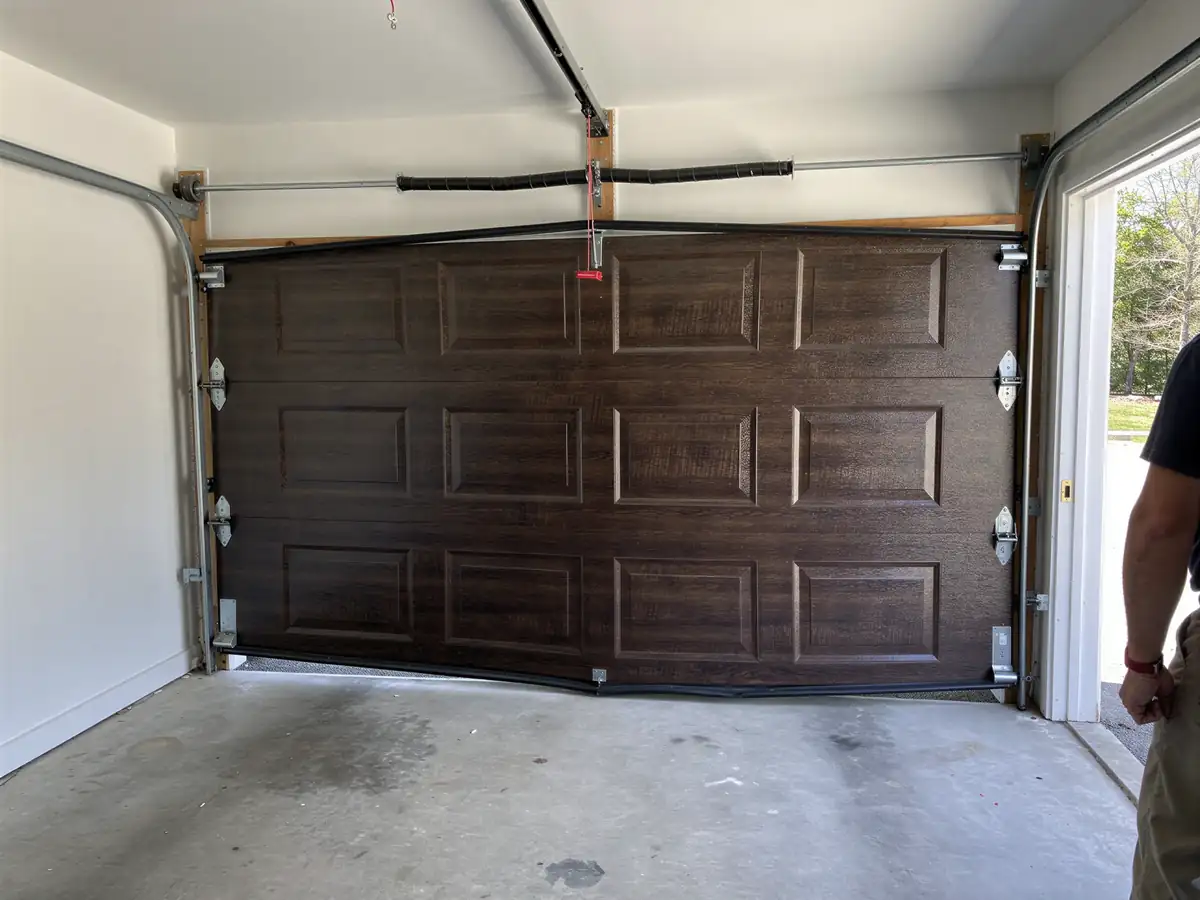
Most houses in Mountain Park went up around 1979, which puts them squarely in the era of lighter steel doors hung on thin-gauge tracks and stamped roller brackets. Builders in that decade weren't running heavy-duty track - they were running whatever kept the door moving and the cost down. Forty-plus years later, those brackets have worked loose at the lag points, the track has picked up a slight bow from years of the door catching wind resistance on the way down, and the rollers themselves have worn narrower than the track channel they ride in. That combination is what sends a door off its track: not one dramatic failure, but slow slop building up until the door jumps the rail on a cold morning. The cold-moderate climate here doesn't help - freeze-thaw cycling works bolts loose in brackets faster than a mild climate would. We see this pattern often enough in Mountain Park that it's not a surprise call; it's close to the default call for a garage of this age.
What It Costs
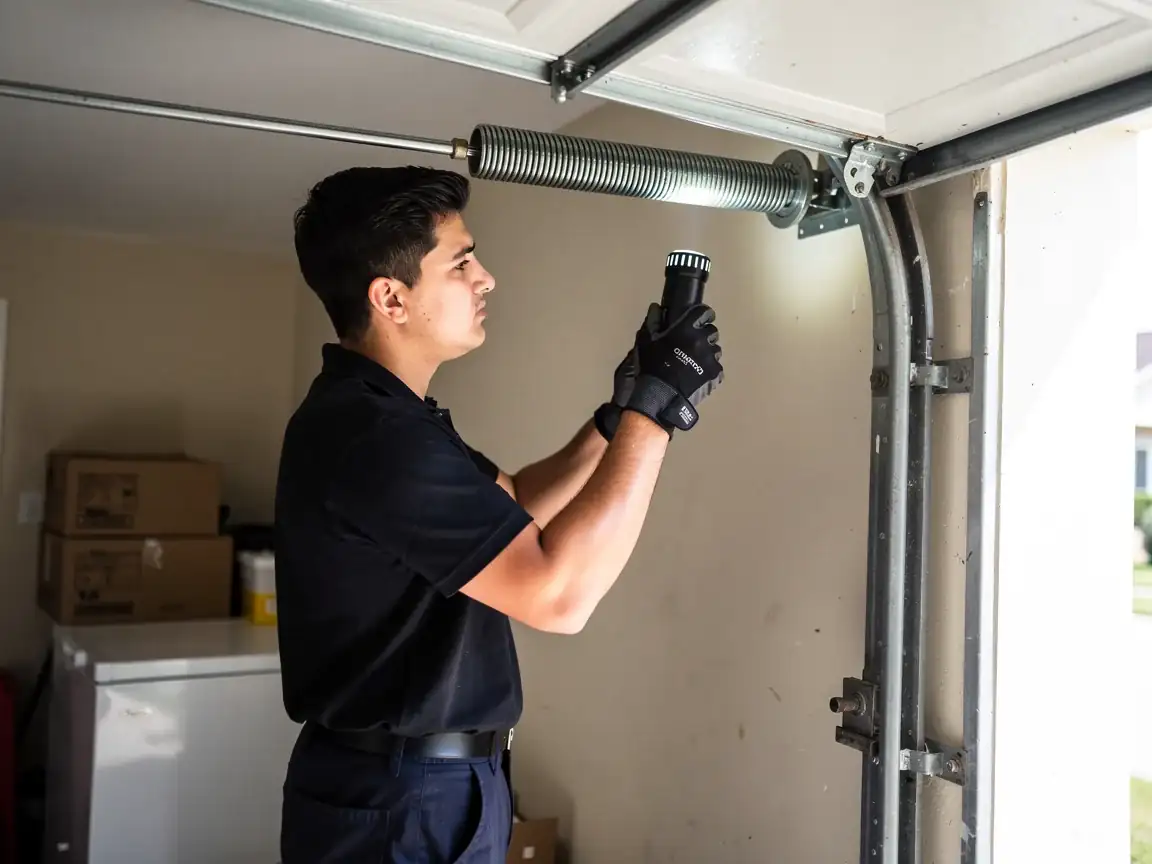
We don't have a flat number to quote you here, and we'd rather tell you that than make one up. What drives the cost on an off-track repair is whether the track itself is bent or just loose, whether one roller failed or the whole set is worn down together, and whether the door came off cleanly or dragged a bracket out of the framing on its way. A loose bracket and a straight track is a short job. A bent track section, especially on a double door, usually means replacing that section rather than trying to hammer it straight - a straightened track rarely holds alignment for long. We'll look at what's actually wrong before we tell you what it involves, rather than guessing over the phone.
How Long You Are Without the Door
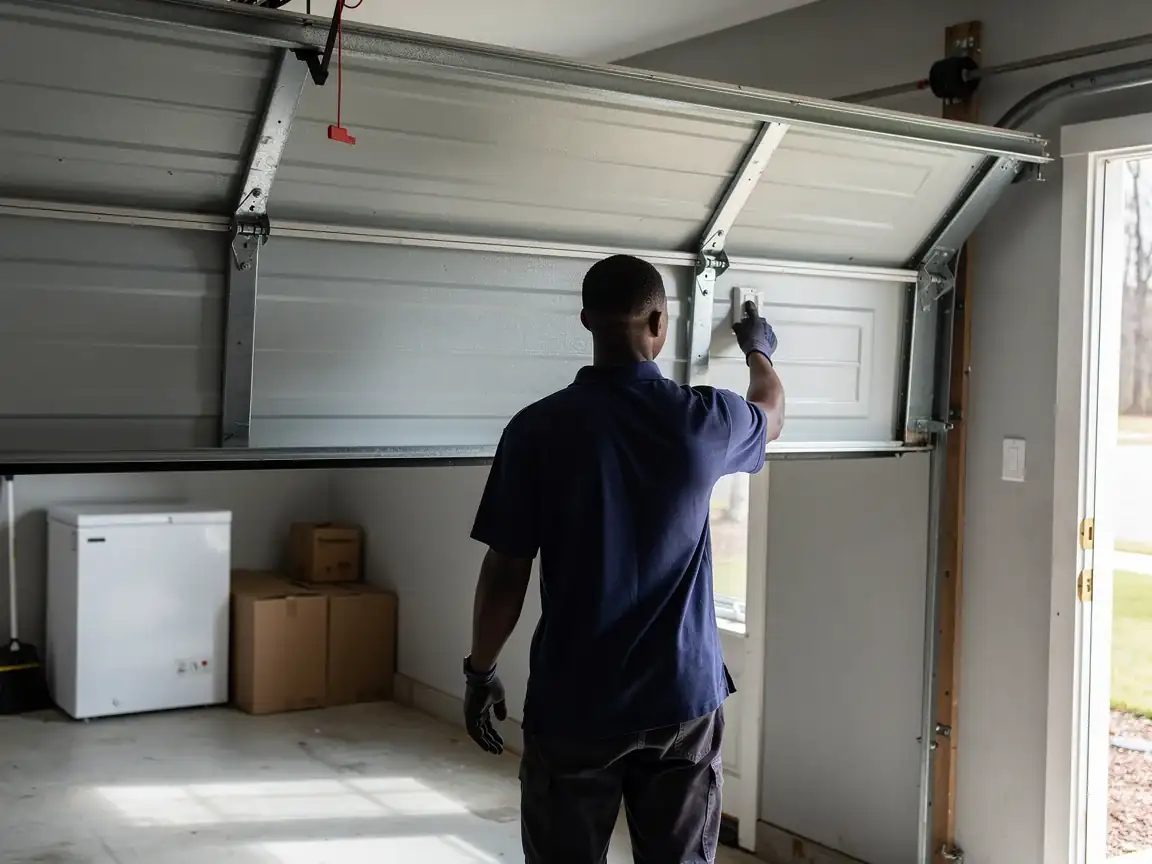
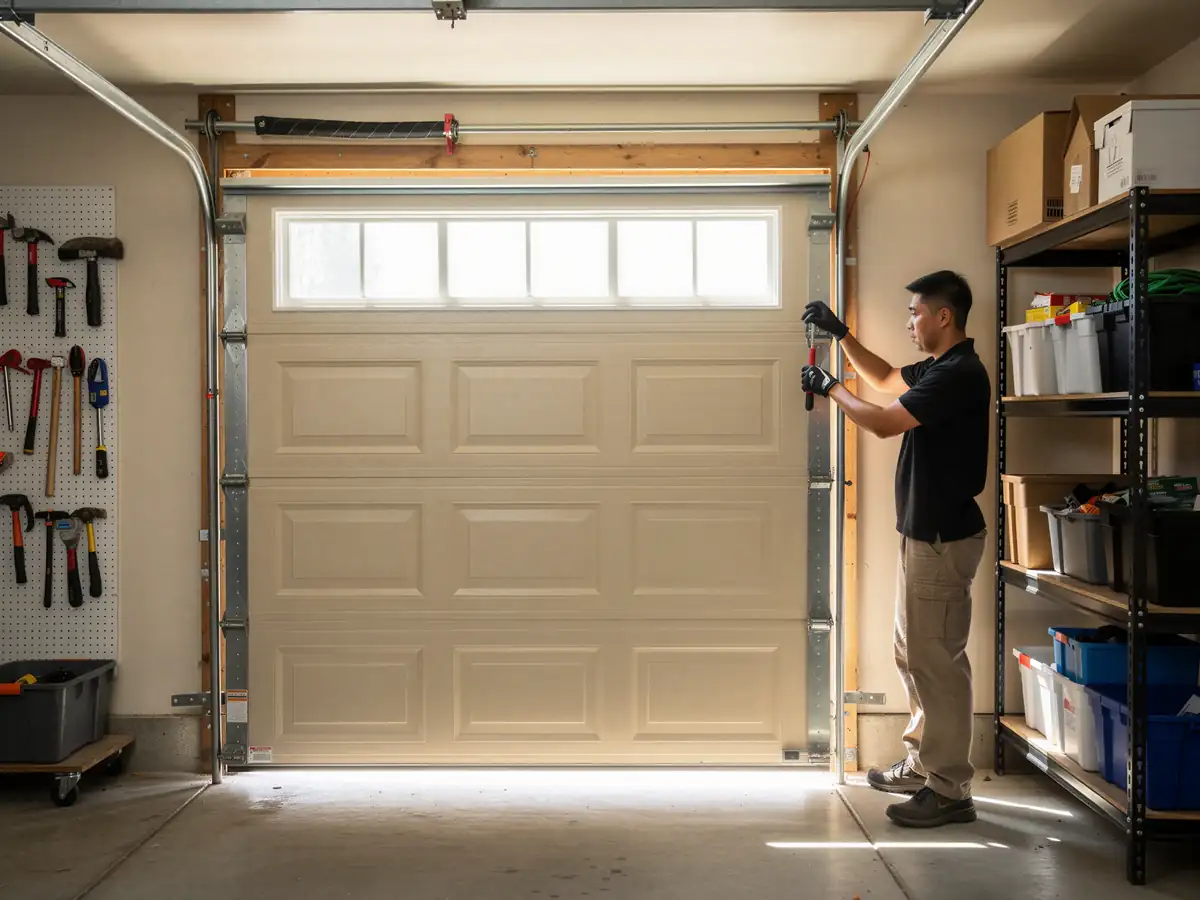
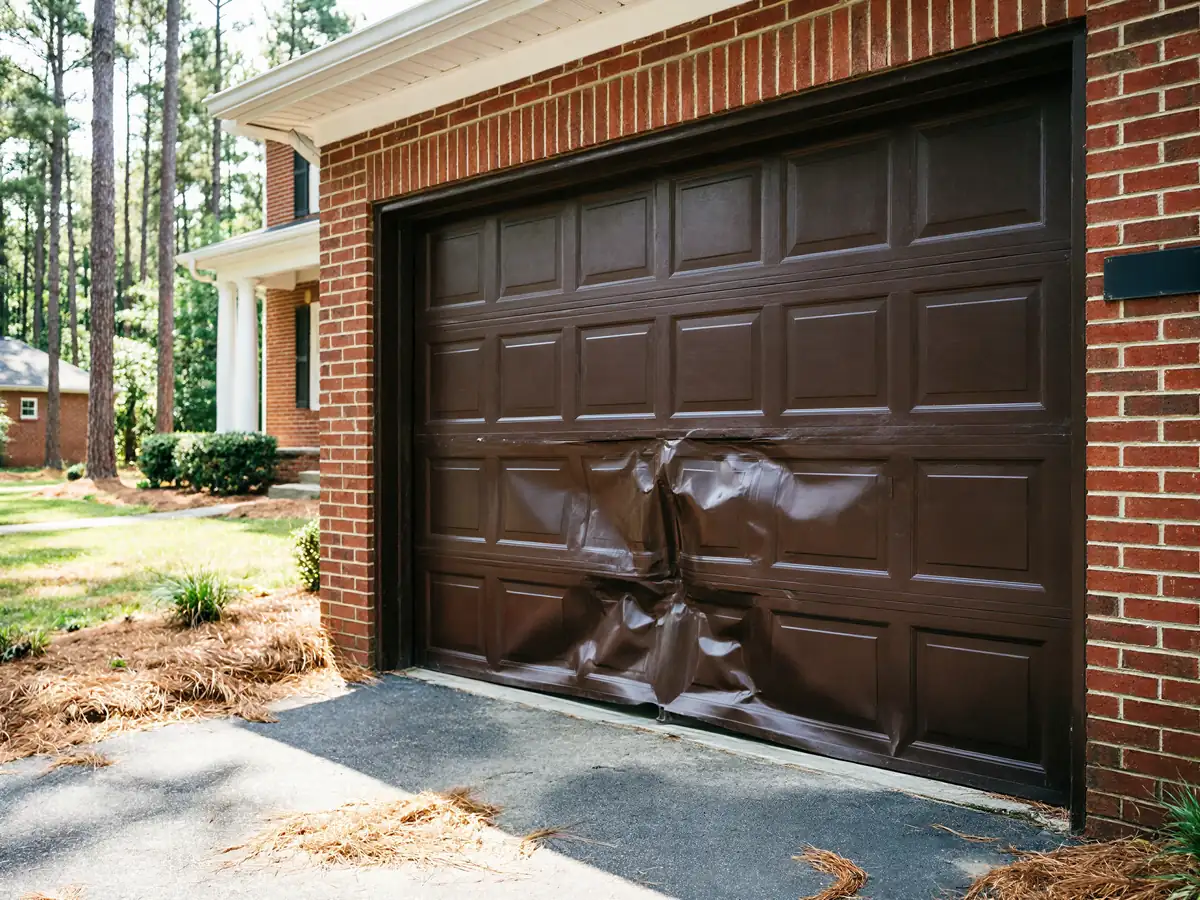
An off-track door isn't usually a total loss of the opening - in most cases the door is still sitting in the frame, just crooked and unsafe to run on the opener. We don't post a fixed turnaround number here because it depends on what we find: a loose bracket reset is quick, a bent track section that needs a replacement piece takes longer simply because of the part, not the labor. What we won't do is run the opener on a door that's visibly off-rail just to get it closed for you - that's how a roller comes through a bracket and turns a repair call into a replacement call.
Parts We Carry
For garages built around the late 1970s and early 1980s, the track sections, roller brackets, and nylon or steel rollers sized for lighter residential doors are common enough that we carry them on the truck rather than special-ordering. What we stock less of is anything specific to a door that's been modified from its original hardware - a different track width bolted on at some point, or a roller size swapped in a prior repair. If your door's hardware doesn't match what shipped standard in that era, we'll tell you on-site rather than assume we have it with us.