Why This Fails Locally
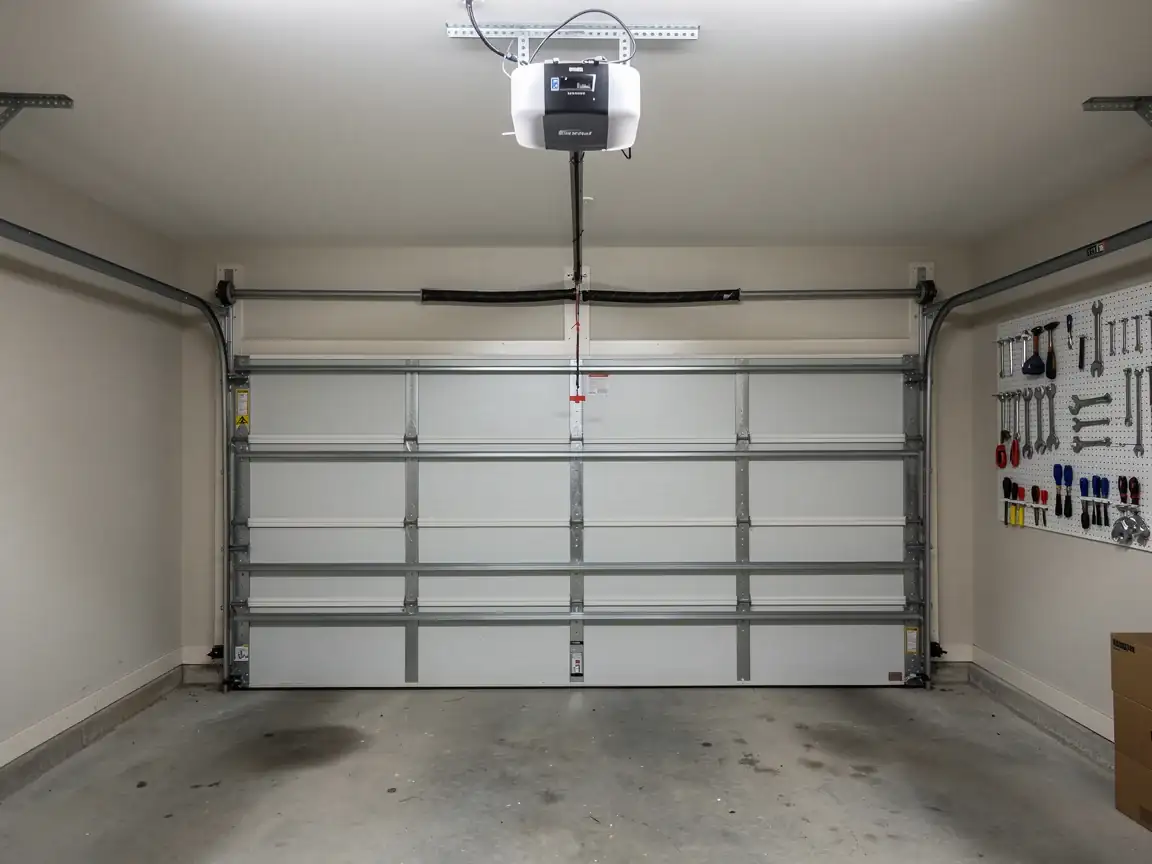
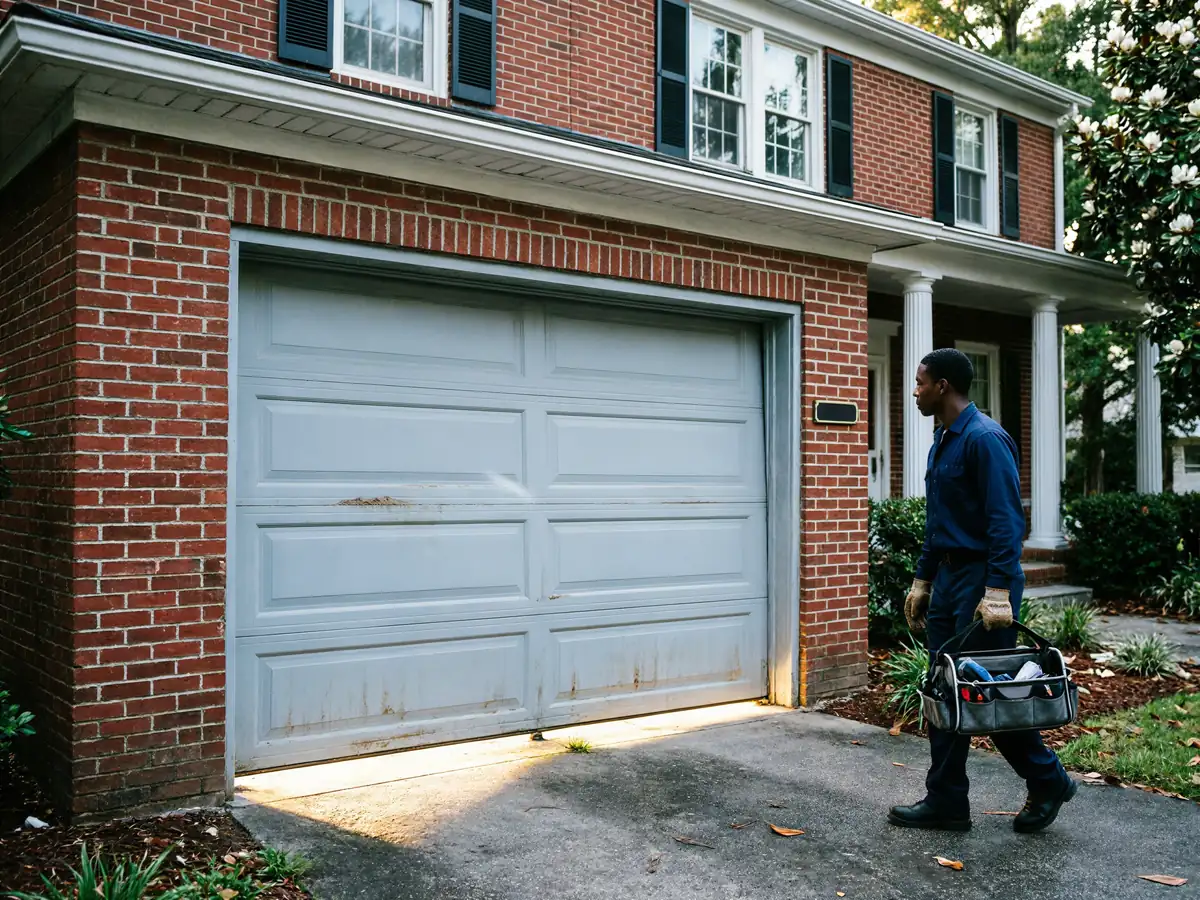
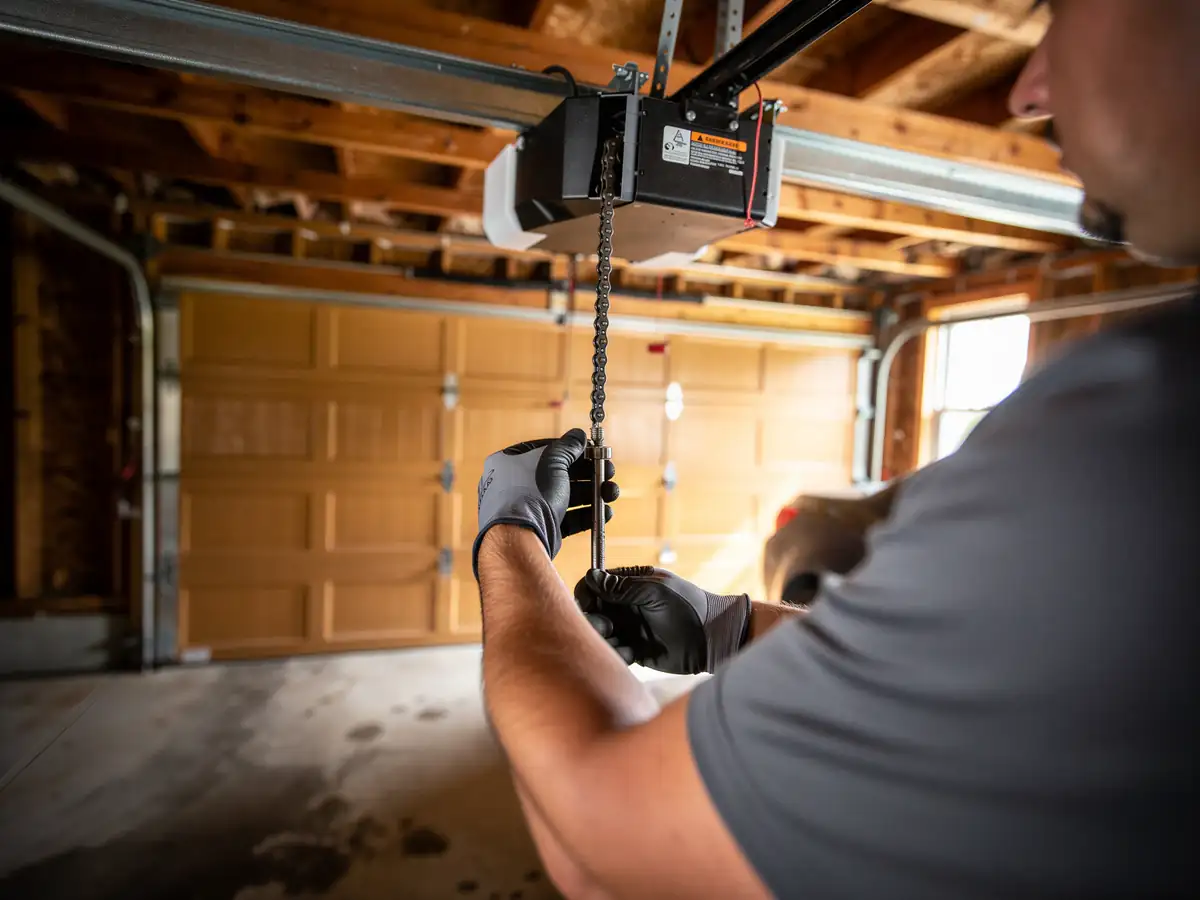
Mountain Park sits about 7 miles from our shop in Snellville, close enough that a tech can look at your opener and still have most of the day left for the next call. That short drive matters less than what's waiting in your garage when we get there. Houses here were built around 1979 on average, right in step with the broader service area's 1951-2012 range and its 1978 median. That means a lot of the openers we pull covers off are chain-drive units from the 80s and 90s, with steel rail, a sidewinder gear set, and a logic board that's long past any manufacturer's parts support. The failure we see most isn't the motor. It's the gear and sprocket assembly stripping out after years of chain tension, or a capacitor on the board going bad and taking the whole unit down with it. On a newer belt-drive opener that's a quick swap. On these older chain units, the first question is whether the rail and chain are even worth keeping once the head unit goes.
What It Costs
We don't have a flat number to quote you here, and we're not going to invent one. What we can tell you is how the decision tends to shake out in a town where median household income runs $95,678, well above the $70,625 median across the wider service area. Owners here more often choose to replace an aging chain-drive opener outright rather than nurse a 1980s gear set through another repair, especially once they price out the labor on a board or capacitor fix against a new belt-drive unit. That's not a rule, it's just the pattern we see on this side of the drive. If your opener is still inside its working life and the fault is a sensor, a remote, or a travel-limit setting, that's a straightforward repair call regardless of income or anything else.
How Long You Are Without the Door
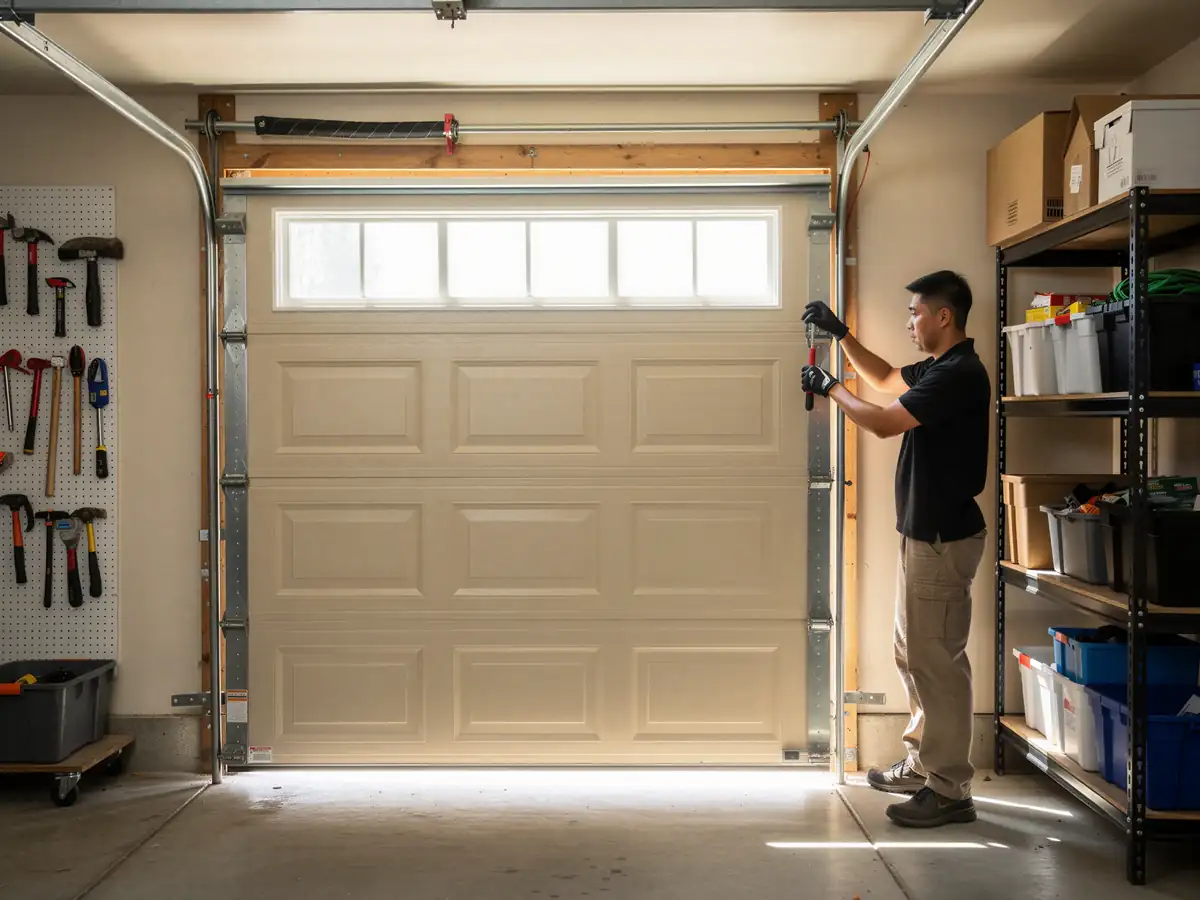
Cold-moderate winters mean a dead opener in January is more than an inconvenience if the door won't close by hand easily or at all. We're not going to promise a response window we don't control, but we will say that the 7-mile distance from Snellville keeps Mountain Park close to the front of the route rather than the back of it. Most opener failures on a 1970s-stock house come down to a short list of parts: gear and sprocket kit, logic board, capacitor, safety sensors. If we're carrying the right one, the fix itself usually takes under an hour once the tech is on site. The variable isn't the repair, it's whether the part on your specific unit is still something we or anyone else stocks.
Parts We Carry
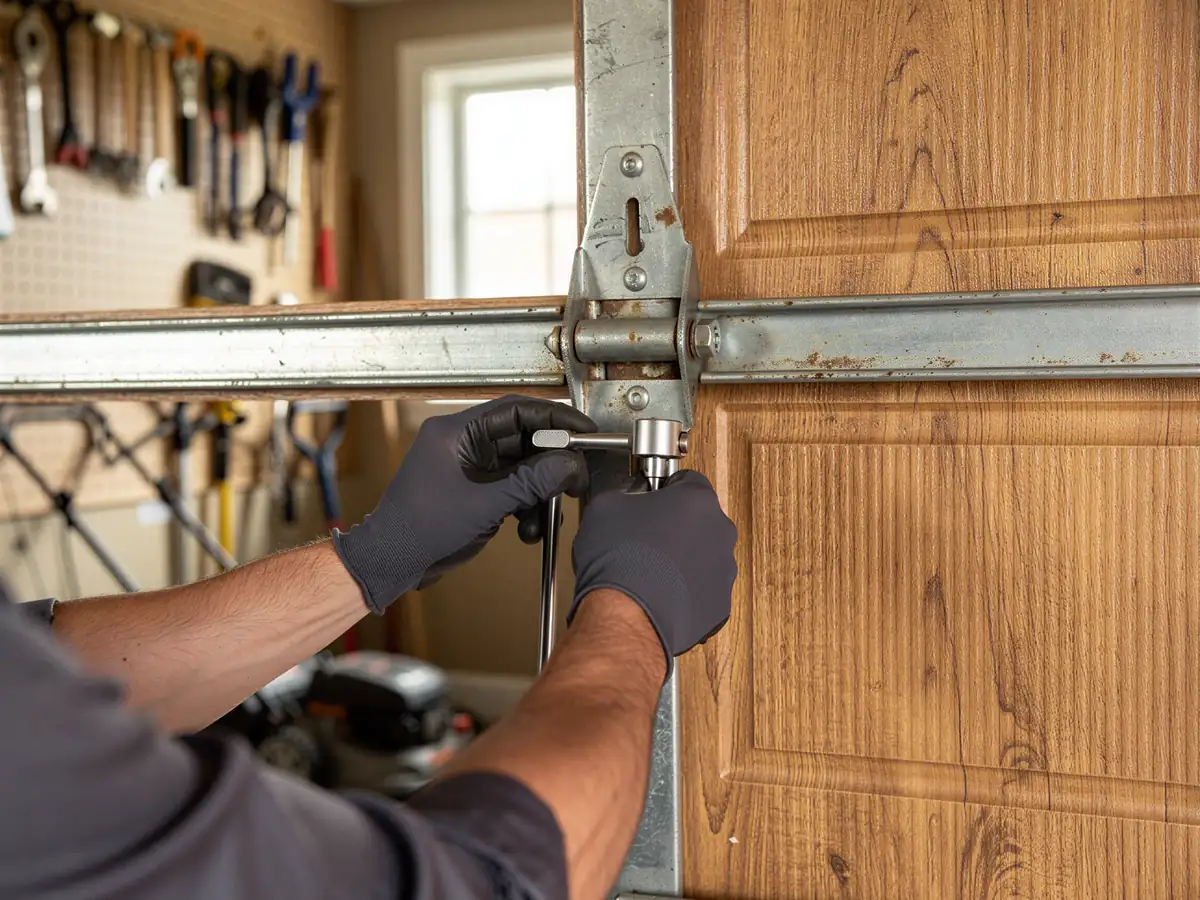
For the chain and screw-drive units common in houses built in and around 1979, we carry gear and sprocket kits, drive chains, screw-drive units, replacement logic boards for the common brands from that era, safety sensor pairs, and remotes. What we don't carry is a board for every obsolete opener made in the last 45 years. Some of the oldest units in this age bracket used proprietary boards that haven't been manufactured in decades, and when that happens, replacing the head unit is the honest answer, not a special order with no ship date. We'll tell you straight if that's where your unit sits before we start charging for labor on a part we can't get.