Why This Fails Locally
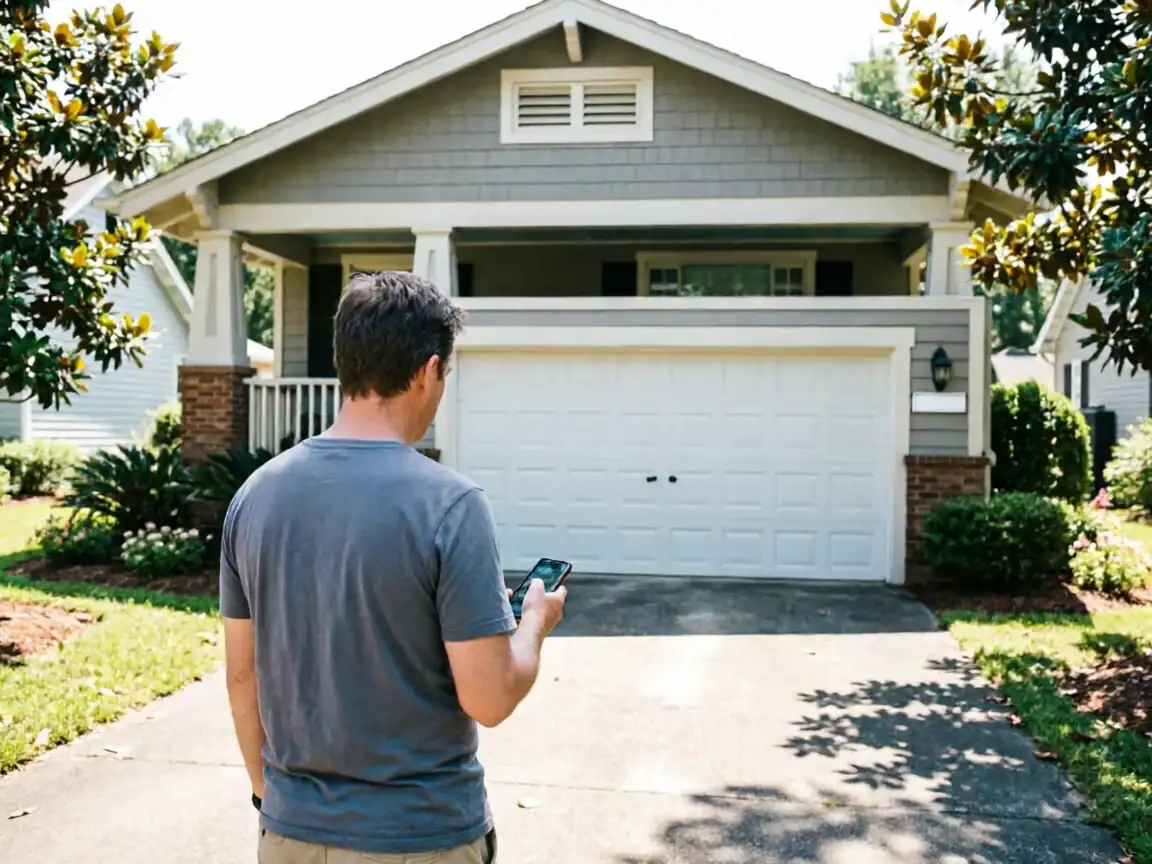
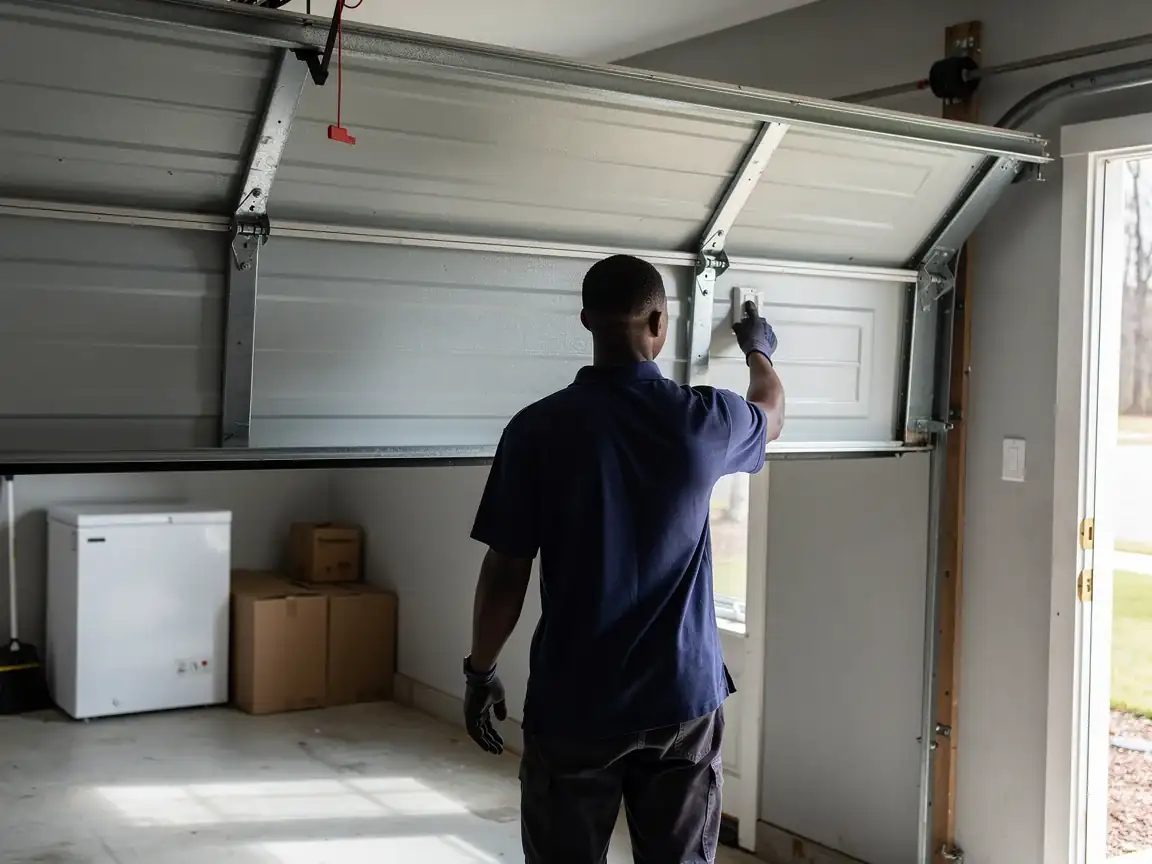
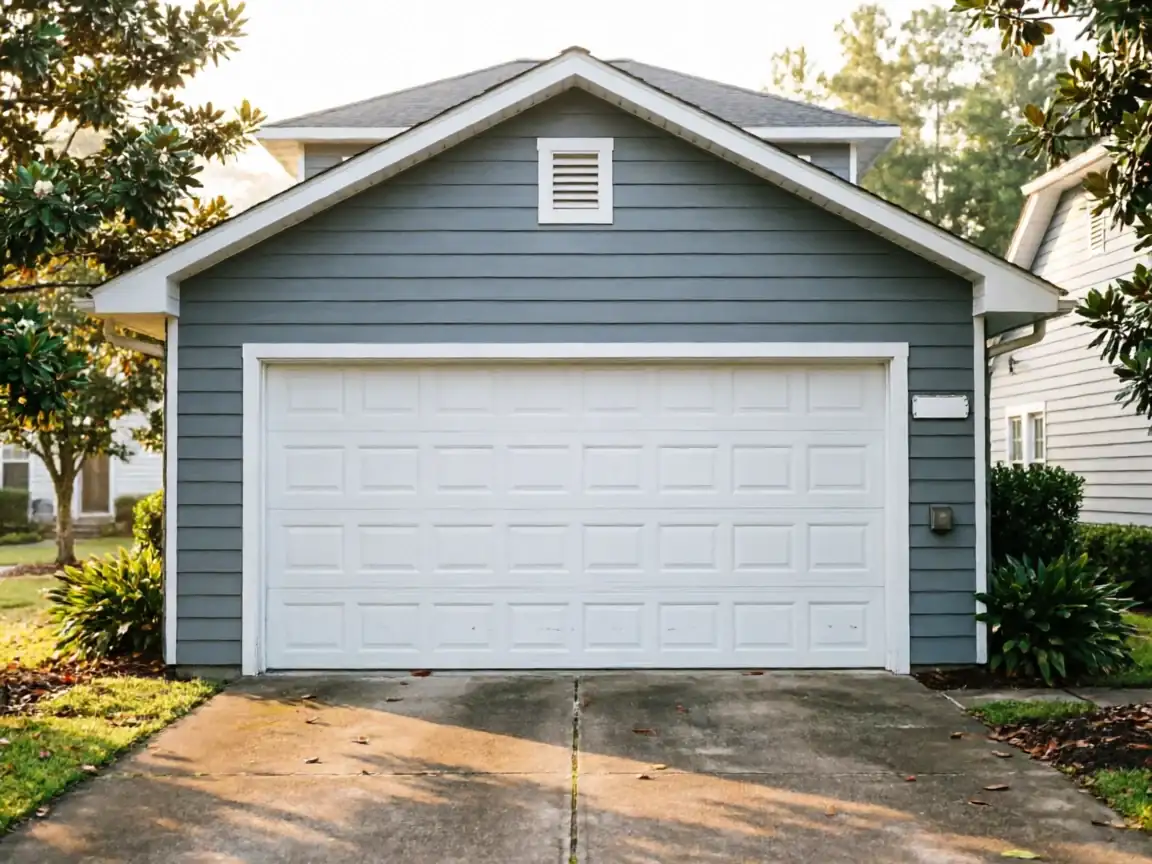
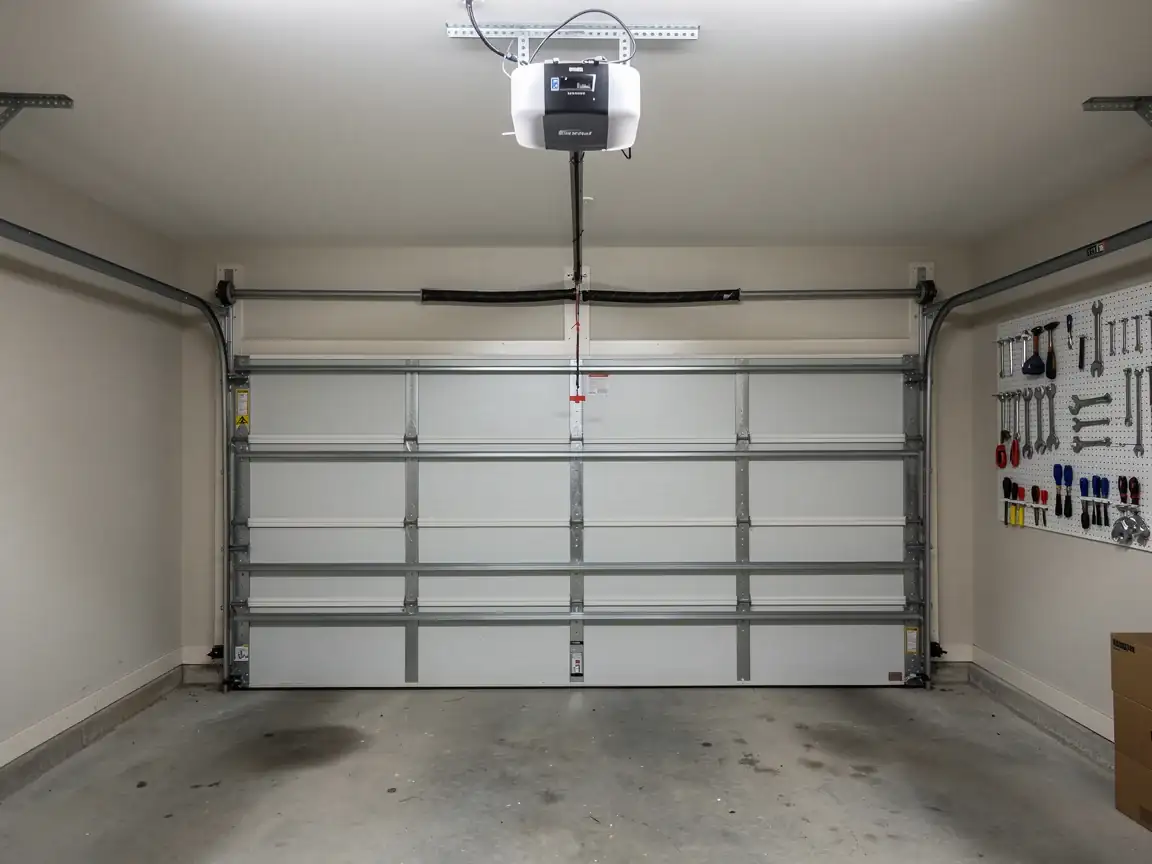
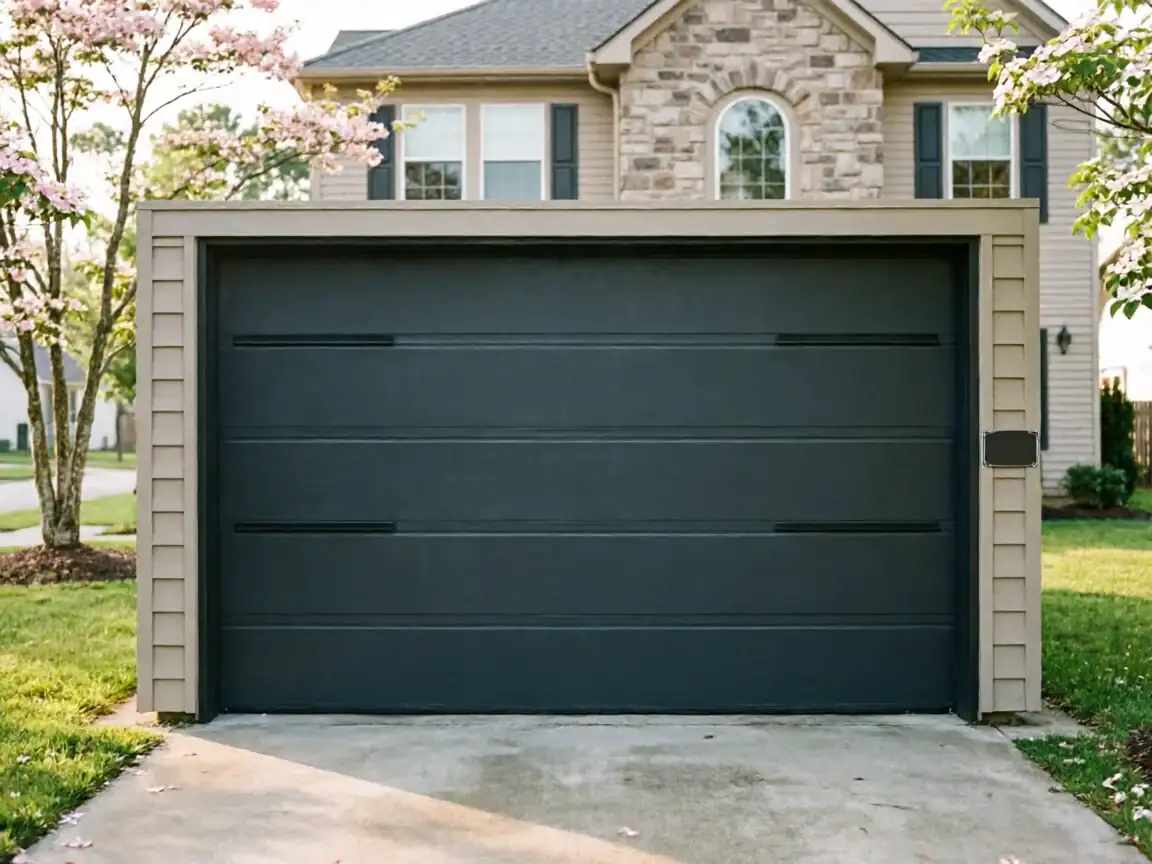
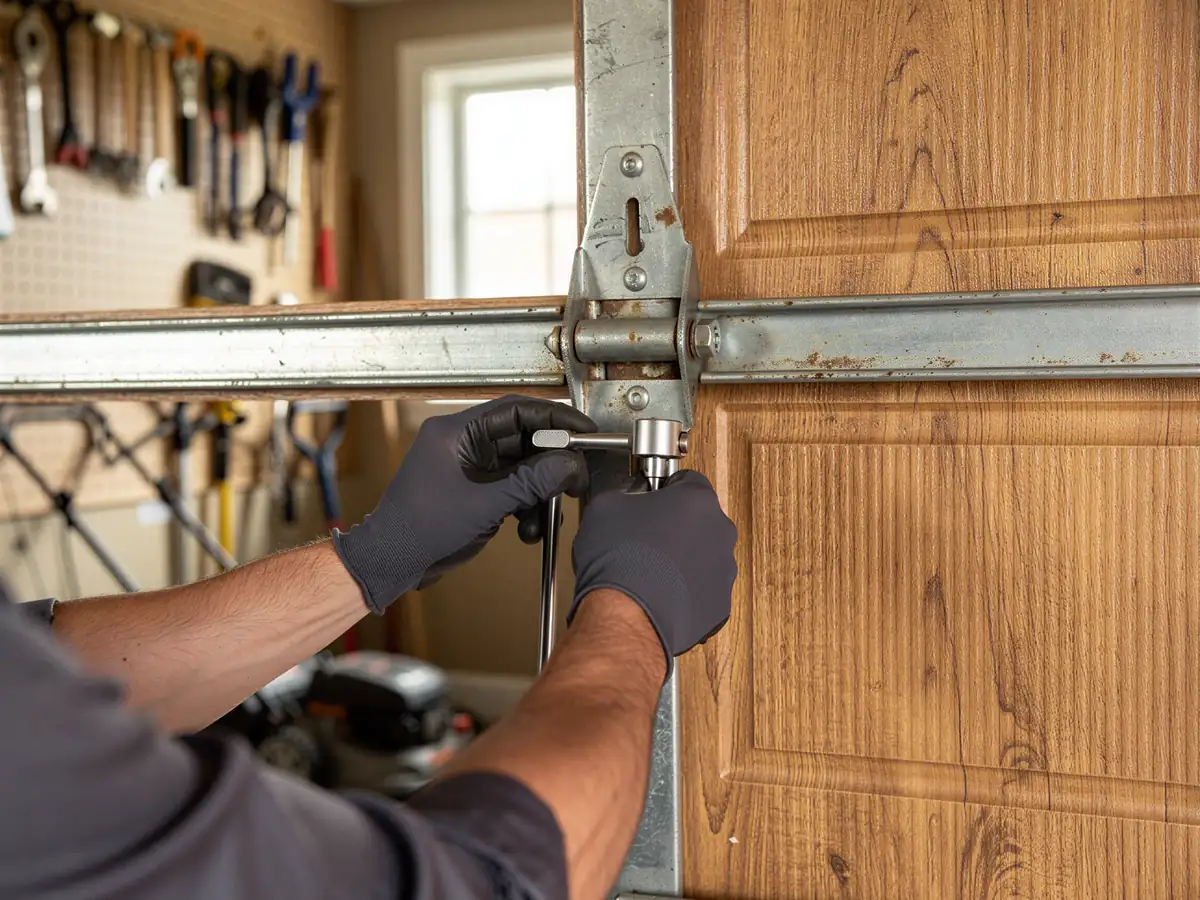
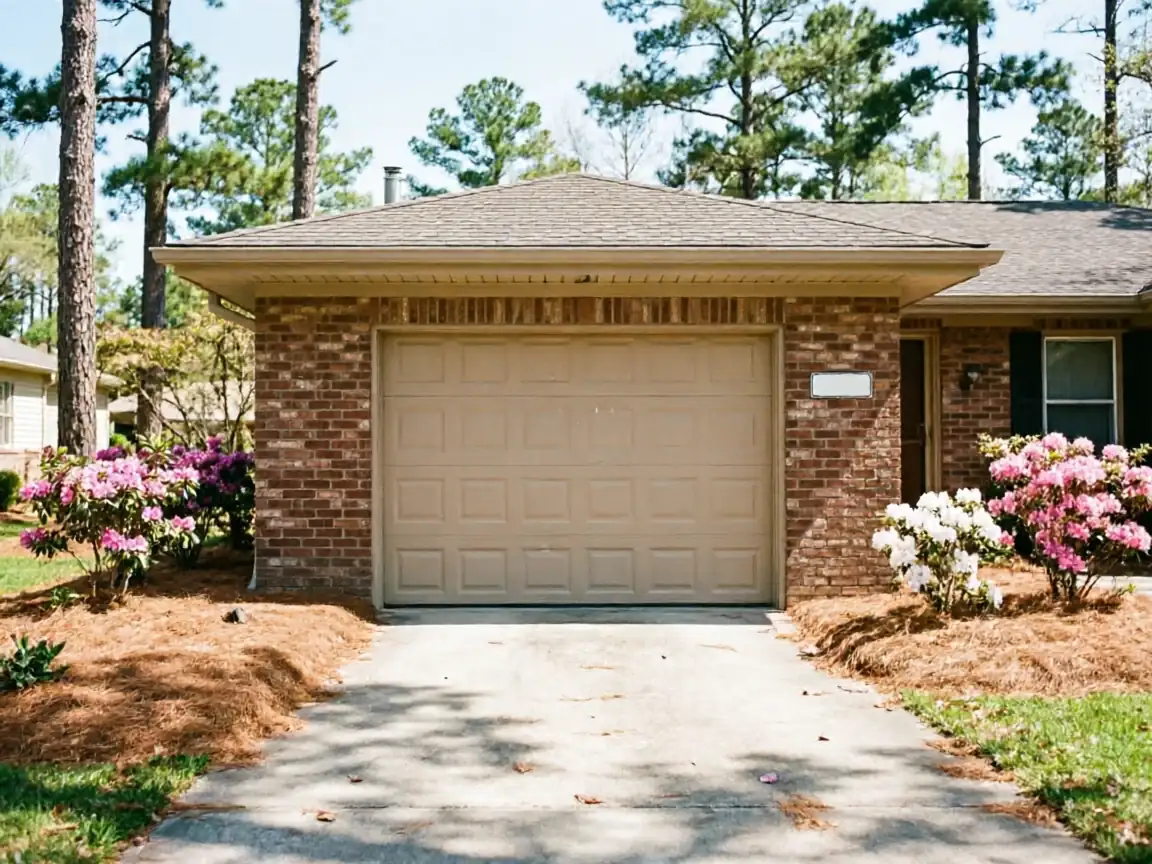
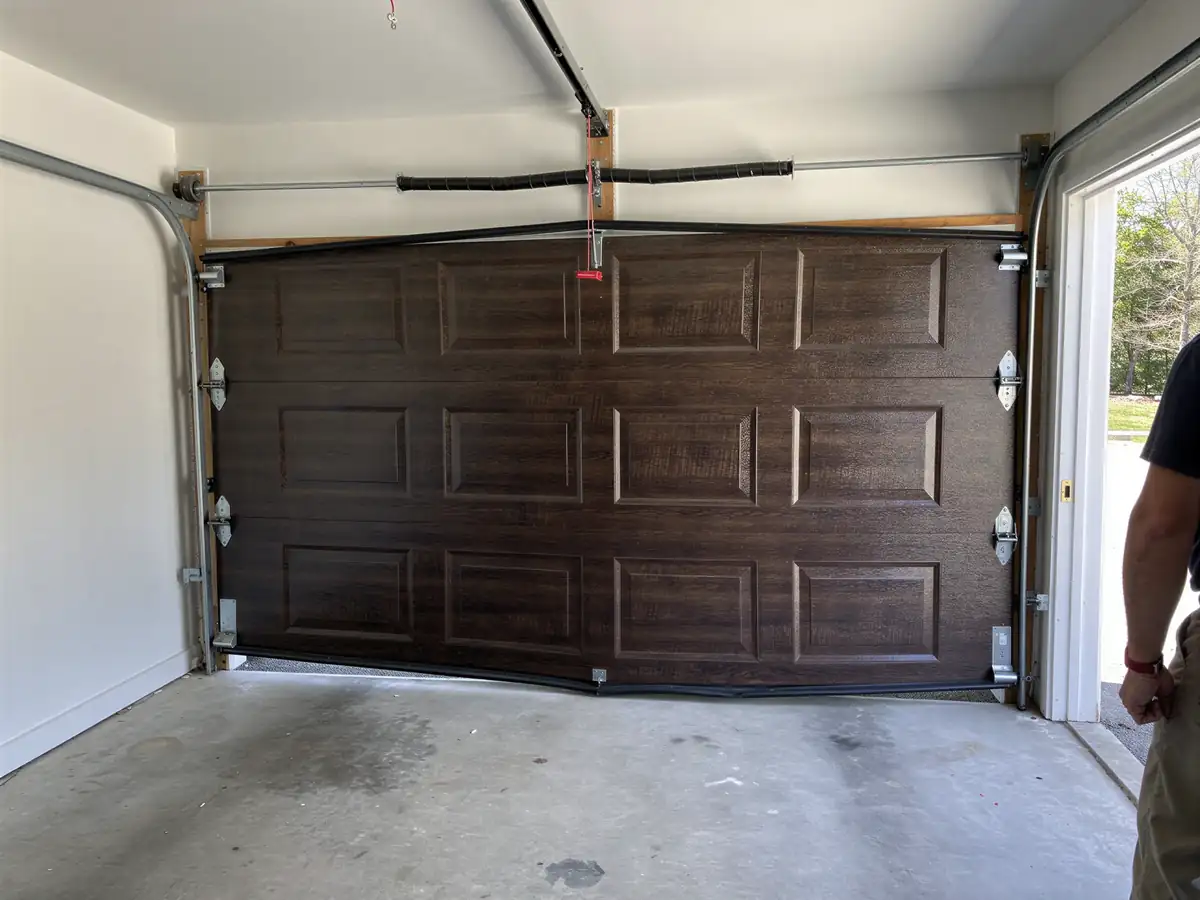
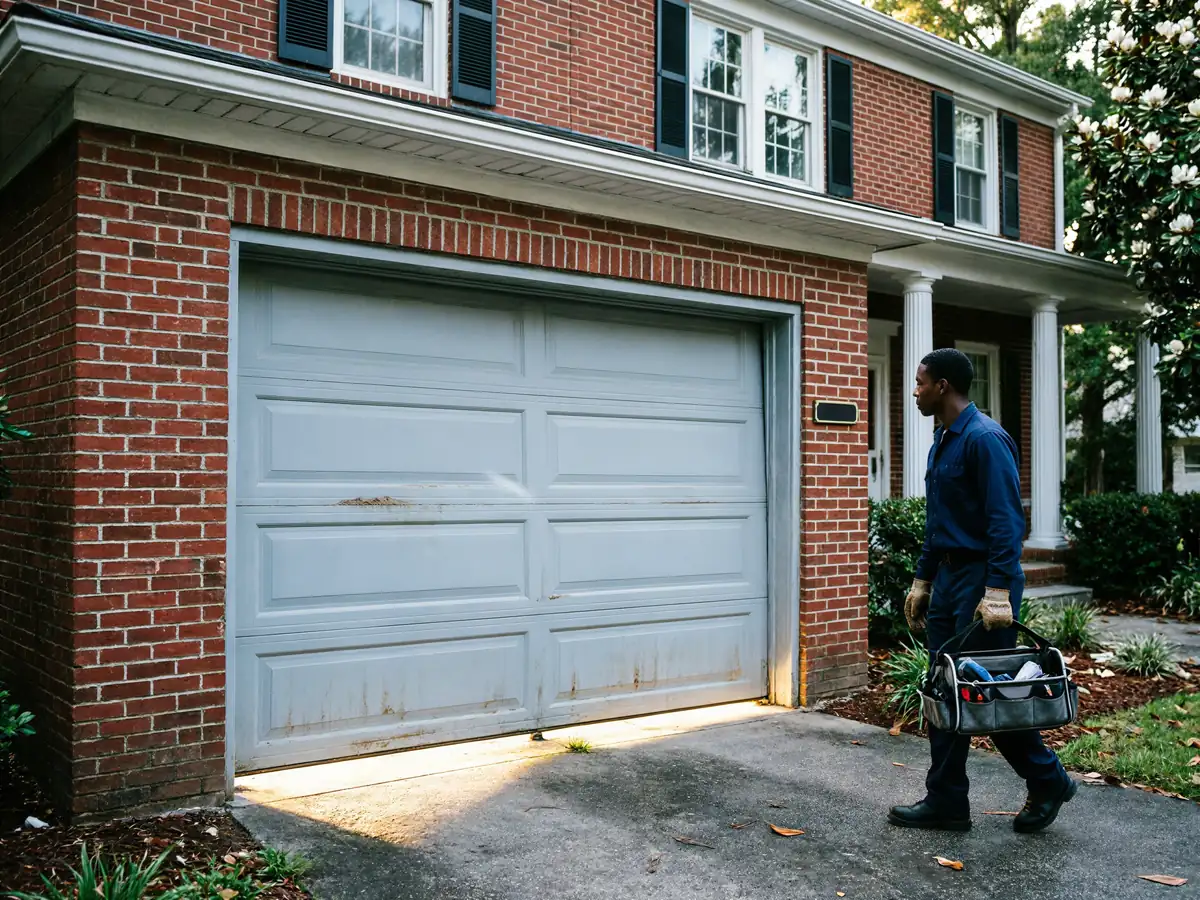
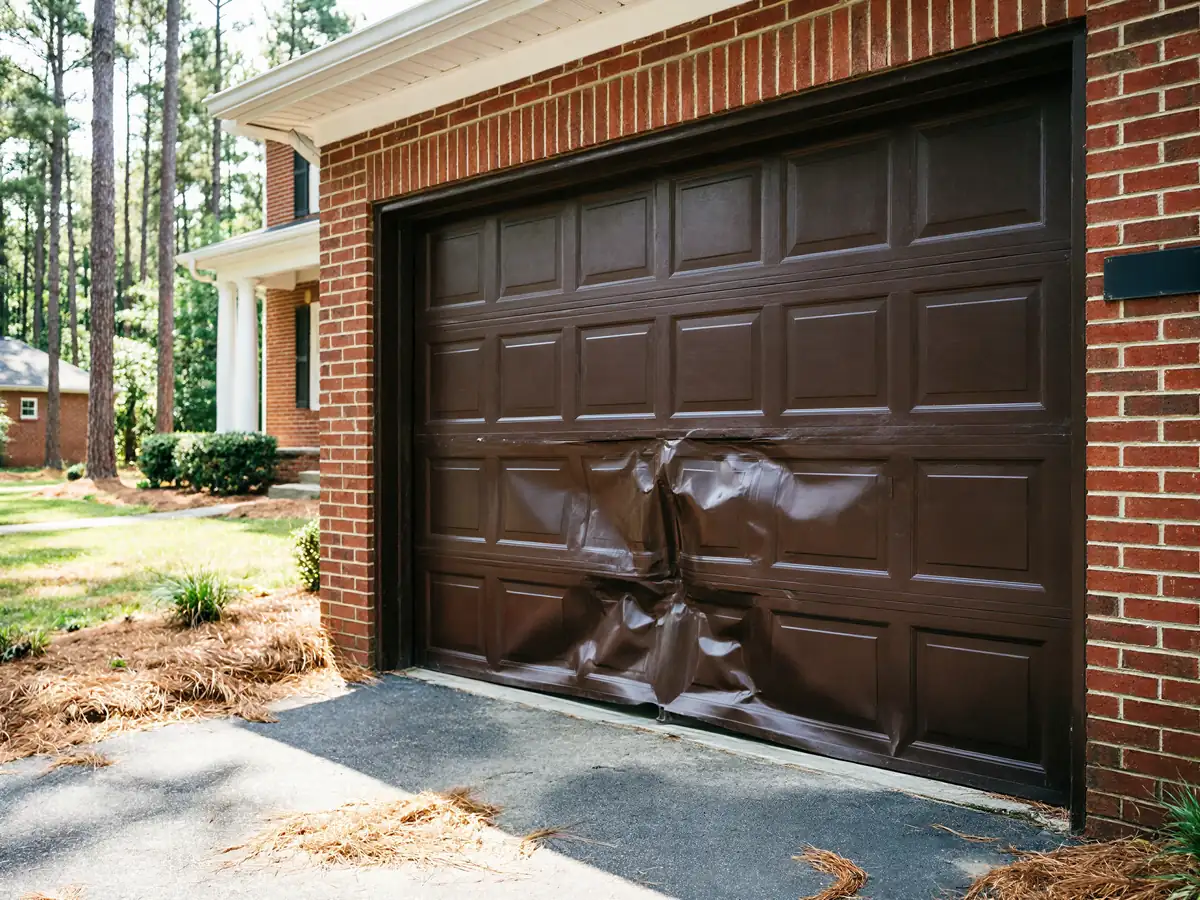
Mountain Park has 4,667 households, which is a small enough number that a crew doesn't see the same volume of calls here as in the bigger parts of the service area - but the houses that are here were mostly built around 1979, and that one number explains most of what goes wrong with a panel. Doors from that era are steel sectional units, often with the thinner gauge skins that were standard before insulated cores became common. A dent from a backed-into bumper or a basketball doesn't stay a dent - the skin creases, the seam between sections opens up, and the panel starts dragging on the track because the whole section has gone slightly out of square. On a door this old the panel is also carrying hardware (hinges, rollers) that's been painted over a few times and doesn't want to come apart clean. We see cracked panels more than bent ones out this way, because the paint over the decades has gone brittle and a hard knock splits it rather than just denting it. That's the local pattern, not a general one.
What It Costs
We don't have a flat number to quote here without seeing the door, and we'd rather tell you that than make one up. What drives the cost on a Mountain Park job is usually whether we can match a single panel to the rest of the door or whether the whole run needs replacing because the color and texture have faded unevenly since 1979 and a new panel next to old ones looks wrong. Steel sectional doors from that build era sometimes use panel widths that newer manufacturers don't stock in a direct match, which pushes a one-panel job toward a full door replacement instead. We'll look at the door in person, tell you honestly whether a single panel is worth doing or whether you're better off replacing the whole thing, and price it from there. One honest limitation: if your door is a style nobody makes panels for anymore, we'll say so rather than string you along on a special order that may not land.
How Long You Are Without the Door
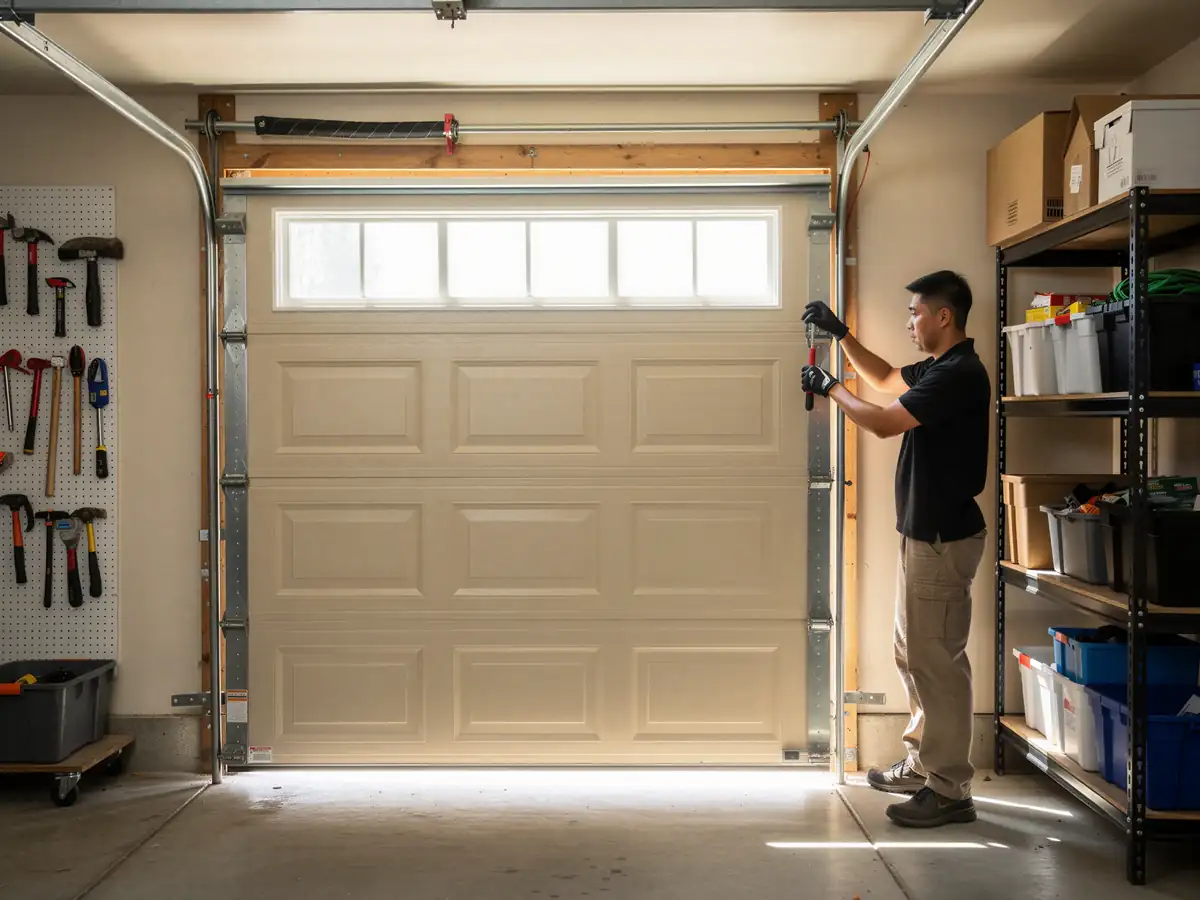
We won't promise a same-day fix or a specific turnaround here, because that depends on whether your panel is a common width we carry or a match that has to be ordered. What we can tell you is what determines it: a single dented or cracked panel on a common steel sectional door, with the rest of the hardware sound, is usually the faster job. A full panel run on an older 1979-era door, especially if the color has to be matched or the whole door replaced because a single panel isn't available anymore, takes longer because the order has to come in before we install anything. We'll give you a real estimate for your specific door once we've seen it, not a generic window that doesn't account for what's actually broken.
Parts We Carry
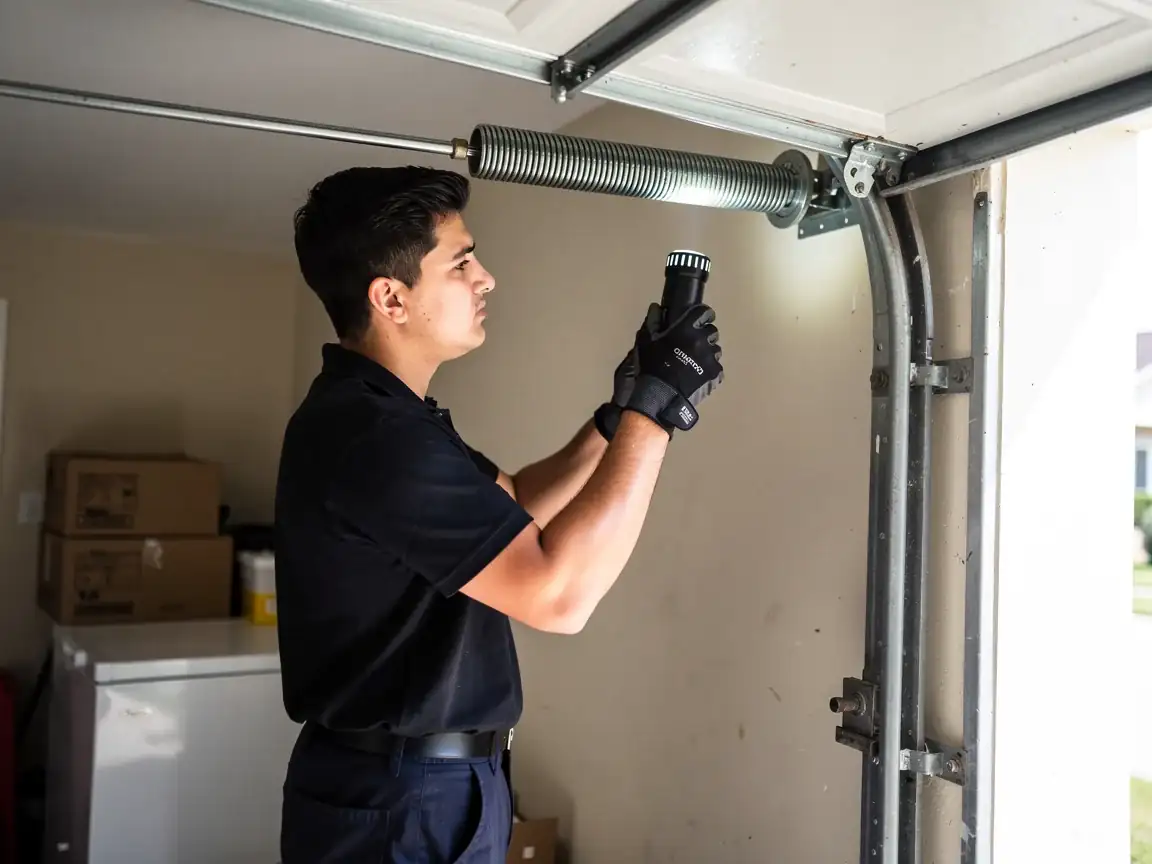
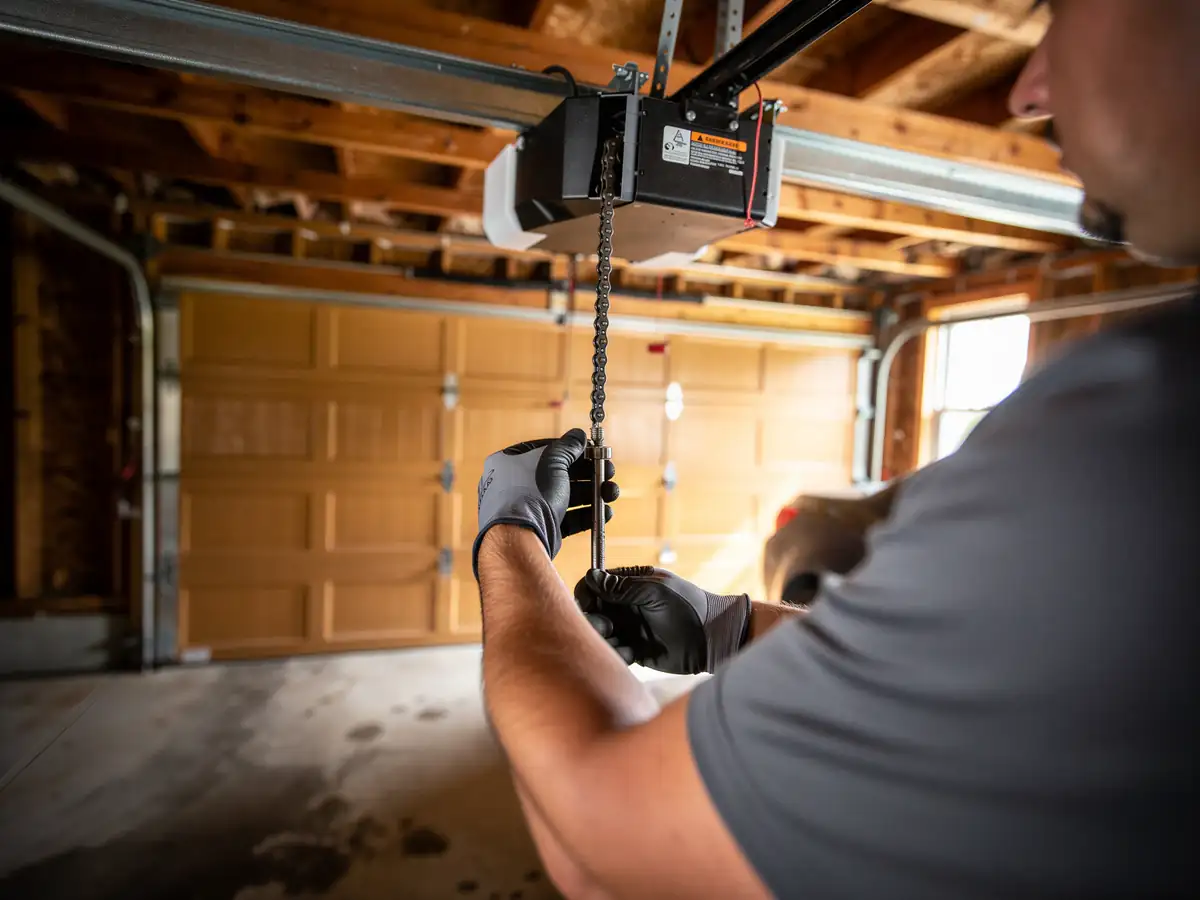
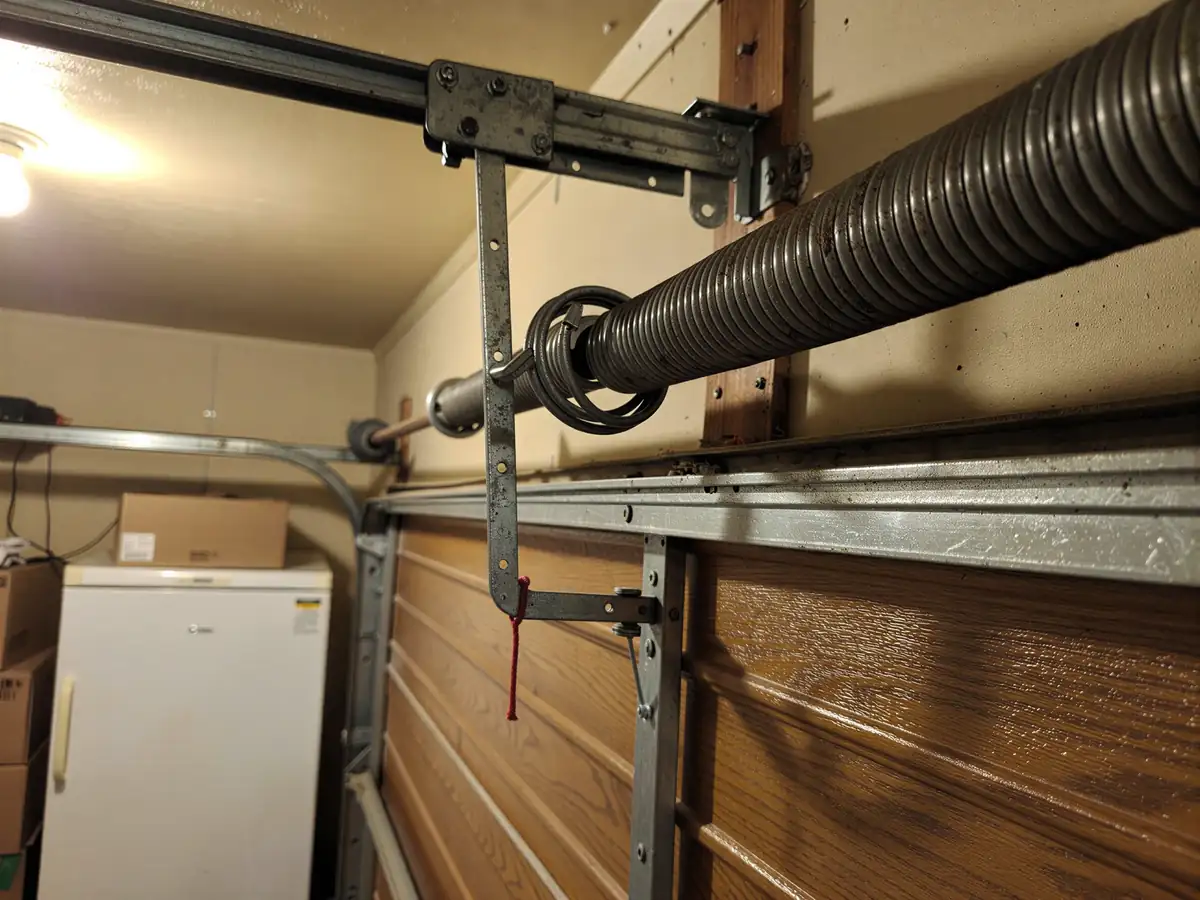
For the steel sectional doors common in Mountain Park's housing - mostly from the 1960s through the 1990s with a concentration of 1970s-era builds - we carry standard-width panel sections, hinges, and end stiles sized for non-insulated and lightly insulated cores. We also keep torsion spring hardware and roller brackets that fit the older section profiles, since a panel swap on a door this age almost always means dealing with hinges that have been painted shut a few times. What we don't stock on the truck is anything custom - wood-composite panels, odd widths from doors made by manufacturers that have since changed their panel dimensions, or decorative inserts. Those get special-ordered, and we'll tell you up front if that's what your door needs so you're not waiting on a part we never had a chance of carrying.