Why This Fails Locally
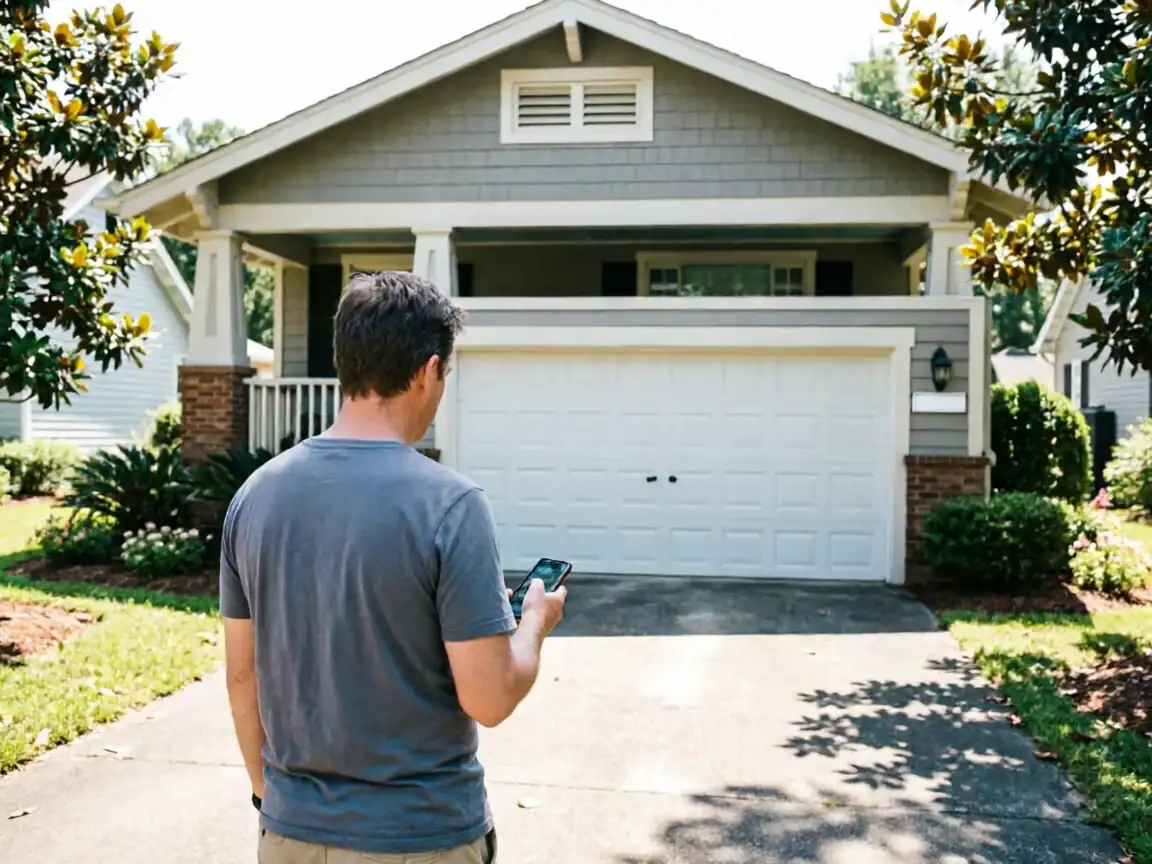
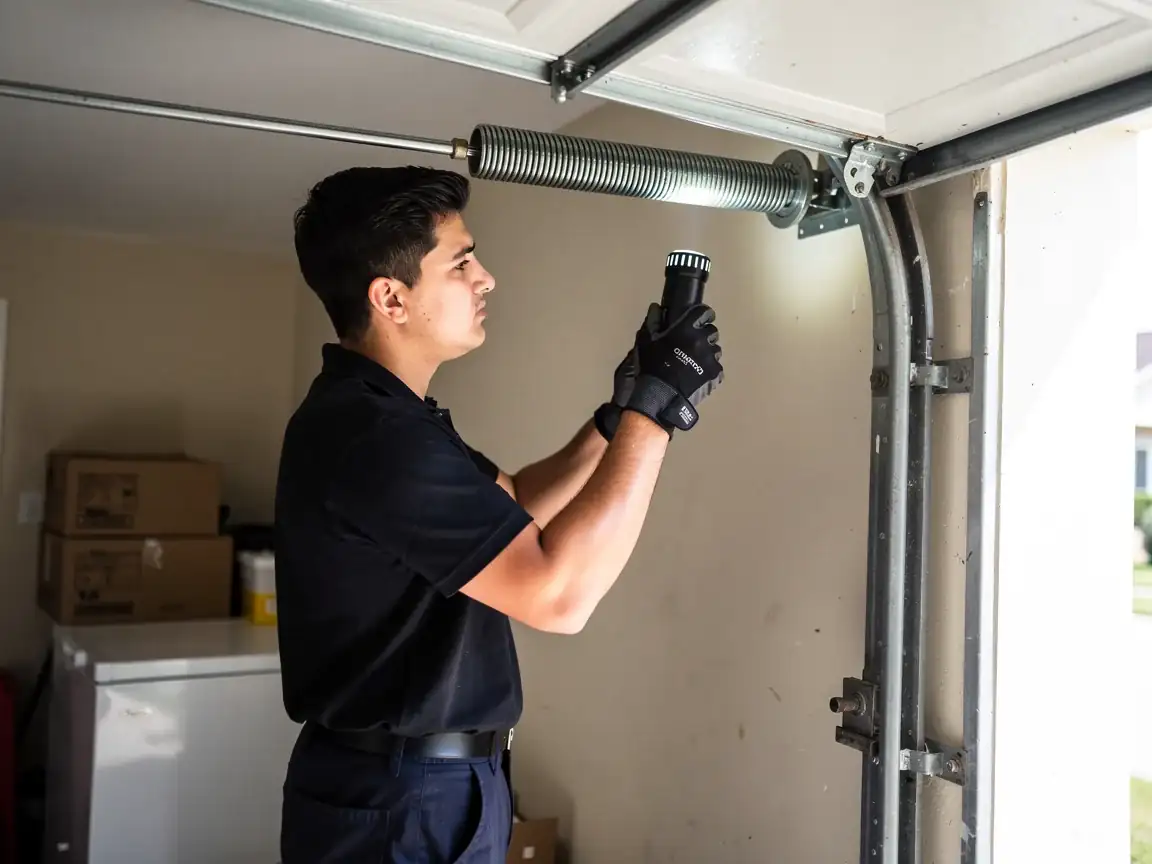
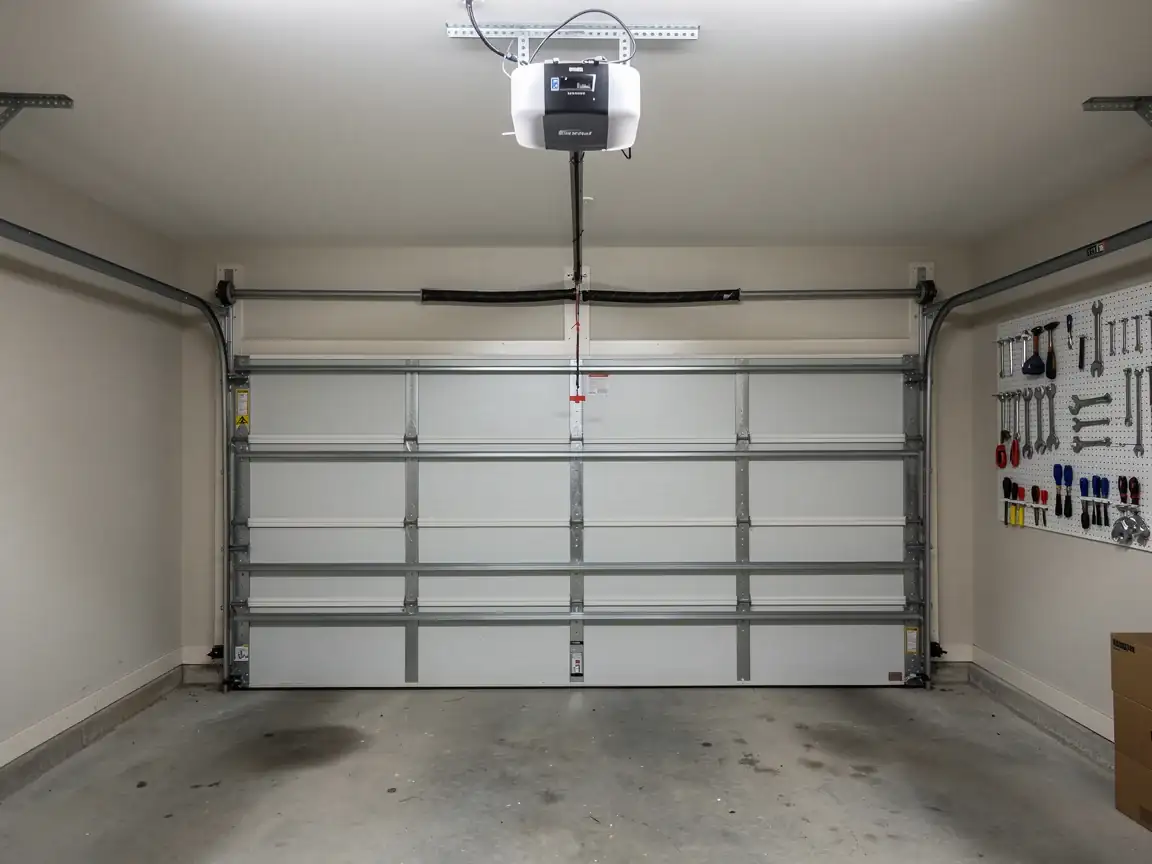
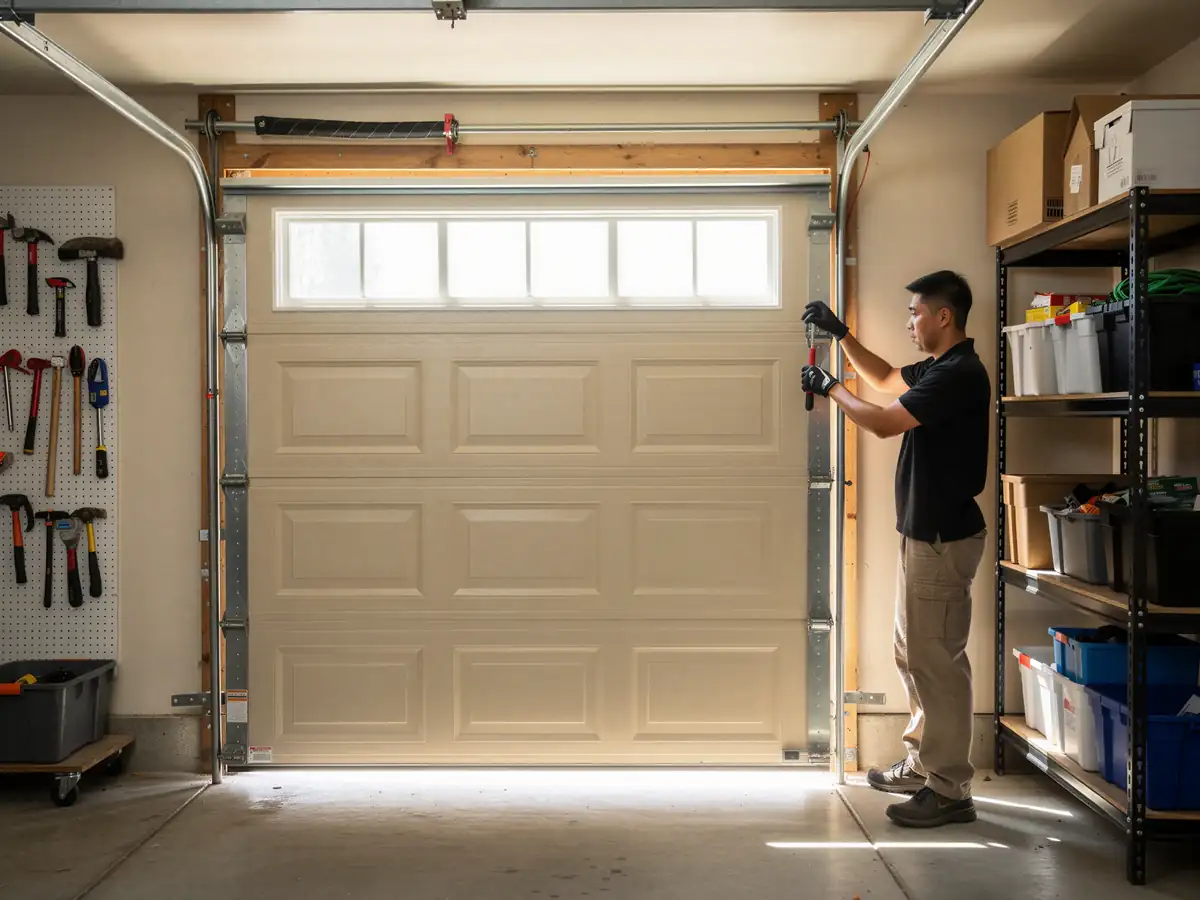
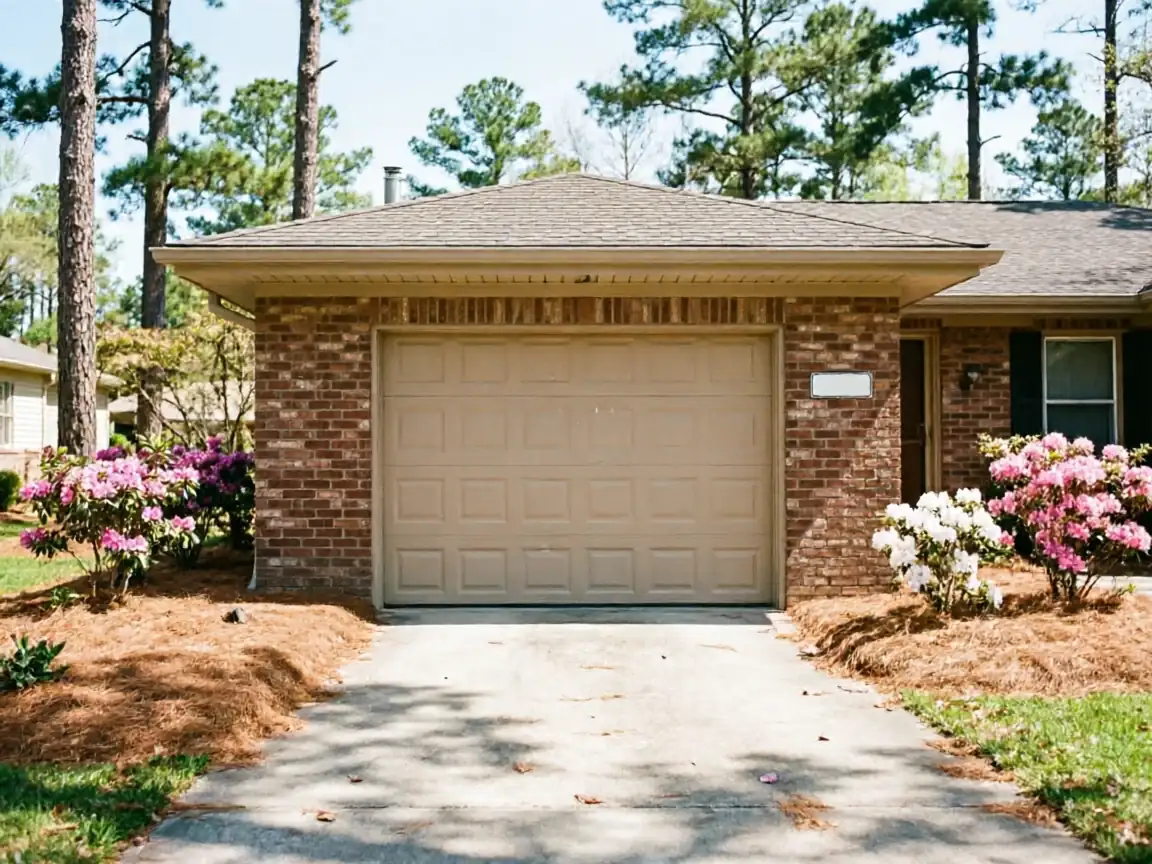
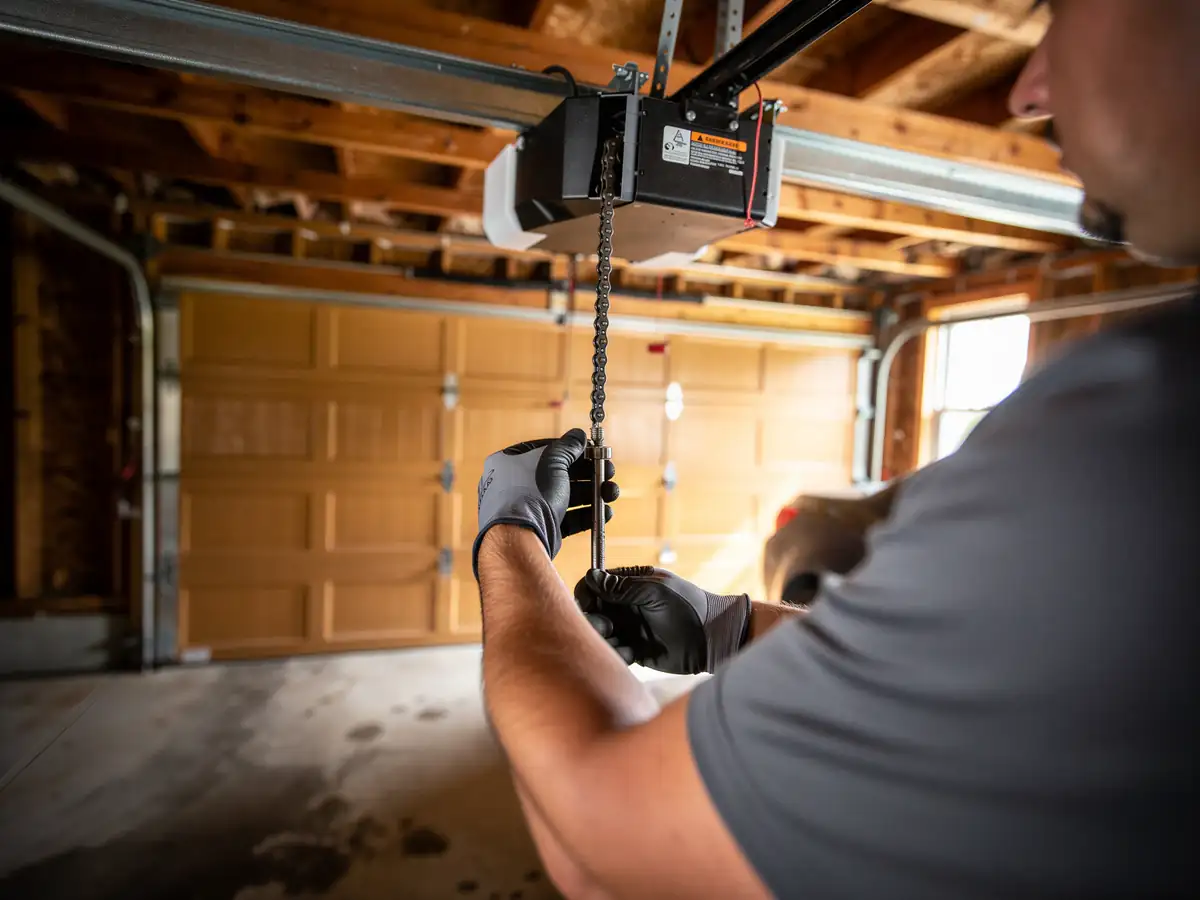
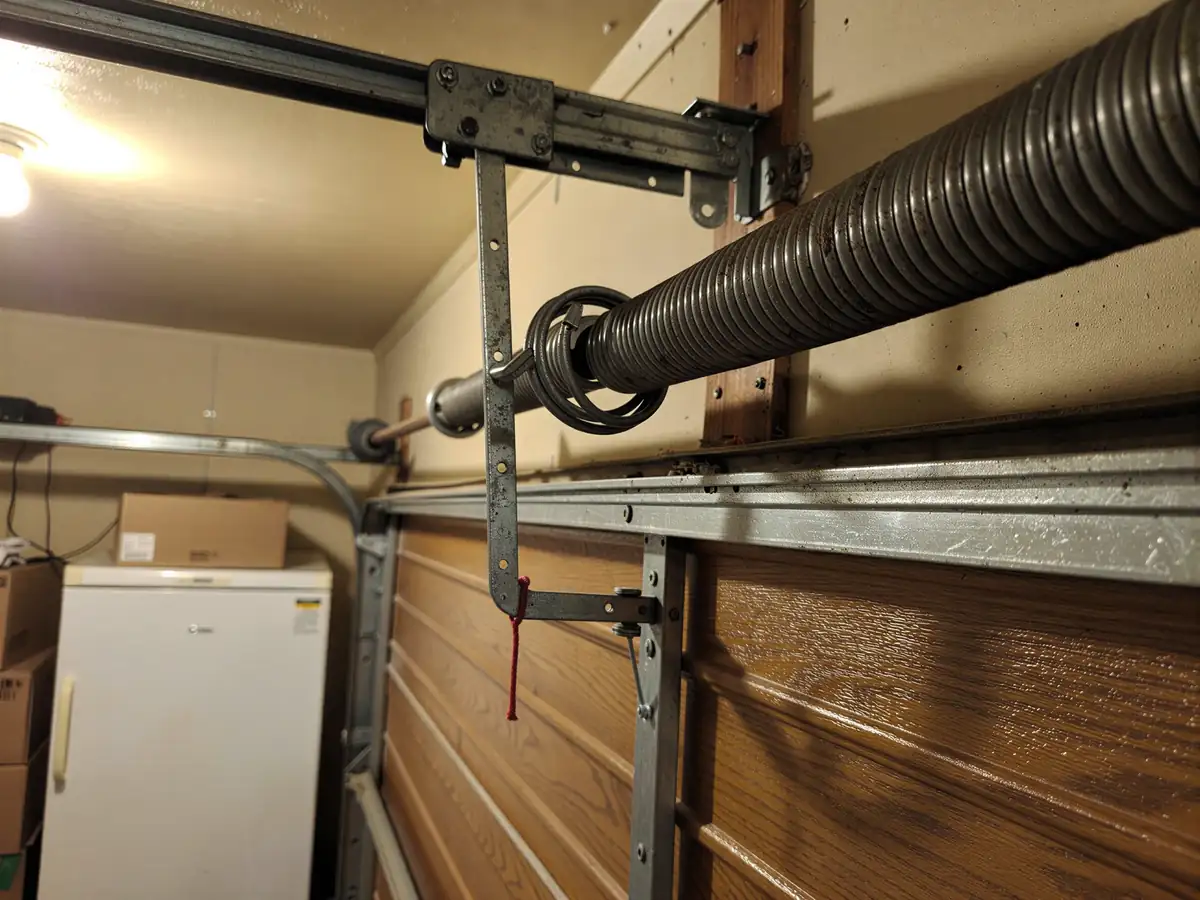
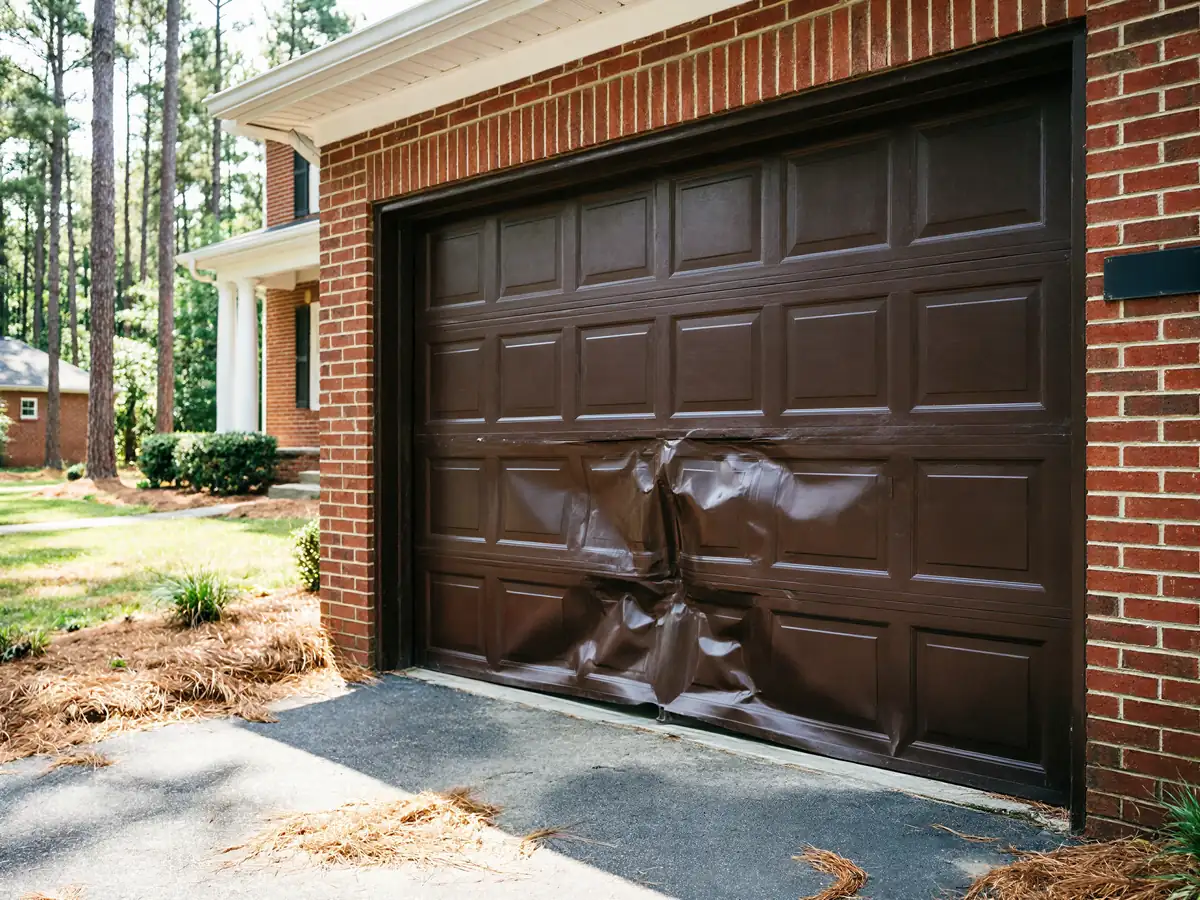
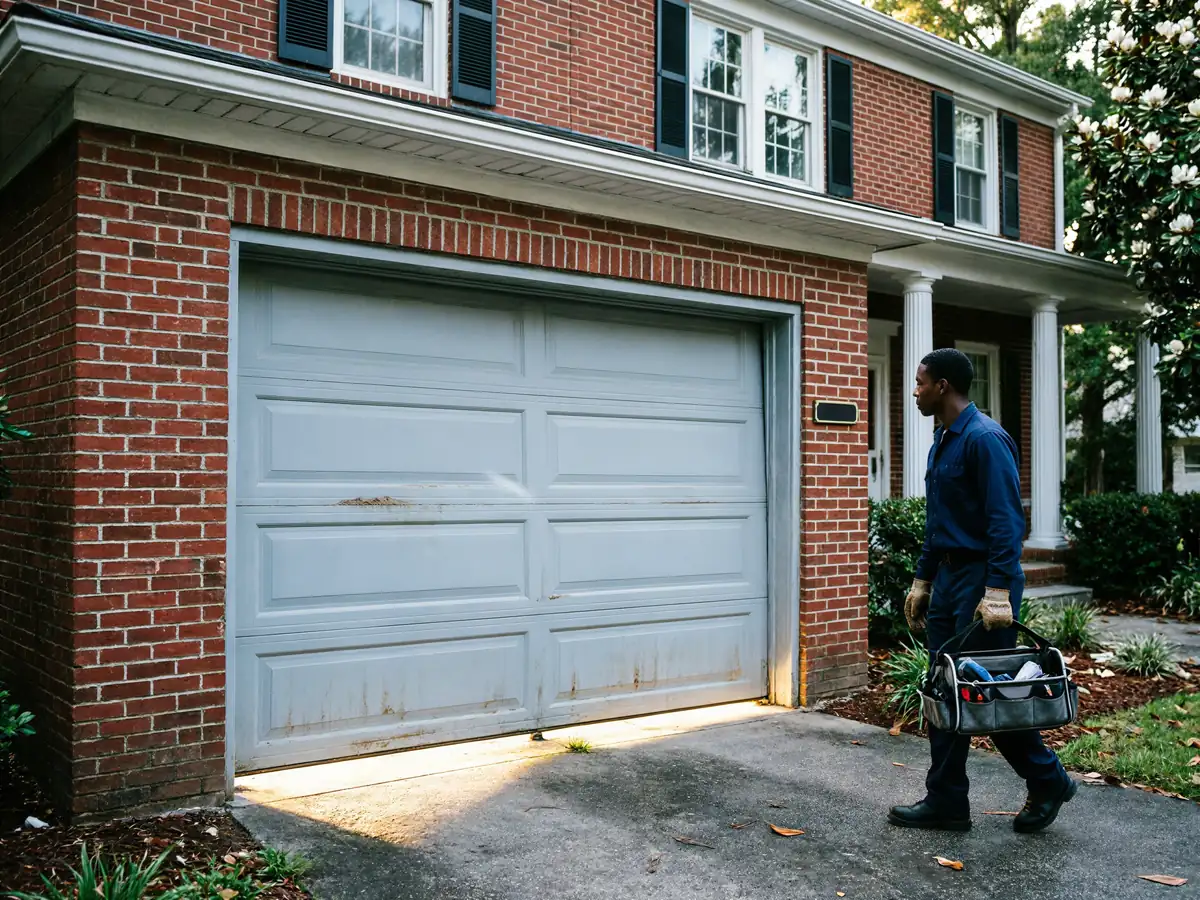
Scottdale's housing stock centers on 1984, newer than the 1978 median across the rest of our service area. That decade matters: builders here were putting up steel sectional doors on torsion spring systems as the standard, not the older single-panel wood doors with side-mount extension springs you still find in some of the pre-1960s pockets we cover. A torsion spring rated for 10,000 cycles and installed around 1984 has had roughly four decades to fatigue, and galvanized coil springs from that era weren't treated the way current ones are. What fails first in a Scottdale house usually isn't the door panel itself, it's the spring, the cable it's paired with, or the drum it winds around. Openers from the same build era are often the original chain-drive units with aging logic boards, which means a door that won't respond to the wall switch is just as likely an opener problem as a spring problem. With roughly 3,750 households in this part of the service area and household income here running higher than the broader area average, we see more owners who've already had a garage door replaced once since 1984 and are now dealing with the second-generation hardware starting to go.
How Long You Are Without the Door
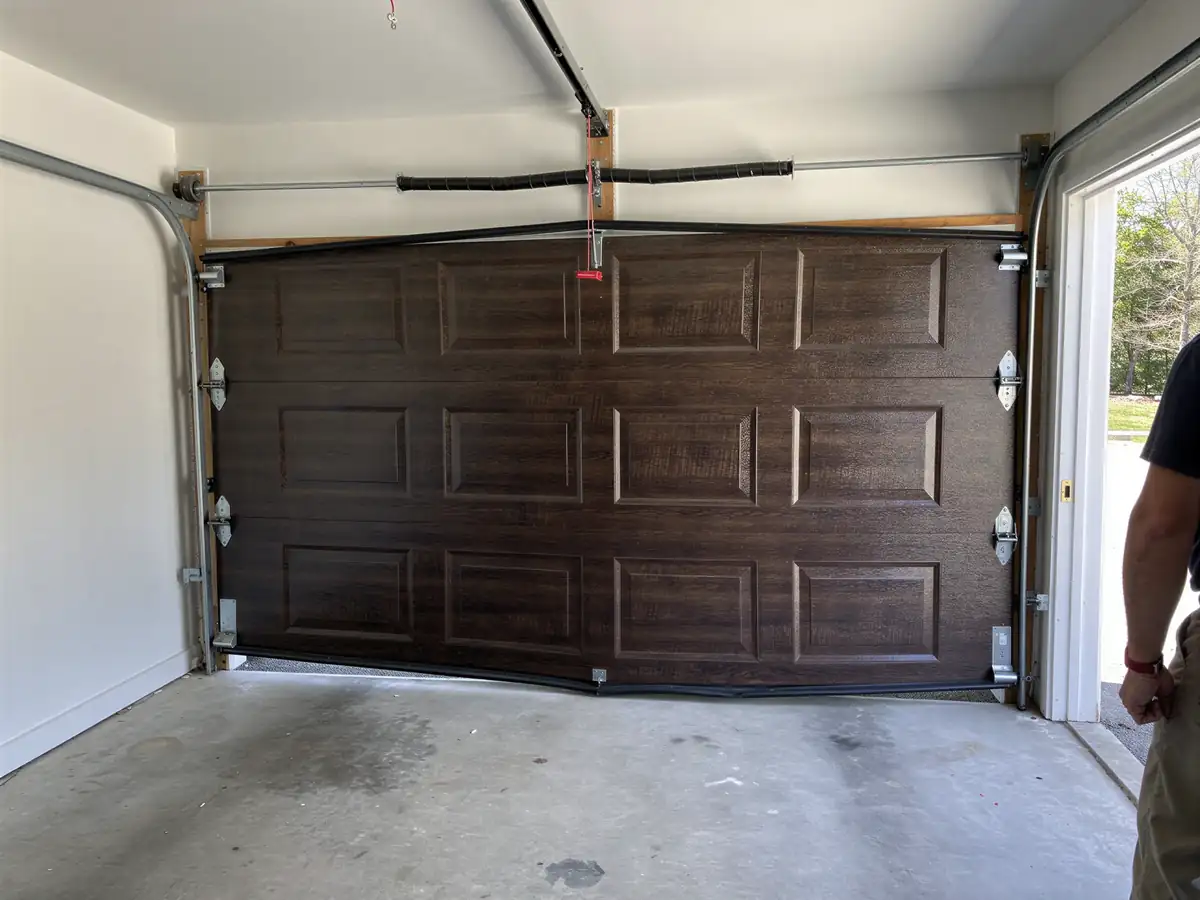
We run out of Snellville, 16 miles from Scottdale, so there's no local depot shortening the drive. That distance is the honest number to plan around, not a promise of a fixed response window, because traffic and the order jobs come in changes the timing day to day. If your door is stuck open, that's a security problem worth treating as urgent; if it's stuck closed and your car is inside, it's an inconvenience but rarely a true emergency unless there's a safety issue like a spring that's visibly separated or a cable off the drum. Tell us on the call which one you have. A door that won't close is a different kind of risk than a door that won't open, and it changes what we bring on the truck. We'd rather ask a few questions up front than show up without the right spring size or an opener board that doesn't match your unit.
What It Costs
We don't post a flat number here because the fix depends on what's actually broken, and guessing on a spring size or opener model over the phone leads to wrong quotes. A snapped torsion spring, a bent track, and a dead circuit board are three different jobs with three different parts costs. What we can tell you: a repair almost always costs less than a full door replacement, and most of what fails in a 1984-era Scottdale garage is repairable rather than a reason to replace the whole door. We'll give you a number once we've looked at it, not before.
Where This Job Goes Sideways
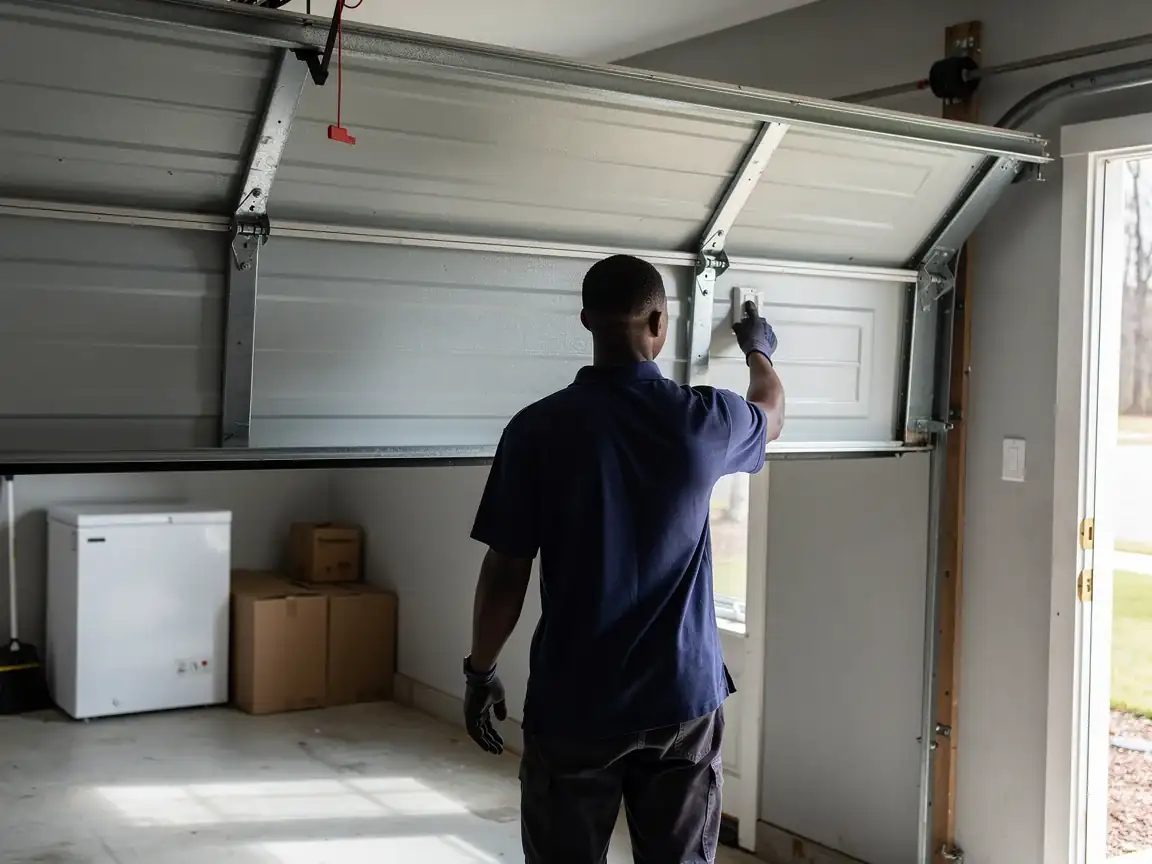
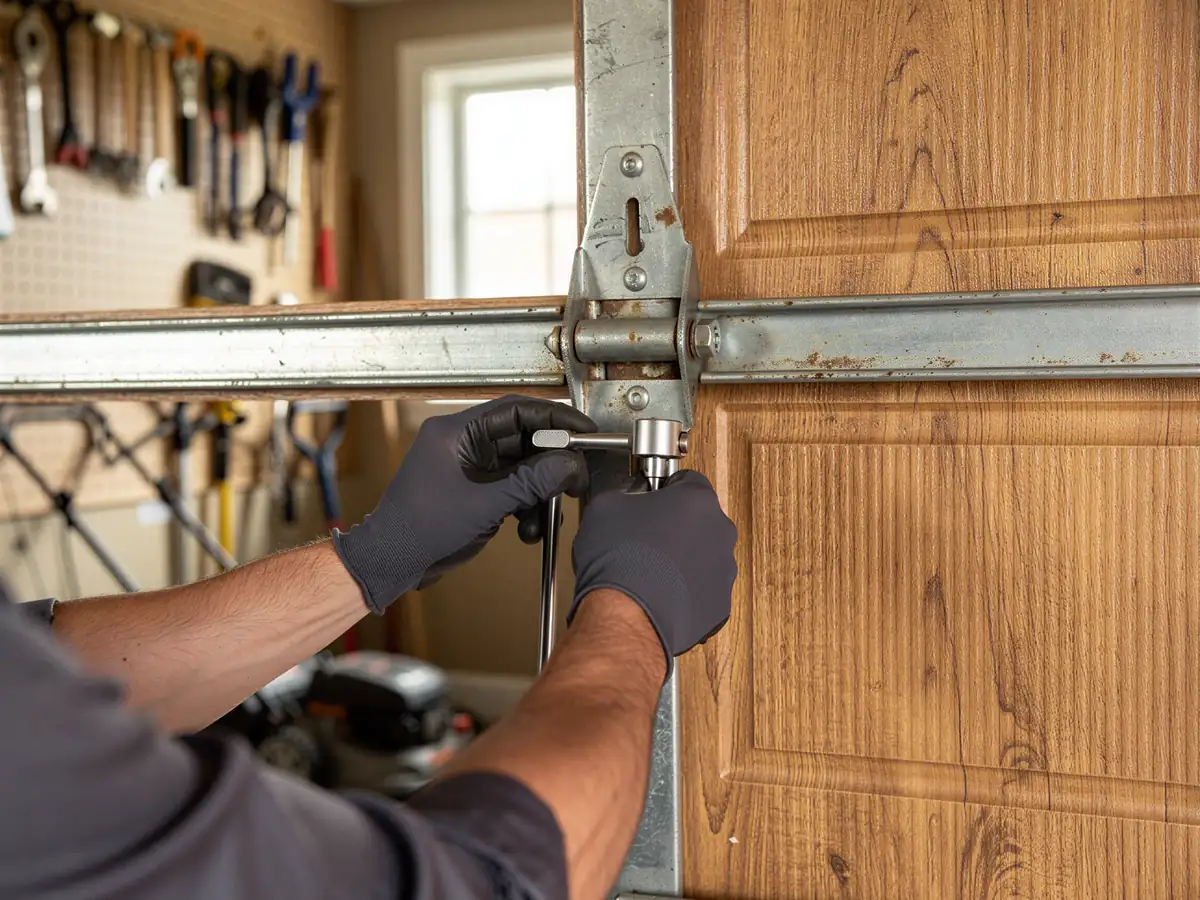
The most common misdiagnosis we see on doors from this build era is treating a dead opener like a dead door. If the door won't move and the opener light is on but nothing happens, it's often the opener's drive gear or a worn trolley, not the door itself, and swapping a spring won't fix it. The other trap is a torsion spring that's wound down but not broken, still under some tension, which an untrained hand can misjudge and get hurt trying to release. On steel doors from the mid-80s, we also see owners who've had one spring replaced and assumed the matching spring on a two-spring system was fine, only for it to go six months later from the same age-related fatigue. Matching spring age and replacing both at once, when both are original, saves a second service call.