Why This Fails Locally
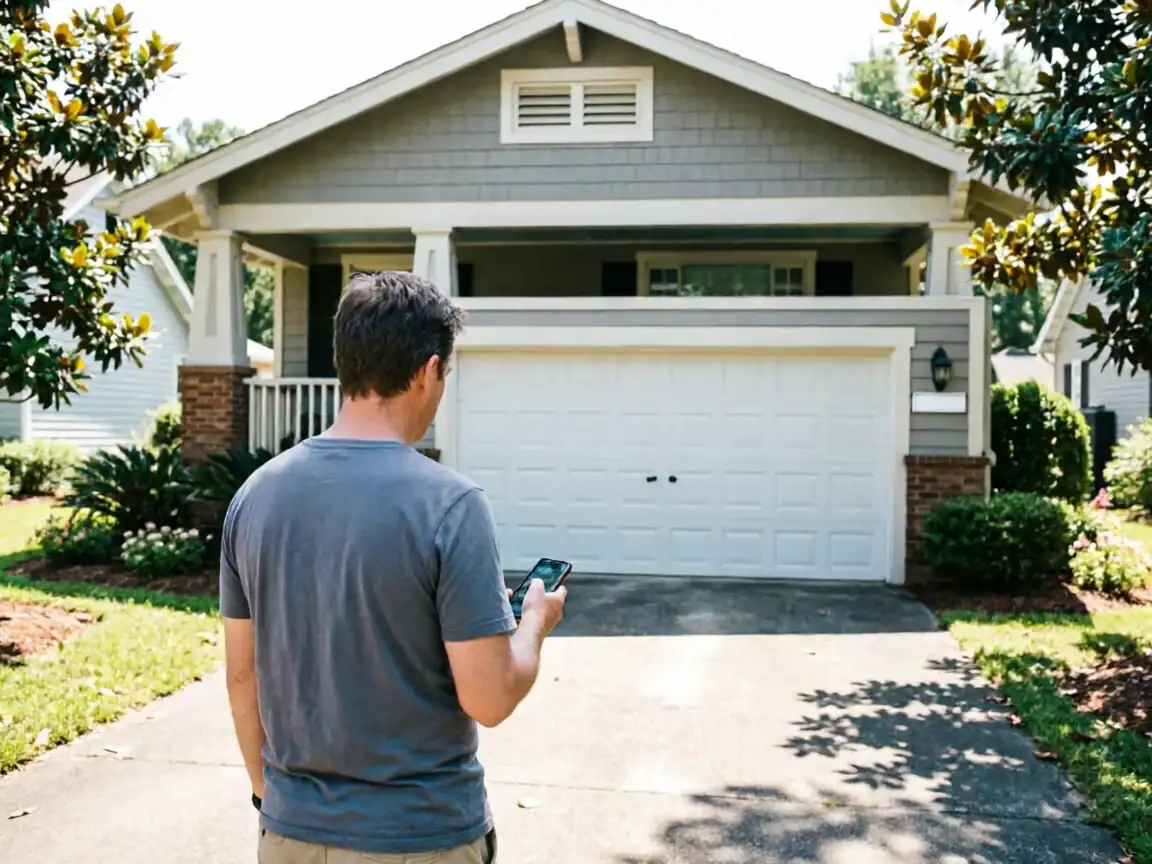
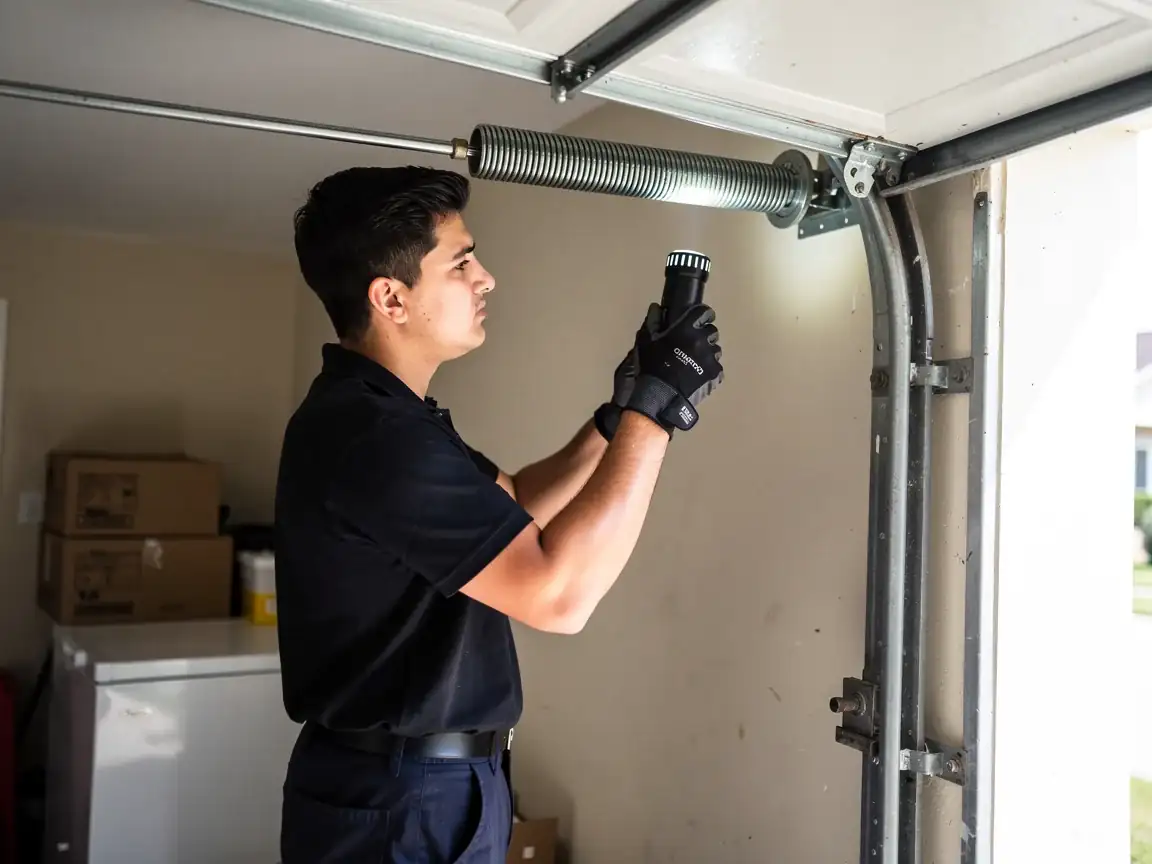
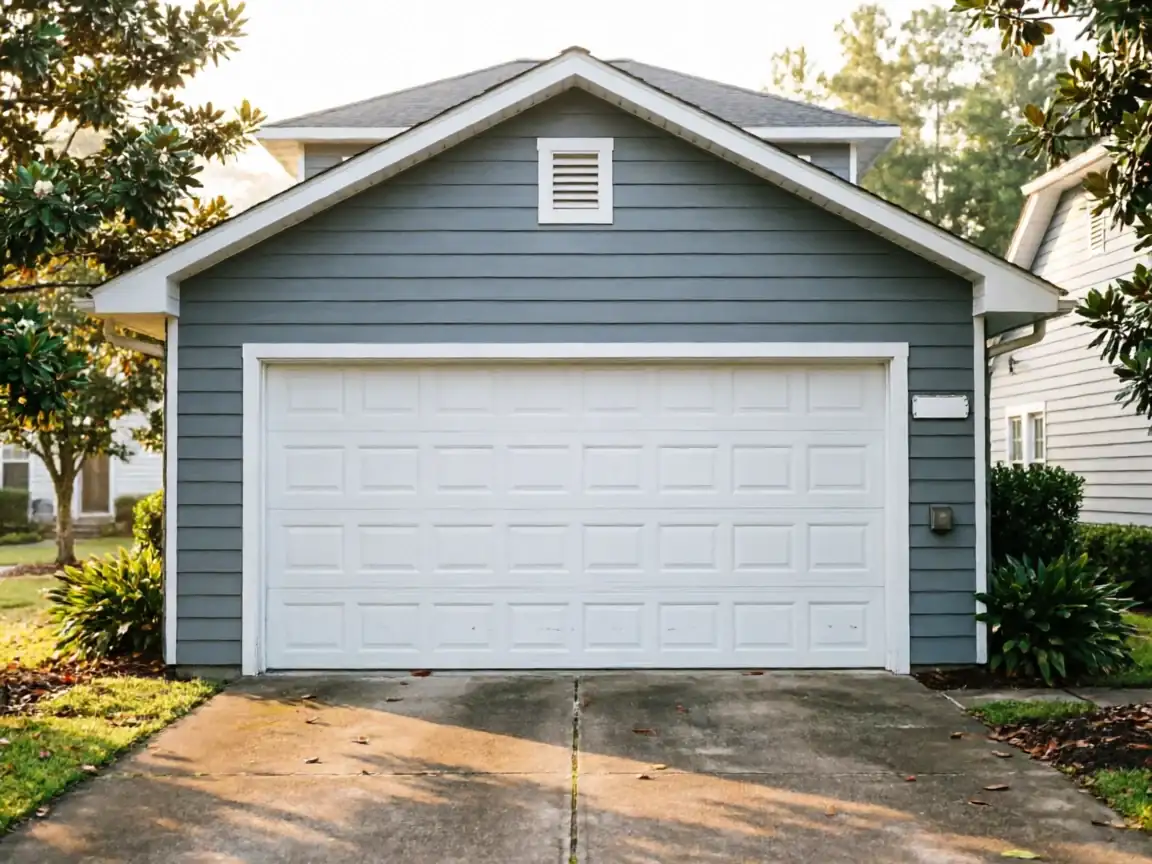
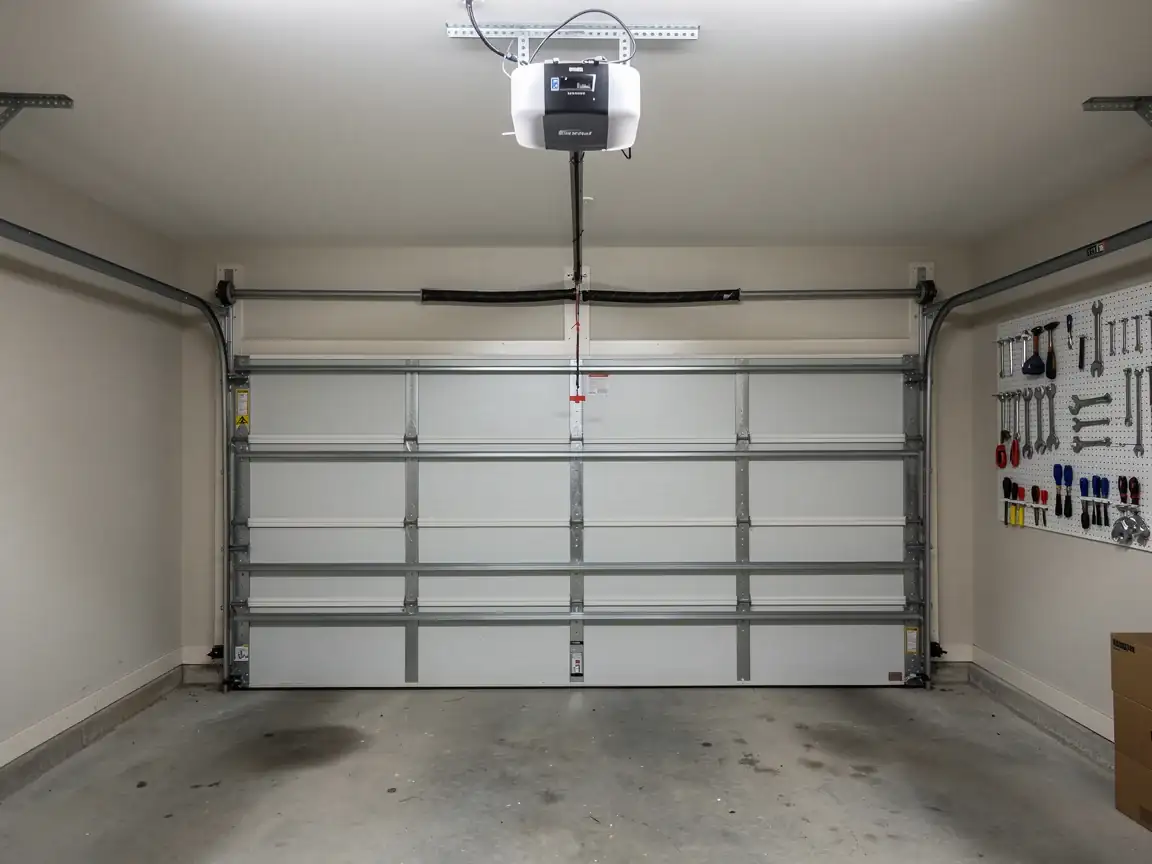
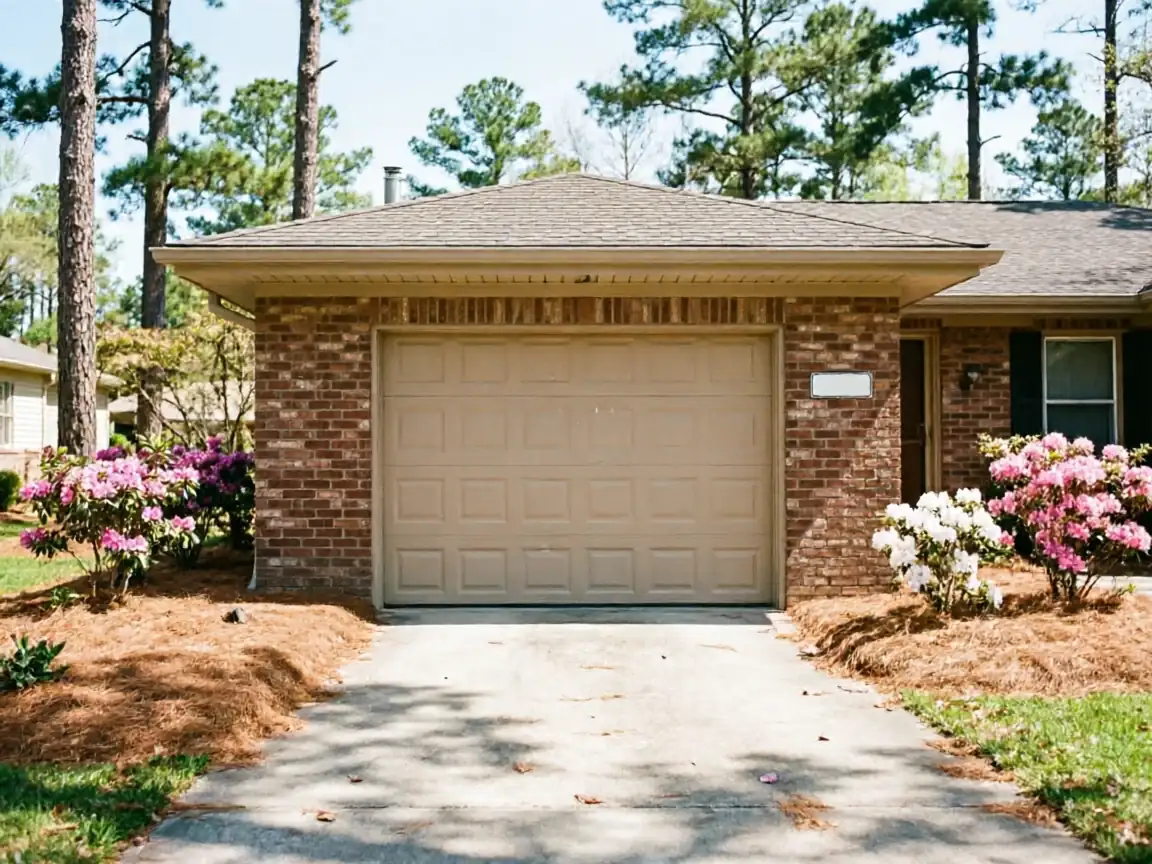
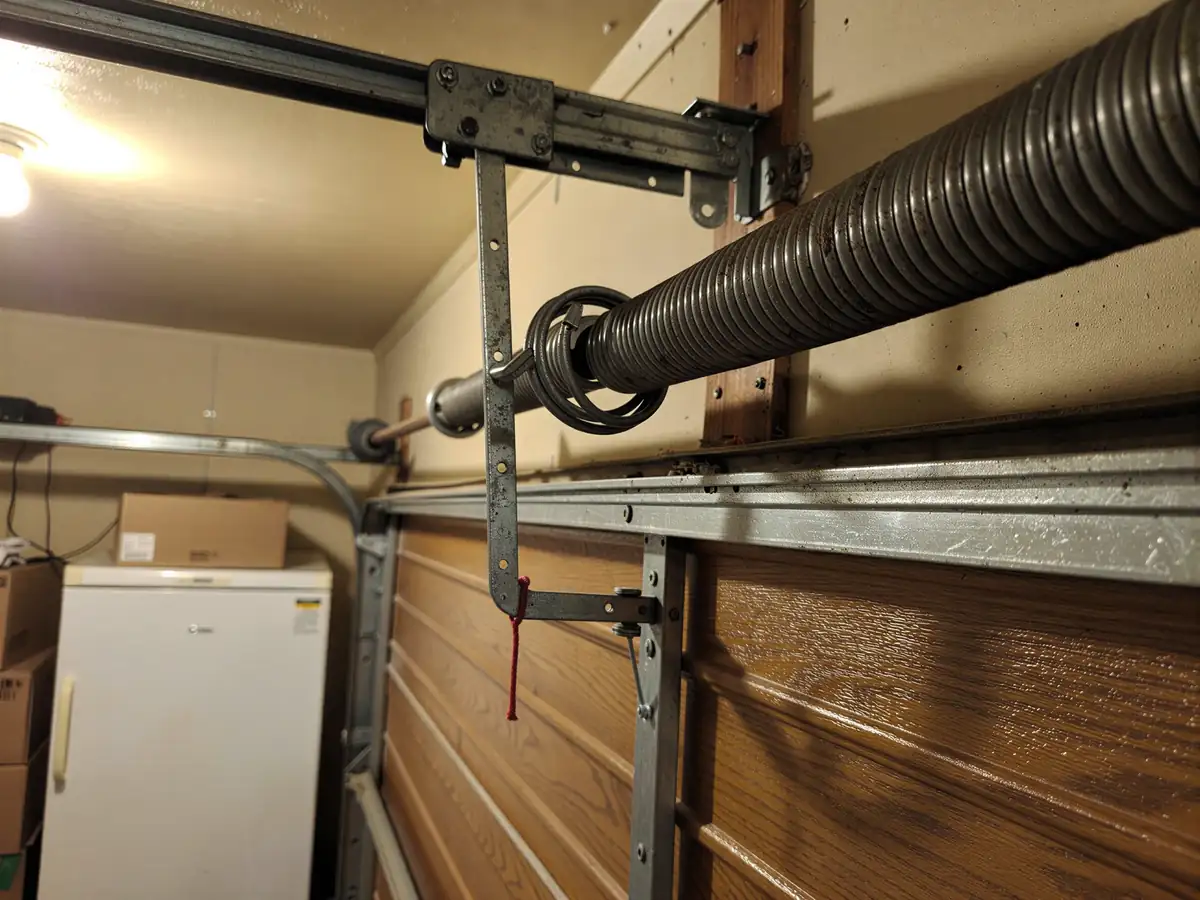
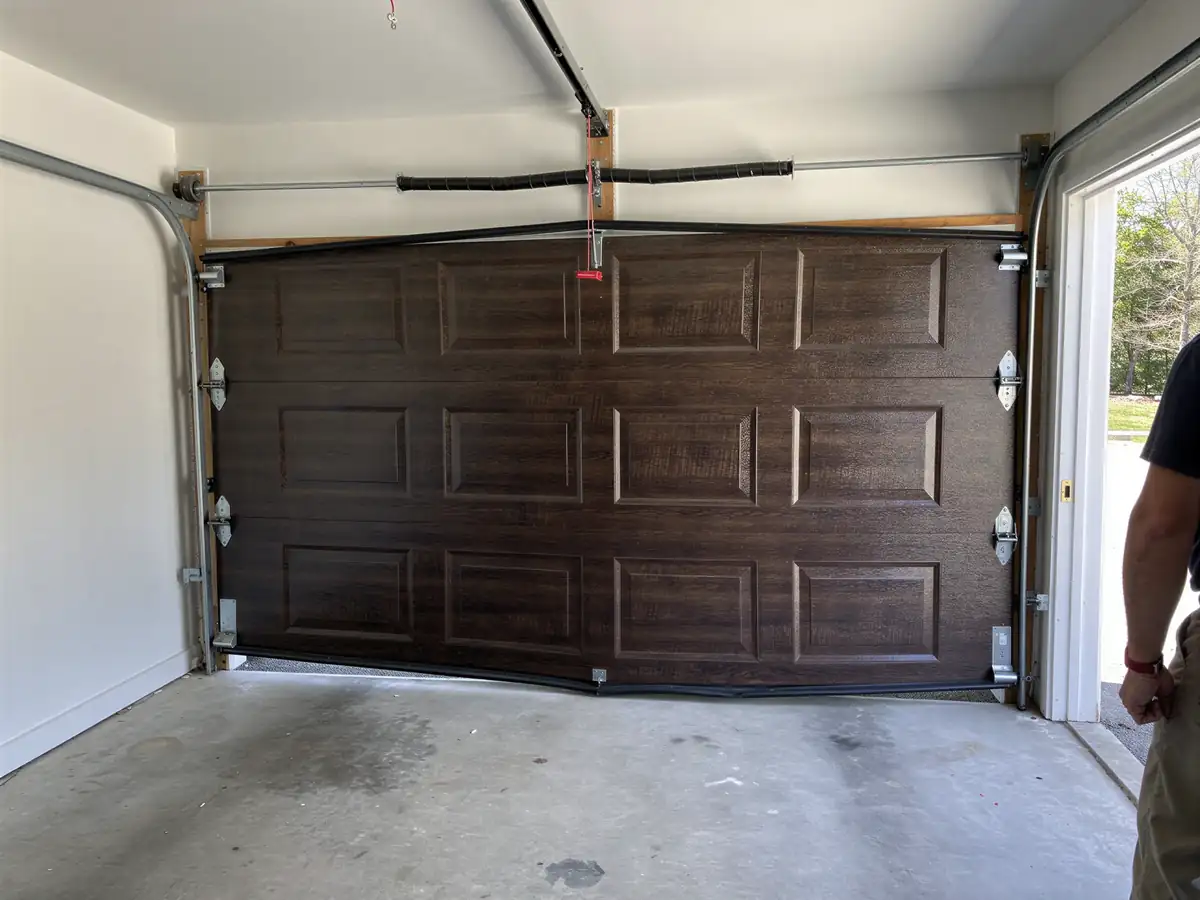
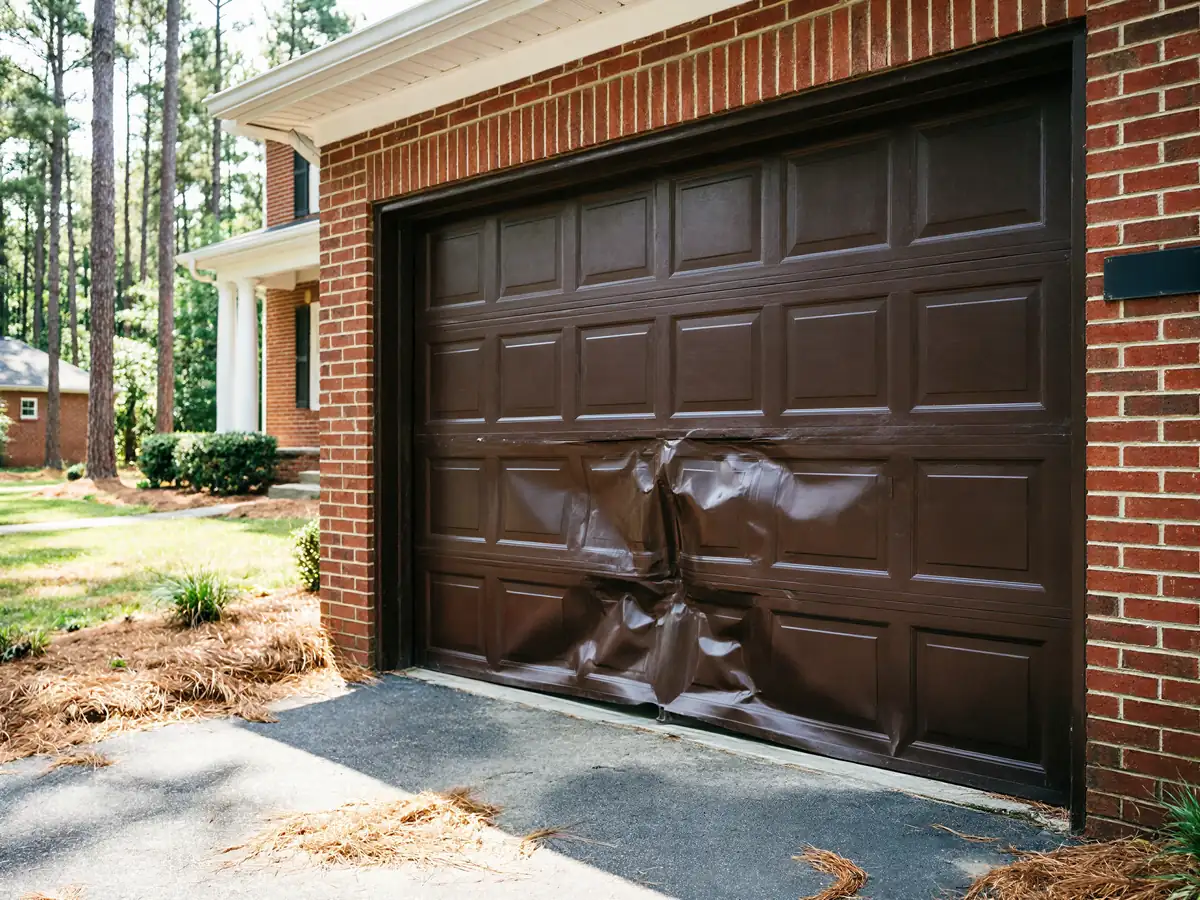
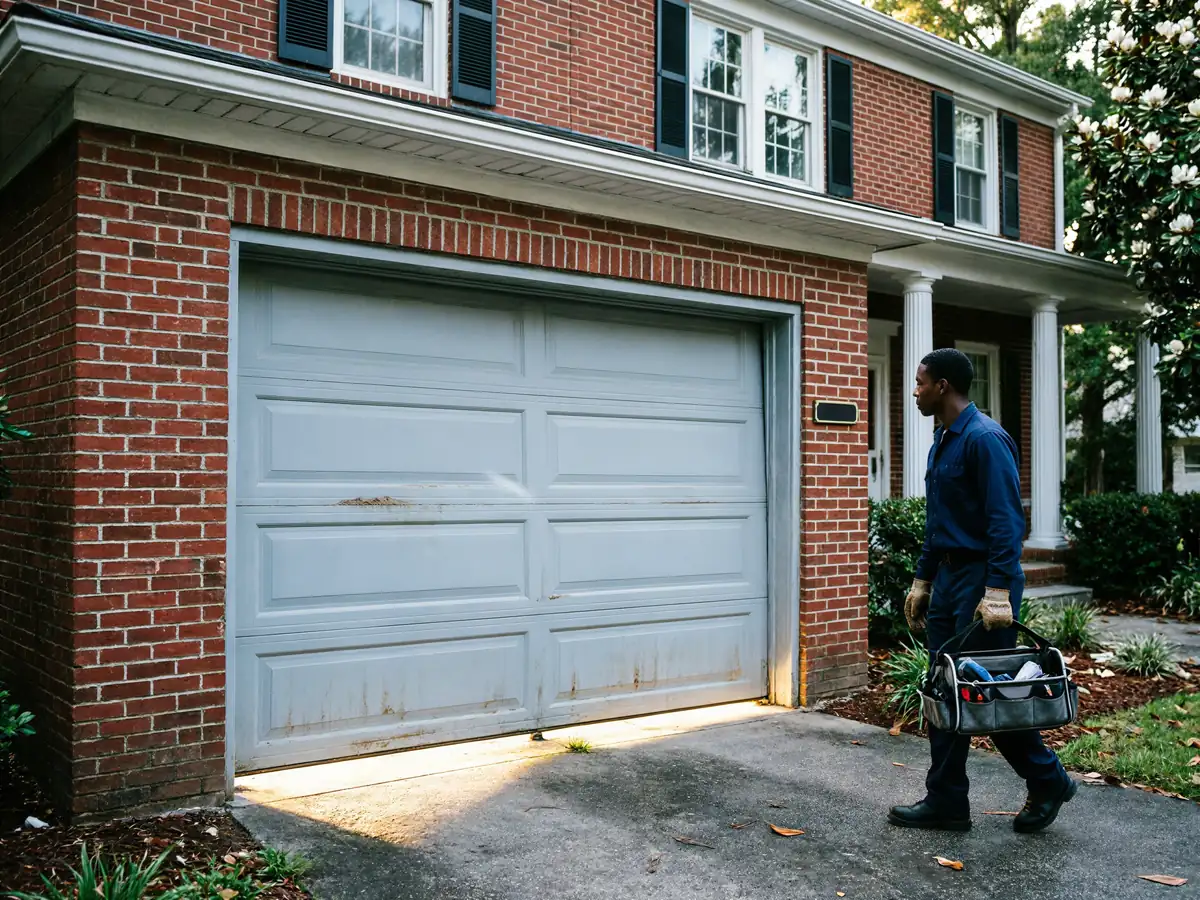
Most houses in Scottdale went up around 1984, which puts the original garage doors squarely in the steel sectional era - not the old one-piece slab doors you'd find in a neighborhood built in the 1950s, and not the insulated composite doors going into new builds today. These are bare steel panels, usually 16 feet wide for a double bay or 9 feet for a single, hung on torsion springs rather than the side-mounted extension springs older stock uses. Forty years on steel, that panel skin is thin and prone to oxidizing from the inside out where the foam backing (if there's any at all) traps moisture. The springs on a door this age have usually outlived their cycle count, and the galvanized coating on the track has often worn through at the rollers. None of this shows up as a dramatic failure - it shows up as a door that's gotten heavy to lift by hand and loud going up. By the time the opener is straining or the bottom panel is visibly bowed, you're not patching a 1984 door, you're replacing it.
How Long You Are Without the Door
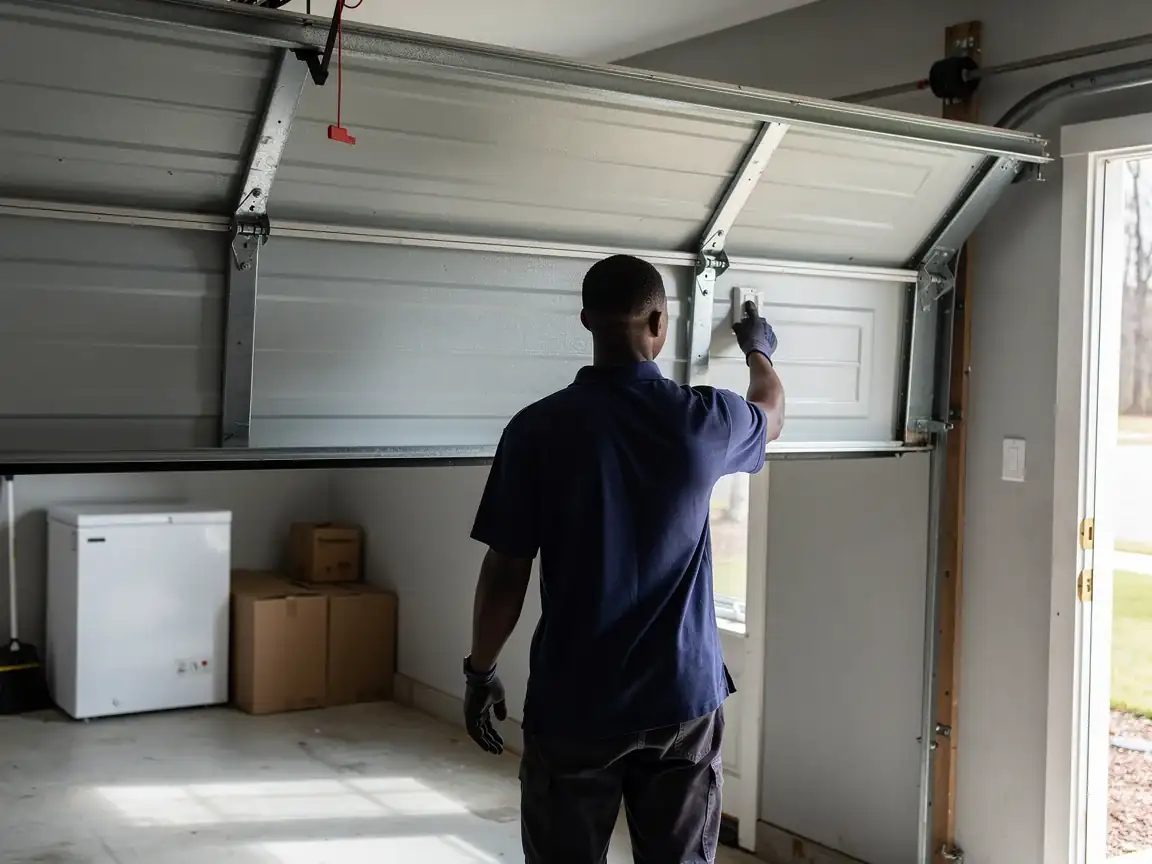
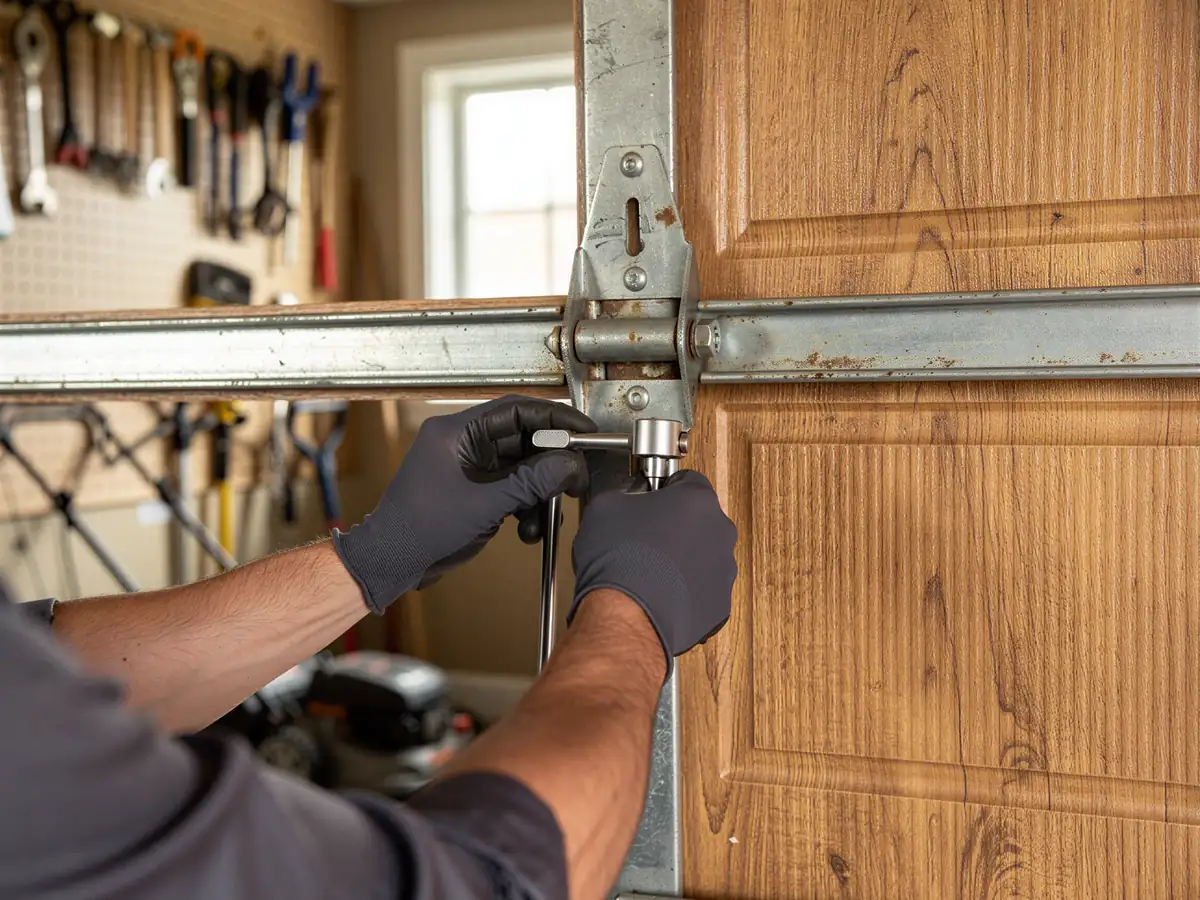
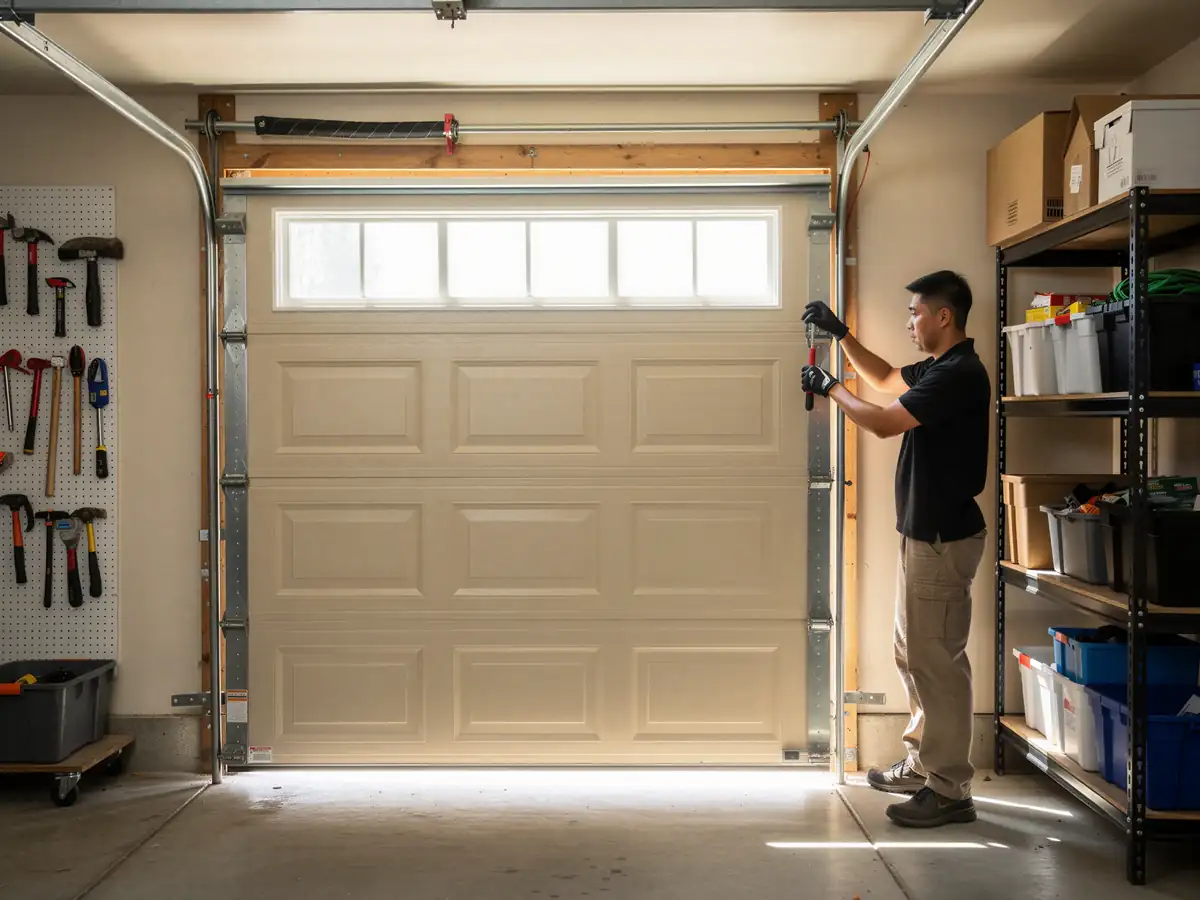
A straight swap - same size opening, new steel sectional panel, same track width - is a same-day job once parts are on the truck. Where it runs long is when the opening itself has shifted over forty years: jamb settling, a header that's no longer square, or track brackets that were never level to begin with on a house built fast in a 1980s subdivision. Those need shimming and sometimes a new jamb seal before the new door goes in plumb. We don't carry every size and finish on the truck out of Snellville, so if you want a specific insulated panel or a color match, that's an order-in item - plan on a lead time, not a same-visit install, for anything outside a standard steel panel.
What It Costs
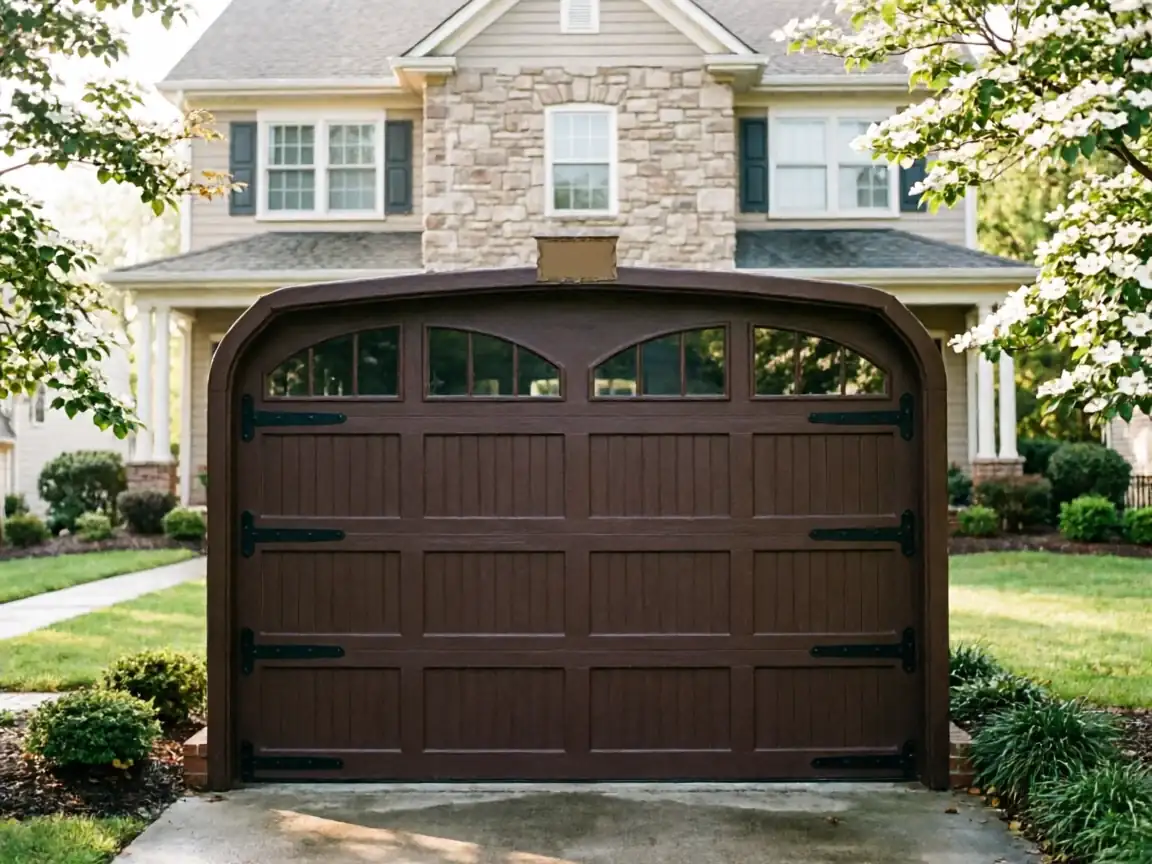
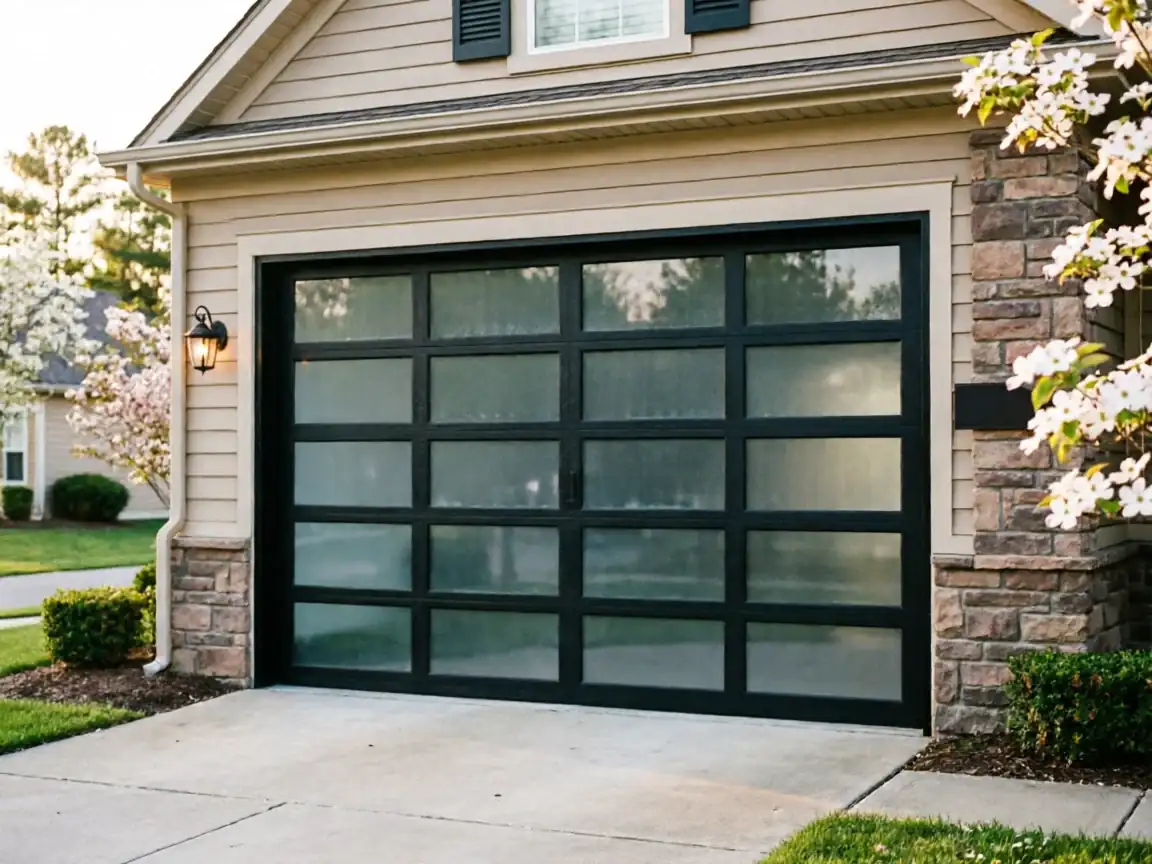
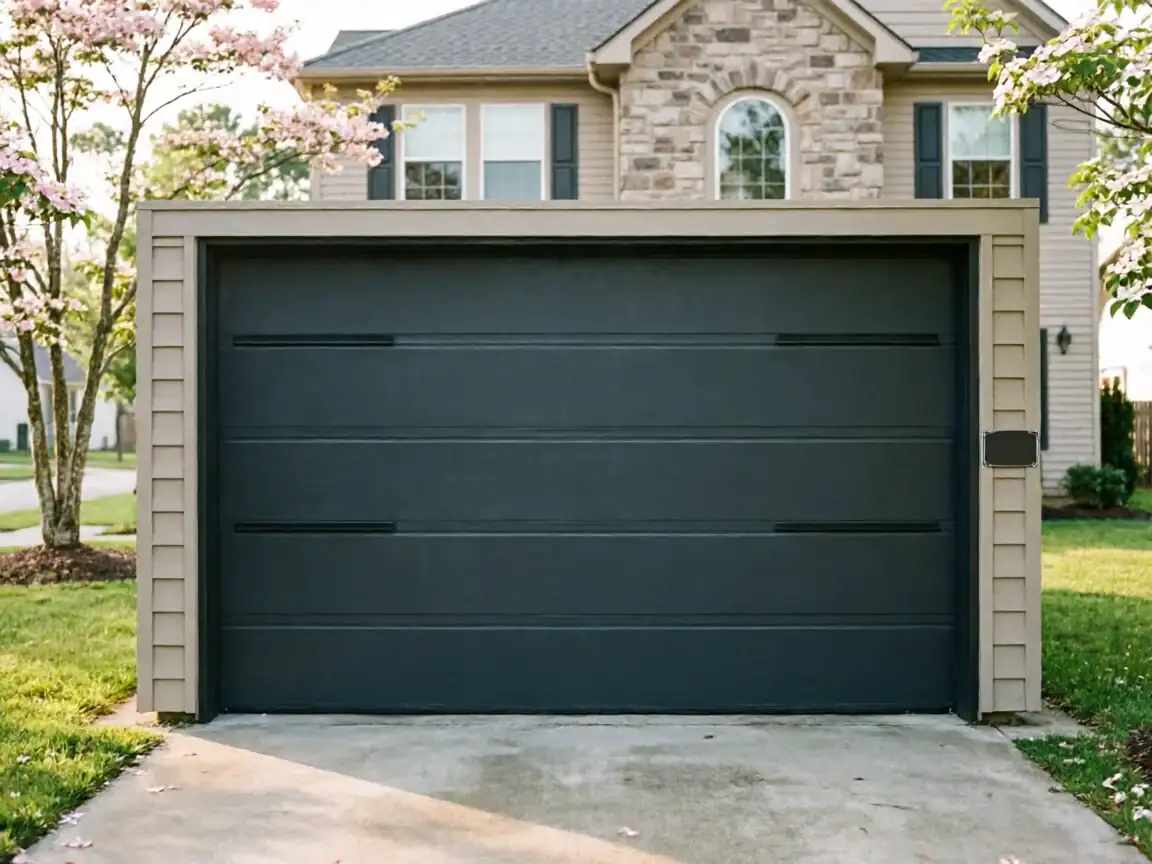
Scottdale's median household income sits at $82,778, noticeably above the wider Snellville service area's $70,625, and that shows in what gets requested here - more insulated steel and composite doors, fewer bare single-skin panels. We don't quote a number without seeing the opening and the condition of the jamb, since a square opening and a settled one are two different jobs. What we can tell you is that a straight panel swap costs less than a job that also needs new track, new springs sized to the heavier door, or jamb repair - and we'll tell you which one you're looking at before we start, not after.
Where This Job Goes Sideways
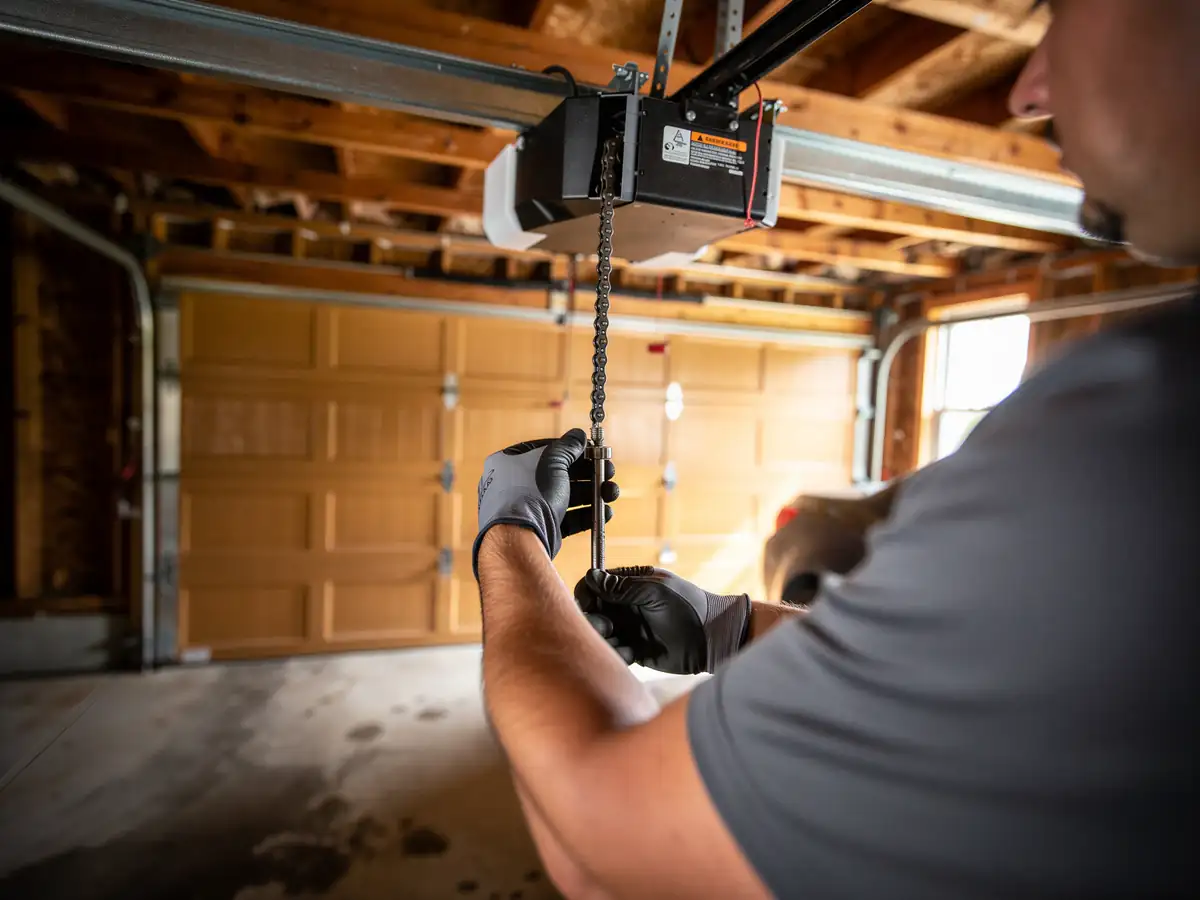
The usual surprise on a 1984-era house is the header. Builders in that period weren't always generous with the rough opening, and a new insulated door - thicker than the original steel panel - sometimes doesn't clear without trimming the stop or adjusting the track mount. The other one: opener compatibility. A door from this era often runs on an opener that's been replaced once already, and the new door's weight doesn't always match the old opener's lift capacity. We check both before we order the door, not after it's sitting in the driveway. The honest limitation here - if the jamb is badly out of square, we'll tell you that a new door is going to cost more than the door itself, because the opening needs carpentry work we don't do. That's a call to a contractor, not a reason to force a door into a bad frame.