Why This Fails Locally
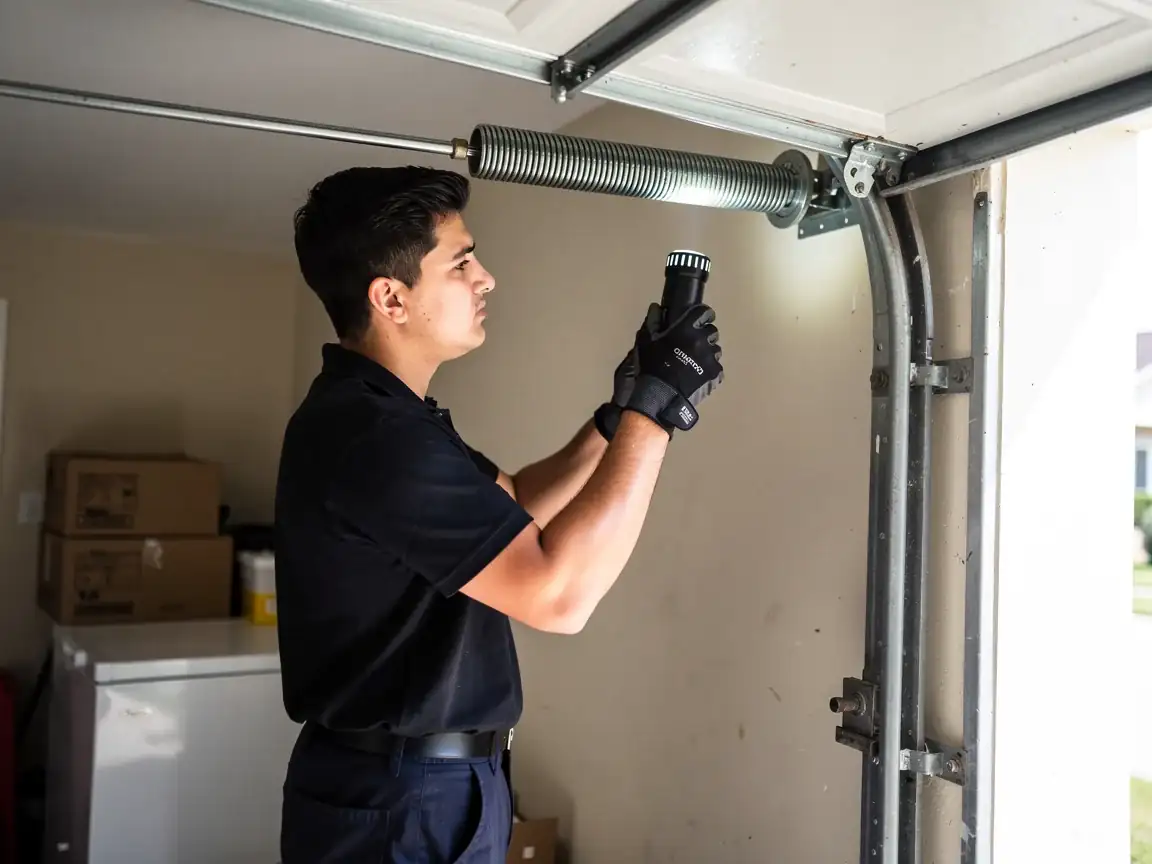
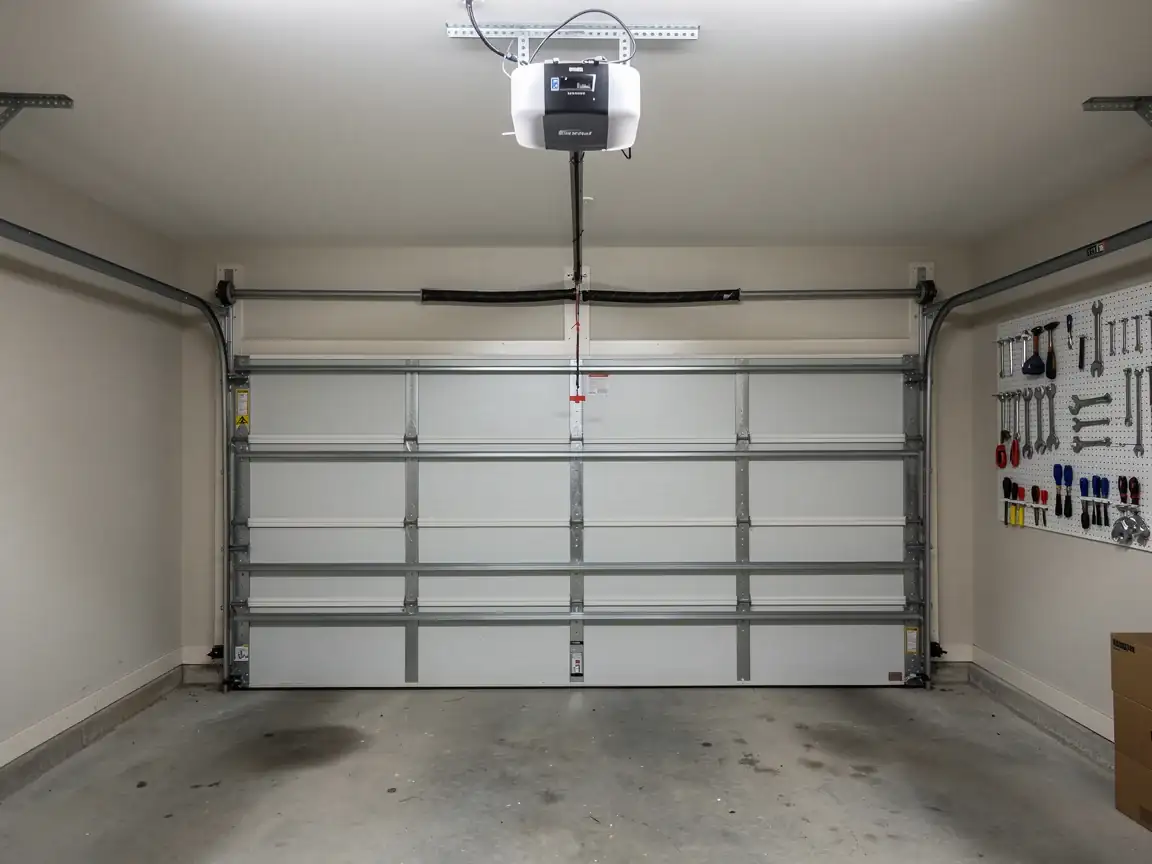
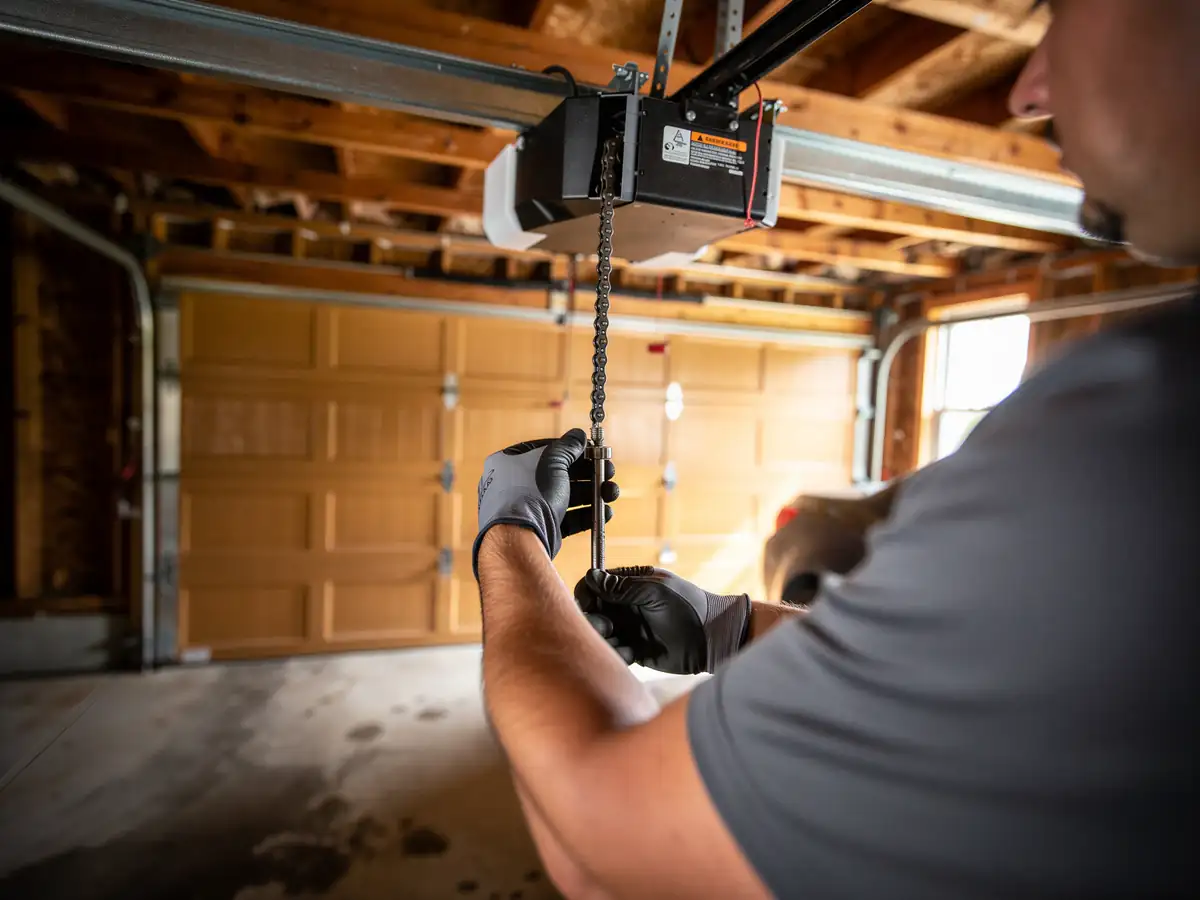
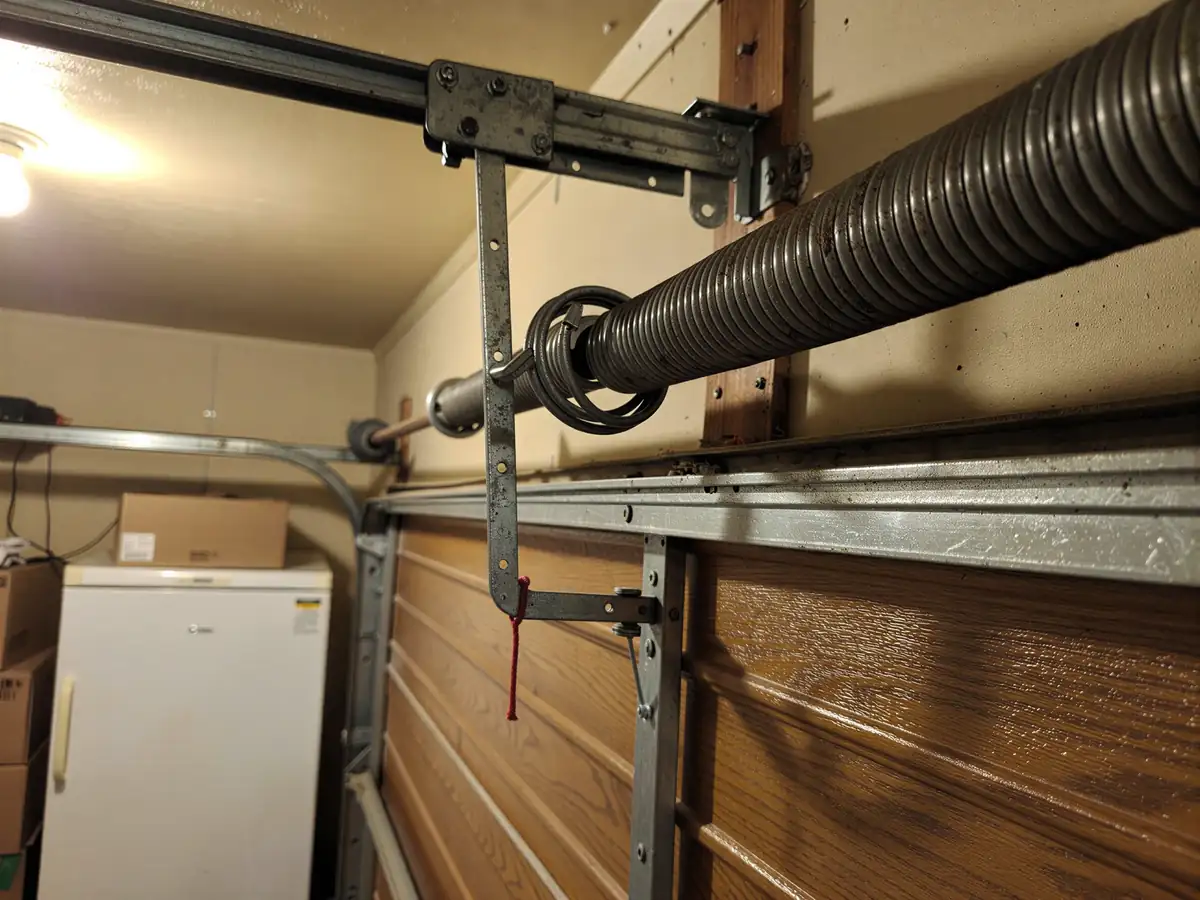
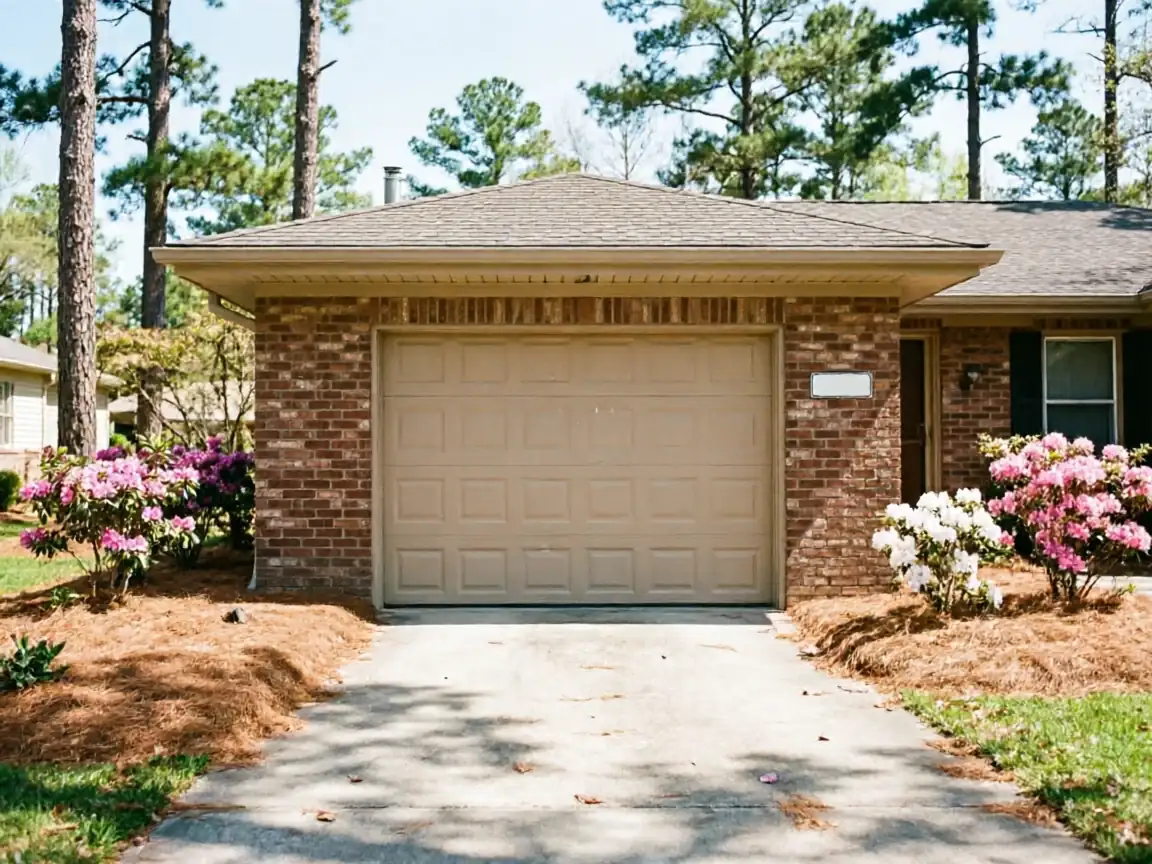
Most houses in Scottdale went up around 1984, which puts a lot of this town squarely in the galvanized-spring, steel-track era rather than the older wood-jamb setups you'd find in neighborhoods built before the 1960s. That matters because a door from that build year has usually had one spring replacement by now, if any, and the opener bolted to the ceiling joist is often the original chain-drive unit nobody's touched since the Reagan administration. The rollers are steel, not nylon, and they've been grinding against the same worn track for close to forty years. When a door from this era fails, it's rarely the opener itself - it's the spring finally giving out after thousands of cycles, or a track that's bent just enough from age that the door binds every third or fourth time. We see this pattern across the 3,750 households here more than we see sudden opener-board failures, which tend to show up in newer construction instead.
How Long You Are Without the Door
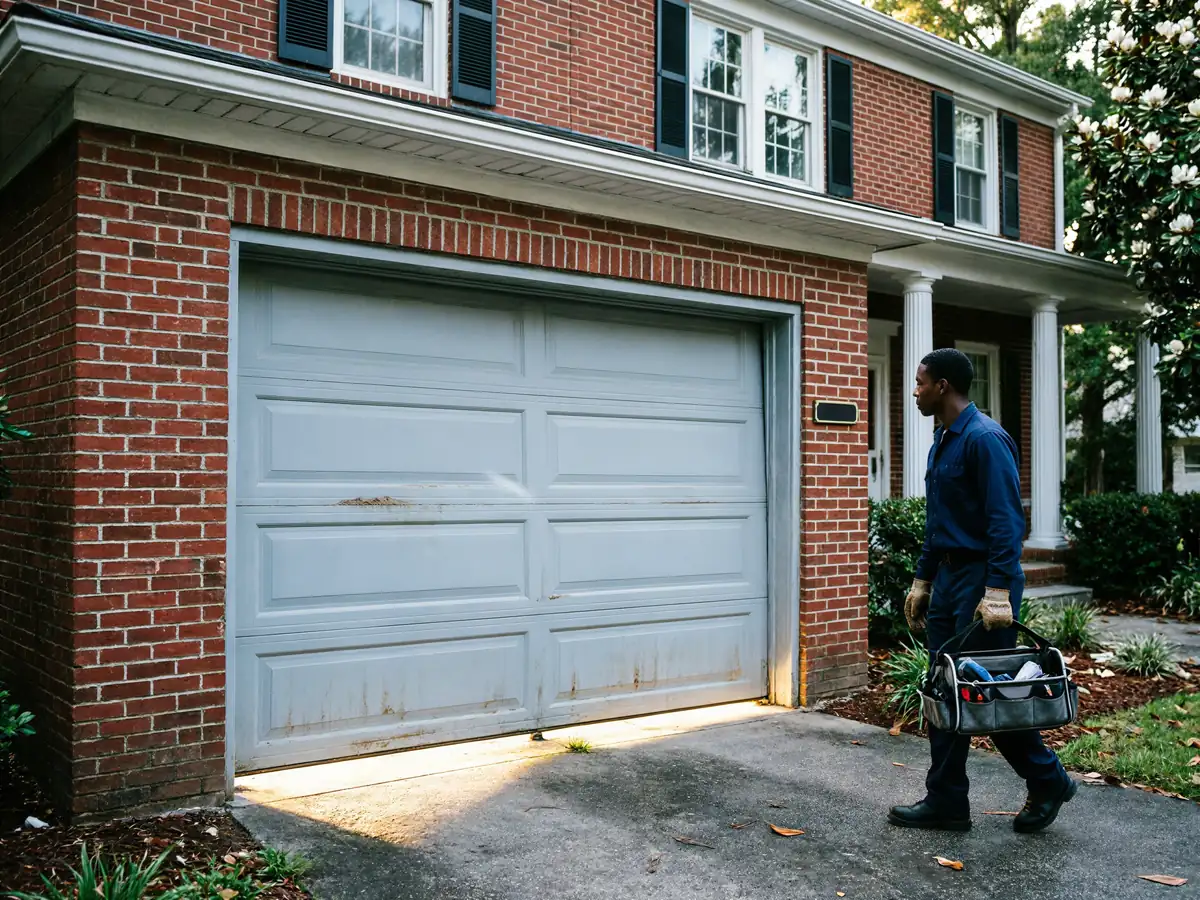
We run this job from Snellville, about 16 miles out, so we're not sitting in Scottdale waiting for a call. That distance means we plan the trip rather than drop by on a whim, and we're upfront that we don't quote a fixed response window for this stretch of the service area. What we can tell you is that once we're scheduled, we bring parts sized for the hardware this town actually has - torsion springs rated for 1980s-era steel doors, not the lighter-gauge stuff that fits newer builds. If your door is original to a 1984 build, we try to carry the right spring size on the truck rather than special-order it after the first visit, which is the thing that actually shortens how long you're stuck.
What It Costs
We don't publish a flat price here because what a 1984-era door needs varies a lot - a single spring swap on original hardware costs less than replacing a bent track or a opener that's finally quit after decades of service. What we can say is that Scottdale's median household income runs higher than much of the broader service area, which doesn't change what we charge, but it does mean more owners here ask us to replace aging opener units outright rather than patch them repeatedly. We price the job after we've looked at it, not before, because guessing on hardware this old usually means guessing wrong.
Where This Job Goes Sideways
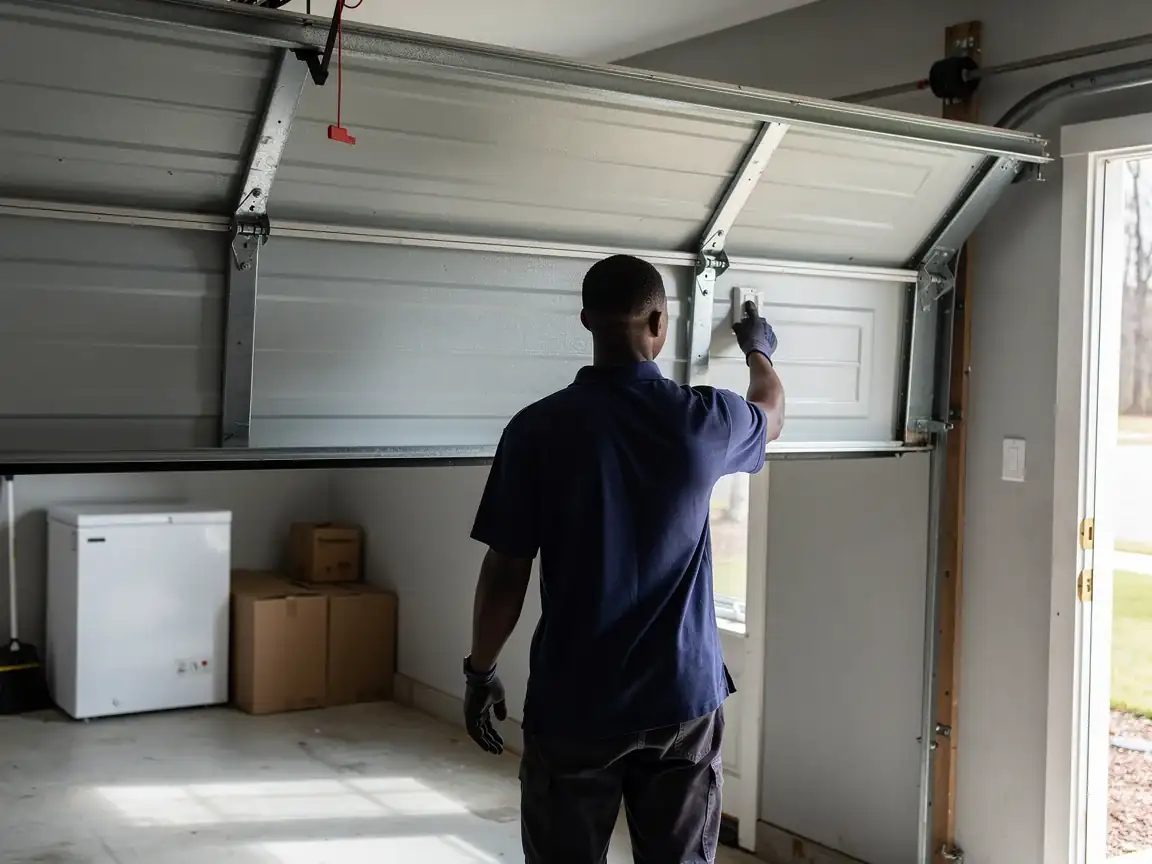
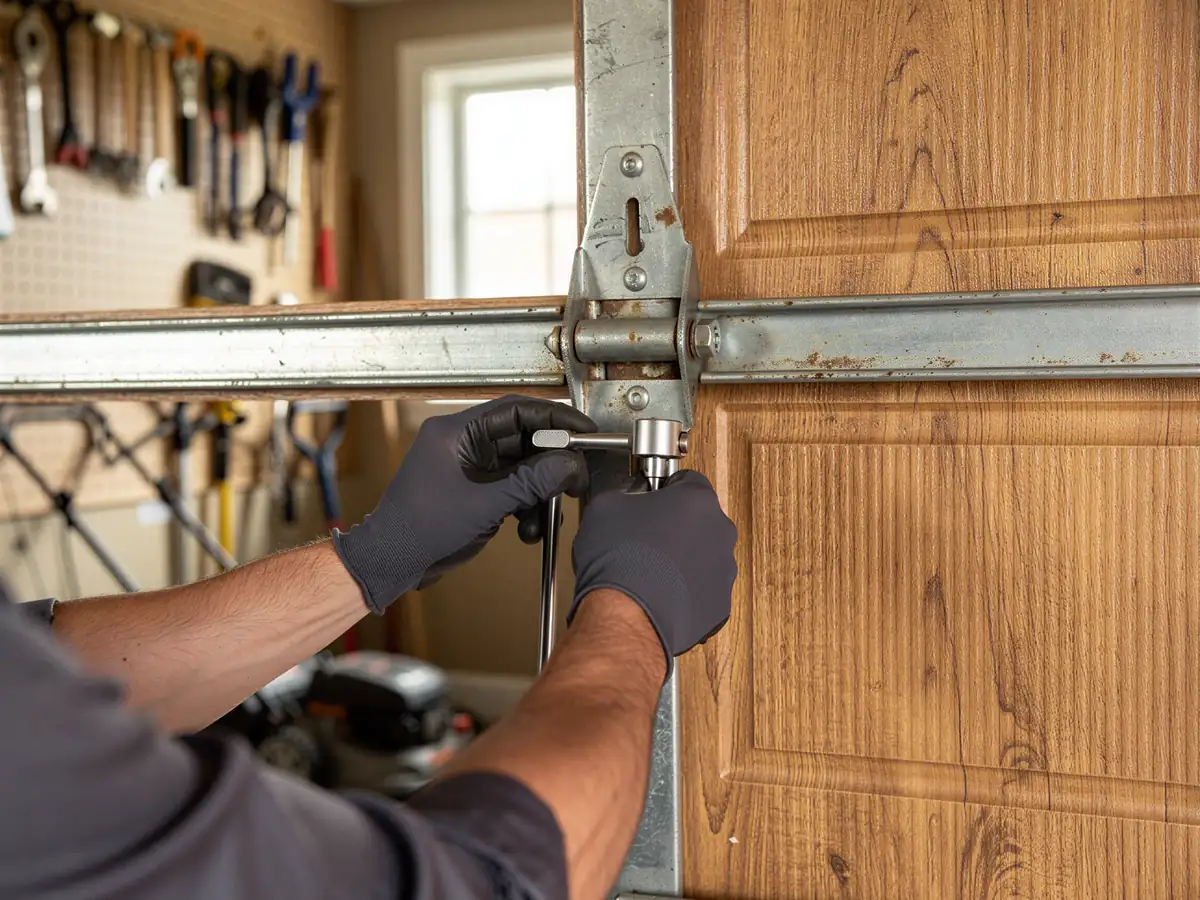
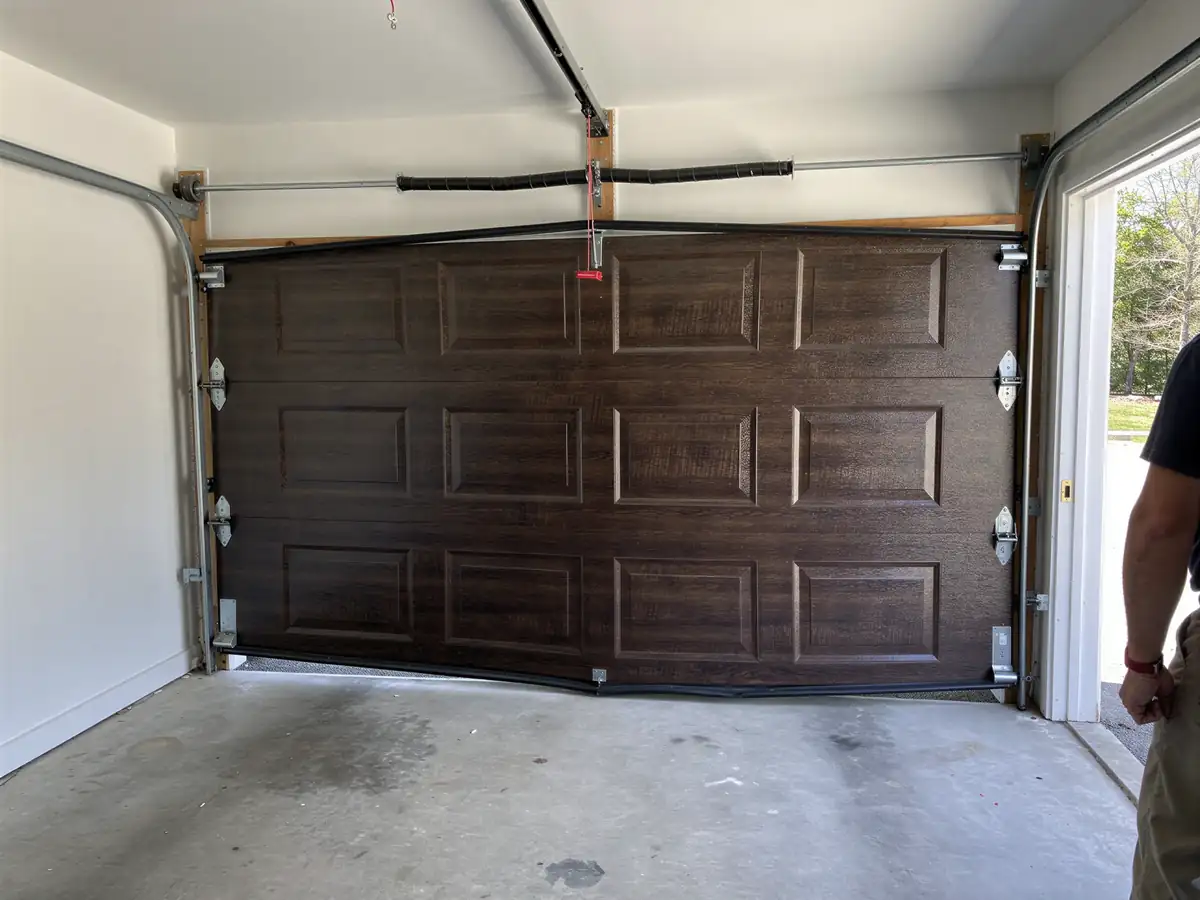
The trouble spot on a door this age is almost always the track-to-jamb mounting. After near forty years, the lag screws holding the track brackets loosen, and a door that looks like it has a bad spring is actually just racked out of square. Swap the spring without fixing that and the new spring wears unevenly within months - we won't do that half-job. The other spot we watch for: original galvanized torsion springs on steel doors sized for the colder end of a moderate climate band can show rust pitting that isn't visible until the spring's under full tension, which is exactly when it lets go.